Dr. Vince Leone | A Simple Strategy to Work ON Your Practice
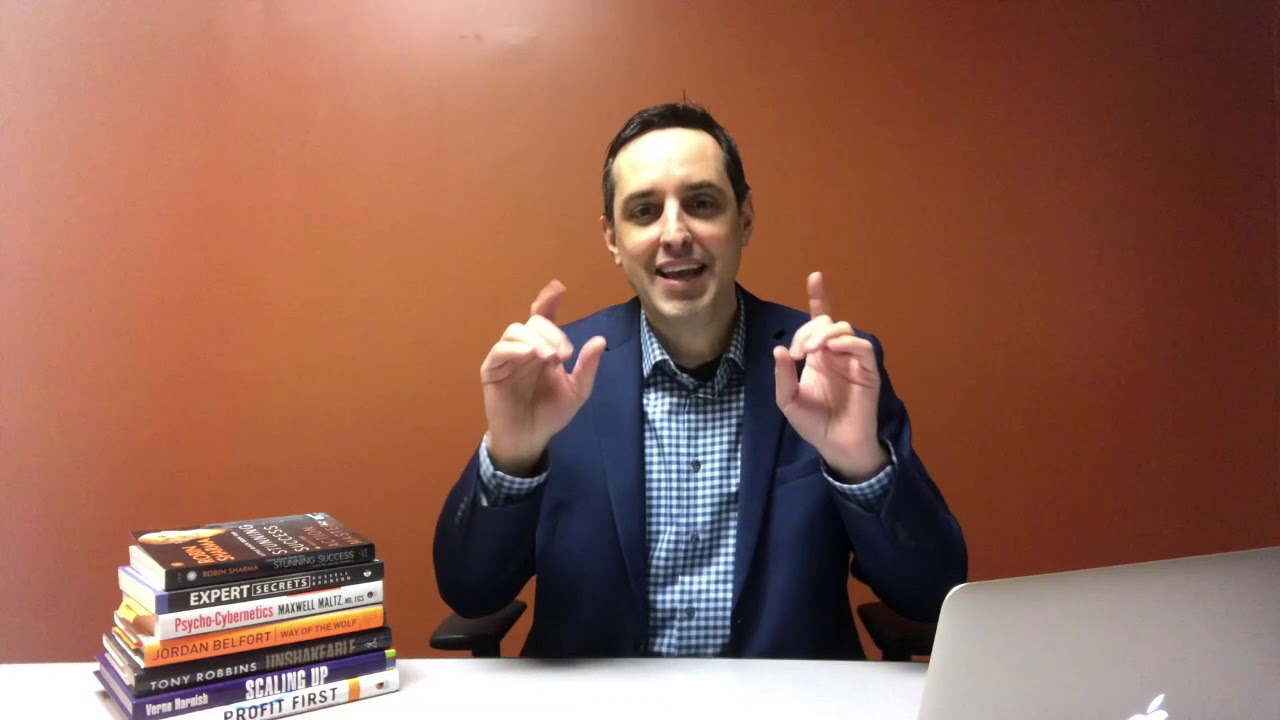
Dr. Vince Leone breaks down a three-phase framework for growing a chiropractic practice: before (build a YouTube channel to attract patients), during (hire a designer to improve your clinic's look and feel), and after (segment your patient list and send weekly emails with education, testimonials, and updates).
Chapters
Hey everyone, Dr. Vince here coming to you with another video on some practice, strategic practice building tips. And today's topic, we're going to cover what's called the before, during, and after strategy. And obviously, you know, I didn't make this up. I would credit Dean Jackson and Joe Polish, 2 kind of big-time marketing type of people. But also, you know, great strategic thinkers on business. And kind of that's, that's, you know, one of my roles, right? I go out and study, you know, what's working in all these other industries and then see, hey, how can we apply this to the chiropractic industry so that we can build our practices and use some of these more innovative approaches to, you know, business building, right? So the before, during, after is, is kind of a strategic and simplified way to look at your practice So in other words, it's kind of like from the 30,000-foot view, right? So we have before, where it's, you know, the whole time before they've ever come into your practice, right? During, from the moment they walk in your door to the moment they finish care with you. And then after, when they're finished with care, and that's kind of nurturing that relationship. So this is kind of the classic working On your practice versus in it. And this is a great time right now as we kind of move into the final quarter, or month of the quarter, and then looking at the new year. So let's look at each of these phases. So the before phase is really in charge of finding, identifying, educating, and motivating people to want to do business with you or want to choose you as their chiropractor. This is the before unit. And by the way, with each one of these, I'm going to give you one strategy that you can utilize in your practice right now. And so this one strategy for the before unit, so that we can educate people and motivate people to want to choose us as their chiropractor regardless of the niche that we're in, is YouTube. And you— the beauty of YouTube is, uh, well, a couple things. One, uh, it is the number 2 search engine on the planet, right? So Google is number 1, YouTube's number 2. And Google obviously owns YouTube, and they love YouTube in terms of search results. And so if we're talking about, well, how do we educate people about what we do? How do we motivate people to choose us as their chiropractor if they're out doing their research on the internet like they are, right? And YouTube is just a wonderful opportunity, a massive opportunity actually, because not that many chiropractors are doing it. So if you want to see, take a look at someone that is doing a very good job, just type in Advanced Chiropractic Relief Houston chiropractor. And, you know, I mean, put that in the YouTube search bar, he'll come up right away. And he has like 196,000 subscribers, which is just ridiculous. I mean, ridiculously awesome. And so, and he goes against the grain. His videos are not short. They're not like, you know, 3 minutes. No. People will typically say, well, you want to do between 3 and 5 minutes and get in, get out, deliver value, blah, blah, blah. He actually does a full evaluation. Um, you know, and, you know, clearly he's already done his, his detailed examination of the patient, but this is, you know, his— and it's super simple. A staff member who has a phone or a camera or something and just shooting him, um, essentially doing kind of a— this kind of visual physical evaluation and then adjusting the patient, just talking through the whole thing. And he's obviously extremely talented in terms of his adjusting skills and what he does. He's been in practice for quite some time. You can also see that because he's an older gentleman. But, you know, seems like a super nice guy. He's got the accent and everything. And the one video that I saw is a Canadian surgeon came down for a conference, and then his daughter said, hey, you got to go see this chiropractor. And so that's why he was there. Right, because his daughter saw him on YouTube and recommended him. I mean, it's just, you know, these points of reference are crazy. But the point being is, I can't— I mean, this guy probably gets so many new patients from YouTube because so many people know about him. I mean, it's just, um, so anyways, so how can you use this? Well, really make a commitment to building out your YouTube channel, right? And so how do you do that? I'm not going to go into the, the the details of how to do that, but go to YouTube and type in how to start a YouTube channel, and it will— there will be a million videos. Um, just pick the one that seems best, somewhere in the top 3, and, uh, between, you know, in 5 to 7 minutes, they'll walk you through everything that you need to do. It's super basic. I mean, it's not difficult at all. Um, it will be a little, you know, because it's new, it will be a little challenging, but basically you want to make it look good You want to create some playlists, which is just different types of groups of videos, like neck pain, back pain, car accidents, that type of stuff. Then start creating some videos. You will not be great in the beginning, and that's okay. The goal here is to just get started and create a schedule. Make it easy on yourself. Say, I want to do 1 video a week. That's it. One video a week. That is pretty easy to stick to. And don't worry about— and look, you can just do what this guy does. Just, hey, you're going to get the permission of a patient and walk them through it. And then you can also put testimonials on there. You can talk about 3 common causes of neck pain or how we treat neck pain in the office, all this type of stuff. And you just build and build and build. The Facebook fan pages, have really lessened the impact that we're having because Facebook is putting more emphasis on paid advertising. So you may have 1,000 fans or followers on your Facebook fan page, but they may not even see your posts because again, the preference is on the paid ads. And so that's, you know, if you're saying, well, I don't get much engagement on our posts on our fan page, it's probably because either You know, they're not even seeing it, or it's just not that interesting. People love video, and people love learning. Um, there's a show called How It's Made or something like that, and I think it's on like National Geographic. And it's like, it goes through the process of how like gumballs are made, or screwdrivers, or whatever it is. People are just fascinated with this stuff, you know, how is this made? People don't understand what chiropractors do. You know, how, how is an adjustment performed? You know, um, what the heck is that popping sound? People are still asking it. So, so the more you can educate, talk and, you know, um, talk and then educate as you're treating the patient. Um, anyways, great opportunity. And, and by the way, if you're thinking, well, I feel like I'm late in the game for that, you're not, right? Because, um, if you think about social media, what, it's been around for, I don't know, 15, 20 years, and it's still in its toddler years, right? So if you're gonna be in practice for another 10, 20 years, you know, start building it now because in 10 years you're gonna have a juggernaut of a platform that's not going anywhere, right? And that will add value not only in terms of new patients, but it'll add value to your practice, right? Because people will associate it with your practice. So that's the before phase where we're trying to create pre-educated people, pre-motivated people, And that's one of the best free opportunities out there right now. So the during phase. So this is when they walk in your door and have care with you and walk out, right? Not— No, not that day. I'm talking about their entire length of care. They finish a care plan or they finish treating, and then, and then that is your during phase. So this is where we're delivering the experience of what we do. And so The key here and the one strategy I would recommend is hire an interior designer. Go in on an off day, Saturday or Sunday, and just have them walk through with fresh eyes, right? Because when we were in our practice every day, we see things and we just, you know, we just tune things out. You know, does the front desk look like a bomb went off or is it orderly? What does our bathrooms look like? When was the last time you were in your patient bathroom? You know, what do the exam rooms look like? What do the carpets look like? So what you want to do is we want to deliver an outstanding experience, not an okay experience. We want to deliver a phenomenal patient experience, okay? That is what generates referrals. If you just do your job and it's an okay office, that doesn't stimulate referrals. Right? You have to deliver an exceptional experience to patients for them to talk about you, right? That's how referrals are made. So hire an interior designer and say, hey, what are 5 things, like just have them walk through, don't, just say, hey, you go in, I don't wanna follow you around like a puppy dog here, just go in, make some notes, you know, give them whatever, $300 or $500 for the day, whatever their rate is, and say, what are 3 to 5 things that I could do That would really create a better experience for patients here? And you don't have to do them all at once, right? Just maybe one at a time. And frankly, now is a great time to invest some money into your practice. And so get those suggestions and just walk through with— try to walk through with fresh eyes and look everywhere and see, you know, because patients, when they walk into your clinic, they will literally start making decisions within 4 seconds, right? What do they see? What do they hear? What do they smell? You know, all those things go into either a positive impression or a negative impression. And the research has shown that it takes 8 positive subsequent impressions to reverse 1 bad first impression, okay? So, let's make it good on the first time, right? So, anyways. So, hire that interior designer. You know, do something. Who else is doing this? No one. Okay, let's do some new things, right, to take those next steps in practice. And one other thing you can do on this front is go to Pinterest right now, or as soon as you're done with this video, and just type in beautiful doctor offices, right, in the search bar. And not beautiful chiropractic offices, right? We're not in competition with chiropractors. We are in competition with any healthcare provider. Because that's who we're being compared to, right? So type that in and just get some ideas. Just look at what other doctors are doing. I mean, it's phenomenal what some of these offices look like. I mean, front desks that are like granite and they're just gorgeous. There's massive fish tanks. There's, you know, water walls. I mean, all kinds of cool stuff, right? That aren't necessarily crazy expensive. I mean, hey, maybe it's $5,000, but if that $5,000 completely sets you apart when someone walks in your door and it's some type of like major like piece that is outstanding, I mean, that could be $5,000 well invested in your practice. Another thing I've seen that's really, really cool is, or are, boards that, you know, have the chalk done and it's like Almost like an artist has done it. It looks very, you know, it looks great and it's updated with the current what's going on in the office and all this type of stuff. Another really great way to keep people engaged. Okay, so that is your during unit. Those are— that's, you know, one strategy that you can utilize to do that. Your after are— this is all devoted to building and nurturing The relationship with the people that have gone through your office. Okay, they already know, like, and trust you. They most likely have gotten excellent clinical outcomes. Now we want to now focus on how do we really nurture this relationship so that in the future when they need my care, my type of service, they're definitely going to choose me. And if they talk to someone at church or at work, They are definitely going to refer me. So, how do you do that? Well, what we want to do is we need to stay in contact with them. We need to stay in communication with them. And most doctors do not, right? And so what we want to do is take your patient base, and I really hope it's an electronic medical record database, because if this is a— if it's a paper, this will be a nightmare, right? With an EMR, all you do is just put in a quick query. We want 3 piles. We want A pile, people that have been in your office in the last 12 months. B pile, 12 to 24. And C pile, greater than 24 months. And that one you can pretty much toss. Those are gonna be tough to really, you know, kind of resurrect that relationship. But what you wanna do then is take your email list, right? And it should be on some type of CRM, right? AWeber, Mailchimp, ActiveCampaign, should be on one of those. CRMs are customer relationship management software. It's a mouthful, that's why they just call them CRMs. And so, so we want to look at our email list and then we want to make it a goal over 3 months or 6 months or whatever it is, hey, I want to get as many people on from this A and B pile onto my email list. That's step 1. And then at the same time, we want to create a communication schedule once a week Is what I would recommend initially. Where we're gonna communicate with our patients via email. I'm gonna write them an email. You are gonna write— you, doctor, are gonna write them an email. Again, not very many doctors doing this. This is what we're doing to kind of set ourselves apart. And we're gonna send out an email once a week and divide them into 3 piles: education, testimonial, and personal, right? So education, we're gonna deliver value. Effects of vitamin D in the winter, 3 things to do after you get in a car accident, 3 common causes of headaches, whatever it is. Just short little blog posts. They don't need to be long, guys. They don't need to be long. They shouldn't be long. Like literally 4 paragraphs, 3 to 4 paragraphs of 1 to 2 sentences each or 2 to 3 sentences each. Like, like don't make it like a slog to get through your email. It just Now, if you want to link it to a blog post, if you want to set up a blog and so I want to go deep on these, then you can, you know, do the first paragraph or 2 and say, hey, for the full article, go to my blog, right? And you can link them out, but you don't really have to. I mean, you would— you kind of more want to just give them bite-sized information just because people are very distracted these days and they just kind of want information in small doses. Testimonials. Video or written, you know, hey, I had this great patient come in, click here to watch her video. Or, you know, this is what happened, she came in with— and then tell a story. People love stories, so tell stories about your patients and obviously get permission from them. And then finally, your personal side. Just quick, you know, quick email. Oh hey, just so, uh, you know, hey, it's Friday and just wanted to reach out and say hello. And, um, you know, my daughter, uh, had First Communion and we were so happy, and here's a picture. Or I took, you know, I like to race on the weekends, so here's a picture of me racing my Porsche. Whatever it is, people want to get to know you, right? And so this is the opportunity to just share that. So the more they get to know you, the more they'll invest in the relationship, the more they'll remember you, okay? So create a schedule and stick to it. And so that's it. You know, that's the before, during, and after strategy of working on your practice, taking a strategic look, that 30,000-foot overview of your practice, You know, okay, this is how I'm going to, you know, essentially start to generate new patients. This is how I'm going to treat them, and then this is what I'm going to do afterwards to make sure that they always think of me when they think of a chiropractor. And so, and you just start implementing one thing at a time. And this is what I do. Like, I started a new consulting group, high-level consulting called the Client Elevation Group. We just do one thing at a time and we look at, you know, this is just one strategy, right? So where we start to implement things. And if you're interested in that, we'd love to have Yeah. So, I'd love to have you apply. You can go to clientelevationgroup.com, just put in your email, and then you'll take a quick survey. That gives me some good information about your practice, and then we'll jump on the phone and talk. But, you know, and I'm just kind of the silent partner, right, that kind of works with doctors to grow their practices. And it's just, it's a lot of fun when we can take the complexity out of the situation and bring in just a simplified version and just say, hey, just focus on this, right? Because what happens is doctors get really excited about wanting to build their practice and install all these different things that it becomes very overwhelming, and then oftentimes nothing happens, right? Because, you know, a confused mind just kind of throws up their hands. So what we— what I do is bring in simplification. Hey, what is the biggest key leverage point that we could take advantage of right now Do that, execute it, have that system or strategy installed, and then move on. Okay, so that's it for now. Hey, you can see these books here. I thought that I would just share some of the books that I really like, I'm liking these days. And these aren't all new books, frankly, none of them are new books. But you'll probably have some free time over the holidays if you wanna check out some of these. So these are both would be good practice building, or more business building, Profit First and Scaling Up. Good stuff. Unshakeable by Tony Robbins, that's a good financial, um, good, you know, on your finances book. Jordan Belfort, this is really good on sales and persuasion. If you need— if you're not closing enough patients, if you're less than 50%, or if you're at 50, you think you can get to 60 or 70, it's a good book for that. Psycho-Cybernetics, awesome book, all on the self-image and more. Very cool stuff. Expert Secrets, This is really cool if you're interested in, you know, essentially creating like a quote-unquote side hustle where, you know, you can develop a following for, you know, some little niche outside— not outside of chiropractic, still within the health realm. That is a very good book to talk about how to approach that. Then this book, it's called The Little Black Book for Studying Success by Robin Sharma. I love this guy. He's such an excellent thinker and writer. Each of his little chapters is like 2 or 3 pages long, and it's just really, really cool. You can just read 1 or 2 chapters a day or every other day for a little inspiration and motivation. It's really great stuff. So, hey, I hope that this kind of strategy served you, and I appreciate you taking the time out of your day to watch this. Again, if you're interested in that consulting, just check out clientelevationgroup.com. Would love to chat with you about that, and I just wish you the best in— Thank you. In our next year as we wrap it up, and obviously happy holidays. Take care. Thank you.










