Be an incredible Email Marketer with Dylan Bridger - (Podcast)
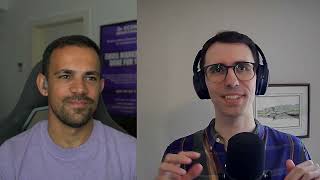
A recorded conversation (podcast-style) between Daniel and Dylan Bridger about email marketing and running a small agency. Key points: Dylan favors plain-text storytelling emails (influenced by Ben Settle) that work well for coaches, course creators and some e‑commerce clients; he typically focuses on copy and uses clients' templates in Klaviyo rather than heavy design; his best-fit clients are roughly $1M–$5M/year. Client acquisition comes from cold outreach and referrals (social posting indirectly helps); he paused social posting Jan–end Q1 2024 and saw referrals dip. On offerings, Dylan has toggled between done-for-you, one-to-one coaching, group coaching and mixed performance/retainer payment models; he recommends pricing and product constraints that encourage action. Business preferences: small teams (≤5) and fewer high-value clients for better margins and fewer headaches. Final advice: regularly review what works, keep things simple, and adopt a long-term perspective.
Chapters
And it's very unique as well, which is one of the things I really like. So if you can brief us or give us a little bit of an update on that.
Yeah, absolutely. So, so I learned a lot of like email marketing through Ben Settle and, and his sort of techniques which is very much this con, like the overarching premise is to sort of mix promotion with, with content and he usually does that with like plain text emails. So that inspired me to, to, to use that and I use that, that principle for a lot of like coaches and course creators and basically anyone who sells information essentially because it's a really good way to illuminate like that transformation in for a product you can't really visualize all that well. So then I had, I've had the opportunity over the years to work with some E commerce brands, some software brands and stuff like this, even some brick and mortar local businesses. And what I found is that in the particular E commerce brands I've worked with those same plain text style emails have actually converted quite well. And that's not to say that well designed emails cannot convert well or that plain text is necessarily better than them. But from my end it's kind of been a good way to help clients stand out a bit in their category if all of their competitors are sending these beautifully designed emails. And I mean I'm not the only one, I'm not the only email marketer who does this. But it has been a nice way to sort of inject some freshness into what might be a boring commercial looking email otherwise.
Yeah, that's always the risk, isn't it with the designed emails. So when you're I guess working with an Ecom brand, do you exclusively do written based so text only emails or do you, do you ever find them asking you to do a bit more than that?
Yeah, so I'll usually sort of the way I've found it to work is like if an econ brand comes to me the first thing I'll say is like I'm a terrible graphic designer. You know, if it's desperate I could go and find you someone and outsource it. But more often than not the types of clients that are attracted to me, they, they usually have a template that sort of does the job and then from there I can go into their Klaviyo account and I can, you know, I could swap out an image. I can, I can do this or that and sort of have, have it be good enough. Um, and that's how I've functioned until now. Um, now if, if an E Comm client were to reach out and would, would want a little bit more resource on the, the graphic design, that's one of those moments in time where I would start knocking on some doors and just, and just get, get someone to help out with that. But the short answer is yeah, I usually really focus on the copy pretty much across, across my client roster. Yeah.
And I like that because it's a different approach and it's a very. What we found, for example, we've got, we've got a couple of influencer clients and what we found is the. One of them's really, really large following and what we found with him for example is in the fitness space is that text based emails just perform really well for him. Just incredibly well. And when you're telling a story and he's talking about something used to do or, or he's maybe talking about something he overcame that works really well. And, and so I think there's a really, really strong specialization there in, in taking someone through kind of a journey and then getting to a. Them to do something. Even, even me. I've only recently started on the educational side of things and we've got I think 12 or 13 people in our kind of community at the moment, the paid one and we're just opening a free one as well. And what we find, what I'm finding is that on our text, on my newsletter, which I don't, I don't post that often but I'm trying to do more. It. It's all about like, oh, here's where I am. Here's. Well, here's where I was and here's where I am and everything in between works really well. And it's nice also because it feels, it feels real. Opposed to all this in the world of marketing, everything feels so fake almost always. So it's nice to be able to do that.
Yeah, it's a nice way. You can kind of like you can connect in it in a different way and that's. You bring up a good point. I meant to ask you about that. Could you tell me a bit more about. I saw that you, you had like a. Is it a paid community that you're running alongside your, your dump for you offer?
Yeah. So I, so recently I opened up a very small. I think I was going to let 10 people in the end there's 12 but. And it was just I wanted to run a small program where I, I shared everything I've done to get to the point where I am so far and and so we let these, we let people in, we're doing weekly calls. We actually had one of them three hours ago. And that was um, it's, it's all about because, because I just, I really struggle with what a lot of people are sharing like when it comes to jumping on calls with clients, you know, selling a service. And in a way all you're doing is just providing a lot of value, at least in my opinion. And then you're conveying that you are an expert on what you're truly saying and event. And they'll say, okay, well how can I get you to do this work for me? Because you're clearly an expert. And when you what, what I have an issue with is a lot of the stuff we see on Twitter is like, use this sales tactic, you know, tell them this, tell them that, make sure they pay on the call. All this other stuff that I've never had to do and over the last, I've only been around doing this for two, two years or so, but I've never had to follow any of these tactics. We've got incredible closing rates, we've got like, we know we have good service delivery people stay for a long time. All these things that maybe have come from either my background or something like that that I feel like are not that complicated, but people really over complicate them. So that's why I decided to do that. Obviously there's a monetary aspect to it. I get, I get paid money for it. It's really good. But I like, you know, we are on the call today for an hour just talking about everything. We get DMs to answer questions. I'm always happy to help and I know you've done a lot of this as well, so I don't know what your take is on all of this.
Yeah, that, that's really interesting. And, and you have it as a, like a group coaching model kind of. Is that, is that the delivery? Yeah, yeah, that's pretty cool. I, I, I decided to do it a diff I, it's just limiting beliefs. I think I'm, I, this, this one on one mentality I've had. But yeah, I, I decided to do it one on one last year. So that's kind of what I was focusing on. And, and that was great. Obviously was able to really dig deep with clients. But if I were to do it again, if I were to roll out another kind of training, coaching offering, I think it would be some sort of group, group based thing. But yeah, in my case it was really just a matter of resource constraints more than anything. I was like, I can, I could double down on the coaching right now or I could double down on the doing the work itself. And some signals I got from the market was that there seems to be a tiny bit of a gap. Although there are tons of freelancers and agencies for people who are good, it seems like there's a tiny bit of a gap for people just willing to actually, actually do all the work. I've heard from a couple clients that have reached out to people that they thought would be willing to do like a. Done for you, but it's more like a coaching kind of an offer. So I think there actually remains an opportunity for people like you or I who are actually willing to do all of it as well. But yeah, that's cool. I think there's definitely a huge opportunity there if you can make it work. And it can be pretty rewarding when you see people, the light bulbs go off and they're learning how to do it themselves and you're teaching them how to fish, so to speak.
Yeah, definitely. I like teaching a lot actually. I used to teach dance classes up to four, five years ago. Like things like salsa. I did it for eight or nine years and then also had. I had a YouTube community with about. I don't remember the subscribe the subscribers. We had a forum with 50, 000 people. We had about 4 million views on YouTube. And that was like seven, eight years ago and I sold that channel. So I've always enjoyed like teaching people stuff. So I, I think I enjoy that more than like, because right now all I do is put out fires or hire people. I don't do any of the service delivery myself anymore. So I deal with all the not so fun stuff at the moment. You know, clients unhappy, can we do this? You know, can we fix something? So I enjoyed that a lot actually.
Yeah, that's really cool. That's awesome.
Yeah, yeah, thanks. And I, I mean talking about that as a limiting belief, what you were saying, I think, I actually think there's a very little difference between one on one and one to many in this case, which is for example, when we have our recordings or our weekly calls and the recordings of it. I think it's really beneficial for everyone because everyone's witnessing all these questions that a lot of them are going to have anyway. So there's, you know, instead of you having to answer the same thing over and over again and you can actually, I've only allowed like 10 people or so into the program. And I've had one to one, 15 minute calls with each of them because I wanted to know their exact situation as they come in so that I can, you know, actually know what each of them is going through. Or, you know, some. Someone's maybe running an email agency, another one, Legion. There's so many different things happening. One of them has got like a really good AI newsletter as well. So a lot of it and a lot of it. What I think with the coaching side, I'm going off on one a little bit is like you're almost giving people, and I bet you know this, you're almost giving people permission to take action. That's what I always think, you know, where they were afraid to do it, but you told them what they already knew sometimes and then they'll do it, you know.
100. Yeah, that's a good point. I found that a lot too, is like a lot of the things I would share, you know, pretty fundamental stuff. And they were like, okay, yeah, of course, that makes sense. I'll actually try it. And then they deploy it, get a good result, and they say, okay, now I have the confidence to keep doing this moving forward.
Yeah. And I find that so much what the case is with businesses, like, or anything really in life. People spend months and months considering doing something, and then when they finally do it, it's like, I could have done that in a couple of days, you.
Know, so, yeah, I totally agree.
Yeah. And then so from your point of view, it sounds like you're going a really good direction. It sounds like you realized where you wanted to go and you didn't want to, I guess, divert your energy and attention too much, which I think is a really good, good thing to always take into account, I guess, in terms of Twitter and. And where. Where do you find yourself getting clients and things like that. What's your approach, I guess for anyone watching that would be interested in following something like you.
Yeah, absolutely. So, like, most of my clients today for, like, especially for my agency, done for you side of things, freelance, whatever you want to call it, come from a combination of just knocking on doors. So outreach, whether that's cold outreach through email, whether it's dming someone, I've tested a lot of things and ultimately it comes down to that's a huge leverage activity if you're doing it the right way, in my opinion. And referrals is another big one. And the referrals, interestingly, while I do have a number of clients who have referred me other clients, a surprisingly large blend of Those referrals come from people who have just followed me. Like, you know, come from my, like, competitors on Twitter who have. Or LinkedIn who follow me and then send me leads. So I, and this is an interesting data point for anyone listening to this. I actually stopped, pretty much stopped posting on, on social media and stopped sending my email newsletter from January 1, 2024 to like the end of Q1 pretty much plus or minus two weeks. And I did this so that I could focus on client delivery and I needed to do it at the time, but it was definitely a mistake. I noticed that the lead flow from referrals, like from word of mouth went down a little bit and sure enough, when I started tweeting more often again, they have ticked back up. So insofar as that's not just a seasonality or randomness, I definitely noticed that. So all that to say I. It's hard to, for me to directly attribute a massive amount of clients straight off the platform of Twitter or LinkedIn. Um, but kind of throughout it all, indirect attribution. It's definitely, it's definitely there. And that's why I continue to do it. Um, besides just, you know, I just find it fun and creative. Um, so, yeah, mostly just outreach and referrals. And I'm hoping to experiment with paid ads this year because last year I ran some newsletter ads and that brought me a number of coaching clients.
Wow, that's cool.
That was a big breakthrough towards the end of.
Yeah, that's really cool. Nice. That's really good to know. The thing I always. What I'm seeing, at least anyway, from talking to everyone in our group, at least, is there's such a consistent outreach is like the biggest challenge by far. They don't, like, some of them don't believe that it works because you can tell, they're like, well, what about this? What about what? What about what? You know, someone tells me, you know, gets angry at me and all these things happen, or, you know, how many emails do I need to send? They aren't. They're trying to figure out volume, all these kinds of things, or DMs. Some of them are doing Instagram DMs, some of them are doing cold email outreach. And I remember when I started, when I started out, which has been not that long ago, and I was. It's almost like you're. You're kind of trying to step forward, trying to figure out what actually works, but you don't know. But everyone's saying the same thing. Everyone's saying cold emails everyone's saying, you know, DMs, everyone's saying organic post on Twitter, post on LinkedIn. You know, so it's really, I don't know. Do you have any thoughts on this? Because I'm trying to figure out how, how do you like you're telling people what to do. Like we have a course within our program and you're trying to tell people what to do and you know it works but you need to almost get them to believe it, to do it. You know what. Do you have any thoughts on that?
Yeah. In terms of like getting buy in to take the action once they've already bought the actual offering of yours.
Yeah, yeah, yeah.
I, I, Good question. I don't to be honest, the, the best and this isn't very useful advice but the best advice I could probably give and honestly this is I, I again owe tribute probably to fencettle for this principle but it's to, to price in such a way that people are actually incentivized to take action. So like for example my coaching program that I was running last year, you know it was, it was priced a little bit, a little bit high and, and the actual window of time was a little bit short. And I'm not saying that my pricing strategy was perfect by any means. I made a number of mistakes. But one thing pretty consistently is that people, people really took the action and we're pretty fast paced at doing, doing it. And I think it's because the limitations of the deliverable were kind of like okay, can you turn this around for next week? Okay, well if not it's got to be the next week and then having those, those touch points. So I don't really know like content. Yeah consumption and actually taking action is, is a big challenge. Like you see with like course rates like the completion rates are often quite low. I think another, another thing personally and I might be biased here but I find just making it really easy and not bogging the bogging things down with like too many tools and too many fancy shiny objects. Like you know, if you could do it with a quick Google Doc link, I think that probably works just as well as having someone have to remember their password log in, have to reset their password and stuff like this. So now there's other elements to that. But so I'd say to that I don't know how helpful that was.
It was really helpful actually because when you talked about pricing it's exactly what I was, what I had in my mind at the moment. And I thought if you charge people enough they, the more you charge them and the more it hurts them, the more they're likely to take action.
Right.
Because they think, oh, I paid a lot of money for this, you know, and so that makes a lot of sense because, and I completely agree. I, I, one of the things I always like to push is simplicity kind of above all else almost. And I, I, you know, it's a lot easier to scale when you have simple things happening. Like if you have a really complex system, it's going to take you a lot to scale. And the same with teaching anything, like you said, courses, like there's this, this ratio of consumption to action, which is like, it's insane. It's, it's like we consume so many courses. And I remember I chose this thing in 2020, it may have been halfway through 2023, where I, I used to just listen to every single thing Alex Ramosi put out, as many of us do. And it was like every single podcast, every day I'd go to the gym, listen to him every time. And then one day I was like, I'm, that's it, I'm done. He's, he teaches so many valuable lessons and I was like, I'm not acting on any of these. And to this day I'm like, okay, I'm doing something. I'm like, I'm, listen, I'm remembering something from a year and a half, two years ago, three years ago, maybe from like a lesson. But there's this, yeah, it's the ratio between consumption to action that's completely off for most people. They're like buying all these courses, they watch the first, you know, few videos and that's it, it's done, they've given up. And so it's such a challenging thing. Especially I think for anyone starting out. The main thing is really if you're hearing advice consistently, then it probably works. If you're hearing about a business model consistently probably works. Freelancers, you know, it's a well known business model, agencies, well known business model. You, you make them more money than you charge them and that's it. It's really that simple, isn't it? And so, you know, I just think that action taking is probably people's biggest mistake when it comes to all of this. I don't know.
Yeah, another thing I would say is like, as, as much as possible, if you can make the process interactive, that, that might help. So for maybe that means doing like in your case, group exercises, like breakout exercises and like, let's face it, sometimes those aren't super helpful. But like, at least if you can sort of set people in motion, you know, that that could be good. I've also heard of, I don't know technologically how you would implement this, but I have heard of some programs where you literally, you can't free up the next thing of the course until you've completed a certain action. Obviously probably some fine print legalese you might need to write in there somewhere. But yeah, it is tough. If I may, I have a quick question for you. I'm curious just because before we get too far from the question you had asked previously, I'm curious how you've been finding success with like, how do you get clients for your agency service specifically?
Yeah, definitely. So for me, what worked really well in the beginning was cold email. And so I tried the Twitter thing for about a year and it just didn't work for me. So I kind of gave up on Twitter outreach. I mean, I had a few people interested, but I always find the pricing was really low, so it didn't work for me. So cold email has been my main source of clients. Just, you know, automated outreach. Get them on a call as quickly as possible. And I always had a really good conversion rate there. Then what. What has worked really well in the last six months, maybe eight months, has been referrals. Referrals. Even when I've been a little bit on the lazier side without reach referrals have performed really well. And then finally something that I haven't really talked about publicly is we started offering CRO also to a certain number of our clients. We tested it with one client that we released it. So we then we're then doing both email and CRO for them. So we hired a couple of people to do that. So it's really good in the sense that you look at some of your clients and you think, okay, you're really suffering here. Your landing pages aren't very good. And so, yeah, so that's how it's worked really well. So now what, what I'm trying to do, and it's slightly on a different direction to your question, is I'm optimizing to have the fewer, as few clients as possible with as much revenue as possible and obviously really good margins. Because what I find is that this model that people seem to strive for, which is get 100 clients or something ridiculous like that, I don't want that because there's a lot of headaches in that kind of, you know, 15 to 20 clients, I think max, maybe up to 25 at an absolute stretch and very high, high margins, high pricing. Every now and then push the price up and it helps you filter some of those out. That's kind of the model that I'm following at the moment.
Nice. Yeah, that, that makes sense. I'm, I'm kind of the same way. I don't want to like 25 clients. Beyond that. I'd be, I'd be looking to start changing things because at a certain point it's just, there's a lot of headache and if you're only scaling through like headcount, then your margins are going to suffer too, right?
Yeah, yeah, definitely. And you have to like, it depends what you are trying to optimize for. But I'm not, I don't want to be doing and I don't want to do the cliche thing, but I don't want to be doing every single day, have to do 8 to 12 hours or even more than that. You know, I don't mind doing the odd exception but I've, I've put a lot of time into this and I know you have to build your skill set. So if, you know, if you can have five clients, like even if you could have five clients paying you quite a lot of money and you get to keep half of that. This is the thing, one of the things that I, that I mentioned on, on the community, I'm like, you could actually be a freelancer making, I don't know, I think easily between 8 to $12,000 a month. I'm being kind of reserved with the numbers, but 8 to $12,000, just you fulfilling service for a few clients and you get to keep all of that. You get 90 plus margins. Right? That's an amazing life for most people. You don't have to worry about a team, you don't have to worry about hiring. So I think a lot of people should consider those options more than they currently do because I don't know, maybe it's my, my circle on Twitter is very agency heavy.
No, I, I completely agree. And, and that was really my hypothesis last quarter actually was like can, can I. What can I do as, as a one man show kind of thing? Right. And you know, the revenues were pretty good and stuff but what I, what I found was like I was needing to, to work a few more late nights that I, that I really wanted to for a sustained basis. So I don't mind being pretty close to that. But if I can just shave a little bit of the time off production, that would be, you know, if I could kind of keep it pretty close to what you described in terms of actual like lean, mean team. That would be, that would be awesome.
Yeah, I actually think that the. We've got, we had 10 people and then we scale down to seven people now. But I actually think the perfect team is under five people. So five or under and then that's really manageable. And if you can make sure that there are, there are a players which again I didn't pay enough attention to this in the past, but if you can make sure there are a players, you're going to have a really great time because you can squeeze a lot of great revenue out of those people if they're really good. And then great, huge margins, you get to keep a lot of profit. You have zero headaches or minimum headaches, minimum clients. So you have this model that clients will love you because you're giving so much attention to each of them. Maybe you have a high retainer model or a high like a mix of performance and so on. This is what I'm seeing actually with some of the people I speak to that are making quite a lot of revenue at the moment. They're doing kind of a mix between a solid base price and then some performance which you can get into the kind of. What's the word? Some of the people will question whether it's okay to do with email or not. But I actually, I used to think maybe it's not, but having people correctly incentivized, like if I launch a course, for example, and I, I hired someone like you and you said, oh, we do a performance of whatever, I'd be like, well, that's okay because there's a skill set that's coming with it, you know, and this is money I didn't have before. You're taking a percentage of money that I was never going to have, you know, so I like that kind of stuff, you know.
Yeah, well, actually that's, I've been doing a little bit of that myself this year. A combination of both fully performance based and base plus commission. Right now I've shifted it back to more base plus commission if not flat fee. For a number of reasons. I, I got burned pretty quickly.
I know those reasons. I did the same.
But when it works again, like it's 80, 20, right. When you find those a player clients who you trust have integrity and honesty and stuff like that, then it can work really well because your incentives are completely and utterly aligned. As long as attribution, as long as you can agree in writing and understand the attribution and truly be okay with that attribution model, looks like.
Yeah, well, that's always the question, isn't it? It's. Attribution is such a, such a complicated subject you can get into. Right. So, but that's, that's really cool. I, I mean, I'm glad you're going down that route. I tried performance only for a short amount of time, but I got really badly burned, mostly because I would attract the wrong clients as well. So I don't know if you have done that. And then I would see months where I'd be making, I had one month with one client where we made $70. I was like, what am I doing here?
Sounds about right. I had that last quarter.
Yeah.
Yeah.
Terrible. But yeah, so cool. This is really good. Yeah. So in terms of, I guess in terms of what you're offering at the moment, you said you're exclusively focusing on. Maybe I'm misspeaking here, but are you exclus be going after ecom brands? Are you going to have, you know, for anyone that wants to do some coaching with you? Because I know you attract that people for that as well. What, what are you doing there?
Yeah, no, I, I appreciate it. I would say at this moment now, depending if you, if someone's watching this video and it's 2025 or even maybe later in 2024, I could be humming a different tune. But right now, I would say generally, I, I, I have a lot of experience working with kind of coaches and course creators. For me to actually do the work for you, there's, there's like most of my best clients, the ones that see the most success are doing about a million to 5 million a year in, in revenue, top line. So that's kind of, I guess, a little bit of a sweet spot. You probably don't have a ton of time. You might even know how to do it all yourself, but you just don't have the time to do it. And I, and like I said, I've worked with E commerce brands, software and SaaS companies, as well as coaches and course creators. So I have a bit of experience across that board. But if you're an E commerce brand and you want beautifully designed emails, then I would, I would defer to Mr. Daniel here instead of me.
Yeah, perfect. Now that sounds really cool. And, and I think there's such, like, there's such power to just being very focused on one thing because that's gonna allow you to grow to however much you want to grow. I'm, I'm sure Of that, especially with your audience online with the content you put out, it's, it's really nice whenever you see someone that's not just echoing and it's such a, you know, it's such an echo chamber Twitter, isn't it? You hear one idea one week and then the idea keeps, keeps getting repeated in lots of accounts. Right. Different ways. So, yeah. Cool. Um, we'll wrap it up here. Is there anything else you want to say to anyone watching this? Any advice you want to share, I guess about your journey? Sorry to put you on the spot.
Yeah, no, let me, let me think, let me think. Oh, I would say yes. Start like what are you thinking?
There you go, you've got it.
You've got, can be very tempting to do like a lot of things at the front end and like you can give yourself permission to do that. I'm speaking right now to people who might be. I'm sort of assuming that this, this, this show might attract some email marketers like, like yourself and, and me. This doesn't apply so much to like clients but you know, don't be afraid to experiment around. But very often make sure you check in and see what's actually working and what isn't. At least once a quarter, ideally more frequently. Because like it could be that in your case, it could be that posting on LinkedIn or Twitter or even social media marketing as a, as a box. Maybe that's not what you should be spending your time on. Or it could be that, you know, it could be that this product or this service that you're trying to test isn't actually making you any money. So that's just something generally like I like to sit down with a journal, pen and paper and just actually reflect like what's actually working. Dig into your numbers and you know, I could, I could get much more nerdy about this but that's just something that's made a big difference to me. And having that process allows you to stay in the game for a longer time period. And you know, I'm, I just passed the three full year mark of being self employed and things change. You, you like people, people tend to refer you more work, they're more comfortable with you. So if you can try to have a long term perspective. And it's still early in my journey, but that's something I've already seen now versus say year one or two.
That's amazing. That's, that's such good advice. Also I did, I did not expect that. The thing I would definitely enforce is long term perspective. If you are burning through clients or you're doing a bad service and you're not caring to do improvements to that, I would say you're not going to last very long. Absolutely not at all. Whereas the opposite behavior will actually get you a lot of clients, whether you do outreach sometimes or not, which is really great.
Absolutely. Completely agree.
Cool. Perfect.