How To Write Emails That Drive Sales (Without Annoying Your Audience)
Podcast episode (I Want to Know) hosted by Josh Spector with guest Dylan Bridger giving practical, tactical email-marketing advice. Covers what differentiates high-performing launch campaigns (list quality, offer framing, and email volume/variety), first- and last-email best practices (clear announcement, benefit-focus, specific deadlines; last-chance subject lines, short reminder copy), cadence recommendations for launches (daily minimum, multiple on deadline), and single-best tips for subject lines, signup forms, welcomes, CTAs, images, and email length. Emphasis on research, testing big emotional/benefit variants, and reusing/writing-probing winning email assets.
Chapters
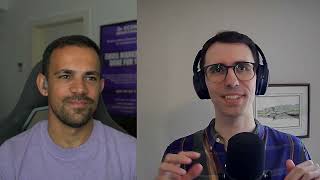
Why do some email marketing campaigns print money and others flop? What are the keys to a great first and last email in a campaign? And what's an expert's single best tip for subject lines, signup forms, first sentences and calls to action in emails? Well, you're about to find out. Welcome to the I Want to Know podcast. While I normally invite someone on to ask me questions about how to get customers from their content, today I'm going to do something a bit different. This will be a flip the script episode where I've invited an expert on who I want to learn from and I'll ask him the questions. My guest today is Dylan Bridger. Dylan helps timestrapped coaches and course creators maximize their email revenue with his bold commission only service. Fed up with false promises from marketers and determined to bring integrity back to the industry, Dylan takes on the risk so his clients don't have to follow him on X at Dylan bridger or on LinkedIn where he shares email marketing insights with over 7,300 business owners across X, LinkedIn and email. Hey Dylan, welcome to the show.
Hi Josh, thanks for having me on. Great to be here.
I was just saying before we recorded, I've followed you on Twitter, I've interacted with you a bunch I think on there, yet we've never spoken before. So it's great to actually meet you in person and I really respect the way you approach stuff. And as someone who does a lot of email marketing and obviously is big on email and newsletters myself, I'm really excited to throw some questions at you and get your perspective on this stuff because I think you've got, I think you've got a good take on a lot of it. So let's jump right into it. So what I want to do is I want to start with a hypothetical scenario. So let's say there are two businesses who offer the same service to the same people. They both do a one week email marketing campaign to sell their new product, but one of the businesses winds up getting twice as many sales as the other. So my question to you in this hypothetical scenario are what are the three biggest things that the one that succeeded did differently, that led them to succeed and the other to fail?
Absolutely. Great question. So in this case, I bet the winning brand did three things differently. The brand that generated more revenue. The first thing is they probably studied if they had the luxury of this, they probably studied what past promotions have already generated sales for that particular product or service to that particular list. So that might, if they had the luxury of having emails that have sold before. That's a great starting point. That leaves a lot of clues because yeah, I find the best proxy for determining what's going to work next is what's already worked. So that's a big one. And then the second piece is they probably sent a higher volume of emails versus the other brand. Not just to have more impressions and just more like the sheer math, like more likelihood of generating sales, but also to cover a wider surface area of the sales argument versus what you could only get across in a few emails. And cause I found like simply put, the more you mail, the more you're willing to email, the more you'll tend to make. And in a lot of cases it's not always the case, but I have found that to be the case. And I feel like that's a bit of a cliche among email marketers and copywriters. But one nuance that I think is important to highlight is that by putting by, by only sending a couple of emails, you're actually putting a lot of pressure on each one of those emails to do a lot of persuasive heavy lifting. And what happens then is that best case scenario, it might end up coming across as a little bit overly salesy because you do legitimately need to cover the whole argument. And then also it could, it can sometimes be distracting because each email will need to focus on a number of different disparate ideas versus if you spread it out over more emails, each email can focus on one idea so it's more enjoyable to consume, more easy to understand. So that I would say simply sending more emails covering varied elements of why they should buy is a big difference maker. And then the third thing that the winning brand probably did differently is to ironically focus more effort on upfront research on the reader and making the offer like how they're framing what they're selling more appealing. Put more effort on that than they spend wordsmithing the actual emails. Because, and I, this is not very tactical, but I think it's a crucial mindset reframe because like a lot of the research does the heavy lifting. Knowing what to say I think is a little bit more important than knowing exactly how to say it because I don't, I really don't think you need to be a great writer to be, to get great results from. There's this, there's like an old school direct mail expert. His name is Ed. I think it's either Mayer or Meyer. I'm actually not sure how it's pronounced. But he once Said that like direct mail, direct marketing campaigns. So getting a result from sending it out boils down to about 40% the list that you're mailing to, 40% the offer and only 20% the actual creative, which in our case would be the emails you write. And I have found this to be generally true in my experience. Cause if I have a really relevant offer for a really hot list, I've gotten away with sending some not incredible emails and still gotten great results.
Wow. Really, really good stuff. And there's a bunch I want to jump in on in there. But I'll start with just one of the last things you said. It's interesting because I actually posted on Social today. So Alex Lull, who writes this newsletter called the Steel Club, he had sent his newsletter yesterday. He talked about he had recently launched a product and he sent an email to people after the. The promotion had ended. So he sent one to people who had clicked the links and checked out the product but didn't buy. And essentially he surveyed them to find out like why they didn't buy. And he explained that there were most of the. Most of the answers fell into sort of three categories. They either said the price was too high, they said they didn't think it was, it wouldn't be useful to beginners. And I forget what the third one was. But so he wrote in this sort of what he learned from it. And he was saying that it made him think, okay, well, I didn't do a good. I should have done a better job communicating the value. I should have done a better job communicating that it's good for beginners too. And I forget what the third thing was. But my take on it was, and this is what I posted on Social, I was, first of all, I think it's a great tactic to survey people that didn't buy. And you'll learn a lot. And I think everything he said is probably right to a certain degree. But I thought he missed what is the most likely case, which is he had attracted the wrong people in the first place. And to me, and this goes to your point about the, the list, which is what made me think about it, that if you have a lot of people saying that your $99, that the reason they didn't buy your $99 product is that the price is too high, you probably attracted the wrong people in the first place. And it's not your copywriting and it's, I mean, look, it can be multiple things, right? More than one thing can be true. But to me that was something that he didn't really consider where I was like, I think the, I don't wanna call it a failure. Cause I know he sold a bunch and I think it was fine. But the real reason all these people weren't buying is they were the wrong people upfront. And it's funny, and I posted it and I forget who said this, but somebody, somebody replied to it and agreed with it and pointed out that the name of the newsletter is the Steel Club. And maybe if you're attracting people who wanna steal stuff, those aren't necessarily the kind of people that wanna pay 99 for stuff. Which I hope that that was a pretty good point. Good point in retrospect. So. But I want to jump back to the first thing you said. So you talked about if you have past campaigns that work, studying what worked. So for somebody that's doing that, there's so many variables, right, in a given email, let alone a whole campaign. So when you go back and study, how do you think about what lessons to take from that? Right? Like did it work? Because subject line, are you literally taking those same emails? Are you, what are you, how are you trying to get at, like, okay, and analyze why did this work and what lessons can I take from it?
Good question. And the, the short answer is there's no super clear cut shortcut to it. And it's admittedly a bit of a hairy, sloppy process. But what I'm usually looking at is like if I look at an email that did 10 times better than any other emails they've sent, I'm looking for like what is the, what's the big core, like emotion or benefit that it's pitching? Like for example, is it like make more money or is it notably save more time whereas everything else has been make more money? Two, two random examples. So, so if that were to be the case, then I would probably double click and want to do explore more of like the save, save more time angle because maybe there's something there. Admittedly granted, you're right, it could have been one, sheer randomness. Two, the subject line looked a bit better. It could have been, it could have been any number of things. But I'm, I'm looking for clues. And then from that taking my hypothesis forward and then further refining it and then so first I'm looking for the big boulders, right, which is like, yeah, what's the main emotion, the main benefit that we're getting across? I'm looking for presence of things that we don't normally put in. For example, did you include like A guarantee. Did you highlight the guarantee in this email, whereas otherwise you never do that? If so, then I'm going to propose moving forward. You should probably include a highlight of the guarantee. So like dissecting it and making a best educated guess. And it's not the kind of thing where like you're going to look at it and day two, you go ahead and you're going to have the golden keys for the rest of time, but you probably have a better starting point than otherwise. And then hopefully when you move forward that iteration, then over time it becomes more like, okay, now by the end of it, you're just split testing like one subject line versus the other. And you can get those kind of small things. But usually if something outperforms the outperforms, like to an extreme degree, there's usually something notably different with it versus everything else. Maybe it's that you put a photo of your face in this one email and you've never done that before. So I'm looking for like the massive differences versus the average baseline of how they do things before or otherwise. Does that help?
Yeah, it's interesting that you. Yeah, no, very much so. And you talking about the different emotion and benefit reminds me, and I don't remember where I heard it, but they, somebody was talking about AB testing, landing pages, sales pages, that kind of stuff. But it applies to emails as well. And what they were saying is that a lot of people when they a B test something, they a b test the wrong stuff. So they're like, let me change the color of the button, let me change this one word or let me change this that, or even let me change the length of the page or whatever. And all those are valid. But what I had heard the person say was they were like, when you do an AB test, you should be testing different emotion, different benefit, these big overarching things that are really going to move the needle. That like just changing a button color or a word on your call to action button, it might change something. But the way you're really going to learn stuff is the underlying essentially sales pitch. Right. The emotional pull, the benefit that if you just do that and say, okay, this time this page is designed to appeal to people's fears and this one is designed to appeal to their desires. You're going to learn a lot. And you're much more likely to see significant differences in response than you are if you change the button color from blue to green.
Absolutely. And things like that. There's like, there's the essence of the offer level and Then there's also like format things like is this a story versus normally it's a straight pitch, vice versa. And if that makes a big difference, then boom, you have two buckets where you probably want to do more stories. Assuming it wasn't random, which you could only determine by further testing. But yeah, you nailed it.
Yeah. And so the other thing I wanted to jump in on that you said was the sending of more emails. Right. Which I think is. Well, first of all, I loved. It's interesting because you hear people all the time say send more emails, email your audience more, more frequency. But I don't actually hear people usually say what you said. Which is the reason for that is it's more different emails. It's not just keep selling them the same thing and I forget exactly the phrase that you used, but that you're covering a sort of wider swath of reasons. And I also think it's, it's a great point that you made that the fewer emails you send, the more pressure you're putting on those few emails to do the job. And I think one of the reasons people don't want to send more emails is their own sort of insecurity about bothering people or annoying people. And, but I think this actually plays into their insecurity because you can go, well, how sure are you that the one email you sent is actually going to do the job? Right. So you can use their own insecurity against them to convince them to send more emails. But so with all that said, I'm curious, let's use this hypothetical example, right? If someone's doing a one week long campaign, how do they know how many emails is too many, how many emails is not enough? I mean again, there's no clear cut right answer here, but if someone's trying to figure out, look, I'm doing a one week campaign, let's say I'm going to sell my course, how many emails should I send?
Yeah, and honestly I, I have to give all credit here to, I follow Ben Settle, who's a very, very well known email marketing guru. I follow his, his sort of approach on, on this and which many other people also use. But the, the, the short answer is at least an email and, and he would push it even further. But I recommend at least one email every single day that of the launch and then at least at the very least two emails on deadline day. And like when I'm running them, I, I will usually encourage like two emails a day and anywhere from three to five depending on how aggressive and how used how used to the list they are to receiving emails from the sender. And ironically, there's times where I've sent like five emails on deadline day and it has among the lowest unsubscribes of that entire campaign where I'm sending one or two emails otherwise.
Interesting. And are you. When you're sending that volume of emails, are you allowing people to opt out? So, for example, let's say you send two emails on Monday. Is there any language in there for them to say, hey, please, I'm not interested in this. Don't send me 10 emails over the next three days?
Absolutely. So, like, one that they should. They're like. My assumption is that everyone's using unsubscribe link period across the board. But then furthermore, if you want to keep people on your list. Yeah, you can have something to the effect of if you know for sure that you have no interest in this product, click here. You'll stay on our main list, but you'll opt out of this sequence this week. And that could be a good way to retain and minimize churn a little bit. And I just want to be. I just want to be. Sorry, you go ahead.
Yeah, no, no, go ahead.
I just wanted to say something. I want to be clear that like there, there is for anyone listening, thinking, I want to make sure no one tunes out right away based on me saying that, that aggressive ascending cadence. Because I. I understand that for some that sounds like a lot to be clear. Like you, you can get decent results with sending less than that. But yeah, like I said, I think a minimum of one per day, especially if you're in like a launch or something like that. I think that's table stakes in this day and age.
Do you think about it differently at all if the list that you're using? So for me, I have a newsletter. The newsletter is sort of the product. Right. It's not like I'm a brand where I have an email list and I sporadically email people. I have a newsletter that I'm basically sending every. Every day and people subscribed for the newsletter. Do you. How do you think about that? Whereas, like, okay, if I'm a brand or I send sporadic, like people are on my email list about my products and I send sporadically versus someone where it's like, it is a content newsletter, but then obviously I'm using that list to promote my stuff. Do you think about that any differently or approach it the same way?
I personally try to. I personally think about it pretty much the same way because the way I aim to write emails and the way I encourage my clients to write their own emails is to always be on the lookout for in, in an ideal world, even a pitch email should be in some way useful to that reader. So I think that I personally don't, don't categorize it and create that distinction too much though I understand now another way is that if it's someone like you, for example, like one way is you could have say a morning send where it's your regular thing, that's the product people are coming for. And then maybe in the evening you'll do the sort of like the pitch or like the more promotional email marketing kind of ascent. So that's another way you can go about it. But frankly I keep it simple and in more cases than not, I just try to make newsletter emails that are a little bit more direct than they they otherwise are, but are still valuable to some extent.
For what it's worth, for anyone who's watching or listening, I am. Actually it's interesting timing for us to have this conversation because I'm just coming off having done a week long promotion for my skill sessions before a price increase. And what I did was I emailed daily. It essentially replaced my daily newsletter emails. I was sharing excerpts from all the sessions. So it was valuable, it was valuable content. It wasn't just like promot pitches for people that were existing members of my skill sessions. They got a separate set of daily emails because I wasn't going to promote to them the product they've already bought. So they actually got a separate set of emails that was promoting upgrading to new higher tier levels of membership that I have. And people who are in those higher tiers weren't getting anything. So they got a week off from hearing from me and I sent. So I sent one email a day and then on the last day I sent two emails. Um, it worked well. It mirrored, to your point, it mirrored what I had done six months earlier when I had done another promotion prior to a price increase. Um, so I did model off of that and make a few tweaks. But again, just for anyone that's curious, that's how, that's how I approached it as someone who has a newsletter as opposed to just an email list. So great stuff. We are off to a good start. Just a quick side note before we get to my next question for Dylan. If you're listening to this episode, I assume it's because you want to learn how to use email marketing to get more customers. That's something I also help members do in my Skill Sessions membership which I was just talking about, I have sessions like the Newsletter Social Playbook and the Newsletter Booster which give you proven strategies to grow your email list. Plus sessions like the one week Promo Plan give you entire campaign templates you can adapt to promote your own products. And I literally just two days ago recorded a new session called the Subscriber to Customer Converter that is how about is all about how to get actual sales from your newsletter. As a Skill Session member, you also can get one on one help from me each month on our jam session coaching calls. Go to Josh spector.com sessions if you want to learn more. Or feel free to email me@josh specter.com if you have any questions or just want to know if what I offer in them is a good fit for what you need. Okay, let's get back to my next question for you. So two of the most important emails in any email marketing campaign are the first email you send and the last one you send. So I'd love to hear from you. What would you say are the three keys to a great first email? And then what would you say are the three keys to a great last email?
Absolutely, yeah, that's. It's a good question and at the risk of sounding contrarian, and I completely agree with that statement and I think it's a great question. I'd love to preface my answer with two really quick points just to add a bit of nuance to my answer. Would that be okay? Yeah, make it quick. So, so one of the, as I said before, I think in general people don't really give enough credit to those emails in between the first and last email, which, and I only flag that because I noticed that's the case in a lot of the in a lot of, in a lot of clients I work with. And while they might not have the largest like spike in revenue, I think it's important to keep those in mind and like I said, try to cover as much different angles of the argument as you can. And then my second point is that I've tested a handful of different approaches to the first and last emails, both on my personal email list, on a number of my clients lists, and fairness, not all of these were statistically significant, so take it with an appropriate grain of salt. But I've tested both unusual kind of creative approaches to the first and last email that are a little bit more clever or cute. And I've also tested more direct sort of standard approaches. And I have found that today in July 2024. What has been working for me best is a more direct approach for both the first and the last emails. And I want to preface with that because I know it's not very maybe exciting or novel but. But I have found it to be producing the best results for me. So. So anyway, with that out of the way, I'll dive in. I think you said the three keys to a grade first email. So I think the key is one A subject line and or preview text declaring that this is new and ideally unique. So that might look like introducing, announcing, you're invited. It doesn't need to be fancy, just something that signals that this is different than the regular course of action. The second point is an overall focus on the benefit or the outcome of buying the product or service, not on the features of the product or service. So it really doesn't matter if it's an with to some extent. It doesn't really matter if it's an ebook versus a cohort based course versus whatever else. What matters is that the solution you're pitching and then the third thing is specificity surrounding the deadline. So in my opinion you're better. I, I would avoid saying in a few days and instead say something like this expires at 11:59pm Eastern Time on Saturday, August 10th. Because it's more, it becomes more believable if it's specific. So those are some tips for the first email.
So let's, before we go to the last email, let's, let's drill into that a little bit. And, and I think those are really good tips. And, and especially so I love the first one about the subject line and I, in my own mind I was like wait, what were the subject, what was the subject line I used? Cause I think I probably could have done a this and I think especially for someone like me, for someone that is emailing regularly and is sending a newsletter and my subject lines tend to be. My subject lines are not like today's newsletter, like, like they're. They tend to be a little vague, a little teasy. They tend to be similar to what you would think they're designed to get, make people curious and get them to open. But what I was realizing or thinking about as you were talking about it is if I do the same thing with the sort of announcement of a new offer, it doesn't break the pattern. So people that are just looking at it could very easily think, oh, it's just his newsletter today, right? If I don't do something like announcing or new thing or whatever it is. It's funny. I'm gonna. I think I'm gonna have to.
While.
While we're doing this, I'm gonna look up what I actually used as my subject line and probably criticize myself. But I think that's a great point. And I think not only the. There's the making sure they understand that this is a new thing or it's different or it's timely or whatever, but also what I'm getting at is the. The pattern break. Right. If you are someone that's regularly emailing them, whatever you're putting in that subject line should probably look or feel or sound different than what you typically. And I'm about to pull up right here. Again, I don't. And it's funny. Like, I'll give you an example just from my sort of. And I'm guessing that also applies to the last one as well. But. So. Yeah. And. And this is. Here's a. Well, I did it a little bit. So I used the subject line. My newsletter is going to be a little different this week. So not exactly, hey, new product. Hey, this is your. Your chance. But at least it was something that said. Quite literally said, hey, it's going to be a little different. And then the. I'm just looking the. The final day, the email I sent in the morning, the subject line was, today's the day. Okay. It. It's not exactly as clear as like, last chance. But then in the afternoon email I sent, the subject line is, I never do this. I never do this.
But I noticed that one.
So not bad. And I've used that one before. And so they're teasy. Like, if I'm judging my own stuff, like, they're teasy, they're going to generate opens. They feel a little different, but they're not. I do think there's probably a missed opportunity there to. What you're saying is they don't say there's a product. It doesn't say introducing or new. Or this is your. They're not referencing the fact that this was the last week that people could get this thing at that price. And those subject lines for me are the kinds of subject lines I might write for a typical issue of my newsletter. And that's probably not. Even if they're in a vacuum, a good subject line. The fact that they sound like other issues in my newsletter probably isn't great.
Yeah. And I think there's like, there's of course, a gray area here, right? It's like one you want to balance, like your brand like, everything you just told me in terms of your subject lines are definitely on brand as, As a fan of your newsletter. So, so that's, that's good. And also there's an element of trying to stay out of like promotions tab and spam filtered, which is a whole other. That's a whole other podcast episode. But. But yeah, I think what you said is true. There's kind of two things you're trying to. Yeah. Pattern interrupt yourself. Right. So that people stop and say, okay, this is different. But then also a. A really good book that I recommend to you and, and any of your listeners is Great leads by Michael Masterson. I don't know if you've read it or heard of it.
I've actually never heard of it, but I'm intrigued. Yeah, tell me about it.
Yeah, so like, to, to make a really long story short, I, I had read it a couple years ago and I was like, okay, this is interesting. And then about six months or so ago, I reread it and on the second read it was like, it like completely made everything. A lot of things with copywriting make a lot more sense of me because what he basically proposes, in short, is like, depending on where, on who you're speaking to, on how aware they are of your products, speaking to them in different ways, with different levels of direction or indirection will. They'll respond better in different ways. So if you have a bunch of people on your list that were sitting on the fence, know about your skill sessions offer, but aren't, haven't bought it yet for whatever reason, if you like, if you're using like an indirect subject line, they might just not know, not think it's speaking to them. But if you come in and say like 24 hours only, here's the deal, then it might be like, okay, you're speaking to me now. Cause I already know I want the product.
It's just, you know, I'm curious. We're gonna, we're gonna talk about final emails in a second, but I'm curious for me, and I know this is relatively common, but I, I wonder if you have some experience or sort of stats with this. The vast majority of sales come in the last 24 hours, certainly the to 48 hours. That's what I found my own personal experience. I'm curious how you think about that. And maybe this is nice sort of lead into the three things you would do with that last email, but is that. I'm guessing that's pretty common practice that most sales are coming at the end yeah, it is.
And I would say like more often than not. It's funny, I wrote my last email I sent, which I'm overdue to mail my list now, but a couple weeks ago I sent my email list on this very topic, which was essentially a report on a recent campaign I did. And whereas typically it's like launches follow somewhat of a U shape. So like day one, a big surge, however many days in between, there's a lull and then on the end day it's either as much or more than the first day. That's like general wisdom. In this particular case, it was a soft start and then sure enough ramped up to like a big peak at the end. So the. I think the short answer to your all that to say that yes, I found the last day is pretty consistently a strong day. The first day. However, in 2020, in my personal experience, I have found it's a little bit more variable than perhaps maybe once upon a time it was with launches. And there could be various reasons for that.
Yeah, cool. Okay, so let's. So give me three keys to writing a great last email.
Yeah, so I think number one is this probably will come as no surprise, but a subject line that signals that this is their last chance or final notice or last call. I know this sounds. This might sound like cringey, outdated advice, but I simply have not been able to outperform this sort of tried and true technique, despite resisting it for the past couple years, to be honest. So. So if in doubt, it's hard to go wrong with that. The second piece is almost more of a landing page level consideration, but it's actually making. And I know this could be controversial and people have different takes on this, but I'm a big believer in actually making the promo expire almost out of the minute of when you say it's going to expire. I know people have different philosophies on this. Personally, I think if. I think a safer bet is to operate from that place and if you need to do an extension or something like that, I would say do it at your own risk because the reason being is because people might not trust your deadlines if you either extend them. And so that's something I would say. And third, and this is an important point is by the end of the promotion, you should be keeping your email short and sweet because by now, ideally, if you've been, if you've sent enough emails and if you've been doing this right, covering enough different aspects of the sales argument, by the end, you are Shifting from persuading to essentially reminding and leaning on the deadline to do most of the persuasive, heavy lifting. So the more you get in your own way by trying to sell, you're just getting in the way of the natural forces of that deadline. So you might as well just wield that instead and keep it short and sweet.
Yeah, I love that. And it's the especially that last point. That's exactly what I've done with the last email that I send. So on the last day, because I've been sending two, the morning one has is like loaded with testimonials. It's like a sort of social proof. Oh my God, look at all these people. Whatever. And then that last one that I sent in the afternoon and I'll just read it for people that are listening. So the subject line is I never do this, but dot com. And then the whole email just says, I don't want you to miss out. So I'm sending an extra email today to remind you there are only eight hours left to join my Skill Sessions membership for just 350 before the price goes up to 599. If you've been thinking about joining and happen to read this email before it's too late, maybe it's a sign you should. There are no coincidences, Winky. And that's it. And I found that I've used that a couple times now and it feels like it works really well. I mean, again, sales are going to go up because it's the end of the whatever. So it's tough to separate how much is that. But I can definitely tell you before, I didn't used to send that second email in the afternoon. I didn't used to send that one. And I definitely doing that. So the combination of sending the extra email, the combination of yeah and that one, I'm not sell, I'm not selling. I'm not saying here's the features, here's why you should get it, blah, blah, blah. I'm basically just saying, here it is, this is your last chance to get it before the price goes up. And I think again, this is anecdotal in my own mind, but I like that little bit at the end. It's really aimed at the people that are like, almost there, right? It's like, hey, maybe this is a sign, like you've been thinking about it, you're almost gonna do it. And maybe I, I think when I came up with that, I was like, oh, this is good. I highlight. And again, I don't have any Stats to back it up other than I could. I know if it were me and I was teetering on that brink that I would. You know what? I probably should do it. Um, and again, the winky face undercuts all of it. And it's not like an aggressive whatever, but it's just like that in some ways. In my mind. I. You. And I think there's different ways to do it, but I think from a mindset perspective, my goal of that email is, yes, it's a last chance thing and awareness and to make sure people don't forget and whatever, but that, to me, that email is really speaking to the people that are almost there. They just need a little bit of a nudge to get over. They want it, but they haven't gotten the credit card out kind of thing.
Yeah. And it's different too. Right. It has your personality.
Yeah. Yeah. Right. And I think that's a key with everything. Right. Like, you want your emails in any campaign. You want them to match the tone that resonates with your audience and all of that. Like, it'd be really weird if I was suddenly like, yeah, I'm pitching that product every day for a week. But I'm not like, suddenly aggressive and like, it just. It matches the tone of what I'm doing. Great. So that was really helpful. So let's get to my last question for you, which is actually a bu of questions rolled into one. So what I want to do here is I'm going to give you a bunch of different topics and I'd love to hear your single best tip for each one. So we'll go one by one here. So the. The first one is subject lines. What is your single best tip for subject lines?
Yeah, Single best tip is to promise a benefit in a way that builds curiosity and exhibit A of this, your daily newsletter. I think you do a magnificent job of this. And that's. You can barely go. You can barely go wrong with that combination.
Do you know, I'm curious. And maybe you don't, but do you know, off. Off the top of your head, can you think of. Do you know what your best performing subject line has ever been for something that you've done or one that was one that sticks out that was really good?
Yeah, absolutely. There's one that comes to mind immediately. And it's funny, I'm actually. I need to overwrite this. My welcome sequence is out of date. But my third welcome sequence email of. Of my newsletter email list. I think it's. I forget the exact wording But I think it's like. And I'm cringing on it now because there's so many things wrong with this. But the subject line is use email to make like. I think it's like 3,000, like a certain specific amount of money on a hike in Italy. Question mark. Which like I'm embarrassed confessing that because I, I feel like I sound like a make money online scammer.
But that, but it works.
Yeah. I mean that subject line has generated about I would say 70 to 80% of my, my inbound coaching lead flow via email marketing.
That's amazing. And I think if you zoom out from it, what that subject line is actually doing is it's teasing the result that people want, like very clearly. Right. One other quick note on subject lines here. It's one of my favorite stats. The single, the subject line of the single most opened email ever sent from the Obama campaign. I forget if it was during his first election or the second. I think it might have been the second. But the most open subject line of any email they ever sent. The subject line was just hey, just the word hey from Barack Obama. Hey, most open subject line they ever had. Might work better if your name's Barack Obama than it will for you. But. But give it a shot. Okay, so next, next thing here is give me your single best tip for email signup forms.
Yeah, I would say. And I'll preface this by saying I'm. I'm not an expert on the acquisition side, but I think add as much proof as possible and that there's more than just number of subscribers. Is it years in business, notable endorsements, why you're unique, why now? So just try to prove everything succinctly of course, but try to prove things so that I have reason to believe that it's actually worth signing up.
The next one is give me your single best tip for the first sentence in an email.
Yeah. So when in doubt, I found you can barely go wrong with copyright copywriter Gary Halbert's. I think he was who pioneered it. But the if then lead. So basically, if you want this outcome, then this email will show you exactly how to get it and then you launch into whatever it is that you have to say.
It's funny, that's so simple. And I don't actually don't think that I have used that. I mean maybe I've done a version of it. What's interesting as I'm thinking about it, I do that. I don't necessarily do it in a lot of my emails, but I Actually do it in social posts promoting this podcast. Cool. So like, this podcast, I do it. Not the if, but I'll do some version of like. Want to know how to fill in the blank. I explained it in my new podcast, which is basically the if then outcome. So I do it, but I never really thought about it that way. And it works, by the way, it works well in social posts as well as emails. Okay, what is your single best tip for images and emails?
Yeah, so. Well, I don't always or even necessarily often include images in an strictly in an effort to reduce email deliverability risks, which I'm not an expert in, but I've heard that it can sometimes increase your chances of getting in the promotions or the spam tabs. I think I've found that there's something magnetic about seeing a person's face. So I. Especially if you're a coach and a creator, which I understand a lot of your audiences. Josh. I encourage selfies. I personally often get more responses when I insert selfies somewhere in my emails. Interesting.
Yeah. And I also am not a huge fan of images and emails in general. My newsletter has no images other than a logo at the top. Um, I don't even think. I'm just trying to think. Like when I was doing my promotional campaign for that week, I don't think I had any. I would link to stuff that had images and videos, but I don't think I had any images in it at all, which I probably should test at some point. Like even, like you said, an image of myself or. Or something. Okay, what is your best tip for. For either call to action, sentences or button copy? Either way.
Yeah.
How do you get them to actually click?
Yeah, so I tip. I like. I almost never use button copy for what that's worth. Nothing against it, I just don't really use it. I would say always remember to make whatever you're asking them to do seem quick, easy and safe. So that might look like reminding them that it only takes two seconds. It might look like saying there are no obligations and you won't be hard sold, whatever it is. But people are so scared to, and rightfully so, to take any action. So the more you can reassure them, the more likely they're going to do it.
Yeah, that's a great tip. And the time sensitivity piece also, I have found applies to blog posts, podcasts, like anything, right? Especially if it's short. If you want people to do a survey, tell them that it's only three questions. Right? If you say do, do a three question Survey, you're going to get more clicks than do a survey. Right? Because they're like I don't know, it's going to take me forever, whatever. So yeah, the. When you create things that are short or that you can make seem short and quick, that is definitely a selling point that will increase your clicks. I'm curious, when you're creating emails and you want to drive people to a sales page or to whatever, do you typically will you link to that multiple times in a typical email, will you just have sort of one link in it? I assume you won't have competing links. Usually you'll probably just there's one action that you want them to take. But how do you think about that frequency of links within an email?
Yeah, good question. So yeah what you said is definitely true. I always have just one page like every competing thing you're cannibalizing from your main ask. So but I'll I find more often than not and it's intuitive to be honest where I'm putting them. But up to a maximum of three links, usually one if it makes sense towards the middle and then one again at the bottom because you want just enough. You want to build up a case to some extent build up some desire and interest before you send them there. Unless your newsletter is a bit of a different story because the whole format relies on basically subject line and then which I think is great by the way. But yeah, I I think like one towards the middle top one at the bottom, but it's in doubt one at the bottom.
Do you. How do you think about or and maybe it just varies or is this something you think about? Will you have the. So let's say you have an email and you're talking about whatever the thing is and ultimately you're trying to drive them to a sales page. Will you have a sort of standalone paragraph or sentence that is go here to check out to learn more about blah blah blah. And that whole thing's a link. Will you have it incorporated into a paragraph? Like will you try even though you're not using button copy, will you try to separate it or just.
Yes. Yeah. I used to like last year and the year before I was doing a lot more like just embedding almost like inline links inside my copy. But since I've drifted away from that and now I'm doing more explicit almost like button like sentences like a full line hyperlinked and a tip from one of my friends, Andrew Gould, I think is how you pronounce his last name. He's On Twitter, Andrew write copy I think is his handle. And he had the idea of doing, I think it's like two equal signs and then a like greater than symbol. And I've been using that so like.
To create an arrow basically.
I mean I'm sure many more people do it, but yeah, so create an arrow and do it that way. That's what I've been using lately to good results. Cool.
Do you use, do you use a PS much in emails?
Yeah, almost always. But not necessarily always. But yeah, very often.
And will you typically put a link in there or what will you typically like how will you, what will you typically put in the PS if the.
PS is like short and sweet? Because usually I use it as essentially a real estate to insert one extra piece of proof. Like, like a testimonial for example, or one extra. Again I'm always thinking of how can I cover as broad a surface area of reasons why they should buy as possible. So maybe like I'll use that to highlight some like a bonus that we haven't been talking much yet. So if it's just like a quick little, I usually won't put another link. But if it's. If it comes down and if I have like a PS and a pps then maybe then I'll do it so that they don't have to scroll too far up. But if I see like two links in one screen, that's usually a symptom of a bit of overkill in terms of the volume of links. Gotcha.
Cool. What is your best tip for welcome emails or the first email that people get when they sign up to your list?
Yeah, so I recommend especially if you sell like coaching or courses, really any like informational, trust based thing, I like to ask for a reply to increase to 1, increase the odds that your future emails land in their inbox. And two, because I've found that I found that I have this little phrase I think I coined which is repliers or buyers in that it's a very non threatening way.
It's definitely true.
Yeah, it's a very non.
Well, you know what I heard this is just. I'll. I'll hop on that for a second. The other thing I heard someone say, which is along those lines and they were actually it, it extends to repliers but they were actually talking about it also in terms of like commenters and comments on social posts. And what they said is the longer the reply the more likely they are to bust.
Yes.
And they would actually pull so they would sometimes like it was someone who had a big social following and they would pull all the comments from like posts that like it was on Facebook or whatever it was. Right. They would pull it and they would literally put it into like a spreadsheet and just. And like they could look at it and be like the ones that are. The longer those comments are, the more likely they are to buy. But yeah, I totally agree. Repliers are buyers. That's a.
It's a good 100%. So yeah, that, that would be. That would be.
That is there. What do you do or in terms of getting those replies, do you have a sort of go to way that you like to approach the welcome email that makes people more likely to reply?
Yeah, I think like I think it comes down to again, quick, easy save. So I, I will typically instruct like reply with either one word or like a specific or a specific small short phrase. I know this is a little bit. There's a good argument about leaving it open ended and saying like hit reply with any questions or something like this. And I have done that too and it can work but there's just more of a cognitive load for someone to think and type something out than there is for them to say like got it or received or something like that. So I usually keep it simple and just ask for a quick reply and then follow on tip. There is. I know this is. I have a relatively small email list and this might not apply to people at massive scale unless you have the infrastructure and the systems. But if you ask for a reply I really would make sure that you respond thoughtfully or at least acknowledge it at all if you have the bandwidth because it can create. It runs the risk of creating actually a bad first impression if it's.
Yeah, I was going to say if you're. Yeah. Don't request replies if you're not going to reply to the reply because it's going to do you more harm than good. It's funny we're talking about this because for anyone that's interested, I actually just a couple days ago changed my welcome email and again with the goal of getting replies which is usually what my goal has been. But I just changed how I'm doing it a bit for anyone that's curious. So. So right now my welcome email is someone signs up for my newsletter, they get an email, the subject line says let's get you a customer today. It says thanks for subscribing to my for the interested newsletter. I assume you did because you want to get customers from your content. So let's not waste any time. Reply to this email and let me know. And then I have two questions. One, who's your target customer to what content platform you use most for your business? For example, LinkedIn newsletter, YouTube, podcast, et cetera. And then I say I'll send you a proven strategy you can use on that platform to get more customers from your content. Let's make some magic happen. And then in the ps I link them to some free excerpts from my skill sessions to get some awareness that those exist. So I literally just rolled it out. We'll see what happens. But again, trying to do exactly what you want. And if they reply, they can very hopefully. It's very easy and simple for them to reply and say, my ideal customers are this person and this is the platform that I use and they don't have to give me their life story unless they want to. Okay, so the next one. What is your single best tip when it comes to email lengths?
Yeah, I don't really believe there's a definitive or right answer to this question. I happen to be bull, a little bit bullish on short emails right now. Inspired by you, incidentally. I, yeah, I really like that format. So I've been testing that a little bit as well, a little bit longer than yours, but even some that are pretty much just as short as yours. Now next year I might be singing a different tune, but I will say that the vast majority of my emails fall in like the 100 to 700 word range, which I know is a massively wide range, but that gives you like probably some extreme limits that I tend to follow within.
If you're doing a week long campaign, will you purposefully mix it up and have some emails be longer and some be shorter?
Because, and I don't know if this is interesting or not, but in the same way that like you want to cover different aspects of the sales argument, you also ideally want to message in formats that different people resonate with. So some people like reading long copy, some people like reading short. So by, by crossing by, by having more chances across the board, you might increase your chances of attracting someone.
Totally makes sense. So, okay, so let's wrap up here. Instead of giving you another topic, I just want to have a sort of open wild card here. Give me one tip, whatever your favorite tip is that we haven't covered yet that you think people will find out.
Yeah, unfortunately we've touched on it. But I'm, I'm still gonna say it because it's that important and it's a, it's been a massive breakthrough for me. So if you strike gold by create by creating an email that works once, milk that asset for all that it's worth. So whether that like don't send it every day but resend that again in the future as is because it will probably work again likely more than one time. And another thing you could do is give it a new subject line, maybe even a new first sentence and ultimately converge to the same general email. But more than that, analyze why we talked about this, but analyze why that email worked in the first place, component by component, sentence by sentence and try to just do more of what works. And similarly, if something does really badly, do the same thing, analyze maybe why that didn't work and stop doing stuff like that because I found that like proven emails for your business inside of your business is the closest thing to a holy grail in marketing, in email marketing that that you can find. And I guess a bonus tip because I can foresee this objection. If you don't have the luxury of any winning email creatives at all in your business then then I would say ask yourself who might so your biggest competitor probably does. So I will look seek clues by studying others. Don't plagiarize of course. But if you have a competitor that's been running the same welcome sequence for years and years on end and you have reason to believe that they're doing well, chances are those there's something to be studied inside of those emails that that could be insightful for you.
Yeah, really smart. Dylan, this was awesome. Thank you. Thank you so much. And I love I always try to make these episodes actionable and this is probably as actionable an episode. I feel like we didn't mess around with any like theoretical stuff. It was like do so hopefully everyone that is listening to this is going to be able to immediately improve what they're doing. So let people know where they can follow you, connect with you, get more help from you, all that.
Absolutely. And thanks Josh. This has been great and I'm I admire your work. So thank you so much for having me on and it's a pleasure to be here. So I'm mostly active on X or Twitter. Dylan Underscore Bridger is where you can find me there. Otherwise LinkedIn I should be more active there. So I'll probably be on there. Dylan Bridger Otherwise if you go to Dylan Bridger. Com D Y L A N B R I D G E R Com you can learn a little bit more about what I do my services and also if you go to the navigation menu, there should be somewhere where you can opt into my email list if you're interested. And yeah, I look forward to connecting with you. Feel free to reach out. Questions.
You can see how he practices. You can see how he practices, what he preaches. And if you want to see how I do it, my newsletter is for the interested.com subscribe my skill sessions Josh spector.com sessions I'm on Twitter @J. Spector I'm on LinkedIn. And yeah, by now you guys have already pressed stop on this episode because you know we're wrapping things up. Thanks everybody for watching and listening. Thanks again Dylan. I will see you next time.