Alzheimer's, Frailty & the Fountain of Youth
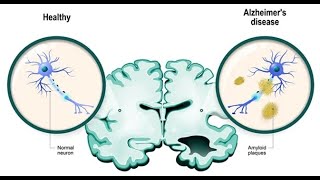
This content was created by Joshua Elkington. This content was uploaded by Joshua Elkington. This is a YouTube talk titled "Alzheimer's, Frailty & the Fountain of Youth" (posted 2023-10-13) — a public seminar at UC Irvine hosted by Eileen Anderson. Presenters are Dr. Lisa Gibbs, a geriatrician, who gives an overview of frailty, healthy aging, lifestyle interventions (exercise, diet, social connectedness), geriatric assessment, sarcopenia, and a recent mesenchymal stem cell trial for frailty (noting recruitment/inclusion challenges). Dr. Matthew Blerton-Jones, a stem cell researcher, reviews Alzheimer’s disease pathology (amyloid, tau, synapse loss), the role of microglia and genetics (e.g., TREM2), and UCI work using iPS-derived human microglia to model disease, study synaptic pruning, and screen repurposed drugs. The session includes an audience Q&A covering embryonic vs. mesenchymal stem cells, telomeres, trial design/enrollment, lifestyle prevention strategies, and practical tips (grip strength, exercise, mental and social activity).
Chapters
We have for you Dr. Lisa Gibbs and Matt Blerton-Jones. Lisa is a geriatrician here at UCI, and so we're delighted to have her come and talk a little bit about clinical trials and the frailty study and just what she does in terms of healthy aging. She also was named Orange County Physician of the Year, I think last year, the the year before, so I'm sure that you'll be delighted to hear her talk and happy to welcome her up here tonight.
Okay, well, thank you for that introduction. I'm happy to be here. Thank you for the invitation to speak tonight. And I wanted also to thank the Sturm Center. They actually recently sponsored one of the stem cell trials that we conducted in our senior health center, which is our clinical site, caring for seniors on the Orange Campus at the hospital. Why don't we get started? I'm here tonight to talk about really frailty and to talk about how we might improve frailty. We'll talk about quality of life as opposed to longevity, talk about what frailty is, Really what a lot of us are most interested in is how do we live healthier longer? Those of you that are in your teens, listen up. This could be very important for you because you have the most ability to change your future at this point. In terms of Orange County, I think we're all familiar with the demographics, but it's very interesting to note that our population here in Orange County over the age of 85 is the only population that is getting is growing. All other age groups are decreasing. Just keep that in mind too as we go forward. Our older population, those over 65 in Orange County, will be making up a more and more percentage of our population and will making huge change in our demographics. I'm not a specialist in stem cells. I am a specialist in geriatric medicine, so I can talk a little bit about that. Geriatricians are physicians who specialize in the medical, the psychological, and the social aspects of aging. We are the folks that want to keep all of our senior citizens living independently as long as possible and as healthy as possible. We are a wonderful specialty. For those of you thinking about going into medicine, please consider geriatrics in about 8 years. When you talk about adding years to your life and life to your years, we are most interested in adding life to your years. We don't mind the first part, but we're really interested in the second part. How do we do that? There's a theory called the compression of morbidity. What we'd like to see is the graph on the right side. We live a really healthy life, maybe until very near the end, and then we have a very short period of disability. As opposed to the first graph, which shows a stuttering progress towards disability as people slow down and have more and more problems. How do we do that? How do we live better? Not just longer, but how do we live better? I'm going to take a second look at life expectancy and how that plays into this. If you look at this, these are life expectancies in the world. These are projected life expectancy by 2040. Spain leads the list at 85.8, all the way down to number 10, Australia, 84.1. But where is the United States? You looked. Aren't we a number 1 innovator in the world? Aren't we putting in more dollars than anyone else in the world? Okay, so right now we're at 43, actually. And I don't know if you heard the news recently, but this year is the first year that United States actually didn't make gains in this area. We actually fell. So we are putting more and more effort into, into this, and we're not making many gains. So we'll talk a little bit about that. Let's talk really not just about living longer, but living better. We're going to touch on lifestyle and then we're going to also touch on innovation. What we know from population studies is that our red flags for reduced longevity are high blood pressure, high body mass index or being overweight, high blood sugar, use of tobacco, Alcohol use and air pollution. That's our environment. It's how we choose to live. It's how we choose to eat. It's how we choose or not to exercise. If you look at this graph, and again, smoking, diet, and exercise have a lot to do with cancer, diabetes, and cardiovascular risks, which are the top 3 conditions leading to mortality. On the converse, If you never smoked, if you have a normal body mass index, if you exercise, moderate alcohol intake. I don't know if you've seen Dr. Kawas' 90+ studies, which are known worldwide. They actually show that some alcohol intake is beneficial for longevity. We hesitate to recommend it just because there is risk drinking alcohol, but it is an interesting fact, and a high diet. Adopting a healthy lifestyle can substantially reduce premature mortality and prolong life expectancy. Now, again, those of you who are 15 and 16, listen up. You have the opportunity to live a wonderfully healthy life. But when is it too late? Should we stop thinking about this when we're 30? 40, 50, 60, 70? Right, who said that? That's great. Okay, absolutely never, never too late, okay? At any age we can make gains. I mean, even I have patients in wheelchairs. I say, look, you may not be able to walk, but lift weights, increase your arm strength, okay? All of it counts. So never too late. I always like to think about innovation and I like to embrace innovation, but then I always think about the fact that some truths never ever change. This is Hippocrates and this is what he said. He said, "Walking is man's best medicine," and that is still true today. Despite all of the advances we've made in the last 2,000 years, this is still a moment of truth. This is what we tell our patients. Again, we want to live healthier longer. Let's talk a little bit more about that. We've talked about lifestyle. Let's get into what frailty really is. Frailty is that period of disability at the end. It's a clinical syndrome. I'm going to get medical here for a minute, in which 3 or more of the following criteria are present. Unintentional weight loss. Despite how much you eat, people have a hard time keeping the weight on. Self-reported exhaustion, so getting tired doing things that you would normally have no issues with. Weakness, slower walking speed, and lower physical activity. If you'll notice, most of these, 4 out of the 5, have to do with your physical strength and endurance. There's something about frailty that really relates to, you know, how physically strong you are. And again, walking is man's best medicine or people's best medicine. So anyway, frailty confers for us a real issue. When we see this, we know that somebody is prone to falls, more disability, more needing help at home with just daily tasks. What we call activities of daily living, just doing the things that need to be done. It confers a higher risk for even things like hospitalization and getting sick. So, when we see this, we like to really reverse it or at least slow it down, okay? It's really noteworthy too that a third to a fourth of those over 80 do meet criteria for frailty. And as you might notice, there was a lot— of those criteria that had to do with muscle strength. Decline in mass and strength of the muscles is certainly part of it. That's called sarcopenia. It's also interesting to note that stem cell production decreases with age and decreases with a reduced ability to regenerate and repair organs. There comes a point at which the body just slows down and it just says, okay, and I'm not going to keep repairing this. And getting this back to the level at which it was. What can we do about this? Again, living a great lifestyle is one way to go. We've also shown in our field, geriatrics, that we can actually reverse some of this with physical strength, mobility, and function. When we have people go through, say, physical therapy, when we get people the right diet, when we adjust people's medicines sometimes, we can actually show an improvement in that frailty score. We live by the geriatric assessment to life, and I do want to point out that sometimes when people enter that phase, we make a huge difference in their lives. Because we look at the mind, how is the mind working? We look at mobility, what can we do to improve that mobility? What can we do to reduce the medications or the medication interactions? What can we do just looking at the whole multi-complexity of the medical issues, the psychological issues, the social issues? How can we improve this person's life and what matters most to them? Really all about improving someone's life and making them as optimal as possible at any age, but certainly near this frailty period. I put in a plug, we do have an assessment clinic in our clinic that does just this. At the end of the day, it's about function. Even if we do have difficulty with mobility, again, we want to keep people out in the community living as independently as possible. It doesn't matter whether you're riding a bicycle or using a walker. We've talked about lifestyle, we've talked about geriatric assessment and what we can do to optimize the body in this period of time. Then we get to new techniques such as stem cells. The stem cells I've become to learn are just amazing, beings, it seems to me they almost have a mind of their own. The ones that we really— we sponsored a clinical trial in the senior health center with mesenchymal stem cells. What's amazing about these, and I think that we've already heard this discussion and from people that know much more than I do about this, but these stem cells are amazing because they can transform themselves into different types of tissues. Not only can they do that, but they've shown a good safety profile and they've shown that there are a lot of conditions that stem cells might help, including Alzheimer's disease, ALS, Parkinson's, heart disease, diabetes, rheumatoid arthritis, to name some. What's interesting, I think fascinating really, is they tend to migrate toward the areas of the body where they are needed. That's why I think they almost have a mind of their own, like an intellect of their own to be able to do this. Again, I am a geriatrician. We are pretty much conservative when it comes to reducing medicines, less hospitalization, less doctors, less medicines in some ways. Are better for anyone. But I think we do need to embrace the technology. I do want to end with just, again, living healthier longer. It's a lot about our attitude and it's a lot about social connectedness. It's a lot about physical activity, resilience. Please exercise. This gentleman, I believe he's in his '90s. Okay, all right. Please never stop learning. So C.S. Lewis said, "You're never too old to set another goal or dream a new dream." Okay, stay active in your mind. And this is one of my favorite actresses growing up. She said, "I'd rather regret the things I've done than regret the things I haven't done." So cause a little hell, you know, get out there. All right, so again, that's, you know, this is just basically a story from somebody who's focused on the health of older adults and has just recently entered the stem cell world. But these are just some of my thoughts about that. I thank you for the invitation to speak, and I'll turn this over to our next speaker.
Thank you. I'd like to introduce Dr. Matthew Blerton-Jones. Matt is a really core critical member of the Stem Cell Research Center here. His laboratory space is in the building. He's also been a great colleague and collaborator for for a number of years now. He's going to tell you about his work with stem cells, neural stem cells, and Alzheimer's disease, and then we'll hold our questions at the end.
Thank you, Eileen, and thank you all for coming.
It's a pleasure to tell you a little bit about some of the research that's going on here in the Stem Cell Center related to this topic of aging, and specifically related to the most common age-related neurodegenerative disease, Alzheimer's disease. I'll start with a little bit of an introduction about Alzheimer's. Sadly, probably all of you are familiar with it. Probably all of you know someone affected by Alzheimer's disease because it is the most common form of age-related dementia. It gradually destroys a person's memory, ability to reason, and even just carry out daily activities. One of the things that's really quite alarming is, although it's already the leading cause of dementia, the numbers of people affected by Alzheimer's is going to continue to increase. You heard a little bit about the demographics in Orange County. That same demographic shift is occurring throughout the US. This is actually a graph showing the numbers of cases of Alzheimer's split across age. What you can see is in ages of 65-74, there's not a lot of change occurring.
Those don't make up that many cases of Alzheimer's disease.
But as you start to go up to 75-84 and even more so to 85 and above, we're seeing that as we look forwards over the next 20 to 30 years, we're having an increase in the population that are going to be reaching those ages, and that's projected to lead to a big increase in the number of people affected by Alzheimer's disease.
So by 2050, we think we're going to be close to 14 million people in the US affected by Alzheimer's.
And as probably you may know, we don't have very effective treatments for Alzheimer's. There's a few drugs that have been approved for a long time, They're really just band-aids.
They don't seem to slow the progression of the disease.
We really need to try and understand more about this disease to develop new therapies. We've known quite a lot about Alzheimer's pathology. In fact, even going back almost 100 years when Alois Alzheimer, the German neurologist who the disease is named after, first described a couple of key pathologies. I just want to introduce these pathologies. One of them is called amyloid plaques, and these are aggregates of a small protein called beta amyloid.
That accumulates extracellularly, so outside of the cells but in the brain.
He also described a second pathology called neurofibrillary tangles, and these are an accumulation of a different protein, a protein called tau, that actually occurs within the brain cells. And really, you have to have both of these pathologies for someone to be diagnosed with Alzheimer's disease. Now, these are not alone. They're accompanied by a few other things. We have inflammation occurring in the brain. And in this example, the blue here is representing one of these amyloid plaques, and the red is representing a cluster of cells that are surrounding these plaques. And these cells are called microglia. They essentially are our brain's main immune cell, and they seem to be responding to this pathology, perhaps trying to wall it off or clean it up. And for a long time, we thought they're sort of just the cleanup crew. They're just trying to repair some of the damage. What I'll tell you about in a minute is we now think that they may be much more instrumentally involved in this disease. Then the last thing I want to point out is that with Alzheimer's disease, you of course have a huge loss of neurons. They die as the disease progresses, and even the neurons that don't die lose their connections. Any given neuron can connect to about 10,000 other neurons or have 10,000 what we call synapses, and there's a loss of those synapses.
As the disease progresses.
If we look at all these different pathologies in someone who's passed away from Alzheimer's and we quantify these, we find that it's the loss of those synapse that correlates best with dementia. And in a lot of ways that makes sense because it's our synapses that allow our neurons to communicate and allow us to have thoughts and memory. So for a long time, the field has worked off the idea of something called the amyloid cascade hypothesis. And it was first proposed back in 1990. And it posited that this beta amyloid that I showed, that accumulation may be the initial trigger that's driving the development of Alzheimer's disease. And there was a lot of good genetic evidence to support that. So there are some rare forms of Alzheimer's disease called familial early onset Alzheimer's. And when you have that disease, you actually can inherit a gene with a mutation, and that will cause one to get Alzheimer's. And typically one can develop Alzheimer's at a much younger age, 50s, 60s, sometimes even as early as 30s. Those genes were mapped out and they were found to be the genes that give rise to beta amyloid. And so it was a very logical conclusion to think, well, if you have mutations in these genes, they cause more amyloid to be made, that causes Alzheimer's disease. And that is true for those cases. But there was a sort of assumption that all the other cases of Alzheimer's were being driven by the same process, because when you looked in the brains, you saw the same pathologies. So the problem with this idea is that really only about 2% to 5% of all Alzheimer's cases are these early onset forms. And until recently, we knew very little about the other forms of Alzheimer's, of what might be driving it. We knew there were hints that there were genetic parts to it, from twin studies. So if you had two identical twins and one had Alzheimer's disease, the other one had about a 60 to 65% chance of getting Alzheimer's too. So that suggested there was a genetic component, but it didn't seem to be one gene. It seemed to be lots of genes that we couldn't quite figure out. Well, move forward about 20 years and geneticists started studying hundreds and thousands of patients, tens of thousands of patients, and looking at the heritability of Alzheimer's disease and trying to figure out the genetics of Alzheimer's. But in the meantime, we move forward with trying to develop therapies for this disease. And as I mentioned with this amyloid cascade hypothesis, it seemed like a very logical approach to try and reduce this amyloid. If you can reduce the amyloid, probably you can slow down this disease. But I think probably many of you have seen the headlines, even one just from last month, about all these different trials that have gone forwards and sadly failed. They've been unable to slow the progression of Alzheimer's disease when they've gone after to target and reduce this amyloid. Why is that? Well, there could be a couple of reasons. One that I think is a quite reasonable explanation is that we now know that amyloid accumulates for 15-20 years before any symptoms show up. Patients are slowly accumulating amyloid,, and their brain is compensating. Our brains are really amazing at their ability to compensate for problems, but eventually you reach a tipping point. This is a graph that is showing the progression of amyloid— sorry, I skipped ahead here— the progression of amyloid in black showing up a good 15 years before any cognitive symptoms begin. A little bit later you have this tau pathology, the tangles. A little bit later, you have structural changes that you can see on an MRI, and really cognition is the last thing to go. So the thought is if we go and try and get rid of amyloid at this stage, when people are starting to show symptoms and enroll in a clinical trial, it may be a case of too little too late.
So the analogy here is this poor guy is trying desperately to put out this fire with this little bucket, but even if he had a fire hose and put this fire out, that apartment next door is burnt to a crisp. There's a lot of damage that's gone on, and so it's going to be very hard to repair at that point.
So that's one potential, very reasonable explanation for why the trials so far that target amyloid have failed. But we now know there may be another explanation, which is perhaps we've been looking at the wrong set of genes. So in recent genetic studies, they've uncovered what are the genes that are driving this late onset Alzheimer's, the more prevalent Alzheimer's disease.. And what this data is showing is a map of those genes and different cells within the brain. And the colors indicate how high the expression of those genes are in a given cell type. And what you can hopefully see is that a lot of those genes, probably about 3/4 of them, have these red boxes under this cell type, microglia. And so what that simply means is that the genes that we know are driving Alzheimer's they're most strongly expressed in microglia. So those cells that we thought were just the cleanup clue might be doing a lot more important things in this disease process. So what do microglia do? Well, they certainly are the cleanup clue.
They have—
they're able to do immune surveillance, so they kind of check out to make sure there's no viruses or bacteria getting into our brain. They can maintain neuronal homeostasis, so they help to provide growth factors and other things to our neurons and help them function normally. They can, of course, respond to brain injuries. So if someone hits their head or has a stroke or has another type of brain injury, the microglia will migrate to that injury and try and repair some of that damage. And they can indeed actually clear unwanted aggregates. So that thing I showed you with them surrounding those amyloid plaques, they have got the capacity to potentially eat up that amyloid through a process called phagocytosis. So they can ingest it and degrade that amyloid. Or other such aggregates. But one of the interesting things we've learned about quite recently is they also play a very important role in regulating those synapses, those connections between neurons. They actually have a normal function in terms of what we call pruning synapses. So they'll eat little synapses that we no longer need to allow new ones to form. And there is some evidence suggesting that that function of normal function of microglia may be going awry in Alzheimer's disease. So how do we study microglia? Can we take the very typical approach of using microglia? That's certainly one possibility, and one can learn a lot from studying mouse models of Alzheimer's and studying mouse microglia. But when you look at those— whoops, sorry. When you look at those— why is it going away? There we go. When we look at those Alzheimer's risk genes, so there's a whole big list of genes here, All I want you to pay attention to is the colors here. Essentially, if something is this darker blue, it means they're a pretty good match. But if it's not dark blue, it means the mouse version of the gene and the human version of the gene are very different. What we learn from a mouse may not be very good at telling us what those genes normally do in humans. There's a real need to start to try and study human microglia. How do we do that? How do we get microglia from a human? Well, it's very difficult to do. If someone passes away, you might be able to, if they give, had given you permission, isolate some of those cells, but they're very difficult to maintain and expand and study that way. So here at the Stem Cell Center, a group of researchers asked, can we use stem cells to make these microglia? You heard from Dr. Anderson that one of the amazing things about stem cells is that they can give rise to any cell type in the body. So in principle, If you start with the right type of stem cell, you should be able to make microglia, and you should be able to make maybe quite a lot of them. So our approach has been to take what are called iPS cells, induced pluripotent stem cells. And so these are, these are cells that one can start with just a skin cell from a patient, from a generous donor who's willing to donate some skin tissue, small little punch biopsy. We can grow those up, and then we can add some key genes that sort of reset the clock and turn them back into a stem cell. And they turn them into these pluripotent stem cells. So if you remember from Dr. Anderson's discussion, pluripotent means they can give rise to any cell type in the body. Another advantage to these is you can sort of expand them indefinitely, share them with researchers around the world. So then the next question is, can we make them into microglia in order to study these microglia and study these genes that are underlying Alzheimer's disease. And this is something that actually here at UCI researchers have worked very hard to try and develop the ways to do this. And so just, just a little over a year ago, a team out of the center was able to figure out how to drive this differentiation process using lots of different growth factors and chemicals added to these cells at different stages over the course of about a month to produce a cell that looks remarkably and acts remarkably like a microglia. We've got these cells and one of the nice things is that you can make many of these cells. You can have millions of these cells to ask a lot of studies about how the human microglia function. How can we use these? How can scientists use microglia to understand and potentially develop treatments for Alzheimer's disease? Well, sorry, I showed you this list of genes. And one of the genes, for example, TREM2, we know if you have mutations in this gene, it increases the risk of developing Alzheimer's by about 3 to 4-fold. But we have no idea why. We don't know really very much about TREM2 and what it does to microglial function. But we can go to patients and find patients who are carrying those mutations that cause or increase the risk of Alzheimer's and other patients who don't have those mutations We can compare those cells, make microglia from them, and see how they change the function of those cells. I'll just show you a little bit of data on that. One finding is that when you manipulate this TREM2 gene, those microglia are less capable of eating amyloid. The red down here is amyloid that have been fed to these microglia. Remember, they're able to eat things like amyloid. The ones that have an impairment in that TREM2 gene, can't eat as much amyloid. They also have impairments in their ability to migrate to areas of injury or migrate to injured neurons. In this case, there's injured neurons in this central chamber and normal microglia can migrate through, but the ones that have impairments in TREM2 don't migrate through. One of the important questions one wants to ask is not just how do these cells behave in a dish, but how might they behave in a brain? How might they actually interact with the pathology of Alzheimer's disease. And there's some interesting techniques where you can— sorry, where you can couple mouse models with this kind of approach to ask, how do these cells behave in response to amyloid pathology? So here in green are these human microglia that have been put into a mouse brain. In red are some of these amyloid plaques. And you can see again, similar to that first picture I showed you, that those microglia have migrated around those plaques. Like they're trying to deal with them, trying to help repair some of the damage. But if you take some of those cells that have the impairment in that gene that we didn't know much about, what you can hopefully see, although the light's a little bright here, is that those cells no longer migrate to the plaques. It's as if they don't recognize there's a problem there. They're just kind of ignoring the damage. And so that really tells us something about what kind of— thank you, Brian— that really tells us something about what kind of microglia we want to have, what kind of perhaps drugs we might want to try and go after to affect the function of microglia. We want to have a microglia that will respond to these plaques. That's a good thing to have. And that's actually different from some of the views that we've had for many years about these cells, which traditionally people have thought inflammation is always bad, we must reduce inflammation. Turns out certain inflammation is actually good. In this case, this inflammatory response is a protective response that we might want to encourage. So I just want to end with one last piece. I mentioned this role of microglia in synaptic pruning, and I found this nice cartoon on the internet that shows here's a microglia pruning this guy's synapses, you know, just give me a little short haircut to allow them to make new synapses, form new memories. But in Alzheimer's, there's growing evidence that we've got a problem. We are now seeing in at least our mouse models and in some of the Alzheimer's brains that have been looked at that this microglia is going a little crazy and he's over-pruning these synapses. It may be the amyloid that's made him upset and made him start doing that, but obviously when he starts cutting back these synapses, you're losing those connections between the neurons, and that's probably driving a lot of the impairment. So one of the things we're now asking here at UCI is Can we use this tool to find ways to slow that down? And I'll just show you one last piece of data, which is where we took some of these human microglia made from the iPS cells and we fed them synapses. And these are actually synapses that were isolated from human brain tissue. And we asked if we add certain drugs that we think might be involved and able to manipulate the system, can we see a reduction in the amount of these synapses they eat? And so we did indeed find a couple approaches that seem to reduce— one just a little effect, one a pretty meaningful effect— that reduced the amount of these synapses that the human microglia are eating. Now in this case, these drugs, they may not work very well for people. There's other— there's side effects to them, there's problems with them. But this kind of approach can be scaled up, and we can start to ask questions about whether we can find other drugs that might do this safely. And so we recently started a set of experiments to try and take drugs that we already know are safe in people.
This is called drug repurposing.
So drugs that have already gone through clinical trials for other conditions, and we know they're safe, but now we're going to be testing them for this kind of phenomenon. So with that, I just want to thank the, the many people here in the Stem Cell Center UC Irvine, and other collaborators around the world who helped do this research.
So thank you. When you initially brought up the tree with the embryonic stem cells at the bottom— Yes, sir. Why aren't embryonic stem cells being used in clinical trials?
So the question is, why aren't embryonic stem cells being used in clinical trials? And that's because an embryonic stem cell doesn't know what to do unless you give it some clues. So embryonic stem cells are really important in development when they've got a lot of context to work with. But if you don't give them any context, they get a little bit carried away, and they like to make tumors. And so we need to instruct stem cells. Stem cells in order to get the good parts out of them and not have them behave in a way that's going to be detrimental, that's going to be bad instead. So there are plenty of folks who use embryonic stem cells in their research, either to understand how tumors are formed, for example, how basic developmental processes work— this is a really important part of stem cell research— or to make cells that then get used in clinical trial. So for example, Brian Cummings, who's here, works on traumatic brain injury. He had a lecture earlier in the year. He uses embryonic stem cells that he makes into neural stem cells and then transplants those. Those are actually surprisingly effective for TBI. We had a clinical trial that was a CIRM-funded clinical trial, actually, that originated at UCI using embryonic stem cells to make a kind of brain stem cell called an oligodendrocyte. It makes insulation. And that went forward to clinical trial for spinal cord injury. So they have been used, but you have to use them where you give them either enough instruction in what to do and where to go, or a lot of context to work with so that we can get them to perform well. Does that make sense? How do you give them instructions? The question is, how do you give them instructions? We put them in a dish and we try and convince them to follow what would really be their normal developmental path. We can do that with molecules, growth factors, we can do that by giving them signals, We can do that by giving them a 3-dimensional structure that's similar to the organ that they would end up in, and just those mechanical cues can even convince them to go down the path of differentiating towards a particular cell type that we want.
Great questions.
Probably you are aware that some allogeneic cells are used in clinical trials for treatment of Alzheimer's disease. Do you have any working hypothesis about mechanism, how allogeneic mesenchymal cells can really provide some benefits for Alzheimer's patients. What molecular mechanism you believe prevailing in this intervention?
Thank you.
It's not directly related to my research, but I follow that field quite a lot. What seems to be the data is that those mesenchymal stem cells have immune modulatory activities so they can influence the immune system. I just showed you how important I think the immune system and the immune response is to Alzheimer's disease. There is some evidence in animal models that when they transplant those cells, they might be able to modulate the immune response in potentially beneficial ways. The verdict is very much still out as to how well that's going to work in people. But that's, I think, the working theory right now.
I had a question for the aging as far as the influence of telomeres and telomere shortening. What the therapeutics do towards either, is there any interaction with that or is there any other work in the stem cell research or other therapies towards extending the telomeres at the end of the DNA to prevent the aging process?
Wow, that's a great question. You're right, telomeres have been associated with aging and the longer telomeres are associated with longevity. But in terms of the stem cell part of this, I'm going to turn to our stem cell experts.
I'm not aware of things moving forward therapeutically along those angles. We do know, for example, that during this reprogramming process, the telomeres come back. You rejuvenate these cells when you make these iPS cells. There is the potential for ways to modify a stem cell to rejuvenate it, lengthen their telomeres, for example, prior to transplantation. That's something that I think people have thought about. It's early days in terms of that kind of research, though.
How's the Stem Cells for Aging Frailty trial coming along, and when there's some results, how might we find out what the results are?
Sure. Well, we've actually just concluded that study here at UCI. We did screen a number of participants and actually were not successful really in finding the right ones for inclusion. And I think that had a lot to do with the inclusion criteria.
Because the trial—
Maybe explain what inclusion criteria are.
Sure.
So in order to be eligible for the studies, people had to meet certain criteria. And, you know, one was an age range, really up to the age of 86 in this particular case. They couldn't have some of the serious disorders such as active cancers and uncontrolled diabetes, for instance. And we just found that, you know, either that we have a very healthy population here or that frailty really is more seen in the upper 80s, maybe early 90s. And that was my impression, you know. And if I had anything to do with that study, I— and I actually did give some advice to them. In terms of increasing that age range, which wasn't possible at the time. But really, the art of really identifying the appropriate age range where you capture that frailty was part of that study. Well, if you ever need younger subjects, turn to us.
Okay.
I wanted to add something. So, sorry, I wanted to interrupt and add something there. May 28th— I'm Brian Cummings. I'm your husband.
You don't remember?
Oh my Lord. The scandal. I'm the Director of Public Outreach here at the Sue and Bill Gross Stem Cell Center. I also happen to be the speaker next month. I'm just putting in a shameless pitch for next month when I describe how clinical trials are designed and how enrollment criteria are, are arrived at and how oftentimes companies get that wrong. So it's not easy. And if you have too stringent of criteria, you can't enroll people. If it's too loose of a criteria, you might not see an effect of your drug. So it's a very tricky business and we'll be going into that in more detail next month.
Right. And sometimes it's defining what you're looking for.— I mean, as a geriatrician, we know what frailty is when we see it, but sometimes defining it in terms of, you know, objective data is very difficult.
So I have at least 3 here.
I see you all. Thank you. In the last couple of years, there have been papers on infectious agents found in the aggregates. Do you think that Part of those aggregates were part of an immune system. Do you think that this may be an incomplete immune system?
In other words, it started triggering off, went sideways, and can that be restimulated, the immune process?
Fantastic question. There have been several recent reports suggesting that amyloid, for example, may have some role in in defense in the brain against pathogens, bacteria, or viruses. And there's been sort of correlations found where in patients with Alzheimer's they tend to have a little bit higher levels of certain viruses that you can see there. I think the difficulty is we don't really know how much of it is causation versus correlation. As I showed you, we know that there's a lot of genes that are expressed in microglia that are essentially immune genes. That are influencing Alzheimer's risk. Are those also influencing whether you do or don't have a virus or bacteria susceptibility? That's one possibility. So it could be both things happening independently because of the genetics. Alternatively, it's totally possible that some of these bacteria or infections can influence Alzheimer's. And the clearest case is actually with the bacteria that causes gingivitis, right, gum inflammation. There it has been pretty clearly shown several times now that people with high rates of gingivitis have an increased risk of developing Alzheimer's disease. And the thought is that perhaps the immune response to that is going, as you suggested, sideways. It's going haywire, and that's actually making things worse.
Thank you. I have two questions. The first one was about Alzheimer's disease. Is there any lifestyle change anything you can do to prevent it? I read some book and saying high blood sugar can be contributing to Alzheimer's disease. My second question was more about how do you increase your grip strength for the frailty?
One of the criteria was grip strength. In terms of preventing or reducing the risk of Alzheimer's disease, I don't think we have a magic bullet, although I will say that remaining healthy with a A good diet, everything that we talked about. A good diet, trying to prevent problems such as high sugars, active lifestyle. If you look at some of the diets that are out there, there are some diets that are promoted in terms of preventing Alzheimer's disease as well as other dementias. The Mediterranean diet, for instance, the iMind diet, and then just adhering to the recommendations for physical activity. According to the CDC, that's 30 minutes a day for 5 days a week, at least for an average of 150 minutes per week. The other issue here is that not all dementias are purely Alzheimer's. A lot of dementias are mixed. So you may have Alzheimer's mixed with vascular disease. So in that vein, you know, we like to say, you know, take care of your heart. What do you do when you take care of your heart? You exercise, you eat well, you know, you keep your blood pressure down and so forth and so on. So whatever is good for your heart is good for your brain. It's good for your kidneys. It's good for everything, right? So to the extent that you can take care of your blood vessels, you know, you can also reduce that vascular risk which may go along with developing dementia. And I don't think we really know at this point, you know, how much dementias we can prevent by taking care of ourselves. So that's one answer. The other about reducing or improving grip strength, improving our physical prowess, so to speak, I think it's never too late to do the aerobic walking, aerobic exercise, but also weightlifting. We also tell people to lift weights. I know it doesn't matter if you're 70, 80, 90, or 100 really, because a lot of this frailty business is about losing your muscle mass. Yes, right. Yeah, absolutely. But you know, you can, you can lift cans of soup, you can lift, you know, whatever you have. Uh, but, but you can build muscle. We lose, uh, 1% of our muscle mass every year after the age of 40. But the good news is we can lift weights and get that back. Um, so I think weightlifting at any age, you know, no matter what the condition is Keeping your muscles toned is very important and could go a long way to reducing that frailty.
Sorry.
I just want to add one more lifestyle thing that there's very good evidence that can decrease your chance of Alzheimer's, which is to exercise your mind as well. So challenging your mind, learning new things, learning to play a new instrument, for example, going out, coming to these kind of lectures. You guys are all Reducing your chance of Alzheimer's, let's hope. So challenging your mind constantly, there's good evidence that that increases the number of those synapses, those connections. So you're sort of fending off Alzheimer's with that approach. [Speaker] There are a lot of like apps, like a phone app that says exercise your mind. Are they useful at all? [Speaker] There's not clear evidence.
Sorry.
So there's some various phone apps to challenge you and mind exercises that are advertised for this purpose. And there's not any real data showing how effective they are. So I think it really depends on the context and the game. I think diversity is important, doing lots of different things, getting out, socializing, all those kind of things.
So yeah, I just say social activity is extremely important. In fact, they say that isolation and loneliness is akin to smoking 15 cigarettes a day. So avoid loneliness. Avoid isolation, keep your mind active by being socially engaged as well.
Do we have another question here? Are there any other factors that might influence the risk of Alzheimer's and frailty besides the ones that were just listed?
There's a few. There's some evidence that previous head trauma might be influencing the risk of Alzheimer's disease, although we now know that there's a a related disease that occurs with repeated head trauma, for example, but some of the same pathologies occur. In general, if one's had a head trauma, you have an increased risk of Alzheimer's disease.
Family history, of course.
Aging is the biggest one. Aging is the biggest risk factor for Alzheimer's disease. The other one that a lot of people don't realize is Down syndrome. Down syndrome, and this was actually part of that genetic evidence pointing towards amyloid, Down syndrome patients have an extra copy of chromosome 21, and on chromosome 21, among other genes, is the gene that makes that beta amyloid. They make extra beta amyloid. Sadly, a lot of Down syndrome patients will develop Alzheimer's in their 50s or so.
I've read that injected stem cells may not last.
Are you working with exosomes at all? Very good question. I think it depends very much on which stem cells we're talking about. You're absolutely right, mesenchymal stem cells, injected in the brain, for example, or don't seem to persist very long, they're more transient. Other cells, neural stem cells, for some of those trials, for some of the other conditions that are looking at, can persist. I think it depends on the stem cells. Exosomes, for those of you who don't know, exosomes are small little vesicles that cells can secrete. They can sometimes carry pretty powerful packages. They can carry key proteins or RNAs that can then affect other cells. It's a really growing field of interest to, to look at exosomes as a way to deliver therapeutics. It's still going to have the same issue in that they're only going to be somewhat transient, and so one might need repeated doses of exosomes, you know, repeated injections. But hey, if it works, then, then I think a lot of people would go for that. So I think it's early days on that research of figuring out what it is the exosomes are carrying and how they're helping in various different conditions. But there's actually a lot of active research on exosomes here at Hello.
Is there anything in your field right now that would help a 97-year-old person go on and have the drive to go on?
Wow, that's a great question. You know, I I think there is. But do you have a geriatrician? We could certainly invite you over to our senior health center. But all of the things that we talked about, keeping your mind active, depending on how mobile you are, figuring out how you can exercise, even if it's in a chair or even if it's walking a few steps. We say that the people that stop moving are the ones that start to really accumulate more medical issues and more frailty. Moving as much as possible and again, being socially engaged and keeping your mind active. But your attitude is definitely important. If you have that desire to live and learn and keep going, I think you will.
Other questions?
High school students, get ready. May I ask you, do you have just some way of measure of biological age, particularly in geriatrics, just like aging, specifically aging markers, not just passport age but biological age, judging by some physical, physiological, maybe blood characteristic?
Thank you. I don't know of a biological marker. I mean, we measure, we look Certainly we know there are some 80-year-olds that act more like they're 90 physiologically, and some 80-year-olds that look more like they're 60 physiologically. But that's based on function really, and activity. But I know of no biological markers.
I don't know if you do.
I just have heard of one that's quite experimental at this point. Some of the work's being done up at UCLA that you can look at the epigenetics of your DNA. And so epigenetics are modifications to your DNA. And that there are some algorithms where people can fairly accurately predict the age of a sample based on looking at the amount of the epigenetics. So, it's very early-day research and exciting research. And it's not clear that that changes that much based on lifestyle and other things that might make you feel young and be more healthy. It may just be a sort of a clock that tells you that.
Come on, really?
Other takers?
Great.
Have you worked at all here with uncoupling mechanisms in AD?
So mitochondrial uncoupling mechanisms, is that what you're getting at? Yeah.
So I personally haven't.
So just This question is about something called uncoupling mechanisms. We have our mitochondria in our cells that produce energy, and there are these mechanisms called uncoupling proteins that can regulate the way that energy is regulated and how much of it is turned into extra energy versus heat. There's some evidence that potentially increasing uncoupling might prolong longevity in some animal models. I personally haven't done research on it, but there are So scattered around the US, there are groups looking at that. Mitochondria, on the other hand, though, really do seem to be important in a lot of age-related diseases because as a byproduct of them making all this energy, they also make free radicals. And we've all heard about free radicals. They're bad things. They can damage other components of the cells. So the more energy you're making, the more you're making those free radicals. And unlike a lot of the rest of our body, our neurons are living for 80, 90, 100 years. And so some of that damage is accumulating a lot more in a neuron than, say, a cell that can divide and replace itself. And so I think that trying to find ways to improve mitochondrial function are certainly something that would probably have benefits to a lot of aspects of aging. And there's certainly a lot of research on that. It also ties into Parkinson's disease, sort of the second most common neurodegenerative because some of the genes implicated in Parkinson's seem tied into mitochondrial function and clearance mechanisms.
Thank you. I believe you showed a graph earlier which depicted the risks of Alzheimer's rising around like 15 to 20 years earlier. Is there any like symptoms for those, or is there any way to catch those a lot earlier before Alzheimer's actually hits and then like stop it?
Or at least slow it down there? Great question and something that the whole field is working very hard on doing. Can we find an earlier biomarker, an early way to predict who will get Alzheimer's disease? There's a lot of efforts underway. There's some recent progress in blood tests where you can actually measure the amount of that amyloid in people's blood and it seems to correlate with the amount that's accumulating in the brain. And so that may be a useful measure that's starting to move forwards. There's a lot of work with imaging systems, so PET scanning or MRI scanning to be able to look at the amyloid in your brain and see how much is starting to accumulate. They're actually starting to do trials based on that where they're taking people who are completely normal, cognitively normal, no signs of dementia. They're looking at their brains, they're seeing they've got a little more amyloid than is usual, and they're asking, do you want to be enrolled in this trial to test this drug versus no drug? It's going to be a while before we know the results, but the hope is that that's an example of trying to catch this earlier on. And I think the analogy that a lot of people in the field refer to is cholesterol-lowering drugs and heart disease. You know, everyone's, you know, anyone with the slightest high cholesterol is now on cholesterol-lowering drugs, and it's really reducing the amount of heart disease that's occurring and heart attacks occurring. But it took a while to really start to show up. And so if we can find a way to slow things down earlier on, that could be a really promising approach. So there's two sides to the way we're trying to tackle Alzheimer's, both earlier diagnosis, earlier prediction, and having lots of different therapies that we might be able to test.
How does socializing, like just talking to others, reduce synaptic pruning in Alzheimer's? Like for example, not being lonely, does it? Increase the creation of synapses versus the reduction of it?
Yeah, so the best evidence we have really comes from, from mouse models where if you put mice together with other mice, they'll have more of these connections. They'll also have more newborn neurons being made in a part of the brain that's really important for memory called the hippocampus. But we also do have some evidence from people. There's some pretty old evidence that there's a correlation between the density of your synapses in your brain and your years of education. And so the more you use your brain, the more of those synapses you form. And there's this hypothesis of what we call synaptic reserve, that if you've got more to spare, even if you've got a disease process like Alzheimer's that's starting to get rid of them, you've still got some more synapses around, so your brain's still functioning a little better.
I just want to pick up quickly on something Matt mentioned, because it was occurring to me a moment ago that we hadn't really talked about it. And that is that in the late '90s, right, we didn't actually think the brain made new neurons. When I was in graduate school, the dogma was that the brain didn't make new neurons. But we now know that that's incorrect. In fact, everybody has a reserve of stem cells in their brain that has the capacity to make new cells to do replacement and to expand your cognitive function over time. That's influenced by exercise, it's influenced by socialization, it's influenced probably by blood flow and all the sorts of risk factors for Alzheimer's that we've talked about tonight. And so that's something to keep in mind, that that process of endogenous stem cells, the stem cells that are already there, is something that can be influenced throughout life, and that's an important variable.
All right, last question.
So then on the flip side of increased social interaction, what do you think with with current social media and kind of isolationism and people online and people kind of making interactions just by themselves either at home or even out. I know I'm guilty of using my phone at dinner or other kind of social gatherings where that even though you're socializing with people, does that actually create the meaningful socialization that can prevent this onset or aging? Do you think 40 years from now, our current generation of young people will kind of see that kind of increase and the kind of diseases of aging?
Wow, fantastic question. Brian says he thinks they're doomed. As the father of two teenagers who use social media a fair amount, I'm quite alarmed by it, actually. I mean, I do think the studies that are starting to come out are saying that that kind of interaction is not the same as face-to-face, real friendships, real interactions. And there seems to be, I think, where the data's most coming out is in terms of depression. There seems to be effects starting to show up with depression because of social media use as opposed to normal friendships and relationships. Whether that's going to translate to Alzheimer's, we don't know, but I can tell you that depression is one of the earlier signs of Alzheimer's disease. It could be a scary thing of what might come to pass. But I think it's again, all the things we've been talking about, that social interaction, we're social beings. That's how we're supposed to be. We didn't evolve with an iPhone in our pocket. So we probably want to go a little bit more back to that, same way as we shouldn't be eating at McDonald's every day.
Right? Right. And think about it, if you're sitting at home watching your Switch or whatever— I have a 13-year-old that's doing that— you're not active. You're just sitting on the couch like a couch potato and looking at the darn machine, right? I mean, it's just, I don't know, I think you're right. I think we don't know how it will affect people's brains, how people work. I mean, medical students these days are so much different than, they learn differently than when I was in medical school, you know? It's just, everything's accessible in a different way. So we teach differently now, we do everything differently now, but I don't think we know how it will affect the circuitry that's developed in the brain as we age. I mean, our brains aren't really fully developed until the mid-20s, right? So if you start on social media and switches and what are they, oh, wees, right, the wee. When you're 12 until through your teens and your 20s, I don't know, it just seems like there could be a deficit it in some type of development, but that's not a scientific statement. But there is an instinct, I think, up here that that's not a good thing.
So I'd like to just thank everyone for coming out tonight. If we could all thank our speakers, please, for joining us.
More from Joshua







Scientist Stories: Hans Waterham, The value of phenotypic assays in peroxisomal disorders




Scientist Stories: Joel Zlotogora, Genetic carrier screening programs for reproductive purposes