Bob Ladouceur, How To Build a Program Culture
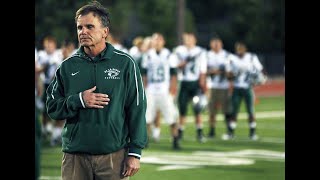
In this presentation, Bob Ladouceur shares a comprehensive philosophy for creating a successful high‑school football program. He argues that true motivation stems from players’ respect for the coach, which is earned by demonstrating deep knowledge of the game and consistently teaching technique. Ladouceur stresses year‑round coaching— from off‑season conditioning to daily drill feedback— and the importance of honest, transparent communication (admitting when you don’t know an answer, encouraging player problem‑solving, and fostering peer coaching). He outlines concrete structures: detailed goal‑setting with weekly commitment cards, systematic parent engagement through meetings and team‑dinners, organized pre‑game meetings and emotional check‑ins, and optional inspirational or spiritual gatherings. Throughout, he emphasizes authenticity, consistency, accountability, and building a brotherhood where coaches and players hold each other to high standards while supporting personal growth beyond football.
Chapters
Thank you, and thanks for attending my session today. I'm sure I could give you something today that you could take back to your program and I think you can work it and be real effective with it in regards to motivation and goal setting and some of those areas. But I'm going to talk about— I'd like to talk about motivation. I think what motivates our kids to perform well, play hard. I feel that motivation is way overplayed. It's not what I think traditionally coaches think it is. Because I think the core motivation is getting your kids to respect you in preparation. I feel that before motivations— you can motivate your kids, they have to learn how to respect you. They have to respect you. I think that runs through a whole different course of areas or a whole different parts of areas. You get to respect your players and I think once you get that, they'll perform for you. That's kind of where I start from. I start from in order to get the players to respect you, you have to give them something. They have to believe in you. And I think back to when I was in high school, I wanted to perform for my high school coach. I wanted his approval. I wanted him to say good job. I wanted him to like me. I wanted him to pay attention to me. And I think most kids are that way. And they want to— they want you to be their mentor, their surrogate father in a lot of ways. I think the number one step is you have to know your game. And I have a lot of coaches, I have had coaches come and go on my staff, guys that, kids that have played on me that wanted to coach for me. And the bottom line was these guys don't know the game that well. I've had, I've worked with coaches that way, I've coached against coaches that way that are like that. I really feel they did not know the game well enough to be effective coaches. And I could see it in their coaching too when I'd be out on the field. They have to, I think in order for kids to respect you, and they pick it up really quick, they have to think that guy knows what he's talking about. He knows the game and he knows the opponents, our opponents' game too, the guys that we're playing that are coming up. He knows what our opponents are going to try to do to us. That second point I've got on there. Is teaching the game and the technique part of football. I work with, like I said, I work with younger coaches in our staff or in our program, and I'll sit them in the coach's office and we'll go over things, we'll go over film. I'll say, look, we want this step here, we want the second step here, and then you move your body position like this, and this is how we're going to work that block. And they'll sit there and look, say, "I got it, okay," and then we go out on the field and they give none of that type of feedback because they don't see it as it unfolds in front of them. So I think for kids to respect you and for you to motivate them, you have to teach them something they previously could not do before, and that is the technique. If you teach a kid, if you say, "Get in there and knock that guy down," or "Knock that guy back," and I work with the offensive line mostly, and you can't teach them how to do that, they're not going to respect you, they're not going to play for you. And when I go back to looking at our— the coaches in my program or helping them out, and I'm watching their drill work wherever it is across the field or what they're doing, I'm always trying to figure out or listen to what kind of feedback are they giving their kids every drill. Because if they're— I've had coaches out there just throw balls at receivers, grab another one, throw another ball, and give no feedback as to how these guys are catching, how they're breaking their routes, anything like that. And I think that's poor coaching. When we get in our one-on-ones and we're out there and go, "That's not good enough, do it again," that means absolutely nothing to those guys. What's not good enough and why am I doing it again? Or jump in there and do it again, that was great. What was it that was great? What did they do right? I think you gotta coach every snap, drill, lift, get off stance the entire year. We go out in the summertime and we're doing our conditioning and stuff like that. I know how hot it gets and how tedious and boring it gets, but we have the offensive line. Let's say we do our warm-up drills, whatever it may be, and I'm gonna stand behind them or near them or on the side of them Watching their stance, watching their first steps out, and seeing them get off the ball, and that all starts in January. And that's what I meant by coaching throughout the whole year. Stance, get off, everything you do. When we're in the weight room too, we're coaching all the lifts. And teaching those guys how to clean, how to— what we want off squats, their plyometric stuff, their core training. But that's diligence and it's exhausting. I used to come home from practice and dragging my ass and my wife's like, "What's the matter with you?" I go, "I'm exhausted." "Why? I mean, you're only out there 2 hours." It's just mentally exhausting when you're doing a lot of coaching because you're watching and assessing every play. So we do that and our coaches have a tendency too that wants to sit around and play catch with the ball while the kids are warming up or stretching. Or they start their ballistic running and coaches are still BSing, and I don't want that. I want those guys watching those guys and giving them the feedback all the way down the road. Here's something I think that is important, is point E I put up there. If you don't know something about the game, don't fake it. When I was a younger coach, I always wanted to say, I always wanted to hold that over their head. I know more about this game than you do. So you gotta listen to me. And it was more of an ego thing, I believe, more of an insecurity thing on my part. I didn't want a kid challenging me, asking me a question I didn't know the answer to. And after a while, I got tired of that facade. I got tired of that energy put into that. And if the kid asked me a question, I go, I don't know. So I'll get back to you, or let's work on it. But I found out that's a good part of coaching. Because I'm not trying to be facetious, but if someone, one of those kids asked me stuff that I really don't know the answer to or what we're going to do, or I say, oh shit, what are we going to do if they bring that guy off the corner? I said, I, what I learned was I threw it back at them. What do you think we should do? And in a real honest way. And I had a team in '87 or '97 that were— I had a team of like 1,200 SAT-type kids all the way across the board. They were brilliant. And they were so fun to work with. And they posed so many questions to me, not to be idiots, but real legitimate questions. And I'd say, well, what do you guys think? And they would come up with an answer. And they'd come up with a good one too. And I thought, well, let's do it that way. And I learned that through that trial, through kind of trial and error and letting them know that I don't have all the answers, it taught them, I figured this out through this year, teach those guys to be problem solvers. And through my own letting go type of thing, what do you think, guys? It taught those guys how to be problem solvers and they started discussing things and owning things on their own. And it even got to a point where I would say goodbye to them on Saturday after we broke down our Friday night game film. And I'd draw up just a preliminary front that I thought we were going to face the following week from another team. And I'd say— I'd give it to them, just one page. I'd say, come back with some plays that you guys think we should run next week or practice during practice. And those guys would come back with plays. And they'd come back with plays that I thought, yeah, this is a good idea, that would work. And they'd know how to block them and they'd figure out how to block them and they'd start discussing it among each other. And at the end of the year I thought, man, what a brilliant coach I am. I taught these guys how to be problem solvers. But it only resulted from me saying, I really don't know what I'm doing out here. So there's one of those things that If those kids, if your kids can do it, give them the leeway to do it, and I think that is great coaching. In the beginning of all the, when I coached the offensive line, I did for 11 years, and I don't coach them anymore, but I still have my hand in it. When I coached them, at the beginning of the year, they'd come off the field and we'd gather around the oil board and we'd draw up, what are they doing out there, where's the 1 plan, what's the 3, who's got this Where's that linebacker stack? And they'd give me the feedback and I'd go, okay, here's what we're going to do. And as the season went on and I told those kids all the time, I said, I want you to solve your own problems because you're out there doing it, not me. You've got the best sight lines, you've got everything. You know how strong your guy is, the guy you're playing on. You're going to have to make the calls. You guys solve your own problems. That's what I want from you as we go on through the season. And lo and behold, if that's the expectation you have of them, they'll do it. So they'd come off the field initially at the starts of the season and they'd be, well, what do you think? Or they'd be standing waiting for instruction from me. And I'd give them some, and I wouldn't give them a lot because I couldn't give them a lot. I didn't know a lot. I didn't know, you know, I could see from an angle and I could give them, well, I think that guy, was he in a 5, was he a 6? As the season progressed, those guys would start huddling with each other. They wouldn't even come around me. And they'd— I'd see them down the sideline. There'd be the 3 or 4 that are going one way, and they'd be discussing, "You do this, I'll do that. I'll take this guy by myself. My guy is pretty tough. I'm going to need help on him." And they start solving their own problems. And hey, they did a great job of it. They'd come and ask me questions, but for the most part, they solve their own problems. I think that's a good coaching philosophy all the way across the board. Teach your guys how to solve their own problems and not fix everything for them. We ask their parents not to do that, and I think it's okay for coaches to work on that level too. I have coaches too that are the nicest guys in the world, and their personalities are real supportive, caring, and then they'd come out to the field and they'd turn into these Jekyll and Hyde guys. And they'd be yelling and angry and— because they felt, I think they felt that's how they were coached as high school kids. And that's the way coaching is, but I think that you have to totally be yourself out there and not try to be someone you're not. Fit into their world and all that other stuff. And I think kids respect— that's another part of respect— kids respect that. They see me as kind of a dry, humorless guy. And I'm not humorless. I do have fun with those guys. But they know me. They know who I am. And they know all the other coaches on the staff. And that's what they expect from me. And if I'm not that for them, then they're going, what's wrong with him? He's not— He's not being real. He's not keeping it real. So if being real is being dull, boring, and square, they still appreciate that. And I tend to lean more towards that. I want all of us to be organized from drill to drill. Whatever it is you're going to be doing out there, know what you're doing and be well organized in it. And that goes right down to the— even my experienced guys will go out there and they'll say, "Oh, I need one of those square bags. Where are the square bags?" Or, "I need another football." And kids are standing around and tick, there goes the clock. It's just— it's moving as you're trying to set your drill up. Where are you going to work on the field? All that other stuff. That, I think, has to be well— it has to be worked out because when you break, And all of a sudden your guys are right in your face and you're going, "Oh yeah, let's work over there." And they're like, "Ah, geez, is this how we're going to start practice?" I think those guys appreciate when you go, "Get over there, we're going to do this," and you're moving your drills quick. They respect that. I can do better on H, knowing my players on a personal level, and I think my assistants are a lot better at that than me. You gotta have somebody on your staff that's good at that. And I think we all should be decent at that, but you gotta have guys on your staff that are really into the kids and know them and talk to them out in the locker room. And you'll pick up a lot of, a lot of good things and problems that you can head problems off, help kids in their schoolwork, help kids in their homework or their home life. And that's why we're out there to help kids. So how can you help them if you don't know them? You got to get to know your kids. When I start, when I assemble the team for the first time, and I'll reiterate it from time to time, but I'm going to have this talk real soon. It's I that I go in every year. I say I will do anything I can for you guys. If you ask me, I will do anything possible for you. And that's anything. But I'm not going to be your buddy. And I may have— I may say things to you and do things to you you're not going to like. And they like that. They want that from us. They want us to be that tough love guy. And whether they're getting that at home or not, most of them aren't, they respect that. So if you're going to let them slide or if you want to, you know, I don't play around a lot with my kids. They don't need me as their friend. They need me as their coach and they need me as an example and a mentor to them. And I don't think kids get enough of that today. So I want them to have that from me. I want them to see me and go, oh, there's coach. He's kind of a clown. I want them to say, there's Coach, that guy can really help me in a lot of different ways. He knows what he's doing and talking about. One of the things about being, I think, having a great program and being a great coach is knowing the subculture to your team. And I think a lot of coaches turn their face to things that are going on in their program and things that kids are doing and say, I don't want to know this. I don't want to hear this. Don't tell me that. Kids around school that aren't football players will start talking about what football players are doing and we're like, oh no, that's not true. I'm sure that they're not doing those things. When we hear those things, we follow up on them and we go after them. If I hear a kid in the locker room say something totally inappropriate to another kid, I go right into them. I say, what did you just say? I will be confrontational to those kids. A lot of coaches don't want to be confrontational. They want to, I don't want to get into that. And whatever, it's got to be able to, you got to cross all social and racial barriers with that too. No matter who's doing it or who's saying it, whatever. You're their coach. You got to be fair and consistent. And we, I want to know the subculture and the rumors and all the other stuff that's going on with my team. Because I found out that 90% of rumors are usually true. And we pursue them and go after them. And kids respect that too. They know that about us. They know that about our staff. If I step out of line, those guys are probably going to find out about it. That's how they think. And they're right too. The last part too is K— what I have up there for K is I remember everything my Pop Warner coach said to me in 8th grade, when I was in 8th grade. I remember all his quotes. I remember what he told me. I remember what he said to me. I just remember. Why? Am I a nut? Am I crazy in the head? I don't think I'm an anomaly. I think I'm pretty much the average guy. I have kids come back to me to play for me in the early '80s. Said, "Hey coach, remember when you called me a jackass or something like that?" I'm like, "My God, did I do that?" I go, "I apologize." He goes, "No, no, no, that was okay, you know, it was funny." I go, "No, it's not funny." Those guys remember all those things we say to them. You got to be careful about what you say and what you do with your kids. I try not to publicly humiliate my kids. And that means when you get your kids in a team setting and you're like, you played like crap today, you know, and you're pointing a kid out right in front of your team, that's not a good idea. You know, if he played like crap, I want him to know it, but I'll pull him aside up in the coach's office, get him back there and say, you played like crap today. And I don't want to do that in front of his peers. I don't think that's a healthy thing to do. And especially, I'm not a choirboy, I do my share of, I'll drop an F-bomb here and there or a cuss here and there, but never at a kid. I've never cussed at a kid or directed one at them. I'll use it as an adjective over a situation. Motivation. I'm sure all you guys have started up. And gotten yourselves organized. We started up last week. Everything, I think, in your offseason has to be like the fall. Organized, times, programs, everything in your lifts. Most important guy in our program is our offseason conditioning guy. That's the most important coach in the program, I'm convinced. When we were the Northern California team, back in the '90s that was going to venture down here and play the modern day or Poly or some of the teams. When we were that team that was going to come down here and get our asses kicked according to everybody that thought so, including ourselves, we knew we had to do something about it. And I don't think we were strong enough to compete. Compete with modern day. We weren't strong enough to compete with Paulie. And we had to change. We had to do— we had to ramp up our offseason and our commitment and the level of intensity. And we did that. And we got ourselves into a position where success was possible. And that's all in the offseason. That was all attributable to our strength and conditioning guy. He did that. He got us into a position where we could be successful. And those tables were turned on us when we went out to play Bellevue, the team that broke our winning streak. I watched film. It was the first game of the season. I watched film, all of the 3 games on them, the 3 last games from the previous year. I had them all scouted out. I watched them and I go, these guys aren't that good. I mean, I thought, they're okay, but— and I knew we were down. A little bit, talent has to go, but we'll beat it. We can beat those guys. Well, we went up there and this team just ripped us apart. And as I was midway through the second quarter, I go, where in the hell did this team come from? They were unbelievably different. Stronger, faster. They were just beating the tar out of us physically. And they did things that we were doing before. And I'm going to the airport the following day and I open up the newspaper and their coach is in there going, we studied those guys, not just their film, but we studied their philosophy and we did the exact same things those guys did. We took out their offseason program and we worked it just like those guys worked it. They read that book that came out about our win streak. They studied us and they emulated our our work habits and our work ethic. And I even said that during the game, I go, this is like playing yourself, only we're not ourselves. And it was really an eye-opening experience of what an offseason can do for you. And those guys put in an unbelievable offseason. And where they were that previous year to where they were that first game out was phenomenal. So we get 100%, try to get 100% participation. A lot of people ask me, what about basketball, guys? I don't have hardly any guys play basketball. I mean, sport is specialized, especially football, basketball overlaps so much and even in the summer. Very exceptional athletes can do both. And we've only had the exceptional guys do both. But we do have a lot of track guys and baseball guys in our football program. And they're saying, a lot of schools go, our football, our baseball guy doesn't want us touching those, athletes in the baseball season. Well, shit, baseball season goes from like, for us, from February to the end of school. So these guys are going to miss out on 3, 4 months of— 3.5 months of conditioning where we're trying to put on weight and strength. And we tell those guys, that's not going to work for us. And luckily our football— our baseball coach is kind kind of on board with it. He's like, "Yeah, go ahead, take those guys and lift them, but we have to lift them in the morning." So there's another time commitment from coaches that you really don't want to get, you know, you're thinking, "Oh man, do I better get up at 6:30 or 6 o'clock this morning, be down at the school, get these guys started at 7 and whatever so they can get their lift in?" Well, if you want your baseball players coming back to you not light years behind the other guys, yeah, you gotta do that. Because we got our track guys back in the past, and we got our baseball guys back in the past that weren't lifting, and they were so far behind they never caught up. Because when we get into the summer, we're moving into different things. We're into more conditioning, we're into more quickness drills, we decrease our bulk training, and these guys, they're left behind. And so we work it where we try to get those guys in there in the morning and we say, hey, this is the way it is, you want to play, and they're usually good about it. And I'm lucky our track coach, our baseball coach, they like that. Go ahead, get those guys stronger. They'll be better track athletes, they'll be better baseball players. And when they get into their playoffs, we back off those guys and let them go ahead, you know, And when they're in the track trials, when they get into the section trials, or they're approaching their playoff games in baseball, we say, go ahead, you devote the rest of your time, the next 3, 4 weeks to your season. But that 3 and a half months where they're spitting sunflower seeds and sitting on the bench, truly, they come out and they're in such horrible condition that they can't even run a 400. They can't without, you know, they just can't keep up with us. It's like they're light years away from each other. So that's, I think, a very important part in your program development. Your strength and conditioning guy and working those guys in the offseason. Alright, we're going to do, we haven't done this yet, I think this is really Very important thing to do, evaluate your kids on their past season. And you gotta do it one-on-one with them. We usually hand out a form, I wish I had it, I don't have it with me. We hand out a form with all these, you can make it up, make them up yourself. Toughness, ability, quickness, whatever it is, and they rate themselves. And even write a statement about how their season went for them and what they, how they thought they did. Half your guys will come up, well I put it this way, A third of your guys will be right on the money on their own evaluation. A third of them will evaluate themselves maybe lower than what you would do. And most definitely, maybe the majority of them would evaluate themselves way better than what you think they— how you think they did. And that's that opportunity to start setting some goals with your kids and that goal setting. So we evaluate our guys and Let them know, this is what we thought of you as a football player. Here's where your weaknesses, here's where your strengths, here's what you need to work on, and let's start goal setting. Kids do not know how to goal set. I found, I think, that's my opinion, two things that kids don't know how to do very well. Lead effectively and goal set. I think it's our job as coaches to teach them how to do both. To be effective leaders. Because most kids think effective leading is yelling at their— you know, I'm the team captain, I'm the leader, I'm going to yell at you. Or I just— I try to teach our kids how to be good effective leaders. But goal setting is another one. They'll come in and they'll say, oh, I want to be— I want a Division I scholarship. I'm like, you're 200 pounds and you play line. That's not going to happen. You gotta revamp their goals and you gotta redirect their goals. Then you gotta help them, that's what I mean by helping them set their short-term, long-term, and short-term and long-term goals. All their goals have to be measurable too, to be a goal. And they have to be clear. So all, I got up there, all goals must be accompanied with an action plan as what they must do in order to accomplish those goals. Goals. It's important to understand this involves behavioral, attitude, workout changes. This is what needs to be measurable and observable, like how many workouts they've missed or pounds lifted. And we chart our guys in the offseason too. We chart their lifts. We chart how much pounds, how many pounds are increased in their lifting. So when kids fall short, when kids fall short, we have them write the goals on an off-the-grid computers so they have a copy in their computers. And then when they come back and they show them to us, if their goals are not measurable or if they're pie in the sky, then we give them back to them and say, we got to rework these goals. They're not going to be effective for you. And then we give them suggestions and then they'll rework them and bring them back. They'll have the action plan that they want in order to accomplish them and we'll keep them in a file. And when we get into the off-season and they're in there lifting and we got guys coach watching, what we call coach watchers. You know all those guys, they're standing in the corner and they're looking around seeing if you're looking at them, and if you are then they jump in there and try to start lifting. If you're not, they're just kind of standing and watching. We have those guys too. And if you see guys or they're down there lifting and you notice this guy's lifting the same way he was last month, you bring him in, we pull the goal sheet out and say, Hey, you know, you said you want to do this. What you're doing is not consistent with what you want to accomplish. So we hold their goals against them to motivate them, and I think that's effective. You don't have to do that for every kid. You do it for the guys that are kind of sliding or they're not progressing as far or as well as you want them to. That's one of the things with our running backs. Our running backs this year were not strong runners. They were weak, including our quarterback, all 3 of them. An option offense, they couldn't break a tackle. They had to have this great offensive line blocking to make yardage. And, you know, I remember watching them in the weight room, I go, these guys are going to hurt us in the season. Look at them, look at how they lift. They're like, eh. They're lifting the same weight from month to month. And I don't know what it was, I couldn't motivate those guys to take that extra jump and it did hurt us during the season. It hurt them as players. That's why I have pull-ups with goal sheets. I think the kids want to achieve but they don't know how. And all their goals sound goofy, like I want to be all-league and I'm going to play 100% and all those other things. And you go, that's not a goal. I mean, come on, let's short— let's put some speed goals in there and lift goals first, and then we'll work about on the football goals. Alright, our summer workouts. This, I think we had a different number last year, but I think it was like 34 workouts they had to make. And you know, the school has a rule like, hey, if your kid's still he doesn't make a workout or 34 workouts, you can't prohibit him from wanting to play football because it's voluntary. And it is. And I've never had that happen though. I've never had, at least on the varsity level. We had it on the lower levels because kids want to play Little League baseball or they're taking, the family's going to Europe for 2 months or whatever. But the varsity kids, they make those workouts or they're not gonna— we're not gonna let them play. And I haven't had a parent challenge me on that yet or an administrator because I have our parent meeting in the spring and I tell them exactly what I want from those kids and I try to head those off in the spring, which I highly recommend that you meet with your— we meet with your parents in the springtime and you tell them exactly your expectations, your philosophy, your substitution policies, who's going to start, who— or the kind of kid that's going to start, who's going to be on the, you know, the different levels of kids you have. I tell those parents starting out when I have that meeting, I go, I've got 55 kids on this team. I've got one kid on this team that's our best player. But you know what else that means? I've got one kid on this team that's our 55th a first-string player. And I go, and everybody falls in between. So where your son is, we're going to determine, and he's going to fall on that graph somewhere. And it's just to get the parents to know that, hey, maybe my kid is not a first-string player, or maybe he's not, which a lot of them think, a Division I guy. And it helps letting those parents know this is why This is what we're trying to do with the kids as they play for us. We're trying to teach them life skills. We're trying to teach them how to succeed in the game and get better. It's not all about starting. But anyway, I lay out all the team expectations and I try to get the— I get the parents involved and I'll talk about that in a minute. I think summer— all your summer stuff has to be well thought out, organized, challenging. I think this is where your team is created. Is when through those hard dog day hot days of summer when they're all down there and they're doing all the prep work that you're asking them to go through. And, uh, that includes, uh, getting things, the complicated things of the coach. Um, put your stuff on a calendar. We try to put our stuff on the calendar as soon as we can, we can figure it out, give it to all the kids. Work your jobs, work all the other stuff around all the stuff we're doing. This is a priority. So we have all that stuff on June, July, August calendar. We use our passing league to find our DBs and receivers and most of our skill guys. When we're done in the summertime and then when it's time to put the pads on, we usually know exactly who's going to be our secondary and who's going to be our receiving core. We search for them there too. We tell kids that too. We're going to find our starters this summer. At least guys that are going to start out the season. And so they take that very seriously. You go out to your team and you say, we have to be a team. We have to be— yeah, we have to get together, we have to be a team. Saying it doesn't make it so. I don't care how many times you yell that at them or say that to them. We're not a team. We gotta be a brotherhood. You gotta create team-type building things. And we try to do that. I know they're hard to do and they're very time— some of them are time-consuming. I had a Lion— I had a coach who loved camping. So he'd take his group camping or whoever wanted to go camping. He'd take them up camping for a couple days. I think that's great stuff. I'm not a camper. I don't like sleeping on the floor. I don't like having dirt all over me. So I'll do other things with the kids and I'll show you what I do. We have team barbecues. That's how I involve our parents. Say, you want to get involved with the team and want to help us? You're going to help us, we're going to put on some barbecues or you're going to help us with our Thursday night meetings or team meetings, which I'll get to also. You got to create Team-building things. Here's a real effective team builder you could put— I recommend you do— you can tweak it, do whatever you want with this, but here's the idea. I call it our seminar, or I call it our lineman seminar. And all our offensive linemen, or our defensive offensive linemen, and you can do it As a position coach, you can do it with just your DBs. If you're a running back coach, do it just with your running backs. You can do it any way you want to do it, but during the end of summer, like the last 3 weeks of summer, we hand that out. We say, fill that out honestly if you can possibly fill it out, and then we're going to come back and evaluate it. So they fill this stuff out and look at those Those are pretty good questions. They're self— they have to evaluate themselves honestly. Then we come back into our classroom and we all circle up. We're not in the weight room, we're in a classroom. We actually have a classroom with a carpet in it. And we sometimes we sit on the floor and try to create that looking at each other atmosphere. We're all going to look at each other and talk to each other. And a student will say, okay, Frank, Give us your, what you put down. And he'll run through his goal sheets or this sheet here and then we ask, what do you think about what he put down? We ask the kids. What do you think? Give him feedback. And that's where we get those guys talking to each other and they start evaluating each other. And they'll say, what holds you back from achieving? And if he doesn't write the right thing, we do have kids in our program say, You don't work hard enough in the weight room. You can work harder. And it's not a pick-on session, it's how are we going to get better as a team? Are we going to hold each other accountable and are we going to own the season ourselves? This helps create leadership on your team also. You have to get your kids going after each other for accountability and for hard work. If it comes from you all the time, it's just, "Ah, there's Coach again, he's never happy." But when it comes from a peer, they're like, "Hey, I don't want my peers saying that about me." It means more. Accountability means more coming from a peer, and we try to get that dynamic going on our team. And we try to include positive things on it too. Say something to someone in here that you admire about. And they'll pick some, they'll even pick second, third string guys. You run hard in practice or you do gasser work awesome. I respect that. And it gives everybody an opportunity to own something on the team. Everybody's got to go through one of these. And it's time consuming and it's tedious sometimes, but it's worth the effort. It's worth the, you want to pull your unit together, just like I said. You want team build? This is a team builder. And kids start looking at each other, talking to each other. They say tough love things to each other. They say praise things to each other. Sometimes, depending on your group, if they're all hard-ass workers, this becomes like a love fest. And that's ultimately what you'd like to work for on that. So this is a great, I think, and you, like I said, you tweak it and put your own questions on there. And design it any which way you want to design it. But that's the way I call the seminar work. Another thing is don't listen or give in to your team complaining about conditioning. Don't use conditioning as punishment. I don't. I think that's dangerous. I think that's stupid for a coach to do that. Our way of disciplining is you're not going to play this week. Or you're not going to play for a half. I'm not going to run a kid up and down the field and make them sick or bend them over or anything like that. That takes away from an element of the game you want a part of your tradition. Our kids know conditioning is a part of our tradition. And when we tell our kids line up, we're running, there's not a complaint in the house. And they know how hard we want them to run too. 'Cause we'll have the time set or we'll have the expectation set. I've never had our kids complain about conditioning. Never. 'Cause they know that's part of the game. It's a huge part of the game and they never complain about it. And so don't listen to, "Do we have to do that?" or field their questions. "What are we doing for conditioning today?" I don't even like that question. I said that, well, whatever we're going to do, we're going to be getting ready for this week's game. We pride ourselves on being in better condition than our opponent. Hard to do today because everybody's working hard, but we still work for that. I won't spend too much time on this, but I already mentioned that I think this is critical, working with your parents and involving them. In a real positive way. And that is parents want to get involved, they really do. They want to help you. And if you can get a good team mom, and I've been blessed with these awesome team moms that have organized our parents. One of our team building, biggest team building activities is our pregame dinners. And our pregame dinners happen the night before our games, which usually end up on a Thursday. Thursday night, if we play Friday. Friday night, if we play Saturday. And there's a whole ritual we go through on our Thursday, Friday night team dinners. But the parents do the cooking. They do all the cooking, all the logistics. All we do is go from practice, we show up, we eat, we let the kids play a little bit and let loose some steam. Then we go into our pregame meeting mode, which takes about an hour and a half, and I'll run through that for you, what we do. But the parents, they want to do, they want to be involved in the season, but I tell them we're going to be their coaches, don't get involved in the nuts and bolts. And I tell them too about if you have a complaint, don't fight your kid's battle, send them back to us. We're not ogres. They say, oh, I'm intimidated, or I don't like talking to coach. I say that's all bullshit. Send them back to us if you I said, teach them how to be men and confront and own their own problems. And I said, if they come back and they're still not satisfied with our answers or they're unhappy, by all means call us, then we will be. But don't fight his battles right off the bat. If he's unhappy, send him back to us and tell him— and have him tell us why we're unhappy or why he's unhappy. But I write down everything I want the parents to know, and it heads off a ton of problems. I'm sure a lot of you guys do the same thing. But it's wise to do that. You don't want them coming, "Oh, you never told— I never knew that," or "You never told me that," or "That's not what my son told us." They can hear it right out of your own mouth. Team dinners and meetings is something you guys can do if you don't already do it. Team-building activities. Dinners away from school, night before the game, dinners designed for fun, laughing, socialization, parents get to experience. Okay, we know that. Then here's the curious side. I give my pregame talk before— I don't give any talks on game day. I don't try to rile them up, I don't try to rally them or anything like that. My pregame talk is this. We're playing whoever, we're playing modern day tomorrow night, and here's my take on this contest. And I give them my pregame talk, what I think we need to do, what I think that they're going to do, and I let all the other coaches say a few words too. I don't want it to talk in, I don't want anybody to get up there and give us the Gettysburg Address, but I want there to be sustained and to the point point and talk to the team if they have something important to say to the team. That's our pregame talk. Then we go through the opponent checklist. That's just, it's like brainstorming. We go, okay, we're going to cover defense, let's go. And our defensive guys will stand up, they'll start giving tendencies, best plays, best players, our checkouts, all the things. When they come into this formation, we're going to check down to this. Here's their favorite play out of that formation. And then just kids just pop up out of their seats and they start that brainstorming activity we call a flight list or a checklist. That's that last-minute stuff that we feel they need to know, what we covered in practice throughout the week, that they're going to need to know in the game when it comes at you. So it's a last-minute reminders. And then we go through the offense and some of the special teams too. So whatever's important for them to know in that game tomorrow night, They gotta know it Thursday night. And if they forget things, we as coaches stand up and say, "Don't forget this one." Don't, you know, remember that one. I want our kids on Thursday night when we break our meeting, we break usually at 9 o'clock at night, or try to get them out there as quickly as possible. But when they break, I want them fully prepared to play the game. Not on Friday. I want them Thursday night ready to go. And they usually are. And the reason why I did that, we incorporated these meetings, like the first 6 years that I coached, we came out every game and we were just getting crushed in the first quarter and it took us a while to warm up. I thought we were coming out slow, it doesn't seem like we're fired up, it doesn't seem like we're ready. And I think it was attributable to we weren't, I didn't get those guys ready soon enough. And when they walk out Thursday, they're excited, they're really— everything's done. Alright, we're all set. We're ready to go. The second part is the emotional aspect of the game. And I'd say, okay, we went through the checklist, the mechanical, the logistical, whatever. Now, how do you guys feel about playing this game? I mean feel. And that's where I want kids to stand up and be able to express how they feel, whatever it is. Whether they're fearful, whether they're angry, whether they're excited, whether they're counting on— as the season goes on, these get very— they do get very intense and emotional sometimes. I'll get kids that'll stand up and say, I'm counting on, you know, I'm counting on you, Jim, or Jimmy, you gotta— you have to— when we're we're blocking this guy together, I want your best effort. And they'll start again holding each other accountable if they feel that maybe some of their teammates aren't playing up to what their capabilities are. And that's that part of that emotional time too. That's not— it doesn't happen every week, but it does happen throughout the season. And you have to be pretty smart at where you want this thing to go. Sometimes we've got into these emotional part of our team meetings and it started to go into a pick on, let's pick on this dude tonight. And I'm like, whoa, you know, we're not going down that avenue. And a lot of times I preface this too, if you're going to speak on the emotional aspect of the game, you speak for yourself too. It's got to be I, I, I. I feel this, I think this, I believe this. 'Cause in these team meetings sometimes kids will get up and go, "We need to get out there tomorrow night. We need to kick some ass." And I'm looking at this kid and I'm going, "This kid hasn't kicked ass all season. What the hell's he talking about?" And I'll stop a kid like that and I'll say, "Stop." And I'll tell them, I go, "What are you going to do? Why are you saying 'we'? Talk about what you're bringing tomorrow." Talk about what you feel right now. And I'll let those other guys, the guys that are kicking ass, if he wants to stand up and what I do I think is good stuff and say, you're not kicking ass out there. I'll say, go with that. Run with that. Because when you get your team leaders that can really play and they're standing up and they're doing it in a good way, they're not doing it in a pfft. In a puffed-up, brash way. When they start holding— calling guys out and holding them accountable, that's part of our tradition. Our kids will hold each other accountable. Here's another part of our tradition that I don't have up here. I insist that our kids coach each other too. And when I coach the offensive line, when that first team stepped back off the sled or out of their reps, they didn't step back and pop their lids and start talking to each other. They had to step back, stop, and watch that next guy, that second string guy in front of them do his stuff, do his technique. And if you're vigilant about this, they'll develop it as a habit. They'll start coaching each other. They'll say, your first step's too short, or you didn't get your second step down, or you didn't have your club, or You got outside of spring or whatever it is. They'll start giving those to guys that may take their position or could possibly take their position, they end up coaching. And then the second string guy is coaching the first string guy. And I tell them, I said, I got 2 eyeballs out here and if I can get, you know, 8 sets of eyeballs out here watching our steps, how much better are we going to be? And the kids, you know, it made sense to them. And I said, and that is Team T. We're helping each other be better players. So I pride ourselves when I hear our kids coaching each other, I think, hey, that's why we're out here. One guy is helping another guy. And isn't that what teamwork is? Isn't that what brotherhood is and what we preach all the time? So I like our guys coaching. Not only that, it reinforces their idea of what the proper technique is. Oh yeah, your first step was only 6 inches. It should be 10. They start seeing things too, and they'll hold themselves accountable. Alright, as the emotional part, as soon as everybody gets— not everybody is going to talk emotionally. Some kids are very quiet. I don't try to pull kids out or too much, I'll pull some seniors out and say, hey, are you going to say anything tonight or are you just going to sit there with your mouth shut? You're one of our team leaders, you know, and I'll make them say something. Not very often, but the younger guys, I'll usually let them, I'll let them just learn from the older guys. But I have young guys too that say some really great stuff. Here's the last part, and here's a very effective, I think this is This is our most effective motivational tool that I use at Delta Psi. It's called our commitment cards, weekly commitment cards. You know the guy, you know how your season sometimes starts? We get 50, we have 50 guys usually on our team, anywhere from 45 to 55. Get your guys all together, they're all in their pads, the season starts, the hitting starts, you start putting a first team out there, Here's the— let's get the second team out there. And all of a sudden, kids start figuring things out and they're going, hey, wait a minute, am I second string or third string? And you get those guys in practice, all of a sudden they start fading into the background. They're not jumping in on drills, they start hanging out with each other, they become watchers, they start becoming detached from the football team. I noticed that before I did these commitment cards, I noticed my teams took on those tendencies and I felt bad about that. I thought, well, these guys have checked out, it's only week 2. They've just checked out of the season and now they're going to be watchers and they're just going to be complacent. They're not going to have a good experience, they're not going to be happy and they're going to be divisive on the team and all those other things. And for years I was thinking, how can I involve most guys. And how can I get them to push themselves to be better? And I thought this was the most effective tool. Every week they have to set a goal. They have to set a game goal, and some of them may not get in games, but we try to involve all our guys. What we do is they have to set a team goal or a game goal. If they get into a game, they have to have a goal. And when we assess the commitment card, Kids will say, "Well, I didn't get in the game." That's okay, because they have to set practice goals too. And I usually say 2. Set 2 practice goals. Remember, goals have to be measurable and they have to be attainable and measurable. That means someone's got to look at them, and I'll tell you who that someone's going to be, and then at the end of the week they say, "You didn't make your practice goal," or, "You did make it." Then they have to have a conditioning goal too, a lift or a run goal for conditioning. And we lift throughout the season on Tuesday and Saturday, and our kids increase their strength throughout our season, which is not the norm for football teams. But our kids get stronger as the season goes on because our lifting is important to us. Coach, what would be an example of your practice goals? Well, let me get this up here and I'll tell you what a practice goal would be. It runs the Again, from a lot of different things. You can make up these, I put these on 3x5 cards, you can make them up on your computer or whatever you want, and I usually put them on a hard stock, hard stock paper, you know, like this. So it's a little, it's not a lined 3x5 card, it's a special card. And you cut them up into 3x5s, This is one card, this is, that's one card right there. And one of it's on the front, this is on the back. And you can have, you can have your, anything, do it any way you want it, what you stand for, inspirational saying, but on the back they have to have the roof where they fill out, they're going to fill out their goals. During our team meeting I give them to the kids on Thursday night. I said, take them home, fill them out, we're going to go over them at lunchtime in the weight room. They all show up in the weight room, they have their cards done. They stand up, they're all sitting in a circle, one guy will stand up and say, here's my commitment, I'm going to rush for 100 yards tonight, or usually the starters have more than one goal, game goal. They'll say, I'm going to rush for over 70 yards, I'm going to rush for over 100 yards, I'm going to score a touchdown, I'm going to make all my pass blocks, I'm going to carry out all my play fakes. That would be a running back goal for a game. Practice goal may be I'm not going to fumble in practice this week. A lot of them are step goals, like technique step goals I have them work on. A lot of them will be even for receivers will be catching ball. Any ball that hits my hands I'm going to catch. Then they start challenging each other too. I even got goals like, I'm going to beat Joe deep twice this week, or I'm going to catch a touchdown pass over Frank this week in the one-on-ones or in our seven-on-sevens. And then I get the linemen in our one-on-ones. They'll name guys. Like Marco Noce will name, I'm going to put Zach Ploss on him. Back this week. I'm going to drive Tyler Hess 3 yards off the ball in a one-on-one. And they hear each other challenging each other in that way. And it kind of like, oh really? You know, and they'll come back, they'll get into those one-on-ones and go, you're not going to drive me off the ball. And it challenges every guy from first string to last string to try to achieve practicing and game goals. And I go around as a coach and I watch these guys practice and I'll say, you fumbled the snap twice this week, I want to see that on your goal sheet for next week. You're not going to fumble any snaps in practice. That was for our quarterback. And we knocked out guys as we see, say, look, you haven't got that first step out yet. I want to see that on your goal sheet. You're going to nail that down next week. After they fill them out, they say them, they stand up and proclaim them to the team, and then they got to commit them. They commit that goal card to another teammate that's playing around them or across from them most of the week. And it can be different guys. Sometimes they do it, they give them to their friends. But they say, I commit this goal to Joe. Joe stands up, they meet each other in the middle of the circle, they hug each other, and he gives them this goal sheet. And he takes that goal sheet, puts it in his wallet, and keeps it for the week. Because he's got to not only assess his game goals from film, he's got to wait for his practice week too to see if he makes his practice goals. And then on our Thursday night meetings, our first things we do is we break off into our groups and we go through those goal cards. And he'll stand up and say, Frank gave me his goals this week. He said he was going to do this in the game. He didn't accomplish that. He did accomplish this. In practice he said he was going to do this and he didn't. In practice he said he was going to do this and he did. And we'll, if he doesn't know for sure, guys will answer those questions for him. Like if he didn't go up against them that week in practice, the guys that did will say, well, did he actually do that? And they'll think and they'll go, yeah, he did do that. You didn't do that. What it does, it involves everybody with everyone else's progress. Now you may be thinking, well what if they don't make their goals? What's the, is there a punishment for that? No, there's no punishment for that, but it's part of that life skill building thing. Like, don't put shit on there that you're not going to be able to do. Put stuff on there you're going to be able to accomplish and you're going to have to accomplish it. Because if you don't, that means you're not coming through for anybody. You want to be accountable, you want to be counted on, and if you're going to say, give somebody something, say you're going to do it, you're going to have to do it. And you're going to have to try to do it. You don't just hand a guy your goal card and say, eh, I didn't make my goals. You know, what kind of person does that? So I'm working on their accountability and following through on what they say they're going to do. It's a lifetime skill. And lo and behold, it's been my experience, I got the third and the second string, the third guys busting their ass trying to be better. And a lot of their goals involve going against first string guys. And they'll name first string guys too. I've had some— I've had offensive linemen say, I'm not going to be put on my back. Or I've had them say, I'm only going to be put on my back twice this And literally, after watching some of these guys that are on our cart, that they run out there in our cart team and they're getting put on their back 4, 5, 6 times during the week. I'll say, that's a good goal for you. Good. I'd like to see you fight in there rather than giving it up. And Everybody's involved. It's a great motivator, particularly for your third, second, and freshman guys. And you, I guarantee you, you'll watch those guys get better as the season goes on, rather than have them step back and be totally shitty as the season goes on, which was my experience. These guys started out, they started hard, they had a little energy to them, they were terrible but they were trying. They found out they weren't going to be first string and they got worse and worse and worse as the season went on. They checked out. Now these guys, we've had guys actually work themselves into a position where we could put them in and spell a guy. Hey, he's not that bad. He's gotten so much better. Let's put him in when so-and-so gets tired. And we found another guy. Let's put him in on the kickoff team. He deserves it now. Put him in, he does a good job. So our experience has been positive with those goal cards. And it's been a great motivator for our kids. The last thing, and I'm able to do it at my school for motivation too, and I think you can do these also even if you're not a religious school, is we have our prayer service too. Our Thursdays are packed. School gets out for us at 2:30. Our kids have 10 minutes to assemble at our chapel. And we go through our prayer service. That takes about 40 minutes. Then we go from there to the field for practice. We practice for about an hour and a half. And then we go from the field to our team dinners. And those last until close to 9 o'clock. So right from the end of school, you think, where do the kids do their homework? We tell our kids, plan. Plan around it. So do it on Thursday or Wednesday, Tuesday, whatever you have to do. Try to keep that day clear. If you've got a test coming up, it's important if you're falling behind. But by no way, shape, or form are they mandatory. And we tell those kids that too. Schoolwork is number one. It's first. But the kids want to be at those meetings. And our kids do pretty well during the season with their grades. In fact, they do better in the season with their grades than they do out of our season. How and why, I have no idea. That wasn't the case for me when I played, but you know, you can't insist that they be there, but most— majority of our kids are at our team dinners. But the prayer service, this is a time where, again, why are we doing the jobs that we're doing? I've been at the school for 28 years. I've never had a desire to be in a college position or move on and make more money or any of those things. I get my gratification out of watching our kids grow and be better people, be better players, but more importantly become brothers and teammates and treat each other with respect and dignity and love and affection, all those things. That's what I strive for. That's what makes my season worthwhile and that's what makes my season successful. And all of us, and we usually accomplish that to a large degree, but these are the type of things I think that's healthier. You get them off the field and for us we can use religion. I don't want to say use religion but develop a religious aspect to your team, a spiritual part of your team. But it doesn't even, you don't even have to have religion. You can run this, we come in with song, kids come in. We run the first couple and then the kids take over and they run. They come in with songs, songs got to have a point and inspiration to them. They can come And then they come in with poems, short stories, you know, shoot, one kid this year, there was a book out on the Spartans, the real Spartans, and the Battle of Thermopylae. They're making a movie of it, I think it's 300. Gates of Fire. And he read this book, he brought in a lot of stuff out of that book, and I'm like, my God. Where did he find that? This is awesome stuff. And about brotherhood and courage and all the other things. But you can make these up on your own and not get in trouble with banging a religious drum, I guess, in the public schools. There's so many inspirational things out there that are non-religious that you could put together and just call it, we're going to have our life meeting today after school. Our life skill meeting, or you call it whatever you want, our inspirational hour or whatever. And you assemble it and kids, that's that opportunity for kids to speak too. We go through the readings, we go through the inspirational sayings, the songs, and then we open it up to them. Why did you guys bring this in? Why is that important to you? Who wants to speak to this? And kids will stand up and they'll start They start saying, I like this part of the song because it means this. I like that inspirational saying because it says that. And of course we pray too and we pray for intentions for, you know, we're able to pray for family members and people that are, that need the prayers and things like that. We do the Our Father and, you know, kids do the kiss of peace. They hug each other. It's a team builder. Kids like it, they enjoy it, we have a setting for it, our chapel is a great setting for it. If you can do it, I highly recommend it, but I think you can still revamp that. It just teaches the kids something else. Coach is more than just football. Our staff is more— kids will think, kids will learn. Our coaching staff is more than just football. They're about other things too. They care about other things in life. They care about us other than what we can do football-wise. I think that's extremely important. And I think it's a— I think in that way too, kids don't feel like they're getting used in some way or they're not feeling that you're football nut.
More from Joshua







Scientist Stories: Hans Waterham, The value of phenotypic assays in peroxisomal disorders




Scientist Stories: Joel Zlotogora, Genetic carrier screening programs for reproductive purposes