Founder Stories: Harlan Robins, Human Genomics for Target Identification & Validation
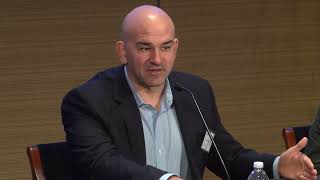
The YouTube panel, moderated by Speaker A, brings together experts—Avi Maayan (Mount Sinai), Harlan Robbins (Fred Hutchinson Cancer Center and Adaptive Biotechnologies), Jared Sternickert (Dresden University of Technology), and Manolis Kellis (MIT)—to discuss modern approaches to target identification, validation, and first‑in‑human drug development in the post‑genomic era. Avi describes large‑scale big‑data initiatives (LINCS and the Illuminating the Druggable Genome) that generate transcriptomic, proteomic and phenotypic signatures for small‑molecule and genetic perturbations, enabling data‑driven target discovery. Harlan explains how high‑throughput sequencing of adaptive immune receptors creates a platform for both diagnostics (e.g., personalized monitoring of blood cancers via B‑cell/T‑cell clonality) and therapeutics (leveraging immune receptor diversity for antibody and T‑cell receptor drug design). The panel debates whether a known molecular target is required, noting that data‑driven phenotypic screens can bypass precise target knowledge but still face challenges of polypharmacology and mechanistic validation. Jared highlights the convergence of human iPSC disease models, CRISPR gene editing, and stem‑cell‑based platforms to validate targets and stratify patients, while emphasizing the limitations of traditional mouse models and the need for more human‑relevant systems. Manolis discusses integrating multi‑omics layers (expression, regulatory genomics, proteomics, metabolomics) to refine target and biomarker discovery. The conversation moves to translational gaps: the difficulty of moving from mouse or cell‑based validation to human efficacy, the role of small academic‑driven basket trials and CAR‑T therapies in accelerating first‑in‑human studies, and the importance of academic‑industry structures to bridge early discovery and medicinal chemistry. The panel also addresses practical topics such as toxicity prediction using big‑data models, challenges of natural‑product drug discovery, network‑vs‑single‑target design, regulatory evolution toward mechanism‑based approvals, and community efforts to share validated targets and model resources (e.g., Jackson Labs, Michael J. Fox Foundation). Throughout, the experts stress the promise of large‑scale omics, high‑throughput functional assays, and collaborative frameworks, while acknowledging remaining hurdles in validation, biomarker translation, and regulatory acceptance.
Chapters
Right. Welcome to the session on target identification, validation, and first-to-man approaches. The format for this panel is going to be similar to the earlier format in that first I will ask the panelists to introduce themselves, their affiliation, their titles, and their research as it relates to the theme of the panel. That will be followed by a general discussion. I'll be asking questions to the panel on target identification, on target validation, and first-to-man approaches, and that will be followed up by the questions by the audience. So while they are answering the questions, come up with questions yourselves so that we'll be welcoming an interactive session. With that, I'd like to get started with Avi.
Hi, my name is Avi Maayan. I'm a professor at the Department of Pharmacological Science at Mount Sinai. I'm also the director of the Mount Sinai Bioinformatics Center. I'm also a PI on two NIH Common Fund grants that are the data coordination center for two NIH projects. One is called LINCS, Library of Integrated Network-Based Cell Signatures, and the other one is Illuminating the Druggable Genome. And we are also center— one of the BD2K centers So this is a new initiative by the NIH called the Big Data to Knowledge. For the LINCS program, we are integrating data where— if many of you are familiar with the connectivity map type of data where we're trying to create a library of small molecules and genetic perturbations after applying them to human cells and measuring transcriptomic, proteomics, and cellular phenotypes with imaging. For the Illuminating the Druggable Genome project, the idea is that we have several families of proteins that are serving as the most common drug targets, and we're still only studying a small percentage of those targets. Using computational methods as well as experimental methods, this consortium is trying to expand our knowledge about those dark potential targets or the understudied targets from those protein families, and I think that's why I'm relevant to this panel.
So, I'm Harlan Robbins. I actually presently have two jobs. So, I'm the head of computational biology at Fred Hutchinson Cancer Center. And also we spun out a company where I'm co-founder and CSO called Adaptive Biotechnologies. And both located in Seattle, which is a good way away, but a beautiful city. And we, so basically the fundamental, the company is a platform company based on the technology combining high-throughput sequencing and the adaptive immune system. So in my academic lab, we created a technology for sequencing the adaptive immune system. Immune system and then spun it out into a company. And the three areas— we work in areas that span all the way from research products all the way to therapeutics. And so we— I won't— I think probably what's the adaptive biotechnology side of this is probably more relevant to this particular panel. So I'll probably focus a little bit more on that. So for research, we offer a platform for a wide variety of disease states where our clients range from, you know, basically all the major pharmaceutical companies in biotech, but also a lot of academic labs. And they're using the technology to elucidate all sorts of questions in the adaptive immune system. But then on the diagnostic side, the fact that we're able to probe the adaptive immune system in high throughput allows us to to ask very specific questions. So for one example, I'll give you the main product that we're going for. It's also my R01 in my academic lab, and that is diagnosing and monitoring blood cancer. So cancer's clonal, meaning literally a single cell becomes your cancer. And if that cell happens to be a B cell or a T cell, then it has a B cell or T cell rearrangement. That's the rearrangement that codes for the receptor on the surface. And the diversity of your adaptive immune system means that each one of those is unique.
Unique.
So if I sequence the bone marrow of everybody in this room, if you don't have leukemia, then the biggest B-cell clone will be 1 cell in 100,000. If you have acute lymphoblastic leukemia, 98 out of 100 cells— not just B-cells, of cells in your bone marrow— will be one particular clone. So it's night and day difference. But since we can see, then we can just write down that sequence. And, and so in this case, it's basically personalized diagnostics. We write down that sequence, and then at any future time after treatment, we can go back and identify whether or not you still have residual disease, whether it's— whether you're recurring, etc. And of course, what we hadn't thought about at all when we started this is that it turns out that most of the major selling drugs in the world now— I think that 7 of the top 10 are actually monoclonal antibodies, which are B-cell receptors. So, and now T-cell receptors, which I'll talk about later, are coming into fashion as a drug targeting mechanism. So the technology we invented for sequencing B cell and T cell receptors is actually useful for generating therapeutics because that's— because we're, as humans, we're not that creative in targeting molecules. So we just co-opt evolution's method of targeting, which is adaptive immune receptors.
I am Jared Sternickert. I am a group leader at the Dresden University of Technology, which gives me a little bit of a different perspective, I guess. I'm coming from Europe.
So we use—
I was doing my PhD when human pluripotent stem cells were first discovered, and I've been involved with them from the beginning. But my emphasis from the beginning has been using them to make disease models, particularly for neurologic disorders such as Lou Gehrig's disease with the focus of using them for drug discovery. When I moved to Europe, I was fortunate to go to the Max Planck initially because they had spearheaded an effort to try and create an entity and a structure to translate findings from academic settings, particularly, of course, the Max Planck, and to make those into products, into findings which can be licensed and partnered with pharma. And we expanded upon this to create a concept that would apply to stem cells to be able to develop stem cell models, to be able to use them for drug discovery, to validate targets, to validate compounds, and to do so in a way that had a legal structure, a funding structure, and the expertise necessary to make this something that could be attractive to both academics as well as to pharmaceutical companies.
Excellent. Now let's start with the question on target identification. How has the target identification changed in the post-genomic era? And then I'm sure you'll be able to answer this question. What is the role of the newly emerging big data science in the target identification and drug discovery?
So I can start. I think Manolis' presentation showed us how, you know, data-driven discovery is very powerful to point us to the targets in a global scale, and there are various ways to do it. The way Manolis is doing it is through data integration, bringing in multiple layers at the genomics level. What we are trying to do is looking mostly on transcriptomics and looking at, for example, how single gene perturbations change expression. Let's say if you knock down a gene in a cell, what genes go up and down? And then you have thousands of small molecules that are profiled the same way, and then you can find a match of the small molecule that causes the same change in expression, is likely hitting the target, or at least the pathway of that genes that is manipulated. So this is a very different approach from, I guess, the traditional approach of structural biology docking, also more like literature-based search of a potential target that could be associated with a disease. And I think it's much more powerful, and it's sort of like the way of the future.
So in The cancer space in particular, which is where I do most of my work, I think in a lot of ways it's already happened. So for example, immunotherapy is a great example of this, which is that for decades people had the hypothesis that you could manipulate the immune system to help you fight cancer. And its efficacy was almost nothing until about 6 or 7 years ago when the first couple drugs got approved. Now they say the anti-PD-1 set of drugs will be the biggest selling drugs in the history of the world. And of course, once that, someone kind of took the seal off of that, people went back to big data sets and said, okay, what else, now that we have some mechanism, which is checkpoint inhibitors of T cells, what else is involved in that pathway? Well, we had all that data already. So now there's, within a couple years, there's 30 different targets with drugs in phase 1 or later trials already. So basically, we were able to go back and leverage that data almost immediately once that new concept came out. The warning is here, which is that, you know, we have lots and lots of data and we can do lots of studies that can get to the point where we can manipulate something in a mouse and get an effect. But the step between that and actually getting a drug that has an efficacy in humans is enormous. And it's usually what really motivates the field seems to be that step. And I don't think we've crossed that barrier yet. I think, you know, I'm not sure. I think big data will help us. I think we had an example from the last speaker, which potentially is interesting and could really have a major impact.
But I think we'll have to see about how we bridge For us, we partnered quite early on with a human geneticist in the field, Thomas Gasser, who is a prominent geneticist, US studies for Parkinson's disease. I think for me with a stem cell background, it's been the convergence really of three different fields that has been particularly revolutionary. All of this data from, for example, the last speaker, but also having the development of induced pluripotent stem cells, which can be made, for example, from these same lines, and then also in combination with gene targeting, which I think comes up later in the conference, and being able to really generate not just specific models, but to go in there to modify very specific, even individual points in the genome and then test their effects within a human model system, a specific cell type has been an amazingly powerful thing. Now for the first time we're able to go into make, for example, stem cell lines models from different Parkinson's patients and ask questions like, is this truly a single disorder? Or is this a name that has been given to a collection of disorders? If we have something like a LRRK2 kinase inhibitor out there, is the response to this universal or are there Can we stratify patients into responders and non-responders? Can we actually use the convergence of all of this genetic data with the stem cell and gene targeting to really make these therapies go forward?
So if you were— to get the conversation started, the discussion started, if you were a young starting investigator interested in target identification, how do you decide on what to target? And how to target? In fact, do you need to know the target to develop a drug?
So I think that there is a little bit of an obsession with, you know, target and knowing the target in pharma and in academia as well. And because now you have these approaches that complementary approaches that can, for example, show you how you have changes in expression in disease versus normal tissue, and you have small molecules that can potentially reverse or mimic that expression, you can move forward with able to manipulate the disease state and not worry so much about the exact target. Usually when you're worried about the target and you find a small molecule, that small molecule will bind to other targets. There is this polypharmacology issue that still is very much unresolved. I think just the focus on finding a target like this bullet solution for disease is for the most part has relatively failed. So I'm not saying not— that it's not useful and a valuable approach, but I'm thinking that people could change their mind. And again, these data-driven approaches to discovery is important for those youngest investigators because of the power that they bring. And I think that's something that is going to take over basically, that we're going to have to drive our next experiments based on what the data tells us.
Do any of the other panelists want to chime in?
I've had this discussion quite frequently because in stem cells, there are two classical approaches, and we've done them both certainly. For example, As I mentioned earlier, LRRK2, for example, is a very prominent thing. So if you're a pharmaceutical company and you have, for example, you've chosen this as a target for the indication that— and you would like to know if this is effective, then obviously all of your emphasis is on that. Do you need to know the target? Then obviously yes. If you are an academic and you would like to develop a compound, and honestly, I think going through a phase 3 trial is probably unrealistic, you would probably partner this with pharmaceutical company, and you're asking them to invest potentially the equivalent of a billion dollars to fund this. You will be much more persuasive if you know how that compound works. So in that case, it's not— you're not targeting as much the FDA, more you're trying to convince, if you will, an investor to fund your project. Coming to the other side, maybe as an academic, since at my heart I am I think some of the most interesting questions is if you back up just knowing the target, you can phrase this in terms of a disease mechanism. If we, for example, have a disease model of Parkinson's disease and we have a compound that we've discovered in an unbiased manner that is functioning as a therapeutic, I think for a variety of reasons, it is a very profound question and a significant question to be able to answer how that works. To be able to really identify potentially a novel disease mechanism so that you can do this. And that's essentially a euphemism for having then a target. So I think there are definitely examples, certainly you can go forward without having an exact target. Everybody can cherry-pick these things. I mean, certainly aspirin's been around for a long time before the target identification existed. So yes, you can, it can be done. But in the modern era, I would expect there are many more reasons to pursue the target than there are not to.
Harlan, did you want to comment on it?
Sure.
I agree.
I think that it probably depends a little bit on what disease you're going after. If you're going after a disease where the fatality is in— if you're going after pancreatic cancer, there's a lot of leeway because it's almost a 3-month fatality. But if you're going after almost anything else, not really understanding or at least having some hypothesis of what your therapeutic does in a fundamental way, I think is going to be prohibitive.
I just want to iterate that it's not really like you will know in general the pathways that are affected, that your molecule is potentially changing the disease state. You can narrow it down to maybe a macromolecule or a process that is changing, but sometimes knowing exactly where the drug binds on that particular protein, that takes enormous amount of effort and sometimes it's a pitfall that people are getting caught in and progress is not being made because of that obsession.
Right. That point actually directly dovetails into the question on target validation, right? So obviously once target is identified, it has to be validated, and what are the appropriate models? And we worry about this all the time. So could you guys— could you start commenting on the appropriate models for target validation, the role of iPS cells, of course, in target validation? And the role— is there a role for big data in target validation?
I guess there are more and more options for target validation, and there are also, you know, data integrations and hints that you can get from the knowledge that is accumulating and is also something that could be done, but I think for most diseases, there's no really way around the cell line, mouse models, maybe higher model organism models, and then iPSCs that are now becoming a way to model. But each of those target validation, approaches, each of them carries problems, including iPSCs. It's still a challenge of how do you move forward and how do you overcome? Because there could be drugs that would fail to show efficacy in those models that could be still working in people that are going to be missed. But I think right now there are growing number of options, and, but there's still issues that are well known with those type of target validation approaches.
So, you know, most of immunology is done in mice, and the mouse immune system, I think we're all well aware, doesn't represent the human immune system. It's not even close. And that bridge has been really hard to get over. The standard method is you take 3 disparate mouse models and if you get the same effect in all 3, then you feel reasonably confident, relatively speaking, and are ready to move it forward. Is that really viable validation? Well, probably not considering what the percentage of drugs that then fail pretty early on. I think this is a big open question that hasn't been answered. There's been certain areas that have had the benefit of going direct to humans, I think, which has been great. And, you know, people have been trying with non-human primates, but they're extremely expensive, and it's also not clear that their immune systems work exactly the same way. So, you know, I know this isn't very helpful, but I think it's an open question that hasn't been answered, and hopefully we'll make some progress moving forward.
Jared.
I think for me, certainly the question depends strongly on the field, but a critical development in the entire field certainly has been gene editing. I think increasingly there's not only been the ability to identify causal variants for certain disorders, but now with things like CRISPR-Cas9, we can actually generate whether it's an iPS cell line, a zebrafish, or what have you, something which at least carries that same mutation, and then you can phenotype them. It's not a perfect system. iPS cells generally represent either an immature cell type, usually a single cell type in a dish, and that has its caveats. The mouse immune system, as has been mentioned, obviously has caveats. But I think there's a growing realization that the previous models, which sometimes have— used very artificial things. You give a toxin, for example, to an animal, it kills a certain cell type, and you say, ah, well, this is a model of, for example, Parkinson's disease. And I think increasingly this is recognized as not being valid, and we're developing genetic tools which, although not perfect, at least better recapitulate aspects of the pathology.
Just, I just want to add that regarding big data, so we are working both with the EPA and the FDA in building those models that can be used to predict toxicity. And the main issue is with the target validation is the worry of toxicity. And you can use data integration machine learning approaches to predict toxicity. And both, you know, the FDA, the NIH, the EPA, they were very interested in developing those methods. But those methods, they're still at early stage. So they're not ready for skipping toxicity testing of in animals or in cells the way the EPA is currently doing. But they're getting better and better. And then eventually they will be good enough. To replace, for example, the need, for example, to poison rats and stuff by the EPA before, you know, before they approve a new small molecule for production. So this is, in Europe, they are really advanced in sort of embracing those computational methods. But in the US, they're still very interested. They invest a lot in that. Again, they're doing this high-throughput expression-based screening of small molecules to make those predictions. But those methods are still not ready for replacing the real tests.
I'd like to go on to a question from the audience. Is there an animal model we should be using preferentially to mice, or should we just try to brave humans for early trials? It becomes more relevant in kinds of complex disorders where there might not be relevant or good animal models?
So we do quite a lot with amyotrophic lateral sclerosis, ALS. And for patients with this disorder, from the time of diagnosis, on average, survival is not good. It's just usually about 3 years. There's very, very little that can be done about it. There's only one approved drug which will extend your life by by only a few months. At least when I've talked with clinicians, for example, at the clinic across the street, the barrier to entry for this is really low. Essentially, if you have a reasonable hypothesis, you can show it works, for example, cells in culture, and it's non-toxic. For example, if it's a known clinical compound, you can go forward with this. There's been a debate back and forth. There is, for example, one model, there is an SOD1, for example, mouse model out there. And for the last several years, for quite a while, people have been testing drugs in that model. And unfortunately, the reproducibility of results coming from that mouse model and then having been tested in clinic is not very good. And so now there's kind of a debate which is going on in the field about whether, given that history, if it continues to be something that we should really seriously do. Is to continue testing these such compounds in this model before they go into patients. We know that this model does not represent most of the ALS patients, and we know that it hasn't been reproduced. Having said that, a lot of people feel more comfortable if you at least put it into a mammalian system in vivo before you send it into a patient. Going from cell culture to a human is certainly a big leap. And some people feel better if you at least go through something that's a living animal first. The patients in my kind of casual— in my experience tend actually in this case to be willing to take risks. They're dying. And they're often, whether you agree with it or not, you can debate I suppose, but usually in my experience, they're willing to take a risk. So if you have good data and if it's nontoxic, the patients are— usually willing actually. So, but this will depend strongly upon from case to case. And certainly each case, even within ALS, should be evaluated very, very carefully before you go forward.
Okay, that actually lends itself to the next set, which you talked about, you know, how the issues with first-in-man approaches, right? What are the major roadblocks to getting the drug to first-in-man studies? And what are some of the success stories where it works? And what are the, the issues, the challenges that we face in getting a drug to first-in-man studies?
So I think this is one maybe related to the last panel a little bit, and I think this is where academia has actually played quite a significant role, whereas there are mechanisms that the NIH has for allowing very small trials that are much more experimental. These aren't the kind of things that your Mercks of the world are probably going to engage in, right? But these are things that I think Jose Baselga right down the road at Sloan Kettering has kind of pioneered this idea of a basket trial where you're talking about somewhere between 7 and 20 patients on a whole variety of different therapeutic regimens that maybe don't have the same initial evidence in animal models or or even in cell lines. That combined with a lot of the advances in cellular therapy where the rules are a little bit different. I guess the good— I mean, being at Fred Hutchinson, one of the— and also I guess Sloan Kettering as well, where this advent of CAR-T therapies was really a good example where the The move to humans went quite rapidly and didn't really— the rules on cellular therapy is a little different than just giving a novel compound. And so far, it's proved quite successful. The only issue, of course, is that— and this is probably a general issue with drug development— is that you always have to— in cancer anyways— you have to hit the people who are doing the absolute worst first. So if you have some different efficacy with people with stage 2 versus stage 4 of some disease, you're always going to have to go after the stage 4 with your therapy first. There is that gap, but I think academia can play a huge role here by having very small trials to prove out efficacy and have a much more lenient path for getting an IND.
Janet.
I had the fortune of being at the Max Planck for quite a while and they confronted this, this gap. So I guess this is something that most academic institutions must be aware of, that if you have a bench researcher, an academic group, a student, what have you, coming out with their Science, Nature, Cell publication about a fantastic new mechanism, and the question will often come up, how do you translate that really into a therapy? And it's not a trivial detail. This happens repeatedly. Science publishes several breakthroughs probably every week, and these things don't always get translated into therapies, and the success rate is often quite low. But there's a gap there, validation for lack of a better term, at which pharma or industry will often pour in significant funding and be willing to take these projects on in a serious way. The Max Planck recognized this in Germany, they created an entity specifically to try and move this forward. Because the problem is, it's on the one side, the expertise sometimes can be lacking for through things like medicinal chemistry. The publication emphasis in academia is often not very compatible with this because you're talking about really early compound optimization, analoging, and so on. These are things that don't often publish very well but are necessary for these programs. But on the other hand, the innovation that academic has is so vital if you're going to really put new therapeutics out there. And so there was a new entity created, and that was partly with stem cells. What we built upon is to try and do this again for stem cells, to try and make a structure where you could do this, to take on projects which from the pharmaceuticals perspective are far too early for them to really be interested. To invest in them, but they're interested in it. And then develop them in a professional way where the academics are a partner in this with a legal structure that pharma can handle very comfortably and then move these things forward. This is a particular solution for Germany, but I suspect in the US and other places that it's a very similar situation.
Okay, now I'd like to open it up to the audience for questions. Come onto the podium, and while you're making your way to the podium, I would like to ask some of the questions that they have written to— written here. One of them is quite interesting, and this is something that I've been thinking more myself. What are your thoughts on developing compounds identified from traditional medicine, natural products that have already worked in humans? What will be the difference here in using them to start drug discovery. Chinese traditional medicine and the medicines that have worked in humans already, and then to use that as a starting point to go forward.
Yeah, I could just say that one of the challenges with those is that they are typically mixtures of many compounds and the active ingredients in those mixtures, the way they work together, it's very difficult to actually figure out. So, I think it just presents a lot of challenges, like scientific challenges of how do you decompose their combined effects. That's why in general we're not there yet.
Anyone else?
I don't think in one sense it's so different than if you go scouting, for example, for natural compounds. You have a source of things. It can be broken down perhaps by a chemist into a series of of structures that might be interesting. These can be tested in your model. So perhaps you have a stem cell model of disease X. You can certainly stick these things in and ask if it has— if it's effective. The question will come up, OK, let's pretend you find one that is effective. And then you're back kind of at the same point. It's like, it's an interesting compound. OK, at some degree or another, it's been inside a human. You would still like to know what it's doing. Can this be artificially synthesized? Can we improve on the structure? Can you improve the pharmacokinetic profile, its specificity, and so on? So to some degree, I would argue, sure, it's potentially interesting as a source of compounds, but its development pipeline is not so incredibly different from what is already out there.
OK, Bob, maybe you can chime in on that one.
Yeah, I have kind of a follow-up question on that. You know, it's really interesting to look at GWAS studies and come up with targets based on systems and networks and maybe nodes in networks. So it kind of— as a medicinal chemist, you really like a single target because then you can imagine doing crystallization structure-based drug design. So I guess the question is, you know, how can you influence, you know, drug design through, you know, how do you drug a network or a node in a network using, you know, using molecular design. So how would drugging a node influence molecular design rather than, say, structured base design? So do you think there's a path forward that way? So how do you drug a system or a node with one molecule, or do you think it'll take multiple molecules?
Yeah, I think the idea of a network in general is relatively, I guess, I don't know if it's naive or it's something that the way we were thinking maybe 10, 5 years ago. I think now it's more of like the patterns of change that the molecule induce in various cell type tissues, and then how the small molecule as you modify it, change your signature. So I would think that you want to see which— what is the space, the chemical space that is translated into expression space, and then— or the signature space. And then how do you modify a molecule to have sort of like to wiggle in that N-dimensional space of changes in expression, and then this sort of like you link those two worlds of chemical space and expression space. But I think what thinking about protein-protein interaction networks and how you break a link or you break a node, how do you affect the sort of like the structure of the network from a graph theory perspective, or trying to collapse the network. I think those ideas were relatively naive. So I'm thinking that those ideas were like 10 years ago with some physicists that tried to delve in biology and trying to look at the cell as a network of protein interactions. But I think now we are wiser And we moved forward to more practical data-driven approaches.
Just a quick follow-up. So do you think there's— your first approach, do you think there's enough throughput to iterate on molecular design through these genetic signatures? Is there enough throughput to influence that?
Yes. So this is changing now, and it's cheaper and can be done in high throughput.
Absolutely.
Thanks. So I have a question about how you decide how much of the RNA sequence space to look at and how to parse, you know, the different levels of expression of different genes. Which ones does the disease care about and which changes does the disease not care about? And then the other part of the question is, we heard in the last talk from Manolis Kellis about all these other kinds of, you know, histone modifications, methylation, et cetera. That can be looked at. And does that add to the expression, or if you have the expression data, does that really rule?
I think it adds. So the— one of the nice things that he— Manolis showed is that sort of like the regulatory system at different tissues. So the— if you subtract the tissue component from the expression, you can really narrow it down to the effect effect, let's say, of a genetic aberration or drug. So that helps a lot. And then once you layer it with other datasets, like regulatory datasets, transcription factor regulatory networks, or the proteome also that was not mentioned, or metabolome, then you are— have another layer of confidence and statistics, and also you get more mechanisms of what's happening. But absolutely, I think the way he's integrating the datasets, sort of like it's the way to go.
I think Manolis has an answer to that.
Avi, thank you so much. I don't think I could have phrased it better myself, but I want to add a little bit more, which is that expression is extremely powerful, but it's downstream of the primary genetic variation. So, the primary genetic variation occurs in the regulatory elements. And having the annotation overlap exactly that non-coding variant is important because, number one, as you said, it tells you about the cell type. Number two, it tells you where to look at variation between individuals about that regulatory element directly. So, I think it helps bridge that gap exactly as you mentioned between the genetic variant, the pre-transcriptional regulation, expression, proteomics, and so on and so forth. So, it's a necessary step. I don't think it's recapitulated by expression. Because, you know, you need to bridge these gaps. So I think, you know, both the nucleotide resolution and the intermediate phenotypes is something that you wouldn't get, and that gets at cell type specificity and other aspects, as you mentioned.
Thank you.
Next question. Actually, I have a question about where the regulatory situation for drug approvals needs go. Now we're seeing that a lot of disorders that seem to be very different have a lot of the very same underlying causes, inflammatory diseases, psychiatric illnesses, things like that. And we're getting the technology to be able to really do fast, cheap sequencing and expression. Assays, do you— does it make sense to do something like pivoting towards approving drugs for the way that they perturb the system so that they can be combined and targeted in personalized medicine and maybe approve drugs that wouldn't be approved because of heterogeneous disease populations with different causes for the same symptoms? Is what sort of regulatory changes could make drug approval in these cases easier, better?
I think the system is a long, long way from there where a trial is done really on an ultra-specific disease state. I think there have been There have been some trials where people have tried to go forth. I think BMS is a good example. They had a trial where it was— where they were looking at— across many different cancer types that had a high rate of microsatellite unstable genomes in the cancer, which basically meant that they had super high relative mutation rates, which means that there was a higher immune response and a much greater chance of immunotherapy being effective. These are rare. So colon cancer has, you know, they're not probably the highest level, and they're about 10 to 15% of, of colon cancer patients. And but the efficacy of, of these anti-PD-1 drugs is almost 100% in those guys, and it's zero in, or almost zero, and everybody else has colon cancer. And so what they did is they're going after a path that just goes, you know, so this is where really understanding mechanism goes a long way. I think I think we need to be careful. This is where you need to really connect with mechanism as opposed to having an indirect connection. I think it can get a little cloudy if the connection is through kind of big data, at least at this point. I think hopefully we'll get there, but for now, if you can hunker down on some specific, I think you can make that argument already to the FDA.
Next question.
I understand I'm asking a question that might be a little bit of anathema in this audience. Is it possible to think of a target such as wellness and to understand the mechanism of wellness rather than a particular disease that might require a drug to be used? And I'm referring to various studies that have been done for centenarians recently, etc., to understand what is the mechanism by which the human body can protect itself.
Um, so I think, you know, I, I think that's actually a super important question. I know it's because, you know, all of our targeted therapies against targeted— I mean, I think the The obesity suggestion was the epidemic was, I mean, yes, we can, that was a really cool talk and we can potentially find a way of treating obesity, but we all know that there is a way to treat obesity, right? It didn't exist as an epidemic until fairly recently. So it's not, it's clear that there are ways to improve human health that go well beyond specific compounds, et cetera. But I think the most important thing to start studying mechanism is to get good measurements of what we actually mean. It's amorphous to say, I know you meant it that way, but to say wellness. How you define it. We have one hypothesis that we're working on in the immune system, which is we're hypothesizing that the diversity of the T-cell repertoire is a good correlate of of function of your immune system.
And we—
but it's hard to prove. So how do you—
how do you—
so let's say I said that I make that claim. How do you know the immune system's this complicated system? So we needed to really find a case where, where you could ask that question directly. And the case that we came up with was cord blood transplants, where, where you, you actually get a full myeloablative procedure and then you get a new immune system put in it, some fixed day. So everybody starts kind of on the same footing in that sense. And then we could really— and you don't put in that many stem cells, so the probability of death of infection is actually high enough for us to get statistical significance on whether you died from infection or you didn't with, you know, in a couple hundred person study. And so we can ask that question directly, is like, can we measure the— and the answer is overwhelmingly yes, that the diversity of your T cell repertoire really does predict who will and won't die of infection. Extending that concept to the broader set of different types of health, I think is important. If we can measure them directly, then we can ask the question of what the causes are.
I just want to add, I think the question is related also to the study of aging that is really advancing rapidly. One of the way we try to define wellness is like how much is your physiological age is aligned with your chronological age. And you can ask that question at the clinical record level. And we are now processing Mount Sinai medical records to find correlates between your physiological and chronological age. Can we predict your chronological age and what is the error of margin based on your vital signs, your other lab tests, as well as your genomics profiles. And this way we start being able to really define an individual's level of wellness. And I think those are relatively low-hanging fruit in the big data science and are an opportunity to bridge the clinical, biomedical clinical research with more the molecular and basic biology omics type of research data that is available.
Prem?
So one of the topics that has become very important in drug development is biomarker identification. And right now, you know, you cannot have a biomarker unless you have identified the target or a pathway.
So is there any better methods to identify biomarkers using the—
all the computer programmings that are available now for a, you know, given set of drugs or pathways? So there's a— I mean, this is the field of biomarker discovery or whatever else is exploding, as you can imagine, with these ways of collecting very large amounts of data for not that expensive. The problem is that there's so many of these different biomarkers, and probably a lot of them overlap in the information that they're really delivering. So a lot of them have real signal. But the big gap isn't necessarily in finding a biomarker. The big gap is getting that biomarker into something usable in the clinic. You know, it's not functional to do RNA-seq on patients as a biomarker for— you're not going to— it's hard to imagine that's ever going to be FDA-approved as a diagnostic that you can then use for patient selection or something like that. I mean, you can do something in, you know, an LDT in your lab, but, you know, having technology— and this comes back to a question from, I think, the last panel is that it's about having a robust signal that can stand up to true validation. And that's a different challenge.
So I think I'm going to give a little bit more positive answer. And I think first, it's not a single biomarker. So the most important thing, it's a biomarker set. And initially people are thinking about like a set of genes that you can measure and then altogether they will give you an answer as a vector. But now you can also combine other features. So you can potentially combine clinical features with a set of genes altogether, put them in as an input, and then you will get an answer of the predicted diagnosis. So it's a combination of features that are collected in order to do this classification. And so it could be you have to measure, I don't know, a panel of genes and then also measure some other things like a panel of proteins. And altogether you'll get a very precise diagnosis. And I think that, like you said, it's an exploding field because now all this data is available. And this is sort of like one of the first applications of what you can do with all this data.
I think this is one particular area where I think stem cells and gene targeting can make a contribution. When you have the human population, unlike congenic strains of mice, there are a lot of variables out there. Not just genetically, but people's environment. These can affect the data and make things really noisy. This is why you need such high p-values often to to make things truly reproducible. When, at least for academic studies, for to first identify these, it's been invaluable in, from our findings, if you can reduce this to a simple system, you make a change in only one part of the genome, everything else is the same, or if you have a small molecule that you already know and you want to know biomarkers of what it's doing. I think something like where you have a human system, it's isogenic except perhaps at a single locus. Then if you can get these datasets on that system, the noise simplifies enormously and you can pull out things which are actually biologically meaningful. Then afterward, knowing where to look at the more noisy datasets coming from the clinic, this can sometimes be really helpful.
We have time for one more question and that is from the audience. Do you know or can comment on efforts to share validated targets? Often that requires immense amount of efforts to create and validate, you know, targets for different diseases. Do you know any efforts in type of resources or banks that will— that allow sharing of these validations and— or the models at least so that we'll put in a collaborative effort into identification of terms.
Maybe just from my perspective, maybe because I'm an academic, I would turn this around and say that's actually the whole point of publishing in places like Science, Nature, Cell, and peer-reviewed journals. No, but seriously, we're part of a group, an effort in ALS that's looking at the biophysics of liquid demixing, liquid-to-solid transitions, and so on. And it's a new mechanism out there, it's extremely exciting. And these kind of things in the published literature are read by pharmaceutical companies, they get it, it's an innovative idea. And they'll contact the labs and try and do this. So this is a very rich resource, this is what's there. In terms of making lines available for Parkinson's disease, the Michael J. Fox Foundation has been extremely active in this, they funded us, They've funded a number of groups to make animal models and so on. And these things are deposited into publicly available things— Corel, Jackson Labs, and so on. So there is a very wide dissemination of these things. And pharma has been part of this. They participated in this. And I think it's been very successful so far.
All right. I think this is just about the right time, and we should thank the panelists. For their discussions. And you, the audience, for the questions. Thank you.
More from Joshua







Scientist Stories: Hans Waterham, The value of phenotypic assays in peroxisomal disorders




Scientist Stories: Joel Zlotogora, Genetic carrier screening programs for reproductive purposes