Founder Stories: John Oyler, Founder and CEO of BeiGene
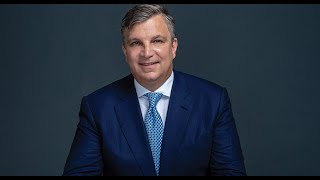
In this interview, John Oyler, founder and CEO of BeiGene, discusses the landscape of bioentrepreneurship in the US and Asia, emphasizing that capital cycles—periods of abundant versus scarce funding—shape entrepreneurial behavior more than geography. He describes the "secret sauce" behind BeiGene’s early R&D success, highlighting the importance of a visionary scientific co‑founder, a non‑hierarchical, fact‑driven decision process, and staying true to science over industry hype, exemplified by the development of Brukinsa. Oyler reflects on how the COVID‑19 pandemic and past regulatory reforms (e.g., HIV era accelerated approvals) may further speed drug development, suggesting continued optimization of regulatory pathways. He argues that big pharma can learn from biotech’s agility, especially the practice of making decisions based on science and logic rather than consensus, and the value of listening to all voices while avoiding compromise that dilutes innovation. The conversation moves to personal leadership choices: his early decision to join McKinsey for broad business training, the value of partnering with talented co‑founders, and the importance of surrounding oneself with smarter people. When building teams, he looks for passionate, optimistic, fast‑moving, intelligent, and action‑oriented individuals while avoiding political or power‑seeking behavior. Culture, he says, is forged by the behavior of leaders—transparent communication, authentic town‑hall Q&A, and leading by example—more than formal policies. He identifies the industry’s biggest challenge as delivering innovative, impactful medicines to billions worldwide at affordable prices, noting structural hurdles and the potential shift driven by China’s market and reimbursement. Finally, he advises aspiring biotech founders to pursue work they love, partner with the best people, and always follow the science, as scientific truth ultimately prevails.
Chapters
John, so wonderful to be speaking with you here today. Now what we'll do is we'll turn it over to our leaders of tomorrow who have already been coming through with a range of questions for us today. And so they, they cover everything from what I can see in terms of what's going on in Asia, in terms of innovation in China in particular, what's happening with the speed of trials, what do you look for in your teams, are some of the questions we're getting through. We're getting questions about sort of just understanding more about Beijing's secret sauce, so a whole range of things to get us going. But why don't we start with actually one that struck me, which is straight off the top, which is What are the similarities and differences in bioentrepreneurship and ventures that you see in the US and Asia?
That's a great question. In many ways, I think it's exactly the same, and in some ways, I think it's entirely different. When we, you know, think about entrepreneurship, I'd actually say the influences to it, to me, are more gated by times. You know, when money flows freely, entrepreneurship is very different than when money is tight. And I think we're in a moment in the world where there's a lot of capital, especially for biotech, you know, for a prolonged period of time, which is unusual and is wonderful. It drives a lot of innovation and it pushes many things forward. You know, 15 years ago, 10 years ago, was a tough time for the industry and people thought, you know, is science going to work? Are there going to be new innovations? Have all the easy innovations been made? And, you know, we actually, my co-founder and I, never believed that. We're strong believers in science. We think there's a lot to do then. There's a lot to do now. But, you know, I think at a time when the industry doesn't have capital, entrepreneurship is extremely different than in a time when it's free-flowing. And right now it's free-flowing. I think that's a bigger difference than Asia or the US. So from that perspective, you know, time and when money flows versus when money doesn't flow has much more of an effect. And I think that people who've been through the tight times really know how to run a tight ship and navigate, you know, difficult waters.. And people who understand the times when money's free-flowing really know how to let out their sail or let in their sail, whichever is the right thing to do, and get the wind behind them and run like crazy and build a great position. And I think that that's been the bigger difference. I think that in a great entrepreneurial company, it's always filled with people full of passion, filled with people with a sense of purpose.. And in general, there's lots of people like that anywhere in the world. If you can just put them in the right situation and give them an opportunity to pursue their dreams, I think it's very similar from that perspective. So how is it different? You know, one of the ways that I think it's extremely different is, you know, in, you know, the biotech industry, certainly in Asia at the moment, the entire system's being built. In the United States, in Europe, even in Japan, the system exists. There's a framework in place. It's clear how approvals happen. It's clear how reimbursement happens. It's clear how medicine moves from a company into a distribution channel, into a pharmacy or hospital, and to a patient. And it's clear how it's reimbursed. It's clear the information systems that it's going to use along the way, the distribution systems. But in Asia, a lot of places, this is in its nascent days, and there's a broad, broad opportunity, which is also a challenge in being in a system that is evolving. So it's much more complex, but it also means there's much more opportunity for an entrepreneur and for any company that's growing in that space. The last thing that I would say is, you know, when you're in a situation when the industry's structures being formed, it's very important to take a leadership position. So I think in those areas, the important thing is to figure out how to move forward, figure out how to access capital and move forward and help being on the cusp of that. But you face a different risk. Your risk is you're too early and the timing is challenging because you don't have the infrastructure you need. So I think from that perspective, they are different. And different in a wonderful way that is really full of opportunity.
Thank you, John, and very interesting to start off with what are the indeed similarities in the environment we find ourselves in. Now, actually, you talked about the, how should I say, the highs and lows of R&D over the last decade, decade and a half, but we have a question which is one of our leaders of tomorrow has has obviously correctly noted that the research success of Beijing's early years is staggering. What was the secret sauce which catalyzed such effective R&D and mechanism of action prioritization?
Well, I think that, you know, the scientific secret sauce, you know, really came from my co-founder, who's a brilliant scientist, and, you know, some of the insights that he had. And I think finding the right partner, finding a truly, you know, talented person who can— is a creative thinker and can solve intractable problems to work with, you know, in the area you need it is incredibly important. But I think more than that, you know, we had a premise which was we're not going to build a company that's, you know, full of the garbage. We're going to focus very clearly on how do we follow the science, how do we articulate the facts, articulate the risks honestly, have an honest brokered non-hierarchical dialogue, and make decisions based on facts. And I would say for the program that we started, which is now the medicine that's approved, Brukinsa, which we believe is the best BTK inhibitor, a very important medicine that's helping patients in the US and China and hopefully across the rest of the world soon. You know, on this program, there was a lot of hearsay by people in the industry that, you know, were at least 3 turns we could have taken in that program if we listened to people, very senior people in the industry. And the widespread perception, it was to go a different direction than we went, or it was to quit. And nonetheless, fundamentally, when we sat down to make those hard choices, my co-founder and I always said, follow the science, don't follow the rumors, don't follow general consensus, do what we think is right. And this other view of the world, there actually is no logic behind it. It's just hearsay. So follow the science. And I think it's staying true to that and actually living by it helped us make the right choices that helped us build the company that we are today.
Thanks, John. Uh, follow the science, makes sense. Um, now one of the, one of the things of course that, that happens is, uh, we find ourselves against different backdrops. There's one backdrop of course which is the, the flow of funds that is available, and it's a, dare we say, a tailwind. But there's certainly some headwinds coming out of the pandemic that we're all dealing with right now. So there's a question that we have here, which is, do you think that the challenges we have faced with the pandemic will have an impact on how quickly new medicines reach patients in the future?
I absolutely do. I mean, I think that, you know, major breakthroughs occurred at the time of HIV, which led to, in the United States, accelerated approval, breakthrough designation. Fundamentally regulatory reforms that helped accelerate medicines. And I think that to some extent that will occur further and again, and we'll ask the question, what parts of this step can— what steps in this process can be further optimized? And there certainly are some. It's not the end-all be-all, but I think there certainly are always things we can do better as we learn more. And we always learn there's some stuff that we thought we needed to do that probably was not as necessary or critical as we thought at the time. So I do believe that things can move more quickly than in the past and that there will be regulatory changes and technology and general working more efficiently as an industry changes that will move towards that.
Clear. Thank you. And I mean, as we think about changes, there's another, I think, very interesting question, which is, what do you think Big Pharma could learn from Beijing to help shake up the established operating model and modes of thinking which have been so hard to shift?
Well, I think that it's well known for years before Beijing, and it'll probably be known for years in the future that if you look at pharmaceutical companies, they probably are spending, you know, 90% of the capital was the historic number. I can't say I've checked these, so probably don't quote them. But, you know, 90% of the funding was historically from big pharma and 10% was from biotech. But that, you know, something, you know, over the majority, if not 80 or 90% of the innovations that actually turned into medicines came from the small companies.. And I think that that's been known, by the way, I think the funding's stronger for small companies now. So probably that math isn't perfect, but I think the innovations continue to come from small companies in a very, very compelling way. And I think it's because you have a team of people with a sense of urgency, with an equity vested interest and with a mission and with an understanding that they're directly linked to how effective and quickly and wonderfully something moves. Now, I think the challenge is, you know, Beijing wants to make decisions based on science and logic in a non-hierarchical way. But we also want to listen. We want to listen to everybody. We want to consider every fact, every alternative idea, and make sure that we understand, you know, all options and all scenarios of the way the world could evolve. I think the problem in that scenario is following logic and science is not following consensus. But listening carefully means you listen to everyone and you address the issues and the concerns they have. So I think that the magic in the sauce of how to build an effective organization, which I can't say we're perfect, but I think we're good. I think we're better than most. Is how do you listen carefully and let everybody input and have an open, honest dialogue of exactly how they feel, yet understand exactly when to say, okay, it's time, there's not consensus, we're gonna move forward with the best option. 'Cause the one thing you don't wanna do is you don't wanna wind up with the least common denominator solution. And I think this is what happens a lot in big companies is you compromise and you horse trade I'll give you this if you give me that, and you wind up with a bunch of suboptimal things, which is not following the science. It's not following the logic. It's compromising because you respect the other people, because you want to be a good team player, you want to be friends. But I think that you have to be clear what you're doing, and it's not— you know, science is not consensus. It never will be, and someone's always going to disagree with anything. And you have to be okay with that, and you have to be able to move forward as a team and respect each other and know that if a quarter of the people are unhappy with something, it's okay. We take risk. That's probably right. If someone isn't unhappy, we probably didn't talk about it enough.
We didn't think about it enough. Thank you. Some really interesting things there. And indeed, I mean, you've touched on actually a theme that I wanted to take us towards, but you've already kicked off the discussion. John, which is around sort of concepts of leadership, concepts of teams, concepts of culture. And why don't we, why don't we start with the leader point? So there's a question here about, as a leader, when you reflect back, what are the choices you made when you were first starting your career? And I assume by that, our leader of tomorrow is asking, what are the choices you may even have to grapple with? What were the choices that you made that have led to each path of, or each step in the path of your journey?
Well, I think that, you know, one good choice that I made was when I graduated from MIT, I decided, I knew I wanted to be an entrepreneur, but I decided if I'm going to do this, I want to have a broad business skill palette set, and I joined McKinsey as a business analyst, and I wound up working there couple years before school and a year after school, and I built my broad business palette. And I had the good fortune at the time to work with some of the smartest, most talented people I've ever encountered in my career. And I worked very closely with them, and I was able to be mentored, and I had a very good formal training program. And I think that it taught me many skill sets that have helped me for the rest of my career. I think that was a great decision. After that, I went to business school and I did a lot of entrepreneurial things on my own. And the choices that I like are choices which enabled me to work closely with unbelievably talented people, you know, above me, as a peer to me, below me, around me. And those are the places that I learned and I grew. And the choices that I don't like are when that didn't happen. And when that didn't happen, I still grew. Don't get me wrong. And, you know, I grew despite it. I grew through, you know, trial and error. And I grew by learning the hard way on my own. And those are things that, you know, you learn deeply. But I do think that the more you can surround yourself with people that have wisdom that have experience, that have things to offer you, the better off you are. And I think this is why when you hear a CEO say, I always try to hire people that are smarter or better, whatever, than me to work for me or to be on my board or whatever it is, you do absolutely want to do that. You want to have people around you that you can learn from. It makes you so much, so much better as an investor, as a partner. And the other thing that I chose to do, which is unusual, but I love, I think it's the best thing I ever did. I've never been in an entrepreneurial situation where I didn't have a partner or two. I've never said like, hey, you know, I'm doing this alone. And Beijing, I may be the CEO, but I started it with my co-founder, Wang Shadong, who who's a spectacular man, that is a great friend and a brother to me. And I think I have a history of having done that. And, you know, this stuff's hard. It's emotionally hard, it's mentally hard, it can be physically exhausting. And like having a partner that's there to, you know, always be with you, I think that's a choice I made that's unusual, but I would highly recommend to people.
I mean, it's a wonderful thing. Help share the load. So, I mean, you actually already started talking a lot about this, I think, or just when we were talking about your own experiences as a leader and the choices you've made. But just coming back to the question of teams, there's a question about what are the qualities you look for when building a new team in your organization?
Sure. I always look for passion in people. You know, what we're trying to do is build a truly transformational company. It's to do things differently than have been done before and better. It's to be, you know, kind of frustrated with the status quo and passionate about changing it. And also, I think you need to be an optimist to do that. So it's kind of a frustrated, passionate optimist, I think, is a wonderful person, you know, to be part of an entrepreneurial organization because they want to change the world, they believe they can, and they just want to get it done. And I think that those are very important, you know, characteristics. I think that I also, you know, do believe we're an organization that moves fast. We're full of very, very intelligent people. And I think part of your ability to move fast is being articulate, being clear in thought, and being, you know, hardworking and intelligent so that you're up to speed and that you can catch things very, very quickly. And I think those are things that, you know, help a team be even better. You know, all of that said, you know, things we don't like, you we don't like people that are political. We don't like people that are just trying to amass their own power from that perspective. And there's a lot of people that talk and they talk and they're so wonderful when they talk. But we're about action and action-oriented people. And so we definitely look for that. And I think that in the type of organization that we have, high-growth entrepreneurial organizations, it's very different than a lot of research and development biotech companies. We really have two types in the US and there's very good models of this, but when the models break down, it's you have a pharma company where by nature, you're a senior person, so you hire someone to work for you who goes to a bunch of meetings. And in those meetings, they talk to a bunch of people, And then they come back from the meetings and they hire another company to go do the work for them. And the other company has a person that talks to them, but hires another person to go do the work and actually manage the people. We just have like 3 extra people in that whole equation that do not need to exist. And when you want to get an answer, like, could I please have a data cut of what's happening on this? Suddenly it takes you like 4 weeks. Anytime you hear that, you probably have a people and a work process problem. And I think from that perspective, it's easier to have a job where that's your job. You sit at your desk and you don't have to go to all the meetings at the crazy hours and you don't have to do it yourself and you can focus on really thinking strategically, which is great. But too much of that is a bad thing. And I think from the other perspective, we've historically had a lot of small biotech companies where you have one asset or two assets and there's really only enough in those companies to do because they don't have enough money to do 3 or 4. There's only enough to do and you have kind of a nice, you know, 30-hour-a-week job and you don't have the resources to, you know, hire the other people and do everything, but it's comfortable and still you can't build your own resources. So you have to outsource it. So you wind up outsourcing it too. And I think from this structure, it isn't perfect either, and it's not optimal either. And when you bring them into suddenly an organization that's entrepreneurial, you need them to do things. It's just a very different, it's a harder job. It's just harder. And I think from that perspective, some people will thrive on it and some people hate it, and you just have to sort through who it's gonna fit with and who it isn't. But, you know, we, we do our best. And I think that we put a lot of time into recruiting. We put a lot of time into trying to pick the right people. But the truth is, you know, the best reference you can get is people have worked with the person for 10 years before. And sometimes that's the case, sometimes it isn't. And in general, you know, it's like anything, you know, when you bring somebody in, the chemistry, the situation may be perfect for 'em, it may not be. It's just like a sports team. You can have the best athlete in the world, but if they're in the wrong system or if just their style doesn't fit with everybody else's in that situation, they won't be as effective. The team won't be as effective. No one will be as happy. And it's always hard to know that until you try. We try to do our best, but, you know, no company's perfect. And, you know, we, we try to— I think that's an important skill set, bringing in the best people you can, figuring out if it's going to work or not. And if it doesn't work, it's okay. You find a respectful way to, you know, move to another place for everybody, and you move to another place, and it's okay.
There's a lot of questions here, John, on this theme, and so before we leave it, I just have one more. And again, I think you've begun sort of answering and reflecting on it, but you talked about recruitment, for instance. So there's a question about how do you build culture, and the question is, how do you build culture practically, is what one of our Leaders of Tomorrow has added. So how do you think about that? How do you think about consciously building a culture? How do you think about the values that sit alongside that culture?
I believe the single biggest thing you do to build culture is the way you and your leadership team behave. Doesn't matter what you say, it doesn't matter all the stuff you write on the board, it doesn't matter what you do in training, you know, fundamentally it's how you behave. And I think that's a really important thing. If I want people to be passionate and work hard, I better be passionate and I better work I want them to care, I better care. If I want them to communicate well, I better communicate well myself. And, you know, I think when you get involved, if you want them to treat people respectfully, you better treat people respectfully. So I think that that's more important than the general stuff you get from HR. Let's put 6 bullet points on the wall and everything else. I do believe that Communication, you know, and personal communication is absolutely critical. And, you know, every company I've ever been in, you know, the single biggest issue is I want to know more about what's going on. You know, I want to feel like I have better understanding. You know, can you please communicate more? And not because I think I'm a poor communicator. I think we're better than average, if not very good communicator, but I just think that that's natural. How, what are we doing? You know, in a company like us, you know, the board can't keep up with what we're doing. So how does, you know, a person who's 3 months into the company and working at the bench doing chemistry, how do they keep up? It's even harder. So I think this is a really, really important thing. And I do think the actions, you know, like specific actions I try to take When we do a town hall, which we do a lot of, we'll take questions and we'll take questions until they stop. And we'll take hard questions. We'll take inappropriate questions that you can't answer because the SEC won't let you answer them. And we'll say we can't answer them and we'll explain why we can't answer them. And we'll go through that. We take questions that are very, very difficult and we just I'll take them and I do my best to answer them. And I don't answer them with corporate speak. I answer them from a frank perspective. And sometimes I say, I don't know the answer to that. And I think that this lets people know that the organization's real and it's authentic and we overly communicate. Hey, we do make it clear that if people violate this, we'll have to change our practices, but people haven't violated it. And I think that has worked well. I think people know, you know, probably for the last, you know, 10 days I've been on an up at 4:30 in the morning schedule because I just have too much to do and that's what I need to do to get it done. And so that's what it is. I think a lot of people know that. They see email from me, they talk to me on the phone, they understand it, they know I'm engaged. I spent a lot of this weekend talking to a bunch of people. Um, they know that. So I think people get it and they understand and You know, these things are important, but I do believe culture is much more important than process. Process you need and you need process, but there's a lot of the big companies in our industry that the companies serve process, they don't serve results. And it makes me cry because there's obvious things they're doing that like nobody can stop and everyone's focused on process. And I think that you need a little less process and you need more trust in your people and you need more shared values so that if there isn't a process and someone gets to that decision to make, they can ask themselves, what would my leadership do in this situation? I know I don't need to have a process. I know the right answer for our company. The right answer is this. And, you know, in our industry, everybody says the goal is serve patients. We're here to make the world better for patients. Go look at every biotech company. They all say it, but like, what is actually happening? How do you actually do that? Or did you just write it on the wall? There's lots of companies I walk in and I read their mission statement and like, I want to go to the bathroom and throw up because I know how they're operating as a company and it's not in the spirit of what they're saying. And like, you can't do that. So anyway, I think you got to live it, you got to act it, and I think you— it's unbelievably important, the values that you create.
Makes a ton of sense, a ton of sense. Now we have a couple of minutes, I think, to go, so probably just a few more questions before we wrap up. And I think, uh, you've touched a little bit on sort of what we see as the gap shall we say, sometimes between espoused values and lived values and espoused culture and lived culture. And look, maybe it's not a cultural question, maybe frankly it's back to the science. I'll let you handle it however you like, John, but there is a big question here, which is simply, what do you see as the next best challenge or the next big challenge, sorry, I should say, for the pharma industry?
Maybe it's more than one. No, I think there's a clear challenge. I think it's the same challenge that it's probably been for the last 20 years, but actually it's a challenge that I think we'll finally address. And it's bringing innovative science-based impactful medicine more rapidly to billions of more people around the world in an affordable way. You know, companies are afraid to say in an affordable way, Yeah, that kind of tells you something. Um, we're not afraid to say in an affordable way we're going to try to do that. And it's challenging structurally. There's a lot of things that make it difficult to do that, even if you want to do that. There's structural things that make it difficult, and you don't hear people talk about them because it's tough to talk about them. But there are— I do believe that this is the single issue for our industry. We need to be more affordable in the United States. We need to be be more affordable in Europe. We need to be more affordable everywhere across the world. And I think when we do that, our industry shifts from an industry that really has only cared about getting innovative, impactful medicines to the wealthiest, you know, billion and a half people in the world historically. I think we are going to be an industry that's getting impactful, innovative medicines to billions more people within a 5 to 10 year timeframe.. And I think that's driven by China joining the system and the large, you know, need there and the many, many patients and the fact they're gonna reimburse innovation. And I think this will flip the price point and flip the industry from a US price-centered world that is very high to one that's much more reasonable. And it will help people in the US, it'll help people in Europe, and it'll help people all around the world. And I think that if I, I'm really excited about the world that isn't the US, China, Europe, and Japan. I think these are the area where we're going to help the most people that have never been helped before. And when I say we, I mean the industry. And Beijing's going to try to be on the front end of that and helping transform and drive change. But I think it's going to be the industry will get there, and it's coming, and it's wonderful. And I think that also means in all of these places there's an entire need for formation of many, many things to enable that and make it happen. And it's a spectacular opportunity that can have huge, huge positive impact for so many people around the world.
A wonderful time to be in our industry then, and thank you for that. I'm going to wrap it up with one final question and, uh, and, and then we should let you go, John. But if you could give one piece of advice to a young person with aspirations of starting their own company or startup in biotech, what would it be?
I could give one piece of advice. I can't give one piece of advice. I'd say do what you love and you're passionate about, and you're going to be excited if for a week you need to wake up at 4:30 in the morning. I'd say work with the best people you can that you love and respect and you're excited to be with all the time and you can definitely learn from. And probably the other thing I'd say is, you know, follow the science and, you know, follow the facts if you're not in the science aspect of the industry. But follow on, you know, we're in a world right now where a lot of people aren't doing that. And, you know, science is like math. In the long run, you're right or you're wrong. And in the long run, It doesn't matter what you say. It doesn't matter how long you argue something that isn't right. In the long run, people will figure out what the right answer is, and it will be right forever. And the future will not look kindly on those in the past who didn't follow the science. And the truth is there. You can't argue it. It's not politics. It's not positioning. In the long run, it is what it is. And I think that's A perfect example is our Brukenza. Look it up. Yeah, that we followed the science and it's spectacular and it's the right thing and it's the right choice. We did not listen to all the noise and all the positioning and all the misinformation. We followed the science and at the end of the day, math's the same everywhere in the world. It's always adds up the same. Science is exactly the same way. The end will know.
So follow the science. Thank you, John. What a wonderful way to wrap up. And thank you so much for your time. I think the leaders of tomorrow and all of us have hugely benefited from your, from your reflections and wisdom.
So thank you.
More from Joshua







Scientist Stories: Hans Waterham, The value of phenotypic assays in peroxisomal disorders




Scientist Stories: Joel Zlotogora, Genetic carrier screening programs for reproductive purposes