IgE Antibody Therapeutics
Dr. Heather Bax presented IgE monoclonal antibodies as cancer therapeutics, with MOV18 IgE targeting ovarian cancer and CSPG4 IgE targeting melanoma. A Phase 1 trial of MOV18 IgE in 26 patients showed dose-proportional exposure and early signals including a 52% CA125 reduction in one patient, though one patient experienced grade 3 anaphylaxis predicted by a positive baseline blood test.
Chapters
A good morning or afternoon to you. Thank you for joining us. I'm Jan Reichert, Chief Operating Officer of the Antibody Society. Today's webinar is one in a series designed to inform and educate our members and the broader scientific community about topics relating to antibody discovery and development. I'm very pleased to introduce our expert speaker, Dr. Heather Box, who is the 2023 recipient of the James S. Houston Antibody Science Talent Award. Jim was a visionary and scientist extraordinaire, as well as the founder of the Antibody Society. You can find more information about Dr. Bax and the award under the speaker bio tab in the viewer. Today, Dr. Bax will tell us about IgE antibody therapeutics for cancer. Please note the webinar is being recorded. Please do add any and all questions to the Q&A box in the viewer, and those questions will be answered at the end of the webinar. Without further ado, I'll now turn the show over to our speaker.
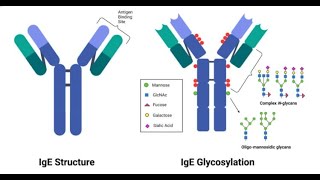
Thank you very much. It really is a pleasure to be here and to share the work today. So, um, before I start, um, I just wanted to tell you a little bit about myself and my background and what's brought me to looking at Ig antibodies for cancer. So, I completed my PhD with Professor Hannah Gould and Professor Brian Sutton at King's College London. And here I was focusing on the interaction between Ig antibodies and mast cells in the context of allergic diseases. And then in 2014, I joined the lab of Professor Sophia Kouragiannis, also at King's College London. And here I undertook multidisciplinary research on the preclinical development of the first-in-class IgE anti-cancer antibody MOV18 IgE, as well as leading the preclinical studies of CSPG4 IgE. And as part of this role, I established and implemented several clinical trial assays to support the first-in-class Phase 1 clinical trial. And collectively, this is the work that I'm going to be talking about today. I now support a translational research programme which is funded by the King's College London spin-out Epsilon Limited, which is the first company focusing on Ig immunotherapies for cancer. And I declare patents on antibodies for cancer. So the content of my talk today will be: why are we looking at Ig therapeutics for cancer? I'll introduce MOB18 and CSPG4 Ig antibodies and the preclinical function and mechanistic studies of these IgEs. I'll address preclinical safety assessments, and then we'll go on to the first-in-class Phase 1 clinical trial of MOV18 IgE. So why are we developing IgE therapeutics for cancer? To date, all monoclonal antibody cancer therapeutics are of one antibody class, that's IgG. However, some tumours remain refractory to this type of of treatment. And one strategy for improvement is the development of therapeutic antibodies of alternative isotypes. And there are other groups that are working to develop anti-cancer IgA and IgM antibodies. The field of allo-oncology is broadly concerned with the interface between Th2 immune responses, Ig immunity, allergy and cancer. And in fact, there's an IACI working group on allergo-oncology, if you're interested in looking that up. And as part of this field, it was hypothesised that monoclonal Ig antibodies that target tumour-associated antigens may mediate potent immune activating functions in tissues that result in anti-tumour activity. So I'll just take a little bit of a step back and recap IgE antibodies and their key characteristics, which we particularly thought were important in, in this work. So IgE is one of the 5 classes of antibodies. It binds with a very, very high affinity to its FcεR1 receptor, which is expressed on basophils, mast cells, dendritic cells, eosinophils, monocytes, and macrophages, and also to a low affinity receptor called CD23, which is expressed on subsets of B cells and Th2-stimulated monocytes and macrophages. Ig antibodies are well known for their role in mediating allergic reactions, and also the powerful effective functions of Ig have been implicated in defence against parasites or venoms. So therefore, the properties of Ig antibodies that may be advantageous when it comes to developing anti-cancer therapeutics include this high affinity for cognate Fc receptors, which are expressed on potent immune effector cells, which are found to be infiltrating tumour lesions. So this could result in prolonged tissue residency and engagement and activation of these tumour-resident immune effector cells, resulting in the orchestration of potent effector functions. So taken together, tumour-antigen-specific Ig antibodies may recruit and activate aspects of the patient immunity and the tumour microenvironment that are not normally accessed by IgG-class antibodies. So this may offer improved efficacy. Or it may be that IgEs could complement the existing armamentarium of approved tumour-targeting antibody therapies. So, a number of anti-cancer Ig antibodies have been developed. However, I've had a key role in the development of MOV18 and CSPG4 IgEs, and so I'll be sharing the story of these antibodies today. MOV18 IgE targets the ovarian cancer-associated antigen folate receptor alpha, which is overexpressed in up to 60% of high-grade serous ovarian tumors and is minimally expressed in normal tissue, with a number of examples shown here on the right. The selection, the target selection of folate receptor alpha is supported by regulatory approval of the folate receptor alpha-targeting antibody-drug conjugate, an ADC, called mirvetuximab suavtanzin. That regulatory approval happened last year. On the other hand, CSPG4 Ig targets the melanoma-associated antigen of the same name, which is expressed by over 60% of malignant melanomas, with low or no expression on normal skin. Similarly, preclinical and clinical studies of several CSPG4 targeting therapies have shown preliminary efficacy and safety. Throughout my talk, data specifically related to MOV18 IgE will be shown in this sort of minty green box, and CSPG4 IgE in the red-pink box. So both antibodies were engineered firstly with human epsilon constant domains for pre-clinical studies, and of course the clinical trial of MOV18 IgE in humans, but also with rat epsilon constant domains for other in vivo mechanistic studies and in vivo safety assessments in immunocompetent syngeneic rat models. The choice for rat for an immunocompetent model was due to the better recapitulation of the human IgE/Fc receptor system as compared to mouse or cynomolgus monkey. And if that's something you're interested in looking into further, I would suggest you take a look at Saul et al. in MABS published in 2014. So now on to the preclinical functional mechanistic studies of MOV18 and CSPG4 IgE. We assessed these two IgEs for biophysical properties and showed specific cell surface binding to human cancer cell lines, either ovarian or melanoma. We also showed that CSPG4 IgE binds to human melanoma tissues, including to metastases, and across all stages of disease, and showed that CSPG4 IgE does not bind across many— or has no or low binding to many non-malignant, normal human tissues. Both MOV18 and CSPG4 IgE antibodies function in vitro. So, we showed that the IgEs trigger degranulation when RBLSX38 basophilic-like cells are sensitised with the IgE and then co-incubated with target antigen-expressing tumour cells. These tumour cells act as a crosslinker and trigger degranulation of the basophil-like cells. And the two IgEs also trigger antibody-dependent cellular cytotoxicity in an assay where human immune effector cells are co-cultured with target-expressing tumour cells and the IgEs. We can show that this was the case for either ovarian or melanoma cancer cells, and this could be mediated by healthy volunteer and cancer patient-derived immune effector cells. And in particular, I'm showing here monocytes, which are a key Fc epsilon receptor expressing immune cell, and as you'll see later in the talk, really came to be a key immune effector cell when it came to our studies of anti-cancer IgEs. So in vivo, we observed inhibition of human ovarian cancer cell growth in SCID mice treated with human MOV18 IgE together with human PBMCs. We saw prolonged survival of human ovarian xenograft-bearing nude mice that had been reconstituted with human PBMCs and treated with human MOV18 IgE. And also tumour growth restriction in an immunocompetent syngeneic rat model that would— where the rats were treated with the rat, the surrogate rat MOV18 IgE antibody.. And you'll see that in all of these models, the efficacy of MOV18 IgE appeared to be superior to the counterpart MOV18 IgG. In terms of CSPG4 IgE, similarly, we demonstrated anti-tumour activity in a human melanoma xenograft mouse model engrafted with human effector cells. And this is shown here by superior tumour growth restriction with weekly and fortnightly dosing with CSPG4 IgE as compared to the controls and the CSPG4 IgG antibody. We showed tumour growth restriction by CSPG4 IgE in xenograft models that were engrafted with immune cells derived from melanoma patients. And we showed prolonged survival of melanoma patient-derived xenograft-bearing mice that were treated— that were reconstituted with autologous immune cells from the same melanoma patient and treated with CSBG4 IgE. So by studying excised tumours from these in vivo models, we showed that this anti-tumour activity is associated with upregulation of immune and pro-inflammatory signatures. This includes signatures for Fc epsilon R1, NK cells, IL-12, IL-1, interferon, and TNF. And we saw that enhanced macrophage infiltration and enriched monocyte and macrophage gene signatures were observed in the tumors from IgE-treated animals as compared to the PBS controls or IgG-treated animals. And in fact, we showed that the in vivo tumour growth restriction by the IgE antibodies required the presence of monocytes within the PBMCs that we used to engraft the immunodeficient mice. And as you can see here, efficacy was ablated by monocyte depletion. So we saw good survival with PBMCs plus IgE. When we depleted the monocytes from the PBMCs, this efficacy was ablated. And in the case of the MOV18 experiment, was restored by adding the monocytes back in. So we were really getting a lot of evidence of the key role of monocytes or macrophages. And so we did some further evaluation on how those cells might be re-educated by IgE. So first, we measured elevated levels of pro-inflammatory mediators such as MCP-1, TNF-alpha, and IL-6 in the supernatants of some of those in vitro ADCC assays performed either with MOV18 IgE or CSPG4 IgE. And furthermore, we showed that cross-linking of CSPG4 IgE bound to receptors on the surface of primary monocytes stimulated those monocytes towards pro-inflammatory phenotypes, as seen there on the bottom right by an upregulation of pro-inflammatory cell surface markers. So, in fact, following some more in-depth study of the actions of those key cytokines in vitro, we came up with this hypothesis of where IgE may potentiate a TNF-alpha MCP-1 axis and promote macrophage recruitment. So, I'll walk you through that. So, initially, within tumours, we hypothesised that cross-linking of IgE on macrophages by target antigen expression expressing tumour cells induces macrophage TNF-alpha expression. This TNF-alpha itself promotes MCP-1 production by human cancer cells and human monocytes. And this MCP-1 putatively acts as a potent chemoattractant, bringing further monocytes or macrophages into the tumour. So, overall, there may be an enhanced tumour cell-macrophage interaction, further stimulating production of TNF-alpha and then MCP-1. And this could form a self-enhancing circuit of macrophage influx into those IgE-treated tumours, where we know macrophages are already, they're being drawn in, and then in the presence of IgE, they're able to induce more tumour cell death. So having given you an overview of the preclinical efficacy and mechanistic studies of MOV18 IgE and CSPG4 IgE, I'd like to now go on to preclinical safety assessments. This was key because there were known functions of IgE antibodies in allergy and type 1 hypersensitivity, and therefore there is a perceived risk with IgE immunotherapy.. So, IgE-immune complexes could form with potentially serum antigen and autoantibodies to that antigen, or other cross-linking mediators forming an immune complex on the surface of mast cells and basophils, which could trigger their degranulation and induce systemic hypersensitivity. So, to try to make early assessments of this hypersensitivity ex vivo, we first utilised this RBL SX-38 basophilic cell line degranulation assay that I'd previously described, but together with patient sera. So, this patient sera may potentially contain such cross-linking mediators. And so, we use the assay, sensitise the mast cells or the basophilic cells with IgE therapeutics, in the presence of sera and assessed degranulation. So, despite there being elevated levels of soluble antigen measurable in ovarian patient sera, as you can see at the top here, we saw no degranulation of RBOS38 cells following incubation with MOV18 Ig together with serum. And similarly, we saw no degranulation of these cells when they were incubated with CSPG4 IgE in the presence of healthy volunteer or melanoma patient sera. So then we also went on to develop a basophil activation test. So this is an assay which is more widely used in the field of allergy research. It utilizes unfractionated whole blood, meaning that any potential any potential mediators to form an immune complex, any potential mediators of basophil activation that are found in that individual's circulation are present within the test alongside the therapeutic that you're adding in the ex vivo assay. But as I said, this assay is well established in the field of allergy research, but really not utilized so much when it comes to cancer patient whole blood samples. So first, we had to develop the assay and assess basophils in cancer patient blood. So you can see here that we were able to clearly detect CCR3-high, side scatter low basophils within unfractionated whole blood samples from patients with ovarian cancer. We showed that these basophils express Fc epsilon R1, and some of them carry endogenous IgEs. Bound to those receptors. And similarly, we were able to detect basophils in the blood from melanoma patients. We then wanted to assess the capacity of these basophils to be activated ex vivo. So we stimulated them ex vivo with a number of control immune stimuli, anti-Fc epsilon R1 and anti-IgE, to cross-link in an IGE-dependent manner, and FMLP to stimulate the basophils in a non-IGE-dependent manner. And we showed that across a large number of ovarian cancer patients and melanoma patients, the basophils within these samples did have the capacity to be activated ex vivo within this, these assays. And it was the case for the majority of patients that the basophils could be activated by all of the stimuli. If— but in some cases, this was only seen by Ig or non-Ig dependent mechanisms. But fundamentally, we were happy we had an assay, had a positive control, but the basophils from cancer patient blood could be activated. And have the capacity to be activated ex vivo. But in order to study the potential for hypersensitivity to anti-cancer IgE antibodies, we then had to establish that exogenous IgE added within the assay could bind to the blood circulating basophils and could be cross-linked to trigger activation. So we incubated unfractionated whole blood from our patients with a haptin-specific NIP IgE together with its multimeric antigen, NIP-BSA. And we showed that these— this convincingly triggered basophil activation. So, this really suggested that IgE could recognise any unoccupied cell surface Fc epsilon R1 receptors on these basophils ex vivo. And the basophils could be activated by engagement of Fc epsilon R1 and formation of cross-linking immune complexes. So having established the assay and shown that across the board basophils could be activated ex vivo, we did not see basophil activation triggered by MOV18 or control IgE in the blood of the ovarian cancer patients shown here, or studied here. This was the case in all but one of the 42 patients I'm showing here. And to date, no basophil activation was triggered by CSPG4 IgE or control IgE in melanoma patient blood. And again, these data are supported by the confirmation of the binding of the exogenous IgE to basophils in cancer patient blood samples. And we showed this here by flow fluorescently labelling our antibody. So, taken together, these degranulation and these BAT assays did provide us with the preliminary evidence of an absence of type 1 hypersensitivity to Ig therapeutics that we needed as part of the preclinical study of these antibodies. But of course, we saw that 1 in 42 of the ovarian cancer patients that MOV18 did seem to trigger basophil activation ex vivo. And so, we certainly wanted to investigate the mechanism behind this. So, as I already mentioned, MOV18 IgE targets folate receptor alpha. We know within our own cohorts that subsets of ovarian cancer patients do have soluble IgE. Folate receptor alpha, the antigen in the sera, and also anti-folate receptor alpha autoantibodies. And as I've explained, these together could form an immune complex formation in the circulation, triggering basophil activation when MOV18 is included within the assay. So this was an obvious thought for the potential mechanism. But in fact, basal flow activation by MOF18 IgE, or the lack thereof in these studies, was irrespective of whether the patient had a tumour that was positive for folate receptor alpha expression. It was irrespective of the presence of soluble folate receptor alpha or anti-folate receptor alpha autoantibodies in the circulation, or both of those mediators. The one patient that had basophil activation by MOV18 Ig did have detectable soluble folate receptor alpha, but not autoantibodies. And we really do believe that the soluble folate receptor alpha is monomeric and not triggering activation on its own. So we really felt that this mechanism was independent of folate receptor alpha positivity, and this is something that we wanted to to continue to explore, and I'm going to pick up on again later in the presentation. So just to finalise, come to the end of this section on safety, we did perform preclinical safety studies of MOV18 and CSPG4 IgE. These were performed in those immunocompetent rat models that I described with the surrogate rat IgE antibodies. That's a lot of work. I won't cover it today, so I'm going to instead direct you to the key publications shown here. So finally, on to the first-in-class Phase 1 clinical trial of MOV18-IgE. This Phase 1 clinical trial was sponsored by CRUK and run within the UK at 4 different hospital sites, one of which was Guy's, where we're based. And as I said, part of my role had been to develop a number of the assays for this clinical trial, and together with colleagues, as the trial was ongoing, we ran a number of the samples in those assays. So, patients with any solid tumour that was expressing folate receptor alpha, as according to our immunohistochemical assay, were eligible. You can see some examples of a negative in the top left and then positive in the other three. However, of the 26 patients that were recruited to the trial, they all had either ovarian epithelial cancer, ovarian tubal carcinoma, or endometrial cancer. We had originally considered other cancer types that are known to express folate receptor alpha, including TNBC, mesothelioma, etc., but in fact, they were not the patients that we ended up recruiting to the trial. From a safety perspective, we utilise intradermal or skin prick testing. So here we used a solution of MOV18 IgE, and this was performed prior to every dose. And the rationale was to predict hypersensitivity to MOV18 IgE, and this would, would be predicted by a wheal and flare reaction, which would be analogous to those seen in classical cutaneous allergy testing. That's performed with solutions of allergen. Overall, 24 patients were treated with up to 6 weekly IgE intravenous infusions. This was at escalating doses that ranged from 70 micrograms to 12 milligrams. That's a flat dose per individual. And patients that were potentially benefiting, so those after those 6 weekly doses that showed stable disease or was response and didn't have any intolerable toxicities, they were able then to continue with 3 subsequent maintenance doses that were given at reduced 2-weekly frequency. All the patients on the trial had received prior systemic therapy. In many cases, they had been multiply pretreated. So, in terms of the pharmacokinetics of MoF18 following the IV administration. We had developed and utilised an ELISA to specifically detect the level of MoF18 IgE in patient serum samples. And we're showing here that systemic exposure, as measured by Cmax and area under the curve, was observed to increase in a dose-proportional manner.. And the mean terminal elimination half-life was 9.4 hours, and the mean total body clearance was 2.81 litres per hour. And this was consistent across the cohorts and the doses that were studied. So MOV18 was generally well tolerated in the great majority of patients, and in the majority of individuals, the adverse events were low-grade. Most commonly, they were seen as localised cutaneous toxicities, such as urticaria, pruritus, rash, erythema, and these always resolved within hours of dosing, and they were not associated with any systemic signs or symptoms or the elevation of serum tryptase. This was the case for all individuals except for one, and I will come on to them. So this basal activation test I've already described to you that we had developed and used preclinically was utilized as a monitoring companion in the phase 1 clinical trial alongside other clinical safety parameters. So we assessed patient blood at baseline and after the first and the third infusions. As you can see here, the case— this is the data for all of the patients. Marked basal activation was measured in response to ex vivo stimulation of the patient blood with those positive control immune stimuli, but not in response to stimulation with MOV18 or control IgE. And we describe this lack of basal activation by MOV18 as a negative batch. And this negative result was maintained when the BAT was performed after the first and the third infusion as well. So this picture was the case for all of the trial subjects, excluding a single patient. In this single patient, the baseline BAT prior to any infusion predicted the single anaphylactic reaction to MOV18 IgE infusion that we saw within the trial. So, here at baseline for this individual, MOV18 IgE stimulation ex vivo triggered a 17-fold increase in basophil activation. This patient then experienced a grade 3 anaphylaxis upon the first infu— their subsequent and first infusion of MOV18 IgE. This was 500 microgram dose, and this anaphylaxis was confirmed by raised serum tryptase 2 hours post-dose. In fact, when we performed the basophil activation test using blood taken immediately after the episode of anaphylaxis, there was no activation by MOV18 IgE. And we felt that this was likely to, as a result of basophil depletion. As you can see here, the proportion of basophils in that whole blood sample was significantly depleted following the anaphylaxis, with a slow recovery after that. This wasn't the case for all of the other patients shown here in the inset, where the proportion of basophils did not change significantly over the course of the trial. So, following this episode, sensitivity to MOV18 IgE in a baseline BAT then became an exclusion criteria for the trial, to ensure that no further patients with reactive basophils received treatment. So again, of course, we were interested in the mechanism, what was triggering this anaphylaxis for this single patient. And unfortunately, this is yet to be elucidated, but I'll walk you through everything that we've excluded in our thoughts so far. So as I said, skin prick testing is performed before every single infusion, and in this case, the skin prick test did not predict the anaphylaxis.. This is an example here, but there was no wheel-off flare to MOV18 IgE in the patient that then went on to have anaphylaxis. So the skin prick test was not predictive, the BAT was. The patient did not have detectable soluble folate receptor alpha or anti-folate receptor alpha autoantibodies in their circulation. These are the mediators I've previously described that could cross-link MOV18 IgE and trigger activation of basophils. In the trial, there was one patient that had both of these mediators detectable within their circulation, but they didn't have any symptoms of systemic reaction when they had their MOV18 Ig infusions. We looked at anti-drug antibodies that could have formed against MOV18 IgE or be present at baseline for whatever reason. The patient having prophylaxis did not have detectable ADAs. And there were ADAs detected in 3 of the patients within the trial. These were at later time points, so after the 6th infusion or even at the follow-up 28 days after the end of the study. But again, these individuals had shown no signs or symptoms of systemic reaction when they had their MOF18 Ig infusions. And finally, we assessed anti-alpha-gal IgE antibodies in patient circulation. So we thought this was particularly important because IgE antibodies are highly glycosylated in comparison to IgGs. You can see the schematic there in the bottom right. And in particular, MOV18 IgE is produced in sp20 cells, which are known to decorate antibodies with alpha-gal. So again, if this individual had anti-alpha-gal IgE antibodies, those could act to cross-link MOV18 IgE on the surface of basophils and trigger the hypersensitivity. But the patient with anaphylaxis did not have elevated levels of anti-alpha-gal IgE antibodies. As you can see here, we did have one individual that did have elevated elevated levels that we could measure. But once again, this individual did not show any signs of systemic reaction when they had their infusions. But just coming back, what could be the mechanism of this anaphylaxis in this one patient? It may still be that glycosylation, such as alpha-gal or other sugars on MOV18 Ig, could be responsible. So, this, what we're measuring here is anti-alpha-gal IgE antibodies because they're what are responsible for reactions to other therapeutic antibodies such as satuximab that express alpha-gal. Because you, in that case, you need it to be an IgE that's binding to the basophil and the satuximab in effect acts as the crosslinker and triggers the hypersensitivity. In the case of MOG-18 IgE, Actually, if our patient had anti-alpha-gal of another isotype, so an IgG for instance, so IgG recognising these sugars, that could act as a cross-linker. As yet, there's no assay that's been developed to evaluate this, but we're working on it. And I think that we should go along that avenue and also consider other sugars because that may be fruitful. However, my thinking is that the mechanism is likely to be different for different patients. And I think we have to, when we come across individuals that are predicted to be hypersensitive in a BAT assay, we have to look at them as individuals and consider the mechanism for that individual only. So finally, in terms of early evidence of efficacy, We were really pleased to show that one patient with platinum-resistant mixed high-grade serous endometrioid ovarian carcinoma, who was treated with 700 micrograms of MOV18 IgE, exhibited a 52% reduction in the serum CA125 tumour marker. However, the tumour marker reduction was not sustained beyond 28 days, and because of this, did not meet formal criteria response. Furthermore, the patient's on-treatment scan after the 6 weekly infusions of MOV-18 IgE revealed a resolution of ascites and short-lived shrinkage of peritoneal tumour deposits. Although these didn't amount to a partial response, and unfortunately, at 12 weeks and following the per-protocol reduction of dosing from frequency to the 2-weekly frequency, the patient's scan and the tumour marker did demonstrate disease progression. So, just to summarise what I've presented today, I hope I've convinced you that there is potential in Ig-based cancer immunotherapies, and that this is supported by the preclinical studies and the phase 1 trials. Clinical testing of MOV18 IgE. I've shown you that both IgE antibodies demonstrate function in vitro. In vivo, we showed anti-tumour activity across disparate models, and that this IgE activity was associated with enriched pro-inflammatory signatures and monocyte macrophage polarisation and macrophage infiltration within tumours. Tumours. I've shown you our evidence for an absence of pre— preliminary evidence of type 1 hypersensitivity that we observed ex vivo. And the now completed phase 1 clinical trial of MOV18 indicates the safety profile is tolerable. The maximum tolerated dose has not yet been reached, and the anti-tumour activity was observed in that patient with ovarian cancer. So, more broadly, I think it's— there's the possibility that Ig antibody cancer therapies for other antigens could be developed and explored. So, these may be antigens that are already validated as targets for Ig G antibody therapeutics, or other antigens that are overexpressed on other solid tumours. And it would be particularly helpful, I think, to look at cancer types that don't currently have tumour-targeting therapies available. So I want to express thanks to my supervisors and mentors, Professor Sophia Kragianis and Professor James Spicer, and also to Dr. Deborah Josephs, who's a long-time collaborator and friend. And showing these three down here, Jitesh Chauhan, Dr. Melanie Granditz, and Dr. Lais Paliares, with whom I work very closely. Also shown here are present and some key past members of the Karagiannis Group, my colleagues within Guy's and St Thomas' NHS Foundation Trust, and of course the patients and healthy volunteers who made the studies possible. So here I direct you to the key publications that I've covered today, and I welcome your questions.
Thank you very much, and we do have any number of questions here. I'll start with some of the early ones and some of the easier ones, I think. What is the best method to express and purify recombinant IgEs?
Haha, well, and so we've used a number of methods over the years. We definitely, we went from using two vectors, one vector for heavy chain, one vector to light chain, to a different system. So we use pVitro, we've used UCOE expression vectors for stable cell lines, and then we're definitely expressing in mammalian cell lines, but which cells I think is a topic for discussion and debate. Rate. And purification of IgE, again, is a challenge. So there aren't the tools that are available for IgGs, but we have developed that. And now we're lucky that there is a commercially available affinity matrix specific for IgE that we're utilizing, and that works really well.
We can produce enough to run clinical trials. Next question: Have natural IgE antibodies been detected to either of the antigens that you were talking about?
To either of the antigens? Well, that's a really interesting question. So I thought the question was going to be, have they been detected and is that associated with risk for cancer? So there's a lot of epidemiological studies and that suggests that IgE might be protective, but it really depends on the cancer. So it's a mixed picture. Joshua Elkington. In terms of anti-folate receptor alpha or anti-CSPG4 IgEs in patients with ovarian cancer or melanoma, I don't think so, and I'm not sure we've looked. So that's a really interesting question.
Thank you very much. Question on half-life. IgE has a log-fold lower half-life compared to IgG. How do you envision this will affect effect efficacy, and what will this mean for dosing regimens compared to IgG antibodies?
Exactly. So you can see from our PK data that the clearance is very fast. So we know that naturally IgG resides in the circulation only for a matter of days compared to a couple of weeks for IgG, but the reverse is true when it comes to tissue. So IgG is not found in the tissue for more than a few, but IgE can reside there for up to 2 weeks, and that's because it has this really high affinity to those tissue-resident immune effector cells. And that's one of the key characteristics that we think could be a real positive for IgE. So in terms of dosing, it's something that we're really looking at. We need to do more work, we need to study in animals and in humans as we dose more individuals, but our hypothesis is that you don't close to IgE, and then it gets picked up by those cells and trafficked to the tumor. So actually, you don't need huge amounts in the circulation at any one time.
You want it to get to the target. Next question: Incorporation of rat epsilon protein or domain in the antibody will likely trigger immunogenic reactions. Is that correct?
How can those reactions be minimized? Yes, so I hope maybe I wasn't, perhaps I wasn't clear enough. So we developed two types, two antibodies for each MOB18 and CSPG4, so either with a human backbone or a rat backbone. The human backbone antibody was used in our mouse models that were immunodeficient, and we were constituted with human immune effector cells. So the human Ig binds to a human immune effect cells in a mouse. And we made the rat surrogate antibodies for that immunocompetent rat model. So we wanted this model. We knew that rat IgE system most closely resembled a human, other than compared to another species. So we wanted an immunocompetent model with its own immune system where we could use a syngeneic, so that's a tumour from the same species, from the same strain, so that it was a complete system. And so for that, we needed a rat antibody to bind to the rat immune cells. In a human clinical trial, it's a human IgE.
I hope that that answers the question. Thanks very much for that clarification. Next question: IgE is approximately 40 kilodalton larger in size compared to IgG. Is known about how this feature might affect target tissue penetration and therefore target engagement, particularly in solid tumors?
Yeah, well, it's really interesting. I mean, yes, they're very different. So IgG has a hinge and IgE doesn't have the hinge. Instead, it has an additional constant domain, so it has 4 epsilon constant domains. It is bigger, it's less flexible. And it does some really interesting things when it binds to its receptor, in that it becomes more bent when it binds. So potentially, the FAB arms are orientated differently, which might mean it interacts with antigens differently. There's so much that's of interest that we want to explore and will be different for every single tumour-associated antigen that we're looking at. I think in terms of the tissue penetration, it goes back to my point about our hypothesis is that the way that the IgE gets to the tumour and what drives the mechanism really is that it is being trafficked there by those immune effector cells, and that it very quickly binds and is retained on those key effector cells, and that's how it has its action.
And a related question is, will a therapeutic IgE antibody be more more effective than IgG for liquid tumors? And do you believe mast cells also play a role in restricting tumors?
Okay, so for liquid tumors, oh, I don't know. We've really thought about solid tumors for the reason that I've just been discussing. So the characteristic of IgE and where it could be more beneficial to IgG in terms of tumor residency. In terms of the circulation, I think it's a different story. I don't know whether it would offer the same benefits over IgG. And I would also be cautious to say it may be that IgE isn't superior to IgG when it comes to solid tumours. It may just be another tool within the toolkit. And I guess you would have questions about if it wasn't cleared from the circulation— if it was cleared from the circulation by the immune cells, would that be an issue if you actually wanted it to stay in the circulation. Mast cells, yes. I mean, mast cells are found in tissues. We would think that they would be a role, there would be a role for them. In these studies, we did look for mast cells and we didn't actually find very many being engaged by our therapeutic IgEs. That doesn't mean they're not there. We may just have been unlucky and not been able to find them. And I think we have to look in every model that we run because it may be different for different cancers as well.
Next question. IgE will likely improve efficacy versus IgG1 anti-cancer therapeutic antibodies versus the same tumor-associated or tumor-specific antigen. This could lead to increased tumor lysis syndrome. Would you recommend A, engineering the Fc effective functions, or, and B, dialing down the Ig or antigen binding affinity as the strategy for managing TLS in the clinic for IgE mabs?
Oh, um, I mean, amazing questions, things I haven't even thought about. Um, so Thank you for bringing it up. Maybe, yes. I mean, affinity to the antigen is something that we don't know how important that is, and I think whether we can get away with IgEs with a lower affinity to the antigen than you could with an IgG, I don't know. We don't know how important that is. Affinity to the antigen epitope that you choose. I think that's important to any backbone, and it— but yes, you're right, I think the answers may be different when it comes to IgE to IgG. But we just— I don't know, I'm afraid I don't know.
But that's really interesting thoughts. Thank you.
In the folate receptor alpha autoantibody experiment, was a profiling of Fc isotyping or subclassing performed before treatment with the MOAB-18 IgE Yeah, so when we looked at soluble folate receptor alpha and anti-folate receptor alpha autoantibodies, we took samples at baseline and throughout the trial, but we didn't actually assess them until the end, so it wasn't in any way a screening. And then when we looked at the anti-folate receptor alpha autoantibodies, we looked at all IgG. We have not done a breakdown of IgG subclasses. I think that would be interesting to do. I haven't shown it here, so I have another paper published in BJC where we did an observational study looking at serum folate receptor alpha and autoantibodies in a large ovarian cohort and considered tumor burden. And what was interesting there is that you can actually detect anti-folate receptor alpha IgG autoantibodies just as at the same rate in healthy volunteers as you can in ovarian cancer patients. So what they're doing, why healthy individuals without diagnosed ovarian cancer have those autoantibodies for, we're not sure. I mean, it's a whole other avenue of research, but subclass would be really interesting as part of that.
Next question: Did you do any investigations of IgE bound to monocytes?
Or macrophages by flow cytometry? Yeah, we'd love to do that. That's something we'd really like to do. We haven't been able to do it yet, but it's— we'd love to because we want to show, does Ig bind to the monocyte macrophages in the trial patients in the circulation? And then, you know, a subsequent A different study would be, you know, can you see that in the tumour as well? But that involves taking biopsies, and taking biopsies from these clinical trial patients is quite difficult. So yeah, two parts of the question, and we'd really like to do it, and we're hoping we can do it at some point.
Comparing between IgG and IgE-based therapeutics, how do you think, or what do you think of the chance of developing resistance or hypersensitivity in case of long-term usage?
I don't know. I think if you were to develop ADAs as part of long-term usage, that could be a mechanism for developing hypersensitivity. I don't know about other mechanisms, whether that would be— they would be triggered by the treatment itself. I don't know. We gave very maximum 9 doses. So 6 weekly doses and then fortnightly, 3 fortnightly, and within this trial. I think subsequent trials will be able to dose for longer.
So these are things that we can start to look at. I think this question is related to timing of the treatment. At what status would the IgE be efficient in a human cancer patient? Would this be more earlier stage or late stage in terms of the staging of the cancer, I believe, is what they're getting at.
So with a Phase 1 clinical trial, the patients are always going to be heavily pretreated. So that's, that's what we've, we've, where we've treated, and that will be the case for the next trial, at least. In terms of of selecting patients where we think, you know, we might see better efficacy. I'm not sure, really. We need to ensure that the patient has a good number of immune cells with good number of Ig receptors expressed, and that those immune cells have the capacity to be targeted. So, you know, in our ADCC assays in vitro where we've derived cells from cancer patients, we've performed those experiments with heavily pretreated individuals. But, you know, perhaps we could do a study ex vivo where we look at individuals that are much less heavily treated and see if their immune cells have different capacity to trigger that killing.
I'm not sure. Great question. Next question is on the— again, you touched on this— the reason for the anaphylaxis. But this is specifically, what do you think is the reason for anaphylaxis in patients with positive basophil activation tests in the absence of the antigen folate receptor alpha autoantibodies against it and alpha-gal?
Well, like I say, I think, uh, we haven't closed the story on alpha-gal in my view. Because the tools that are readily available are to measure anti-alpha-gal IgE, and that makes sense because no one else— everyone else needs it to be an IgE. We've got the IgE, our therapeutic is the IgE, so it could be any other cross-linking. And I think it's not just alpha-gal, there could be other sugars, especially because IgE is so heavily glycosylated. And this, I guess, comes from the fact that MOV18 is, you know, maybe we have a higher chance for these mechanisms and for this hypersensitivity because MOV18 is produced in SP2-0 cells. I think that was done because all of the preclinical work had been generated or produced with MOV18 Ig generated in that expression system. And so, of course, we didn't want to make huge change to antibody going forward into the clinical trial. But I think in the future we would be looking to consider other expression systems like HEK or CHO because that might at least limit these kinds of possibilities.
Yeah. Next question asks you to explain a bit more about the potential for cross-linking of alpha-gal on MOV IgE?
Okay, yeah, I think maybe I could have done with a better schematic on this. So, but if you imagine a basophil with its Ig receptors, MOV18 will bind to those basophils. We've shown that in the bat, and we believe that that will happen in the patient. So if an individual's then got an anti-alpha-gal antibody, whether it's IgE, IgG, anything else, that that can come in as a crosslinker to the IgEs and forms a crosslinking agent. In the case of satuximab, it would be that the patient's basophils have endogenous anti-alpha-gal IgE that they have developed humorally anyway, that are occupying some of those Fc epsilon receptors on the basophil. And then situximab, I guess, comes in and, you know, can cross-link that because it's decorated with them. So that would be the mechanism. I hope that that's clear. I hope that that answered the question, if that was what the question is.
If not, you can always contact me and I'll try and answer a bit better one-to-one.
Question about glycosylation: How does glycosylation impact IgE's effect of function? That's the whole project in itself. It's not something I've worked on at all, but it's something that is definitely within our— in our minds and is something that we'd love to find out more about.
Yeah, absolutely. Someone's asking about the dose escalation model. Just out of curiosity, was the 3 3+3 dose escalation model used, or was the CRM approach used in this study? Yeah, it was 3+3. That was easy. Another, I think should be easy question, because I think you kind of addressed this already. Why were CHO cells not used for the expression of the MOF18 IgE?
Yeah, it's because I mean, this work has been ongoing since the '90s, and so MOV18 was originally— there was a hybridoma, sp2 hybridoma, and that's what a lot of the preclinical, or all of the preclinical work, was performed. So we didn't want to change that for the clinical trial, but we would consider other expression systems. Can I just also go back to the glycosylation efficacy question? Glycosylation, you know, your brain always continues going, doesn't it? So there are some interesting studies if you're interested in that where they've made— people have engineered IgEs in plant-based engineering systems, which in themselves are amazing, and they've looked a little bit about how glycosylation could change the efficacy of those IgEs. I think shade might be one of the the first author's, um, Morales. Um, yeah, so maybe have a little look on those if that's your interest.
And another quick question, which I think I can answer myself at this point. Uh, what cell line did you use to express the IgE monoclonals? Wait a minute, let me guess.
SV2 heroes, correct? Old stars. Yeah, I was—
well, it's an important question. Clearly people, you know, Yeah, yeah, absolutely, absolutely. Next question: what kind of assay have you used to show biological activity of the product that was administered to patients?
Okay, so we did a huge amount of validation of the IMP, that all of the batches that were made as part of the production workup. And so when CRUK became the sponsor, they developed the GMP production of MOB18 Ig, and they would send us all of their batches for their process development and all the way up to the IMP. So what was put into a glass vial, and then that would be put into a bag to be administered to the patient. So we did cell surface— well, biophysical assessment, cell surface binding to FC epsilon receptor expressing cells and target expressing cancer cells, degranulation, ADCC, ADCP assays with human monoclonal synthetic cells. So all of those, absolutely, that was fully validated to ensure that it matched all of the preclinical work that we've done ahead of the clinical trial.
Okay, last question, which I have to admit is a little bit cryptic to me. What about patients with HAE? And apologies for the ignorance, I don't know what HAE is.
What is it?
What about patients with HAE?
H-A-E. If you're still there, could you spell it out? Sorry, for me it's the end of— it's a long day, but I mean, not for everyone.
H-A-E is a hypersensitivity thing. I'm not sure. Well, we'll have to leave that one as an unanswered question.
Oh, thank you. Hereditary angioedema. Thanks everyone. Pass. I'm not a clinician, that's sort of, I don't know, I have no idea. But perhaps you can drop me an email and let me know why you were thinking, why you asked the question, and then I can understand it a bit better and see if I can think about it at least. That would be great.
Thank you for your question though. Perfect. Thank you. Well, yes, thank you. Thanks everyone for your participation here. In concluding, I'd like to thank Dr. Backs for providing all of these insights into the use of IgE antibodies as cancer drugs and congratulate her again on winning the 2023 Houston Award. I'd also like to thank you for joining and participating in the webinar today. An on-demand version will be available soon. I'll send a link to it via email to everyone who registered. Please feel free to watch this or any of our on-demand webinars when it's convenient. Thanks again and have a great rest of your day.
More from Joshua







Scientist Stories: Hans Waterham, The value of phenotypic assays in peroxisomal disorders




Scientist Stories: Joel Zlotogora, Genetic carrier screening programs for reproductive purposes