Scientist Stories: Clovis Palmer, Viruses and Aging
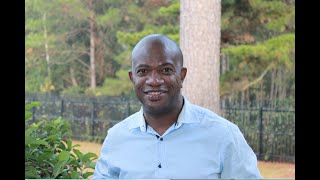
Dr. Clovis Palmer discusses how HIV infection reprograms immune cells to use glucose differently, shifting toward aerobic glycolysis through IFN-α and mTOR signaling. This metabolic exhaustion kills T cells. Palmer also explores genetic variants in GLUT1 that affect HIV disease progression and uses primate studies to find biomarkers for viral rebound.
Chapters
This is episode 49 of the Immunology Podcast, Viruses and Aging with Dr. Clovis Palmer. Hey everyone, this is Dr. Jason Goldsmith and Dr. Brenda Raud. Welcome back to the Immunology Podcast. We have conversations with immunologists. The Immunology Podcast is brought to you by Stem Cell Technologies. A global biotechnology company supporting life science research and fostering communication and collaboration in science. If you enjoy the Immunology Podcast, rate us and leave us a review. We're always looking for feedback on how the podcast can be improved and for suggestions on guests. Today we have a great episode with Dr. Clovis Palmer from Tulane University, here to talk about his research on HIV, long COVID, and aging in non-human primates.
We've also got our usual roundup of recent highlights in immunology news coming up, but first, This is your bi-monthly reminder that Immunology 2023 is taking place in Washington, D.C. from May 11th to 15th. For those attending, be sure to drop by the exhibitor hall to attend exhibitor workshops and poster sessions and to visit with leading scientific companies and organizations, including the Immunology Podcast, which is us. Please visit www.immunology2023.org for more information.
Oh, hello there.
Hello, Jason. I was thinking of, of something cool that we could talk about today, but to be honest, I'm kind of out of ideas. Uh, but I did notice that people nowadays on Twitter, I, you know, I'm on Twitter way too much. Uh, they are being very interesting, uh, through like using chat, this, this, this AI thing, ChatGPT, to, to just ask random stuff. So I was thinking we could ask it to help us establish an interesting conversation for today because I really have nothing.
All right. All right. Well, so I put in a ChatGPT, could you recommend a conversation starter for the Immunology Podcast?
Okay. What did it say?
So it said, here, sure. Here's a conversation starter. What recent advances in immunology research have you found most exciting or promising? How do you see these developments impacting the field in the near future? I think I got to go more general.
Yeah. I mean, also, that's basically our roundup.
Okay. I'm going to— I'm going to translate this over. So, so actually, this is a good one.
All right.
You end up in immunology to begin with, Brenda.
Oh, well, that's— well, that's not a big story, actually. I attended a summer school. I got a scholarship to go to Germany for a summer school in immunology. That was like, because I knew someone that was there and he kind of sent it my way. I was like, oh, this sounds really cool, I can go to Germany for it. And then it was a immunology summer school and I thought, oh, this is pretty cool. And then I made some contacts and then that's how I got my PhD position back in Germany where I did the summer school.
We'll see. There you go. Insights and conversation were brought to you by ChatGPT.
Thank you very much.
I guess we can move on to the papers here, although I have to say I've actually used ChatGPT to do some preliminary research to try to figure out what I should be searching in PubMed for because I couldn't find it through normal means.
I, I'm a little bit on the fence about that because it has— does have the habit of making up complete papers, authors, and PubMed IDs.
Just used it to get some search terms to then put in. So I'm like trying to get the right information that I go to the primary sources with because I was having trouble like keying in on something I can't disclose. It's all working.
You should make a little tutorial about that. That's very interesting.
Yeah, like, basically, I'm like, look, I need, like, the robot overlords of the world to give me some synthesized information that I can go figure out the details of because I'm having trouble pulling it myself. And that worked pretty well.
Okay. I know people that are, like, best friends with the AI. So they're like, he has it open all the time and just, like, constantly goes back and forth, text editing, stuff like that.
That's like Skynet, you know, and we all know what happened with Skynet where it hijacked the world. But I'm going to talk to you today, segue—
oh my God—
bacteria hijacking you, right? So the title of this paper is Bacteria Hijack Meningeal Neuroimmune Axis to Facilitate Brain Invasion.
Oh, ominous.
Okay, there you go. First author is Felipe A. Pinho Ribeiro. Last author is Isaac M. Chui. It's in Nature right now, came out on March 1st of this year. All right, so I'm going to try to keep this short and sweet. The paper looks at how with meningitis, that's when bacteria infect your meninges, which are the membranes around your brain and eventually your brain itself, and then you die. Or get really sick and need antibiotics, otherwise you would die. It's pretty nasty. There's two, um, bacteria that are main causes of this study here. They're both Streptococcus, Streptomoniae, and, uh, Strep agalactiae. Mostly they look at Streptomoniae because of how it works. And what they find is that this bacteria activates a neuropeptide called calcitonin gene-related peptide, CGRP. This is one of those names that like probably should be changed but isn't because of, you know, how it was discovered versus what is now. Anyway, the way this works is this gene— this peptide is known to be a nociceptive neurotransmitter, right? So it, when it's released, causes you to feel pain. And so what they show here is that these— and they, and they, by the way, they do this with a bunch of tissue-specific knockouts, um, of course, because who doesn't do that these days? But they show that the way the bacteria invade generally, right, it gets in your blood, goes up in your meninges, and then it bypasses eventually the blood-brain barrier, which isn't really a wall, it's like some transmembrane, you know, some, some actual membranes that are hard to bypass. But obviously blood gets to your brain, so bacteria can, and a lot of immune cells and other things in there. So what they demonstrate is that if you get rid of the nociceptive pathway, the bacteria do not cause as much disease. They don't nearly have the same level of invasion. And then they show that secondarily it is neuronally mediated, but then they show that it's an immune mechanism. So they show that what's happening is that when the— these bacteria induce the release of that peptide, the, the CGRP peptide, that causes pain signaling. But what that does is that pain signaling affects the immune system. And that immune system response is a suppressive response. So, it binds to the RAMP1 plus the other receptor to form a complex. And mice without the RAMP1 receptor don't have this. They don't, they respond like, they have a deep, they don't respond to the neuropeptide, right? So, they're not going to, when there's pain, they don't. So they'll, they'll clear it faster essentially because there's no pain response in this site. And they do the same thing with antagonists of the signaling. So they show several ways that it's RAMP1 and then they, they dive into, well, how is RAMP1 controlling immune cells? And they show that it's myeloid cells that are responsible and that essentially the RAMP1 signaling leads to a suppressive phenotype in myeloid cells and particularly macrophages. And by eliminating either the receptor or blocking it or RAMP1 or the peptide itself being produced, you basically have increased bacterial clearance and the macrophages suppress more cytokines and chemokines and those chemokines will pull in the rest of the immune system. Neutrophils, monocytes. And so if you ablate that, you then recapitulate the standard phenotype. So if you deplete these meningeal macrophages, then it works like if you did have a pain response or you have worse clearance. So it's a pretty neat setup. And they basically show that this RAMP1 regulates the macrophages. So in the end, Bacteria lead to pain in the brain. Pain in the brain leads to signaling cascade, which tells the immune— which basically tells that not only is this pain signaling occurring, but the same pain ligand exists on immune cells, in particular macrophages, and activating that leads to suppressive phenotype. And just so you know, this is also true of opioid receptors. So morphine and that whole class, chronic administration of opioid receptors is immunosuppressive through direct activation of the opioid receptors on immune cells.
It's kind of terrifying. So this bacteria not only makes it hurt more, but then it also like attacks you better because of this.
Sounds like a complete hijacking.
Oh, makes me, makes me feel queasy, like thinking about it getting like meningitis in my brain. Ugh. But I mean, so when they, then they say when they blockade RAMP1, is this like, is there a kind of some approved medication or is there any like therapeutic?
There are some small molecules that they use. And so the maybe, basically, especially since it's an acute problem that's more amiable than like permanent RAMP1 blockade. Yeah.
Yeah. So do they suggest that this could be a therapeutic option?
They don't really, simply because we can clear bacterial meningitis with antibiotics.
Yeah, I guess that makes sense. I mean, on the, on the one hand, isn't it also on the, yeah, isn't it good to not have too much inflammation if you can get rid of the bacteria directly with antibiotics? Isn't better to have this anti- inflammatory macrophages there. Yeah. To keep things more under control.
So I think that's a difficulty, right? Would you want to alter this pathway or not? And I don't know if that gets tough, right? Because inflammation that also kills you, it's like your body doesn't clear it well enough. So I think in people whose immune system is kind of sucky, it could make sense to turn it on. But some people you wouldn't want to dampen it. Yeah.
Okay. All right. So I have a really cool paper that I want to talk about.
Is this cool?
Hijacking?
Are you going to hijack my brain with a cool—
Well, no, but we can say we're synthetically hijacking the T cells with novel CAR constructs that were never seen before.
Novel CAR constructs.
All right. I really like this. I was really happy when I saw this paper because I actually had been following the story first. Like, I saw this story presented at a conference like, um, early last year, um, and I thought it was really cool and I was wondering when it was going to come out and it took some time but it is out. So this paper is called Co-opting— so I guess in a way it's hijacking— Co-opting signaling molecules enables logic gate control of CAR-T cells and was published in Nature on the 8th of March, first author Adrien Towsley from the lab of Roby Meissner at Stanford University. So I saw Roby Meissner presenting this at a conference last May here in Germany. So I basically, the story focuses around rethinking what kind of signaling domains we use for CAR constructs. Because the standard CAR that has been kind of done since 30 years basically consists of an antibody binding, so an antibody, the short chain, the short variable chain, the one that actually binds to the antigen, together with a transmembrane domain and then some signaling in the form of CD3 zeta domain, which is part of the naturally occurring TCR complex, and a costimulatory domain, usually either a CD28 or a 4-1BB intracellular domains. And this is basically the most popular way of making CARs. And those are the CARs that are now in the clinic and are being used for clinical trials in general. So, the issues with CARs are CARs are really great, and they have advanced our cell therapy possibilities enormously. And they're great for certain leukemias nowadays, as a treatment. But they have certain deficiencies. Amongst them, the fact that there's a lot of often kind of tonic signaling that negatively affects their longevity or that results in unwanted activated activation. And this is all very problematic when you want to go move away from CD19-specific CARs to other targets, particularly in solid tumors and things like that, in which it's really hard to find a single membrane, like extracellularly expressed target that you can use for identifying the cancer cells. So you want to have, on the one hand, a mechanism or a platform that has less kind of baseline activation and also that has the possibility of being more selective, also maybe by having multiple— being depending on the expression of more than one antigen on the surface. And I think this is the idea that they came into this work. And they started looking at other components of the TCR signaling pathway and the TCR signaling complex and seeing how they were a part— whether they had any potential as a signaling domain for a CAR. So, they do some kind of initial experiments in which they identify which parts of the TCR complex are kind of really crucial for signaling. This is very kind of very standard. But I think what is really interesting is that when they do an experiment which they take members, some of these proteins that are actually cytosolic, they have no— they're not membrane-bound, but they kind of make them into a CAR. They use transmembrane domains from somewhere else, and they kind of attach these signaling molecules in the CAR, and they sort of replace the CD3 zeta domain. And then they see whether this works, whether by having one of these molecules as a signaling domain can replace CD3. And in fact, they are quite surprised that you actually can. And one of the molecules that really catches their attention is ZAP-70, which is one of the— it's a molecule that is very closely involved in the recruitment of several kind of activate— several other molecules of the TCR signaling pathway to where the TCR actually is. So ZAP-70s, Sub70, when the activation of TCR occurs, Sub70 is a kinase that has the ability to phosphorylate two particular proteins called LAT and SLP76. And these two molecules form a scaffold that binds another, that allows another protein, PLC gamma, to kind of make a complex with them. And this is one of the initial steps of TCR signaling. And this kind of activates a lot of downstream signaling from that. So, they look into SUB70 and they're surprised that they can actually use this to replace CD3. And then they focus on what I just mentioned, that is the actual function of SUB70. And they think, what about what happens downstream of SUB70? If SUB70 is actually allowing this interaction between LAT and SLP76 to happen, What if we just use this for a kind of Boolean gating situation in which we have two different CARs that are recognizing two different antigens on the tumor surface, and then only by proximity do these two domains find each other? And that's basically what they do. And there's a lot of optimization because initially they find that they have a lot of baseline signaling when they do this. So, they have to kind of start working on ways to prevent unspecific interactions between these two CAR constructs. They also need to find a way of preventing that these two domains allow the binding kind of PLC gamma independently of signaling. And they do this by generating several different mutants in which they prevent interaction. It's very interesting how they do. So I'm not going to go into the details because I think it's a lot. But it's really cool to see how they clearly were thinking a lot about this. And they were thinking about the biology and the structure of these proteins. But kind of long story short, what they do is they show that by taking both LAT on the one hand and SLP76 on the other hand, and making them into two different CARs, they can generate a construct, a system in which only upon co-expression of two different, of these two different CAR targets, for example, they made an example with CD19 and HER2, and only upon co-expression does this CAR signal, and they initiate T cell activation. And this is really cool because this seems to really be the first model of true kind of AND gating that they are, because they're having other types of CAR constructs or other synthetic constructs. But I think this is really, really cool because it really allows for much more specificity on this recognition. Of two different antigens on a tumor. So I was really happy to see this. They call this system the LINK system. And I think they're really going to try to push it maybe for, I think it's very promising for CAR T-cell therapy. And I was really happy to see this published after quite a long time. They had quite a long revision. And so kudos to the authors.
Do you think they're going to make a company?
I wonder. I mean, they all do, don't they? So, I mean, there is Stanford after all, so there's definitely options.
Oh yeah, that's already happened.
They're in stealth mode.
Yeah, exactly.
I mean, they must have a patent.
There's probably half the reason there was a delay in publication.
Yeah, that's actually quite likely. I also want to say they had some beautiful illustrations for all the, like, the, the, the proteins and all the different CAR constructs. So they also, like, I'm pretty sure they use some, like, professional illustrators here.
Jazz up that paper. You can even do videos now and get people to do video models of your thing. All right, I have no segue for this one. Um, I guess like that, like their company is incubating, let's talk about germinal centers.
Okay, sure, go, go for it.
All right, so, um, it's called Apoptotic Cell Fragments Locally Activate Tingible Body Macrophages In the Germinal Center. Abigail C. Grutveld is the first author. Trygang Phan is the last author. It's in Cell. It came out March 2nd. So for those who don't know, which included me, there's something called the tangible body macrophage or a TBM that exists in your your lymph follicles. And we knew that based on histology, and we know that they're there, and we know that they tend to, um, have apoptotic cells in them, we think. And they, then they verify here that there is apoptotic cell fragments in them. But that's all we really knew what they were doing, and they kind of established the mechanism what these cells do. So if we think about a germinal center and a follicle, right, you're going under massive B cell selection and death. Um, so these are the cells responsible for grabbing all those cell fragments up and processing them down, if that makes sense. So what they show— and so their job is to clear apoptotic debris and prevent antibody-mediated autoimmune diseases because It doesn't help if the B cell undergoes apoptosis, if its fragments spew everywhere and generate antibodies on other cells. You've got to, you got to, um, you know, clean that mess up, as it were, right? So what they show here is that, one, these cells are essentially tissue-resident macrophages of the lymph tissue. And so they do some lineage tracing and some ablation and some photoactivation and show these suckers are here the whole time. They'll reconstitute from immune cells, but they sit there. And unlike other, some other tissue-resident macrophages in immune tissues, this receptor, the CSF1R, if you blockade that, those cells go away. These do not. And so then using, and this paper is beautiful with a bunch of images and a bunch of videos, and they do things like two-photon microscopy and they will come in and activate by light to, you know, label something, or they'll do a tamoxifen-induced system. So they do a bunch of different types of tracing and everything, but they show these cells basically sit here, sit here all the dang time when they're— and they're evenly distributed. They actually go into some math early on saying, well, why would you evenly distribute, not have them wandering around? Well, they show based on the distribution density they're at, which is less than what you'd expect randomly, but they're even They're in an actual lattice type of network with these giant appendages, the tangible bodies out. The appendages move around and search for things, but the cell does not. And that actually captures and clears more apoptotic debris than the cells wandering around. Because if it was very rare fragments, then active hunting would be better. And they do all this mathematical modeling to show that, but they show instead that, um, how it ends up working is that it just creates a network, like a mesh network, and that captures everything. So, and so it's more efficient. So they explain that, and then they show that in these cells is apoptotic B cells. They'll induce apoptosis in B cells with a marker to kill the cells, and they find the fragments including the DNA and the markers in these macrophages showing that it's getting cleared. And so apoptosis itself, and since these fragments causes their maturation, but they come from this precursor that's resistant to this blockade under, like, other immune cell and tissue-resident macrophages. So that's what I got for you. It's apparently a follicular cell tissue-resident macrophage that is a hungry, hungry hippo that gobbles up apoptotic cell debris to prevent autoimmunity.
But they do, they, they're lazy about it.
Well, yes and no. They're all stationary and they wave their arms. So their arms are moving, but their bodies are not moving. So they're wiggling in place.
So sorry, our dear listeners, Jason is imitating, is doing a representation of what he thinks the macrophages are doing.
Yes, I am absolutely wiggling my arms right now. She can't see my feet, but they were wiggling too.
Yeah, I mean, they're working smart. And start working hard.
Look, you got to be smart and not just working hard in this day and age. Okay, none of us are getting younger. Entropy is real, and we're all just rusting.
All right. Yes. Yeah. Nice. Nothing matters anymore. Nihilism. Should we make— become the Nihilism Podcast?
No, no, no.
I'm just saying we're all going through, you know, slow oxygen death through rusting. And so as a result, smarter is better than harder because you can't work harder all the time.
Your body won't let you. Okay, fair enough, fair enough. I have a quick question, and this is probably because I'm not a native speaker. What's— so what does 'tingible' mean? Oh God, is that an English word I never heard?
It is. So actually, it comes from the fact that it comes from histology. So 'tingible,' apparently, according to Wiktionary— I just pulled it up— um, means able to be stained. And so these were identified on histology as having a unique staining pattern where they like move out. Okay. It's found in germinal centers and contains phagocytosed apoptotic cells, which is known as tingible bodies, stainable bodies. Okay, so that's the shape and feature that they see on histology from the word tingible, which apparently means like tintable.
Tintable. All right. You gotta love these old nomenclatures that don't really make sense anymore, but they're just basophilic, eosinophilic, right?
Like, exactly. And then, yeah, hematoxylin. But you don't say, you don't say hematoxophilic, you say basophilic and eosinophilic, but eosin is the dye and anyway, yeah.
Names. What's in a name? Anyway, so let's just finish our conversation for today. I want to talk about A nice little story that taught me something I didn't know. It's always really nice. I mean, most of these papers do, but this is something I never really thought too much about. So I thought it was— I wanted to share with you. We might know it already, but who knows? So this paper is called Autoimmunity in Down Syndrome via Cytokines, CD4 T Cells, and CD11c Positive B Cells. And it's kind of a descriptive paper, I have to admit. On the one hand, it's nice. On the other hand, it feels like the story is not completely finished, but it does teach me something new. First author, Luis Mao, from the lab of Susan Vojunovic at the Icahn School of Medicine at Mount Sinai, published in Nature. And as the title suggests, they're basically looking into the immune dysregulation that is, I didn't know, characteristic of patients with Down syndrome. To get the facts straight, Down syndrome, as we all know, it means a trisomy of chromosome 21 and is actually fairly common, 1 in 700 newborn babies in the US. Are diagnosed with this condition. Among the things that this condition entails are the fact that Down syndrome patients have an increased risk of severe infectious disease and also have higher incidence of autoimmunity, amongst which thyroiditis, celiac disease, alopecia, and diabetes are more common than in the general population. And it is not clear exactly where this comes from. It is known that some immune, like some obvious suspects are found in chromosome 21, such as subunits of the interferon receptors and IRA are expressed in this chromosome. So maybe this is part of the, is partly guiding this dysregulation. And amongst other things, patients, when you look at the immune populations, these people also have low B-cell counts and increased apoptosis of B-cells. And basically, yeah, this general dysregulation of immune markers. So, what they did in this paper is they kind of took a step back and they looked closer into some of this dysregulation. And they're trying to make the point that Down syndrome is really what they call a cytokinopathy. Like, this really, like, there's a very strong element of cytokine dysregulation that really affects a lot of these events, particularly when it has to do with autoimmunity and B-cell abnormalities. They basically take cytokine, they analyze cytokine levels in many patients with Down syndrome, compare them with healthy controls. They do see that all patients have increased levels of many pro-inflammatory cytokines, and many of them have cytokine levels that are comparable to acute infections. Like what they see in healthy patients that are infected with COVID So, they have some COVID patients as well. They're also looking to Down syndrome patients with COVID And they seem to kind of— they make the point that there's like the basal cytokine levels in Down syndrome patients are kind of comparable to infected healthy donors. And they look a lot at the cytokines, and the ones that really stand out are also very— and surprisingly for inflammation, IL-6, IL-1 alpha, and TNF beta, which I guess we don't hear so much about both those ones. But I think IL-6 is probably the most interesting. And that this is really— that this seems to be stable. So they took— they take blood, uh, different times, they measure cytokine at different times, and they— this, this levels are stably high. And when they look at the immune cells a little bit closer, again, they see also skewage of CD4 and CD8 cells towards more memory phenotypes, so also fewer naive cell frequencies. And interestingly, one of the pathways that they see kind of basically upregulated is STAT3. And they see kind of more baseline phosphorylation of STAT3. And this, they see that they can kind of abrogate this by JAK inhibitors. And they kind of do some experiments. And they conclude that mostly this is due to this increased IL-6 expression in the serum. So, it is kind of mostly driven by IL-6. And when they look into the B cells, and I think these are trying to connect a little bit into the high autoimmune disorder frequencies observed in these patients, and they show that there's a particular population of CD11c-positive B cells that are increased in Down syndrome patients and that their presence is correlated with the IL-6 levels. And also by circulating T follicular helper cells. And they kind of pinpoint these cells as being one of the major sources of autoreactive B cells that are observed in Down syndrome patients. So, they are known— CD11c-positive B cells are known to differentiate into antibody to differentiate kind of in a non-conventional way and to have an increased chance of differentiating to auto-specific antibodies. And they do seem that— they do seem in the results, they suggest that these patients, these cells are increasingly differentiating to plasmablasts that generate a lot of autoreactive antibodies. And they are the ones driving a lot of the autoimmunity that they see in these patients. And so, I guess that this is basically the idea that they make. They want to connect, although it is— that's kind of the try— try to connect these dysregulated cytokine milieu with dysregulation of the B-cell compartment and increased amount of plasma cells, plasma blasts, increased amount of self-reactive antibodies. I have to say that I find that, like, I was a little bit disappointed because I thought there would be a little bit more about why is IL-6 upregulated? Where is the IL-6 coming from? If this is really one of the main drivers of this excessive B cell differentiation activation and whatnot. But they don't really seem to go into this because it's basically a fairly descriptive paper. But it taught me something because I was not aware of kind of the very strong immune dysregulation that is seen in Down syndrome patients. I think that they make the point in the introduction is that now that a lot of the other issues that these patients have to go through are better managed, this is when really this immune dysregulation starts becoming more and more evident.
Yeah, I guess it's— you're digging in on all the other things that are occurring, which is an interesting point. That's interesting. I wish there was a little more mechanism too, but maybe we'll learn more in time. It's also complicated, right? Because it's such a— it's a gene dose of all these different genes. So on one hand, you know which genes it could be, but it's an entire chromosome worth.
Yeah. So they say— they— I think they say chromosome 21 has 200 genes.
So not the smallest, but small enough. All right, well, you know, as we know that, you know, the poison's in the dose, right? And permanent genes are high. We're going to be talking in a little bit with Dr. Palmer, who does a lot of animal work, to understand just what those doses are. And if that's not a segue, I don't know what is. But if you're looking for a quick reference that you can hang on your lab wall Well, Stem Cell Technologies has various wall charts covering different immunological topics, including a snapshot of COVID-19, an overview of antigen processing and presentation, and more. Explore all of the immunology wall charts and order your free copy at stemcell.com/immunologywallchart.
We are talking today to Dr. Clovis Palmer. He's assistant professor at Tulane University School of Medical Sciences at Tulane National Primate Research Center. And he's going to talk today with us, I hope, about metabolism of the immune system and the relationship between it and, for example, HIV infection. Dr. Palmer, thank you so much for joining us.
Thank you for having me.
A pleasure. Thank you for being here. All right. I had a little bit of time spent in immunometabolism land, so I guess I'll jump into it first. A lot of people know at least a little bit about immunotaxism, what you eat affects your immune system, diet, stress, you know, metabolism, immune system affects function. But to dive in tiny to your area of expertise, how does HIV screw all that up at a high level?
Yes. So I, I first got into this field almost over 10 years ago before we actually have the name immunometabolism. And so, it's one of our pioneering areas in research that our lab is very happy about. And it was a curiosity question. You know, we know that HIV affects immune cells and it causes depletion of CD4 T cells during infection in infected individuals. And so the question was, why are these CD4 T cells dying off? So I curiously thought that one of the reasons could be that these immune cells are unable to take up sufficient nutrients like glucose, and therefore they would die. So if you can't get enough energy to survive, you will eventually die, just as humans. And so that was the first sort of theory I had. And so I applied for some grants and we were successful with that idea. And we investigated, you know, firstly whether or not HIV impacts the way immune cells take up glucose. And to our surprise, our original hypothesis is was wrong. In fact, we found that HIV infection actually causes immune cells to take up more glucose because— and it makes sense after a while when we think about it— because these cells become activated, and in order to maintain their activated state, they need more energy. So therefore, they take up more glucose to facilitate that process. And so that's what we basically found, is that In the context of HIV, there's increased glucose uptake, increased glucose metabolism via aerobic glycolysis, and less so of oxidative phosphorylation. So basically, we saw a metabolic shift from aerobic glyco— from oxidative phosphorylation towards aerobic glycolysis. And we think that these metabolites that are produced by aerobic glycolysis are a nutrient source or substrate for the virus to replicate. So in effect, what the virus does is that it hijacks the metabolic processes of the cells in order to reproduce.
I think it's very interesting to look into T cell metabolism in the context of viral infection, because I come more from the immunometabolism of T cells or metabolism of T cells in cancer, for example, which we also know that many, many oftentimes the tumors generate a very disfavorable metabolic environment. What are the, what do you think are maybe the points in common between T cells in the metabolism of T cells, maybe in different contexts?— not only viral infection, maybe other types of infection, maybe other types of immune responses that you, that you see parallels?
Yes. So, I'm glad you raised that issue with the parallel between glucose metabolism in T cells and cancer, because in fact, when we look at it through the lens of metabolism, we know that cancer cells require more glucose, more nutrients in order to proliferate. And the same thing with immune cells as well. And so therefore, when we look at both cancer and immune cells, we found that there are increased levels of aerobic glycolysis. And we say aerobic glycolysis because we see the cells are still exposed to physiological levels of oxygen. And so the cells still break down glucose to lactate.. And so that's why we define it as aerobic glycolysis, because it's in the presence of oxygen. And so what's interesting with that similarity is that we have actually been trying to investigate whether or not we could use drugs that are being used for cancer research to help to tame the immune responses in, in like HIV, for example, and other infections that activate the immune response. And in fact, there are some studies using rapamycin that have been used in the context of HIV cure to see whether or not it would limit HIV replication in the reservoir. So looking at the context of, you know, HIV and cancer, we see that we can definitely utilize some of the tools that have been developed in both fields to answer, you know, similar questions.
Do we understand by which mechanism the viral infection is driving this metabolic rewiring of the cells?
Yes, very good question. Again, when we say metabolic rewiring, when we say metabolic rewiring, we tend to generally think of changes from oxidative phosphorylation toward glycolysis or vice versa. But you also have other important pathways such as glutamine metabolism and glutaminolysis that, you know, help to drive the TCA cycle and oxidative phosphorylation in the event that oxidative phosphorylation or glycolysis becomes limited. And so, the phenotype overall is similar in many instances, but the mechanisms are different. So, for instance, we have seen that the transcription factor IFN-alpha, which is a regulator of many of the glycolytic genes, is associated with this metabolic reprogramming towards aerobic glycolysis in the context of HIV infection. So, in fact, we collaborated with a group at the University of Buenos Aires, Dr. Matthias Otrawski and Dr. Gabrielle Douette, and we found that IFN-alpha did drive the transcription and replication of HIV in culture. And we do know as well that it is associated— this IFN-alpha is also associated with metabolic dysregulation in cancer cells as well. There are other factors like c-Myc and mTOR pathway, and these pathways tend to cross-talk with each other. And so what happens when you try to inhibit one of these pathways, the other pathways take over. And so, what we are finding now, again, similar to cancer, in order to sort of tame the metabolic— the overmetabolic reactivity of immune cells, we need a combination approach. And hence, your question is vital. I mean, we actually need to identify specifically what mechanism drives these processes in certain contexts.
So there isn't a master transcription factor or something that HIV is producing like some viruses do that is— that's the straight hijacker that you can point to?
So I think the entire— the whole process of the the virus attaching itself to the cell surface membrane is sufficient enough to trigger the phosphorylation of mTOR intermediates. And so those intermediates or downstream pathways are what drive the metabolic reprogramming in these cells. That's what we found. Some of the proteins as well, HIV proteins like NEF, has been implicated in this process. But in our hands, we think that at least the trigger comes from binding to the cell surface, and also the HIV DNA within the cells also trigger this metabolic response as well.
Okay, and then I guess on the last little bit before we kind of switch gears, maybe you had mentioned that, you know, when you started this, it was on the thought experiment of maybe something about the metabolism is causing these cells infected by HIV to die. Did you ever get to why HIV kills the T cells to begin with?
We didn't, um, get to the bottom of it, but what we think happens is that, again, um, coming back on the, the basic of the glycolysis is that one of the end products of glycolysis is lactate. And lactate has been shown to not only cause this dysfunction of immune cells, like CD8 T cells, but it can also cause death of immune cells as well. And so we haven't piece it all together as yet, but we think that that's potentially one of the mechanisms. And also the fact that you are sort of shifting the bioenergetics from oxidative phosphorylation, which is the driver of ATP, towards other biomolecules, I think you get what we call metabolic exhaustion. And in fact, we coined this term to define the process by which this metabolic shift causes a metabolic catastrophe in these cells. And so, we think that there is some metabolic exhaustion that is occurring, not only in CD4 T cells that actually die, but also in CD8 T cells and maybe NK cells.
This metabolic exhaustion would drive the exhaustion and senescence phenotype that we see in viral infections. I think it's also interesting that you have some data, maybe from human studies, which also correlate some polymorphisms in GLUT transporters, glucose transporters. What do you— what does the human data tell you about the importance of glucose metabolism in HIV?
Yeah, so that, that paper was, um, or that data that we published, that was quite interesting because we, we know that different, um, people within the HIV population, they progress at a different rate, and also their outcome, whether or not they respond well to therapy it's quite a heterogeneous population. And therefore, the question is, if this is happening at the biochemical level, there must be something that's driving this at the genetic level as well. And so we wanted to find out whether or not there are some changes within specific genes metabolic genes that was associated with this metabolic dysfunction. And so, we looked at genes that regulate metabolism, such as those that encode for the glucose transporter 1, which is a major glucose transporter on immune cells. And as just mentioned earlier, other key players in metabolism were mTOR and PI3 kinase pathway. And so, we look for genes variation within these pathways that may identify patients who progress quickly or slower or not at all when they're infected with HIV.
So to shift a little bit, and, you know, we talked some about your existing work, I know you are now— we mentioned at the top of the hour— an assistant professor here and you also help lead the Primate Center at Tulane. So can you describe a bit about that primate research and the importance of it and what you're working towards now? And then maybe we can talk a little bit more deep dive about primate research as well.
Yes. So one of the— so the advantage with our work is that we are focused a lot on human samples. So, at the Burnet Institute, we use patient samples predominantly and primary cell cultures. And so, I think that's important because it's easier to translate these findings to the bedside. So, one of the reasons why I was very keen to come to the Primary Care Centre was that It was a great opportunity to translate some of these ideas into therapeutics. And so again, we are collaborating with a group at Wyss Institute, Dr. Mohammed Abdel Mohsen, and we found some fascinating information looking at the metabolome profile of plasma in people living with HIV on therapy who came off treatment, what we call analytical treatment interruption. And the idea was to see whether or not we could use those metabolic profiles to identify patients who would rebound quicker or later when they came off therapy. And we identified several metabolites within those pathways that we described, glycolysis and OXPHOS, that were able to distinguish between persons who were able to delay HIV rebound off therapy and those who were early or quick rebounders. Of therapy. So we want to continue that work in non-human primates using the SIV model in non-human primates here at the center. The other work that we are currently doing, like many other groups, is identifying sort of the metabolic aspects that surround Long COVID. And at the moment, we are evaluating in some of our non-human primate models whether or not we could, you know, compare the metabolic changes that happens in human, whether or not that is reflected in these non-human primates.
I guess the non-human primate models are a lot closer, right, than a mouse?
Oh, yes, definitely. Yeah. And one of the things that is becoming quite clear now is that even though mouse models are great, they are, you know, and they shed a lot of significant light into these metabolic processes, but there are also significant differences as well that needs to be taken into consideration.
And nowadays, I assume that it's getting harder and harder to perform research on non-primate animal models. What do you think is the future of research in this type of models? Because I think there's going to be that push away from such anthropomorphic animals sometimes. Is it difficult to perform these kind of studies?
Well, I don't think difficult is the correct word, but it's economically very challenging to conduct these studies, especially in non-human primates. It can cost up to $10,000 US dollars per year just to house a macaque. For example. And in order to get any significant data, you're going to need 7, 6, you know, non-human primates per group. So you can do the math. So it's quite costly. Yeah. And I'm glad you mentioned this because I heard that the NIH is now changing its policy as to whether or not we can go straight into clinical trials in using drugs that haven't been tested in mouse models. And so the question is, you know, whether or not we're going to move, you know, more into non-human primate model, or we could just go straight into human studies using drugs that may or may not be, you know, properly approved.
Yeah, I saw a bit of mixed responses to those news. Yeah. It's an interesting discussion. What's the right way of doing?
What do you think, Jason?
Well, I was going to wade into some of the controversy I've seen with the animal models, which is actually a geopolitical one, which is my understanding is that a lot of the monkeys have been traditionally sourced from China, and they're blocking the export of them now, which is having profound effects in pharmaceutical and other places that use them, essentially forcing this. You know, as someone kind of on the inside, I don't know if you could, um, provide a little insight, Dr. Palmer.
Yes, so we, we are the primary National Primate Center. We have quite a big, um, colony of animals, and I have to say, one of the things that drew me here is really the way these animals are taken care of. They are rigorously investigated for any, you know, disease within the colony. They have their own hospital. They have a, you know, non-human primate hospital here. They have people who you know, go around, check to see whether or not the animals are doing well, not only physically but emotionally. And so, you know, doing animals, non-human animal, non-human, doing non-human primate studies here is quite something, you know, interesting. The, with regards to the availability of nonhuman primates because of the China issue, many of our primates are obtained from the Caribbean. And so while, you know, we do foresee some issues should that situation persist, we also have other alternatives much closer within the region, and also we have a very good you know, primate colony here as well.
Logistics must be quite challenging sometimes to keep up this type of research. Well, I hope that now that we be your group, that you get to do really good work and take advantage of these kind of facilities, which are not that common. So I think it's going to be really interesting. And I think we want to wrap up the conversation a little bit, but we like to ask our guests by the end of our— by the end of the talk, a little bit of a question, maybe not necessarily related to their research. So on that note, you are now, of course, a biomedical researcher. If you were not a scientist, what do you think you would like to do?
Well, growing up in Jamaica and on a farm, my— both my parents are farmers, and I just love plants. And so I actually studied botany in university. So I have two degrees. I have a degree in biochemistry and degree in botany. And so if I weren't in a lab, I'll definitely be on a farm. And perhaps I'll still be doing something scientist, maybe trying to, you know, cross 2 or 3 different plants to come up with a new variety. I think I was born to be a scientist. So even if I wasn't a quote-unquote scientist in a lab, I perhaps would be, you know, doing something, you know, scientific anyway.
Yeah. Well, I think I've heard similar replies from other of our guests, so I think botanist or taking care of a wonderful garden has, has been heard before.
Yeah. Yeah. I think there's something there that something about the personality top drop in the science, right? And we have all the pea studies, so I'm not really surprised, you know?
I know pea genetics could be the next Mendel.
You never know. No, in fact, I— one of my projects back at University of West Indies, where I did my first degree, was to cross two mung bean plants. So I had a genetic lecturer from India, and he found this mutant yellow pod, yellow seed mung bean on his farm in India, and he brought it back to the Caribbean, to Jamaica, and he asked whether or not I was interested in crossing that variety with the wild type, which was a black pod, big green seed. And over the holidays, I took those seeds to my father's farm, spent the entire summer doing the crosses, and came up with some nice varieties. Of all different pod colors and pods and different seeds. So that was my first taste of science, and I think it sealed the deal for me.
It seeded it within you, as it were.
Yeah, forgive the pun. It's been a few weeks since I dropped one, so I had to.
I haven't hit my quota. We'll allow it. We'll allow it. The first pun of the year. That's, that's a great answer. I guess a scientist is always a scientist. Yeah, I agree. It's been wonderful talking to you, Dr. Palmer. Thank you very much for joining us today.
Thank you very much. Not a problem. A pleasure.
Thanks again for inviting me. That brings us to the end of our show. Don't forget to subscribe to our newsletter at www.immunologypodcast.com to get the show notes, including an episode summary and links to all of the interview and roundup papers. You can also reach out to us on Twitter @immunopodcast or via email at info@immunologypodcast.com if you have any feedback or if you would like to suggest a guest. We're always open for suggestions.
See you next time. Mm-hmm.
More from Joshua







Scientist Stories: Hans Waterham, The value of phenotypic assays in peroxisomal disorders




Scientist Stories: Joel Zlotogora, Genetic carrier screening programs for reproductive purposes