Scientist Stories: Jeffrey Bluestone, The Power of Cell Therapy
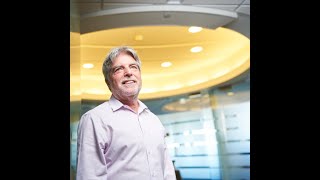
In this Immunology Podcast episode, hosts Dr. Jason Goldsmith and Dr. Brenda Raud open with a brief sponsor message and a rapid‑fire discussion of recent immunology papers, focusing on two lupus studies (a GPX4‑regulated neutrophil ferroptosis mechanism and an erythroid mitochondrial retention‑driven type‑I interferon pathway) and a Nature Immunology paper describing how the transcription factor TCF1 shapes regulatory T‑cell (Treg) function in colon cancer. They then review a COVID‑19 mRNA vaccine study that maps rapid CD4⁺ and CD8⁺ T‑cell responses after the first and second vaccine doses. The core of the episode is an interview with Dr. Jeffrey Bluestone, CEO/President of Sonoma Biotherapeutics. Bluestone recounts his career from early work on anti‑CD3 antibodies, the discovery of CD28 co‑stimulation, the paradoxical role of CTLA‑4, and the development of the Immune Tolerance Network. He explains how loss of CD28 impairs Tregs, the concept of Treg‑based cell therapy, the engineering of antigen‑specific CAR‑Tregs (T‑REX), and the practical challenges of translating cell therapies to the clinic (GMP, IND, manufacturing). He also shares personal reflections on work‑life balance and a new hobby (learning saxophone). The episode ends with plugs for the podcast and Bluestone’s company, Sonoma Biotherapeutics.
Chapters
This is episode 12 of the Immunology Podcast, The Power of Cell Therapy with Dr. Jeffrey Bluestone. Hey everyone, this is Dr. Jason Goldsmith and Dr. Brenda Raud. Welcome back to the Immunology Podcast, where we have conversations with immunologists. The Immunology Podcast is brought to you by Stem Cell Technologies. A global biotechnology company supporting life science research and fostering communication and collaboration in science. Today we have the pleasure of speaking with Dr. Jeffrey Bluestone, CEO and President of Sonoma Biotherapeutics. On this podcast, we talk about the company's mission to leverage the properties of regulatory T cells to create living cell therapies that restore the immune system to its balanced, fully functioning state. We've also got our usual roundup of recent highlights in immunology news coming up, but first—
We'd like to remind our listeners about Cell Therapy News, a free weekly newsletter brought to you by Stem Cell Science News, summarizing the latest research, news, jobs, and events in cell therapy research. Use Cell Therapy News to stay current with the latest cell therapy, gene therapy, and regenerative medicine research. Subscribe at www.celltherapynews.com.
Well, hey there, how are you?
Hey Jason, I'm doing great. How about you?
Good. I don't have any COVID papers this week.
Well, don't worry, I got you covered. I got one.
We'll see how many weeks— if we ever go more than a week without one. I, I don't know. We'll see.
I, I don't think— I mean, COVID is the biggest story in immunology of the last century. I don't know.
Yeah, it's, it's rapidly overtaking the whole HIV, uh, wave of research.
And also, there's never been a— there's never been a disease that has been studied with so much detail so quickly, which— so for so many, by so many different people with such detail and such, you know, platforms. So it's, it's a— I think it's an inflection point in immunology research.
Yeah, it looks like we ended up breaking, uh, breaking the internet here with it and breaking all the preprint servers.
Uh, definitely this— people will get used to this. This is going to be a new normal.
All right, well, let's start diving into the papers. All right, well, I'll go first here. Uh, this first paper is called Glutathione Peroxidase 4-Regulated Neutrophil Phagoptosis Induces Systemic Autoimmunity. First author is Pigchong Li, last author is Wang Zhang. It's in Nature Immunology in 2021, published here on August 12th.. So I was actually really excited about this paper. It gets into some mechanisms of autoimmunity and specifically lupus, which have been previously hadn't been found out. I'm surprised it didn't get all the way up into Nature itself. It's maybe too specific to one disease state. I'm not sure, but it's really exciting from my perspective clinically. So lupus is one of a variety of autoimmune diseases, often affects the kidney, but actually has systemic effects all over the place. And one of the things that's known about it is you have less neutrophils in it. And this has been something that's been known for a while, but they really mechanistically linked the milieu that is lupus with this neutrophil reduction and the mechanisms behind the autoimmunity to an extent. So ferroptosis is this state of cell death. That's another optosis that has been described where their lipids get highly oxidated and then causes this iron-based release system. System and programmed death. And neutrophils are prone to it to begin with. And what they found is that the sera, which has autoantibodies, right? And remember, in lupus it's ANCA, also antineutrophil cytoplasmic antibody, is one of the antibodies in lupus. So we know there's autoantibodies to neutrophils in there, right? But the sera in lupus and interferon alpha signaling in this, generally speaking, which is elevated in lupus, decrease this glutathione peroxidase 4 and suppress it. And that leads to elevations in lipid reactive oxygen species, which then results in the neutrophils being killed. So the milieu— and they obviously don't solve the mechanism about why people have lupus. Have these autoantibodies. But one of these big manifestations is this neutropenia, and that contributes to a lot of the disease manifestations you get. And so what they were able to establish is that by— they did a couple things. They first showed the sera from human patients and in mouse systems and other ways caused this effect, and they map out the pathway throughout showing that there's this transcriptional repressor CREM-alpha that is on the glutathione gene, and that's the transcriptional repression that links this. But this inflammatory milieu and autoantibody sera milieu drives the neutrophils to die directly. And then they show that with treatment you have— so if you take treated lupus, which their clinical scores are better, this effect is not there. And then through a combination of mouse studies, with some interesting transgenic crosses where they do specific knockouts and stuff. So, you know, you do haploflocks in neutrophils and then drive down the transcription factor, so on and so forth. They also show that if you fix this, so if you prevent this drive from happening, then— so they did it. They basically made a transgenic mouse where the repressor wouldn't function.. And so you would have higher levels of GPX4 in a lupus mouse. The lupus mouse had less disease. So they were able to show that by modulating this process downstream, it also affected disease impact. It's not just a consequence of the disease. Okay, this lupus state leads to less neutrophils and that's one of the manifestations, but also by decreasing the ability for the neutrophils to die transgenically, you restored health in the mouse to an extent.
It's funny because my paper is also lupus-related, so it's cool to have this discussion. So we don't really— do we really understand where— how did this— guess lupus gets initiated in a patient? No. So we— so that's a big— still kind of a big mystery, isn't it?
Right. But this is now providing a whole pathway to start looking at, which is neutrophil cell death as a way to abrogate the disease.
On that, yeah, on that note, is so the death of these neutrophils also then is driving part of the pathogenesis, right?
You have more dead neutrophils that are exploding, creating more antigen presentation, presumably, so on and so forth. So it creates the perpetual cycle.
What are the main targets of the autoantibodies that are found in lupus, do you know?
Uh, no, it's anti-cytoplasmic, so cytoplasmic constituents of neutrophils, ANCA, an anti-neutrophil antibody or an anti-nuclear antibody. These antibodies bind to a variety of antigens in patients and in mice.
All right. So I want to try to pull my better— my best Gregory House impersonation here, and I'm going to say it's lupus. So I will also continue with a lupus-themed paper. This one published in Cell and comes from the lab of Virginia Pasquale at Weill Cornell Medicine. First author, Simone Caielli, and it's titled erythroid mitochondrial retention triggers myeloid— sorry, myeloid-dependent type 1 interferon in human lupus. And it's very interesting because I think it has some overlap, of course, with your— which we just discussed. So in this case, they are looking at a different trigger for inflammation, for lupus-associated inflammation, which I think was very interesting, something that I never thought about. They look at the consequences of having red blood cells with residual mitochondria and the DNA that mitochondria have. So, in this study, they start taking— looking at patients with systemic lupus erythematosus, which is— stands for— SLE stands for. And of course, they have one of the main— as you mentioned, one of the main characteristics, a very crucial characteristic is an association with type 1 interferon signaling. And it's— so what they start with is that type 1 interferons are often stimulated by the sensing of nucleic acids in the cytoplasm. And they also They also discussed an observation in which they see that in patients with lupus, they often see what are supposed to be mature red blood cells containing residual mitochondria. So, they do staining and they observe that these mitochondria are present in what should be pretty much organelle-free cells. And this is very interesting because they see that in— they look at 26 different lupus patients,. And they see that in a majority of them, they can see a certain— some level of, of residual mitochondria in their red blood cells. So they tried to understand whether this residual mitochondria can be triggering interferon or can be interferon-1 production through the STING/SEGAAS pathway in macrophages that are phagocytosing these RBCs in these patients. For this, they're interesting because they develop an in vitro model of RBC differentiation from PBMCs, and they can mimic the different stages of erythropoiesis in this in vitro model. And they show— so, and they, they, when they evaluate the the way in which mitochondria are normally removed from developing RBCs, they see that they identify a very kind of crucial role for the ubiquitin proteasome system in preparing mitochondria for degradation and autophagy. And so what they look at is They identify that in lupus patients, they come to the conclusion that they're having issues with driving this UPS-dependent autophagy and that this causes the residual presence of mitochondria in mature RBCs. Again, they model the effect of these mitochondria with the mitochondrial DNA by opsonizing these RBCs and getting them phagocytosed by my in vitro differentiated macrophages. And they see that indeed they end up stimulating type I interferon production. So, what is very interesting— so basically what they conclude is that the presence of mitochondria in this, in these RBCs kind of perpetuates the inflammation and the interferon type 1 production in these patients, which could contribute to the pathology of the lupus. And what is also interesting, but I think they spend some time working on, but they try to understand why, where does this dysfunction in the UPS come from that will explain the issues with the autophagy of the mitochondria. And they find also a mechanism by which issues, metabolic issues in the cells, particularly the inability of the initial stages of maturation of these RBCs, particularly the proerythroblasts, they are— seem to be enabled and capable of upregulating the oxidative phosphorylation pathways. And this has, through the accumulation of lactic acid, has a negative influence on the working of the UPS and the activity of the UPS, which results in a deficient degradation of mitochondria, a kind of leftover mitochondria in mature RBCs, And this contributes to the pathology of SLE.
Were they able to show in anyone that, like, patients, for instance, had some genetic deficits or markers that suggested this pathway was screwed up a priori, which is why they developed lupus? Or could they not get that far?
So they do, but they do mostly through this in vitro differentiation. So they show that this, this patient's, the RBCs derived from patients with lupus, they have a larger chance of having residual mitochondria upon in vitro differentiation. I think there's some limitation in the study. Definitely. I think the idea is very interesting. But there's still some limitations, I would say.
So they're still working to get upstream on it, it sounds like.
Yeah, and also I think, yeah, so I think they're trying also to get more, more data from patients, but, uh, I think they still have a very interesting story.
So that's, that's very cool. It looks like it's lupus week here. So Tregs are still your favorite T cell, right?
Always.
Always. Well, we got a Treg paper for you today. So it's TCF1 controls Treg cell functions that regulate inflammation CD8 T-cell cytotoxicity and severity of colon cancer in Nature Immunology. First author is Abu Osman. Last author is Kashiarsa Kaze, also published August 12th in Nature Immunology. And this is an interesting one because it discusses how, as we've been discussing, not all T cells are the same T cell, but not all Tregs are the same Treg. And so they look at how TCF1, which is an important transcriptional factor for development function of Tregs, is what its role really is and specifically in relation to colon cancer. So, you know, you have to have FOXP3 to get a T cell, but not all T cells are created equal. And so what they show is that this TCF1 transcription factor is really critical for a shift in state. So TCF1 Tregs supersuppress T cell proliferation and cytotoxicity., but were bad at controlling CD4 T cell polarization inflammation. So it shifted a deficient mouse. So one lacking TCF1 had more CD4 activity and less CD8 activity or suppression. So these Tregs in these deficient mice suppress CD8 more and CD4 less, kind of, kind of giving the high-level view here. And then if they took that and put it on in a mouse with an APC mutation, so hereditary polyploidosis model of colon cancer, those mice with this shifted deficiency had more cancer, showing that this Th17 response, which they saw in these deficient mice, was driving colon cancer. So less cytotoxicity, but more Th4-driven inflammation led to more tumor growth essentially. And then they saw that people with colon cancer had less TCF1 essentially overall, whether it's the transcription factor itself or downstream genes. And so if you dive into the paper and how they show all of this, they do combinations of things. There's a lot of single-cell RNA sequencing in this type of paper, as you can imagine, based on what I described, and flow cytometry. To really dive into this. And then they do a lot of work to show through basically those two technologies, the different states of these two populations. And they, and they go from there on this and they do a pretty good deep dive. These tissue-specific knockout mice as their main driver. So FOX3 and FOXP3 Cre and then TCF7, which is the name of the gene, floxed mice to deep dive into this and then really, really go hard at it. I thought it was interesting from a colon cancer perspective. They go into the deep state here of deep analysis of the states here. So they identified differentially regulated transcription factors or differentially regulated factors like KFL2 and memory and activation markers. But for people really interested in understanding Treg biology and subpopulations and the secondary stuff, this is where I would go. It's a pretty good paper for understanding that type of thing. And they do a lot of— there's a lot of analysis in here for it. And it's probably a good dataset to do secondary analysis on for people who do that type of thing.
That's very interesting because lately TCF1/TCF7, which is very confusing that the protein and the gene have similar yet different names, has been coming up a lot in T cell biology and in general and cancer. This transcription factor has been also associated a lot with CD8 cells with this kind of stem cell, quote unquote, capacity that they can sustain the proliferation of CD8 cells, especially upon, how do you say, checkpoint inhibition. So it's interesting to see how they place in the context of T-REX. And so basically what you're telling me is that TCF1 improves gut homing of this T. rex and therefore reduces the inflammation and inhibits immune response in this mice, and then they see the signature also in humans.
Well, so kind of.
It's actually the opposite.
So the opposite. So TCF1, if you lose TCF1, The Tregs suppress cytotoxicity, CD8, but are bad at suppressing CD4 and Th17 pathways, the T cells. So the Tregs shut— are deficient there. And, um, when you get rid of them, you have alternative signaling and more gut homing. So you— in a TCF1-deficient Treg, homes of the gut suppresses cytotoxicity but not Th17 inflammation.. And since it's in the gut suppressing cytotoxicity but not Th17 inflammation, you get more tumor growth because you want cytotoxicity to kill the tumor and not just generic inflammation, which is super fuel for colon cancer.
I see, I see that how that makes sense because usually when you talk about Tregs, you have this different also population. There's a more traditional classification of Tregs as kind of activated Tregs and naive Tregs. And usually what is known as activated Tregs that are the ones that are related to a suppressive function, they are characterized by, for example, well, activation markers and the downregulation of CD45RA, upregulation of CD45RO. And this shift often inversely correlates with TCF1 expression, for example, CD8 cells. So, I think this is something kind of a universal mechanism that now they are observing on T-rex. It's very interesting to see how people are looking at things that have been already previously kind of looked at in CD8 cells or effector cells, and then they're seeing how much of this also applies to T-rex that are usually traditionally seen as kind of this really different subset from, you know, the upside down. And actually there's a lot of similarities and that makes a lot of sense. All right, do you have a T. rex paper? No, but I have the COVID paper I promised. Yay, COVID! So yeah, so I won't— I, I'm sorry to disappoint, but so I have a COVID paper which is the, uh, follow-up to a paper we discussed previously in this very podcast. I don't know if it was you or me, from the lab of John Wherry.
We need to have him on. I'm going to use my, my pen linkages to get him on at some point.
We'll We do. Yeah, he needs to tell because they have been publishing so much on COVID, characterizing COVID responses, COVID vaccinations. They really made a deep dive. They committed to this. So yeah, so this paper, Rapid Induction of Antigen-Specific CD4 Cells is Associated with Coordinated Humoral and Cellular Immune Responses to SARS-CoV-2 mRNA vaccination. As I mentioned, lab of John Wherry from UPenn. You know, 4 first authors: Mark Painter, Divya Mathew, Rishi Kaul, Sokratis Apostolidis. Rishi Kaul was the first author of the previous paper that we discussed, in which they characterized the humoral response. Mostly they focused on B-cell response and memory B cells and antibody titers. And they show that, no, they really very convincingly show that in naive patients, two vaccines really give you that little boost, that really nice boost. The second vaccine is very important. People that had recovered from COVID in the case of the study, mild disease, usually one vaccine gets you all the way. You don't benefit a lot from a second vaccination. And so what they looked in here is they tried to look at what happens with T cells, particularly CD4 cells. I think they found the most interesting results. And so again, they took this very nice cohort of patients in which they had some recovered patients, some patients that were naive, and everybody got 2 shots of mRNA vaccine, either BioNTech/Pfizer or Moderna.. And they took samples right before the first shot, 2 weeks after the first shot, right before the second shot, which usually was around 3 weeks, and 1 week after the booster shot. And so, how did they look? They looked into T cells specific against COVID. And here, they chose to use— stimulate cells from PBMCs with what they call megapools of spike protein epitopes. That they predict and they generate against either CD4 or CD8 cells, so either MHC I or MHC II predictions. And they stimulate the cells and they look at specific activation markers that they deemed as the best to quantify antigen-specific responses. So they're using CD4 for CD4 cells, They're looking at upregulation of CD40L, CD40 ligand, and CD200, which is another activation marker that I was not very aware of. For CD8 cells, they also look at these two markers, CD200, CD40 ligand, 4-1BB, CD107A, interferon gamma. And they generate kind of a score in which at least 4 of these markers need to be expressed for the cell to be considered kind of what they call AIM positive, so activation-induced marker positive. When they look at the cells, they— so mostly focusing, I think, in CD4 cells and CD8 cells, what they see is, as expected, there's an increase in the percentage, in the frequency of these AIM positive cells for both CD8 and CD4s. And in their data, what they see first in naive patients, they see that CD4 cell responses are already kind of quickly upregulated after the first shot. They see that most patients reach a fairly high percentage or very close to the highest percentage of CD4-positive activated cells already after the first shot. And that people with previous infection, they increase the percentage of CD4 cells, and they really don't improve it anymore after a second shot. And in the case of CD8 cells, again, they see a gradual, a more gradual increase of CD8 cells that are responding to these pooled peptides. So they see that the booster shot does substantially better than before the booster shot, which is not so much the case for the CD4 cells. And in the case of pre-exposed patients, there's basically not a lot of difference even after— so even given the two shots, they basically don't change a lot the frequencies of AIM-positive cells among the CD8 population. So they were interested in looking at the CD4 cells and what is the implications of having this very early spike on— or maybe spike is not the best word— this very early increase in CD4-positive, AIM-positive frequencies. They look into some markers to determine the phenotype of these cells. And they use CXCR5 to characterize follicular helper cells. They use CCR3 and— CXCR3, sorry— and CCR6 to characterize Th1-type cells. And they use— and also, so positive for CCR3 and negative for CCR6, they characterize as Th1-like. And then expression of CCR6, they associate with Th17 profiles. And they see that this— among the responsive CD4 cells, there's mostly follicular helpers and Th1 of the profiles. And what is very— what's interesting is that when they correlate the— after the booster shot, they correlate either the percentage of the— the percentage of CD8 cells among patients and the— and/or the antibody titers. And they see, which I think is very cool, they see a correlation between the percentage of the amount of either follicular helper cells with the antibody titers, the neutralizing titers after the boost, and of the Th1-like cells with the CD8 T cells after the boost. So they see there's a correlation among kind of the correct type of CD4 cells with what you would expect would be the population they are supporting after the boost. And they also characterize— so when they look at this, so they characterize the response and they use a nice kind of UMAP projection. They aggregate different antigen-specific data, combining data from this paper and from their previous paper. And to follow the responses over time in the different time points. And they come to an overall encompassing conclusion that while naive patients have a gradual improvement of their antigen-specific response, Recover patients pretty much reach their top after first vaccination. And whereas patients have an initial kind of upregulation or initial dominance of CD4 responses, because the CD4s are the ones that are responding the quickest, after the booster shot, they kind of end up acquiring a very similar profile to the previously vaccinated patients that is dominated by humoral responses. And that's what they see. As the last thing, what is— they use— so they use this functional measures to identify what they assume are spike-specific cells that are induced by infection or vaccination. I just want to say that there is another paper published also I think it's in Nature. And this is from a group in Freiburg in which they're looking— they look at basically the same questions. They're trying to characterize the CD4 responses and the CD8 responses, but they're using tetramer stainings and they're kind of quantifying expansion of tetramer-positive cells. They generate a bunch of tetramers containing spike peptides. And what is very interesting is that they reach slightly different conclusions. Which makes me think what is the consequence of using one model or the other to identify specific T cell responses. So in their model, they see that CD8 cells respond very quickly and they see a very early expansion of tetramer-positive cells. So I found that very interesting. And they identify mostly Th1 profiles among the CD4 tetramer positive cells that they find in these patients, and they look at early time points, earlier than 2 weeks. So I would— maybe it would have been nice to compare these 2 papers together, but I think that sometimes it's also important to look at different ways of looking at the same problem. So I don't think that this is still—
this characterization is already finished. Well, I think that's an important point about looking at things multiple ways. But you also mentioned earlier nothing's been studied more than COVID at this point in terms of just how much has been produced. I think this goes to that too. How many other infections do we track this level of immune response to? And no, and it sounds like the moral of the story is that all the parts of the immune system are working like you would expect them to after both an infection and an ant and a vaccine, because Of course they should. It's good to know that they do, and it's really interesting to see this level of data. But it also looks like it's reading a textbook, which is good.
I like it when my pathogens read the textbook and die. Yes, that's how they should always behave. No, I think that in any case, what is clear— and I think nobody has shown anything else— but the second shot really increases your antibody titers, really depends on your booster shot. There's no doubt about that. The, the amount of cells really improves, uh, and then the, the protection by humoral immunity is— it really requires this second, the second dose. Uh, there's nothing that—
I think there's absolutely no doubt about that.
So, you know, in like 4 months we're going to be reading about the third shot, right? Probably, yeah. Yeah, well, it's too bad you cannot give your blood Yeah, sure.
Alas, I, I get DQ'd from all the studies, but yep, I already got that third one in because of the, uh, my other medical stuff. But yeah, all right, well, time to hop on to the interview, and we're going to be speaking with Dr. Jeffrey Bluestone here at Sonoma Biotherapeutics in just a moment. But before we get to that, whether you're attending ECI 2021 virtually or just want to discover new technologies, visit www.stemcell.com/eci2021 to explore tools and resources for immunology research, with a special feature on RoboSep-C, an instrument designed to automate immunomagnetic cell isolation in a closed and sterile system.
That's www.stemcell.com/ECI2021. We are talking today to Dr. Jeffrey Brewstone, who is the CEO and president of Sonoma Biotherapeutics and former CEO and president of the Parker Institute for Cancer Immunotherapy. And who was for a long time leading the Bluestone Lab at the University of California, San Francisco. Jeffrey Bluestone is an outstanding scientist in the field of T cell activation, immune tolerance, and he's a leader and pioneer in the efforts to generate Treg therapies to treat autoimmune diseases.
Dr. Bluestone, it's great to talk to you today. Pleasure to be here.
Thank you for the opportunity. All right, well, let's dive right in. We've had kind of a good run here recently. We recently talked to Dr. Mark Jenkins about CD28, and you're the first lab to develop the first anti-murine CD3 monoclonal antibody. So I was wondering, before we kind of get to where you are now, if you could start with kind of the high level of how you got here and how you've seen T cells change over the last few decades.
Yeah, well, great. Yeah, it's always nice to be able to go back in time. And Mark, of course, is a very, very close friend of mine. The '80s were actually an amazing time in immunology. It was a transformational time in immunology. Before I got to the NIH, which was in 1980— Mark got there a little bit later, he's younger than me— we really had very little understanding about some of the fundamentals of the immune system. We didn't understand how T cells recognize their foreign proteins. We didn't understand why some people developed autoimmune diseases and other people didn't, because their T cells were attacking themselves. And we didn't understand what were the molecular structures on cells that controlled their ability to be activated. Versus being inactivated. And so the field of immune tolerance, although having already won a Nobel Prize with Sir Peter Medawar back in work done in 1953, we understood that the body does make decisions about recognizing self versus non-self, but we didn't know how. This was complemented by the technology advances that occurred in the late '70s, including the generation of monoclonal antibody technology, hybridomas, and genomics, and the ability to actually use recombinant DNA technology to understand gene expression and gene control. So, it was just a great time. And the NIH was really one of the truly amazing organ— institutions for immunology at that time, with people like Ron Schwartz, who Mark Jenkins trained with, and Al Singer and Bill Paul and Tony Fauci. I mean, this was just an amazing environment. So I got there and I had a fairly— my initial postdoc was with David Sachs before I got my own position. And it was a very straightforward question, which is how do T cells recognize, in this case, organ transplants that get rejected when you put a kidney or a liver or something from one person into another? And so, I set out to use everything I just said, the recombinant DNA technology, hybridoma technology, and new understanding of molecular-based immunity to start to define how T cells recognize their target. And so, the first thing we were able to do, as you mentioned, was develop a first monoclonal antibody against the mouse T cell receptor, namely the CD3 epsilon chain of the T cell receptor. And that was just— it was just a fantastic opportunity, not just because it provided a tool to interrogate the immune system, but it was a time when we could actually not just use it for basic research, but also think about how we might therapeutically take advantage of some of these tools to treat patients who were rejecting. Their organ, even if they didn't want to. And so, in a parallel, in my lab, almost from the very beginning, I had a translational medicine interest and wanted to make sure that all of the basic science I was doing in the lab had an opportunity to be translated into human treatment. And so, we actually developed the first humanised anti-human CD3 along with Ortho Pharmaceuticals in about 1980. CD586 to develop for the treatment of organ transplant and then ultimately autoimmunity. And that's still a drug that's in development to this day. And hopefully, it'll get approved sometime in the near future. So, it was great. But what we also found out almost immediately was the T cell receptor was just the tip of the iceberg in how T cells get activated and control the immune system. Yes, you had this receptor that was cloned by Mark Davis. And Steve Hedrick that recognized an MHC peptide complex on antigen-presenting cells. And that was initially critical for activation, but it wasn't sufficient. Because if the T cells got that first signal and didn't get a second signal, they just shut down and became anergic. So, again, the great thing about immunology is there's always two paths, right? So, So, one path was how do we get— we learn more about why T cells get activated. Ultimately, the second signal that Mark and others like Craig Thompson were involved in studying, and to get a T cell fully activated so it can mediate a response in infectious disease or cancer. And my focus was, is if we could understand what that second signal was, then maybe we could shut that down. And so, even if there was recognition of antigen, if we shut down the second signal, CD28 in particular, we could shut down immunity. And that was when we started working at the time with Peter Lindsley, who was in a company, Bristol-Myers Squibb, ultimately, and to develop an antagonist for CD28 called CTLA-4 Ig. Ultimately, abatacept is the drug. And that molecule was so important in defining the CD28 co-stimulatory pathway. We published a paper in, like, 19— I want to say '92— in Science with Peter showing that if you block that interaction of CD28 with its ligand, you actually would fully tolerize the mice, and they would take an organ graft and tissue, and it would survive forever. In our case, we were using islet cells. From the pancreas. And that just changed the dynamic of how do we think about tolerance. Tolerance wasn't necessarily anymore shutting down the T cell's ability to respond to antigen and its signal 1, but instead to make sure that that response was not productive by blocking signal 2. And so the combination of developing therapies that boost signal 2 versus therapies that block signal 2 really changed, I think, a lot of the way we think about regulating immune responses now, which ultimately led to the whole concept of checkpoints, which are what are the various steps in the process of activation that if you can either enhance it or shut it down, you can control immunity and tolerance. And so, the checkpoint field is both a positive and a negative. And that led to the second part of my my world in the '90s when I had moved to University of Chicago at that point, where in the goal of trying to see if there were other co-stimulators, other molecules that could activate T cells, we actually got the biggest surprise of my career. And that was when we started looking at CTLA-4, which we had no reason to think was going to be any different than CD28. 50% homology, they look the same, they found the same ligands, but in the experiments that my graduate student did, which I actually kept asking her to go back and do them again because the result didn't make sense, every time she blocked CTLA-4, she got a better response, not a worse response. And so, that was when we really discovered that CTLA-4 was the negative regulatory counterpart to CD28. So, if you needed CD28 to get fully turned on,, then CTLA-4's job is to turn you back off again. That was, again, I think, a really exciting opportunity to really understand the complexities of the immune system and its interrelationships. That, of course, also led to a drug that's now used to treat cancer patients. Jim Allison went on with Honjo to win the Nobel Prize for defining how to use checkpoints to to treat cancer in patients. And so, this whole field of T-cell activation for me has been a series of surprises, a series of unanticipated complexity, a way to really understand tolerance in a molecular way, which really allowed me in my work to be able to translate a lot of the work that we had done in mouse and in basic biology into therapeutic opportunities. So it doesn't surprise you then that I sort of turned my, what I would call my administrative part of my career, in addition to my research part, to how do we use discoveries in academia to translate into treatments for humans and treating terrible diseases. And in my case, it was organ transplant and autoimmune diseases, because if we could induce tolerance, we could get it there. And so I took a career— I wouldn't say turn, but broadening— to try to think about how to build consortiums that would be able to tackle these problems. And the first was I founded the Immune Tolerance Network, which was an NIH-funded enterprise. And it was great because we built a consortium that included transplant immunologists, people interested in allergy and asthma, people interested in organ transplant, in islet transplantation, and people interested in autoimmune disease. And we brought them together to both understand the basic similarities and differences between these different immune conditions, but then to test clinically novel approaches and novel drugs to see if we could induce tolerance. And we ended up doing everything from working on co-stimulation to block type 1 diabetes or organ transplant rejection, to discovering that if you give peanuts early in a child's life at 3 months of age, then they never become allergic to peanuts, which was opposite of what people were thinking about keeping potential allergens away from kids as long as possible. So that was really exciting for me, and it really helped me, I think, experience the opportunities for translation of core immunology things into people. And so to end the story, in the last 20 years, the work naturally led itself to the study of CTLA-4 and CD28 in multiple T cell populations. And again, another piece of serendipity, which was that we thought that if you genetically eliminated CD28 from an animal, that we would induce permanent tolerance and be able to block diabetes. And instead, we found just the opposite. That eliminating CD28 genetically, the disease got worse. And we tried to study why that is. It turned out that this very small population of T cells called regulatory T cells or Tregs, which had just been molecularly defined by the discovery of a transcription factor, FOXP3, by Fred Ramsdell and Shimon Sakaguchi and Sasha Rudensky, that that population, that very small populations, was totally kind of the police force of the immune system. It went around the body and made sure that any unwanted immune responses were shut down. It was sort of the ultimate master controller of tolerance, and CD28 was the master controller of that cell. So, when you got rid of CD28, boom, the cell disappears, and the mice get autoimmune disease. And in fact, Mice and humans that are missing that cell will die within a very short timeframe if you don't figure out a way to put those cells back in. That was just another twist and turn in a career full of twists and turns. But that one, again, opened up an opportunity, a possibility. Because if we could harness the power of regulatory T cells, either through developing Treg-friendly drugs, or in my case, the cells themselves, then maybe we could actually start targeting and treating diseases in which Tregs were deficient.
So I wanted to pause you there, if you could, and focus in on that CD28 part. So if you get rid of all CD28 cells, then your Tregs don't work and you have, as you said, just, you know, no ability to downregulate your immune system. So how do you think that works in with CD8 antagonists and tolerance? Is it essentially a receptor tone thing? And the fact that there's so few Tregs that the antagonist is mostly gonna saturate all the other T cells?
Yeah, it's a great question. The immune system is this incredible balancing act, right? It's a homeostatic system. So why do you need Tregs? You need Tregs because if effector cells are out of control, then you're gonna get autoimmune disease. But if you don't have any effector cells responding, then the Tregs aren't as critical. So, it turns out in many situations, blocking CD28 can give you a pretty good outcome, because you block the effector cells. That was that first study I talked about that we did back in the early '90s. So, the effect on the Tregs is not as devastating. So, depending on where you are, you get a different outcome. So, if you treat a normal mouse, just a healthy normal mouse, and get rid of CD28 genetically, they don't get autoimmune disease because they don't have a preexisting autoimmune condition. But if you knock out that same pathway in an animal that's prone to autoimmune disease, they die in 4 weeks from autoimmunity. So, it's your genetics combined with your environment, combined with this balancing act. And that's why this is so complicated. That's why some people treat with drugs thinking they're gonna get one outcome and they get just the opposite. It's why now we're treating patients with drugs to boost their immune system against cancer, these so-called checkpoint inhibitors. And a lot of the patients get autoimmunity as a consequence of that, including type 1 diabetes and other things. Because that balancing act is just— it's so critical. And so that's why I think even though it seems counterintuitive, it actually makes sense. So it's the state of your genetics, the state of your existing preexisting condition that determines which path you're going to go down.
A little bit off changing topics a little bit. So you, when you identify the power of this T-Rex to regulate the immune response, So I would like to ask you about your current experience taking these Tregs treatments to the clinic. And what are the hurdles and what are the challenges when it comes to taking Tregs from a patient or generating Tregs that have suppressive capacity and directing them against the antigen, antigens that you choose to target, type 1 diabetes, rheumatoid arthritis? Maybe can you talk a little bit about that? How do you find the targets? How do you generate the cells?
How do you keep them stable and suppressive? Yeah, great, great, great question. So of course, that's the whole— that's the core of the challenge right now is everything you just said. What we've decided, and this was in 2004, was that we were going to take a shot at seeing if we could make a cell therapy out of Tregs, first in mice and now in humans. And the concept was that, as everything you just said was true, that we could generate specificity, and that with specificity would come selective effects. And so we weren't going to be having a generic immunosuppressive drug that was going to shut down the immune response to everything, including the things you want an immune response to, like viruses or bacteria. We thought that genetic engineering, CRISPR, and lentivirus and stuff was going to give us an opportunity to that. We thought that we could solve the stability problem because we knew that FOXP3 was such an important transcription factor for keeping a Treg a Treg, that if we could make sure that our protocols and our processes maintained the level of expression of that transcription factor, we could maintain stability. And we thought we could take advantage of the fact that Tregs were— why they were a master controller was because they're in effect a polypharmaceutical. They do a number of different things to shut down unwanted immune response, but it's mostly local in what we call bystander suppression, which is that they shut down local immune responses, not systemic. So we thought specificity, stability, and bystander suppression, and we could get a new kind of medicine. And cell therapy truly is a new medicine. I mean, there are now a number of approved drugs in the cancer space, but there's not a lot out there yet that has convinced certainly the pharmaceutical world that cell therapy will be a new pillar of medicine. And so we thought, okay, if we're going to go, let's go big. And so started working on it and did our first clinical trial with Tregs in patients with type 1 diabetes in 2011, 2000, maybe 2012, publishing it in 2015. And it really showed that we could start to achieve what we wanted, which was isolating the cells so that they were pure, expanding them so we could get enough numbers to work with, and putting back into patients a population of cells that were stable and long-lived for well over a year in those initial trials. Since then, we conducted about 10 trials at UCSF, really repeating that. But what was missing in that whole process was the industrialization that can only happen in biotech. I mean, we can talk a little bit about where academia really can accelerate things and where industry is needed to really take it to a patient for success. But it became very clear that if we were going to achieve this at scale, we weren't going to be able to do that in my lab at UCSF, which is why I started Sonoma Biotherapeutics with Sasha Rudensky and Fred Ramsdell and Qi Shi Tong, who was in my group at UCSF, with the idea that we would actually be able to exploit the technology I was talking about. Now, to your other question about how do you get specificity, again, we're built on the shoulders of the giants before us. The transformation in the field of cell therapy and cancer came when initially Zeligesher and Art Weiss, and then ultimately Carl June and Michelle Sadeline, were able to develop these so-called chimeric antigen receptors, CARs. What they did was they did exactly everything we were talking about learning over the previous 20 years is, if you need a signal 1 and a signal 2 to get a T cell activated, could you combine that? Could you get a— could you make a receptor that had both a signal 1 and a signal 2 in it? And so, what they did was they took an antibody, this was to a B cell antigen, CD19, And they hooked it up to a CD28 domain, the co-stimulatory domain, and to a CD3 domain for a signal 1 domain. So, in one chain, they had specificity, activation, and co-stimulation. And when they put that into cells, those cells got activated, went to the cancer, destroyed the cancer. So, we've exploited that exact same process now in T-REX. We're choosing an antigen that's dominant in an autoimmune setting. In the inflamed tissue. We're hooking it up to CD28, which we know is absolutely critical for T cell, Treg activation. I've told you that. And we're putting on a CD3 chain, just like our anti-CD3 needed. And by making that CAR and putting it into Tregs, we now take all of the advantages that Treg has in terms of their durability, the stability we've shown, and included now a specificity. So we can selectively target the joint of an RA patient or the islets of a diabetes patient or the neurons of a multiple sclerosis patient. And, you know, it's still early days. The animal data has always looked great, but now we need to demonstrate, you know, obviously in humans that we can make this work. And if we can match that kind of selectivity, specificity, and durability with the disease, I think we can change medicine.
So to jump to that point about biotech, I made the jump from academia to biotech at the beginning of this year under a little bit different circumstances, but I've been happy since doing that. And for the same reasons you talked about, you can kind of, you know, get that next step past academia. But people have heard my soapbox. I was maybe wondering if you could talk a little bit more about that and, you know, what it means, you know, those concepts of GMP and getting it in the IND and getting all the things that you have to do so the FDA will let you put it in a person and eventually then get it approved.
And so, and why biotech is needed for that. Yeah. Yeah. You know, it's, it's, it's been my life for the last few years and it really is living up to both the opportunity and the challenges. I'll just say a little bit of an anecdote. As an academic, I don't know if it was true of you, but as an academic, we often participate in biotech as advisors, perhaps on a scientific advisory board, or consultants, or whatever, and even as founders where we help a company get off the ground. I've been pretty frustrated because I already mentioned I worked on an anti-CD3 antibody for 34 years and it's yet to be approved.. And it was hard to hand it off to somebody else and rely on them to do it. And so, I was at a retreat at the Parker Institute and we had a panel of venture capitalists. And I asked a question, one of them in particular was both in tech and in biotech. And I said, is there a difference between tech and biotech? And he says, oh, he says, there's one gigantic difference. He says, in tech, If a founder has an idea and starts a company, they always move into the company. In biotech, they never do. They want to keep their cushy, tenured faculty positions, and then they get upset when the company doesn't do what they want to do. So it was that night that I decided I was going to leave my academic job and I was going to move into the company. And if this was going to work or not work, it was— I wasn't going to be able to blame anyone but myself. So now you make the jump. I was fortunate because I had been doing translational medicine for a lot of my career, so I knew a number of the hurdles in moving something from a phase 1, let's do 10 patients kind of thing to something that would be industrialized in a way that would be replicatable, reliable. The FDA would be happy with what you're doing and patients would be willing to take the risk because they knew that what you're developing as a drug is indeed a, you know, a safe and effective but also consistent product. And so there are challenges in doing that. Sometimes it doesn't feel quite as bleeding-edge exciting when you're worrying about making sure the media that you're using is going to be the same every time. Sometimes it's about dealing with regulatory issues that are seemingly very mundane, but they're essential, you know, for product. Sometimes it's accepting the very good and not waiting for the perfect, because every time you wait for the perfect, it takes time and it takes money. And so a lot of those kind of changes in perception have been interesting learning experience for me as a CEO. Fortunately, I have a great, great team, people, a mix of pharma, biotech, and academia. But there are some really big, big, big changes for me in the way I have to think about it. I can't do 15 different experiments. I've got to choose 1 or 2 because we don't, you know, we're fortunate we've raised a lot of money, but you still have to make choices. And so making choices, not being able to follow serendipity— so much of my career has been about serendipity and following my nose. Now it's nose to the ground and get it done. But the satisfaction— we have these monthly all-hands meetings where we bring patients in to talk to the staff. The satisfaction of having a woman with rheumatoid arthritis say all she wants to do is to be able to dance again, right? That kind of, you know, we're in this for helping the patients is a driver for me. And it really is a, you know, if I cure another mouse, I don't think it's going to change my life anymore. But if you can start affecting people's lives, that really is what we're in this for and what really matters.
It really is outstanding. Research and outstanding contributions to the translation of all these years and years of science into patient treatment is fascinating. And we'll be keeping an eye on the developments on that stage. I want to ask, just to kind of wrap up a little bit, I'm a big fan of regulatory T cells. And maybe many of our listeners might be aware that sometimes it's hard to define what are Tregs doing. So in this case, you really need to define what is your cell that this other— you're introducing doing on these patients. How do you evaluate? So if you had to choose just 3 characteristics that these cells have and the mechanisms by which they, they act on patients, which would be your top 3?
It's a polypharmaceutical. So what are the 3 things that the pharmaceuticals— one is they produce regulatory factors, TGF-beta, IL-10, factors that really shut down inflammation by shutting down other cell populations. And that's where they get their bystander suppression from. The second is they express on their cell surface receptors, molecules that downregulate and shut down other cells, be it CTLA-4 itself, which acts to shut down other cells, or molecules that control metabolism, like the adenosine receptor, that when you create adenosine— so they, they change the microenvironment that they're in by interacting with other cells to do it. And the third thing they do, which is really— it's totally underappreciated— is they produce tissue repair factors. So not only do they shut down inflammation, but they're producing factors that are designed to repair the tissue that the immune system has been destroying. And so, that gives you a sort of a rebuild as well as a regulation. And so, I would say if we can maintain those 3 things in our product, have really good cytokine-mediated immunosuppression, good cell-cell-interacted microenvironment modification, and the repair factors, that's gonna be what's gonna make a great product.
A great product. Excellent. You know, I think that's a really good point. And, uh, I'd love to keep talking forever and ever because I think we could, but we are running towards the end of the time where we are told we have to, uh, keep it to a certain limit. So we always like to end with one kind of fun question for all of our guests. And I think for you it is, what is one hobby that you have always wanted to pursue but were never able to?
Yeah, it's great. So I am a I, like many of the people I'm sure you interviewed, a terrible workaholic. And as such, in my life, other than some sports stuff, I've never done anything for sort of myself and stuff. But I'm a gigantic jazz fan, and I've been listening to jazz for many, many years. So I decided I'm going to learn how to play the saxophone. And so I have now bought a saxophone, and I am starting to take lessons as of a few weeks ago. And so this is going to be, for me, something that I can try to achieve, which is at least not squeak all day.
Looking forward to your EP. So I guess the last question is, I know you are a new biotech. If there's any plugs out there you want to put for your company, people you're looking for to bring in, anything else, how to find out what you're doing in biotech land.
Yeah, I appreciate that. Obviously, success is always about people, and if you have great people, you have a great chance of being successful. So we're looking for great people. We have offices both in South San Francisco and in Seattle. We are growing a lot. We have 50 people right now. We'll be at 200 people by the end of next year, and everything from bench science up through regulatory, medical, and manufacturing because we're building our own manufacturing facility. So for people who want to get into what I think is a— just there's not just that regulation's exciting, but cell therapy is exciting. It's just a great time to be in a new medicine and a new pillar of medicine. And so for anyone interested, go to the website at sonomabio.com, and there are a lot of job opportunities.
And so you know, see if it can excite you as much as it excites us. It's been a pleasure talking to you and hearing about your, your, your history and your research and the plans that you have for your company.
It's been great.
Absolute pleasure. Thank you. Great talking with you. Thanks for joining. That brings us to the end of our show. Don't forget to subscribe to our newsletter at www.immunologystudio.com/newsletter. Immunologypodcast.com to get show notes, including an episode summary and links to all of the interview and roundup papers. You can also reach out to us on Twitter @immunopodcast or via email at info@immunologypodcast.com with feedback or to suggest guests.
See you next time.
Mm-hmm.
More from Joshua







Scientist Stories: Hans Waterham, The value of phenotypic assays in peroxisomal disorders




Scientist Stories: Joel Zlotogora, Genetic carrier screening programs for reproductive purposes