Scientist Stories: Jonathan Kipnis, Immunology of the Nervous System
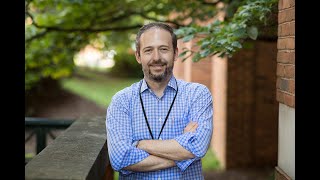
In episode 34 of the Immunology Podcast, hosts Dr. Jason Goldsmith and Dr. Brenda Raut interview Dr. Jonathan Kipnis (Washington University) about neuroimmunology while interleaving a journal‑club style roundup of recent immunology papers. The episode begins with a discussion of a recent Science Translational Medicine paper on intranasal lipid‑conjugated vaccines that form amphiphilic protein‑lipid nanoparticles (AMPF) and achieve mucosal and systemic immunity via Fc‑receptor‑mediated uptake. The hosts then review three back‑to‑back Nature papers describing a newly defined double‑stranded RNA sensing pathway involving ADAR1, its Z‑alpha domain, and the Z‑BP1 protein; loss of ADAR1 leads to accumulation of dsRNA, Z‑BP1‑mediated amplification, and lethal interferon‑driven apoptosis/necrosis, which can be rescued by Z‑BP1 loss. Next, they summarize a Nature Accelerated article on the structural organization of the IL‑17/IL‑25 ligand‑receptor axis, showing that IL‑25 (IL‑17E) first dimerizes with IL‑17RB, then recruits IL‑17RA via a tip‑to‑tip interface, a principle shared across IL‑17 family cytokines. The conversation then shifts to Dr. Kipnis’s expertise in neuroimmunology. He revisits the historical concept of brain immune privilege, critiques the classic Medawar model, and explains that the blood‑brain barrier and lack of lymphatics are not absolute barriers. He describes the glymphatic system, CSF flow, and the discovery of meningeal and skull‑bone‑marrow immune reservoirs that surveil the CNS from its borders. Microglia are discussed as resident macrophages with roles in synaptic pruning, vascular patrolling, and crosstalk with peripheral immune cells. The hosts explore the presence and function of T and B cells in the CSF, cytokine signaling (e.g., IFN‑γ, IL‑4, IL‑17) directly onto neurons, and the concept of the immune system as a “seventh sense” that informs behavior and cognition. Finally, Kipnis shares a personal hobby (rose breeding) and the episode closes with acknowledgments. The discussion blends vaccine technology, innate RNA sensing, cytokine structural biology, and emerging concepts of brain‑immune communication, highlighting Kipnis’s perspective on how immune surveillance, CSF dynamics, and border‑resident immune cells shape neurobiology.
Chapters
This is episode 34 of the Immunology Podcast, Immunology of the Nervous System with Dr. Jonathan Kipnis. Hey everyone, this is Dr. Jason Goldsmith and Dr. Brenda Raut. Welcome back to the Immunology Podcast where we have conversations with immunologists. The Immunology Podcast is brought to you by Stem Cell Technologies, a global biotechnology company supporting life science research in fostering communication and collaboration in science. Today we have Dr. Jonathan Kipnis from the Washington University School of Medicine in St. Louis on the podcast to talk about his research studying the complex interactions between the immune and nervous systems. We've also got our usual roundup of recent highlights in immunology news coming up.
But first, looking for a quick reference that you can hang on your lab wall? Stem Cell Technologies has various wall charts covering different immunology topics, including a snapshot of COVID-19 an overview of antigen processing and presentation, and more. Explore all the immunology wall charts and order your free copy at stemcell.com/immunologywallchart.
So how are you, Brenda?
Oh, I'm doing quite fine.
So I know this month is National Immunization Awareness Month, which, you know, for us is just talking about more vaccination papers, which I will do later today.
I mean, it's hard to overstate the importance of vaccines, right, in human health and how far they've taken us to improve the life of so many people around the world. It's a bit problematic, right, that nowadays we've seen this decline worldwide in the percentage, particularly of immunized kids, which refers not only now to, of course, COVID vaccination, but all these other vaccines that children get early in life, you know, against diphtheria, chickenpox, measles. And it's so important to keep updated with all of those vaccinations everywhere. I was looking at some numbers that brought forward by the AAI in which they suggest that immunization rates in children in the US declined from an 86% coverage in 2019 all the way to 81% last year, which I guess doesn't— maybe at first doesn't look like such a big decrease, but it's a steep decrease. But if this tendency continues, it could be quite problematic, especially for those diseases that are so contagious and require really high levels of vaccination to keep true herd immunity, such as measles. And yeah, I mean, this last year due to all the disruptions in the healthcare everywhere, I think this has been seen all over the world. But it is important for children to keep their vaccination appointments and for parents to be aware. And on that note, the AAI provides information. They have a website where they're sharing sharing the National Immunization Awareness Month resources, including a description of the vaccination for children and also for adults. So it helps you make sure that you have all the vaccines that you require and check that. So I think— so the website is www.aaai.org/NIAM for National Immunization Awareness Month. And it's a very nice resource from our friends at the AAI. So for those who are looking for information for friends or family, might be worth checking out.
Well, given all the vaccine talk, I'm just going to hit you with an intranasal vaccine. So just hold still.
Yes, I'll be here. Just bring it on.
All right. So this paper is Intranasal Vaccination with Lipid-Conjugated Immunogens. Promotes antigen transmucosal uptake to drive mucosal and systemic immunity. All right, so first author is Brittany L. Hartwell, last author is Darryl J. Irvine. It was in Science Translational Medicine, came out the 20th of July. So the story is actually pretty quick. They have found and previously shown and really kind of optimize it here that if you take your usual protein, obviously if you just inject that intranasally, it doesn't work very well as an antigen. And there's adjuvants, but they found if you take a protein, throw a PEG, the linker on it, then have an amphiphilic tail, A, those will form lipid nanoparticles, right? And then B, that as a system can be uptaken by FC receptors using albumin as a co-carrier. So what happens is these AMPF, which is what they call them, AMPF proteins, bind to albumin, and albumin with them are uptaken by cells with the Fc receptor, and that creates then the antigen response that you can generate a response to. So they show this for both an HIV protein and COVID receptor binding domain here, and they do it in both mice, and then in, in one case, rhesus monkeys as well. And then they show that if they give an intranasal vaccine, and through multiple steps they show that you can get this intranasal vaccine The FC receptor is responsible for the uptake in the nose. They can see it go into the nose cells. They can see it get not just stuck on the cell surface, which they can do, show that depending on if you like knock out the FC receptor, it gets there. If you just put the regular protein without the amp tail, it just kind of sits on the surface. But if you do the whole kit and caboodle, it's intaked into the cells. They show that with fluorescent microscopy and sectioning. And then that leads to antigen response. It leads to antibodies, IgG and IgA. Antibodies and IgA is important because of that mucosal protection. And then they actually show that you get distant mucosal protection as well. So nasal, they'll look at rectal and vaginal mucosa for HIV, right? They can look at the lymphoid-associated tissue as well in the lungs for COVID. And they find that the other mucosal surfaces start generating IgG and IgA as well to these antigens. And then they do a couple different adjuvant studies. As well and demonstrate that, you know, adjuvants that both, you know, R&D-type adjuvants and ones that are in late-stage commercial development for Novavax, which by the way now at this point is approved, but at the time the paper was written wasn't, so they were talking as a late-stage adjuvant. Well, now it's an approved adjuvant in that formulation. So those also then help with this setup and work well. And so they, as I said, they do a combination of mouse studies They finish it off in some rhesus monkeys. They show that they have high titers against the viruses that they're looking for, and that it goes not just through the nose, but everywhere else you want it to go. So I was like, cool, good story. Let's do this.
Okay.
We just have to wait 5 years.
So it would be an alternative to what has been currently discussed for nasal vaccination, which were Either the adenoviral vectors, right? Exactly.
It's just a protein that naturally makes lipids.
Yeah. So you don't need to make the vectors, right?
You just suspend them in water and then they form these lipid particles themselves. I think they're about 30 nanometers, if I remember right from the paper. So they make lipid particles themselves because they are the fat tail with the protein. And so it'll bury and do all what you expect it to do.
I assume then that would be a little bit easier, or hopefully to make, and maybe easier to scale up.
Sometimes with the lipid particles though, there could— they can— well, there's no RNA, so won't degrade, but lipid particles can be a bit of a pain and required some level of cold chain.
Yeah.
And adenoviral vectors have their own manufacturing issues and everything else. This, this is relatively— it looks like easy to manufacture because it's just a peptide with a linker.
Yeah, yeah. Okay.
Versus a viral vector.
Well, I hope that— well, I don't know. Again, we cannot have too few options when it comes to nasal vaccinations for respiratory diseases. I really hope that this will, there will be a turn into what's available and maybe in the future and having nasal vaccinations for these diseases will be just common.
That is what I would hope is at least that you get, I think the, you know, the old primary series for the main vaccination, you know, IMs, you know, and then follow up with a boosters or secondary series nasally would be wonderful to get the IgA.
Yeah. All right, so we'll wait for it and hope for the best. Um, so if I may continue with today's, uh, journal club, I, I couldn't help myself and I'm gonna talk about 3 papers. Jason, I'm so sorry, um, but I want to discuss this. There's a trilogy that was published in Nature on July 20th and describes— there's 3 different papers that describe a very interesting new pathway of double-stranded RNA sensing. And they come from authors Nicholas Hubert at the lab of Andrew Oberst at the University of Washington in Seattle, authors Yupeng Jiao and Lawrence Backsmuth from the lab of Manolis Pasparakis at the University of Cologne, and Richard de Rover and Simon Verdonck at the lab of Jonathan Melfed at the Flanders Institute of Biotechnology in Belgium. So these three papers very nicely converge on a similar conclusion using sometimes slightly different mouse models, and I mean a lot of mouse models, but they end up showing a previously unknown interaction that is part of the pathway for sensing double-stranded RNA that results in the upregulation of interferon signaling, interferon type 1 signaling, and expression of interferon-stimulated genes, which in many cases results in the apoptosis or necroptosis of cells affected. Because of course, double-stranded RNA are often tail telltale signs of a viral infection, and therefore you want a quick response for innate sensors to shut down a potentially infected cell. So the work of these papers focuses basically on two main enzymes, starting with the enzyme known as adenosine deaminase acting on RNA, which is known as ADAR, which is an enzyme that can identify double-stranded RNA and catalyze a conversion of the adenosine nucleotides into inosine. And this leads to a change in the kind of the coding sequence of this RNA, which prevents the function for transmitting viral information. And also this destabilizes this double-stranded structure, which in principle affects the function of the RNA in the case of a viral infection. Importantly, this protein has a domain that specifically binds to what is known as Z RNA, which is similarly to Z DNA, is this alternative left-handed double helix structure. And these domains are known as Z alpha domains. And interestingly, there's only one other protein identified that has Z alpha domains that bind to Z RNA. And this is a a protein known as ZBP1, which is upregulated by interferon signaling. So, it is technically an ISG. And it has already been identified as part of the downstream signaling of interferon-stimulated genes upon nucleotide sensing in the cytoplasm. And it has important kind of functions towards signaling for apoptosis and necroptosis by interacting with other members of these pathways, particularly RIPK3, MLKL, and by triggering caspase-dependent apoptosis. So basically, both these proteins are involved in the response, in the kind of the cell death response to internal nucleotide sensing. What is very interesting about these Z-alpha domains, particularly in ADAR, is that the deficiencies in them have been associated with particular health effects. There's one syndrome known as Aicardi-Gutierrez syndrome, who basically has very severe developmental disorders in patients. There's several mutations that are related to nucleotide sensing that generate this syndrome, and one of them is a heterologous situation in which you have an ATR null allele together with another allele that is incapable of binding through the said alpha domain because there's a mutation in there. This results in this pathology, which can be modeled in mice by also adding a null allele together with mutations in the said domain binding. Area. And these mice have very severe disease early after birth characterized by a lot of death of the lining of the intestine, particularly problems in the development of immune cells. And the mice don't survive past a few weeks. And on the other hand, a complete knockout of ADR1 is embryonically lethal. So that doesn't take you anywhere. Interestingly, when they look at this other protein, ZBP1, that has also this Z-alpha domain, in all of the cases, in all of these papers, they show that knocking out ZBP1 or modifying the domains, the Z-alpha domains of ZBP1, really clearly reduces the lethality and the pathology that you see when you combine this with this heterologous mutation in ADAR1. By knocking out the SETBP1 or by preventing SETBP1 binding to SET RNA, they dramatically reduce pathology. This suggests that SETBP1 is directly involved in exacerbating the disease. Potentially by binding and recognizing double-stranded RNA species. Basically, what they suggest is when you don't have a functional ADAR, and they show this in their data, you have an accumulation of these double-stranded RNA sequences that are available to activate downstream signaling, which are on the one hand detected by classical RNA sensors such as MDAE5, that ultimately activate signaling pathways that result in interferon activation and upregulation of, amongst others, ZPP1. But it is on top of that, ZPP1 also can bind and amplify the response initiated by these other sensors. And basically, the way that they show this is that, as I said, knocking out SETBP1 on top of this pathogenic ADAR genotype, although does not prevent interferon signaling because you still have a modest upregulation of ISGs, you don't have the full-blown pathology. And this is something that wasn't really known before. What is also very interesting is, particularly in the papers from the Melfait lab and I think also Pasparakis' lab, is that they also tried to identify ligands for SETBP1 that are not derived from viruses because they do see kind of a situation of sterile inflammation. And they show that there are these repetitive sequences that are common along the genome, particularly of humans. There's tons of repeated sequences that many of them get transcribed and are part of untranslated regions of various genes, particularly ISGs, so interferon-stimulated genes. And this RNA, when they become RNA sequences, these repeats can kind of bind to each other and generate themselves hybrids. This is an example of what are known as Alu sequences and Alu-Alu hybrids that they become double-stranded RNA that can actually activate SETBP1 in the absence of kind of viral double-stranded RNA sequences. And I think this really shows an alternative way of activating this pathway and maybe show the different source of spontaneous activation of particularly these double-stranded RNA sensors. I thought it was very interesting. I really like this idea that they all converge to basically the same conclusion in which they identify ADAR1 as a negative regulator of ZEP1. Which prevents SETBP1-mediated apoptosis and necroptosis of cells. And really corrected SETBP1 as an integral part of the mammalian double-stranded RNA response, which I think before we didn't really know. And they came at this all together and they published it all kind of back to back. So it was really, really nice. And although it was quite a challenge, definitely not my area of close study, it was really really, really very satisfying read for anybody interested in innate, innate immunity in cells.
So what made them get drawn to ADAR1 to begin with? Like, because that's the new sensor, right? ZB1 isn't— is not the new sensor, is it?
No, it is. So ADAR1 is one of the genes that is associated with the Aicardi-Goutières syndrome.
And ZBP1 was an unknown protein before, unknown what it did?
It was unknown that the binding through its RNA binding domain or the kind of double-stranded nucleotide binding domain was very important in the context of these diseases. When you lose the function of ADR1 and you have an accumulation of these double-stranded RNA species in the cytoplasm, then you have SETBP1 all of a sudden being overactivated by this double-stranded RNA that usually shouldn't exist in this amount because you have ADR1 taking care of it. And so what you have is basically like a cascade in which you start first with kind of canonical sensors of double-stranded RNA such as MDA5. That activates the mitochondrial antiviral signaling. So this MAVS system that is associated to the mitochondria, and this really initiates type 1 interferon responses from the cell. And amongst these genes that are activated from— so the ISGs, the interferon-dependent genes, one of those is ZBP1. And ZBP1 by binding to this double-stranded RNA, it exacerbates the whole interferon response and generates the overpathology that you see in when you have— because if you don't have this protein, then the overall response is a lot smaller. So you have— you don't have this— the mice don't die in the way they would, even when you still have ISGs being upregulated because you still have for example, MAVS-dependent activation, but it's not so pathological. So there's like this extra tuning of— by, by ZBP1 that had not been described before.
Gotcha. All right. I'm just going to segue here. So the next paper I have is Organizing Structural Principles of Interleukin-17 Ligand-Receptor Axis. It's a Nature Accelerated article. Published July— accepted July 15th. First author, Stephen C. Wilson. Last author is Christopher Garcia. And it combines my two, or many of my favorite things, which are structural biology, single molecule microscopy, and immunology. So high level, and we're going to have to summarize here. So the IL-17 family has multiple ligands and receptors in it. So interleukin IL-17E, also known as IL-25, because you know you got to name things twice in immunology to, to keep things nice and easy to understand, regulates Th2 responses. And it's involved in— requires both the IL-17A receptor, so IL-17RA, and the IL-17RB receptor to have functional responses. So they wanted to understand what's binding to what to cause what to happen to signal, right? Which isn't known. We just know that we have all these parts. So they use cryo-EM, some cell-based signaling and single molecule techniques to figure out what's going on. And by cell-based signaling, basically looking at reporters. Knock this out or express this, do we get the downstream effector or not? But high level, what they find is, is that the IL-25, IL-17RB makes a homodimer. And that then, an IL-25 only binds with IL-17RB. All right? And that complex, then binds with IL-17Ra to make the final signaling complex. And this is a— there's a tip-to-tip interface between these three, and that is what causes intracellular signaling. And so if I get this all right here, this also looks similar among other IL-17 cytokine complexes because they also see that this happens with IL-17 A, and then Sial17 RAA and RC. So they see the same organizing principle in that setup as well. And they think that this tip-to-tip formation, which leaves kind of a lot of space at the membrane proximal level between different things, is due to proximity constraints, like these are bulky and they don't fit well together. And so the intracellular domains then, that is involved in intracellular signaling. But high level, what I think is interesting here and they get at is that we had two subreceptors, right? A and B, and then a cytokine. And no one knew like, well, does it bind to one or the other? Is the receptor a mix of RA and RB? And is that what starts it? And then IL-25 comes on top and hits, right? Because you could have a heterodimer receptor. But no, IL-25 fully engages with IL-17RB, and that forms a complex that then promotes the binding of IL-17RA, and that's what makes the signaling system. So again, they do this by cryo-EM, followed by some single molecule as well to show that these different interactions are together. So for those who don't know, single molecule, you dilute things down a lot. You then have a microscope that through fancy optics can track individual light particles. And so you get past the diffusion, you get past the diffraction limit of light microscopy through fluorescence and low dilution. So you know that one green dot is only ever one molecule because you're kind of at the Poisson statistic distribution when you pipette it out. So at the very worst you have two, but 99% zero or one. And then you can then see, oh, a green and a red come together and you can do FRET to understand this for binding to see the FRET interaction, or you can just look at colocalization, but then you can see that these are associating with each other. Then you can have a third one and have a ternary complex and what have you. So they can show that these different ratios work there. And then they did things like SPR, surface plasmin resonance, to show the binding and show that essentially if you stick IL-25 and IL-17 receptor RA together, you don't get binding. If you pre-incubate RB in 25, then you can get IL-17 RA to bind in that assay, which is basically mounted on a chip and then flow in the other part. So they map the cell out, they show downstream signaling with reporter cells, and basically have a really nice biochemistry paper, which makes me happy inside.
I'm glad it makes you happy. So just for me, when it comes to downstream, the signaling differs between IL-17 and IL-25?
Well, so there's— right. So IL-17A binds to IL— uh, I have to pull this up— IL-17A, the cytokine, which is— remember, so IL-17E is the same as IL-25. IL-17A is what we think of as IL-17. IL-17 binds to— the combination of receptors RA and RC, right? And that has a similar structure to what they studied here. So they did that at the end, but what they studied here was IL-25 signaling, which is also known as IL-17E. Because it shares the common RA receptor.
Right.
But IL-25's receptor is IL-17RB combined afterwards with RA. And IL-17A is RA and RC.
Fun.
Yes.
Okay.
Yes.
Okay.
It's fun.
Receptor binding. You know, the nitty-gritty details. Ugh.
Hey, it's all in the details. All right, all right, we'll get back to biochemistry soon. Maybe we'll get a biochemistry of vaccines going paper. That'd be good. We've done one of those before. But now it's time for neuroimmunology, and we're going to be speaking with Dr. Jonathan Kipnis at the Washington University School of Medicine in St. Louis. But before we get to that, as a reminder, if you want to explore scientific resources for immunology research at the Stem Cell Technologies Immunology Learning Center Choose from different research areas and find expert interviews, technical tips, educational webinars, instructional videos, and much more. Visit stemcell.com/immunology-research.
Hi everyone. Today we have the honor of talking to Dr. Jonathan Kipnis. He is professor of pathology and immunology at the Washington University East St. Louis, and he's going to be talking to us about very fascinating research in the area of neuroimmunology. And we actually have covered one of his recent publications in one of our episodes. So I'm really looking forward to hear what he has to say about the coverage and to maybe dive a bit deeper on the topics we discussed. Professor Kimmich, thank you so much for joining us.
Well, thank you for having me. It's really a pleasure and an honor being here. Thank you.
Thank you for being here. And for our listeners, if I'm a little hazy today, I'm a little traveling around. So I'm not at the home studio, I'm at the backup recording location.
Let's get started. I would like to kind of start the topic of today with a little bit covering up the basics, because I think our understanding of the role of the immune system in the brain and the central nervous system has really changed and evolved in the last maybe 20 years or 30 years. No, I think from like We spent a lot of the 20th century thinking that the brain was this special realm of the body that was kept away from those nasty immune cells that would bring inflammation. And that there were certain experiments that suggested that there was a mitigated immune response in the brain. So, and that's where kind of we were maybe 40 years ago. But We have changed our understanding. So maybe I would like to ask you if you can give us a little bit of an overview of how our understanding of the functions of the immune system in the brain and the central nervous system has changed. And what are we standing at the moment?
Well, this is more like a— I can give you a whole lecture on that, but I guess it won't go very well. So I think briefly, until maybe about 20, 15 years ago, The concept was that if there is immune system presence in the brain, some pathology is going on. And therefore the idea was that the two systems should live completely separately from each other. And in the last maybe 20 or 15 years, we started to realize that, you know, this immune activity around the brain is normal and actually not just normal, it also supports brain function and many aspects of the brain. Are to some extent dependent on this, on this immune surveillance and immune function. Every organ in our body is being surveyed by the immune system, right? So if there's a problem, immune system needs to know because this is our maintenance force in the body. So thinking that the brain doesn't need immune surveillance is a little bit kind of weird today when I think about it. But that's what we lived with, right? That was the dogma. So immune cells will be there only to do some pathology. And, you know, to be honest, we should also remember that even though the pathological aspects of immune system started from probably from working on disease like multiple sclerosis, but these studies also contributed tremendously to the entire field of immunology. So I think from this brain immune pathology, we've learned a lot. And there are some big, big names who contributed tremendously to the field. So I think these pathological interactions were extremely important, right? I mean, we know now how cells get in and what's wrong going on and lots and lots of interesting things. But the physiology was a little bit understudied. And I think now, wonderfully, I mean, things are getting back to where they should be. And people are asking, wait a second, so why do we have all these T cells around or all these B cells around and all these macrophages? I mean, or gamma delta cells, you know, you name it, right? You name it and the cells are there. And so what are they doing?
To continue on that though, so there are immune cells in the brain and they're there all the time, not just when something terrible happens, but there's still kind of a concept of immune privilege, at least somewhat, right? That it's not normal and people hopefully can hear my air quotes here with that. But can you speak to that a little bit at a high level of how the brain immune system is fundamentally different than the systemic immune system, or say other tissues with resident immune cell types all over the place?
You know, the whole idea of immune privilege, uh, if everybody refers back to Medawar from the '40s— I think the initial papers were in the '20s, um, actually '21, and June was a paper showing that the red cancer cells, you implant them in a mouse brain and they wouldn't be rejected. And then there was a follow-up, and then Medawar showed it with skin transplantation, right? And basically, if you read carefully Medawar's papers, what he showed is if you put a piece of foreign skin and you put it in a brain, it indeed won't be rejected. But if you put it on a skin and in the brain of the same recipient, then both sites will be rejected, which already tells you from the '40s, right, that if you activate, if you prime immune cells in the periphery, they will be able to cross barriers and they will be able to get into the brain. This was extremely important finding of Medawar, which was completely forgotten and ignored. Um, you know, because, because, because everybody just focuses on what they want to focus on. And I read both of his books. Uh, I think he wrote only two books. One is the advice for young scientists and the other one is his autobiography. He talks a lot about his findings, but he doesn't mention the brain at all. So I don't think for him the brain and the eye immune privilege was so important, but everybody of course kind of gives him the credit because maybe because he was Nobel laureate. And so by saying Medawar discovered But it makes it sound a little bit more. So again, I know I would love, I would have loved to talk to him and see what he really thought about this whole idea of brain being so immunologically unique. Now, so the, what, following up in the following years, the mechanism when people were giving to this immune privilege is two things, right? Number one is we have blood-brain barrier, which is impermeable barrier. And number 2 is there is no brain, no lymphatics that services the brain. So first of all, claim number 1 is wrong. And going back to Medawar, he showed that your prime cells in the periphery, they go into the brain. MS is cells getting into the brain. Brain infections, you have— the patients are dying from immune response, overactive immune response. So, and it's been shown beautifully by Bill Hickey, actually, when he was back here at WashU, that if you activate the T cell, it will be able to cross the brain barrier without any problems. So that's not a problem for immune cells crossing a barrier. And the second thing, the lymphatic part, not having lymphatic drainage of the brain is also wrong. And we showed this in 2015 in our paper where we showed that there are lymphatics. They're not in the brain. They're outside in the borders, but they drain the brain into a draining lymph node. So the two mechanisms, quote unquote, of why brain is immune privileged are wrong. But there is a big but. To it because there is still a very unique immune response, right? So you still put that piece of skin or that sarcoma cell line from a rat in a mouse brain and it will still be there, won't be rejected. So there are some other mechanisms which allow— I don't, I'm not sure if immune privilege is the right term because I think the people interpret it in the wrong way, but I think there is an immune uniqueness to the CNS tissue and what mechanisms are responsible for it. I don't think we understand it. I mean, that's what I, when I go to sleep, that's what I think about.
That's what your brain thinks about. How?
That's when I cannot fall asleep. That's what I think about.
I guess in that sense, it's not a coincidence, right? That we have this different priming, this kind of would say more tolerant environment in the brain, what are the risks of allowing inflammation? Because other tissues maybe have a little bit more, they're more tolerant towards inflammation, or it's easier to end up having inflammation. But inflammation in the brain is very, I would say, is a very dangerous thing to have. Would you agree with that? And maybe that is part of the evolutionary pressure to have a slightly different kind of environment that we don't understand how, but that's how it is.
Yeah. So, no, I, the analogy that I give is the brain is like a household with a bunch of babies, sleeping babies that you wouldn't want to disturb. And then immune cells that are partying are party, party, party people. So you don't want, you don't want party in your house when you have sleeping babies, right? As a parent, I can very much relate to this analogy. I don't know if you get it. And so what do you do? What do you do? You still want to live your life. You still want to host your party. So what do you do? Well, so you host outside of the house, you host in your yard, or you host on your terrace or whatever you have. And so that's how brain operates. So instead of in every other tissue, we have patrolling happening through the tissue, right? We have lymphatic vessels in the tissue. We have APC in the tissue. For the brain is very different. The brain operates through its borders. So the immune surveillance of the brain is happening through the border, not through the brain. So you still have— so instead of, uh, immune cell coming inside the brain and crawling around and bothering those sleeping babies, you take the, uh, the, the, the, uh, whatever, uh, the antigens, of course, I mean. But, you know, you take your, um, food or whatnot and you take it out into your front yard or backyard, which are brain borders. And I think this is In my opinion, this is a very unique mechanism. I don't think any other organ, maybe eye and ovaries that are immune privileged also doing the same thing. But then for the brain, I mean, that's the beauty, right? So you have these antigens which are being removed from the brain through this, what Mike described as glymphatic flow. And then it reaches the brain borders. And then there all immune rules apply as if it was a regular tissue.. And because we have this barrier, this barrier tissue between the brain and the immune system, I think that all the responses are a little bit more, they're modulated. They're not as acute because everything is happening in the periphery. And you probably need many, many more signals for these immune cells from the borders to dive into the brain. So, of course, in case of pathology, immune cells can do it and they can dive inside, but normally they just wouldn't go.. And that whole thing, of course, gives you a very different type of immune surveillance, probably driving less inflammatory responses, et cetera, et cetera. A lot of, from what I said, some of it is, of course, you know, it's my imagination and hand waving, but I think the idea that antigens could be driven from the brain out in the periphery, out of the borders, presented there, and that's where immune surveillance is happening. We have a paper that's showing it. I think that as more works are coming, and I think that overall this concept is being accepted by the scientific community. Of course, we need more, we need more proof and we need more substantiation for this.
So to keep along that line, um, with the cerebral spinal fluid, the paper that we covered a little bit ago, how does the cerebral spinal fluid play a role here with all of that? Because if you think about it, like, it's— I mean, sure, the liver makes bile, but that's for the gut to digest stuff. You have your two basic circulatory systems, your lymph and your blood, right? So, and that your regular blood cells, and the lymph is for a lot of the white cells, you know, the circulatory system for your blood cells. But you have this whole other system, your CNS, for your cerebrospinal fluid, right?
Which is weird. Well, so, you know, if you open textbooks, which you're an MD, so you would know, it says that the CSF is required for brain buoyancy, right? And so when I was teaching it, I would say, well, you know, when you turn your head so the brain doesn't hit the skull, we have CSF in it.
From your paper, that suggests that it's not necessarily true.
But, you know, before that paper, right, if we're going back to 2013, '14, '14, Mike Nydegard, who is professor in Rochester and then also in Copenhagen, came up with this very, very cool idea. She said, okay, brain doesn't have a lymphatic system. It was before our discovery of the lymphatics in the periphery. She says, but brain is still a very active organ and it has to wash somehow. You need somehow to cleanse it. And what she showed is that there are perivascular spaces through which CSF can actually flow through and then gets into the brain tissue itself and washes the brain tissue. And so she gave this a name, a glymphatic system. G stands for glia, which are the support cells of the brain, and the lymphatic is the function. So basically perivascular space. So vasculature dives into the brain from this end. You have astrocytes, which are, which are glia cells. And then that creates a space. And so arterial pulsation pushes the CSF and washes through the brain. Sounds a little bit crazy, but this is basically kind of one way to allow brain cleansing without having lymphatics going all the way through the brain. And so now CSF basically serves as a medium for everything. So we produce it in the ventricles of the brain, it flows around the brain, the CSF, but it also gets inside the brain. So we make clean CSF, It goes in, goes, washes through the brain, and comes out as dirty CSF. Dirty CSF meaning it carries the proteins and molecules from the brain. And now this dirty CSF continues its route and goes into brain borders before it hits lymphatics to be removed out. Antigen-presenting cells are actually also meeting CSF, obtaining all the molecules and presenting them for immune surveillance. And what we showed in the recent paper that you're referring to, we showed that some of the CSF Not, not all of it gets out through the lymph nodes. Some of it continues and actually reaches the skull bone marrow sites. And what we showed last year in a paper back to back with Marko Vlonslav is that the skull has bone marrow sites which are producing myeloid cells and B cells which are supplied directly to brain border. So brain has its own immune reservoirs. So it doesn't have to depend on periphery. There's no VIP status of the brain. So it's really immune privileged. It has the privilege of having its own immune, immune, of having an immune reservoir of itself. So definitely a privilege compared to other organs. And then the CSF basically goes from the brain all the way directly into those sites in the skull, which probably is a good thing because it probably informs those reservoirs of what's happening in the brain. So if there there is a problem, and we show this, let's say if you do injury even in the spinal cord, you start seeing immediate myelopoiesis. And so all are actually become very, very active. So suggesting that there is a communication from the brain to the, to the site with, without innervation, the CSF kind of delivers the messages. So it becomes a very, very important system to allow to cleanse the brain, to allow immune surveillance of the brain, and to inform the immune reservoir brain.
And so, but there's, there are a particular subset of immune cells that are inside the brain that we've always kind of known they're there, the microglia. And they are providing some of this information, right? Because, or what is, what do we understand about their role as real resident cells in the brain?
So, no, microglia are definitely, so this is the brain macrophage, tissue resident macrophage, which is in in every organ and we have it also in the brain. Those are microglia. As in every other tissue, they probably acquire unique features of the tissue and they probably can do some unique aspects of that tissue need. I think same is with microglia. There is very interesting work from Beth Stevens suggesting that they can prune synapse, not only Beth Stevens, others as well, Cornelius Gross and several other labs. Have shown nicely that microglia can prune synapses. So directly affecting maybe even neurodevelopment. There is work from Amanda Sierra and another lab saying that they can maybe prune or eat extra progenitor cells which are being produced in the brain. There are now more and more work suggesting microglia are maybe patrolling brain vasculature even though they can't really reach the brain vasculature. So that may be a little bit anatomically, I don't fully understand. And again, there is, you know, there is beautiful work from Ann Schaeffer's lab showing that actually microglia are affecting really function of neurons, which is— it's all very, very, very interesting, right? But those are resident cells of the brain. So what we are— what my lab is primarily interested are the cells in the periphery of the brain and how these kind of peripheral cells, but the border cells, how they affect brain function. There are, but you know, again, so if we're going 5, 7 years ago, we would say microglia are in the brain. Everything else is outside, but slowly, slowly there are papers that maybe in aged humans' brains, we see T cells, we see B cells, we see NK cells, even in aged mouse brains, we can see some of these cells. There is beautiful, there's a lab or two that claiming for mast cells in the brain.. And they're showing some very interesting work on that. There is now a paper from Adrian Liston's group in the UK showing that without T cells, microglia will not differentiate fully and will not mature fully. Now, do T cells have to be inside the brain to affect microglia maturation? I'm not so sure, but Adrian thinks they do, and he shows that cells are there. So maybe this neuroimmune interaction is even more evolved than we now understand, because in my mind, it because microglia inside, everything else is out. But things are changing in that front as well.
So to continue on this kind of notion in the cerebrospinal fluid, clinically, like when you see a bunch of white cells in the cerebrospinal fluid, that's bad. But also it's never zero. You know, it's zero, one, or two per— I forget if it's mil or 10 mils or whatever the— so there's always a few there. It sounds like maybe then part of the message is that those cells are actually pretty active in doing things and communicating. And even at rest, they're kind of your messenger cells, like just going back and forth and saying, what's up? How's it doing? Everything okay here? Is— have we been able to understand more of those cells and their function yet? Like the quiescent state, not the I have MS or I have meningitis and there's a bajillion immune cells coming out of your CSF. It looks white when you tap it. I'm talking about like this regular old run-of-the-mill straw-colored CSF.
Yeah, no, this is a brilliant question because when I just started my lab, I went to talk with physician who will remain unnamed and I told him, can we look at CSF from healthy or normally developing and autistic kids? And he told me there is nothing in the CSF of autistic kids. We looked and I said, what do you mean nothing? He goes, well, there's no cells. I said, well, there must be some white blood cells. He says, no, it's zero. I said zero. He said, well, maybe 1 or 2. And I said, 1 or 2 per what volume? And he said, well, per microliter. I said, well, then that's like, it's a half million to a million. It's a lot of cells that you can take with a CSF. But you know, CSF, when, so you were looking in a mouse, right? Majority of the T cells actually, and B cells will be adhered to either arachnoid or the pia. So in the CSF will be minority. So if you have half million T cells in a CSF of a human, that tells you that there are millions of cells sitting there. It was probably 15 years ago. He basically dismissed me, so I left. And then I think the first paper that I am aware of came from Tony Weiss-Coriz lab several years ago. David Gate was the first author showing that there are some viral-specific big T cells, CD8 cells, in the CSF of Alzheimer's patients. They don't know what these cells are doing. They may be good, they may be bad, they may be irrelevant, but they do find clonal expansion. And so we have now a big paper that we are actually revising, which also addresses the role of these different T cells in the CSF. Over the last maybe, I don't know, 20 years, we and others have been showing the potential role of different T cell subsets on brain function. And it's very cool, right? So you could take different cytokines and then produced by different subsets of T cells, and they affect, they modulate different behaviors. So for example, I mean, probably the most known one has been done by many, many groups now is IL-17. In our case, it's produced by gamma delta T cells. I think we're in agreement with a group from Portugal, Bruno Santos Silva. But the thing is basically is you make There is a meningeal cytokine which affects behaviors. IL-17 drives particular behavior, gamma drives something else, IL-4 drives something else. And they're all produced by T cells. Now, do we understand the picture fully? No, but we have these very interesting points, which I think would be very cool eventually to put the puzzle together and then get maybe a little bit clearer picture of this brain-immune interaction and how it affects our behavior.
That is really, really interesting, particularly because, yeah, we always talk about the effects of different— I'm a T cell, I'm a T cell enthusiast, so I'm always looking at what different profiles of T cells are doing. Now we have a kind of an idea of how they affect another, another parts of the body, and given that the brain is such a complex tissue organ that we don't completely understand. It's just really fascinating to see these two complete sets of complexity coming together and just baffling us completely.
On one aspect, I agree. I agree. This is kind of— I don't know, the question I was constantly getting is, why would immune— so from neuroscientists, why would immune molecules affect brain function? And, you know, it was hard for me to explain it, but then at some point I just looked at the problem from as immunologist, not as a neuroscientist. And I said, wait a second, we evolved into a world of microorganisms. Any behavior that you could think about, foraging behavior, mating behavior, social behavior, parenting behavior, any behavior that you do, if there is no, if you cannot protect one subject from the other, They will die for— they will die, right? So there is no— you absolutely— I think that actually evolution of the immune system is what allowed these complex behaviors to evolve. And, you know, as example that I give now is I ask people, think of your behavior in March of 2020 and your behavior in March of 2022. Are these two behaviors different? And Are they different because of one thing, the status of your immune system, right? We got the vaccine, we got boosted. And so we now feel okay to go to restaurants, take our masks off and do whatever. So this is in a span of 2 years. Think evolutionarily, the 2 systems had to communicate with each other. And on the other, and so that's gonna why immune on the brain and why brain on immune is because if brain controls every organ in our tissue, How can the brain not control the immune system? How can the brain allow the immune system to run unleashed? I mean, the brain is a master regulator. It is a computer, right?
So it has to control it. So I want to tie that in with the idea of master regulator, though, from being a gut microbiome guy to a large extent, you see some really weird stuff that happens, like the bacteria in your intestine metabolizes food differently in different people to produce neurotransmitters in different amounts. That affect your behavior to the point they think depression and the microbiome are transmitted, or they affect your immune function by priming it, which then also can affect your brain function. So I do wonder when we talk about the brain, obviously is the pilot, but sometimes I wonder if the cart is driving the horse, including with the immune system. Does the immune system, which is sensing all of the stuff in our environment, whether that's from the gut or from the skin, the lungs, right? The three main epithelial tissues. Is it generating signals that tell the brain how to behave? And so you think you're making a choice or you're having a behavior, and it's really just the fact that your immune systems are telling you what the heck to do.
So I don't know if you read it, but I wrote an article called Immune System: The Seventh Sense. It was in JEM, but then Scientific American asked me to write a little bit more for lay audience. So it's in Scientific American as well. And funny enough, the major criticism I received was, why do you call it Seven Senses? We have more than six other senses. I said, if that's the only thing that bothers you, we're good. It's good. I just, I didn't want to go with the Six Senses because of the movie. So I go with the Seven Senses. But the, I absolutely agree with you because if we believe that the brain needs to know, so You know, if I see now, if I smell smoke or if I see a lion and if I see a gunpoint, right, I will, my brain will take an action to protect me for survival, right? To make sure that I survive. So how can we think that the brain doesn't know about invasion of the pathogens into the body? So brain somehow needs to know about that or changing the microbiome. And these things would also kill you, right? As efficiently, probably, or more efficiently than as a gun or as a is a lion outside. And now how does the brain know about invasion or about changes in the microbiome? And I think this is where immune system comes in as a sensory modality, because immune system does, I like to tell my neuroscience trainees, I said immune system does lots of things quite all right. None of them really perfect, right? We need to boost it all constantly, but it does one thing exceptionally well, better than any other system, is recognition. You change one amino acid and it just, it knows that it was changed. So it's pretty amazing. So I think that one of the roles of the immune system is to recognize those microorganisms, both commensals and also those that invade us, and then inform the brain about them. And so there is a constant communication between the immune system and the brain. And then when we have a disease or a big infection, I think there is also communication to the brain and say, okay, shut down. We don't need, you know, to perform complex calculations because we are in a war mode. We need to fight the pathogen and maybe divert your energy, brain energy, to help immune system to fight the pathogen. That's why, you know, we have sickness behavior. We cannot think very well. Brain is in a fog. I think this is because immune system tells him, tells not him, but the brain, change, you know, change mode of action. That's how we see this thing. And so, Of course, then immune system very much affects the function of the brain. I'm not sure if it, you know, if it tells us, you know, I always give this example, right? So if you, if mouse learns a trick and then you take these T cells from the mouse and you put it in the other mouse, that new mouse will not know the trick. But if you remove T cells completely from the mouse, it'll be harder on that mouse to learn the trick. Yeah, that's how I see the two systems operate.
What I think is really interesting that unlike other stimuli that you mentioned, if there's a lion coming at you or there is something that catches your attention or you smell smoke, you have other senses that go through our consciousness that you can associate to this kind of more subconscious response. But in the case of whatever the immune system is telling you, we don't really have a kind of way of cognitively processing that information other than the sensation of sickness sensations or whatever kind of differences that the immune system makes. But I don't think those are things that we can consciously recognize in a way. And I think that maybe what has it has been keeping this field harder to delve into because how do you measure these things nowadays? I think, and maybe you can tell us a little bit about what are the measurements that we take or how do we go about studying this interaction? Because we can unconsciously, it's like, yeah, I don't feel very well. We all do that. Before getting the actual symptoms of flu, we already say, I feel I feel strange today. And usually that we, in retrospect, we notice, but at the moment we don't, probably don't pick it up.
Or, you know, of food which gave you a poisoning. You will refrain from eating that food for quite some time, right? Even though it will be fresh and all the way with the way it looks. I mean, you will remember this poisoning kind of response. And there were, there were, there are some works that showing that you can actually train the mouse. And if you give them, let's say, infected water, then there will be a memory to that particular, whether it's smell or location, or depends what you associate with, right? So clearly there is a, there is a memory to, or, you know, or another example is when you are sitting next to a sick person and then within minutes you start feeling sick yourself on a plane and somebody's coughing next to you and, oh my God, I don't feel very well. Uh, but it, you, you can only get infected so quickly. But yeah, this, this kind of brain-immune interaction, I mean, this is, I think it's happening all the time, but you know, to going back to your That's a very good question. One thing that today we know, of course, because there is so much data which is publicly available on single-cell nucleus neurons, for example, that we can look at— before it wasn't so known, but when we were— our very first cytokine that we have shown to affect neuronal function was interferon gamma. And so what we showed is that interferon gamma receptor is expressed in microglia, of course, but also in neurons. Now, why would you have gamma receptor in the brain in general, if there is no T cell that sits there that produces gamma or NK cell. But why would it be on neurons? So clearly the system is all prepared to respond to cytokines. And now, if you look now at any cytokine receptor, you will have them expressed throughout the CNS. Different neurons will express different cytokine receptors and vice versa. On immune cells, you will have expression of a bunch of neurotransmitter receptors, right? So clearly the two systems are ready to communicate and to talk to each other. So this idea that there is no interaction, I don't, I don't think anybody anymore thinks there is no interaction. I think now the question is how they interact, not whether or not they interact.
Yeah. And I think about fever, right? Get sick, have a fever, you get stupid.
Do you get stupid because of fever or because of the infection that's going on, which again diverts maybe your brain resources towards fighting the pathogen? And not necessarily towards, you know, by the way, by the way, actually you mentioned fever and it's very interesting. 25% roughly of autistic kids, I don't know if you know this work, feel their autistic symptoms are subsiding in kids when they have fever. And one thing which is not clear is whether it's the infection which drives the immune response to infection which drives this benefit, which is of course my kind of thinking, or the fever itself does it. It's a very interesting— if you Google it, you will find it, but it's mostly always parents reporting. But 25% of parents say that they can see in their kids improvement of the symptoms with fever. It's a fascinating story on its own. I don't know why nobody— we actually, we did some work. We even got funding initially from Spectrum, not Spectrum, sorry, from Safari, which is Simon's Foundation. We started doing something, but we didn't really finish this work.
It's a fascinating story. I would say there's a fundamental difference between neurons being sensitive to the increased temperatures. I guess that would maybe affect the neurotransmitters or the metabolism of the homeostasis of the neuron itself and neurons actually responding to cytokines through receptors and receiving kind of downstream signaling from those receptors, that would be— so, and I guess that kind of refers to what you mentioned, the difference. So, what do we know about that? So, I would say, yes, heat kind of is terrible in any case, or having, I don't know, less oxygen or having less glucose or things like that, but another thing is having actual specific signals that are consequence of specific other kind of signals from somewhere else that specifically go through receptors that are normally expressed by cells who are designed to respond to the immune system.
Exactly.
Yeah, that's what I absolutely agree with you. So I think these are two different questions, right? So neurons, bunch of neurons do have receptors for different cytokines. We just had a paper last year showing that interleukin-4, for example, signaling on neurons, directing on particular subset of neurons, is required for a mouse to learn a particular task. Now, will the mouse learn without this IL-4? Of course it will, but learning will be much slower and not as robust. With interferon gamma, we show that this is involved in social behavior. With IL-17, bunch of labs, not only our lab, showed anxiety behavior, learning behavior. And there's Gloria Choi and Jun Ha's beautiful work on how maternal 17 from the gut can actually affect neurons and then drive maybe autistic-like symptoms and neurodevelopmental problems. So, but this is all happening through direct signaling by cytokines on these neurons, right? So, which is— now fever is a whole different Fever is a whole different question because we don't understand, not we as we, but we as a scientific community, I don't think we have a good one agreed upon everybody explanation. What is the role of fever? Right? We have different hypothesis, but we don't have one good, again, the explanation for what is fever good for. As probably we don't know, we probably the same thing would be said about the sleep, right? We don't know why we sleep. We have a bunch of speculations and bunch of hypothesis, but we do not have kind of one thing that we say, okay, we absolutely know that sleep is required for that. We know if we don't sleep, we'll die. But why we sleep, the purpose of sleep as a state is not fully understood. The same thing, I think the purpose, this is the purpose of fever as a state is not fully understood.
I have one small thing. I wonder whether in the case you mentioned that we see that autism seems to have some connections with brain inflammation or inflammatory states in the brain. I wonder if, do you think in this field people might be a little bit reluctant to go that way because of, well, our previous, all these maybe he was already old, but a lot of people would know about the Andrew Wakefield story and vaccines causing autism, whether people might be afraid that then other people would be making those connections and say, well, inflammation then, and maybe that's why people are a little bit very cautious, or it's just that you don't think that enough research is done for no particular reason?
Well, so no, no, no, no. I think that the major problem with autism is that we don't have good animal models. Models, right? There are animals which are, it's a very complex, I mean, it's not a disease, it's called, the official name is autism spectrum disorder, right? So it's a very complex disease. And in animal models, you can maybe mimic some behavioral aspects that you see in patients, but it's a very, there's no one gene, there is no, it's a very difficult disease to really model in animals and I think that is why we don't understand mechanistic connection between what the immune system is doing in autistic spectrum disorder. But I actually think that the field and especially the parents are actually very much leaning toward realization that the immune system is playing an important role in either pathogenesis or potentially could be at a therapeutic angle. Again, we're limited because there are no strong enough animal, good enough animal models in this area.
So I think that we've had such an interesting conversation and I'm really glad that we got to talk to you. I think this topic is really fascinating and I assume there's research coming for years to come because the complexity must be quite impressive. And so we're looking forward to new research from your lab and from your field. And I guess that we could maybe move on to the last part of our interview, which we'd like to discuss with our guests, maybe something adjacent to the science that they do. We like to ask a little question. So in your case, we would like to know that if you had, you know, if you had all the time in the world, Is there any hobby that you would like to pursue but haven't, haven't done so this far?
Yeah, lots of hobbies potentially, but one thing that kind of comes to mind is, you know, I, some time ago I started growing roses and I had this idea that, you know, I'll be crossing them and making some new colors and new flowers and this and that to kind of combine the art, the phyla flowers But unfortunately, I had to give up on this dream. I may still go to it, but yeah, if I had more time, I think—
not gardening, but rose gardening. You can dive into peace like Mendel.
Yeah, yeah, yeah, yeah, yeah. Roses are a bit more beautiful because I admire the variety and the colors and the smell, right?
I just—
Oh yeah, for sure. Do you know the tale of the blue rose or the problem with it? So everyone wants a blue rose, right? But you can't get one because apparently the chemical that's the pigment, once you make it blue by shifting the chemical structure to have a different light absorption, makes it lethal to the plant. Oh, interesting.
Isn't that fascinating?
Well, maybe one day.
One day. Until that day, please continue doing great science for the benefits of the rest of us.
We will be very grateful for that. Very much a pleasure talking to you today.
Thanks so much.
Thank you so much for joining us.
That brings us to the end of our show. Don't forget to subscribe to our newsletter at www.immunologypodcast.com to get the show notes, including an episode summary and links to all the interview and roundup papers. You can also reach out to us on Twitter @AdImmunoPodcast or by email at info@immunologypodcast.com. Podcast.com with feedback or to suggest guests. See you next time.
More from Joshua







Scientist Stories: Hans Waterham, The value of phenotypic assays in peroxisomal disorders




Scientist Stories: Joel Zlotogora, Genetic carrier screening programs for reproductive purposes