Scientist Stories: Karen Edelblum, Inflammatory Bowel Disease
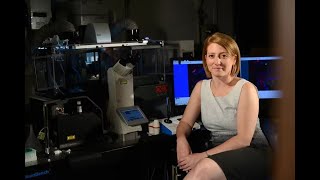
In this 2024 Immunology Podcast episode, hosts Dr. Jason Goldsmith and Dr. Brenda Raut interview Dr. Karen Edelblum (Rutgers) about mucosal immunology, cell biology, and microbiology in inflammatory bowel disease (IBD). The episode opens with a brief news segment on polio resurgence and a promotion for Stem Cell Technologies. The hosts then provide a high‑level roundup of recent gut‑focused conference abstracts, highlighting (1) goblet‑cell antigen passages and IL‑13‑driven tolerance, (2) CD4 cytotoxic T cells requiring epithelial MHC‑II for protective tolerance, (3) microbiome‑induced IL‑22 suppressing intestinal CYP3A11 drug metabolism, (4) IL‑23‑driven gastric SPAM metaplasia, and (5) C. diff toxin‑B‑induced biofilm promoting Wnt‑driven colon cancer. They discuss a recent Nature Immunology paper on RUNX3‑driven CD8 tissue‑resident memory programs and contrast it with CD4 cells. A comparative‑immunology segment introduces prokaryotic STAND/AVS proteins that recognize conserved phage structural proteins, triggering bacterial cell death. The core interview focuses on gamma‑delta (γδ) T cells: their evolutionary conservation, dual cytotoxic/IL‑17/IL‑22 functions, intra‑epithelial surveillance, crosstalk with epithelial MyD88 signaling, antimicrobial peptide production, and their role in IBD. Dr. Edelblum describes a newly discovered hyper‑proliferative γδ intra‑epithelial lymphocyte (IEL) phenotype that is transmissible via the microbiota and confers protection against enteric infection. They explore γδ T‑cell diversity (Vγ7, Vγ1, Vγ4), the mystery of TCR specificity, and how inflammation may cause γδ “vacation” (loss) that worsens disease. The conversation moves to technical advice on intravital microscopy, covering its strengths, limitations, and practical considerations. The episode ends with a light‑hearted “what would you be if not a scientist?” question, revealing Dr. Edelblum’s personal experience with Crohn’s disease and her love of baking. Throughout, the hosts intersperse humor, promotional spots, and references to upcoming conferences.
Chapters
This is episode 35 of the Immunology Podcast, Inflammatory Bowel Disease with Dr. Karen Edelblum. Hey everyone, this is Dr. Jason Goldsmith and Dr. Brenda Raut. Welcome back to the Immunology Podcast where you have conversations with immunologists. The Immunology Podcast is brought to you by Stem Cell Technologies, a global biotechnology company supporting life science research in fostering communication and collaboration in science. Today we have Dr. Karen Udelblum from Rutgers University on the podcast to talk about her research investigating intersection between mucosal immunology, cell biology, and microbiology to help understand the underlying causes of inflammatory bowel diseases. We also have our usual roundup of recent highlights in immunology news coming up.
But first, we'd like to introduce our listeners to Intestinal Cell News, one of Stem Cells' free weekly scientific newsletters. Intestinal Cell News summarizes all of the latest research, news, jobs, and events in intestinal cell research and delivers it right to your inbox every Friday. Save time and keep current with Intestinal Cell News and subscribe for free at intestinalcellnews.com. A good topic for this particular episode, isn't it?
It is. Well, it's going to be all about the gut, which, you know, has all the most important immune cells in it.
Yeah. I mean, it does have all the cells, I guess. Um, and I think you're gonna talk a lot about some conference in that topic.
I am. So right before this is going live, I just visited, uh, the summer research conference series for FASEB on, uh, gastrointestinal diseases. It's the GI Summer Research Conference, and I have a whole coverage we're going to do here in a second on mucosal immunology. And Karen was also at that conference and is now the new conference— one of the new conference chairs for 2024.
Okay.
So it's all very exciting.
I'm very looking forward to hearing that, but I heard in the news the other day that there is polio in the sewage in the US.
Well, yes.
Jason, what's going on?
Well, keeping along with gastrointestinal disease and gastrointestinal immunology, you know, cool fact, you can sample sewage to figure out if there is infections of certain forms in your supply. That's what they've been doing for COVID. You can also do it for polio, which is spread, you know, fecal-orally. So we can think about that for a second. But that being said, yeah, polio is back in the United States. You know, we have really excellent healthcare and super not high vaccination rates, and so we're seeing it spring back up. What's interesting is at least one of the cases is from the attenuated live virus, which is known to shed after you get vaccinated. The problem is if the rest of the population isn't vaccinated enough, it can eventually escape its attenuated form. Which is why it's very important that everyone get vaccinated for things like polio, ideally when you're a kid. And the U.S. polio vaccination rate's about 86%, which is, you know, in NIH terms would be good but not excellent, outstanding, or, um, great of any form. You really want to be in the high 90s. Yeah, otherwise you lose herd immunity.
People forget, in Argentina there was a huge outbreak of polio in the '50s, and there's still a lot of people alive from that time that already have been, you know, have permanent, permanent disabilities until now. Um, I'm just like, yeah, people forget that the reason why we don't have people in clutches with polio in the streets is because people were very much vaccinated as soon as the vaccines came out back in the day. Um, how is it in the U.S.? When do kids get vaccinated for polio?
They start at 6 months old, and then it's a series of 4 vaccines through the age of 2 to 3. I'd have to look up the chart because I'm not a pediatrician, but it's a series of polio vaccinations for several years. It's oral.
It's oral.
Um, so my daughter's 5 and she's done with it at this point. Um, but the issue is, it's the same thing goes with measles or anything else, is if you start skipping them or losing them, you break herd immunity. And so for the very rare people that can't be vaccinated, then you lose protection. The other thing is, if everyone's immune to it, it eventually loses its reservoir. And so that's how we eliminated smallpox.
Yeah.
And so now we don't have smallpox vaccinations. Oh, the irony of that is now there's a bunch of people who need the monkeypox vaccination, which is essentially a smallpox vaccine, because of that outbreak going on. And so we're having to ramp up production of that vaccine for the at-risk populations. But 100 years ago, with smallpox running around, or, you know, 56 years ago when they're still vaccinating for it, monkeypox couldn't have spread because everyone had immunity to it from the smallpox vaccine. So it's just about eradicating, right? So if you're gonna eradicate— if we almost eradicated polio, we hadn't had a case in 4 or 5 years in the world, and it popped up last year again, I think in Afghanistan, and now we're seeing in America.
Yeah, I, I just have to say, we think that we've beyond like this communicable diseases, and you think a thing like this National Immunization Awareness Month that is, uh promoted by the AAI at the moment is not necessary. But yeah, then here we are having to deal with this. We'll see how the thing, how the situation evolves. I really hope that they do some ring vaccination or people actually come and get vaccinated and that we can be stopped. Otherwise, it would just be so frustrating.
I would love for some ring vaccination, but I would love for zero evolution of anything on this case.
Yeah. Wouldn't it be nice if the next strain of polio Caspodia came from the US to the rest of the world. I mean, Caspodia is super scary. That's a scary disease.
Like, it is.
Um, luckily it's fecally orally transmitted, not respiratory.
Yeah, it's gonna be harder to get it still, right? Okay. Um, so talking about fecal oral—
yeah, fecal oral and mucosal immunology. All right, so what I was going to do is I was going to cover some highlights from this conference. I'm going to keep it pretty high level because it was 4 days. There was about a day of mucosal immunology half day I'm really going to highlight that really kind of hits what I think our listeners here would want to hear about. The caveat being a lot of this is unpublished data, which is really cool. I also have to be a little careful in what I disclose because I don't want to, you know, steal people's thunders as they're submitting their paper.
Yeah.
So I'm going to kind of go through some highlights. Like, abstracts are posted to this conference and end up in the FASEB Journal, so you you can get some of this, but I'm going to give you guys some cool stuff. You can keep an eye on the FASEB Journal in the coming month for the abstracts. All right, so first up, from the lab of Simon Hogan at UMich, he discussed intestinal epithelial dietary antigen presentation in health and disease with understanding what causes tolerance versus sensitization in food. And using a combination of intravital microscopy and luminal injection of antigen directly into the intestine, they were able to show that goblet cells So there's these perigoblet cell passages, antigen passages, and then that is what sucks up the antigen and then presents it to the mast cells, which immediately bathe in the antigen. And so this— and then they found that IL-13 drives the formation of these antigen passages in a CD38/CADPR receptor, and then blockade of these passages blocks the antigen reaction. But disruption of this passage is early in life when you're getting all these antigens to try to develop tolerance can lead to allergy. So that's the first little paper. There's these little passages, or first little vignette, these little passages, perigoblet cell, which remember are the defenders of the crypt. That's a panacella. Goblet cells are producers of the mucus, um, and they have these little passages on the side of them where the antigen comes through to the mast cells.
I'm sorry, but Defenders of the Cryptos is the pantheon.
Like, it's also a movie. No.
Yeah, like a band, like, I know, like rock band that never existed.
Another rock band at these meetings is called GI Distress, and they're quite good. You can them at GI Distress on Twitter. They're epic. If you do that, you may find a picture of me during open mic singing.
Oh, is there a video of that?
There is, but only I have that. That one wasn't published to Twitter. But there is a video of me and a few others singing Sweet Dreams. Um, well, some of them were doing the rhythmic style. I was doing it Marilyn Manson style a little bit.
It's okay. I will definitely want to see that video when we see each other, uh, soon.
Yes, yes, yes, I will, I will share it with you. All right, next up, Hilde Chaturu from La Jolla Institute for Immunology did Protective Tolerance: A Novel Concept in Mucosal Immunology. This was really interesting. They used the monoclonal Ova albumin T cell receptor mouse as a kind of a means to have a monoclonal T cell receptor and sort some stuff out. And they've basically found that there's these resi— you know, we know that resident cytotoxic, you know about resident cytotoxic T cells, of course, but they depend on antigen presentation by MHC class 1 expression on gut epithelial for their functions. And by the way, as we're going to discuss later with, with Karen, as a reminder, Epithelial cells are immune cells too, and they're my favorite immune cells, and here's why. Epithelial cells, which you may or may not know, also produce MHC Class II. They're one of the few non-formal antigen-presenting cells, but they are formal antigen-presenting cells, one of the non-canonical immune cells that produce MHC Class II.
And so I have, I have heard from someone that they make MHC Class II, but they don't actually present.
Oh, but they do. And so here's what they also found. So they found that there's also a class of cyto— CD4 cytotoxic T cells, which, which we know about, but they're rare, and that these cytotoxic T cells rely on MHC class II in the gut. Oh, to present, and they are not pathogenic, and their conversion is intestine. So their, their existence is in the intestine is required to prevent inflammation. So what they found was, and this gets, it gets kind of ultra detailed really quick, but they found that in certain scenarios, let's say with Listeria infection, you need both of these T cells present to help immediately kill infected epithelial cells quickly to prevent downstream chronic inflammation from the model. They've also found, um, that's dependent on IL-15 for Listeria system. And, um, they also think that could be pathogenic in celiac disease. They kind of gave a high-level, hey, FYI, but didn't go into the details of that., but that generally speaking, these protective tolerance for these cytotoxic T cells, they kill stuff early to prevent downstream chronic inflammation. And if you do a T cell transfer model of colitis, if you get rid of the CD4 cytotoxic T cells, so if, so if you do a T cell transfer model of colitis and transfer into that as well CD4 cytotoxic T cells, the colitis goes away. So CD4 cytotoxic T cells are a type of protective tolerance where they kill other bad-acting pro-inflammatory signals, pathways, cells to shut them down to keep the gut quiet.
Very, very interesting.
Yeah, it was super cool. Obviously it was a 15-minute talk, so I couldn't get every— I can't capture all of this, but I'd keep an eye out for that paper in a little bit. Then we had Simon Hirota from the University of Calgary looking at the induction of IL-22 production by specific commensal host-microbiome interactions suppresses intestinal first-pass metabolism, altering the efficacy of orally administered drugs. So high-level, germ-free or mice that you get from vendors, Taconic mice, that company have this segmented filamentous bacteria. Whereas ones from Jackson Lab do not. This is a known thing. Those mice— and there is no version of this in humans, we don't have these bacteria in our guts— but these mice, because of this bug, have more IL-22 and produce less of a cytochrome that's responsible for drug metabolism, specifically CYP3A11. And IL-22 suppresses that through an ILC3-dependent pathway. That's also STAT3 dependent. Um, but they can find that in humans there's similar bacteria that drive this, and the effects of this affect gut metabolism or drug metabolism. So through basal signaling to your host microbiome, modulates your IL-22 and STAT3, and that affects cytochrome production, which affects drug metabolism.
Sorry, cytochrome production where again? In the gut. In the gut.
In the gut epithelium? And in the rest— well, so in the gut, and then I think they also see it in the rest of the host tissue because they can— IL-22 will secrete into the plasma. So you can also see it in, you know, liver circulation, another place that it hangs out.
Man, there's so many things to take into consideration, especially with these mouse models.
It's like the microbiome's really— and they were able to recapitulate this in human with other bacteria. It's like the microbiome's really important or something.
Really? I never would have thought so.
Anyway, what else? Let's see here. Then we have, uh, we're almost done. Ella Contrera Panata from the Golden Ring at Vanderbilt— Golden Ring Lab at Vanderbilt demonstrated that the cytokine IL-23 accelerates what's called SPAM, which I'll explain in a second, maturation and proliferation in mouse normal and metastatic gastroids. So SPAM is essentially a metastatic slash precancerous metaplastic state in gastric tissue that's been really recently described. It's actually interesting because we think of at base level intestinal biology, there's not that much difference between the stomach and the colon and everything in between, which is mostly true. But a metaplastic state's been described in the gastric tissue, but not in the colon tissue before cancer. At least we can't easily point to it. It's more of a smear in colon for cancer, not like, oh, there's this metaplastic state right in the middle.
And, sorry, for the non-oncologist, what exactly would a metaplastic state mean?
So the best example is, um, your esophagus, right? So your esophagus normally is columnar epithelial cells, but when you have a bunch of acid and before you get Barrett's, Barrett's esophagus is a metaplastic state before esophageal cancer where it becomes squamous epithelia versus columnar. So it switches. Metaplasia is a switch. In partial cell type. So squamous to columnar epithelium, or in other case, columnar epithelium to squamous epithelium. That's a sign of going towards cancer. It's metaplasia, but it hasn't dedifferentiated to something else completely, right? It's flipping. It's a new state. It's meta, right? Plastic. Hyperplastic grows more. Metaplasia, different. Neoplasia, brand spanking new.
It's cancer.
Okay, right. So, so So in colon cancer, you have hyperplasia, bigger tissue, and then neoplasia, it's just flipping cancer and weird and different, but there's no intermediate steady state of a metaplastic state that we can find. But in gastric tissue, there is, and that's called SPAM.
Okay.
So they just basically implicated that IL-13 drives SPAM. Um, and then the only other really cool one, um, that kind of goes into immunology as well is that Drew's lab from Hopkins was able to demonstrate that um, C. diff biofilm is tumorigenic, and specifically toxin B from C. diff induces oxidative stress and Wnt signaling in epithelial sets, and that drives colon cancer. Oh, colonization, not active C. diff infection.
All right. And is this a colonization that you can also take care of with antibiotics?
Well, it's C. diff.
Yeah.
So yeah, if it's Hey, I work at Ceres. We treat recurrent C. diff because antibiotics can't get rid of the spore form of C. diff. Yeah, exactly. So you— active C. diff infection you can treat with vanco, but then in a subfraction of people that get recurrence because there's a spore fraction that stays behind that won't die, and then if you use antibiotics, it destroys the niche, and so that creates that recurrent cycle. Uh, but generally speaking, about— they think 1 to 10%, but it's probably more like 1 because the higher numbers are from nursing home patients. Acute care, but like about 1% of the population is colonized with C. diff toxin or non-toxin forming. We don't actually really know very well, right? Because it's hard to detect the spore form of C. diff in people because it resists. If I take your stool and test you, like the lysis of the DNA is high, the spore form is resistant to lysis. You oversample vegetative and not the spore form. So you have to do a bunch of work to detect spore C. diff.
Okay. So sorry, then C. diff colonization generates Uh, wind signaling. Wind signaling.
So it's very specific. So it's stress and wind signaling, and that can drive colon cancer.
So it's just not like generic inflammation, it's like this wind signaling specifically.
Right. Well, which is what drives colon cancer generally, like APC mutations that you've heard about, that, that's all screwing up the beta-catenin-Wnt pathway. Okay. So there you go. That's most of the, uh, whole talk, or most of what I can share from, you know, 3 hours of 1 day of a 4-day conference, which was awesome.
That sounds very exciting.
Yeah, it's a really good one. Anyone who works in the gut field, I really recommend this conference to, uh, it's, but it's good because it doesn't, it wasn't just gut immunology, it wasn't just gut microbiome, it's everything in the intestine kind of all in one. Um, so there's a little bit for everyone and enough different stuff that's related so you can pick up new things that may be important to you. So shout out to FASEB and the FASEB Summer Research Conference Series. They have a bunch of these, so if you have anything in your field there's usually a pretty good summer research conference series from FASEB for it.
All right. So our listeners, you know, you have the recommendation for Jason. Jason approved FASEB conferences are a good way to go. So I have first— I want to talk about a paper from a previous guest in our show, Professor Laura Mackay from the Peter Doherty Institute in Australia. And this paper was recently published in Nature Immunology. Is titled, "Runx3 drives a CD8 T cell tissue residency program that is absent in CD4 T cells." And in really thinking about the conversation that we have with Laura McKay some episodes ago, it really is clear that she was thinking about this paper when talking to us. So it's like very exciting to see very recent work from her lab and kind of connecting it to our conversation, it all makes a lot of sense. First authors, Raíssa Fonseca and Thomas and Byrne. Basically in this paper, they look into how they try to understand how RUNX is important for programming tissue residency in CD8 T cells. Because they know, so it is known that RUNX is dispensable for residency in CD8 T cells. And that RUNX3 is expressed almost exclusively on CD8 T cells, and it's definitely not very expressed in CD4 cells, in naive CD4 cells. And it's a little bit expressed in resident memory CD4 cells. They connected with another signaling that is important for tissue residency in CD8 cells, which is TGF-beta signaling that initiates a lot of the program that characterizes the cells such as CD103 expression, downregulation of CCR7 and other receptors that are related to tissue egress. And upregulation of CD69, CXCR6. So basically, I think it's a really nice, very elegant paper. It's not terribly complicated, but they really go at the question very straightforward. They have models of infections that generate tissue-resident cells. So they have a herpes simplex virus model in which they have virus-specific CD8 and CD4 transgenic T cells. And they also have an LCMV infection model in which they also have CD8 and CD4-specific T cells. So they really have both the transgenic models for these diseases. And they look particularly into cells that are in the small intestine, and they differentiate between residents in the epithelium of the small intestine or in the lamina propria, which are kind of different. They really show that they're different niches and that CD4s and CD8s find themselves differently in these two locations. What they do basically is they show that, as I say, RUNX3 highly expressed particularly on CD8 resident memory cells. They show that if you knock out RUNX3 using CRISPR, that this dramatically reduces the residency of CD8 cells and not so much of CD4 cells. And that in the case of— yeah, so it's basically almost a 90— so have a 96-fold decrease in the case of T cells that have the markers that characterize residency and CD4 is not so much affected. And what they do then, they do kind of the opposite. If they overexpress CD-RANX3, so they have this ectopic expression with a viral vector in CD4 T cells, they adopt a lot of the hallmarks of CD8 resident cells by overexpressing RUNX3. They show that this CD8-like residency program that they can upregulate in CD4 cells through RUNX3 overexpression, a big part of this reprogramming has to do with increasing the accessibility to genes that respond to TGF-beta signaling. That by doing this, TGF-beta can drive a lot of what I mentioned are the genes that are associated with CD8 tissue residency, like as I mentioned CD103, PD-1, was upregulated. They have downregulation of aggression molecules. And so a lot of this is because of the TGF-beta regulation that is only affecting cells that are expressing high levels of RUNX3. So basically, when they really— they also look into TGF-beta knockout mice, and they also show that a lot of these RUNX-derived, driven reprogramming depends on TGF-beta and they show it with TGF-beta knockout mice. It's very good, very nice experiments that show how RUNX3 drives the CD8, a lot of the CD8 tissue residency program through together with TGF-beta. They also have some in vivo models in which they further show this dependency. Very interesting, I think. Another way of understanding kind of that not all tissue-resident memory cells are the same and how I— and Laura did mention it in our conversation that really CD8 residency has a completely different flavor to that of CD4 cells.
I find that super interesting, especially because TGF-beta is so modulated by the microbiome environment. Yeah. And a bunch of innate cells that I wonder I wonder if it's one of those linchpin factors that really sculpt everything around it, which seems to be the general story that you see. But then understanding what drives that is then the next step, right?
Yeah. And it's really cool how— because I wasn't aware of RUNX3's kind of role in allowing for TGF-beta signaling. And also the problem with TGF-beta in CD4 cells is that in many cases, TGF-beta drives either Treg or Th17 differentiation rather than tissue residency. So TGF-beta is important for CD4 phenotypes, but in a completely different way.
More we know, the more we don't know. All right, I think you got one more, right?
I have one more, and in this case, Jason, I'm going to take you on a journey throughout comparative immunology. Uh-oh, are we going to go sharks again? Not further. Think, think further. Think like smaller, smaller Oh, more crazy, more smaller.
Ghosts, ghosts smaller than a bacteria.
Yes, they are alive. That is— well, we're not gonna get into that debate. Yeah, let's not get down there. Right.
It's—
but so, I mean, it is about— I would have a bacteria and phages and— yeah, but you see prokaryotic immunity. Um, so this paper comes from— right, precisely. But this is looking at a different type of bacterial immunity which compares to pattern recognition receptors in eukaryotes such as, you know, NOD-like receptors that we have in mammalian and we have in plants also have this recognition, this ability to recognize specific molecular patterns and recognize them as foreign and Often this is not dependent on a particular sequence, but on a particular structure that is not found in the host. So I thought this took me a little bit of work, particularly because the nomenclature is sometimes hard to keep, stay up to date. And this also reminds me of a conversation we had with a different guest, with Jenny Ting. As I mentioned, what we know is kind of this NLR family of receptors are conserved. The NLR family are conserved molecules, part of defense mechanisms, and they encompass all types of receptors throughout bacteria and eukaryotes. Usually, often this acronym is used as Not Like Receptor, but that seems to be an old nomenclature that only was only used for eukaryotic cells. So I think Jenny Ting, amongst other members of this innate immunity community, tried to push a different name. So NLR, on a more kind of overcompensing nomenclature, stands for nucleotide-binding domain and leucine-rich repeat. But it was also used particularly for mammalian cells from the acronym nucleotide binding oligomerization NOD-like receptor. But I think people that want to make more general nomenclatures are going away from this. So we're going to use nucleotide binding domain and leucine-rich repeat. That applies to all kind of dominions of life. So this type of receptors that are able of recognizing structures, foreign structures, and then do something about it are everywhere, including in plants and prokaryotes. So the authors had previously identified a group of proteins that belong to what they also call the signal transduction ATPases with numerous domains, or STAND, which basically means it's a protein that has these ATPase— it has that ATPase domain and other things, and they can respond to things they bind to. And one of them are what they called AVS, antiviral STAND, and they had recognized that they somehow were responding to phage, to bacteriophage infections in a lot of types of bacteria. But they didn't really know how they were doing this. So they really got down to finding out what were these AVSs recognizing. And what they did, they initiated, they selected a couple and they really looked into the phages that they were recognizing and somehow responding to. So they responded by initiating cell death in the host bacteria. And they cloned basically the whole genome of these phages and they expressed them piece by piece until they identified which pieces of the genome were actually responsible for the cell death induced by these AVS. So basically they did kind of a dropout screening, which they— if they identified the segments responsible for the cell death. And they identified there were two particular parts of the bacteriophage known as the large terminase subunit GP19, and that was lethally coexpressed with one AvS, AvS3 from Salmonella enterica that would activate and lead to cell death. There was a different protein, portal protein, or known as GP8, which was recognized, was interacting with a different AvS in E. coli. And so these two proteins are very, very, very important for the life cycle of the phage. I mean, most of them are. They don't get to have a lot of non-useful sequences, but they're particularly important and they have a very specific function in allowing the packaging and the kind of the rolling of the DNA of the phage. The phages, they generate this kind of short or kind of the genomes are expressed in double-stranded DNA and they are packed inside the capsid and they are very, very tight. So you need to do it very well. And so the large terminase subunit, it's important for doing this. And also the sports loop protein, it's also important for kind of the assembly of the capsid, starting the assembly of the icosaedral capsid of the bacteriophage. So very important. They have particular very conserved domains. They're not so much conserved in sequence, but like in structure, and those are like key. So the phage cannot really afford to change them very much. And so they identified that these Aves were targeted and were identifying these domains, and they started looking throughout a lot of different bacteria and a lot of different bacteriophages. And they saw that basically they could find a lot of these proteins that would respond to one of these highly structurally conserved domains. And so it was very interesting because they don't have a lot of sequence identity between different phages, but they do have a lot of structural identity. They're very similar. So it was very clear that these AVSs were identifying not the sequence but the structure of these proteins. And they looked at everywhere, and even they show that they could pick up, I think it was a portal and terminase proteins from a herpes virus that has nothing to do with bacteria. And they saw some level of recognition of these other proteins that were not problematic for bacteria, but because the sequence, because the structure was so conserved, they could still even cross-react with herpes virus protein. They showed this all with cryo-EM, so they have some really nice cryo-EM pictures. I think this is one of the first authors, was Max Wilkinson. He had some very nice figures on Twitter. He did a linear animation, so they look like real flowers, like a little flower, the structure predicted by cryo-EM. They did a really good job at understanding exactly how the structure was working. Very, very interesting. They really tried to really show how these two proteins are interacting with each other. Basically what happens, the recognition of these viral proteins drives oligomerization. Basically mostly a tetramer formation, and these tetramers themselves induce, go, or have DNase domains. They cut the genome. They generate cell death by themselves differently to some eukaryotic, to most of eukaryotic pattern recognition receptors that they end up recruiting other proteins that they're not active themselves. This one did everything. They recognized the proteins and then they initiated cell death themselves. So this is the first case of a pattern, kind of a pattern recognition protein being identified and their ligands being identified in bacterial cells. So it's really a really interesting new chapter for bacterial immunology. So congratulations to first authors. I think I didn't mention them, Linyi Alex Gao, Max Wilkinson, and Jonathan Straker from the lab of who else but Feng Zhang at Broad Institute. Published in Science, and I think also a title, Prokaryotic Innate Immunity Through Pattern Recognition of Concerned Viral Proteins.
Great job. So these proteins in bacteria, did they have any idea what they were doing before this, or these are just one of those things in the genome that were floating around that we didn't know what they did?
I think so. That's the impression I have. They had identified them and they saw that they have domains that seem that they have these leucine-rich domains that they were kind of related to those observed in eukaryotes. Eukaryotic cells. But I didn't— I don't think they knew exactly what they were and how they were interacting with what. But they did identify before that they were related to viral immunity in a way.
Yeah, they didn't have the structure function.
Yeah.
Awesome. Yeah. All right.
Well, you know, bacteria also have immune systems, you know. They're just like you and me. They also don't like to get infected.
Who would have thought? Well, it also means there's all types of war happening in the gut again, and we'll be discussing more about the gut with Dr. Karen Edelblum at Rutgers University in just a moment. But before we get to that, have you thought about how long it takes you to isolate immune cells for your research?
Brenda, I know you have a long time.
Would you like to speed things up, Brenda? Yes, please. EasySep is a column-free technology that allows you to isolate highly purified immune cells from virtually any sample source in as little as 8 minutes. Wow. Immunologists around the world choose EasySep to isolate immune cells and accomplish more with their time in the lab. Learn more at www.stemcell.com/chooseeasyssep.
Hi everyone, welcome to this interview. We are talking to Dr. Karen Edelblum. She is assistant professor at the Department of Pathology, Immunology, and Laboratory Medicine and at the Center of Immunity and Inflammation at the Rutgers New Jersey Medical School. Thank you so much for joining us.
Thanks for having me.
Thank you for being here. All right, I'm going to dive in. We're going to discuss today gamma delta T cells a little bit. Could you give us a really high level, what is a gamma delta T cell and how is it different than, you know, Brenda's biased alpha beta T cells or Tregs or whatever she's going to say is better later?
I think there's immunology cartoons out there that have all the different cartoons of the different types of lymphocytes. The CD8 T cell is the cytolytic one and the Treg is the policeman. With one of those, I think somebody did it where they just took one accoutrement of each of the different cells and threw it on a gamma delta T cell. I think that's really a great description because gamma delta T cells, even though as Brenda had previously pointed out, gamma and delta was found after alpha and beta, right? These cells are very highly evolutionarily conserved. Most gamma delta T cell biologists love talking about how you'll find them in, like, the jawless hagfish, right? So that they've been around forever, and this is why that they're so important in biology. And so one of the main things that I think, you know, people have had maybe less interest in gamma delta T cells is that they're slightly they've historically been a pain in the booty to work with because at least in mice, we still really haven't identified a ligand for the gamma delta T cell receptor. But now we have phosphoantigens binding to gamma delta T cell receptor in humans. So I think this is also why you're seeing the speed of gamma delta biology pick up a lot over the last couple of years. But gamma delta T cells come in two flavors. So they'll either make interferon gamma, so they can have some of your more cytolytic effector functions, and then they also make IL-17. So everything that you love a Th17 cell for, a lot of those things gamma deltas can do as well. And they also have regulatory functions. So cytolytic, helper, regulatory, they kind of do it all. How can you not love gamma delta T cells?
They sound like, like alpha beta sidekicks, wannabes. I'm not sure.
I'm still not convinced. It sounds like the Swiss Army knife to me.
Well, but you already have a Swiss Army knife.
It's called alpha-beta T-cell receptor, you know. Alpha-beta T-cell receptor requires an antigen, right? You have to have presentation and all of that, whereas gamma delta T cells also a little bit like an NK cell, right? So we don't necessarily— there's so many functions of gamma deltas that are antigen independent. So you can put on all those lymphocyte hats and you can also like shove a little NK cell in there. I mean, it's really— it is the best immune cell ever.
So you mentioned NK cells, which sometimes are also considered an ILC because everything is a smeary smorgasbord these days. And when I think gamma delta T cells, I think intraepithelial cells. We'll get to the gut in a second because we have to. But you have ILCs and you have intraepithelial gamma delta T cells, which are kind of like NK cells, which are kind of like ILCs. So how do you frame that all together? How is an ILC, which also doesn't necessarily have T-cell recombination, match a gamma delta T into intraepithelial gamma delta T cell? And are they just different people coming at similar biology but were by different naming paths by where they discovered something earlier? Where's the crosstalk? I know the receptors aren't the same, but they seem to be a similar story a little bit.
I don't think we really know enough really to put where that fine line is between them. I think that there's a lot, at least if we're talking about intraepithelial gamma-deltas, especially in our favorite tissue, the gut. I think that there's a lot that we just don't fully understand, especially about the strength of the response, that's initiated in response to various stimuli. IELTs need to be tightly controlled at all times because they're basically a tiny little granule bomb waiting to go off. If things get dysregulated, you have celiac disease, they can go AWOL and cause a lot of problems in IBD as well. I think that there's a lot to be said about what are the cytokines around, what are the molecular and cellular cues that are really driving the activation or constraining their activation so that there can be an appropriate response. Even though it may seem like some of these downstream effector functions are pretty similar, I think everything is probably going to come down to what are those signals and in what specific context are they responding.
So it all comes down to context. How original. All right, all right. Uh, no, I know, I, I, you know, let's— jokes aside, I, I have a great respect for gamma deltas. I am mystified by their existence, uh, and I'm also very happy to hear more about them. And you say— so before we go into the kind of the hot stuff to the gamma deltas in the, in the, in the gut, which I think are clearly playing very important roles in there, where— what are the niches in which we've we have really found specific functions of the gamma delta besides the gut, and then we can go there. For example, in other— like in the case of also in pathology and autoimmunity, in cancer, what do we know about their coexisting with other lymphocytes?
I mean, I don't think I can really have time to give you a rundown about how gamma deltas coexist with other lymphocytes. I can tell you, right, like where we also know that they're important, right? So gamma delta T cells, kind of their history started the skin, which is barrier surfaces is where you want these heavily armed sentinels that are, again, tightly controlled. The skin and the gut have really been the mainstay of what we know in tissue barriers. But Bruno Silva-Santos's group has really done a lot of interesting work lately looking at female reproductive tract and the testes. Emil Prince's group, you know, looking in the oral mucosa. So in all of these areas, and a lot of those are, you know, gamma deltas that are polarized to make Th17 cytokines, right? So all of these places where you have interfaces, again, I know I'm like, for Jason, I'm a little gut, you know, biased, but all of these other places where you have interactions between gamma deltas and, you know, a microbiome or, you know, pathogens, Right? So, we're really starting to learn more in kind of, you know, what I think of as a niche tissue, which I'm sure people who study reproductive tract will probably have issues with. But, right, like, you're kind of— we're seeing what are the similarities between how gametota iels respond and how they're activated and, you know, how they're regulated at all of these different barrier tissues. And then, so we can kind of compare and contrast, you know, how much does the microenvironment affect what they're doing at any of these locations.
So to dive in then with the gut, I'm trying to pick which end to come at it first. Sorry. So I always think about the role of the gamma delta T cell and modulated my other favorite immune cell, which is the enterocyte, which I still insist to this day is an immune cell.
I think that's perfectly justified. Oh, finally, you found someone on your team. Oh, I knew this was going to be like this. This conversation was all going to be—
This is what happens when I'm trained as an epithelial biologist first before I found immunology. So I'm going to be on team epithelium as an immune cell all the time.
And this is exactly how I was trained too, as an epithelial biologist before I became an immunologist. So, you know, sometimes if you have a TLR, you're an immune cell.
Agreed.
Anyway, that being said, so in the gut where you're exposed to huge loads of antigen constantly all the time and you don't want to go have a wasteland of destruction against that, which would be what we see with things like inflammatory bowel disease, how would you characterize for those who aren't quite as deep into the space the role that the gamma delta T cells play in intestinal homeostasis. We'll start there and then we can go to when things go wrong, what do they do to fix it?
But on a day-to-day, what are they up to? On the day-to-day at steady state, we were the ones to show that they really have this mucosal surveillance behavior. They're effectively functioning as border patrol. They zip around the epithelium, they hang out along the basement membrane, and then they jump in and out of the epithelium. This is a great way for them to sense what's going on. This is through epithelial crosstalk through MyD88 signaling and checking out what's going on in this environment, and that patrolling actually is not TCR-dependent. Then when they find something, they hang out there longer. Laura Hooper's group showed that they produce antimicrobial peptides. They're basically like little firefighters. They're going to run around the epithelium and if anybody, it's a very conserved response. Whether you have a virus, you have bacteria, you have protozoan parasite, in those very early stages, the gamma delta IL is going to be the main frontline of defense to try to keep them from getting across the epithelium. Largely, we think that they're protective. This has been shown in studies of gamma delta T-cell deficient mice, which we can talk about why that's a good model and not such a great model, either in the context of various enteric infections, also in various colitis models. They're largely shown to have a protective role.
And the term— when I think about lymphocytes or maybe T cells in general, I think of they're picking up signals or information that they're capable of reading and then acting accordingly. And in the case maybe of a T cell, it's very clear that they have this T cell receptor that has huge repertoire and they can very specifically detect peptides of foreign origin. But we know that the gamma delta TCR doesn't work in the same way as the alpha beta. My question to you is, what is exactly the information that gamma delta T cells take from their surroundings and what do we know about how they interpret that information and act?
That is such a great question that I've been spending the last 10, 15 years trying to figure out. No pressure. No pressure. Just sum up everything in 3 seconds. That's a really good question. I think there's so little that's really known about the crosstalk. When people think about immune epithelial interactions, you're like, okay, I have my one receptor that's going to bind to my one ligand, and I know if I delete either one, then something bad happens or you don't get homeostasis. But we don't really understand necessarily what are the signals. That are perpetuated within both cells. So like the most classic example, you have CD103, which is alpha E beta 7 integrin expressed on IELTs, not just gamma deltas, and it binds to epithelial E-cadherin. And this has always just been seen as like, hey, this is a retention, this is a gut-homing molecule. But like there are a billion different integrins that people understand what are the signals that, you know, accumulate downstream of that integrin. And we such a little idea of like what actually happens when, you know, CD103 binds outside of— it polarizes granules when you have an antigen-specific response in CD8 T cells, right? So there's cues like that because you're going to have, right, as an IEL rolls along, it's that integrin is going to be continuously or kind of maybe in an on-and-off manner being stimulated by epithelial E-cadherin. Like, what does it mean when We've shown that we think that the duration of that contact is really important for its physiology. What does it mean when that signal is only 30 seconds versus when that signal is 5 or 10 minutes long? Adrian Hayday's group has shown that Type 1 interferon signaling is also important for mediating an exchange between IELTs and epithelium and vice versa. What does that signaling look like? We don't really know. We know that there's activation of IELs that results in them producing all types of interferons, and then that's protective. But what actually induces that signal? Because traditionally in the gamma delta T cell field, when you don't have a ligand to activate the cell, you're just going in as a sledgehammer and saying, I'm going to shoot up some mice with anti-CD3, and this is my physiological response. Right. And so, this is when, as trained as an epithelial biologist, I kind of like do a head tilt at immunology and say like, "Okay, like I get that that's a response, but is that always the most physiologically relevant?" But sometimes that's just what you need to do to be able to see, right, a downstream effect or function. I'm going to get in so much trouble as being an epithelial person on this podcast.
Yes, we want the controversy. So, we— Cause some attention of this discussion.
Well, no, I think, I think you get, get in, get into it. And then you are also have done some recent work in your mucosal immunology paper with these hyperproliferative intraepithelial lymphocytes that, that respond to various commensals. So that gets into the other part of the whole environment where we're talking about, you know, protection against infection and homeostasis. But there's a bunch of bacteria there, which normal immune cells do not like. So how much are these gamma deltas in this commensal tuning, are they some of the primary guardians or gatekeepers for commensal reactions in the gut? See that gut commensal environment, do we know that yet?
I think that there are suggestions. I think that that's where the field is right now, is that there are hints that IELTs are able to shape microbiota. If you look at, as I mentioned before, gamma delta T cells in the gingival mucosa, they're producing Th17. It was shown that they can help shape the oral microbiome. And it's a little bit of a harder leap to make in the gut because gut gamma delta IELTs are not polarized to make IL-17. They're gamma producers. So if you go back to Laura Hoover's work where they show that they make Reg-3 gamma, so an antimicrobial peptide, there are papers that show that gamma delta IELTs respond to IL-23, and then they make IL-22, and then IL-22 acts on the PAM panocells, so then you get more production of different AMPs. You know, and that perhaps ILs in their making of interferon gamma is inducing secretion of antimicrobial peptides from panocells. So like there is kind of this like tenuous link. However, for me, because as especially as a microscopist, I'm generally thinking of these things in a spatial context. So when you have IELTs that are hanging out in, you know, the mid-bilious, you know, also like closer towards the tip, like how do you reconcile the distance that a gamma delta IELT has to secrete something that's going to make it all the way to the panacells in the crypt, right? So are there like conditions where these cells like migrate down and they're like, oh hey, it's time to be part of, you know, mucosal host defense, change or secrete more or less different amps. Yeah, I mean, that's totally possible, but when you just kind of— we don't know that yet. So I think, I think a lot of the effects of gamma delta ILs is probably they're kind of mediating this orchestra, right? So they're coming into contact with a bunch of different epithelial cell types, and I think they kind of just go and, you know, send cues to individual cells as opposed to like, as a gametote to IL, I am going to try to shape the commensal microbiota. Maybe less of a fan of that hypothesis.
So I want to jump also to this hyperproliferative phenotype because that's kind of your newest work. So people, you know, Google you after all this and become internet famous. And also I got— I got to give props to Jack who now works where I work. So I figure I would, I would, you know, give him a little signal boost too. So tell, tell us about these hyperproliferative phenotype, which is kind of an interesting concept.
Yeah. So as you mentioned, so Jack Chow is a PhD student in my lab. And, you know, we were kind of— we were investigating type 1 interferon signaling, like I mentioned earlier. And so what we found was we, you know, we had gotten some mice from some collaborators, as one does, and we crossed them to our reporter mice, our gamma delta T cell reporter mice. And we found that these mice had twice as many gamma delta IELTs compared to wild type. And so we got really excited about like, how is there somehow no one's ever reported this about type 1 interferon signaling in these cells? And we went down a lot of different rabbit holes, because it was interesting that phenotype would be, you know, present, you know, within like the first 7 days of life. So it didn't matter if we cohouse these mice, or if we gave them antibiotics, pretty much we just saw there's a lot of IELs all the time. And so we can also rederive these mice into a cleaner facility. So our kind of standard facility has norovirus and Helicobacter because we were interested in doing some viral studies. So we had rederived them and suddenly like, poof, this phenotype was gone. So then Jack thought, oh, okay, this is probably an environmental effect. And we did horizontal, vertical transfers. And we found that, you know, this is a transmissible hyperproliferative phenotype that we can transmit through the microbiota, which is great when you start wanting to think about things for therapeutic purposes. And not only do you get twice as many gamma delta IELTs, they also zip around the epithelium a lot faster. And so as a result, they, as we would have expected, they, if you have this hyperproliferative phenotype, the mice are protected from enteric infection.
And that starts because of very early exposure to these viruses that were going around in your initial facility, and that kind of educates these cells early on.
So we think it's a bacteria, so we think it's bacteria, it's microbiome or bacterial driven. So if we do like a horizontal transfer and we give the mice antibiotics, they will not get the phenotype. However, we have We have not done the experiments to 100% rule out that it could be the bacteria are changing a virus niche, etc.
Okay. So maybe you could exploit this in a way that maybe by generating more robust gamma delta populations in people, you could maybe improve their colitis or some of these type of gastrointestinal disease.
Conditions. Yeah, exactly. I mean, what, what we're beginning to really appreciate, especially with like single-cell sequencing studies that have come out of Marco Colonna's group, um, and others, is that, you know, the, the frequency of gamma delta IELTs decreases in IDD patients, right? And so most of the people are looking at, you know, this, this particular study was looking either in like resected tissue or in biopsies of patients that had active inflammation.
And so we're—
because gamma delta ILs, you know, as I mentioned, they're really kind of the first responders. So I think that there's, you know, it's— there's really something to be said for looking to see what's happening early in disease initiation, because once all your other immune cells get recruited in, right, there's, there's a lot of players, and it becomes really hard to tease out what a gamma delta T cell is doing. We're very much interested in trying to understand what's happening in those initiating events. Then also what is happening to the number of Gamma Delta ILs. When do they start giving up the fight? It's not just because the epithelium is getting messed up and therefore you're losing ILs, but you also like neutrophilins. Neutrophilins are decreased early in at least like mouse models of ileitis. There are also those mutations in neutrophilins as the susceptibility genes in IBD patients. There's something that's programmed so that the gamma delta IL compartment goes a little haywire and then things start to slide downhill. If there's a way that we can amplify the number of the cells or even take whoever is left and get them to step up their border patrol game, right, is that going to be an effective strategy for preventing disease relapse in IBD patients?
I noticed in your paper that you differentiate between different variable chains of the gamma receptor. And I was wondering if that— how relevant or So, because we already discussed that there doesn't seem to be— we do not understand the specificity of these T cell receptors very well, but still you see that the type of receptor seems to have a relationship between the phenotype of the cell. So, what do we understand about the diversity of gamma delta chains and how those correlate with the functions or the phenotypes of the of the cells themselves?
Yeah, so that is something that I wish we understood better, right? So most of the time I feel like we're thinking about V gamma chains kind of as far as, you know, how are these cells differentiated, or what they're usually used kind of as like a locational tracking system. So, you know, V gamma 7s, the ones that are predominant in the IL compartment, those are interferon gamma polarized cells.. And then, you know, there's slightly fewer B gamma 1s and really not that many B gamma 4s. And mostly 1s and 4s are the ones that come in, you know, from the lymph or from the blood. And so, you know, when you normally see a dramatic increase, especially in disease models, you can assume that you have a lot of peripheral cells are now homing to the gut. As far as, like, the TCR specificity, in the mucosal immunology paper, other people had shown that they're very heterogeneous. Even though we see a massive expansion of gamma delta ILs across these three different V gamma subsets, we did not see a clonal response. We don't really have a great understanding of what is going to lead to At least we know butryphilins are selecting for Vγ7 subsets, but the Vγ1s and Vγ4s, why are they in the gut at all? How do they know to be there? Why are they there instead of in the periphery? Then also when you have peripheral γ-deltas that are of other subsets, we know that there are tissue environment cues that are going to educate those cells to behave in a certain way. What does it mean if you In situations where you do have an influx of these non-B gamma-7 positive cells, how does that change how they behave once they are in the epithelium? These are all great questions that we don't know the answer to yet.
To keep on what's affecting the gamma delta, we talked about IBD. Everything's gone haywire. They seem to be involved in the haywire. Do we know if just generic inflammation drives down gamma delta? So what I'm wondering is, is some inflammatory event, whether it's acute infection, whether it's colitis, that leads to gamma deltas taking a vacation, and that's why then with chronic inflammation there's less of them, and since they're on vacation, then they can't do their job and it perpetuates a cycle, or do we think them going on vacation is pathogenic? Does that make sense? Where, you know, it's supportive is one thing. Clearly the dysbiosis in a lot of these conditions continues itself by definition, but is it really closer to the causative side, or do we know yet based on their behaviors?
Yeah, so I mean, at least an infection, right? So they're getting all the same stimulatory stimulatory cues that other CD8 T cells will. So usually they'll expand a little bit. You don't see like the same kind of burst of clonal expansion that you see with other lymphocytes. We are kind of right now operating under the hypothesis that it is more— that this vacation scenario is more pathogenic. And I think the data that, you know, really shows that there are polymorphisms in a lot of like neutrophilins and other genes that are supportive to gamma delta IELTs really kind of, you know, hit home at that, that there's probably— that this may be, you know, one of potentially many initiating events that are involved in, you know, once they go on vacation, you know, does somebody say, oh, like, there's an empty house, do I need to, you know, do gamma delta T cells from the periphery be like, oh, I'm gonna sublet that house while the other gamma deltas who are supposed to be there are on vacation. Like, we don't know if they're dog-sitting. We don't know if, you know, there's now an open niche because they went on vacation and some unassuming alpha beta T cells are like, I'm gonna go camp out here, and then what are they gonna do instead, right? So this is kind of when we get back to, like, people having done studies in gamma delta T cell deficient mice. We know that, you know, alpha betas are plastic within the IL compartment, and they can compensate for a lot of gamma delta T cell functions. So, you know, these are all really good questions. And when you start to see the populations change, right, not only is it the question of why are they going on vacation, but then, you know, who's, who's buying out that real estate or subletting it really becomes an important question in trying to understand the pathology.
So what happens if you— and I know, and I, I just don't remember from all the literature— if you just decided to deplete these suckers in a— have you guys done this? Like, you deplete the suckers in a germ-free mouse and then put them in a commensal environment after they're depleted, or, you know, they're genetically depleted and you put them in commensals, you know, an SPS, you know, I'm thinking similar like what you do with an IL-10 transfer, but where it's gamma delta T cell go vacation.
I'm struggling to think of anybody. I don't think anyone has taken, at least there's no, I'm not aware of a germ-free gamma delta knockout. If you have a germ-free knockout mouse and you put wild-type gamma deltas back in, it would have to be a RAG knockout because gamma deltas do not enjoy adoptive transfer back to the motherland. I honestly can't recall anyone having done those experiments because they're really hard to do in the first place.
What would be the main— like, very silly question— what would be the main issue? Because you cannot— I guess you cannot knock— yeah, you cannot really knock out the gamma delta receptor because then— but if you don't have those cells in the mice, what is the Or if you deplete them using maybe gamma delta antibodies that you could do for like CD4, CD8 T cells? Or is it that because they are in the— often outside of the blood, or that you don't really get to deplete them properly?
So historically, we've used germline knockouts of gamma delta T cells, which are the ones that have shown us that they're protective against infection, that they're protective against steno injury models. And so in those cases, it has been shown that alpha betas can fill a lot of the functions. So maybe you're not necessarily getting the full picture of what— of the contribution of gamma delta T cells. The gamma delta T cell antibodies, so you can't do antibody-mediated depletion. So immunoprints show that essentially it just induces internalization of the receptor, but the cells are still there. What you're getting is you're blocking the adaptive functions of a gamma delta T cell, but all of the innate TCR independent stuff, all of that's still happening at full throttle. Inga Sandrock and Imo Prince developed a depleter mouse that we're currently using to try to understand what are the roles of gamma delta T cells in a Crohn's disease-like ileitis because there were studies where people used the gamma delta knockout and they crossed them to these mice and didn't see a difference. There were studies where people used the depleting antibody. You can't see my air quotes. There are air quotes there because the antibody doesn't actually deplete it, but like they show that there was like a small protective effect. But again, you're only blocking the adaptive function. So now that we have this resource of having a you know, a diphtheria toxin receptor. Now we can specifically and inducibly deplete these cells so that, you know, there's not time for a compensatory immune response to try to make up for the fact that we just wiped out all the gamma delta T cells. So I think that this is going to be hugely instrumental in really trying to like get a full picture of what's going on.
How long have we had the diphtheria depletion T-cell, you know, iftheria depletion gamma delta T-cell mouse?
I can't remember. I think they published it in 2018 or 2019. I know I got the mice like in the before times.
And what is— what kind of— how is the construct for this mouse? Because yeah, do you have some specific promoter?
It wouldn't make much sense. Yeah, it's driven off of the delta chain constant region, but there is an IRES. So that every time the delta chain is being made, then you get this transcript. So it's the same way, it's the same construct essentially. You know, there's a GFP reporter that's a nuclear reporter, so it had an HTB on it. And then when Emo and Inga made this one, they actually have it now as a cytoplasmic reporter, which is great for intravital imaging because then you can just see where he sends out all of his arms he's migrating around. So it has, it has the cytoplasmic GFP, the DTR, and it also has ELISA parades on it. So these are all like really great tools that Imo has provided for the field.
Very nice. I mean, well, I, I did my PhD at the Hanover Medical School, so I'm familiar with, with his work.
He's pretty nice.
Yeah, great collaborator. You also mentioned something very key. You said intravital microscopy, which is the last thing I wanted to talk about. Before we run out of time and Brenda can go back to being an alpha-beta person. Um, so I also love microscopy. I grew up doing single molecule imaging and then expanded out from there. Intravital microscopy is really cool. I don't know if people— people have seen it now, probably in papers to an extent. Oh, I can, I can track things moving in tissues of living things. Great. But I don't think people understand kind of the high-level, like, caveats. I know you run a core, you talk about this, you do it a lot. If people are thinking like, I want to do intravital microscopy, like, what are the, like, the top 3? Like, this is what it's for, this is what it's not for, and this is what you need to be prepared to do to do it. Like, you need a reporter or you need a dye, and no, you're not going to do it in the middle of, you know, something that's radio— like, what is the— like, you got to do anesthesia, I know. So what would you describe to, like, hey, someone's thinking about doing this, they're interested in it, what's it good at, what's it bad at?
Um, no, I think that's a great question. And I know it usually— it seems extremely intimidating, right? And, and that makes sense, right? Because you're like, I'm gonna try to— I'm gonna try to find a microscope. Is it the right microscope? And then I have to worry about putting a mouse on it. Then I have to worry about keeping the mouse alive. And then I have to worry about, like, whether the image is going to move around or the mouse the mouse is going to move around. So there is literally a lot of moving parts. And I think what it comes down to is what is the question that you want to ask? When you think of— people use the word trafficking a lot. And for me, trafficking means I move from one tissue to another tissue. If you want to look at migration within a tissue, if you want to look at cellular interactions within a tissue, preferably if you're looking at cellular interactions, are they in relatively the same place? It's really challenging if you wanted to go look at, IELs that are in the villus, and then you want to look and see how they interact with the stem cells, and if you're trying to catch a large range of depth. So kind of like, first, like, what exactly is your question, and do you need to be able to see it in real time? A lot of the times the answer is, yeah, I'd really like to be able to do that. And so then you have to think, okay, if you have two-photon available at your core facility, then, you know, that makes your life a lot easier. If it's— if you don't have two-photon access, then you can do spinning disk confocal microscopy, but the caveat is you can't image too deep. So you'll get better resolution, less photobleaching, better— I mean, better temporal resolution, you get less photobleaching, and it's a little bit more accessible. So I think like kind of, you know, technical-wise, those are big things. The other thing to think about is, right, like what tissue do you want to image, right? So some things that are more easily accessible to the outside, so like gut and skin, and even like you can kind of like sew a spleen so that it— and the lymph nodes so it kind of peeks out of a mouse. But if like you're gonna do heart and lungs, right, or even, you know, brains, right, you need special setups for that. Unfortunately, there are companies that are starting to design kind of more all-in-one systems where where you can kind of just plug and play, like, their different rigs into a microscope in a box to be able to image things more conveniently. Because otherwise it's really hard to try to set up your own— I want to image the brain on a scope that nobody does intravital imaging on. That's usually what I think is probably the most daunting. But once you have those things set up, right, if you have a fluorescent reporter mouse, great. If you're imaging immune cells, you know, it costs a little bit unless you have a hybridoma, but you can inject fluorescently labeled FACS antibodies and you can label your cells and watch them run around, right? It just might take longer for that antibody to penetrate the tissue, but it's totally doable. And then otherwise, you know, it's really a matter of somebody learning how to do the surgery and, you know, being able to take care of the mouse appropriately during that. And then the other part that's probably the most challenging is like, oh, now like if you finally have beautiful movies, how do you start to quantify that data? And so fortunately there are a lot more people, especially within like the immunology wheelhouse, that have really worked this out pretty well. So there's a lot of references to kind of get an idea of, you know, how to develop those metrics.
Sounds like a very— well, it is a very exciting technique, but I think it's very critical what you say at the end, knowing how to analyze those images in a meaningful way. Otherwise, you just have pretty pictures.
I mean, it's the same thing though with single-cell RNA-seq, right? Like, you can run as many samples as you want, but at the end, right, if you don't know, you know, how to extract the data that you're looking for, then you've just spent a lot on a lot of sequencing.
Yeah, indeed. All right. This has been a great conversation. I will say I am gamma delta curious now. No, but it's been very, very interesting. And so we like to ask a less scientifically inclined question at the end of our conversation. So we were wondering, if you were not a scientist like you are, what would you be? What do you think you would be?
So the slightly more practical side of me, I would probably— so I am a Crohn's disease patient myself, so I would probably be a nonprofit and be a patient advocate or doing something, um, in the advocacy realm. If I never had IBD, I would probably— I'd either be in science or I might even like open a bakery. So there was definitely a portion in my life where for stress relief, I was baking a lot and I took cake decorating classes. And Jason, Jack will tell you, like, my— the students or people in my lab, they get to request whatever baked good they want for their birthdays. They will get thematic desserts when they defend. So Jack actually got a full-size migrating lymphocyte.
Nice. My wife one time made me Bristol stool cupcakes Nice.
Sorry, what is that?
The different formations of poop. Oh, nice.
That sounds delicious. And then hematocyesia, so, you know, blood as well.
So we had one that was like strawberry icing, and, you know, I really was a lot— I was happy at the decorated cake in the shape of a lymphocyte part. Jason, you sometimes— you don't need to disclose everything. That goes through your mind. You know that, right?
You know, well, in a GI lab, we have a thing of like how many different ways we can do poop-related things.
I work at a poop company. Well, you do. Yeah, I guess, I guess.
Yeah, it is what it is. But it is a pleasure to have you on, Karen. And, um, I mean, I, I'll actually see you before this even airs, um, at another conference here.
So it'll be exciting. So you have already seen each other for the purpose of this podcast. True. All right, thank you so much again for joining us in this enlightening discussion, and we are looking forward to see what else comes from your amazing research.
Okay, thanks for having me. That brings us to the end of our show. Don't forget to subscribe to our newsletter at www.immunologypodcast.com. To get the show notes, including an episode summary and link to all the interview and roundup papers. You can also reach out to us on Twitter at @immunopodcast or via email at info@immunologypodcast.com with feedback or to suggest guests. See you next time.
More from Joshua







Scientist Stories: Hans Waterham, The value of phenotypic assays in peroxisomal disorders




Scientist Stories: Joel Zlotogora, Genetic carrier screening programs for reproductive purposes