Scientist Stories: Michael Jensen, Pioneer in Cell Therapies and Co-Founder of Juno Therapeutics
In this talk, Dr. Michael Jensen—co‑founder of Juno Therapeutics and long‑time pioneer of CAR‑T cell therapy—reviews two decades of research and clinical translation at Seattle Children’s. He describes the evolution from first‑generation CARs to second‑ and third‑generation constructs (CD28 or 4‑1BB co‑stimulatory domains) and the engineering of synthetic biology parts (lentiviral vectors, ribosome‑skip tags, eGFR‑T tracking, human‑vs‑murine scFv binders). Jensen details a manufacturing platform that creates defined CD4 and CD8 CAR‑T products with purified CAR expression, high‑throughput GMP assembly‑line facilities, and a 96 % product release rate across multi‑site trials. Clinical data from >200 pediatric ALL patients show >90 % MRD‑negative remission at the maximal tolerated dose, with durability linked to the length of B‑cell aplasia and antigen burden. He explains how short B‑cell aplasia predicts CD19‑positive relapse and introduces a novel CAR‑T vaccine (T‑cell antigen‑presenting cells, TAPCs) that supplies engineered CD19 to boost persistence. Humanized CARs overcome immune rejection seen with murine scFv products. To address antigen escape, Jensen discusses bispecific (CD19/CD22) and multispecific CAR designs, the competitive fitness penalty of suboptimal CARs, and plans for next‑generation multiplexed products using non‑viral transposon systems. For solid tumors, he outlines intracranial delivery of CAR‑T cells for brain tumors, the challenges of tumor heterogeneity and antigen loss, and a pioneering chemical‑tagging strategy that inserts a fluorescein‑bearing phospholipid mimic into tumor membranes, enabling a ROS‑cleavable pro‑drug that activates a fluorescein‑specific CAR only within the tumor microenvironment. Finally, he describes the new 30,000‑sq‑ft GMP facility that enables an assembly‑line production model capable of scaling to 1,000–2,000 products per year, and emphasizes the collaborative, interdisciplinary environment required to translate these innovations to Phase 2 multi‑site trials.
Chapters
Good morning. It's my pleasure to introduce Dr. Michael Jensen, who's a good friend of many of our— of many of us in Minnesota. Mike got his BS at Tufts, his MD at UPenn, and he did an internship and residency at Children's Hospital of Oakland. Then did a fellowship in pediatric hematology oncology at University of Washington and Fred Hutch with Phil Greenberg in the lab. He then was recruited to City of Hope, where he became an assistant director of the pediatric neuro-oncology program, and advanced to associate chairman of the Department of Cancer Therapeutics and Tumor Immunology. He's the Senegal Endowed Professor there, director of the Ben Towne Center, which is really a spectacular center focused on childhood cancer research. And he's co-head of a consortium of immunology and vaccine development. And has started CureWorks, which is a very interesting concept that you might be talking about, I'm not sure, for some national studies in CAR T-cell trials. Mike's been heavily supported with American Association for Cancer Research Fellowship, Young Investigator Award, Ernest McCullough and James Till Award from ASBMT, Stop Cancer Research Career Development and Advancement Awards. Young Investigator Award from the Society of Pediatric Research and Pediatric Cancer Research Foundation Physician Scientist. He's PI or co-PI of U01s, P30, several R01s, Stand Up to Cancer, and Juno Therapeutics, where he is a co-founder. So Mike started in Phil Greenberg's lab and worked on molecular targets, and his first CAR T cell work was on CD20. And he's then gone on to do multiplexing, making T cell clones that were specific for CD19, treating different diseases, which he's extensively published, with some interest, some significant interest in glioblastoma and other brain tumors. And he's looked at neuroblastoma and studied in vivo trafficking We've collaborated with him on looking at gene editing projects and a CAR T-cell project that's ongoing. Mike is really a luminary in the field. He's one of the true founders of this cellular therapy, and there isn't a nicer guy around. So it's a pleasure to welcome Mike to give his talk on enhancing synthetic IQ of CAR T-cells.
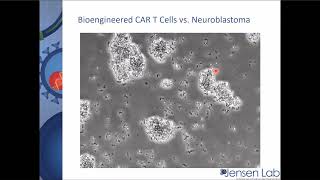
Well, good morning. Thank you, Bruce, for that kind introduction. I understand there are other people that may be viewing this from afar, and so I'm with you in spirit from the podium here. We were reminiscing last night that I think I was here last almost 20 years ago when the Graduate Hotel was the Radisson, and there was snow on the ground then too. And I gave a talk on this esoteric subject called chimeric antigen receptor T cells. And here I'm back 20 years later talking about chimeric antigen receptor T cells. So for the younger folks, maybe it's a lesson in perseverance and persistence in science, which can come in handy sometimes. So why don't I jump into this presentation? Just for disclosures, I am a co-founder of Juno Therapeutics and the product JCAR17, which will be Juno's globally deployed CD19 product was prototyped in my lab at Seattle Children's, and I have SRAs with the company. So at the root of this talk is the concept of how we can marshal the power of the immune system, the human immune system, and in particular effector cells of the immune systems called T cells, which predominantly are protective mechanism for intracellular pathogens. And how can we mobilize that arm of the immune system to be an effective player in the immunotherapy of human cancer? And my lab has really evolved over the last decade to be a lab that has about 50% of investigators being bioengineers and the rest of the 50% being a group of immunologists, molecular biologists, and cell biologists. The engineers bring to the laboratories this real conceptual rigor around engineering in the space of synthetic biology. How do we create parts and devices and modules, not in the computer science space, but in the cellular science space where these genetic elements can be deployed as apps, if you will, in primary human T cells to carry out effector functions and programs that make them better able to recognize and kill cancer cells. Cancer cells. And many of you know now, it's not a news story anymore, that one of the really first successful synthetic biology applications in the human system is this concept of taking populations of T cells which are otherwise functional but may be specific for viruses or fungi or other intracellular pathogens, and expressing in them artificial receptors called chimeric antigen receptors, which have orthogonal structures to the way T cells naturally recognize antigen through antibody extracellular domains, so they can see native protein on their surface and have transmembrane proteins where we can stack and series signaling modules that give signaling outputs to T cells that is, that can be fundamentally different, sometimes in an advantageous manner for the therapeutic cell when it encounters cancer, and sometimes We've learned the hard way that you can make chimeric receptors that have distinct disadvantages for that cell. And if you combine these in an engineered cell production system that's permissive for retaining key features of the T cells, so there's a lot of ways in that ex vivo time that you're manipulating these cells to take a good cell and basically render it therapeutically inert.. But if you have a permissive culture system and an immunoresponsive clinical context, then you could have disruptive therapeutic results as we've seen with CD19 malignancies. And here is just an example. The little cells are chimeric antigen receptor T cells, a CAR that I built back in 1995. They see L1-CAM on neuroblastoma cells, and you can see the interaction of the large adherent neuroblastoma tumor cells at these chimeric T cells and their ability to basically eradicate cancer in a Petri dish. And this therapy being very unusual in that it is a living therapy capable of amplifying inside the patient, as you see the cells growing now in numbers in the Petri dish. So in my 20 years in this field, I would say in 2019, if people tell you that the field is pretty much done, we've figured it out, even for leukemias and lymphomas, I would push back and say we're just getting started. So this is kind of software development, if you will, and we're in version 1.1. We have overcome some hurdles in terms of figuring out these second-generation chimeric receptors that house either CD28 or 4-1BB as being really important in allowing these cells to persist and expand in vivo, as opposed to the first-generation CARs. And we're learning more about how— what T-cell populations we should be focusing on for their genetic modification. But having said that, we use vector systems that constitutively express chimeric antigen receptors at levels that we can't control pharmacologically. A lot of the studies are transducing bulk PBMCs, so every product is different based on the repertoire of T cells in the patient's bloodstream at the time that they're apheresed. So that's tremendous variability based on patient age, their prior therapies, their disease status. So we have a lot of refinements to do to take it from kind of a really patient-specific therapeutic and how can we apply engineering strategies to make it more drug-like in terms of its uniformity and therefore predictable safety and efficacy outcomes. At Seattle Children's, our research program has built now 10 clinical trials that are operated under INDs that we hold. So this all comes from our research pipeline and R&D labs. We've dosed over 200 children and young adults. And as we'll cover today, I'm gonna spend some time on our ALL pipeline. We have 5 trials now that are operative, and I'll explain why 5 trials for one disease, ALL. What's the rationale? I'm gonna discuss in a limited manner our solid tumor program, but focus more on what we're doing in pediatric brain tumors, which is once you deal with leukemias successfully, then brain tumors become the predominant tumor type that contribute to pediatric morbidity and mortality. So let's get into this ALL space. And I suppose an ideal curative paradigm for any given patient is that when they're referred to the clinic with refractory progressive leukemia, an apheresis is performed and a product is manufactured.. And a relatively small dose of product can be infused into the patient. And upon encounter of large amounts of antigen that are contributed by CD19 on both leukemic cells as well as normal B-cell repertoires at the time, these cells undergo logarithmic expansion and reach a mass of CAR T cells that induces the collapse of the leukemic burden as well as the normal B-cell burden. And ideally in this therapy, there is an area under the curve of sufficient time that the CAR T cells have the ability to stochastically find and encounter every last leukemic cell that may be in anatomic sites that are difficult for T cells to get to. So you need time in order to eradicate every last leukemic cell. And upon doing that, at some point for patients, you want their normal B cells to come back. Because going around with a lifelong need for IVIG and not being able to respond to vaccines is not an ideal end state for the more and more patients that ideally we're going to be curing in the years to come. So to give you a frame of reference for our system, we use third-generation self-enacting lentiviral vectors that express our transgenes off a human elongation factor 1 promoter, and we utilize second-generation chimeric antigen receptors that have 4-1BB zeta. Our constructs have a ribosome skip sequence so we can express a second independent polypeptide. And this polypeptide is a human-based protein. It's a truncated form of the human epidermal growth factor receptor. And this neither has the ligand binding domain nor the cytoplasmic tail, but retains the epitope for a pharmaceutical antibody called Erbitux. So we can use Erbitux to both track the cells, purify the cells, and maybe in vivo when we want to suicide the cells, use Erbitux infusions to the patients to get rid of these CAR T cells. And you could see in this system, when you express a CAR, you get coordinate expression of this eGFRT tag. We've taken a strategy in our Seattle program to make CAR T cell products of defined composition. And the first pass at this defined composition is to make products from purified CD8 cells and purified CD4 cells. So each patient has 2 products made, the purified 8s and 4s.. And then we can infuse these cells at defined ratios. In most of our trials to date, we've just started with a 1:1 ratio. This is in contrast to unmanipulated or unpurified products where, in a single trial of 10 patients, you could have one patient getting 90% CD8 cells and 10% CD4s, and another patient, just based on their apheresis product, having inverse ratios. So we're trying to normalize that component. We also purify the CAR T cells for uniform levels and frequencies of CAR expression through this eGFR-T tag. And the way we do this is we take the apheresis products, we positively select immunomagnetically for CD4 and CD8 cells. These cells are stemmed on beads that have anti-CD3 and anti-CD28. We transduce, and then we come back mid-process back to the Clinimax machine, and we use an Erbitux biotin and antibiotic microbeads to purify the CAR cells. So we have very pure populations of CAR-positive either CD4 and CD8 cells. And you can see in our manufacturing process here, this is the extent to which the CD4 products are pure for CD4 and CD8. And you could see the CAR expression. All the cells are CAR-positive, and they tend to have MFIs that are fairly tightly clustered. So the cell product has predictable potency with respect to the CAR mediated effector functions. One big step, I think when I was here last I was telling Bruce how we grow billions of cells and we were cloning them at that time and it would take 8 weeks and maybe 4 stimulations. And little did we know in the early 2000s that we were basically terminally differentiating our T cells ex vivo and they tend to have a half-life upon reinfusion of 72 hours or so. So we, by terminal differentiation and excessive stimulation and expansion, you basically program those now fully differentiated effector cells to not be able to survive upon adoptive transfer. Now we do exactly the opposite. We try to have cells in a minimal culture time. We try to minimally activate them, and we keep them in homeostatic cytokine cocktails in order to prevent their differentiation into effector cells. So if these are the incoming PBMC CD8 cells For IL-7 receptor alpha, we actually increase and enrich for IL-7 receptor alpha cells. The same is true for CCR7, CD27. So these are all markers that are associated with the proficiency of a cell to be able to persist and proliferate upon adoptive transfer. So we took this manufacturing strategy. We brought it into a phase 1, 2 clinical trial that Rebecca Gardner leads at Seattle Children's Hospital. We manufacture our cells in a GMP facility that we built at the research institute at Seattle Children's Research Program. And in that trial, we found that we could make products successfully, even though this procedure was more complicated technically to manufacture cells. 96% of enrolled patients had a product that was released for them. And the reason we think that's true is that those purification steps actually facilitate cultures that expand. So we're removing monocytes that are highly suppressive to proliferation. We're moving— we're removing residual leukemic cells. And so this process has been very rigorous in very end-stage patients. And overall, on intent to treat, we had about a 90% MRD-negative remission rate. And when we got to the maximal tolerated dose of 1 million cells per kilo with the Flucy conditioning, this was a uniform 14 out of 14 MRD-negative remissions. We've now taken our trial, and we're exporting products. So we make them in Seattle from apheresis products that get shipped to us from other children's hospitals, and we're shipping back frozen products. And in our multi-site trial, we're over 100 patients now. We have an— we continue to have a 96% success rate in manufacturing, and we've retained our intent to treat MRD-negative remission at above 85% in this multi-center much more complicated clinical trial scenario. So I think we're doing pretty well, but I think there's a lot more to do to make this better. So I think the priorities now are enforcing prolonged functional engraftment. I'm going to show you data why that's important. Preventing antigen escape as an etiology of treatment failure. Reversing the B-cell aplasia. And then, just in terms of scale-out, manufacturing better, faster, and cheaper. And I want to touch on these topics. So what does it look like in terms of remission durability? We get remissions in almost all patients, but what counts now is the durability of those remissions. It definitely parses out into— for those patients that in remission get a hemo— hemopoietic stem cell transplantation, there's a nice plateau that's developing around 75 at 75%, with a mean follow-up of greater than 26 months. But there are patients that are not candidates for consolidative transplant, and they do much worse. So without a transplant, this is the fall-off in terms of leukemia-free survival. How do we understand how to make the prognosis for those patients better? And so you can see, again, here, this is the impact of getting a transplant. If you've had no prior transplant, and it's your first transplant, In CAR T-cell remission, you're about 90% leukemia-free survival, again, at 26 months. If you can't have a transplant, and that's usually because patients have other medical issues that prevent them from being safe transplant candidates, the prognosis is not so good. If you're getting a second or third transplant after CAR remission, the impact of transplant basically goes away. These patients likely have biologically much more aggressive disease, and another transplant doesn't have an impact on the durability of their remission. We also have been aggressive about treating infants. There were, earlier on, people said you can't make products from infants. And we wanted to be inclusive of these, this patient population that tend to have very aggressive leukemia. And their leukemia-free survival with CAR T-cell therapy and their remission rates are much the same as older children. So infants can be put into remission, and for many of those infants, the remissions can be durable. So the question now, I think, is, is CAR T-cell therapy, CD19 therapy, in this scenario for pediatric leukemias, is it simply a bridge to transplant, or can we further iterate and technologically advance this therapy to be a curative therapeutic that maybe obviate the need for transplant and/or prolong chemo— therapy in patients. So for the patients that don't have a transplant, they're not a homogenous group in terms of their outcomes. And we actually find that we have 3 cohorts of outcomes. And those cohorts of outcomes are dependent on the duration of B-cell aplasia, how long the CAR T cells are engrafted in the patients after remission is induced. And you can see the protective effect of having at least 6 months of B-cell aplasia,. And the poor prognosis of patients for having CD19-positive relapse, if they have less than 63 days of B-cell aplasia, and their intermediate group that gets between 63 and 6 months. So there's a hierarchy of durability of remissions that are— that relate to the risk of CD19-positive relapse. Obviously, I'm not going to count, and I'm going to tell you about CD19-negative relapse, but this is a monotherapy. Specific for CD19, so I think it's fair to look through the lens of CD19-positive relapse. Well, how do we figure out what the drivers are for duration of B-cell aplasia? And we have some strong signal that actually it's the amount of CD19 antigen that the patient has in their body at the time of adoptive transfer that drives the proliferation of these CAR T cells, and that max amplitude kind of sets an area under the curve slope for T-cell, CAR T-cell persistence. And you see that antigen, the highest antigen patients, more than 15% in their bloodstream of CD19 antigen, I'm sorry, in the bone marrow at the time of adoptive transfer have the highest areas under the curve for CAR T-cell persistence. And if you have less than 5% of B cells in the marrow, normal or leukemic, you have very attenuated proliferation. So the amount of antigen drives the CAR T cells. That sets the kind of the clock for how long the B cells will last. And the lowest amount of antigen really puts patients at very high risk for CD19 relapse. This, of course, is really important because the field is starting to ask, well, can we use CAR T cells in first remission for very high-risk disease when patients are in an MRD-negative remission, so there's very few malignant B cells, and that induction therapy can reduce the number of B cells. So are we setting ourselves up for failure because we're going to be infusing patients with very low B cell counts? So you see here the difference in the impact of B cell aplasia. If you have high B cell aplasia, a high long-duration B cell aplasia because you have high antigen, without a bone marrow transplant, you're at about 65% of patients continue to be in remission on an average of 26 months out. If you have high antigen and low B-cell aplasia, that's a very poor risk group. Low antigen, it really doesn't parse out. Everyone has a poor prognosis. So if you do the math, and you look at the risk of relapse, whether it be CD19 positive or CD19 negative, If you're high antigen and long B-cell aplasia, you have about almost a 90% leukemia-free survival at 26 months when you look just at CD19-positive relapses. So that is a scenario that competes well with having a consolidative allotransplant. But how do we make more patients have those attributes to the therapy to give them the chance for this therapeutic outcome? So you see here, if you are a patient that has high antigen and short B-cell aplasia and get a transplant, you can be salvaged with that transplant. So we asked the question, if you have low amounts of antigen, can we replace that antigen with an engineered vaccine for CAR T cells, essentially? Now, CAR T cells, as you know, see native CD19 on the surface, so it won't be like a peptide or a viral vaccine, it needs— the vaccine needs to express CD19 protein. And so we hypothesized that we can make CAR T-cell vaccines by making T cells express CD19. So we call these T-cell antigen-presenting cells. We designed a truncated CD19 that expresses the full extracellular domain, including the CAR epitope loop. We can transduce with Sin Lentivirus, and we can make T cells look like B cells with respect to CD19 antigen. Grow like their counterparts. And activated T cells have costimulatory ligands that make them very immunostimulatory for CD19 CAR T cells. So this is the proliferation burst that a TAPC delivers versus LCL and K562 that express CD19. So T cells are very good immunostimulatory cells. And in this macaque study, we did an experiment. The CD19 CAR doesn't work in macaques. It doesn't cross-react, but the CD20 CAR does. And you can see in this animal that has declining measuring CAR T-cell persistence, if we give a dose of TAPCs, you get a 10-fold increase in the frequency of CAR T-cells in the blood and another area under the curve. And this is without side effects. So we went forward to develop this for patients, and we developed our PLAT-3 trial. In this trial, patients get their CAR T-cells made, and in the leftover cells from the CAR production, we make their TAPC, and we freeze them into multiple vials. And the concept is if we can give monthly TAPC doses to patients at high risk for losing B-cell aplasia, we can increase the number of kids that have at least 6 months of B-cell aplasia and reduce the incidence of CD19-positive relapse. Here's an example of a human being getting this therapy. So the open triangle is the CAR T-cell dose, and this is a patient that has low antigen burden. So it has very few B-cells, and you see this very attenuated blip of CAR T cells in blue. In green is the tracking of the TAPCs, 'cause we can measure them in the blood too. So when we give a TAPC dose, we see a burst of these cells in the blood, and then you see a burst of the CAR T cells, and it wasn't uniform throughout all the TAPC dosing, probably based on some sampling issues. But you can see, as you get out to the 3rd and 4th doses, now you have expansions of the CAR T cells in response to the TAPCs that is significantly larger in magnitude than the initial proliferation when the cells went in and saw leukemia and residual B cells. These TAPC doses are administered in the outpatient clinic without side effect. They're very safe. So the data is early, but this is the Kaplan-Meier curve for 6 months of B-cell aplasia. And you can see in the matched cohort, that they have very poor prognosis for prolonged B-cell aplasia. And already we're seeing a really big difference in patients that have the same prognostic attributes that get the TAPCs. So we may be on to some positive data in terms of decreasing ALL relapse. But time will tell. Another reason for short Persistence in some patients is that they reject their CAR product. Our PLAT-2 product uses a murine SCFV binder for the CAR, so it's mouse sequence. And here's an example of our PLAT-6 trial that's now enrolling, a Phase 1/2 trial in which the SCFV binder is a completely human antibody from a library selection. And so this is an example of a patient that got Kymriah, the clinical drug that has the murine binder. And had loss of B-cell aplasia and a CD19-positive relapse. The patient came to Seattle, and they got our PLAT-2 product that has the mouse binder, and there was absolutely no engraftment. This is suggestive that there is an immune rejection response. There was no effect on the leukemic cells. That patient then got a third CAR product, got our human CAR product, had a nice T-cell engraftment, and went into an MRD-negative remission. So this shows you that the humanized product can potentially rescue patients that have had previous murine products that have rejected. And maybe in the future, as the field moves to human binders, we'll have less patients have rejection responses and more patients not having that untoward outcome. So those were the two primary areas that we focused on initially to deal with CD19-positive relapse. But as we push that envelope forward and have less more selective pressure, we see more of our relapses now are CD19 negative than they're CD19 positive. And my friend Terry Fry has really mapped out the etiology of that. Some of it is splice variation where the epitope is spliced out of 19 and the 19 is there as a truncated molecule on the leukemic cells. We have some patients also that come back with lineage switch towards myeloid relapses when they have this MLL leukemia feature. So our approach to decreasing the risk of antigen escape is, of course, to multiplex the specificities of the CAR T cells. Here you see that what I was talking about in terms of the risk of CD19-negative relapse, it inverts and is twice as common in our patients now. And so we wanted to start generating products that had more than one specificity. We focused on CD22 as being a second specificity, and there's a number of ways from an engineering perspective you can make bispecific CAR T cells. You can make two products and release two products and then infuse two products, which is fairly labor-intensive and expensive. You can make single products in which each cell has two independent CARs, and you can make single CARs that have 2 binding domains. This can be very tricky because every CAR needs a certain spacer length or biophysical gap of where the epitope is on the tumor and where the CAR T cell binds to have optimal signaling. So we took a version or a little bit of a different approach to this adding approach. What we did is we made 2 vectors, and we used 2 vectors to and we use them simultaneously in the transduction of the T cells. And we made a second barcode for our system, so now the CD19 CAR has a truncated HER2 that is recognized with cetuximab, and the 22 CAR has the EGFR T tag. And you can see when you use one vector or the other, you can see their respective tags being expressed. And when you co-transduce and co-purify, you get cells that express both tags. And both chimeric antigen receptors. And so now we make products in which the product is a mixture of 4s and 8s of defined ratio. And there's actually 4 elements to this product. The product has some cells, a minority of cells that don't have either CAR. And then they're equally distributed to have either one CAR or the other or both CARs. And this is the product that goes into patients and they can be independently tracked. So it's kind of a competitive engraftment experiment. Experiment in a human being. Because we do have data that the 22 CAR has the ability to aggregate. And that aggregation can induce adverse effects on the physiology of those T cells. And indeed, in our first 7 patients treated on this trial, the 19 CAR is the winner for the competitive engraftment. It is present in about 90% of the CAR T cells after a month.. And the presence of the 22 CAR is adverse both for the 22 alone CARs, but it also drags down the engraftment potency of the bispecific CARs. So this is a warning that if you want to multiplex CARs, that in terms of the T cell fitness of the CAR T cell, it's more that a bad CAR drags down the whole process rather than an optimal CAR can compensate for bad CARs. We're getting into the real nerdy side effects of CAR T-cell engineering, but these products have nice ex vivo potency for both 19 and 22, and we're gonna try to resolve this by making another 22 CAR that doesn't have this aggregation tendency. So I'm gonna finish up with this part of the talk, and just where we're headed is a next-generation system in which we have products that are multispecific. For the leukemia. We have TAPCs that can keep those cells around, and we may have an induction dose that's small to mitigate the toxicities of engraftment, and then come back with a consolidation large dose of CAR T cells when there is an antigen, which would be considerably safer, and then drive with TAPCs. What I won't show you is the succituximab ablation. We have only one patient now that we've been able to study, but we saw that within a week of succituximab, we saw CD19 cells emerge. In the bone marrow for the first time in 2 years in a patient. But we haven't treated many patients, so I don't know the robustness of this suicide strategy to date. So I'm gonna pivot now in the next section of my talk to go from this story in leukemia to solid tumors. And I hope the young people in this room are convinced that there's possibilities to have meaningful therapeutics develop in this CAR T-cell space for solid tumors, but it's gonna take some time. To really figure out how to make that work. And it's perhaps self-evident, but a CD19-specific T cell infused intravascularly into a vascular tumor like leukemia that expresses CD19, where the T cells and leukemic cells naturally home, in which the B lymphocytes have immunostimulatory behavior, is a very different kettle of fish rather than infusing into a solid tumor patient where the only antigen for propagating the cells and activating the cells may be within these very immunosuppressive tumor microenvironments that are organized through their stroma and other effects to really limit the bioactivity of these cells. So we need to overcome that. One of the first strategies that we're taking to look at that is in our brain tumor program where we're giving CAR T cells directly into the central nervous system. Via catheters. So if it's a tumor that is a local tumor, the catheter tip will be placed in the resection bed. If it's a metastatic cancer, such as medulloblastoma or ependymomas, the T cells are infused into the ventricular system via an Ommaya catheter. We've been interested in this for a long time, and it comes from data that we evaluated human T cell tropism to gliomas. And we found that gliomas and other brain tumors actually produce chemokines that enforce their tumor biology, but for ex vivo expanded T cells, the CCL2 chemokine in particular that's made frequently by brain tumors is highly chemotactic for human T cells. So here the firefly luciferase is in the CAR T cell, and the tumor is in the animal's right flank. We designed a prototype CAR that's called a zeta-kine. This is a chimeric receptor that's a little bit different from antibody-based targeting and uses the human cytokine IL-13 as the targeting domain to recognize and bind to cells that express the IL-13 receptor. And in the context of the central nervous system, the IL-13 receptor alpha-2 is unique for tumor cells and not present in the human nervous system. And here you— we show that if the animal has two tumors, one in the left and right hemisphere, if we dose In the right hemisphere, the cells are retained there until the tumor is eradicated, and then they move to the contralateral hemisphere. And on IHC, they move right through the corpus callosum in the gray matter tracts to get to tumor in the contralateral hemisphere. And this is associated with regressions of glioma. So we started these trials now over a decade ago in glioblastoma patients with recurrent disease, and we dose cells We gave patients multiple doses. In hindsight, we rationalized that as a way of fractionating the CAR T-cell dose, rather than giving one large dose and trying to deal with the neuroinflammatory consequences of that dose, we were giving doses on a weekly basis. In retrospect, that might— we maybe were lucky in that we appreciate at this point that in solid tumor microenvironments, at least with antigen that's not rapidly cleared, T-cells undergo this programmatic change. Called exhaustion. And that exhaustion transition occurs between about 7 to 10 days in the presence of persistent antigen. So by dosing cells repetitively, we're actually recharging the tumor bed with functional CAR T cells. And we saw some nice radiographic regressions and imaging studies that suggested we were seeing bioactivity. The team at City of Hope also published a patient that had multifocal glioblastoma with mets to the spine and multiple foci of disease in the central nervous system that had a complete regression of all foci, both in the brain as well as in the spine, and prolonged survival of this patient, suggesting that even for a glioblastoma multiforme, which is one of the purportedly more immunosuppressive tumor types, that CAR T cells can have some biological activity. The consequence, though, as you can imagine, is that we saw in these patients that had regressions that upon recurrence, they had loss of IL-13 receptor alpha-2 expression, both in primary tumors and also in all the mets. So this is gonna be a problem in solid tumors that is gonna be an order of magnitude more difficult than in our ALL. So we need to figure out how to overcome tumor heterogeneity that likely pre-exists our therapy and then gets exacerbated by the pressure of immunotherapy. One approach is to have multiple targets, and so we have a number of trials that are ongoing in our brain tumor trial program. And the idea is not to use these singly, but to test and show that they're individually safe and then to be able to collect them and make products with more and more tumor specificities over time. You know, the ideal state conceptually, and, you know, where we are today is we use one target and we basically push the tumor into heterogeneity. And if you can create a group of targets that by design create a synthetic lethality to the tumor, you basically hem the tumor in by not being able to simultaneously escape from all the targets at once. So we can make multi-specific products by co-transduction. And here, you know, when we use one vector, you get you get one antigen targeting capability. If you use two, you get two. It's very digital. Three, three. And with all four antigens in this cytotoxicity heat map, you get all antigens. And we showed that you can make, through CRISPR technology, you can make escape variants and co-engraft them. And if at least one specificity out of a four-plex CAR product is present, you'll eliminate all of the tumor, the antigen-negative variants. So that's where we're heading. We're probably moving this technology into a nonviral gene transfer system because this, with all these vectors, it gets very expensive. And so we've been working with the piggyback transposase, and I know your program has a rich legacy in Sleeping Beauty. And we're now using mRNA for the transposase and nanoplasmid vectors for the payloads. I'm going to end now probably with maybe the weirdest part of this. This is new data that I'm going to share with you and have at it. But the concept is, can we really trust tumors and their transcriptional fidelity in immunotherapy targeting even if we had 5, 10 different epitopes?. And is there potentially the ability to overcome this by chemically labeling the membranes of tumor cells through a drug in which we can come in now with a chemical-specific CAR T cell product? So what I'm going to talk to you about is the technology we're developing to chemically tag tumor plasma membranes that exploits fundamental and inescapable biophysical and tumor microenvironment features of all solid tumors. So conceptually, if we can label now the surface of tumor cells with a chemical structure that exposes an epitope, a chemical epitope, we can come in with a chemical tag-specific CAR T cell and target that tumor. And so we've been interested in a class of small molecules that can be synthesized that look like phospholipids. So they're phospholipid mimetics. They're very lipophilic, and upon systemic administration, intercalate into the plasma membrane of tumor cells. They can be tuned in their alkyl chain to have very long dwell times in the membranes of tumor cells and very short half-lives in non-malignant cells based on the tumor's metabolism related to phospholipid membrane retention and generation. And then we can design extracellular projections from these molecules to stick a chemical out into the extracellular space. And finally, I'll tell you that we can make prodrug versions of these that don't present that chemical unless there's a tumor microenvironment chemical reaction that unmasks the epitope. So this is chemistry that goes back to the 1990s, I think, originally at University of Michigan and then in Madison, Wisconsin, where chemists were creating alkylphosphocholine analogs. They're called phospholipid ethers. And they basically have a choline domain and then an alkyl chain. And if you tune the alkyl chain to about 18 carbons, you get this phenomenon of long half-life in tumor cells and short patholized and normal cells. And they show both in rodent models and human models that they can load these molecules into tumor membranes across disease indications. The field is focused on the alkyl tail being the payload for radioisotopes for radiation therapy or for optical imaging. And that puts the payload within the membrane. And so we focused on taking these and creating a new class of alkylphosphocholine analogs that that stick a chemical moiety out from the surface. And so this is James in the lab who's a chemical engineer, and he created now variants that put PEG spacers off the choline and put our tag molecule, fluorescein, into the extracellular space. This is synthetic chemistry, and James can make kilograms, and this material is green and can be traced very easily. So when you give this as an IV infusion, it's very nontoxic. And it goes into all cells. It preferentially, quantitatively loads higher into tumor cells, but certainly it goes into all cells. But what if you wait— now this is 48 hours after the IV infusion— and you look at a brain tumor graft in a mouse? So the glioblastoma's in the brain and the tumor tag was infused IV. You look at the contralateral hemisphere for the amount of retained fluorescein versus the fluorescein content on the on the membranes of the tumor cells, you see now a differential amount. And this is about a 10-fold differential. We made CAR T cells that are fluorescein-specific. We made 35 different variants with binders over 3 orders of magnitude of affinity. And as is typical for CAR T cells, the winner in terms of cytolytic potency and cytokine production was not the highest affinity. It was in between. Between, and it required a certain spacer domain. So I humbly tell you we're still very empiric in terms of design principles for chimeric antigen receptors. I'll just point out that there's one attribute to this system which is convenient, and it's that there's an FDA-approved drug, which is free fluorescein. It's used in angiography of retina and other applications, and if you give free fluorescein into the in vitro activation system, you completely shut down CAR activation, presumably the free fluorescein is occupying all the SCFV sites and they can't interact with the membrane of tumor cells at that point. So when we give this— so this is a scenario where we give the FLPL-E IV and we give T cells right away. And this is a toxicity graph. It's hard to read, but essentially you have a massive activation syndrome and the majority of mice die. And you can give free fluorescein and you can rescue a couple mice.. And those mice have complete tumor regressions and durable complete regressions. But it's a highly toxic system, even with giving one dose of free fluorescein. This is another system where we give the alkylphosphocholine fluorescein molecule directly into the tumor bed. You still get some cytokine release syndrome, but it's more moderate, and 100% of the mice have complete complete durable regression of this tumor, which is a triple negative breast cancer in the flank. But that's not a very tenable clinical pathway to be just trying to inject stereotactically this drug into tumor beds. And as I alluded to before, fluorescein is a very planar molecule and these SCFBs have very tight binding pockets. So we hypothesized if we append a steric additional chemical moiety, we can basically block the ability of fluorescein to bind in the pocket. And we, we decided to utilize a reactive oxygen species cleavable linker to that moiety. So now in a high ROS environment, you get cleavage, and upon cleavage, the fluorescein is— becomes fluorescent again. And here you see when we load tumor cells ex vivo with the parent drug, FLPL, they they are fluorescent. The prodrug goes down towards the negative control cell line, and if we stress the cells to make ROS in a low serum environment, that endogenous ROS cleaves the steric hindrance molecule and the cells then become fluorescent. So chemically, this appears to be working as designed on the surface of a loaded tumor cell. Here's the Here is the data in terms of activation. It's probably most clear here. So if tumor targets are loaded with the prodrug and they're co-cultured with anti-fluorescein CAR T cells, there's no activation for cytokine production. If you put those tumor cells in the low serum condition, then there's cleavage and the T cells start activating nearly to levels that are as high as the non-MAS prodrug.. That's also seen with other activation markers, such as upregulation of 4-1BB and LAG-3. So here's the experimental model that is intriguing to us. What we see now, we give the CAR T cells, and then we can IV dose the pro-FLPLE. Mice develop grade 1 toxicities that are there as the tumor is regressing, so there's kind of a cytokine storm for the solid tumor. The black line are control mice that get CAR T cells without the prodrug, and they— the tumors grow to lethality. And here's the regression of these tumors when they're given this pro-FLPLE twice a week. And we have a lot to learn about the pharmacokinetics and pharmacodynamics, but this model is very well tolerated by the animals and has a nice potency readout. So I just wanted to share this story with you, which is another iteration of kind of synthetic biology now merging with chemical engineering to maybe overcome some of what appear to be really daunting problems in the field, particularly as we look at solid tumor therapy. The very last slide I will show you, because I want time to answer questions, is how do you go from an academic shop where you do proof of concept to try to scale scale out so you can really move these therapies into Phase 2 trials and multi-site Phase 2 trials as we have done. Most CAR production in academia, at least still, is kind of this notion of the Bugatti factory where everyone comes to the product. And so this creates a bottleneck in terms of throughput where you may want more of an assembly line production strategy to play out. And this is in large part by having small rooms, little GMP rooms with 2 incubators, and you can do you know, just a small number of products per room, and you only have so many of these rooms. At Seattle Children's, we're just completing a new facility. It's a 30,000-square-foot GMP, but what's important about this is we now assembled and designed ballrooms for this kind of assembly-line CAR T-cell production. So they have 6 workstations. These aren't hoods, they're bench workstations, And then they're interspersed with incubation farm rooms that could house hundreds of products at a time. And so this allows us to go from where we are today, where we're making about 200 products a year, to easily be over 1,000 to 2,000 products based on this assembly line. That was made possible and it was FDA authorized because we were able to do engineering on the process itself to basically create a closed system process in which you never open a vial or a cap or a flask. So with that, then you can, you can work in open workstations, and you can configure the workstation for the workflow of the 100 products that you're going to manipulate in that day, for instance. So this is now coming online, and it will take us about 8 months to validate the facility and the program, but will come on by the end of this year. So with that, I want to leave time for questions. Thank you very much for your time and attention. I know people in this room have been very gracious. If you're in the other room and you've already left, that's too bad for me, or you're on your phone. And this has really been a real evolution of getting different groups in our academic environment to work together. So the basic scientists starting to work work with engineers and process scientists. We brought in a coordination center that does our regulatory affairs, our clinical data. The clinicians come and are part of this environment on a daily basis. They're not off in another building. And the correlative studies lab that brings data from the patients goes all the way back to the basic scientists in real time. That's really created a dynamic environment. So I'd like to thank the funding— the funders of this work, and especially our patients patients and their families for participating in our trials.
And with that, I thank you for your time and attention. Questions, comments? I really enjoyed the talk. So just a couple of questions. So in the first part of your talk, I was just wondering what are the co-stimulatory molecules that are present on these TAPCs that that actually results in such a good priming. And secondly, towards the later part of your talk when you mentioned, you talked about the prodrug and its ROS-mediated activation, I was wondering whether in mice that may be more exposed to pathogens or humans, whether macrophages that produce ROS actively could result in nonspecific activation and toxicities.
Yeah. Two very good questions. And so we do have our single-cell RNA-seq on T cells in different stages of their activation, but just grossly by flow, they upregulate several ligands, B7-1, B7-2, for sure for CD28 engagement. I'd have to go back and look at whether they express 4-1BB ligand. Do you know that, Bruce?— if inactivated T-cell? I don't know. So— They're exposed to— Yeah, yeah, yeah. The second question, so I very much appreciate that comment around ROS as a linker, and what gives me— that was a real proof of concept, but there are about— when you talk to the chemical engineers, they say, well, we have 8 or 9 different types of linkers, proteases, sensitive, pH sensitive, hypoxia sensitive, reducing— reduction sensitive. So there's a whole platform. And where I think this is going is that we're going to take a molecule like fluorescein, and you can actually append more than one steric hindrance molecules. So you can start creating logic gates for these steric hindering decoupling, so you can make ROS plus hypoxia, low pH plus protease activity. And that's where I think we're going to probably evolve the chemistry to the point of specific enough for the tumor. That makes sense. Yeah. Thanks. Oh, I did it wrong. Okay, sorry about this. Sorry about that in the other room. So just to follow up on that, the— chemical modification question, and I'm not sure, I think you said it, I don't know if I was tracking. The sequence is you get CAR T cells first and then the prodrug? So yeah, yeah. What about the other direction? We've done it a couple ways, and in the experiment where we wanted to see what the worst toxicities look like, we gave the non-prodrug version and then we gave the T cells within 24 hours, and that's where mice were just having autotoxicous fulminans is the old, is the old term for— you got this massive activation syndrome, cytokine storm, and rapid death. In the— when we give the prodrug, we found that we can also give a priming dose of the prodrug before the CAR T cells, very little toxicity. And, and then you can give repeated doses of the prodrug even though the CAR T cells are in the animal and get tumor regressions without toxicity. So just in that scenario where you give the prodrug first, have you looked at radiation as a way to activate ROS in tumors? We haven't. I think maybe as a technology, this— there are so many possibilities to build on the kind of the chemical engineering and the, in the ways in which those molecules can be manipulated in vivo with, with approaches as you suggest.
Best guess.
Yeah.
Yeah. That was a really great talk. Trying to conceptualize the T cell seeing fluorescein and others in a solid tumor. So one of the issues has been the migratory ability of T cells to get into the solid tumor to actually see some of the label, or in the immunosuppressive environment when they're both metabolic and cytokines.
So how would these CAR T cells overcome those challenges? Yeah, I think those are fundamental to any strategy. You know, the field is making some progress. Oxyplatin, for instance, as one of your lymphodepleting drugs, can profoundly enhance infiltration in T cells in models like the pancreas. Model that are pretty inaccessible, potential radiation, other strategies. We're looking at polymers that can, that polymerize when thrombin is active, which is a very common, tumors are full of fibrinogen, laid down fibrin. So there may be ways in which we can create tags that are vascular in nature and set up activation first outside of the tumor to get cells ready to go in, and then in the tumor.
And the second question I had was on the transplant part of the bridge strategy.
Why do you think the transplants work better in maintaining the remissions after a CAR T cell? You know, you're the transplanter. You have to help me with that. I mean, is it simply a matter of, you know, Being having an MRD state in which the allo-effective transplant for ALL, which is not so robust, actually can sterilize a patient.
Do you think if you gave another CAR T-cell, you wouldn't have enough antigen to have that response, but with the allo antigen, whatever few cells are there could get eliminated?
That's just the empiric interpretation of the data I would have. I guess the question would be, Would it be best now to basically do the allotransplant to consolidate, and then once that patient has weaned off of GVH meds without active GVH, make another product for the patient and consolidate again with the donor-derived product that comes from the patient? We've made a lot of products, and maybe you have the same experience of Their donor-derived products come from the apheresis of the patient at some point after allo transplant. I think of around greater than 50 patients in which we made the product of those types, we've had one recrudescence of mild skin GVH, but no other GVH complications. Yeah. Yeah.
Are there other questions? And just as a sort of technical question, when you looked at the— when the mouse, in the last part when you did the mouse and you looked at the cytokine activation levels, is that a mouse model, or is that a mouse CAR-T, or is that an NSG tumor? At this stage it's an NSG.
NSG. Yeah.
And so you see— okay, so when you get the CAR-T activation, you see cytokine, you actually see in the mouse,— actually, toxicities. Toxicities from the human cytokines. Okay. The other question I had was with regard to the chemical, how— you know, it's not that chemicals don't— there's a penetrability too in the tumor. I mean, otherwise we'd have solved this with a drug. So the question is how penetrable is that drug into a solid tumor that has, you know, pretty, a pretty large pressure within it, you know, pushing out. So have you looked at how penetrable that these T cells can actually get in based on— and is it better or worse than if you had a, if you have a, you know, a protein-based target?
Yeah, well, I would predict this, this small molecule would be preferential to The data that preexists our work with that base module of the alkylphosphocholine, both in the academic studies as well as a company called Selectar out of Madison is trying to commercialize this drug Mowady with a radiation deliverable on the alkyl tail. They have looked at, you know, 80 xenograft models of tumors of different sizes, anatomic locations, and it's a it's a highly universal uptake of this lipid mimetic into the membranes. So at least when we look very closely at tumors of different sizes, small and larger, and we ask the pathologist to find a tumor cell without the fluorescein tag, that we get the answer back that it's uniform.
This is a follow-up.
How—
this is a follow-up.
Do you actually know how much antigen engineered antigen, you have to have one to get access to it? Yeah, yeah, no, we're doing, we're making radio-labeled versions of this, and we're working with a really wonderful medicinal chemist at Purdue named Phil Lao, who's done versions of this, and he says, so we get nervous in the CAR T cell field if there's maybe less than 10,000 epitopes per cell in terms of activation, These types of molecules load in the hundreds of thousands to millions of molecules per membrane. The scarcity of epitope is so far on the other end of the curve.
Great.
All right, thank you very much.
Thank you.
More from Joshua







Scientist Stories: Hans Waterham, The value of phenotypic assays in peroxisomal disorders




Scientist Stories: Joel Zlotogora, Genetic carrier screening programs for reproductive purposes