Scientist Stories: Ofer Levy, Precision Vaccines
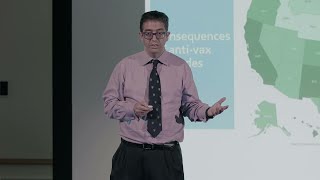
In this Human Vaccines Project webinar, Dr. Ofer Levy, Director of the Precision Vaccines Program at Boston Children’s Hospital, presented the rationale, infrastructure, and recent achievements of the Precision Vaccines initiative, which applies precision‑medicine principles to vaccine development for vulnerable populations (newborns, older adults, immunocompromised, and opioid‑using individuals). He described a multidisciplinary network of >500 collaborators, a small‑sample, multi‑omic systems‑biology pipeline, and human‑in‑vitro microphysiologic platforms that model age‑specific innate and adaptive responses. The talk highlighted the EPIC and IDEAL consortia that use tiny blood volumes to define biomarkers of newborn vaccine immunogenicity, and the IMPACT cohort that longitudinally profiles COVID‑19 patients. Dr. Levy explained how the COVID‑19 pandemic exposed age‑ and sex‑dependent differences in disease severity and vaccine reactogenicity, underscoring the need for adjuvanted, dose‑sparing formulations. He detailed a high‑throughput adjuvant discovery program that screened hundreds of thousands of small molecules against primary human mononuclear cells from diverse age groups, leading to candidate adjuvants such as alum‑CpG, TLR7/8 agonists (3M052, polymerosome‑encapsulated resiquimod), CAF08 (TLR‑CLR combo), and alum‑mannan, many of which have progressed to pre‑clinical or early clinical testing for SARS‑CoV‑2, influenza, pertussis, HIV, and a fentanyl‑hapten opioid vaccine. Safety considerations were addressed through the INSYS network and systematic adverse‑event monitoring (VAERS, FDA, CDC). Finally, Dr. Levy discussed vaccine hesitancy as a longstanding issue, the importance of transparent communication, and announced upcoming collaborative opportunities, a special issue in Clinical Infectious Diseases, and the 2023 International Precision Vaccines Conference.
Chapters
on time. So hello and thank you to everyone around the world for joining us for this week's lab meeting. My name is Kristin Aboud. I am the science editor of the Human Vaccines Project, and I will be your moderator today. COVID-19 cases continue to decline globally, down 11%, and just this week Beijing relaxed its pandemic restrictions that had been in place in the Chinese capital city for more than a month. Still, epidemiologists are warning that the situation may still worsen again come fall and winter in the Northern Hemisphere. And so efforts are underway to develop new and improved COVID-19 vaccines. Moderna reported in a press release this week that its bivalent COVID booster candidate induces antibody responses against the Omicron variant, and data from clinical trials indicate it should provide more durable protection against variants of concern than the company's original mRNA vaccine. Numerous other vaccines are also in development. But today we're going to hear about work on developing vaccines specifically tailored to the needs of vulnerable populations, including both the very young and older adults. Before we get started with today's presentation, I also wanted to announce that the application portal for the 2022 Michelson Prizes is still open until June 26th. These next-generation grants are awarded annually to support promising early career investigators who are working to advance human immunology, vaccine discovery, or immunotherapy research. The Michelson Medical Research Foundation, together with the Human Vaccines Project, established these $150,000 prizes in 2017. More information on the prizes, as well as a link to the application portal, are available on this slide and on the Human Vaccines Project website. So please check there for more information or to apply before the deadline later this month. It is my great pleasure to now introduce today's speaker, Dr. Ofer Levy, Director of the Precision Vaccines Program and staff physician in the Division of Infectious Diseases at Boston Children's Hospital and professor of pediatrics at Harvard Medical School. The focus of Dr. Levy's work is to apply precision medicine principles to vaccine research. He does this by building collaborative, multidisciplinary, international teams that create innovative vaccines, tailored to the specific needs of vulnerable populations. Together with his colleagues, he has developed blood-based systems that enable them to study human immunity. Using these tools, the team discovered that the human immune system changes markedly with age, revealing the need to develop vaccines optimized to protect specific populations at high risk of infection. Such as the very young or older adults. Dr. Levy and the Precision Vaccines Network are now working on adjuvant-boosted vaccines to provide protection against COVID-19, influenza, pertussis, HIV, and opioid use disorder and overdose. During today's presentation, please send me your questions using the Q&A function in Zoom. Feel free to use the chat for general comments, but please don't post questions there. I will ask our speaker a broad selection of your questions after the presentation, and we will have time for discussion. With that, it is my great pleasure to introduce Dr. Ofer Levy.
Thank you for that, Kristen. Are you able to, um, to hear me well and to see my, my slide?
You sound great. And let's see if you want to go ahead and share the slides.
I am sharing. Did you see it?
Not yet.
Let me try that again. Share screen.
There we go.
Is that working?
Got it.
Wonderful. Thank you, Kristin, and thank you to all at Human Vaccines Project for inviting me today. It's a great honor. As mentioned, my name is Ofer Levy. I'm a physician scientist at Boston Children's Hospital where I direct the Precision Vaccines Program. I'm also an associate member at the Broad Institute of MIT and Harvard, and I'm also a voting member of the FDA Vaccine Advisory Committee, or VRBPAC, although my comments today are not in any way official FDA statements. My talk today is entitled Precision Vaccines: Lessons Learned from the Coronavirus Pandemic. And this audience is very familiar that the number one thing vaccines cause, of course, are adults. You know, the majority of the vaccine market around the globe is pediatric. We know that there's heightened susceptibility to infections in general at the extremes of life, in the very young and in older adults. We've seen that also, of course, in this pandemic. We'll talk about that. And so it becomes very important to consider how to optimize our use of vaccines as a public health measure to protect these vulnerable populations. Of course, traditionally vaccines were developed as one-size-fits-all endeavors, and of course from a public health perspective that would be most straightforward and favorable if you could have a vaccine formulation that would work the same whether you give it to the man or a woman, to a young individual, an older individual, give it in the summer or the winter, give it alone or with another vaccine, give one type of vaccine platform, live attenuated subunit protein or mRNA, or another. Give the vaccine in one part of the world or another. But a growing literature documents that many of these demographic factors, as well as others, can have a big impact on vaccine immunogenicity and sometimes even vaccine protection. So with these factors in mind, in 2015, Boston Children's Hospital created the Precision Vaccines Program, whose goal it is to develop vaccines for vulnerable populations. And we have about 40 individuals on site, administrators, data management and bioinformatics specialists, vaccinologists, clinicians, immunologists, and the like. And then we have a broader Precision Vaccines network of collaborators, a loose affiliation of over 500 individuals across the globe in academia, government, consultants, and industry. And we have resources, administrative, technical, bioinformatic, organizational, legal, and graphic resources to support vaccine projects, some projects we lead, other projects we're in a supportive role, and other times we just introduce parties to one another and get out of the way, whatever makes sense for a given project. For those of you who are fans of Twitter, we can be followed at @precvaccines, @precvaccines. Now, our approach to developing precision vaccines is multidisciplinary and involves targeted clinical trials in diverse populations, obtaining small volumes of biosamples before and after immunization, for multi-omic systems biology interrogation. And that is just big data, but we want to convert the big data to knowledge by correlating it with something we care about clinically, like a protective antibody response or another correlative protection. And that exercise is hypothesis generating. It doesn't prove a particular pathway is relevant, but it raises the possibility. We further interrogate pathways in vitro. We have a variety of human in vitro platforms that model human innate and adaptive immunity. These platforms begin with human blood, you know, white blood cells and autologous plasma. In some cases, make use of tissue engineering approaches. We'll talk a little bit about that. And of course, the in vitro systems allow the same individual to be the control in the test condition, something you couldn't do in vivo where each individual is assigned to a different treatment. In vitro systems also allow benchmarking to safe and effective vaccines directly from the pharmacy so we can contextualize the data we generate in vitro. Immunologic data, systems biology data, and others. We also leverage these human in vitro systems to screen for new types of vaccine formulations and adjuvants, and we'll talk about that as well. Once we have leads out of our human in vitro system, which is age-specific, sex-specific, et cetera, we then, we find different optimal formulations in those different populations. These can then be advanced to appropriate animal models. And then onwards to human clinical studies. So a key element of our approach is human in vitro modeling, and with the expertise of Guzman Sanchez-Schmitz, who joined us about a decade ago, we have developed microphysiologic systems to model human vaccine responses, including the human tissue construct. This system is meant to replicate in vitro the immunologic events that occur, for example, when an adjuvanted vaccine formulation is injected intramuscular in vivo, the extravasation of monocytes from the bloodstream into tissue sites, the interaction with an adjuvanted formulation, vaccine-pulsed dendritic, differentiation of monocytes to vaccine-pulsed dendritic cells, which then reverse transmigrate through endothelial cells into lymphatic vessels to talk to T and B cells in the lymph node. And we can now replicate these events in vitro in an age-specific way, newborn, adult, older adult, and we've published several articles now on this system and showing that it is faithful in modeling innate and adaptive, including CD4-positive T cell responses to hepatitis B vaccine, for example, alum-adjumented hep B vaccine, which is a viral-like particle, nanoparticle, as well as the live attenuated Bacillus calmette-gerin, or BCG vaccine. This was published in Frontiers Immunology. Now, to scale the impact of our work and to study vaccines in infants, we partnered with Tobias Coleman and Beate Kampmann to create a consortium called the Expanded Program on Immunization Consortium. And this group, or EPIC as it's called, developed a project to leverage systems biology to understand how vaccines protect infants. Taking hepatitis B vaccine, or HBV, as an example, because it's given at birth and because there is a clear correlative protection. In other words, if you produce more than 10 milli-international units per mL of antibody to that vaccine, you are protected against hep B virus. So how does that work? How does this vaccine protect the very young? And this consortium involves laboratories at Boston Children's Hospital where our data management core is, as well as University of British Columbia, clinical sites in the Gambia and Papua New Guinea and Perth, Australia, and antibody measurements in Belgium as well. And so this is funded through NIAID U19 Human Immunology Project Consortium, and the project is called Systems Biology to Define Biomarkers of Newborn Vaccine Immunogenicity. It has 3 overarching aims: define baseline characteristics, cellular and molecular states in the human newborn that predict immunogenicity of hep B vaccine. And the second aim, compare hep B alone, BCG alone, or the combination, so different subgroups of infants receiving the vaccines with different timing and understanding vaccine-vaccine interactions. Does BCG alter the response to hep B? And then finally, in the third aim, interrogating these interactions in vitro. And so to be able to apply the tools of systems biology in early life, we needed to partner to develop approaches that we've dubbed the small sample big data approach. From a small drop of blood, even less than half an mL, being able to extract multi-omic information and understand how the immune system is developing in early life, how vaccines are impacting that, and how all of this correlates with protection. A brief plug here for an article we contributed to through this network with Byron Brooke and Nelly Amanyogbe on how BCG vaccine-induced emergency granulopoiesis provides rapid protection from neonatal sepsis. That was published a couple of years back in Science Translational Medicine. More recently, we've demonstrated the administration of this live attenuated BCG vaccine to human newborns, and as you know, this vaccine has beneficial off-target effects that enhance host protection against sepsis, in part through enhancing neutrophil development. This vaccine also reprograms human neonatal lipid metabolism in vivo and in vitro, as we recently published in Cell Reports using these platforms, plasma metabolomics and human in vitro modeling. So really breaking open how vaccines protect in early life, and that, of course, can inform future vaccine development. So, to sum up here, systems biology in early life, this EPIC consortium efforts have led the way in the application of systems biology in infants, starting with very small blood volumes, peripheral blood volumes, characterizing immune development in relation to health and disease, and now we have a follow-on U19 project from NIAID recently awarded to us named IDEAL, Immune Development in Early Life, that will look at systems biology in early life longitudinally in relation to vaccine responsiveness Respiratory infection and asthma, and defining age-specific cellular and molecular signatures predictive of vaccine immunogenicity and protection. So stay tuned for more on that. When the dreaded coronavirus pandemic broke out, these principles of applying precision medicine to vaccinology became evident early on, both in terms of the impact of the infection on diverse hosts and in terms of how the mRNA vaccines are dosed and protect. So for example, the multi-system inflammatory syndrome in children or MIS-C was evident in school-aged children, less so in older individuals and more in males than in females. In the young teens, young males show the highest risk for mRNA vaccine-induced myocarditis, whereas the teenage females have have the least amount of COVID And in older individuals, especially males, we see the most severe COVID, highest frequency of severe COVID, waning immunity. And the— I'm just showing on, on the right column the Pfizer mRNA vaccine doses, which differ the recommendations for dosing of this vaccine. Both the dose and the number of doses differ by age. So the principles of precision vaccinology are immediately apparent as we consider this pandemic. When the pandemic broke out, NIAID turned to us because we are the data management core under Al Ozanoff and Joanne Arcy for our Human Immunology Project Consortium core. They asked us to help with a national biomarker discovery effort called Immunophenotyping Assessment in a COVID-19 Cohort, or IMPACT. This is a prospective longitudinal study of U.S.-based adults 18 years of age and older admitted to hospital with COVID and we follow them for up to a year capturing clinical data and capturing biosamples at up to 10 time points, not just blood, but also nasal washes, tracheal washes, and other biosamples for deep immunophenotyping data, everything from single-cell RNA-seq to CyTOF to sequencing of viral variants, et cetera. And so our data management core had to track more than 200,000 biosamples, each biosample generating over 100,000 data points, all in a cloud computing system across 15 biomedical centers as illustrated here across the United States. This is an ongoing study. Our first article from it was published in Science Immunology some months ago, and several other manuscripts are in press. So, a little bit about the current SARS-CoV-2 vaccines, and again, I do serve on the US FDA VRBPAC committee, so I have some perspective on this. Obviously, they have some major strengths in terms of safety, efficacy, especially against severe COVID, relatively rapid timeline from a decision regarding a variant to target and production, and yet limitations, the need for freezing, less practical for rural or low-middle-income settings, waning immunity, the need for multiple boosters is problematic from a public health perspective, and lower immunogenicity in those with comorbidities such as obese individuals, those with diabetes, those with oncologic disease, and those with immunocompromising conditions. And we're currently modeling population-specific vaccine responses in all 4 of these groups, both in vitro and in vivo. So, one approach to move towards even more optimized coronavirus vaccines, of course, would be the addition of an adjuvant. Adjuvants could enhance responses in vulnerable populations with distinct immunity, such as the young, pregnant individuals, older adults, those with comorbidities or immunocompromising conditions, et cetera. Adjuvants could broaden epitope specificity versus a range of variants. They may enhance durability of the immune response, provide dose-fairing effects, and support scalable, practical, and affordable vaccines. As you know, adjuvants are molecules that boost a vaccine response, and they come from the Latin word adjuvar, to help or aid. To summarize their impact, in the upper panel is an antigen given alone, and see some antibody response, but rapid waning and the need for multiple doses. And in the bottom concept graphic, with the adjuvant here in red, conceivably dose-sparing effects, conceivably even single-shot protection. Now, there's a growing recognition, of course, that pattern recognition receptor agonists can serve as powerful adjuvants. However, what's also increasingly recognized is that these agents have population-specific effects that vary, for example, by age and sex. And I had the honor in 2018 to serve on the Blue Ribbon Panel for the 2018 NIAID Strategic Plan for Research on Vaccine Adjuvants. And as the COVID graphic— this is freely downloadable online as a PDF, you can download it— but as the COVID graphic illustrates, NIAID is anticipating an era where there might be different adjuvants employed in vaccines targeted to different age groups and different sexes. Some years ago, I partnered with David Dowling in our Precision Vaccine Program to develop a new adjuvant that permits early pneumococcal immunization in newborn monkeys. This was highlighted by NIAID. So we were confronted with an adjuvant, a toll-7/8 agonist. This on the top is resiquimod, whose ethoxy and hydroxyl groups render it water-soluble and diffusible throughout the body, which is not really what you want with an adjuvant. You're going to have high fever and systemic effects. So we partnered with different institutions to solve this in two ways, with 3M Drug Delivery Systems to lipidate the molecule, They created 3M052 and partnered through the Gates Foundation to do a study of the 3M052 Toll-7/8 agonist, which we had identified based on our in vitro modeling as being very effective in early life, to test in monkeys in vivo, in newborn monkeys in vivo. And another way we solved it is through nanoparticles, polymerosomes, with Jeff Hubbell's group, to take a small molecule Toll-7/8 agonist and incorporate it into a 150-nanometer diameter nanoparticle. That's a favorable size for uptake to antigen-presenting cells and demonstrate immunogenicity in Toll-8-humanized neonatal mice. Both of those studies are since published. This is just a little bit of flavor of what a Toll-7/8 agonist can do at birth in newborn macaques. In blue is the Prevnar vaccine from Merck, just right off the shelf. On the y-axis is the IgG pneumococcal serotype-specific, and in the red is when you add the Toll-7/8 agonist. Multilog scale, we're getting more than 20-fold increase in titers after a single dose at birth at day of life zero, well over the correlative protection. And again, as predicted by our human in vitro model system. When the pandemic broke out, we wanted to take a similar approach and build a vaccine against coronavirus optimized in the elderly. And here I partnered with David Dowling, who's faculty within our Precision Vaccines Program, and we did a very broad search for adjuvants based on PubMed searches, structured searches in PubMed, through our own adjuvant discovery program. We have several contracts with NIAID where we've screened hundreds of thousands of small molecules against primary human mononuclear cells, different age groups, newborns, middle-aged individuals, older adults, and we've discovered that distinct molecules and combinations of molecules are optimal for activating immune responses in the different age groups. We have a variety of material transfer agreements with commercially available and academic and industry collaborator-derived adjuvants., and we put all these through an in vitro system against human blood from older adults to identify adjuvants that might be optimal for coronavirus vaccine that would protect the most vulnerable. So notice how different this is from a typical vaccine development program. We started with a human model, and then based on adjuvant systems that looked optimal in that human subpopulation, that vulnerable population, then advanced that adjuvant into the rodent models. This work has since been published in Science Translational Medicine by Nanishi et al. An aluminum hydroxide CpG adjuvant enhances protection elicited by a SARS-CoV-2 receptor binding domain vaccine in aged mice. This was a huge collaboration including also the Massachusetts Coalition for Pathogen Readiness, NIAID, and a range of collaborators, Peter Hotez, Maria Elena Bottazzi, Dan Baruch, and many others. And so this was a landmark study and really in many ways the intellectual basis of the Corbevax vaccine now authorized in India. Just a pretty picture to show you that alum CpG adjuvant enhances germinal center formation in vivo in aged mice. And so you see in the lower row there the blue staining of CD21.35 showing the germinal center enhancement in the group that received the alum CpG adjuvant.. And this adjuvant formulation elicited robust T follicular helper cell responses in aged mice, and this correlated with higher antibody titers and neutralizing antibody titers as well. And this alum-CPG adjuvantation system enhanced protection of aged mice against SARS-CoV-2 challenge. And we could show that the aged mice are more susceptible to death due to SARS-CoV-2, and that we could protect them better with the alum-CPG adjuvant and in many ways comparable or in some cases superior to the ASO1B adjuvant that's used in the Shingrix vaccine. So just a brief overview of our Precision Vaccines program high-throughput adjuvant screening. As mentioned, this is funded through NIAD contracts. Hundreds of thousands of small molecules screened against human mononuclear cells, newborns, adults, older adults. We have biobanks. Going all the way from preterm newborns to adults 100 years of age. So our access to these biosamples is a major strength of the program through all the Harvard-affiliated hospitals in the Longwood Medical Area. And we use AlphaLysocytokine readouts. That's a technology that doesn't require a wash step. That's very practical when you're doing 384-well plates with the Harvard robotic core. We've discovered multiple small molecules that activate defined pattern recognition receptors and that are adjuvants not just to activate human mononuclear cells in vitro, but also adjuvant antigens such as flu antigens and coronavirus antigens in mice in vivo. And one of these called Precision Vaccines Program, or PVP-037, the 37th molecule we ordered into the program, was recently added to the NIAID Adjuvant Compendium publicly. The patent has already been filed. It's an imidazopyrimidine. It's a toll-like receptor 7 agonist. We have multiple others in the pipeline targeting toll-2, targeting toll-8, targeting STING and other cytosolic receptors. We are also funded through NIAID adjuvant development programs to pursue vaccines in a number of indications. One is for pertussis, looking at DTaP, Infanrix, and seeing if Toll-7/8 agonists that are so effective in early life might allow us to build a better pertussis vaccine that gives broader immunity and more durable immunity so that you don't need so much dosing of pertussis vaccines and run into problems with waning immunity where, you know, we've had preterm infants die in the state of California from pertussis in recent years. We also have a large contract on prevention of opioid overdose developing a fentanyl-haptin adjuvanted vaccine there in collaboration with University of Houston and Inimmune, looking at rodent and non-human primate models. And we're also collaborating with the HIV Vaccines Trial Network and Larry Corey, working on a TOL-4 agonist adjuvanted HIV vaccine given at birth in newborns in South Africa. So this is an image from the New York Times And this reminds us that the coronavirus pandemic has worsened the opioid epidemic. And I've had the great fortune of collaborating with my wife, Dr. Sharon Levy, who's director of the Adolescent Substance Use and Addiction Program, or ASAP, at Boston Children's Hospital, and David Dowling in our program, as well as Elisa Weitzman, an expert in qualitative research, to advance an opioid vaccine. To protect opioid-using individuals from overdose death. Idea is to induce high levels of peripheral blood antibodies against fentanyl so fentanyl would not enter the brainstem where it suppresses respiration and dies. We lose over 100 Americans a day, a day, to fentanyl overdoses. And again, taking a similar approach, we are enrolling cohorts of opioid-using youth 15 to 25 years of age, and we model their immune response, which is distinct based on their age, based on their use of opioids, which alter the immune system, and we observe that in vitro, and identify candidate small molecule adjuvants to put together with fentanyl-haptin antigen and advance to rodent models and beyond. We are supposed to advance this to a human phase 1 clinical trial within the next 2 years at Boston Children's Hospital. We are also working on advancing HIV vaccines. There's a need for durable protective immunity against HIV before sexual debut, And indeed, young women 15 to 24 years of age are the highest risk group for new HIV-1 infections. It is practical, there is rationale to consider pediatric immunization against HIV, in fact, even early life or infant immunization, because infant vaccinations are practical. The majority of the global vaccine market is pediatric. There's an infrastructure globally to deliver vaccines in early life, and early life vaccines achieve the highest penetration for that reason. There is distinct early life immunity. Early HIV-infected infants rapidly generate broadly neutralizing antibodies. Years of affinity maturation may be required to generate broadly neutralizing antibodies, so why not get started early? And of course, as mentioned, we've discovered novel adjuvants effective in early life. I mentioned the TOLL-7/8, but also a combination of TLR-CLR agonists, the C-type lectin receptor MINKL agonist. This is the cationic, cationic Adjuvant formulation 08, or CAF08, that Simon van Haaren partnered with Statens Serum Institut in Denmark to develop and is now in press in Nature Communications for a novel infant RSV vaccine. Adjuvants optimized for early life may enable effective HIV vaccine, and we are also going to be modeling human infant immune responses both in vitro and in vivo in that study, and some references there for those of you who are interested in to learn more about the rationale for HIV immunization in newborns. So the current trial is HIV Vaccine Trial Network Trial 135. It's an adjuvanted gp120 vaccine using glycoparanasyl lipid A, or GLA, which is synthetic lipid A derivative in a stable emulsion formulation, being given to HIV-negative newborns born to HIV-positive mothers in South Africa. The study opened in 2020, and we are now, I think, just enrolled another infant this week, so we're at 26 of 38, and multiple individuals in our program are involved in that study, including Kinga Smolen, and we will, in addition to our in vitro modeling, be looking at multi-omic systems biology in vitro and in vivo across our EPIC consortium for that study to get cellular and molecular signatures of HIV vaccine immunogenicity. In early life. A flavor of some of these data in a similar study in adults, HVTN 115, same vaccine but in adults. This is some proteomics data from Hanno Steen's lab. Hanno Steen is a valued collaborator at Boston Children's, expert at plasma proteomics, and just showing day 7 versus day 0, day 14 versus day 0, so longitudinal design of this adult HIV vaccine study showing shifts in, statistically significant shifts in these volcano plots of plasma proteins after the immunization. And note by day 70, multiple immunoglobulins are upregulated, suggesting a response to the vaccine. So for the HVTN 135 study, we will look in vivo, looking at transcriptomics, plasma proteomics and metabolomics, flow cytometry, and then also in vitro. So, finally, I want to highlight that precision vaccinology also takes into account vaccine attitudes. We've talked a lot about cells and molecules, and those are important, and, you know, looking at route, antigen, and adjuvant, leveraging in vitro systems, knowing the kind of correlative protection, the immune response we're trying to drive, and all that's very critical, but you could design the best vaccine in the world, if nobody wants to take it, you're not going anywhere. So we also apply precision vaccinology in terms of attitudes towards vaccines in distinct populations. And this is just reminding you that this is not a new issue. This is an etching from James Gilray in 1802. When the smallpox vaccine was developed by Jenner, there were concerns that cowpox vaccination would cause people to grow horns. So vaccine hesitancy or resistance is not a new topic. And of course, global anti-vax sentiment has been a growing factor across the globe. On the upper left in France, on the upper right in Israel, in the lower right in the UK, and in the lower left in the United States. And there's also, of course, SARS-CoV-2 vaccine hesitancy, especially as we now consider the mRNA vaccines for younger and younger populations. And this will, of course, be a topic of the VRBPAC meeting next next week that I will be sitting on. So a word about vaccine safety, because vaccines you give to healthy individuals, and if you're gonna give a vaccine, it better be safe. Safety, and this is from a perspectives piece I wrote with David Nippe and others published in Science last year, vaccine safety is considered at every phase of vaccine discovery and development. Upon licensure, vaccines enter phase 4, whereby surveillance approaches by regulators such as FDA monitor potential side effects. And you will note here in the preclinical phase, the human in vitro modeling, we have biomarkers in our systems for reactogenicity and other safety signals. So if we can de-risk vaccine development by down-selecting in vitro, that becomes very important. This is some summary of adverse event reporting under emergency use authorization. Vaccine recipients can do voluntary reporting. Vaccination providers have mandatory reporting. Vaccine EUA sponsors do monthly periodic safety reports. These are fed into VAERS, the Vaccine Adverse Event Reporting System. CDC reviews all of the adverse events of special interest, or AESI, to do data abstraction, and there's coordination with FDA that's screening all incoming severe adverse events, doing literature review, data mining, and looking for potential safety signals. So the safety surveillance is a very important element of this enterprise. Wanting to apply our systems biology expertise on vaccine safety, we helped establish the International Network of Special Immunization Services, or INSYS. Brings together experts in vaccine safety, specialist clinicians, systems biology, and pharmacogenomics in Canada, US, South Africa, Australia, and New Zealand. This is co-led by Karina Top in Canada and Dr. Bob Chen in the US. The aim is to enable characterization of the risk factors and underlying mechanisms of adverse events of special interest following vaccination. And our initial targets are myocarditis, pericarditis, and the thrombotic syndromes following SARS-CoV-2 vaccines. On our end at PVP, we've helped establish this together with Al Ozanoff and Joanne Arcy and our data management core. And our approach is case-control design, harmonized data and sample collection, analyzing samples on InSys and Adversomic pipelines, and data integration to generate molecular signatures. And results will provide insight into pathophysiology of adverse events of special interest, identify at-risk populations, inform benefit-risk assessments of vaccines, and inform vaccine development. So this, we believe, is very exciting, and NSIS continues to look for partners. So if you or anybody you know is interested in joining us so that we can pool resources and cohorts and data that would be fantastic, just let us know. A little bit more on vaccine attitudes. We recently published in Frontiers Public Health an analysis, a systematic analysis of US FDA public commentary on the mRNA vaccine approvals. Each of these FDA meetings is open to the public and welcomes comments. The pediatric one generated over 60,000 comments. So we've been systematically assessing these comments and publishing them. And making the case for the need for a public-private partnership in a learning immunization system. And by that we mean the critical communication between CDC, FDA, World Health Organization, with the public, with the healthcare providers, with the pharmaceutical companies, and a commitment to continuous quality improvement in research and development, EUA, and safety monitoring. So to recap, the Precision Vaccines Network is looking to tailor new vaccines to vulnerable populations We are pursuing vaccines for infectious diseases, pertussis, RSV, flu, HIV, coronavirus, of course, cancer, allergy, and opioid overdose, and advancing personalized vaccines for vulnerable populations. And we discussed the strong rationale for adjuvating SARS-CoV-2 vaccines as a way to practically broaden immunogenicity, enhance durability, achieve dose sparing, and ensuring protection of vulnerable populations. It was interesting sitting on VRBPAC earlier this week looking at the Novavax vaccine with the Matrix-M adjuvant, So we'll see what happens there, but it looks likely that that will move forward in the US, and that's interesting to have an adjuvanted vaccine as part of the armamentarium. I'll also plug a special issue coming out of Clinical Infectious Disease journal, CID, entitled Precision Vaccines: Lessons Learned from the Coronavirus Pandemic, a compendium of articles from our biennial Precision Vaccines Conference, which occurred last October. So be on the lookout for that. Some of those articles are already on PubMed. To learn more about and collaborate in our efforts, you could reach out to me, ofer.levy@childrens.harvard.edu, and our program manager Nicole, or Coco, Lewis. She's at nicole.lewis@childrens.harvard.edu. And as mentioned, Twitter @precvaccines and @levyoh. Many organizations and people to thank across the globe: Bill and Melinda Gates Foundation, Massachusetts Coalition for Pathogen Readiness, INSYS Human Vaccines Project with the collaboration through Tobias Coleman, Penta Foundation in Europe and Paolo Palma's group, EPIC HIV Vaccines Trial Network, NIAID, and sponsored and reagent support from 3M, Inimmune, and GSK. And finally, a quick plug for our 4th Biennial International Precision Vaccines Conference, which will be on the 5th to the 7th of October, 2023. Not this October, a year from October in Rome, Italy, Parco dei Principi, a beautiful hotel there with speakers Sweeping views of the Vatican. And to learn more, you could reach out to us.
Thank you. Thank you so much, Dr. Levy. That was so much ground to cover. I really appreciate that. So thank you very much for, for a very clear and expansive talk on the need for these vaccines. So we have one very specific question that came in on the Q&A, which was someone interested in systems biology and biomarker work for neurological diseases. Such as Alzheimer's and Parkinson's. So any comments on that or any collaborators that you know of that are working in those areas?
I, and I'm sorry, can you repeat? I heard you say Parkinson's and Alzheimer's.
Parkinson's and Alzheimer's, yes.
Biology and biohacking research. Biomarker discovery for all. I am certain that such efforts exist at this point because systems biology is so broadly applied. So I'm certain if we looked at PubMed, we would find the application of these technologies to those diseases. But I personally have not been involved in such work, but I consider it very important. And I thank the participant for their question.
Right. So I'm also curious, obviously you mentioned that vaccine skepticism is not a new phenomenon, but is there anything that has surprised you about the public acceptance of COVID vaccines?
Well, how dynamic and how diverse it has been. Things have moved rapidly. And, you know, by the way, it's my personal opinion that the Warp Speed initiative more or less worked. They dumped a huge amount of money but delivered safe, effective vaccines in record time. I do have a critique. In my personal opinion, they should have put in assurances for making vaccines available to vulnerable populations in resource-poor settings around the globe as part of the package deal. That was not the thinking at the time, and I've spoken to people who were leading that initiative. So that's one critique, but otherwise it more or less worked. But so that we saw such rapid developments in terms of vaccines developed so quickly, variants emerging so quickly, different types of vaccines. Physicians and nurses were confused about the information. It was moving so quickly. So what does the average person in the public, it's like trying to take a sip out of a fire hydrant, you know, at full output. You know, so it's been a lot for the public to digest this information. It's been a lot for healthcare providers to digest this information. And, you know, we've gotten to the point where 60, 70% immunized. So, you know, not as high as we'd like, but a significant immunization rate. I think in the younger age groups, it's a complex story because the children, young children are at very, very low risk of a severe outcome. But there are other types of rationale. And then it gets into also politics and do you get into mandates or not? I personally am not a big fan of mandates in this setting. That's just a personal opinion. And it's not FDA's purview to decide on mandates. But it's a very rich area. And when you see the commentary come in, it's not just for or against. There's some pretty sophisticated comments there, people on the fence, people having technical concerns. So there's— this is a big country and we should be pitching a broad tent and we have to keep working on our process. I think our process compares favorably with the rest of the world. We're transparent. The briefing documents are made transparent. All of the deliberation of the committee members is on the record. We are— it is illegal for me to communicate with another committee member on a material matter about the vaccine offline, for me to send an email to them for their opinion. That would be— everything is on the record. I think that's great. And I think that's a reason that so many countries look to US FDA for guidance and assurance before they approve certain things. So we're not perfect, but I think the system is a very strong one. We should We should nurture that, and we should keep having respectful conversations and not siloed media. So those are observations I have.
Yeah, absolutely. So obviously, one of the biggest scientific advances that have come out of the COVID vaccine development is the use of mRNA vaccines. Do you see adjuvants as being sort of the next frontier of vaccinology in terms of bringing new adjuvants into play that will really expand the use of the existing platforms that we're using now?
I see that as foundational. I mean, if we can get— imagine instead of 4 or 5 doses, 1 or 2 doses across 300 million people, across 7 billion people across the Earth. This is huge, absolutely huge. But where's the research support? Not much, not much. There's been a lot of, well, we had the Warp Speed, we have vaccines, we can all go home now. This virus isn't going away. Special populations are not going away. Older individuals, people who are immunocompromised, oncologic diagnoses receiving chemotherapy. How do we immunize? How do we better protect them? It seems to me that adjuvants could be an important angle on that.
Right, right. Yeah, absolutely. So we have a question. Someone is asking on the, how the BA.4 and BA.5 variants appear to have different immune characteristics than previous Omicron variants. And is that a warning in your opinion that the bivalent vaccines in development might not be as effective as we hope?
Well, that will be a concern. And are we playing whack-a-mole? And this, of course, highlights the need, and I'm sure you guys have talked about it at this meeting through the year, of the need for a pan-coronavirus vaccine. And adjuvants, I don't want to be a Johnny One-Note, but they could be part of that angle too, because adjuvants can broaden epitopes. But, you know, it's probably not an answer in itself,, but if you have the right kind of antigen, adjuvants can help broaden the immune response as well. And so I would have people look at that. You know, an adjuvant system I didn't mention today is we also partnered with Ivan Zenoni at Boston Children's Hospital on an alum-mannan adjuvant, fungal mannans that activate through lectin. And we recently published that in the journal Cell, and that definitely broadened epitopes, epitope spreading against SARS-CoV-2. So there's another adjuvant system, and that we also deposited in the NIAID Adjuvant Compendium. So we now have multiple adjuvants that are poised for clinical impact. But of course, we're not the only group. There are many groups around the world working on adjuvants. There's a growing pipeline, and that should definitely be considered. And in my opinion, there needs to be more support around the world for those approaches to see if we can have more practical and broader coronavirus vaccines.
Right, right. And do we have a comprehensive understanding of how the existing vaccines fair in terms of comparison in older adults versus middle-aged adults?
We see, we've published some systematic reviews of the clinical studies, and we definitely see waning of immunity, especially in older individuals in the United States with the mRNA vaccines. So that gives the rationale for the multiple boosters in that age group. So that we've personally like looked at that data, Al Ozenoff systematically and verified that. We published that recently in the journal Human Vaccines and Immunotherapeutics with Atsuro Nanishi. So we've looked at that and we continue to look, well, we actually also recently published a systematic review of adjuvants in older adults from any source reviewing, I think over 15,000 publications. So that's also come out in Clinical Infectious Diseases. In that special issue. So we've really tried to cast a very broad net, not just looking at the few favorite molecules we have, but looking at anything under the sun because this is a global health emergency.
Right, right, right, right. And is Shingrix, sort of, you mentioned it, is that sort of the shining star of the adjuvanted vaccine for older adults?
And what do we— Absolutely, absolutely. To date, I mean, let's call it as it is. To date, GSK has been the global leader. In bringing adjuvanted vaccines to humans. Not the only ones, but the leader. And shingles, I mean, they hit it out of the ballpark. What is it, 90, 95% efficacy in older adults? It's hard to beat that. And that's with the adjuvant system 01. So we look at that as well. You know, we're able to get it from the pharmacy and, you know, test that. So that's a good benchmark for us.
And do you anticipate that more adjuvanted vaccines also means a little bit more adverse events on vaccine administration, something that people, I think, have become accustomed to with the mRNA vaccines, but maybe even more so with adjuvanted vaccines?
I wouldn't say that. I mean, I think obviously safety first, so of course there'll have to be rigorous safety testing for any vaccine, adjuvanted or not adjuvanted. But it's not a foregone conclusion that a robustly adjuvanted system will have a lot of severe adverse events. I mean, Shingrix is is pretty reasonably tolerated.
Right, right. Okay, well, thank you so very much, Dr. Levy, for this presentation on so much exciting work going on in this really important area of research that obviously overlaps a lot with some of the work of the Human Vaccines Project. We really appreciate your taking the time to share your insights with our audience and for answering their questions. I'd also like to thank all the attendees for participating in today's webinar and for submitting such great questions for our speaker. If you're interested in more research on COVID-19, please sign up for the HVP COVID Report, a biweekly newsletter that provides insights from experts around the globe and highlights the latest scientific articles and data. And finally, please visit our website and follow us on LinkedIn where the full webinar series is avail— is available, including notifications of our upcoming speakers. And with that, I'll say thank you again for participating today. Stay safe, and we hope that you'll join us again for the next Global COVID Lab meeting.
Thank you so much. Take care.
Thank you, Kristen. Thank you, Dr. Levy. Thank you.
More from Joshua







Scientist Stories: Hans Waterham, The value of phenotypic assays in peroxisomal disorders




Scientist Stories: Joel Zlotogora, Genetic carrier screening programs for reproductive purposes