Scientist Stories: Pradeep Natarajan, Cardiovascular Precision Medicine and Dynamic Genomes
Dr. Pradeep Natarajan explains how genomic tools like polygenic risk scores and clonal hematopoiesis identify people at high risk for heart disease. People with CHIP mutations show accelerated atherosclerosis, but anti-inflammatory drugs like canakinumab work better in these patients, opening new treatment paths.
Chapters
for everyone. So really, it is our huge privilege and honor to have Dr. Pradeep Natarajan give us our Cardiology Grand Rounds here. I think his biography probably would outlast his own talk given his, his explosive trajectory at Harvard and MGH and really the work he has been participating and engaged in, and especially given his his relative youth, I guess you could say, has really just been nothing short of incredible. He is currently the director of preventative cardiology and the Paul and Phyllis Fireman Endowed Chair of Vascular Medicine at MGH. Of note, the youngest Harvard faculty to receive an endowed chair and associate professor. I'm proud to say he is a native Angeleno, and I like this too, definitely a product of the California public school system. Rock on, Pradeep. He received his medical degree at UC San Francisco and did his— residency at the Brigham and subsequently clinical research fellowship at MassGen and establishing his lab in 2017. He has— his research interests focus on using germline somatic genetic variation to uncover new biology and enable enhanced clinical care for cardiovascular disease, which I'm sure he'll be talking about today, and leads several consortia to use genetic epidemiology, large-scale sequencing studies, genotype-driven human investigation, genetic testing implication. And amongst many of his contributions, he has pioneered human knockout discovery investigation of prioritized therapeutic targets, monogenic and polygenic characterization of heritable traits through whole genome sequencing, and the novel concept of somatic mutations, a personal upcoming and also something that I'm obviously interested in as well in cardio-oncology, looking at mutations within the realm of CHIP that are likely the precursor of both cardiovascular and malignancy, and has authored over 200 papers in many prestigious journals. And this year was also elected to the ASCI. So obviously, I could keep going, but again, Dr. Najjar, we're honored to have you here. And we're excited to hear your talk. Thank you for coming today.
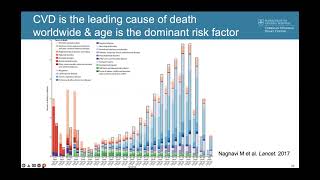
Great, thanks, thanks so much for the wonderful introduction. Great to be among friends. As I was telling people before, I was really introduced to the concept of the physician-scientist at UCLA when I worked with John Tobis a little over 20 years ago, um, when I was in college. Heavily influenced my career decisions, a major reason why, you know, MD and really thinking about how one can be a thoughtful clinician and use the knowledge gaps that one understands through clinical care to advance science and do high-quality science. So, oh, a heavy debt to Dr. Tobis and UCLA. Um, the, uh, focus of this talk, uh, will, will cover, cover a lot of ground, but I think my hope is to give you some general sense of how I think about precision medicine, particularly as it relates to atherosclerosis. And some of that, some of this is also just how my own research has evolved over the years. We'll focus on germline genetics, somatic genetics, and then what paths might be to ultimate clinical adoption. These are my disclosures, most not relevant to this talk. I am a co-founder for a company related to topics in the latter half, but they don't sponsor any of my research and I serve as an advisor. If people are interested, you know, interested in the research methods or learning more, This is a review that we did recently on polygenic risk scores, really thinking about clinical utility and path towards actionability. And then very honored to be part of the latest Braunwald's textbook and focusing on a chapter that more comprehensively talks about how we use genetics for cardio— cardiovascular medicine research, as well as clinical care. So pretty broad introduction. Um, so yeah, title of the topic is precision medicine, and this was introduced as a widespread term, um, in President Obama's State of the Union address in 2015. I know, you know, we had one very recently. This is 7 years ago, as a new initiative at that time. Um, and the, the concept of precision medicine is not new, you know. Shortly thereafter, Dr. Collins and Dr. Varmus wrote an op-ed Define precision medicine as the prevention and treatment strategies that take individual variability into account. Now, in medicine, and particularly in preventive cardiology, we have already been doing that, at least for the last several decades. It's been widely appreciated that a handful of risk factors are correlated with cardiovascular disease, and an abundance of evidence subsequently has shown that these are all largely causal factors, meaning that if you individually modify those risk factors, you can reduce the risk that is attributable to those risk factors. So that root cause of precision medicine kind of already exists. What was new though is the ability to now even more deeply capture inter-individual variability that may actually have even broader impacts on how people may be treated beyond just those handful of risk factors that we've known for the last several decades. And that's because, you know, the human genome sequence had been completed and now the ability to sequence the individual genome at scale, as well as a variety of other molecular features and even non-molecular features such as widespread smartphones and wearable technology to understand how these things may influence health and disease. And importantly, in parallel, the computational tools as well. So this is, you know, this has been the, the promise of precision medicine. When many of us think about this, we think about it rooted in genetics. Some of this might be, you know, in each of the State of the Unions, as you know, you know, there's, there are always guests, and the guest when President Obama discussed the Precision Medicine Initiative was a patient with cystic fibrosis. And there were tremendous advances by Vertex and the CF Foundation to develop medicines that were effective in the context of specific genotypes for cystic fibrosis. And there was some notion that maybe this could traverse to other rare diseases and potentially even common diseases. So when we think about it, for the most common disease or the most common cause of death, coronary artery disease, We think about what is the role in the context of risk factors, as well as other less traditional risk factors, but other important inputs for cardiovascular disease risk. But as one thinks about like how these things can ultimately make it to clinical care, most of us in the, in the field today, just because that's where things are for data generation, are focused on prognosis, understanding what is the incremental ability to predict risk. But importantly, the field is starting to try to move towards, you know, what is the scope of the problem? Obviously, this is a, you know, common condition. What is the actionability if a test is abnormal? And then how, you know, how does one implement the assay? All these things are important when think— thinking about value. You know, there's a traditional definition of value, but, you know, value can be at least subjectively slightly different just depending on the various important stakeholders when it comes to an individual patient's care. So there are the, um, you know, professional societies and regulating bodies, you know, the people who are writing the guidelines and, and directing policy, the insurers who are managing risk with a finite amount of dollars, uh, the physicians who are managing a patient panel, but, you know, are thinking about cost-conscious care and the patients who are, you know, primarily focused on, um, their personal health or, and/or their family's health. But also in the context of what are at least their out-of-pocket costs. So all these things sort of kind of come together when thinking about value. What is a little bit different about genetics and why it might not be kind of an esoteric new biomarker is that much of the data is already out there in our patients. It's a little bit of an outdated graph here, but this just represents the cumulative prevalence of Americans who have paid for direct-to-consumer genetic testing. This is broad genetic profiling that is done for a variety of motivations. Much of the information is related to anthropometrics or hair color, ancestry decomposition. However, increasingly so, people are using this information, the companies themselves, to deliver reports as it relates to disease. And depending on your practice, at least maybe of where I am geographically in my practice, I sometimes have savvy patients, even without these reports, who are coming and saying, this is the information that I have. And that's very different from a variety of other biomarkers that are described that correlate with risk. Also, you know, much of the research is moving towards our patients as well too. There's been significant, you know, federal investment and others to generate broad molecular profiling in the context of healthcare scenarios. And it's often starting with genomics. It's migrating of the observational prognosis research that is done in more anonymous datasets like Framingham, MESA, ERIC, all these that continue to provide tremendous value. But now just among our patients themselves, offering the opportunity of actually thinking about how care can be advanced. I think there are lots of ways that one can think about what the opportunities could be for genetics. Another unique feature compared to the compared to most other biomarkers is that it is static as far as the genetic information. Prognosis certainly could change with time and context, but at least the information is available earlier, providing an opportunity potentially for earlier intervention. And to some stances, you know, we kind of already do this. You know, there's a recommendation for adults in their 20s to get their lipids checked at least once. You know, much of that is to look for severe dyslipidemias that that as a singular factor could be the basis for starting a medicine. That model could be there for a complementary genomic model beyond, you know, monogenic dyslipidemias like familial hypercholesterolemia. Much of the challenges, you know, even going on the prognosis side, is the availability of data in those kinds of patients. However, you know, again, as these things are being done, this kind of profiling is being done in younger individuals through direct-to-consumer settings and then also within healthcare settings. This is going to become increasingly addressable to understand this opportunity. Where much of the research today is in middle-aged adults, but we can start to get the insights of actionability, particularly in completed randomized controlled trials to say, you know, for how we treat patients today for modified risk, what is the potential opportunities for things like polygenic risk scores, which is, you know, shown to have prognostic influence. So, as we know, and and, you know, pretty much all statin clinical trials in subgroup analyses, the relative risk reduction has been the same, meaning the amount that you lower somebody's LDL cholesterol, you know, milligrams per deciliter, the proportional lowering for coronary artery disease risk is the same. And that's the same for every subgroup. And so the way that we allocate statins in the primary prevention setting is, you know, if you have more and more risk factors, the absolute risk goes up, the relative risk reduction will be the same, but the absolute risk reduction gets magnified really as a function for where you start out with that absolute risk. What was quite surprising to us is that for individuals who had high polygenic risk score, not only was their absolute risk higher, but their relative risk reduction was also magnified. And so that further magnifies the absolute risk reduction and further lowers the number needed to treat, suggesting that this tool may actually be particularly helpful in identifying individuals for pharmacotherapies. Now, we, you know, we asked— now moving into like the real-world health, you know, healthcare scenario— contemporary biobanks, you know, we have one locally. This is in an early phase of it, but also geographically distinct biobanks like at the University of Pennsylvania and Mount Sinai, which are obviously, you know, geographically distinct but also have fairly distinct ancestral makeups. On a continuous scale, actually, the effect the effects for enrichment for individuals who had coronary artery disease, their enrichment for score was strikingly similar, suggesting that, you know, despite what we do today in medicine, you know, there are— this seems to be a signal still for increased risk as opposed to, you know, an epidemiological cohort that has been ascertained many, many years ago. And then importantly, that if you think about eligibility for medicines today, you know, an eligibility based on the pooled cohorts equations, the distributions of the scores are basically the same for individuals who are at high versus lower risk for genetic risk. Some of the differences are there is a modest increase in LDL cholesterol for people who are in the higher polygenic risk. So if you take the top 20th percentile, it's about 5 or 6 milligrams per deciliter. So not, not reliable to identify individuals who had high genetic risk. But again, One shows that there is a complementary risk model compared to the clinical factors. And two, when thinking about allocating medicines today, you know, it's basically the same. Now, there is a model today for thinking about the incorporation of novel biomarkers that upclassify risk. You know, in the 2018 guidelines, there was this, you know, concept of risk-enhancing factors that was introduced, meaning after the prior guidelines before that where there was everyone greater than 7.5% being eligible for a statin. Now the guideline writers give a fair amount of leeway in this middle ground, which very broad middle ground borderline intermediate risk saying everybody is statin eligible. However, the recommendation is stronger if there are more risk-enhancing factors, features that increase risk beyond the conventional modifiable risk factors that go in the pooled cohort equations. What is similar about all of these factors factors is listed here is that they all increase risk by about 1.5 to 2-fold. And, you know, taking the interaction part aside for statin response, for prognostic effect, you know, polygenic risk score at the top 20th percentile is roughly about 2-fold risk, suggesting that there, you know, for a patient who walks into the office today who had that information and was in this range, one can think about it at minimum in the context of a risk enhancer. Now we'd also ask, you know, there are a lot of people there in that bin who I'm sure are already being prescribed statins and maybe across these academic medical centers are very astute clinicians and somehow are capturing that. But not surprisingly, you know, there is a fair number of individuals in that bin, not a lot, but a fair number of individuals in that bin who are not being prescribed statins. You know, the majority still are not being prescribed statins within that middle range. However, this does not mean, you know, you vastly change how you treat patients in the primary prevention setting. Especially if you focus on that middle range, the slice who is at the top 20th percentile, we find that it's basically in general about 1 in 24 primary prevention patients in middle age you would now newly recommend for statins. That's a little bit of a— that's the scenario that exists today because most of our practice focuses on middle age. That separate model of earlier in life, that requires further research. We and others are pursuing. Okay. So when one thinks about the adoption of medicines, you can think about medicines that are already available and fairly conventional post-hoc analyses to show that individuals with higher risk have lower number needed to treat. That's fairly straightforward. Maybe you'll get lucky, which it kind of was with the statin interaction, and there'll be an even smaller number needed to treat. And that might be fairly compelling because these days we're not so concerned about how low is the p-value. We test the hypothesis with the p-value, but it's really what is the benefit? What's the value? What's the effect estimate? However, what is not sci-fi today, and it kind of was even just like 5 years ago, was to now say you could test that hypothesis now prospectively. As I said, there are lots of Americans, tens of millions of Americans out there who have all the necessary features to calculate a polygenic risk score and are basically within databases that they can be called back. So at minimum, it's fairly conventional in cardiovascular clinical trials to enrich for events. This can be another precise feature to help enrich for events. Okay. And that, that can help with also magnifying the absolute risk reduction, lowering the number needed to treat. But because, you know, much of this information may be available at baseline, or if it's a part of the features that are profiled at baseline, one can use adaptive randomized control trial designs, which have, you know, transformed COVID-19 research and may be helpful for rapid data generation for efficient or high-effect groups of individuals who would benefit from disease. One can basically use a variety of features that are profiled, and as the trial goes on, through a pre-specified protocol, if there are groups that benefit more by certain features, of which one of them could be by genetics, that could be another pathway towards— for in the design of new trials and thinking about how genetics could be helpful. Okay, now slightly switching gears. So this is all, you know, based on genetics that is available, you know, at conception or certainly at birth.. But importantly, most of the events are still happening later in life. Obviously, lots of the exposures are happening early in life, and that's the opportunity for prevention, but still the events are happening later. And so this is an exercise in just basically putting in numbers into the pooled cohort equations for each individual risk factor and then binned by ages. And you can see the, you know, the younger individuals always calculate lower risk The older individuals always calculate higher risk. That's a clinical challenge. It's hard to discriminate risk at those extremes, the relative extremes of middle age or beyond. But that's appropriate because most of the events happen later in life. Understanding what are the features of aging that influence cardiovascular disease, even though it's the most important risk factor or not, well understood. And this is not, you know, as a U.S.-based calculator, this is not an issue that is U.S.-based alone. Um, you know, over the last 20 years, the primary causes of premature death in the world has shifted from communicable diseases to non-communicable diseases, and the plurality of that has been complications to ischemic heart disease. That's sort of the lighter blue bin here. Um, so understanding, um, why age is, uh, you know, such an important determinant is, is an important problem to address. Now thinking about it from a genetic model is, I think, is a little bit harder to conceptualize. But as you— so part of it is trying to understand what are the cell types that are important for atherosclerosis and atherosclerotic cardiovascular disease events. Now in concert with the modifiable risk factors, which involve, you know, a variety of macromolecules and macromolecular changes, they influence circulating inflammatory cells. You know, this is science that we've been well established or at least well regarded for the last couple of decades. These circulating immune cells are important in both the genesis of atherosclerosis and then also the events itself. Now, because these are key necessary cells, one can say, could there be a genomic model that relates to these cells that might influence cardiovascular disease? We know that the intrinsic properties of cells with aging also change. Some of these have been described largely in correlations, but could there be genomic models and genomic changes that influence heart disease? There's obviously a well-established model for that for cancer. Outside of cancer, not well understood. At least discussing the cancer literature as it relates to these cells, if you take patients who have leukemias, their blast cells have a variety of mutations. But if you look at their non-BLAST precursors and even precursors for the lineage that becomes BLAST, it's often the same mutations that you observe. Similar in this study too, if you look at individuals with leukemia, the leukemia cells have a bunch of mutations. And then you go into the bone marrow and look at the hematopoietic stem cells, many of those cells will have the same mutations that are not yet BLAST cells, indicating— maybe this seems obvious at this point— is that the mutation occurs, some additional necessary changes need to happen, and then neoplasia happens, right? But at some point, a cancer-causing mutation occurs. The, the main question has been, you know, until kind of recently, is that what is the latency between when that cancer-causing mutation occurs and then cancer? And if it occurs at some point, does it— is that, is, is that common? What's the scope? And is that problematic? Now, a couple decades ago, there have been some insights that this issue of kind of pre-leukemic mutations or, you know, selection may occur in healthy individuals. So nice paper by the same group, by Lambert Busk, in the, in the 1990s, 1996, that took a bunch of women at different ages. They did an assay for random exon activation. As you all know, women have two X chromosomes, but in each somatic cell, only one X chromosome is expressed. The process of choosing which X chromosome is expressed is through a process called X inactivation that is relatively random. You can detect that in blood cells. If it is truly random, then it should be essentially a balanced pattern. However, they found that in some older women, and more commonly in older women, there was skewing of X inactivation indicating that there were populations of blood cells that were similar, indicating the process of selection and clonal proliferation. Fast forward about 15 or so years later with the advent of next-generation sequencing and whole exome sequencing, they partnered with Ross Levine at Memorial Sloan Kettering. They found that these women who'd had no cancers had cancer-causing mutations that had taken up about half of their blood, indicating obviously selection and clonal proliferation. So, you know, these observations led to this model of clonal hematopoiesis and specifically clonal hematopoiesis of indeterminate potential, or CHIP, which is unfortunately a very unfortunate acronym because every subfield of biomedicine has its own CHIP, but this, you know, this is what we have. And it's of indeterminate potential because We don't yet quite know what are the necessary features that are then going from the premalignant state to ultimately having intrinsic cellular abnormalities indicative of dysplasia and then neoplasia. But still based on these, we don't really know how common a problem this is. What is the scope as it relates to this exposure? What has allowed us to do this is, as I said, next-generation sequencing and the fact that the technologies are getting cheaper, as indicated, you know, by initial senses for precision medicine. This is because many of us in the field were, uh, we're performing whole exome sequencing to look at the heritable basis of a variety of traits in large populations, which is only feasible over the last decade. Most of that DNA comes from blood. Red blood cells are anucleate, so they're coming from circulating white blood cells or inflammatory cells. There are some important statistical considerations and curations to identify somatic variants in blood. Because, you know, normal approaches or conventional approaches to looking at somatic variants in cancer is taking tumor tissue, comparing it to, to normal, which is usually blood. Here we just have blood, so it involves a lot of curation with internal controls, external data. But, but then importantly, the, you know, the features of of CHIP are, you know, there are no clinical abnormalities. So the CBC is normal, you know, bone marrow would be normal as far as intrinsic features. There's no diagnostic criteria for other non-neoplastic clonal conditions. And it has to be a mutation that is a cancer-causing mutation and a variant allele fraction greater than 2% of the blood, meaning if you looked at all the DNA in the blood, at least 2% of it will harbor the mutation, or at least 4% of the blood cells, indicating again a mutation that is known to influence fitness of the cell clone, and then also empiric evidence that there is selection. Some of this comes from the legacy of the technical sensitivity of exome sequencing. So, you know, as a handful of observations about 8 years ago, really repurposing datasets where exome sequences were meant to look at other things— this was Julio Genovese and Steve McCarroll at the Broad looking at neuropsychiatric disease. Sid Jaiswal with Ben Ebert at Dana-Farber, but they partnered with David Altshuler who was studying type 2 diabetes at the time. This group was from the Cancer Genome Atlas looking at the heritable basis for solid cancers. All of these use slightly different approaches, but they all converged on the same observation that these cancer-causing mutations were present in the blood that was much more common than one would expect because blood cancers are pretty rare. One in 10 individuals who was otherwise healthy, who was over the age of 70, had clonal hematopoiesis of indeterminate potential. Again, a cancer-causing mutation with clonal proliferation. If one then starts to look at least cross-sectionally for the risk factors for CHIP, age is an important determinant. There's some interesting differences by ancestry, meaning, you know, higher prevalence in Europeans, lower prevalence in Hispanics, and that's— that is borne out actually in other studies, and we're trying to understand why that might be the case. There's enrichment among individuals who have type 2 diabetes. There's some sex differences that we'll get into, and then there's some interesting observations with adiposity that are still getting worked out. Most of the mutations occur within a handful of genes, really in the top 10 genes, and overwhelmingly so in the top 3 or, you know, 5 genes. The top 2 genes, DNMT3A and TET2— again, these are all cancer-causing genes. These are epigenetic regulators. ASXL1, p53, JAK2— they're cell cycle regulators. So they all have different genetic functions, even though they're all leading to clonal proliferation. And not surprisingly, you know, if you have CHIP at baseline, you have a pretty high relative future risk for developing blood cancer. As I said, you know, the incidence rates of blood cancer is still pretty low, right? So a relative increase by about 11-fold still doesn't lead to that much for an absolute risk increase. And again, you know, CHIP is still pretty common. So I think, you know, that notation of indeterminate potential is probably still appropriate. Those who had the larger clones, meaning a greater degree of clonal selection, had a greater risk for having blood cancer. Now, what was kind of surprising was that there was actually a pretty striking signal for all-cause mortality, about a 40% increase. Now, that can't be explained by the blood cancer because, as I said, you know, the absolute risk for blood cancer is still pretty small as it relates to CHIP because blood cancer is still pretty uncommon. In this one study, there were cause-specific analyses to try to probe at maybe why these individuals with CHIP are dying. And there was an observation that maybe it's actually related to the most common cause of death, cardiovascular disease. So we paired up a few years later to start to look at this in depth. This was a collaboration. This is when I was in, say, Kath Raisin's lab and then also with Peter Libby's lab. At Brigham, where we first took individuals that, again, we were doing lots of exome sequencing to understand the heritable basis for coronary artery disease. So if we take older adults who had coronary artery disease compared to age-matched controls and also match by sex and smoking, diabetes, other factors that are enriched for individuals with CHIP, those with coronary artery disease had about a twofold enrichment for CHIP. Now, quite Surprisingly, among individuals who had early onset MI, so MI is in their 40s, compared to older controls actually in their 50s and 60s, the younger individuals with early onset MI had a fourfold enrichment for CHIP. Now they're young, so it was about a half a percent prevalence. But that relationship of half a percent to fourfold risk is similar to, you know, well-recognized monogenic model for coronary artery disease is familial hypercholesterolemia. That's readily detected by LDL. And I said, you know, CHIP by definition, the CBC is normal. There's, you know, modest increase in C-reactive protein, but really not a striking difference to use CRP to identify these folks. Importantly, you know, those were nested case-control analyses. If you look prospectively, individuals with CHIP are at a greater future risk for cardiovascular disease. A key discriminator is how large the clone size is indicating, you know, again, a higher degree of fitness for the clone. Now, if we think about our model for, you know, this being an important cell for the development of atherosclerosis, individuals who have CHIP have a greater burden of atherosclerosis as quantified by CT. Even those who have coronary artery disease, they have a greater burden of plaque also in that context. And again, those with the larger clones have a greater burden. One can then model that in the mouse, you know, as an atherogenic mouse, you know, hypercholesterolemic mouse that one can generate. And then we can create hematopoietic stem cell deficiency of one of the genes. You know, the second most common gene is TET2. And then in the atherogenic mouse, then transplant in TET2-deficient bone marrow, and then also transplant in wild-type bone marrow. And you can see the mouse is modeled as having CHIP, has a greater burden of atherosclerosis. This is at the aortic root compared to wild type. Now, importantly, there is another form of clonal hematopoiesis that's been described because is it just the clonal hematopoiesis itself? Is it that we just have a great biomarker for aging? Or is it something intrinsic to the mutations? Now, one can use other genetic data, genome-wide array data that is often used for genome-wide association analysis, One can actually repurpose that raw data to find larger chromosomal structural changes, chromosomal rearrangements that happen in the blood. That actually has a similar frequency of CHIP and it's also age-related. Those individuals also have a greater risk for blood cancer. Interestingly, most of the cancer is lymphoid cancer, whereas CHIP, most of it is myeloid cancer. There's a greater overall risk for death, but it's not related to cardiovascular. Disease. That led us to explore this a little bit more, and we found that these individuals were dying because of severe infections. And then when looking at the first wave of patients hospitalized in New York, those with the severest form of COVID-19 had a greater prevalence of these structural variants, indicating that it's probably not, probably not just, you know, some correlated factor. It's not just clonal hematopoiesis itself, but it seems to be very specific to this form these forms of mutations and probably the cell types that are implicated. Now in parallel, actually across town at BMC, Jose Fooster, who is Valentin Fooster's nephew actually, but independently bright in his own right, working with Ken Walsh— Ken is now at UVA— that came to— it was purely a mouse study— slight differences in the modeling came to the striking concordant observations as it relates to atherosclerosis, but also observed that some of the dysregulated features that they detected in the blood were features that have already been implicated in atherosclerosis. So greater concentrations in the mouse with CHIP for IL-6 and IL-1 beta. These are all part of the NLRP3 inflammasome cascade. So this is an inflammasome that gets activated, IL-1 beta gets activated, then IL-6, and then IL-6, you know, activates the IL-6 receptor, and then all the bad things related to inflammation and cardiovascular disease happen, whereas CRP is sort of reflecting that. Okay, so it suggests that this, you know, well-established pathway that is known to be relevant to atherosclerosis may be upregulated in this context. If you look at humans and do a more unbiased assessment, as done by Stephanie Dimmler in Frankfurt, you find in an unbiased approach in humans, you find also an enrichment for these key specific inflammatory cytokines. In humans who have CHIP. Now Ken and Jose took it a step further to really show that these were very important features in CHIP-associated atherosclerosis. So they took that mouse at baseline. So this is the wild type and the one with CHIP, so greater atherosclerosis. And then they inhibited that pathway. They gave the mice an inhibitor for the NLRP3 inflammasome. You can see for wild type mouse when given the inhibitor, maybe modest reduction in plaque, but pretty similar. But for the mouse with TET2 CHIP, there's a greater delta as far as the decrease in plaque. That's done in replicate here. So this is, you know, wild type, modest reduction, and then again a much greater reduction here, indicating a high degree of efficiency in targeting this pathway and an important specificity for CHIP-associated atherosclerosis in the mouse. And as people may recall, there is a trial where this pathway has been tested in humans, at least, you know, not in the context of CHIP. Canakinumab is a monoclonal antibody directed at IL-1 beta, again, the next one that's downstream from NLRP3. And among patients with cardiovascular disease and high CRP, canakinumab does reduce cardiovascular disease risk. Now, motivated by the observations in the field, the folks who make canakinumab, Novartis, did targeted sequencing of CHIP genes in CANTOS, a subset that had consent for doing genetic analyses. In exploratory analyses, it seemed that there was strikingly greater benefit for patients who had TET2 CHIP, you know, hazard ratio of 0.36. These are effect estimates that we don't see in coronary artery disease clinical trials. That is pretty exploratory, but strikingly consistent to the murine data. Now, we, you know, wanted to use our expertise in germline genetics as well to see if we could provide additional human evidence. Now, it turns out serendipitously that there is a pretty common coding disruptive variant in the IL-6 receptor. There, you know, this variant is present in 40% of individuals, so pretty random, almost 50-50 whether you have it or not. And of the people who have it, there's a statistically significant 5% reduction in coronary heart disease odds. This is actually, you know, incidentally, is among the best human genetic evidence of the relevance of inflammation for atherosclerosis. We simply asked, is that benefit of having that mutation different in the context of whether you have CHIP or not? If our hypothesis is that this pathway is particularly relevant for CHIP-associated atherosclerosis, so maybe the benefit of having that variant might be greater. If you look at this panel for individuals who don't have CHIP and then if you have the IL-6 receptor variant, see modest reduction, about 5%, non-statistically significant. Some of this might be power, but mirrors what is observed in the population at large. And then if you take individuals with CHIP, there's a striking reduction actually in coronary heart disease risk for those who have the IL-6 receptor variant. That's represented also down here in this forest plot, quite consistent with the exploratory CANTOS results, and then also with the mirroring results of pharmacologically perturbing it, now providing the third line of evidence indicating a high degree of specificity and efficiency of targeting this pathway in this molecularly defined subset. So now this represents an opportunity when you understand mechanisms and have the, you know, opportunity to call back a bunch of people who have DNA. One can start with the genetic screen and then design the trial prospectively, hoping, you know, anticipating a larger effect estimate being much more efficient with the clinical trial, and then much more enthusiasm because value, you know, hopefully will be better as far as, at least as it relates to the, you know, to the effect estimate. Now, you know, related to this, we've also been interested in other important questions related to CHIP. You know, what causes CHIP? Could this, could there be opportunities for, you know, primordial prevention of the risk factor itself? And then you may prevent pleiotropic consequences related to cancer and cardiovascular disease. You know, most of the reasons why people have CHIP are related to non-heritable causes. The estimated heritability for CHIP is only about 3%, but when we do these kinds of exercises, we start to get insights on what the causal features might be for developing CHIP. Now, this is the gene for the telomere complex, telomerase, And then this is actually the germline locus for TET2, and this is actually a locus that's only present in African Americans. We won't go into the, into the details, but really based on additional in silico analyses, we found that the genetic variants disrupted a key enhancer in TET2, led to decreased expression in a cell-based model, led to increased formation of stem cell colonies, and we think at least a substrate for the development and then also improving the fitness of of clones. Now, as I said, the, the peak though is at the telomere complex. And this is pretty complicated because, um, uh, the, the allele that leads to increased risk for CHIP led to— was also associated with lengthening of telomeres. Now there is a, you know, well-appreciated relationship, inverse relationship: shortened telomeres increase cardiovascular disease risk. If you look at individuals with CHIP, they tend to have shortened telomeres. So that genetic relationship didn't, you know, at first make sense all that much. Now, it turns out in the cancer literature, more in the solid cancer literature, processes that lead to lengthening of telomeres also lead to predisposition to neoplastic processes. Not well understood why that's the case, but when we model this through a bidirectional Mendelian randomization analysis, we similarly find Processes that lengthen telomeres also lead to greater prevalence for CHIP. And then in turn, CHIP leads to shortened telomeres, we think to heighten mitosis and potentially in the cells themselves. This requires, you know, I think, a fair amount of additional work, but whether this could relate to a complementary model for atherosclerosis is certainly intriguing beyond the inflammation. As I said, the top 2 genes are epigenetic regulators. So individuals and mice with CHIP have pretty broad changes in their epigenome. You know, it's already been well described that there are epigenetic features that influence coronary artery disease. And so we think that there may be some additional pathways that are differentially perturbed in the context of different genes that may influence cardiovascular disease. And again, reflects how, as we generate larger and larger datasets, we're hoping to move away from treating CHIP as a singular entity, but actually by, at minimum, by gene, because it's clear that these genes do different things and probably, you know, thinking about therapeutics should have separate strategies or complementary strategies. Also, interestingly, as it relates to methylation work that we've collaborated with, with Sid Jace Wall, who is in Boston, is now at Stanford, that there are well-validated aging clocks for methylation that are predictive of mortality and cardiovascular disease.. And Syd's lab has shown that actually that stratification for mortality and coronary artery disease is best in the context of CHIP, better than those who don't have CHIP. My impression is that this is probably a reflection of the pathogenicity of the CHIP mutation itself. But again, helps with trying to identify moving beyond the indeterminate potential part and then refining risk. And we've also been interested in key subgroups that we all clinically appreciate, have greater cardiovascular disease outside, you know, potential relationships to other cardiometabolic risk factors that might be enriched. One that we are, you know, interested in was, you know, natural premature menopause, particularly as a model of accelerated aging as manifested in the ovaries. You know, we and many other folks have shown that premature menopause is linked to a wide variety of age-related cardiovascular conditions. We found in two different data sets, actually, that women with natural premature menopause had a greater prevalence for cardiovascular disease. We didn't observe this in women with surgical menopause, suggesting that it may not necessarily be the menopause itself. It may be something intrinsic about the women who are getting premature menopause naturally that might be leading to accelerated clonal hematopoiesis. Interestingly, you know, we found this for CHIP, but also the other form of clonal hematopoiesis, these structural variants. Now, HIV is also obviously well recognized for greater cardiometabolic risk. The primary hypothesis has been related to dysregulated inflammation. And— but the mechanisms by which HIV causes that is pretty— is not well understood. And there's a fair amount of work into this. Given the hypotheses of CHIP-related atherosclerosis, naturally we and others were very interested in trying to understand what's the prevalence of CHIP among individuals with HIV. And interestingly, people with HIV who live into middle age and older, there is a striking increased prevalence of CHIP. And so this is a major line of investigation for us to try to understand why that is. That, at least, striking prevalence we haven't seen yet with any other subgroup. Diet and lifestyle factors obviously are important in a variety of cardiovascular disease risk factors, overt cardiovascular disease, as well as cancer. So we observe that individuals with an unhealthy diet are enriched for CHIP. Interestingly, physical activity doesn't seem to predict who has CHIP or not. There are some dietary features that have been described as being important in CHIP. There's a nice paper talking about vitamin C as a cofactor for TET2. There's actually a couple of clinical trials for patients with TET2 mutations who have myelodysplastic syndrome and giving them very high-dose vitamin C, like intravenously, to prevent the development of leukemia. So there may be some plausibility there. But that, you know, I think requires some more work.. Now CHIP is also implicated in other cardiovascular diseases, non-coronary artery disease related to ischemic stroke, surprisingly also in association with hemorrhagic stroke that was seen in a couple different studies. And I think it certainly requires further investigation. It was not something that we had initially anticipated. There's pretty interesting murine work that suggests both in ischemic and non-ischemic models of heart failure, also, you know, led by Ken's group, Ken in Walsh's group that mice with CHIP have worse remodeling of the left ventricle. We looked at this at a variety of datasets, and we found also in individuals who have heart failure with or without concomitant coronary artery disease have a modest enrichment for CHIP. So, you know, maybe a contributor in this context. You know, what has been fun about this field because it's so highly interdisciplinary is that but it gets me thinking, or it gets all of us thinking a little bit more broadly in the context of internal medicine and other conditions of aging. Very important clinical challenge for chronic liver diseases as it becomes increasingly prevalent is we see lots of our patients have fatty liver disease. The ultimate progression to steatohepatitis and overt liver disease is not well understood what those factors are.. And so, you know, we were interested in understanding what role CHIP may play in that transition to inflammation. We found a strikingly greater relative increase of chronic liver disease in cumulative incidence rates for those who had CHIP. This is in the UK Biobank. Some heterogeneity for the genes that are involved, you know, strikingly high for JAK2 mutations. This might be related to, you know, well-appreciated thrombotic mechanisms, but also for other genes. Like TET2. And when we look in liver MRIs for these patients, actually, and then we also have done it with path samples at MGH, prevalence of fatty liver is the same, but there's greater inflammation in the livers. Now we can, we've modeled this also in mice and see that there's similar steatosis, but there's greater inflammation and liver injury. So we're pretty excited about this. So, you know, there's lots that, you know, one can talk about. The field is rapidly evolving, and it's fun because it's still a pretty brand-new field. But importantly, I mean, taking a step back on precision medicine and cardiovascular disease is important to think about the, you know, it's clear the human genome is not static, and that part is well appreciated, but the fact that the implications now go beyond cancer is a relatively new concept. Implicates, you know, cardiovascular, liver, infectious disease, and potentially others to varying extents, just because of the ubiquitous nature of these circulating blood cells. And one can think about both germline and somatic genetics may have, you know, complementary precision medicine models. Doing the prospective trials and those assessments are actually now increasingly feasible, and the molecular phenotyping may actually help with allocation also, even with with current models, current medicines as well. And then one needs to always think about, I think, value. What's the problem? What's the scope? How common is the risk factor? How do you get the assays out there? What's a cost model that makes sense? And I think once we start thinking about curating especially key subgroups that have strikingly large— potentially strikingly large benefits, I think that's where things will make sense for precision medicine. That has largely eluded coronary artery disease, and it's pretty exciting for the, you know, at least preclinical data that suggests that there is an avenue that might be tractable. Lots of folks to thank. You know, I focused this mainly because most of the talk has been on clonal hematopoiesis. These are, you know, key people who have helped with that part to date, but only represents, like, the tip of the iceberg of the number of people going into this work. And then the folks in my lab who, you know, contribute to all of this, and then most importantly, the funders who allow me to keep doing this work.
So thanks. That was phenomenal and victoire de force. And also, I don't know if you saw, actually, John Tobus, he's actually— he gave you a shout out.
He's from Anonymous Computer Source.
Oh nice, yeah, yeah. So he is here. Thanks, John, for coming. And and being such a big influence on him as well. So, uh, do we have any comments or questions from the audience here?
Pradeep, I just want to say that was phenomenal, as I knew it would be. Thank you again for joining us, and, and we're going to get you back, don't worry. But anyhow, I'm just thinking, so many of the datasets are very powerful and very useful, but they're mostly of Northern European ancestry, and we need more datasets from more diverse populations. Do you see that coming near— in the near future?
We don't have a lot of datasets to work with. Yeah, no, this is the— this is basically— it's been the legacy of like the— what the early epidemiological datasets are. They've all been Eurocentric, and so those have been the tractable datasets to fund for initial human genetic analyses. And most of the even mega-large datasets early on, including the UK Biobank, have all been you know, Eurocentric. There have been concerted efforts from, um, NIH, at least NHLBI and NHGRI, to focus more on non-Europeans. So for example, the TOPMed dataset— TOPMed is actually majority non-European, I think.
Yeah, that's true.
I'm involved with TOPMed. Yeah. Yeah. And, and NHGRI, there's a new consortium that I'm involved in called PRIME, the polygenic risk scores and methods in diverse ancestries. The explicit goal of that entire funding mechanism is to develop methods, not just to generate data, but to generate methods where we can use polygenic risk prediction appropriately in other ancestries, because that is not covered here, but that has been a major barrier to clinical adoption. I mean, biomarkers, it's not uncommon that there's differences in performance by ancestry. The challenge here is this has been rooted in the generation of the polygenic risk scores themselves. That I think once we say we have the ability to generate the best performing polygenic risk score by ancestry and genetics and genetic variation will have differing role in each, then I think we are more comfortable beyond saying we have the best in Europeans, and because it's all been derived in Europeans, it's not going to work in others. Doesn't really fly for this. But there's a lot of effort. It's going to be both data generation as well as methods too. Agreed.
Great talk.
Thank you so much. We have a couple of chat comments here from Tamar as well. He's asking, any idea of how the mutation's mechanism link to increased inflammation, cell type, and atherosclerosis?
I think the specific changes that lead to inflammation, I'm not sure it's well described, the direct link as yet. I think the observation that the inflammation occurs and that the mutation is a key component, that has been described. But I mean, it's different by gene. Like the NLRP3 inflammasome activation is greatest in TET2. There is some relevance in JAK2. Alan Toll at Columbia has a great paper showing the AIM2 inflammasome is particularly relevant for JAK2-associated atherosclerosis, which can be mitigated by an AIM2 inhibitor. We have unpublished data validating that with human genetics as well. You know, different for p53 and PPM1D, these are DNA damage response genes. They're more commonly observed in the cardio-onc patients, patients who get cytotoxic chemotherapies. They probably have a role more so in efferocytosis, sort of, you know, like clearing of apoptotic cells. So I mean, there's a fair amount of basic work that needs to be done, but you know, this is a Great questions.
And also, Xinjiang, one of our physician scientist fellows, also said, unlike our oncology colleagues, we do not have the luxury to easily target specific genes pathways for CV disease given the polygenic nature. How do you see the future trend of CV translational research in this area?
Yeah, I think many of us have been relatively— I don't know if we're jaded or skeptical for this because it's clear for atherosclerosis that all the risk factors are important for everybody. There'll be some relative balance, but there are very few descriptions. You know, this may be one, um, and the other examples being like, you know, people who smoke a lot and severe hypercholesterolemia, where it's overwhelmingly one risk factor that you can be maximally efficient. For most people, it's kind of a fruit salad blend. The extent to which we'll find other, um, other opportunities, I think, requires more work. I mean, undoubtedly there will be individuals of which lifestyle factors are such a strong determinant, and that's only going to happen when we better understand, you know, how to understand the wearable data, for example. Um, so I, I think there will be examples where we need to better understand, like, what are the causal features? And for each patient, what is the relative contribution? That, that may help at the population level for allocation of medicines. But it— but, you know, I think there's, there's a fair amount of discovery to be done and data generation that's necessary to get there.
Thank you. Yeah, I mean, I, I have a lot of very, I guess you could say, elementary sort of questions for this because in my, in my line of work with cardiology, as I know you have a lot of involvement in kind of looking at these crossroads, you know, the interesting thing is a lot of this focus on blood cancers, but yet the interesting thing about CHIP mutations in this population phenotypically, it's a very different sort of field. And you alluded to just all these other associations with other chronic disease states. And I guess, you know, from a very big forest view, it's interesting that there's not a lot of talk about how it's also linked to other cancers. Basically, there's a lot of focus on lymphoma, but like solid organ tumors, things like that. But if there are some implications with atherosclerosis and you are seeing sort of indirect signals with trials like CANTOS with lung cancer. What, you know, how is this like, you know, not— there's not more of an obvious link, I guess, is sort of the interesting thing I observe. And also with a lot of the hematology patients, as you know, not all these mutations persist, you know, you know, with repeat— with stem cell transplant. And I guess my inner questions that I always kind of wonder is that along with aging and other traditional risk factors and cytotoxic therapies, how does the ultimate trajectory of cardiovascular risk occur with or without these mutations? Because it's more alterable obviously in the cancer population.
One, I guess as it relates to solid cancers, we haven't found striking signals. I know there's the provocative exploratory analysis in CANTOS for lung cancer. I think the prospective assessments haven't borne out. Intriguingly, there is a collaborator that sees something with CHIP in lung cancer, but we haven't been able to recapitulate that. Interestingly, these larger structural chromosomal rearrangements are strong predictors of solid cancers. They probably reflect some degree of immune dysfunction, you know, particularly on the lymphoid side, that may correlate with what's happening in other tissues. But I mean, again, this notion of like the, the stuff with clonal hematopoiesis, a lot of this has been a product of serendipity and convenience because the data is being generated with blood cells. Now, I think NIH has been very interested in understanding whether this process occurs in other tissues and whether there'll be health implications beyond cancer. There's actually an RFA for a new announcement from the NIH Common Fund on somatic mosaicism, basically doing DNA sequencing in, you know, at least 20 different tissue types through a variety of methods. To understand what is the extent of somatic mosaicism that happens across the body in the asymptomatic individual. The next question is, what are the potential diverse health consequences? There are a handful of cells like hematopoietic stem cells that undergo recurrent cellular regeneration, esophageal, other GI tissue, liver tissue, and others. How these things influence both of the two major causes of death, cancer and cardiovascular disease, are to be determined. But I'm hopeful— my goal is to use this as an initial window into somatic mosaicism outside of cancer, and then now starting to look at the other tissues, I think, will be pretty exciting to do.
Thank you. That's good. Again, fantastic talk. Do we have any other questions or any comments from the audience? Yeah, this is Greg.
Fantastic talk, Pradeep. Do you see ever getting to actually directly targeting, taking out the clonal cells, or just actually attacking the genes and potentially inserting or silencing them? Or what direction you see, like, directly targeting therapeutically? Yeah, yeah, there's actually— there Maybe it's— yeah, it's preprint right now. But we've done some analyses on clonal expansion, genetic analyses of clonal expansion. Because actually, if you deeply sequence all of us, about 95% of people will have CHIP mutations that are very quiescent, very low variant allele fraction, not indicative of CHIP. But the mutation has occurred. So the question is basically, what changes the fitness? Why do then people have clonal expansion? You know, there's great work from folks at Hopkins that suggests that many of these mutations are even happening in utero. And then again, it's not mutagenesis, it's changing, it's expansion. And so the issue is, how can you interrupt expansion? So there's the gene TCL1A that seems to be a critical factor, at least for TET2-related clonal expansion. So that, that could be a strategy to basically, you know, keep the cells quiescent and then prevent the pleiotropy of consequences. Because again, like, we, you know, the issue of like having the activated cells and just dealing with the inflammation, that's kind of all the way down the road. I agree, you know, one would want to try to deal with this earlier on for sure, because, you know, the anti-inflammatories won't help with the CHIP cells themselves. There's a paper by Linzon in Science at Children's in Boston that shows that the fitness of these of the CHIP cells is that they become resistant to inflammation. And so anything that you do to inflammation, they'll just keep, you know, being hyperinflamed, but they are resistant to the toxic properties of these things. So again, one needs to address it earlier on. And then, you know, trying to identify which individuals, which are the ones who are at risk for expansion, that requires, again, more data generation of longitudinal datasets. Those are things that we're just starting to do, because again, we basically have just repurposed large-scale datasets. Now we have to generate new ones to test this hypothesis. You guys are asking all the right questions.
All right, well, I think we're past the hour, and we want to be respectful of Dr. Nadjaran's time, and Again, we, we're really excited for all the work you have and will continue to do. We'll be watching from the West Coast, and we hopefully have— would love to have you in person in the future again here soon. Glad that you have your roots here, and, uh, thank you again, um, and, uh, for, for, for coming to talk to us.
Thanks so much, Pradeep, and we will have you back.
Yeah, for sure, for sure.
Good to see everyone. Thank you.
Thank you. Thank you.
More from Joshua







Scientist Stories: Hans Waterham, The value of phenotypic assays in peroxisomal disorders




Scientist Stories: Joel Zlotogora, Genetic carrier screening programs for reproductive purposes