Scientist Stories: Timothy Springer, New antibody therapeutics and founding investor in Moderna
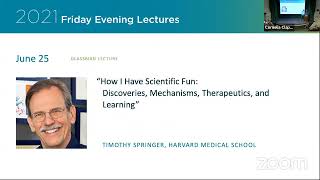
In a Friday evening lecture at the Marine Biological Laboratory, Timothy "Tim" Springer recounts his scientific journey, beginning with his early education and post‑doctoral work in César Milstein’s lab where he learned monoclonal antibody technology. He describes how he used these antibodies to identify magnesium‑dependent adhesion molecules on leukocytes, leading to the discovery of LFA‑1, MAC‑1, and their counter‑receptors (ICAMs), and the broader integrin family. Springer explains the mechanistic insight that T‑cell receptor activation triggers inside‑out signaling that activates integrins, enhancing antigen‑specific killing. He details the clinical translation of these findings: antibodies and small‑molecule drugs targeting LFA‑1, α4β1/α4β7 integrins (e.g., Raptiva, Tasmar, Entyvio) for psoriasis, multiple sclerosis, and ulcerative colitis, as well as the broader impact on checkpoint inhibitors such as PD‑1/PD‑L1. He introduces the “three‑step area‑code model” of leukocyte rolling, activation, and firm adhesion, illustrated with in‑vivo videos, and discusses leukocyte adhesion deficiency disease that revealed the essential role of integrins in immune cell migration. Springer then shifts to entrepreneurship, describing the founding of Leukocyte (1993) and subsequent biotech ventures (Morphic Therapeutics, Scholar Rock, Editas, Moderna, Institute for Protein Innovation) and his role as an angel investor and board member, emphasizing how his scientific insights guided drug discovery and vaccine development. He also shares personal anecdotes—his love of sailing, paddle‑boarding, poetry, and community involvement at MBL—underscoring a philosophy that scientific curiosity, fun, and interdisciplinary collaboration fuel both discovery and translation. The lecture concludes with a brief Q&A about the timing of his entrepreneurial activities and a discussion of antibody‑mediated clearance of amyloid plaques in Alzheimer’s disease.
Chapters
Thank you very much.
I'll make sure we get you set back up.
Okay.
Check, check, check, check, check, check, check.
Okay, I'm gonna lock this arm so that it can't even—
you can't even accidentally turn it on.
Yep, yep, you're muted right now. You'll be muted right up until the point before you start to talk. Okay, do we need to get going? Yeah. All right, good. Yeah, it's fine. Yeah, yeah, yeah. All right, all right. So we're going to get going now. It's, um, are we going to wait a little while? Are we going to go now? Oh no, you can— oh, okay, you're waiting for me. All right, all right.
As soon as you're done.
All right, okay, good.
Hi everyone, good evening, and welcome to tonight's Friday evening lecture. My name is Nipam Patel. I'm the director of the Marine Biological Laboratory. Thanks to you, thanks to all of you that are joining us in person at the Cornelia Clapp Auditorium. And to those who are joining virtually this evening. Throughout this summer, we are recognizing past members of the MBL community who have made extraordinary contributions to this storied institution. Tonight, it's my privilege to share with you the highlights of the life and the work of Lillian von Morgan, a scientist and investigator at the MBL, along with her husband, Thomas Hunt Morgan, an MBL faculty member investigator, corporate member, and trustee. When Lillian, when Lillian von Morgan died in 1952, she had 18 scientific publications to her credit and had made significant contributions to the nascent field of genetics, along with research and development in regeneration. Despite these accomplishments, Lillian never had any professional position as a scientist until 1946, when the California Institute of Technology appointed her as a research associate. This overdue recognition came one year after the death of her husband, Thomas Hunt Morgan, a pioneer geneticist and recipient of the 1933 Nobel Prize in Medicine or Physiology. Early in her career, Lillian found a scientific home as an independent investigator at the Marine Biological Laboratory. And it was here in Woods Hole that Lillian and Thomas furthered their interest in developmental biology and in one another. Lillian first met Thomas at the MBL in the summer of 1891 after she graduated with a degree in biology from Bryn Mawr College. Thomas had recently received his PhD in zoology from Johns Hopkins University and accepted a faculty position at Bryn Mawr. In the fall, Lillian went to Zurich to study comparative anatomy. When she came back, she began working on a master's degree with Thomas Morgan. At Bryn Mawr, Thomas trained a large group of students, including Lillian, in original research approaches. Their results were published in the Bryn Mawr Collegiate College Monographs. After receiving her master's, Lillian returned to the MBL as an independent investigator for many summers throughout the 1890s. She published embryological studies in frogs and mollusks. Thomas was active at the MBL in both research and leadership, and in 1897. He was named an MBL trustee, a position he held for the rest of his life. In 1904, Thomas and Lillian were married. Their first child followed in 1906 and 3 more. Lillian set aside her research for the next 15 years, taking full responsibility for raising their children and running the household. For the next 25 years, the family spent winters in New York— Thomas was a faculty member at Columbia University— and summers in Woods Hole. They had a large and busy household at 56 Buzzard Bay Avenue. There they enjoyed the company of many scientific colleagues and friends. During this time, Lillian co-founded the Summer School Club in Woods Hole, which evolved into the Children's School of Science, still operating today. Thomas pursued many lines of investigation at the MBL, all related to the— to his central interest in sex determination, development, and heredity. Around 1908, he began breeding fruit flies, Drosophila, to probe how Darwin's theory of natural selection might work. This research led him to identify the role of chromosomes in heredity, work that brought him a Nobel Prize in 1933. By the 1920s, the Morgan children had grown and Lillian returned to research. She transitioned into experimental genetics. While she lacked an appointment at Columbia, Thomas gave Lillian space in his work to independent— to work independently, where she made significant contributions on her own. In 1928, the Morgan family moved to California, where Thomas became head of the biology division at the California Institute of Technology. There, Lillian was even more productive, publishing 9 single-author papers under Soflow. The Morgans continued to spend many summers in Woods Hole driving across the country to get here. Thomas's genetics work continued, but his interests returned to experimental embryology. While the Morgans' partnership in life was enduring and fruitful, in science they were on unequal ground, owing to the barriers 20th century women faced in gaining professional stature. At the end of Thomas's life, after he and Lillian had separated— sorry, had separately published more than 100 papers,. They produced their first co-authored study on the maintenance of a Drosophila stock center. So we are pleased to honor the life and contribution of Thomas Hunt Morgan and Lillian von Morgan, both pioneers in their field and the life of the Marine Biological Laboratory. And it's really wonderful that we can acknowledge all of these people who've made these important contributions, who— some of who are very well acknowledged in the MBL community and others who really deserve mention. And so with that, I'd like to go ahead and introduce our introducer. So Claire Waterman, NIH Distinguished Investigator and MBL Whitman Center scientist, who will introduce tonight's speaker.
Claire. Good evening to you present here and, uh, present, uh, virtually on the internet. It's a real pleasure to introduce Tim Springer as the Friday evening lecturer in the newly christened Clapp Auditorium, which to you all might seem like something new and different, but to me as an alumnus of Mount Holyoke College, uh, I, uh, all of my biology lectures at Mount Holyoke the entire time I was an undergrad were in the Clapp Auditorium, similarly named. So there were jokes about girls who study biology catching the clap. And Mount Holyoke being about 175 years ahead of MBL in recognizing the important contributions of women in science. But at least we caught up eventually here. Thank you. Thank you. So it is a real pleasure to introduce Tim Springer. Who is an award-winning scientist with over 560 publications and 30 patents, 8-time entrepreneur, a philanthropist, a former MBL Whitman Investigator, and more recently a member of the MBL Board of Trustees and a homeowning neighbor of ours here in Woods Hole. It's a pleasure to have him as a neighbor and to have him associated with the MBL. He's the Latham Family Professor of Biological Chemistry and Molecular Pharmacology and Medicine at Harvard Medical School and Boston Children's. He's a member of the National Academy of Science, winner of the Cancer Research Institute Coley Award, the Crawford Prize, the Gardner Award, and many others. He earned his PhD in molecular biology and biochemistry at Harvard. And did his postdoc in the laboratory of the Nobel laureate César Milstein in Cambridge, England. There he developed monoclonal antibodies to the surface of leukocytes, looking for the proteins to inhibit the proteins that cause leukocytes to adhere to the endothelium, and thereby discovered the adhesion receptors of the immune system that were sort of co-discovered at a similar time by his colleague, Eugene Butcher, and named by Richard Hynes, the integrin family of adhesion receptors. This discovery launched his extensive and award-winning research program characterizing the adhesion proteins of the immune system, and also led to the launching of several successful companies, the first of which utilized those original monoclonal antibodies to launch the company Leukocyte in 1993. It was the first of 7 successful companies that he founded or invested in, including being a major angel investor for the COVID vaccine creator Moderna,. And when they went public, he got to ring the bell on the NASDAQ to open up the trading for that day. And I think he had a great time doing that. It was a great video. He's been acknowledged by Forbes as sort of a Midas touch in choosing biotechs that are going to go on to be successful, which is ironic because he named one of the domains of the integrin also the MIDAS, the place that coordinates the metal ion. So he's the Midas touch in integrins and in investing. And he's become a major philanthropist. And this led him to launch a protein institute at, uh, in Boston that is aimed at generating synthetic antibodies to all cell surface proteins. These can serve as research reagents and also to eventual therapeutics. He's also endowed many chairs and professorships, several chairs and professorships at Harvard, Boston Children's, and University of California. So I got to know Tim because he got interested in my work on actin dynamics and cell migration, where I had been characterizing a phenomenon known as actin retrograde flow that happens at the leading edge of migrating cells. And through the— his studies, he knew that in order for integrins to get activated, to take on a conformation that allowed them to bind, uh, their ligands with high affinity, they had to undergo a conformational change that required energy input. But these aren't enzymes that hydrolyze ATP, so the mystery was, where's that energy coming from? And Tim realized that these integrins were getting activated in close proximity to the actin movement that I had been characterizing, and he thought, well, maybe the integrins can co-opt that actin movement to utilize that energy to activate the integrin receptors. He invited me for a seminar at Harvard. I came, we talked, he— I told him about the marine biology lab. He said he was interested in having his trainees learn microscopy. I said the physiology course is a great place for your trainees to learn microscopy. That summer, he sent one of his trainees, Pontus, to the MBL when I was the director of the physiology course, and I was doing a project with G2 Mayer trying to test his lateral force hypothesis. One of the predictions of that hypothesis was that the integrins should get aligned by the actin flow when the actin tugs on. And so we were— Jitu is an expert in fluorescence polarization microscopy, and I wanted to test the hypothesis that the integrins were getting oriented by the actin flow. This led to a collaboration between me, Tim, and Jitu, Whitman investigators for about 4 or 5 summers. Many meetings in Lilly 103, lab meetings together that were fun, very, very illuminating to have him, Jitu, me in the same room. Got contentious at points. A lot of— it was really spectacular and ended up with a couple of really lovely publications. During that time that I was getting to know him, I sort of ignored all the Tim Springer hype. You know, there's all this Tim Springer hype. And I was just like, I just want to meet this guy on his level and, and, and get to know him as a person. And I really got to know him quite well as a scientist and a friend. I learned that he's a wicked determined sunfish sailor and now paddleboarder. He's a sensitive poet who writes poems and has them carved on giant river rocks that he has artfully arranged around his garden in his house at Boston, that he loves the Vineyard and the Upper Cape dearly. He drives a pretty grungy old car as little as possible and rides his bike as much as he possibly can, that he commissions modern dances to act out his molecular mechanisms that he's characterized and discovered. And that he has a great fondness for his daughter's budding artistic abilities and political activism. So it really gives me great pleasure tonight to introduce my colleague and friend Tim Springer, who will give a talk tonight that strips away the Tim Springer hype and shows you just what he loves about science. And the title of the talk is How I Have Scientific Fun: Discoveries, Mechanisms, Therapeutics and Learning. So give us the unhyped talk, Tim. It's a real pleasure to introduce you.
Well, thank you very much, Claire. That was a wonderful and typically very energetic and spirited introduction. And all the stuff you said in the last half was true about all of, you know, my interest in energy and actin polymerization and, you know, and all the other things, and you portrayed me as basically I'm a bit of a— I like to do fun and crazy things. And I won't say about some of the stuff in the first half got jumbled, but I mean, the spirit was right. So I didn't necessarily do all the things she said. But anyhow, now if I can— yeah. So I'm supposed to share screen here, I believe. Desktop 2, share. And I think, yeah, we're all good. All right, thanks. So it's wonderful to be here for all you people on the web and in the audience. There's a lot of very warm friends here, so it's wonderful to see you. And I'm gonna talk a little bit about myself, if you don't mind, to start with. And, you know, I really want to talk about how I, I've been having scientific fun. And different scientists contribute in different ways, and so we have fun in different ways. But as you can see, a lot of us are pretty wild and crazy about what we do, and academics and basic research is hard work. So having fun is important. It's what keeps us going, and maybe even it leads to creativity. So my dad grew up as the 10th child on a farm in Pennsylvania, and he moved to Sacramento and with 3 kids already out of medical school. And he and my mom, you know, had 6 children. I was the first. And, you know, he was a family physician in Sacramento. And you have to be resourceful and hardworking on a farm, and I think I learned some of that from him. At Berkeley, I loved studying physics and biochemistry and even neurobiology, and I got my first exposure to immunology. And when I graduated, I decided to do a PhD. I planned to pursue an academic career and figured that I would never earn as much money as my dad, but this deficiency would be more than compensated by the freedom, travel, and adventure allowed by academics. And of course, I really didn't know much at all about what would happen. It was really, really hard to say. So I did my PhD with Jack Strominger at Harvard. And in the summer, he would often take me and some other people in the lab sailing down here in Woods Hole. And he had taken the physiology course at the MBL. And it's partly through him that I developed very early on an affinity for the Marine Biological Laboratory. I then did a postdoc with César Emilstein, who had just invented monoclonal antibodies. I learned how to make them from him personally, and monoclonal antibodies have been incredibly important to me in my career ever since. And when we come to philanthropy, you can see the connection with a new kind of antibodies. So when I began as a faculty member at Harvard Medical School in 1977, a kind of lymphocyte called the B cell was well understood. They made antibodies. And antibodies are secreted into the bloodstream. And they work at a distance. So they're called magic bullets. Antibodies are highly specific for foreign antigens. They bind to and neutralize, for example, viruses and bacteria that infect us. And they also flag antigens on foreign pathogens for elimination by the body. And they're just incredibly specific for anything. That is foreign to an organism. But it was a different subset of cells I was interested in, the T lymphocyte or the T cell. It was really fascinating because it didn't work at a distance. T cells required direct cell-cell contact. To recognize their antigen. They form the suction cup-like process to recognize an antigen-bearing cell, and then they delivered signals across this contact. It could be to other cells of the immune system, or it could be to a virally infected cell or a tumor cell, which a certain kind of T cell called the killer T cell could kill. And now, this was all new. Nobody knew anything about the molecules that were in this contact and how it worked. So that's why it was such a fascinating new, new system to study. And the immunologists were highly interested in the antigen receptor, which would be the equivalent of the antibody from the B cell. Um, but there was something unusual about this process, uh, because this adhesion process required magnesium ions, and antibodies did not require magnesium ions. So I thought that there must be other molecules besides, um, the antigen receptor that, uh, were involved in this process, including this magnesium-dependent one. And I've always been a bit of an outsider or outlier, you know, so I always like taking the path not taken. And so I decided to work on this system. And the other interesting thing was that there were other cells, like connective tissue cells, that bound to components of the extracellular matrix. And this adhesion also required magnesium. This adhesion also required magnesium. So, I thought that these magnesium-dependent molecules might be widely important, and you'll see how that connects with the story when we come to integrins. But how would I identify these novel molecules that were present in this contact zone between the killer T cell and the interacting cell? Well, with monoclonal antibodies, because you could immunize an animal with a whole cell from a different animal. And for example, you know, commonly today we would immunize a mouse with a human cell, although I was immunizing rats with mouse cells at the time, you know, but they recognize these subtle differences. But they can recognize, we didn't know how many, but probably a large number of different molecules on the surface of these cells, all different. So how would I really identify the ones that were important? And that was because with monoclonal antibodies, you could clone the cells that made them. Each, each hybridoma only made a single kind of antibody. So, I would clone them, and then I'd find out which antibodies were able to neutralize this interaction, which would prevent the killing of this target cell. And so, that's how I made antibodies to— why I made antibodies to killer T cells, and I only selected the antibodies that would block. The killing process. And the antigens we identified were required for antigen-specific killing. So, we just decided to be operational here. We didn't make any assumptions about what they were, but we knew that they were associated with lymphocyte function. So, we call them lymphocyte function-associated antigens, or LFAs. And very quickly, we identified a magnesium-dependent pathway mediated by LFA-1 on the lymphocyte and a molecule called ICAM on the other interacting cell. And so, but to our surprise, in addition to this magnesium-dependent pair of receptors and counter-receptors, We also found a magnesium-independent pathway involving the interaction between these two molecules. And one of the clear things about this early on to us was these were not antigen receptors. And— but how could they work in antigen-specific killing? And the immunologists were all concerned that if we had adhesion molecules or cell recognition molecules, that they would abolish the specificity of this interaction, which they were so, you know, focused on. But what we found was that when the antigen receptor was activated, that it transmitted a signal that in turn— and actually this went through the actin cytoskeleton, which we didn't know until you know, recently, but we knew that it transmitted a signal in this direction into the cell, and then there was another signal in the opposite direction— we call this inside-out signaling— that activated LFA-1. So, the LFA-1 actually did not abolish antigen-specific recognition, it actually enabled this T-cell receptor to be even more sensitive than it would have been otherwise. And the other realization from this is that blocking either one of these two pathways would almost completely inhibit T-cell responses, so that one could make a therapeutic to either one of these, because there's often situations in which the immune system goes haywire and we have autoimmune diseases, and we need to tamp down immune reactions. And, uh, one such autoimmune disease was psoriasis, inflammatory disease of the skin. And so my laboratory, in collaboration with Biogen, sequenced LFA-3 cloned it, and then Biogen combined it with another portion of a molecule to make a chimeric molecule, and, and this blocked the interaction between these two cells just like our antibodies did, and was therapeutic. It helped patients with psoriasis. And now, while we made the first antibodies to LFA-1, we didn't actually patent them. We weren't, you know, too knowledgeable about, you know, patents and biotech back then. We just wanted to get on and make the discoveries. And so another later-produced antibody was licensed by Genentech, and that was developed to LFA-1 to block this pathway, and that also became a drug approved for psoriasis. So that was my early, early interaction with drug discovery. Two drugs came directly out of my laboratory research. And this was just incredibly important to see this connection between basic research, because I was basically interested really in fundamental processes, how things worked at a molecular level. But to see it go this far, you know, into a therapeutic was, was really exciting and, and part of the fun I had. And so both drugs made a big difference in patient lives. Now, so why— so let me summarize what the impact of all this was. We had discovered cell recognition molecules in the immune system. And this changed the paradigm. As I said, immunologists thought that cell recognition molecules would abolish antigen specificity, but indeed we found that LFA-1 is activated by antigen recognition and inside-out signaling, and so it doesn't abolish but rather enhances antigen-specific recognition. And these were the first examples of cell recognition molecules in the immune system. They also were the first example of molecules on one cell that bound a different kind of molecule on another cell in all of cell biology. And, and these were also the first example of therapeutics, the cell recognition molecules. Drug development is a very conservative industry. You don't tend to go far outside, you know, the paradigms. And so this set, you know, a wonderful precedent. These were the first antibodies or the first molecules that bound to cell recognition molecules on the surface of lymphocytes and were made into therapeutics. And we published a review article in Nature on these molecules in 1990. It's a very highly cited article, over 10,000 times. One of my postdocs said it was dog-eared in the library, he could barely read it, it had been pored over so much. I mean, I think the reason was that a lot of other people were interested in what we did and they followed in similar pathways. After we described these two different pathways, At least 9 more cell recognition receptor-ligand pairs that worked in interactions between lymphoid cells and other cells were described by other investigators, and some of these have become very important. For example, PD-1 and PD-L1, you know, are now targets for immuno-oncology. And antibodies to these molecules are making a big difference in the lives of cancer patients. For some cancers, 30% of people can be, be cured with, with this type of therapy. And these are patients who would have never had a chance before. And this checkpoint blockade in immunotherapy was recognized by the Nobel Prize a few years ago. To, sorry, boy, Honjo, to Honjo and Alice. So now let me take the story in a different way. So at about all the same time this was going on, I also discovered the first relationships in what would become known as the integrin family. And so, we were, you know, purifying the molecules we had identified on the surface of lymphocytes. So, this is purified LFA-1, and you can see that it has two building blocks. These building blocks are an alpha subunit and a beta subunit that need to come together to form the LFA-1 molecule. And I had also previously, actually even with César, made a monoclonal antibody that recognized an antigen on another kind of leukocyte called a macrophage. And it also had building blocks, two building blocks, with an alpha subunit and a beta building block. And they look, you know, suspiciously similar to one another. So I suspected they might be related. And we followed that up with some very detailed biochemistry. And what we found was that these molecules indeed were related, and that their beta building blocks were identical and their alpha building blocks were different. And later on, we discovered the same molecules and even more in humans, and, you know, the same principles. So we'll come back to this story. Later. But soon after this, and, you know, publishing about these molecules and what their size was, a physician scientist at Boston Children's Hospital came to me, and he was working on a patient that lacked surface molecules on their white blood cells. And it looked like their molecular weights might be roughly in the same range. Their sizes might be similar, but there were no antibodies to them. So, you know, I wondered whether they actually might be the molecules I was working on that were missing. So the physician Fred Rosen, who later became, you know, the president of the Center for Blood Research where I moved my laboratory, it was at the Dana-Farber Cancer Institute at this point, got a sample of patient blood cells for me. And we tested them and found that indeed they lacked LFA-1 and MAC-1. And what we found later on was that there was a mutation in the common building block, and so all of these molecules were missing because you needed both the alpha building block and the beta building block to— for these molecules to make it to the cell surface and for them to do their jobs. And these patients had recurring life-threatening bacterial infections. And our antibodies allowed patients to be properly identified and grouped together for the first time and treated with bone marrow transplantation. And the phenotype, the, you know, the findings on these patients were that they had high levels of white blood cells in their circulation, in their bloodstream, but these blood cells couldn't get out and make pus. So, um, when most of us, you know, have an infection in our skin, we have, you know, a red-looking lesion like this, but that red lesion has a white spot in the middle of it, and that white spot is just because there's an accumulation of a very high concentration of white blood cells that make the pus look white or yellowish. And so these patients didn't have the pus, they only had the red swelling part. And so that meant that the integrins we had discovered were not only important for adhesion of white blood cells one to another or to foreign cells, but they were also important for immigration of white blood cells out of the circulation into tissues. And, um, there was some other work that showed that actually these patients were missing the ability to adhere to the endothelial cells. These are the cells that line blood vessels. So we, we named, um, the this disease as leukocyte adhesion deficiency. And my laboratory became very interested in the process by which leukocytes leave the bloodstream and accumulate at a site of disease. And so, I'm going to show you some videos taken in vivo of what, what this process looks like. Um, and the first step in this— whoops. Um, yeah, the first step in this process— whoops. Um, okay, let me go back. We'll get this to work. Well, I guess this movie is not going to work. But so, the first step in the process is the rolling interaction, which the leukocytes roll with a jerking motion along the inner side of the blood vessel. And then the second step is that they develop firm adhesion to the vessel wall. And the final step is a shape change. And you'll see the leukocyte immigrate through the endothelium, through the lining of the blood vessel, into the tissue. And that's how they accumulate at sites of inflammation. And we're seeing another type of view of this here. Where the vasculature, the, the small veins and, and the small arterioles are in red, and there are some leukocytes that are green. And when the leukocytes are inside the blood vessel, the colors merge, and so they, they look yellow. But these are the leukocytes, and you can see them rolling, moving slowly along the blood vessel wall. And then some of these are firmly adherent, and you'll be able to see them immigrate out of the blood vessel into the tissue. And they don't accumulate around arterioles. They do it around veins. And so, you can begin to see how a large number of leukocytes accumulate when they see the right signals at a site in vivo that tell them there's something going on, like a disease. And so, we wondered very much what the molecular basis of this accumulation of cells at specific disease sites in the body was, what molecules were involved. Well, we already, you know, had indication from the patients that the integrins LFP1 and MAC1 were required. And other people in the field had described selectins and their carbohydrate ligands, and others had also described chemotractants— chemotractants and chemotractant receptors, which leukocytes use to follow the scent of their prey. And also to find where the blood vessels are showing signs of disease in the tissue that lies on the other side. But it really wasn't clear what these molecules did in the vasculature and whether they work together and how might they. And so we did some studies and we started working with parallel wall flow chambers. And we would infuse— we pump white blood cells through similar to the way they would be pumped through in the vasculature. And we put purified molecules on the wall of the flow chamber, like a selectin or an Ig family member, and the ICAM here. And when we put the selectin on, the wall, to our surprise, the cells rolled. But having the ICAM there didn't make any difference. But if we then added a chemotractant to the solution that was being pumped through, the chemotractant would activate a chemotractant receptor on the leukocyte, and that in turn would activate through actin, we know now, the integrins to become adhesive. And so, yeah, this movie I hope will play. It looks like it's not playing. We saw the first frame of the movie, but it's not playing now. All right, so it's funny, it worked before when I set it up yesterday. I wonder what's going on. And it's actually sort of crushing. But is anybody here? Is Mike still here? I guess not. Yeah. I don't know. Yeah. Do you think we can— Maybe I need to put the over the one on. Okay. Yeah. All right. So maybe I just— okay. Yeah. Yeah. Well, maybe if I— yeah, I can do that too. All right. Shouldn't need to, but I can do that. But it's not working. It's still not working. Meeting not found. All right, so it's on my computer here, but apparently it's looking for it somewhere else. It's embedded in my talk. It's embedded. Well, yeah, maybe we should just go on. Let's go on. Yeah, all right. So what we found was that— all of these, each molecule was important in that there were steps. And first you had to have the rolling interaction, and then the cell could be activated by chemotractin. And then, while the integrins weren't playing any role to begin with, they would once they were activated, and then they could bind ICAM here. And then the rolling adhesion that we saw in the first movie got converted to firm adhesion. And so, we had discovered what was called the 3-step area code model for leukocyte immigration at sites of inflammation. And the idea— we call this an area code model because we could use, say, one molecule in the hundreds position, one in the tens position, and then a final digit in the ones position. So say if we had a 111 area code, then one kind of leukocyte would be activated to come in. If we had a, um, a 234 area code, then a different kind of leukocyte with a different set of selectins, chemotactin receptors, and integrins could come in. And the reason this was so important was that there were many different cells in the immune system that arose, you know, during the course of differentiation. And basically, these different classes of white blood cells are the body's warriors, and they all carry out different jobs. And different kinds of white blood cells are called into different types of infections. For example, one set is called into bacterial infections, another set to viral infections, and some actually specialize in certain parts of the body. Like, um, these cells that have an integrin called alpha-4 beta-7 are specialized to work in the intestinal system, in the mucosal system. And so, um, the, uh, each of the molecules in this area code system could serve as a target for therapy. And this opened up a whole new set of possible therapies for patients. And to develop this, which is a much better— a much bigger project than anybody could do in their own laboratory, I founded a company called Leukocyte in 1993 to exploit this large number of new targets. And so, and I'll tell you more about that story later. But first of all, I just want to say that, you know, in 1986, we sequenced these subunits. And when their sequences became known, it was published that it was found that other molecules also had alpha building blocks that were homologous in sequence. They were all sister molecules, they were all related one to another. Then a series of investigators including Martin Himmler at DFCI, Richard Hynes at MIT, and others characterized a large number of molecules, and we now know that there are 18 different alpha subunits and 8 different beta subunits that come together very specifically to form 24 different alpha-beta combinations. And binding of all of these integrins to ligands requires magnesium, and so we were, we were on to something very early on. And many of these have become important as therapeutics. So, um, uh, this one on platelets, um, binds to fibrin clots and is very important in thrombosis. And, um, it is antagonized not only by an antibody but by two small drugs. Um, and but these are only used, um, briefly, uh, during during catheterization of patients. They're never given chronically. And I already mentioned LFA-1, which is targeted by Raptiva, and in 2004, Tasabri, to the integrin alpha-4 beta-1 and alpha-4 beta-7 molecules. Was approved for multiple sclerosis, which is a very important drug for MS. And by 2014, Entyvio, which we had begun developing at Leukocyte in the 1990s, became approved for ulcerative colitis. And this is now sold by Takeda and is currently their biggest-selling drug. And both of these drugs have treated well over 100,000 patients each and have made a huge difference in patient lives. And so, Claire mentioned integrin conformational change, which is something I've been interested in for a long, long time. And I want to— yeah, okay, great. I can show you this movie, which is going to show you an integrin. And we have something called Headpiece in front that is going to move upwards now. And there's another kind of conformational change here in the beta subunit. This is the beta subunit over here. And so there are 3 different conformational states of these molecules, and we call them bent closed, extended closed, and extended open. So these are different shapes and they have different functions. And this one binds with high affinity to ligands, and these bind with very low affinity. And we've put a huge amount of work in understanding these molecules over the last, you know, almost about 40 years now. And there's a lot of techniques like crystallography, very large microscopes called cryo-EM microscopy, single molecule manipulations using fluorescence. Many, many different techniques have been used to study these molecules, and my lab has really been obsessed obsessed by them for many years. And I just want to say that while, you know, I'm telling you the big picture of what all this research has meant, that there are a lot of small details that also really matter. And you have to get those small details right in order to develop the correct big picture. And And one of those details I'll come to you in a minute on. And as I said, this is the high affinity state of the integrin. And Claire was talking about, you know, this was the molecule that I hypothesized linked to the actin cytoskeleton. And that when this molecule binds a ligand and it's embedded in the environment outside the cell, and then the actin network of the cytoskeleton binds to this inside the cell, and then it exerts a pull on it because actin filaments are always moving relative to plasma membrane. That transmits a tensile force through the integrin, and while on a cell in the absence of any activation, this is the predominant conformation, over 99% of the molecules are in this conformation. This conformation becomes selected when we have all of these things together, and it's the force that's transmitted through the integrin that really makes— that stabilizes this extended conformation over this bent conformation. And there's one other point I want to make here before I go on, and that's that the small molecules I talked about for platelet-mediated thrombosis, those bind right here and they stabilize this conformation. Now, this conformation would normally only be seen, you know, when the integrin is doing, doing its job, you know, in concert with the actin cytoskeleton. But when the drugs are given, it induces this conformation in the absence of this. And for some reason that we don't totally understand, that is bad for cells and for us. So many pharmaceutical industries got thrilled with integrins in the 1990s and 2000s, and they developed small molecules based on the ones that were approved to treat thrombosis just temporarily. And they tried to develop those as oral therapeutics and, you know, to be long-lasting drugs. And almost every company, almost every major company had a program. And it turned out that the drugs failed. Actually, they made the patients worse. They had a higher incidence of heart attack than they did before. We don't totally understand the reason for that, but it seemed to be totally tied up with the ability of these molecules to induce this conformation when it shouldn't normally exist. And in the course of my research, we happened to discover a new kind of molecule that bound quite strongly to the same site, but it didn't induce this conformation. In fact, it stabilized the bent-close conformation. And that came down to a very small difference. It's a difference in one atom. One atom is, you know, what made the difference in the drug. And that's basically the discovery that we started Morphic Therapeutics on, which I'll touch on in a minute. So, yeah, I've gone through that. And I just wanted to illustrate the study that Claire Waterman you know, described in great detail to you that we did here, because it's something that really got me strongly connected to the Marine Biological Laboratory. It was a real pleasure working with Claire and Jitu, and also Rudolph and Tomomi, who built this special microscope here that's unique to the MBL that we used to find that the integrins were aligned by actin flow, and they were also tilted with respect to the membrane. So this was just one of many, many pieces of evidence for this activation model. And so in 2004, I was surprised to learn that I, together with Eugene Butcher, had been awarded the Crawford Prize for the discovery of this 3-step model of loop leukocyte immigration from the vasculature. And in celebration, I commissioned a dance. And I worked closely with the choreographer to show how the three-step model works, and particularly how integrins are activated. So, I hope you can pick this up from the movie. And I hope it goes. This. So, without turning on— And again, another short-lived ligand binding event. Now activation signals are appearing on screen, and so the integrins are now getting much more activated. That cytoskeleton is really flowing, membranes are really ruffling. And this activation signal is being transmitted to the cytoplasmic domains of the integrins at their feet. And pretty soon we're going to see, you know, the actin cytoskeleton really grabbing a hold of the integrin legs. Cytoplasmic domain inside the cell and activate them. And we have to let them move a little more than they would in a black box dance. But now you can see they're really excited, they're really activated. They're now on ligand binding events much longer. And now we have, you know, multiple integrins binding ligands, and we have further signals being transduced into the cell. And you're now going to see the influence of actin retrograde flow moving these integrins in the long career that you've spent writing classics and doing your job. So I'm quite pleased that this will be played for us. I hope you enjoy it, and it was a real pleasure doing this in collaboration with the Stafford Dance— Stafford Dance Theatre.
Right.
And so, you know, I'd just like to follow up a little bit on entrepreneurship. So many, many, many patients have benefited from the drugs that have been created from some of the companies I, I'm going to talk, talk about. And I think some of the investors also did well. The investors in Leukocyte saw their stake increase 100-fold. And as a founder, I did very well too. And, you know, we produced 3 drugs. Velcade and Campath-1 both treat cancer, and I told you about Entyvio for ulcerative colitis. So that really made a big difference. And I never thought I would do as well if I started another company, so I decided to retire from doing doing any more companies. And, you know, I, during this period of my life, I was— developed my skills in crystallography, EM, single molecule biophysics, and maybe more importantly, I got remarried to my wife, Xiaofen, who's here in the audience today, and had two more children to the light of— to delight of the 3 older ones. And but around 2008, one of my colleagues asked if I would be interested in investing in a company that he'd founded. And I said, yeah. And then one thing led to another. So I met somebody on the board of directors, Amun Ashat, who became my biotech muse and, you know, got me interested in founding more companies. And I also became a resident professor at Pfizer, which meant that once a day, one day every month, I would visit the company and hear about their drug development. And then Derek Rossi came to me, who was a colleague at my institute and had been trying to start a company working on modified RNA. And he had some exciting ideas for how that modified RNA could be used. And I'd never heard about modified RNA before, but you could do a lot of things with it. You could put it in cells and you could make any protein you wanted to. And you wouldn't be limited to just making proteins that were, that were in the bloodstream, which is what basically almost all biological molecules that we use today do. They're just in the bloodstream. RNA can make proteins that are inside a cell. And it also— we knew very early on they were also very good for making vaccines. And but Derek had been taken by our technology transfer officer to various venture capital groups, and nobody would invest. They lined up a Harvard Business School professor to help them, and that also came to naught. And they came to me, and I really saw the value in it and the possibilities and said I would love to invest. And I helped them find a co-founder, Bob Langer, because he knew a lot about delivering nucleic acids like RNA. And I also connected Derek to Flagship Ventures, which decided they wanted to invest in it. And they put up two-thirds of the initial investment. I put up one-third. And, and I can't, you know, claim responsibility, any responsibility at all for the COVID vaccine. I was on the board of directors until they went public a few years ago, and I helped guide them. But they're just a fabulous group of individuals who've really built wonderful technology. And, but I think it's probably fair to say that if I hadn't stepped in at that time, that the company might not be here today, or if it was, it would be in some other form. And, and then in 2012, I founded and invested in a company called Scholar Rock. And they have two antibodies in the clinic. And one is for immunooncology, TGF-beta, and the other one is, um, uh, to, um, a, a molecule that when it binds to the molecule, it, it helps muscles grow. And this is being used in, in patients with spinal muscular atrophy, and the phase 2 results are really incredibly encouraging. There's really been dramatic improvements in those patients' lives. And then I was a founding investor, but a small one, in Editas. And then I founded and invested in Morphic Therapeutics. And we have a small molecule in the clinic right now. And that company really came out of seeing this very small difference of one atom in an antagonist could make the difference between an antagonist that would favor one conformation over an antagonist that would favor another conformation. And then more lately, I've found and invested in further companies. But I wanna point out that already in 2017, I really felt that I needed to give back. And there was an area that I felt very strongly about where I thought that I had a vision that could make a difference and the NIH wasn't funding it. And so I became the co-founder and funder and chair of the Institute for Protein Innovation, a nonprofit. And I want to tell you a little bit about it. So we've heard— we all know about the huge impact of the Human Genome Project. And that created a list of parts for biological organisms. But it didn't tell us how the parts assemble and work together. And it's really proteins, not DNA or RNA, it's really proteins that make the machines of life and do almost everything in our body. And, but proteins really haven't received much attention. You know, it's the DNA and the RNA and genomics that really, really, you know, have really had their day. And but, you know, people in the pharmaceutical industry, biotech, come to me and they say, we need more protein chemists, help us train these people, we don't have them. And proteins are the targets of almost all drugs, and they themselves are 50% of newly approved drugs, including antibodies, and they're powerful research reagents. And so We feel a need to rebuild protein science to advance biological discovery and medicine really beyond genomics. And our mission is to advance protein science to accelerate research and improve human health. As a nonprofit, we provide academia and industry with synthetic antibodies and deep protein expertise, and we want to empower researchers to unlock the most elusive mysteries of biology. We now have 45 investigators at IPI, and about half of those people are working on our, our synthetic antibodies, which we make via yeast display, a very different technology than César Millstein taught me. And the, the Millstein technology allows you to make an antibody in, say, a mouse that recognizes only the parts that are different in a human. But the yeast technology allows us to make antibodies that bind to epitopes that are identical in mouse and human. And these kinds of molecules are particularly important in neurobiology and developmental biology. I mean, many of those molecules are 100% identical. And you cannot make a species-specific antibody to them. So the neurobiologists and developmental biologists are really desperate for better antibodies. And we're, you know, we're going to make that happen through an open science model. And there are many, you know, further advantages to these antibodies, including if we can make them bind to the same protein, the same antibody bind the same protein in mouse and human, We can, if there's a therapeutic possibility, we can check, you know, that antibody out in a mouse model of disease and then develop basically the same antibody in humans. But I think most of these will really be important for researchers, you know, to do new discovery research.
And that's—
so that's a very important mission that we're advancing. I want to thank you for your attention. I particularly want to thank my teachers and colleagues that say teach everywhere, high school, universities. Some of them are here during the summer, including from my alma mater, Cal, even Deepam is from there and two of the course directors right here right now. Are from Berkeley, and I just think it's phenomenal what they do, you know, teaching and enriching people. And throughout my, my career, I've been privileged to learn new technologies as I've gone along from my colleagues. And, you know, this is really— I think it's really fun to learn and continue to learn, you know, as you go along, and I continue to thrive on that. And I want to thank my funders, who are almost all the National Institutes of Health, you know, many trainees I've worked with, many of whom I've learned as much from as they've learned from me. I mean, I want to thank my family, you know, including my wonderful bride, Cha-Fen, who's here with me today. Thank you very much. So, yeah. So we have time for just a few questions. And if you're in the audience and you have a question, just please feel free to come down and use one of the microphones at the front of the auditorium. And then you can also submit questions via Zoom. Online. It sounds like we have one question already online.
All right, we have our first question, and that is: At what stage in your career did you decide to pursue the creation of a company, and did it ever conflict with your desire to pursue a career in academia? And can you tell us how you moved from the conception of your company, from your research, to its execution and creation?
Sure. Well, you know, part of the mission of a university is to— part of the mission of education is to improve the economy, and to help people and, you know, just, just, and, you know, invention in general. And so when I started my first company, I had it cleared with— there's always a conflict of interest committee. It went through the university. There's a procedure for doing this. They licensed a patent to Leukocyte. And, you know, at Harvard, and I think in many universities, you are free to consult one day a week. And so that's, you know, was in this consulting capacity that, that I founded Leukocyte and further companies. Okay, got it. Sounds like we got a few coming. I'm all lines. So just keep going. Don't be shy if you want to come down to the microphone. How have anti-plaque antibodies— how, sorry, how are anti-plaque antibodies working to eliminate plaque from the brains of patients with Alzheimer's? Oh. So, is that a— yeah, okay. So how can antibodies eliminate plaques from the brains of Alzheimer's patients? Well, antibodies trigger phagocytosis of debris. And so if you have an antibody that binds to amyloid, it will mark the amyloid for clearance, much as a bacteria is marked for clearance. And specifically, there's a kind of macrophage in the brain called a microglial cell, and it would be the microglial cell that carries out that clearance process. But there's a lot of difficulties, including getting the antibody into the brain. You know, antibodies don't get into the brain very easily because of the blood-brain barrier. But that is something that is— there's at least enough of aducanumab that gets into the brain to do that job. Okay. Nobody from the audience? All right. Well, we're just about at time, so let's thank Dr.
Springer one last time.
More from Joshua







Scientist Stories: Hans Waterham, The value of phenotypic assays in peroxisomal disorders




Scientist Stories: Joel Zlotogora, Genetic carrier screening programs for reproductive purposes