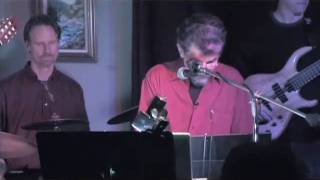
The video blends a spoken meditation on music with cultural storytelling and lyrical translation. Speakers quote iconic musicians (Carlos Santana, John Lee Hooker, Wes Montgomery, Charlie Parker) to illustrate a philosophy that music is a lived, boundary‑less art. They invoke the myth of Orpheus as a symbol of music’s power to charm nature and traverse the underworld, linking it to personal artistic journeys. The narrative then shifts to Brazil, describing the year‑long preparation for Carnival, the role of samba schools, and the fleeting nature of happiness embodied in the song “Manhã de Carnaval.” Portuguese verses are sung and translated, portraying a bright morning, sunrise, and the return of dreams to the heart, while encouraging listeners to feel the beat physically. The piece concludes with a poetic affirmation of joy and love in the Carnival morning.
Chapters
Carlos Santana said, "Surrender your whole being into a note, and gravity disappears." With one chord, John Lee Hooker could tell you a story as deep as the ocean. Regardless of what you play, the biggest thing is to keep the feel going. West Montgomery. Music is your own experience, your own thoughts, your wisdom. If you don't live it, it won't come out of your horn. They teach you there's a boundary line to music, but man, there ain't no boundary line to art. Charlie Yardbird Parker.
So see if you can feel that beat in yourself. Feel it in your breathing. Maybe you can find some part of your body that wants to move with it. Maybe tap with your hand or snap with your finger. Maybe let your body rock a little bit with it. See what happens when the bass comes in. See if a different place within you begins to move when the bass comes in.
Feel that.
Around this time, And I saw Black Orpheus, the movie. Very, very significant. You know Orpheus? They say Hermes invented the lyre, the musical instrument, but it was Orpheus who perfected it. It was said that Orpheus's music and singing charmed wild animals and it changed the course of rivers. Orpheus was one of the few who was able to travel to the underworld and return. And then I traveled to Brazil. Very interesting place, Brazil. The people work really hard all year long, and then for one week they have Carnival. They spend all year making their costumes and working out their dances and their routines. They have "vossas escolas de samba." where they work on this and then for that one week they totally enjoy themselves. The wonderful song called "La Felicidad" that kind of summarizes their experience goes: Though sadness lingers on, soon happiness is gone. Happiness is like a little feather the wind lifts into the air, floating so free, yet it can only be as long as there's a breeze to hold it there. The happiness of a poor man is like the grand illusion of the carnival. He works and he plans each day through the year to live, if just for one moment, in the splendor of his dreams. To be a prince, a king, a Casanova. And then Wednesday comes. And carnival must end. Though sadness lingers on, soon happiness is gone.
Um, dia feliz que chegou. O sol do céu surgiu, em cada cor brilhou, botou um som milhão ao coração.
Michael Bannon. Okay, I get it.
Maya, tão bonita.
Grab a mic.
Dia feliz que chegou. O sol se afogiu e cada cor brilhou. Voltou um sonho então, ao coração. Boy, this kid's here.
Very nice. Thank you, Aaron.
So what that means, its translation, morning, such a nice morning of a happy day that has begun. The sun has risen into the sky and shone into every heart. Then dreams have returned to the heart. After this happy day, I don't know if another day will come. And our tomorrow, after all, such a beautiful tomorrow of Carnival. My heart sings, joy has returned. So happy, this morning of love.