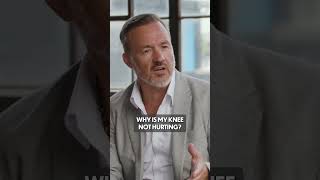
Eric Edmeades ran with the Hadza in East Africa and switched to forefoot running, which cured his knee pain. When he told this story to a seminar audience, their intent to buy running shoes jumped from 3% to 70%. The lesson: facts plus storytelling create demand.
Chapters
I was invited to teach marketing at one of Tony Robbins business seminars. And I'm telling a story about hunting with the Hadza people in East Africa. I'm running, trying to keep up behind them, and it's, like, hard. They move fast. And I realized that if I'm on this hunting trip, we're all going to starve to death because I make a lot of noise. And so I started watching the way they moved. They land on the fronts of their feet. I start running with them. I run on the fronts of my feet. I'm silent. But then after about an hour and a half, I realized something else magical, and that was my knee was not hurting. My knee that hurt so badly by running the London Marathon that I had to give up running at 30. I'm like, why is my knee not hurting? I'm running the way you would run if you're run. Running shoes did not allow an improper foot strike. You see, the thing is, when you land on your heel, you send all of that foot strike up for your skeletal system. Before I told the story, I asked the audience, how many are you going to buy new running shoes? It was 3%. At the end of my story, after giving them facts and statistics about heel strikes and barefoot running shoes, I said, now, how many of you are thinking you might need to buy new running shoes? 70%. Facts and data delivered in the right way create the market.
Yeah, well, and you know what the right way is if you're paying enough attention to the conversation. That also means that you can't be concentrating on selling.