Thrive Time with Eric Edmeades Live Stream
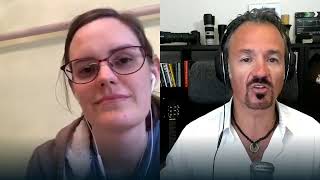
Eric Edmeades coaches viewers on shifting perspective during lockdown, pointing to environmental recovery like cleaner air as proof change is possible. Participants share results: Daisy freed herself from pastry cravings through WildFit, Carlos lost 20 pounds and improved his sleep apnea, and Audrey started growing microgreens.
Chapters
Sam. It's sam. It's sam. Sa.
Sam.
It's sam. Hello, everybody. It's Eric Edmeads, back with another episode of Thrivetime. And this is our weekly AMA session. And the way these usually work is that I share a little bit of information here at the front, front end about what I'm thinking about or what I'm concerned about or what I'm passionate about in that given week, and then we go out and talk to our audience about that. With that in mind. With that in mind, I want to start with a little bit of a. Yeah, a little bit of a rant of things that I'm concerned about myself at the moment. And. And that is. All right. It's about perspective. I want to talk a little bit about perspective. I really feel as though this opportunity here with COVID is a chance for us to have a number of really powerful perspectives. And so today, that's really where I would want to focus. That's where I'm going to add a little bit of. A little bit of a topic that I'd like to stimulate conversation. But as always, as always, our episodes are basically asking anything you want. So we'll start off with my topic that I'm interested in this week, and then we'll see where our audience takes us. Welcome to another episode of Thrivetime. All right, welcome, everybody. Welcome, welcome, welcome. Just confirm for me over there in our live studio audience that you guys have sound. Can you give me the thumbs up to show me your sign? All right. Excellent, Excellent, excellent. Nice to see so many of you with us today. And so today, I want to have a very interesting conversation about perspective, and then we'll see where that takes us with our conversation with you guys. You will notice in the chat in Zoom that our team is sending you a link for those of you who would like to become a guest on the show. As always, you need to click that link from Chrome and then come on over to the show. When you get invited on a show, please cut your feed off to prevent there from being live, you know, feedback and that kind of stuff, because, of course, we are live. So let's talk about perspective, shall we? And what I mean by that is that we are living in something that has just never happened before. We're living through something that hasn't happened before. And, you know, an observation I made about two or three weeks into this is I was like, wow, you know, like, we've had some pretty big world events happen, but I would suggest that this is the biggest event in terms of its impact on individual people to happen on Earth since World War II. And so the question is, what are we going to learn from it? Like, what are we going to gain from it? How is it going to impact our perspective? And so there's something that I've been thinking a lot about, and that's the environment. You know, when this all kicked off six, seven weeks ago, I started thinking a lot about health. And I released a video at that point about shoring up what I called your last line of defense. And that was making sure that your relationship with food, water, air and your body was solid so that you'd be in the best possible condition should you end up sick or should you end up infected? And, and of course, it's absolutely shown now that that is an incredibly important conversation to have. I'm glad that we had that conversation back then, and we will keep having that conversation, I'm sure, for years to come. But here's the conversation I want to have today. First of all, I want to say something that might get me in a little trouble. It's a perspective that's not very popular, but I want to share it with you anyway, and that is that we have a narrative on our planet at the moment. We have a narrative in most of our cultures that what we consider to be the aboriginal peoples of various continents around the world, we have this idea that they are somehow more in touch with nature, that they're better able, better capable of living in balance with nature, that they love the planet more than say we do. And what I want to suggest to you is that that may be true, and I want to talk about why it may be true, but why it's also not true. And, and the reason I think it's an important message is, is that we've seen an incredible change in the environment on our planet over the last month and a half. And I think it gives us an opportunity to learn something. It gives us an opportunity to learn something. And what that is is this. It's really important to understand that when people landed on every continent around the world, when they landed there, they found themselves, they found themselves in a continent full of incredible wildlife and incredible biodiversity. And as hunters, they immediately began to push many of those species into extinction. When they landed in the Americas, there were 11 species of elephants and dire wolves and saber toothed cats. And every continent that humans arrived on, they very quickly obliterated the species that were living there. They started, of course, with the largest animals, the megafauna. And so when we talk about the aboriginal peoples of any given continent being naturally land loving and naturally conservationalist. I think we're over romanticizing something that was a recent development, and I believe that it was a recent development on this basis. And that is that we had a circumstance where you had some people that have been living, say in the Americas and obliterating every large animal they could find, but doing it so slowly they didn't notice it. It took multi generations, it would take two or three hundred years, for example. And so they didn't see it happen, happening. And so as a consequence of not seeing it happening, they were not empowered necessarily to do anything about it. No awareness, no action. And then all of a sudden European settlers arrived in these places with weaponry that, you know, really was much more advanced. And what that did is put us in a position where those people, the first nations people, the aboriginal people, saw ecological destruction at a speed they'd never seen it before. They'd been doing it, but they'd been doing it more slowly and they'd never seen it before. And so now they were seeing it. And so if today they are more land loving or more conservationalist as a people than many of the rest of the world, it's only, I think, because of that perspective, and here's the deal, I think we have an opportunity to gain that perspective right now ourselves. And what I mean by that is that the environment around the world is recovering. It's recovering because we stopped driving so much and stopped flying so much and factories have been closing down. And, and where I really began to notice this is that I'm very fortunate. I live in the Caribbean, I live on a beach and that's where I'm doing lockdown. And, and so every morning I get up and I go for a walk on the beach. But I was really worried about the beaches here. I was really worried about the, you know, the, the condition of the beaches. Because every single day I walk out on the beaches, I find litter. I find litter and I, and, and it's there and it's always there. And I've always been concerned that, that when the lockdown happened it was just going to pile up like crazy because it's all out there floating in the oceans. But then it turned out that it wasn't quite like that. It. You see, every day I would go out for my walk and it was beautiful and gorgeous out there. I don't know why. And you know, the way. Why was there not litter washing up on the beach every day? And then it dawned on me. It wasn't ocean flotsam, it was the daily litter that people were just dropping in the rivers and dropping there. And now that people weren't doing that, it wasn't washing up. And the beaches around my house are clean. They're clean. It means that the damage that we're doing on a daily basis is significant. It's really significant. Now we're seeing pollution conditions changing all over the planet. We're seeing incredible recovery. We're seeing air quality control differences. Like, you know, we're talking about being able to see the Himalayas in from the Punjab for the first time in decades. But I think where this becomes important is that it took decades to create this damage. So we didn't really notice. Some people did, you know, they had some awareness, but we didn't really notice. It took decades. And when the lockdown finishes, it's going to take weeks. It's just going to take weeks. And when the lockdown finishes, we're going to gain a level of perspective. People right now are walking around Los Angeles, they're walking around London, they're walking around the major cities in India and China, and they can breathe. They can breathe and they can see things that they weren't able to see before because the air quality has changed so dramatically. And then the lockdown's gonna end. And when the lockdown ends, they're going to see the damage we do. They're going to have a level of perspective that they haven't had that we haven't had for decades. And that perspective is going to give us the opportunity to create phenomenal change. That that perspective is going to give us the opportunity to see what we've been doing and make change. And so here's my question for you. And this is not a question that has to be answered here on this episode. Although anybody who's coming on, I see a few people waiting in the waiting room to come and join me. We can talk about this. We can talk about whatever you want to talk about. I just want to ask you this question. What do you think we can do? What do you think we can do to make sure that when the lockdown ends and we suddenly are hit with this perspective that we can really begin to make some change? I want to know two things. I want to know, what are you going to do? Like, what are you going to do? And then what I also want to know is, what do you think we can do in a larger way and how can we influence it together? That's the conversation that I'd really Like us to be having now, and I'd like us to be having it now because when the lockdown ends and the air quality goes away and the pollution comes back and the difficulties begin, and people with allergies are once again facing the reality of not being able to breathe properly. When we've got the perspective. When we've got that perspective, my question is, what are we going to do to make it different? What are we going to do to make that change? And so with that, I want to leave that thought with you. And then like I said, we open the floor here to a town hall type discussion. It's very much an ask anything type situation. And our first guest that we're going to go to today is Harry. Harry's been a regular on our show and it's really good to have you back, Harry. I just want to make sure that everybody can hear you when you come on. Harry, would you please say hello? And those of you in the audience, let me know that you give me a thumbs up when you can hear me. Hi.
Hi.
All right, they've got you, Harry, so jump in. And what have you got for us?
Actually, my question is about, like, knowledge and sharing of it. I also attended Q and A for Whitefeet coaching and one question that always, like give for me is that a lot of information that I get from everywhere, I would like to share it, but at the same time it's not my information to share in some sense. And like with the Wildfit, I can know that when I'm doing certification, then I kind of have a right to share that information. But at the same time I want to share it before that, especially because I know that I won't be able to get the monetary value for this round of it. But I've already started coaching my mother in that sense. And so it's sometimes difficult for me, like how to share information that's not mine. And especially if you want to do it in a coaching level, when I actually ask money for it, then it's, how do you. It's not my intellectual property in some sense.
You know, I think that's a very ethical, wonderful, honorable question to be asking. And I see some people asking the question really, really well and other people not asking at all and just basically taking other people's information and frankly even. Even taking credit for it. Now here's, here's one of the things is that, Harry, I don't know where you draw the line on original thought anymore. You know, I don't know where you Draw that line like, what was your idea and what was somebody else's idea. I am really sure that in my life I have come up with some things that I consider to be original thought. There, there are certain things that we do in our WildFit programs. There are certain nutritional principles, certain food psychology principles that I consider to be completely original thought. But if I were to try to pretend that I discovered all of what, what is wildfit completely by myself, that I didn't rely on the research of others, that I didn't rely on the wisdom and life experience of others, well, then I'd be a fraud. And, and, and so you've seen me enough to know that when I'm sharing information that I got from somewhere else, my favorite thing to do is to give them credit for it. You know what's really crazy about that? I see speakers on a regular basis share other people's knowledge and not give credit. And you know, I don't know what causes them to do that, but what I don't think they're realizing is that when you give credit, you make yourself more credible. When you give credit, you make yourself more credible. Anybody claiming to know everything doesn't know everything. And everybody knows they don't know everything. And so there's an immediately disingenuous, fraudulent feeling to the whole situation. But when somebody comes along and says, well, I learned this because I read this thing that Albert Einstein wrote. But equally I also was reading this other thing over here from Edgar Allan Poe. And that's where I arrived on this conclusion. And then what that does is it creates a sense that you are credible because you're willing to do research, that you're willing to go out there and, and learn. And so I think that if you give credit for the things that you're discovering, if you give credit for the things that you're learning, then you have the right to share those things with people out there in the world. Does that make sense?
Yes, it does.
Good deal. And you know, look, Harry, the other thing is that giving credit is obviously you have to draw the line. You know, there, there are. I remember at one point, I gather that at one stage there was a conflict between Richard Bandler and Tony Robbins in the early days of the personal development world. And you know, Richard Bandler had felt that Tony Robbins had taken the principles of neuro linguistic programming. And apparently they had some kind of argument about it. And I've actually had occasion to speak with both of them about this. And the truth of the matter is that they both have a lot of respect for each other. But there was a time 30 years ago when there was a conflict. And as it turns out, the only thing that Tony really did from a legal perspective that we was really incorrect was there was one section, one page in his book that Word for word, Word for word was a procedure that was developed by Richard Bandler and he hadn't given credit and they reached a settlement and it was worked out. But I can tell you that the only reason I even know that NLP exists is because of Tony Robbins. I mean, maybe I would have heard about it later from somebody else. And for those of you who aren't familiar with nlp, we're talking about neuro linguistic programming, which is, let's call it a new age psychological ethos that tries to take the very best of different psychological techniques and tools and therapeutic tools to speed up the results and get people peak performance faster. And how I came to know about it and how many people came to know about it is because Tony Robbins gives the credit. And so I think that's really what's important in this space is that if you're going to rely on your coaching practice or your, or your career as an authority and you're only ever going to write original material, it's going to be a small book.
Okay, thanks. Actually, another question regarding the current topic about the environment in Estonia. The traffic is definitely better, but regarding the animal life and stuff, like not so much in the cities that you can see, but it's a lot to talk that how people will, that they should take care of it. But often, often people are at the moment now trying to get more eager to get out and they're actually less likely to notice the positive effects. And how do you see that people should be guided out of lockdown in the sense that they would notice it?
Well, you know, partly that's why I did this monologue today and I want to produce a bigger video about it because I think that a lot of people are going to notice how quickly the environment is devastated by our return to some form of normal. I think they're going to see it, but then they're going to get caught up with paying their bills and feeding their children and you know, getting their job and they're going to get caught up and they're going to get numb to it again, some of them, but I think some of us won't. Some of us will be truly shocked. Like I can tell you, the people here in this area where I live on the north coast of the Dominican Republic, when the litter starts washing up on the beaches again, they're going to be blown away. Because we all used to think it was just litter that was sitting out there in the ocean the whole time. We all thought that. We just did. And you know what? It wasn't. There is ocean flotsam. Don't get me wrong. There, there, there definitely is that out there. There's no question that that exists. But, but that is not what the lion's share of it is. The lion's share of it is what's getting washed down every day. And so as we go out for walks on the beach, in a couple of weeks, we're going to go, holy crap, it's back. And we're going to get angry and that's going to stimulate action. Now, most of us weren't littering on the beach already, right? We have to think about that. Most of us already weren't littering on the beach. In fact, it's not usually the beach dwellers that are causing the problem. It's the people that live in country that are throwing their litter in the rivers. And then the, and then it's what? And the big rains come and wash the litter down the rivers into the ocean and then it's up on the beach, right? That's what's going on. So we can't just think about how we're going to change. We have to think about how we're going to stimulate change. So what I'm saying to you is get out there and remind people, like when it happens, don't let the shock subside. Like, you know, for those people who live in, say, London, England, or they live in Delhi or that live in, in any of these cities that have air, Los Angeles, you know, Los Angeles once had the worst air quality. Like it was the second or third worst air quality in the entire United States. And today Los Angeles has among the best air quality of any city in the world. It's incredible. It's phenomenal. Because they're on the ocean, they should have clean air quality. It just speaks to how fast the environment can recover when we do the right things. And it also speaks to how fast we can destroy it when we do the wrong things. So what we need is for the people in LA to go, oh, my God. Because you see, last time it happened over decades. So it kind of, you know, it's like the whole frog in the hot water concept, it just snuck up on them and now it's going to hit them like a backhand to the face. And when that happens, I am hoping that enough of them will, first of all, change their own personal behaviors. And secondly, they will start speaking to people and they will start writing to their congressmen or their members of parliament. They'll start. They'll change their buying patterns. Because if you want to. If you want manufacturers to use less plastic in their packaging, stop buying this stuff. If you don't buy it, they won't make it. And I think I'm hoping that the shock is going to be so strong that it'll stimulate that behavior.
Okay, thank you. And thank you for all the great videos and that you post. It's amazing, Harry.
Really good to see you. The one thing I'm concerned about is you've clearly had a haircut. So you've been violated. I can see you've been. I can't have one. How can you have one? And I can also tell you did not do it yourself. Look, I've seen what it looks like when people cut their own hair. That's not. You went and got a haircut. We're going to talk about that later.
All right, have a nice day.
Harry, thanks so very much for joining the show. As always, it's really a pleasure to see you. We are going to go now to. To Daisy. She's going to come back. For those of you who are watching last week, you know that there's an ongoing conversation with her. And so let's find out how the last week went for her. Daisy, say hello. You're back.
Hi. Hi, everyone. Hi, Eric. So last week it was interesting. So I did the challenge. Yeah, I was very full by the time I actually was. I remembered to actually go and get them. Thankfully, my mom have just made them. So she made sausage pastry, which smell divine. I think all of the pastries smell divine. And that. That is the hardest part, probably because your house is smelling oh, so good, but you cannot have them. And then I had my. Had my dinner. And then I remembered, oh, they're downstairs. Usually I would have, like, you know, do demons like the good one and the bad one on my shoulder. One is saying, go and have them, and the other one is, no, you don't. No, you should not. And so the fight actually ended in a way that I remembered I had the challenge to do. And so I ended up in the kitchen and I grabbed myself three of those pastries and I started eating them. So that was an interesting situation because the first one tasted like I would be eating wood or something, you know, like a very dry Thing with every bite, I was feeling, in a sense that I don't want it. And when I ended up with the second one, I was already thinking to myself, I don't want the third one. But I knew that I have to do all of the three, so I kept on going, just reminding myself why I'm doing this. And when I ended the third one, I really thought that I haven't had something that disgusting before, probably.
That's so interesting, Daisy. That's so interesting. And just a little bit of backstory for those of you who weren't on last week's episode. Daisy and I were talking a little bit about food rules and freedom and how we gain freedom from certain foods. One of the things we talked about is how our own biochemistry can get us addicted to foods. In other words, the permission to eat something will automatically start bringing up a food feeling of joy and a feeling of bliss just because you're starting to produce serotonin and dopamine just from. Just from giving yourself permission to eat something. So now you've got all these feel good chemicals in your system, then you eat the thing and your brain confuses that and thinks that the thing made you feel good, and it really doesn't. And so what I challenged Daisy to do was to eat some pastries at times when she didn't actually want them, so she could see what pastries tasted like when she hadn't given herself this freedom permission, when it was like more like a chore. So, Daisy, tell me, how do you feel about pastries today?
I don't like them. I would not like to have one right about now. No, I prefer not to.
It's fascinating. Listen, this is not about saying you can never have them again. It's not about taking away your freedom. It's about giving you freedom. Because I think, would it be fair to say, from. From our talk last week, would it be fair to say that you didn't have freedom before, that you didn't have a choice, you had to eat them sometimes?
No, I didn't have the freedom now because when you feel the smell of the pastry in your house, then it was obvious that you want to go and have them. Especially considering that I cannot have them because of my health and it backfires every time I eat them. So it was all the time a challenge in the kitchen, because like I said, there was that evil and the little devil and the angel were like, fighting each other all the time. I understand perfectly that I should not have them because I will get sick and there's consequences. But at the same time, the devil in my shoulder is like, but they taste so bad, so go and have one. It's only one. But again, it's not only one. For me. It means that for the next couple of hours, I'll be totally in pain or in cramps. So, no, it's not that funny.
And so do you feel like you have freedom now?
Yeah, I think I do.
Okay, guys, everybody, you guys who are watching, I know some of you were with us last week, but can you. I know we won't be able to hear you, but can you guys please give Daisy a big hand of applause for being willing to play with us like this. Give her a hand. Nicely done. Nicely done. Now, Daisy, I want to just. I want to just remind you of one thing. This does not mean that you will never eat a pastry again. That's not. That's not what I'm about. I'm not about taking away your freedom, about you having freedom. And it might mean that you do want to eat them again, but now you have a degree of consciousness that you never really had before. And that's really what Wildfit is all about. It's how we. It's how we work with people. So I really, like, I really am grateful that you are willing to play and experiment. And you will probably want to experiment again one day because here's one of the problems. The easiest way to forget about a pain that you used to have is for that pain to go away. And so what will happen is that in a few weeks, you know, some big celebration will happen, or worse, somebody will start cooking a pastry in the house and the smell will bring up your childhood memories. And it will take some effort for you to remind yourself about this freedom. But either thing you do is good. What I mean is, if you choose to stay free and not eat it, that's great. But if you decide, what the hell, it's a one off, then all I'd ask you to do is to say to yourself, I'm going to stay conscious through the whole exercise. I'm not going to let myself feel guilty about it. I'm going to do this. I'm going to do it with bliss, and then I'm going to see how it really made me feel. And that's how you'll maintain and keep your sense of consciousness. Does that make sense?
It does make sense. I've done a similar thing with sweets, actually, because I. I gave up lactose, gluten, and Sugar in 2018. And then I Was avoiding all kind of sugar and also chocolate, like most of those well known chocolates which are out there in the shops. So I did the same trick just a couple of months ago when I went to the shop and bought everything what I have been denying myself. I order cookies or the chocolate, everything what I ever wanted, I just put them in a bag and I went home, started eating them. And now when I go to the shop, I'm like, no, no, no, no, no. Because of the same reasoning when you're really full of it and you feel like you don't want it anymore, but you still gonna eat it because I forced myself to eat them.
Daisy, one thing to really be aware of here is what you're talking about is aversion therapy. It's where. It's where they're, you know, trying to get you to have an aversion. And that is not what we did with you last week. Aversion therapy doesn't work. Occasionally it will. You made it work for you. But I'll prove to you that it doesn't work. I will. I'll prove it to you right now. Here's what we're going to do to prove this. I would like to hear from the audience. What I'd like to hear is how many of you in the audience raise your hand if this is true? You or somebody you know very well has ever drunk so much alcohol that they've been so sick that they've promised to never drink alcohol again. How many of you have known that person or been that person? Okay, how many of you know that that person still drank alcohol after making that promise? How many? Oh, look, aversion therapy doesn't work. It doesn't work. Now, in your case, it kind of did. You were lucky. But I would say that what we did with you is not aversion therapy. I wasn't trying to make you eat pastries so much that they made you feel sick. I was saying what we're going to do with you is get you to be conscious of eating the Patriots without the serotonin in your system. And that's going to create a more powerful transformation for you. Just an important distinction that you got to. What you really want to add is this recognition of the way the biochemistry works. Aversion therapy works in the short term. Somebody can eat so many candies. A lot of people had this. They go away, you know, Halloween, and they eat a lot of, you know, candy. And then for a few weeks they don't feel like eating candy again. But then A few weeks later, they do. And so what we want to do is go that next level like you did this time around, and did such a great job with it. So keep up the good work. Daisy, thank you for coming back and giving us the update. I really, really, really appreciate it a lot. Thank you so much.
Thank you, Eric.
All right, well, guys, that's a victory, isn't it? If we can just on one show, get somebody to have freedom from pastries, I think that's a great jailbreak to have facilitated. I'm super happy about it. And now we're going to go over to Audrey. Audrey, you are live and you are on the show.
Okay. Good morning.
Good morning. How are you?
Good, thanks. Hey, wanted to start with a couple comments. I thank you last week for the recommendation.
Got it.
And I'm in chapter two. Excited to learn more about that. And then a quick note on perspective. I thought it was interesting as.
All.
These interviews from you and other people have come up and watching a bunch about body health, earth health, whatever. It struck me that people can do really simple things. What I distilled mine down to was the garden, the soil health. Being able to just gets me out into the sun. So you get your sun, you get your hands in the soil to get those microbes, and you help learn how to rebuild soil. And anybody can do it, even in patio containers. So just little itty bitty things that anybody can do can come out of this, which I thought was cool.
Go ahead, go ahead. I was just going to say I think you're completely right, you know, and one of the things that I've really noticed is that there are two types of people on earth right now, and, well, let's call it 3. There's the type of people that are just drifting their way through the lockdown. My expression is they're using lockdown as summer camp when I think they should be using lockdown as boot camp. You know, we, we. We know that whatever happens after lockdown is going to be different than whatever was before. We know that there's likely going to be some serious economic recovery required. You know, we know that there's going to be erosion of civil liberties. We know that we're going to need some political activism, like we are going to need to be different people when this is done. And so if we drift through the lockdown and treat it like summer camp, we're not going to be ready for what's next. But if we can really step up and use it like a boot camp, we can and so what does that mean? It means recognizing that there are things, there are skills and ideas that we have now. Time for that. We can. That we can do that. We can. And I've had a few people go, oh, yeah, but I've got my kids, and I have to homeschool them. And I'm like, well, they should be gardening with you. That could be part of the homeschooling. You want to. You want to teach them homeschooling, show them how one plant can make 18 seeds and how many plants you can make from that? That's called exponential growth. So, you know, I. Audrey, I think that the idea of getting people into farming. I saw Beautiful Shot on Facebook this morning, and it showed a house. Before, after pictures, it had this beautiful manicured garden, you know, traditional grass and pretty plants and the little Japanese maple over there, and all the stuff you're supposed to have. And then it showed the exact same garden, full agriculture. And you know what? It was no less beautiful. It was still absolutely stunning. It still created a feeling of Zen and peace and meditation, and it was producing food more than the family could eat. So I think that getting people out there. I think getting people out there and getting them to get their. Get their hands dirty is a great idea, and I really am glad you shared that with us. Can you do one thing for me? Help me with this? So now you've got. We've got some people here. Like, how many of you in the studio audience live in a way where you just don't think gardening is all practical? You live in an apartment or, you know, for some reason gardening? How many of you are in that kind of situation? A couple looks like about half. So, Audrey, can you give them a little bit of tips? Like, if they wanted to do a little home gardening, maybe they wanted to grow some sprouts or something. Like, what could they do to kind of have a little bit of fun with that?
Oh, yeah. They talked about, like, I have a little light. If you don't have a windowsill, you can do a little light shelf. But just having a tray of soil that you grow microgreens in, just in a little bit of space, you can get a great nutritional boost on occasion. I'm playing a little bit with the whole cut and come again principle inside of harvesting my greens and then letting it sprout again and seeing how long it takes to do that. So it's been kind of fun to do that. And then just the little pots, herb pots. And it's been really interesting because I got One that has a bunch of bugs. But then in these presentations, they're talking about, well, a healthy plant's not gonna have the bugs. So now I'm looking at, okay, what did I do to the soil? How am I growing it so I. So I can make a healthy plant? There's just so much to learn, and it's a lot of fun.
Good deal. Good deal, guys. You know, I had a really great conversation with a woman about two weeks ago, and she said she'd never before had have been like, Green Thumb or any of that kind of stuff. And she. Luckily she had access to Amazon, but she managed to order a little, like, sprouting center, and she got some sprout seeds, and within a week, she was eating food she made, and it just charged her up so much. So I think, Audrey, what a great message. And incidentally, I'll tell you something else. Like, one of the changes that we need in the world right now is a complete overhaul of the way we think of food. You know, it's only a couple generations ago that people were actually responsible for making their own food, for growing at least some of their own food. It's only now that we've, like, put our trust out there to the food industry and said, would you please feed us? Oh, come on. Nabisco, please. Coca Cola, could you take care of me? You know. Oh, come on. Post and Kellogg's, I really need your help. And by the way, how is their help working out for us so far? You know, I would say to you, and this is a little controversial, a little harsh to say out loud, but I would say to you that the food industry is responsible for the vast majority of the COVID hospitalizations and deaths we're facing right now. That we are. We're. It's absolutely a broken food system that's causing that. So what if people did take a little more responsibility and start growing their own food? Never mind the fact that it's fun. So, Audrey, thanks so much for coming on and. And sharing that message with us all. I really appreciate it.
Yeah, thank you very much.
You're welcome. Good to see you again. All right, guys, I. I will tell you that I. I quite like gardening and stuff. And it's funny, I now live in a. In a place where the soil is super, you know, fertile and all that kind of stuff. And I'll tell you what, there's a piece of land just over here on the other side, away from the beach side. And my friend Gordon and I have been talking for years about Setting it up as a. As a farm and so, you know, growing stuff and so forth. And a bunch of us in the community have gotten together to do that. Now, I haven't been in there with my soil, with my hands in the soil, as much as I like doing that, because I've now shot something like 30 episodes of this show and I'm running, so. But I've contributed to the project and I am going to go over and take a look at it. I'm going to go over and take a look at it and I'm going to shoot some video. And so maybe I'll bring the video. I'll either post it on my Instagram account, so. So go check out my Instagram @ EricEdMeans, or maybe I'll even bring some of the footage to the next show. But this is an area that had no food growing on it, and now it's already beginning to produce food just in six weeks. So super, super exciting times. We're going to go to our next guest, and our next guest is Carlos. Carlos, tell us where you're from. Say hello. Oh, but, Carlos, we can't hear you for some reason. We're not.
Here we go.
There we go.
Well done. Yes. Okay. Hi. I didn't think I was gonna get to get on, so I'm a little surprised. Anyway, I'm from Edmonton, Alberta, Canada. And so we're just kind of getting into spring, so things are kind of dead and a little bit alive in this kind of mucky spring that we have. But things are going well. Thank you for everyone for sharing. Thank you, Eric. Yeah, no, I just finished the WildFit program, and one of the big changes for me, like when you're talking about gardening of food, was I never realized how dependent I was really, because I never really thought about my food, like, as you're making us more conscious on takeout and on restaurants. And so one of the biggest changes before I even got to Wildflower was I was going to the grocery store because I'm a single guy, I live myself, so I can really. That can be a blessing in the sense that I can really choose good food. But I was just choosing what was kind of close by. And of course, that's a lot of processed food.
And.
And then I had a trainer for a year and I was like, wow, you know, like, I lost some weight, but I still am bloated. And I didn't. And then when I look back on it after doing this problem, like, oh, of course, because I was eating all this junk all the time and I didn't realize how often I was doing it. And so when I went through that program and I realized, oh, wow, there's so many different food options that are actually a lot closer to me that I didn't realize. And I'm saving money, too, because going to the restaurant or going to, you know, you're only. You're not even getting that much good food for the money that you're spending on it.
So.
Yeah. And I. And I think realizing now, like, because I never. I knew there was some kind of nutrition thing that I should do, but I was very overwhelmed with all the books and everything. And I, like, I just need to do a program and so I was very happy to go through the welfare program. I really feel like I'm part of the untrained doing the coaching thing, trying to go through that program because I really feel like I need to learn a lot more about. Because I'm very green to this whole nutrition and kind of food process is very new to me still.
Well, Carlos, I. First of all, I'm. I'm absolutely thrilled that you put your trust in the program and went through it and, you know, took charge of your. Of your health and that you're really inspired to want to help other people do the same. I actually lived in. I lived in Edmonton for about, I don't know, three or four years as a kid. I went to boarding school in Stony Plains, so I spent my. I definitely spent my time in the minus 30 degree weather. It was a fascinating life. But I learned some of my early distinctions about food in that situation because I was homeless for a time when I was about 15 years old in Edmonton and it was January, so you can imagine homeless Edmonton in January. For those of you who don't know Edmonton, let's just say Siberia. The winters are probably actually harsher in parts of Edmonton than they are in parts of Siberia, for what it's worth. And I had had a major conflict. My parents had split up. I was living with my father. He and I'd had a major disagreement about my education and the boarding school I was at and so on. And the next thing you know, I'm out on the streets and I'm. And you know, during that time, food was really difficult, of course, and. And eventually my father and I kind of came to an understanding and I managed to get myself re. Enrolled back in school. One thing led to another. I ended up having an apartment of. I was 15 years old. I have my own apartment. I've Got some government money that's supporting me through this time. It's sort of a student assistant program. But I was living alone at 15. And then, Carlos, you know what happened? I had to go grocery shopping. And, you know, I'll tell you something. I learned a lot about myself when I went grocery shopping. I walked into the store and I thought, there's no parent telling me that I can't have the chocolate frosted covered sugar bombs, you know, in the Fruit Loops and the sugar frosted. There's no parent telling me not to do that anymore. Look, there's a, there's cookies there, there's like, there's a dozen cookies, and nobody's telling me I can only have one a day. You know, I, I, I, I have my own money. I'm in the grocery store. And you know, what I did that day is I practice freedom. I bought what I wanted to buy. And, you know, I did buy some healthy stuff. I knew to do that, you know, But I definitely started exercising my freedom. And even then, even then I started noticing that I didn't even like some of those things, that I was eating them in principle, in rebellion against my parents. I was eating them in principle. I was eating them as a throwback to the freedom I wanted as a child. And so, funny enough, you know, Edmonton, even, Even Edmonton factors into my, into my overall wildfit journey. And I'm super, super glad that you're, that you're working on becoming a wildfit coach with us. That'll be really great. Tell me something. Are you what, what makes, what makes you most want to help other people? Like, I'm curious. I'm always, I'm always curious about what drives people to want to do that.
Well, I think, like, I know doctors, nurses, priests, social workers, and I'm like that myself. You know, when you're a person who cares for people, you want to help them. You very often, without maybe realizing you put yourself last. And I know a lot of them that are overweight or burnt out or, you know, have certain diseases. And I know for myself that was. That I was running myself, right? Without even realizing. Like, I, A couple years ago, I realized I had sleep apnea. So I sleep with a CPAP now. And I was so used to being tired all the time, I didn't really realize that people had energy. Like, I would come home and I had to fall asleep right away or I. My house was really messy because I didn't have the energy. I couldn't exercise. And I never really thought it was a problem until I went on this trip to the hoy line. Everyone's like, wow, you really snore really bad. Like, I had people. There's a volleyball team that was flying from Edmonton to Toronto, and they. They recorded me on their video camera. I heard up from the passenger beside me because I snored so loudly. And then my poor roommate, when I was in Israel, he couldn't sleep in the same room as me. He had to go in the next room because he said, you snore too loud. I'm like, okay. And my brother recently, he's a physician, and he couldn't finish his drive from a town just south of Calgary back into town without taking a nap. And then we kind of realized, well, you know, we were, you know, early 30s at the time, and we're like, wow, we really like. So he got a cpap. And then I'm like, okay, maybe I should. And I couldn't believe the difference because I was basically starving myself of oxygen every time I was falling asleep and I was putting all this stress on my heart. And then after that, I'll be like, wow, that was like, I can, like, read something and not fall asleep on my couch. And I can, you know, and that really helped me. There's a number of things that helped me. But now, like, well, what more can I do for my health and what more can I do? And it just got me on this track, Carlos.
You know, it's really. Our stories are quite similar because not so much about the sleep, but just about. It was my own recovery and the calibration and perspective that that gave me that made me want to help other people. When I saw the quality of my life improve so much, I'm like, how could I not do that for other people? But I have a question for you. Has your sleep apnea been affected at all by the change in your relationship with food? Is there been any improvement there?
Well, I. I lost 20 pounds, maybe a little bit more through the welfare program. So of course, if you weigh less, then that helps. And I. And I don't like when I first. There was a couple nights when I first got it that after having it for like a. Because I realized the benefit. So I try to sleep with it, all of it, try to travel with it as well. But I would wake myself up early on because when I didn't have it on because I, like, start choking or wake up. And then now, though, there was a. Just recently at a couple of nights and I didn't wake up at all. I just slept through the whole thing. So I think because I've lost the weight, obviously it's helped and ideally my hope is I need a little bit more weight to go and probably category two, that hopefully I don't need it at all. But yeah, it's definitely something that I noticed that it's. I don't wake up in the middle or I don't wake up with my, my throat feeling sore because. Yeah. Choking or drying or something like that. And, and when I would sleep without it, I wake up and then once in a while I get like kind of a pain in my chest because your, your heart basically is. Has to like work to wake you up a little bit. And now I don't have that. Now I don't.
Right.
You know, the CPAP definitely helped with that early on, but even when I did sleep with it, I don't have these random pains that kind of come out out of nowhere.
So that's awesome. I'm not surprised by the answer. I've had a number, as you can imagine, over the last five, six years of clients come to us with sleep apnea and other sleep difficulties. Been able to turn them around. Snoring is a big one. It's like the number of fan letters that I've received from people not that cured their own snoring, but where their husband or wife did. It's the other person who writes to me and says, thank you so much, so much. Yeah. So. But you know, the other thing I'm curious about and I. What I'd love to know from you is have you noticed a change in your face? Like it's one thing to lose weight off your body, but were you like, are you less puffy here than you were beforehand? I'm curious.
Yeah, well, I noticed is, you know, under the chin area and probably, yes, probably here as well than I think of it.
But go back and go, go find a picture of you from before because I think this suspect that what you're going to find also is that when, when, when, when a person doesn't have a good relationship with food even though they think they do, when they're not following sort of seasonal eating patterns, when they're not. When, when they're having dairy, too many dairy products or too much or too consistently or something. It's not simply the weight that's causing some of those gag reflex or snoring or sinus problems. It's actually inflammation in the sinus, sinus cavity. And when you stop putting those irritating foods in. What happened to me is I was puffed out like this all the time. So much that when my mom first saw me after Wildfit. Well, it wasn't called Wildfit back then. But when my mom first saw me after I made the changes, she didn't recognize me. And that's because all through here and here it changed. And of course, same thing, the effect on sleeping and snoring. So I am so happy for you. You know, it's so interesting. You know, people can come along and go, oh, I, you know, I've reversed my type 2 diabetes or I've lost £40 in it. All those things are great. But what I actually like is when it's down to the so what? So what? So what you lost this weight. You know what? I'm breathing better, I'm sleeping better. That's the so what. And that's. That's always what excites me.
Thank you.
So thanks so much, Carlos. I'm hoping one day. I don't know if you know, but most of our team is actually based in Calgary. Most of the team is actually based in Calgary. I get there about twice or three times a year. But every now and again when I come, we get together and have kind of little, you know, wildfit barbecues and stuff in Calgary. And we've had people truck in all the way from. From B.C. and from Edmonton for those. So keep an eye out and maybe we'll get to meet in person one of these days.
That's great. I'll be there with my Oilers jersey.
Hey, do you know, Carlos, if you can imagine what it was like for. I grew up. Sorry, guys. Little Canadian. We gotta have a little Canadian connection here. I grew up in Halifax, Nova Scotia and we had the farm team for the Montreal Canadiens. So we won five Stanley Cups in a row when I was a kid. Wow. It was amazing. Then I moved to Edmonton in 1983.
Good timing.
Five more Stanley Cups in the six years. So I'm a very. I'm a fair weather fan apparently. But, but, but then I moved to Vancouver and they got to game seven with New York. It looked like I was going to get myself an 11th Stanley cup victory. But. And I was getting ready to call the NHL. We got to talk. But we didn't win. Anyway, guys, a little human, a little Canadian distraction there. Carlos, thanks so much for joining us on the show. See you again next time. And we're going to go to Mary or. I can't. Is it Mary or Marie? You got to tell me.
You can Call me Marie.
Marie. Hi.
How are you?
Yes.
Hi. So, yeah, we have. We've gotten into gardening as well, so that's been awesome. Yeah. With the kids. So I am processing Quantum shift from last weekend.
Yes.
And one of the big things for me is about taking up space, like even just taking your time now from others or just. That is. I feel guilty about that.
So.
Yeah. Do you have anything.
Yeah. You might remember this. You might remember this incredibly important personal transformation strategy that we taught in the Quantum shift, but it's this one. Get over it. Yeah. You know, like. Come on now. Now, let's talk a little bit about it, because, by the way, I'm going to prove something to you real time here. How many of you have ever felt that way? How many of you ever felt that way? Oh, look. Look at that. It's like probably 50, 60% of the audience feels that way. And so wait a second now. How many of you feel that Maria asking this question and us having a dialogue might be helpful for you? How many of you feel her question might be helpful for you? Oh. Oh, look. So do you see the problem?
Yeah.
Do you see how your question answered itself?
Yeah.
You see, that's how life is. You. You are meant to be wherever you are. However it was, was perfect. It couldn't have been any better than it was. Everything happened as it was supposed to. And. And. And you know what? That's not, like, strictly true in the sense of what we want. Like, if something bad happened. Yeah. It could have been better. Really? Could it? Could it have been? Because I know there's some absolutely weird, terrible, awful things that happen to me, that if I were to try to go and delete those things, I wouldn't have the quality of life that I have today. So what I'm trying to say to you is, is that everything is as it's supposed to be every moment, and you're supposed to be where you are. And so when you ask, when you have a question and you come on this show and you. You feel guilty that you're displacing somebody else's question. And by the way, you're gonna. There's so many people that would have questions, and you took the last spot. I mean, how selfish could you be? Look at that. I'm triggering her on purpose. Okay, but. But here's the thing. Even if that were true, even if that were true, your question and your answer are valuable to other people. How many of you needed this reminder that you belong? How many of you needed to know that when you need to speak, you need to speak up. You gotta do it. You're. You're not only. Marie, are you robbing yourself of the possible answer or the life experience or the. The thing that you need, but you're robbing the other people it of as well. And by the way, I realize that you don't always have a live audience watching your whole life. I get that. But the fact is, is that you are constantly, always and consistently developing life experience. And so if you hide in the shadows and you don't put yourself out there, you're robbing yourself of life experience, which means you're not providing an inspiration to other people. And you're also not providing yourself with life experiences are going to help you to inspire other people. So, you know, what I want to say to you is I have proof that you are magnificent. I do. I have proof of it. I have absolute proof that you're magnificent. You are statistically, unbelievably unlikely as a human being. First of all, every single particle in your body used to be in the middle of a star. And not all of them were in the same star. Consider that, Right? I mean, just that like every part you are stardust, and every part of you was often some star everywhere. And it's very unlikely that they all came from the same star. So can you imagine the journey that you've gone through to assemble yourself in this present reality? It's incredible. Now, if that's not enough for you, I also want to point out for you that when your parents conceived you, your father produced. I know it's a little off. Your father produced 300 million sperm. 300 million of them. And one made it through. Unless you have a twin, one made it through. One. One. By the way, I want you to just consider this for a minute. Those are the same odds of becoming president. There's 300 million Americans, right? Like, frankly, you know, you are an unlikely human being, an incredibly unlikely human being. But now let's take it a step further. Not only did your parents have to pick one out of 300 million, but their parents did, which meant that it took two people, both one out of 300 million. So two out of 600 million to create. I mean, you. You barely like the chances. The chances of you existing are like somebody winning the lottery every day for a year. That's how unlikely you are. And just, just, just to finish this point for you, just to really finish it for you. How many parents do you have?
Two.
Okay. Okay. Good, good. I know these days it can be different. But most of us genetically have two parents, right? And so hold on a minute. That means that one generation back, you had two, right? And then two generations back, you had four grandparents, and three generations back you had eight. 16, 32, 64, 128, 256, 512, 1000. Ten generations ago, you had a thousand great grandparents, each of whom were a 1 in 300 million shots, each of whom lived through circumstances so much scarier and so much more dangerous than anything we've ever imagined. We're talking about large animals and tribes and famine, and they lived through the toughest times ever. A thousand of them. And if 10 generations isn't enough to convince you how special you are, let's go Back to the 11th generation. 2000, 4000-800016-00030, 2000-6410-0282-0056,101 million. 20 generations ago, a million people began assembling your DNA. You belong. You belong because you do. And the only person who doubts that is you. And so get over it.
Yeah, but it's not that easy. And also, just being kind of. Is that easy as well.
What's that?
Just being too special as well. Like, so when I do put myself out there, I feel like either people disconnect because it's too different, or they look at me as I'm an animal in a zoo or something.
Well, let me ask you something. Where. First of all, remind me, where are you?
I'm in Norway.
Scandinavia. There we go. You're in Norway. And so you have young. You have Yantila. Yeah. For all of you who don't know, she lives in Yantala country. And Yantila, basically, the. The. The laws of Yanta are. Are. Well, let's say they're unique. They are. They basically are a set of laws that are. That are sort of adopted into Scandinavian culture in a sense, which is funny enough, because they shouldn't be. And I'll describe why that is in a minute. But the funny. You know, basically the laws are like this. And by the way, Marie, you can correct me if I get any of these things wrong, but if I understand correctly, we're talking about. You are not supposed to think you're special. You are not to think that you're as good as we are. You know, whoever it is that made the laws, you are not to think you are smarter than we are. You are not to think or imagine that you are in any way better than we are. You are not to think that you know more than we do. You're not to think that you're more important than we are. You're not to think that you are good at anything. You are not to laugh at us. You are not to think that anyone cares about you. And you are not to think that you can teach us anything.
That's the sounds about, right?
Those are the laws, right? And so what's interesting about those laws is that Yanta is a fictional place that never existed. And basically the whole story takes place in a fictional place. And here's what's really crazy. When young, basically what happened is that the protagonist, he's in the story and he walks into this little Scandinavian town and he sees the way people are behaving. He sees the way people are behaving and he goes, these people are weird. They. It's like they. It's like they're living to some set of strange unwritten laws that say these things. He wasn't saying these are laws. He was saying that these laws appear to exist in society, but then somehow they did end up kind of getting picked up. And they do kind of exist in the Scandinavian culture. And by the way, you shall not think you're special Scandinavia, because the Australians have it too. They call it Tall Poppy syndrome. They have it called Tall Poppy syndrome. And the way that one works is that if you think you're special, if you think you can teach others, if you think you know more than others, you're sitting at the bar with your friends, and then you go off to the bathroom and your friends in Australia will all turn around and they go, you know, we got to cut him down to size because it's a tall poppy. We got to cut him down to size. It's like we have to. Now listen to me. I once wrote years ago, because I. By the way, you never thought you were going to come on a show with a Canadian and learn more about Yontila, did you? That's a weird feeling. Like, how do I. But it's because I've done a lot of touring in Scandinavia and I was fascinated by. And so one day I wrote. This is about five years ago, four years ago, I wrote Eric's Anti Yantilas. And they were very simple. The Anti Yantilas. They were very, very simple. They were. You shall think you are special. You shall know that you are as good and better at us a great many things. You shall know that you are smarter than us in several different areas. You shall imagine that you are better than we are in many great things. And I wrote this whole like anti Yantila thing. And then I published it on Facebook. And you know, what happened is I published it on Facebook and this one woman wrote. Because I published it with the Swedish flag at Yantheloven. Yanta Lagan. You know, I can't remember the exact. But. But I published it with the Swedish and the Norwegian and the Danish flag. And she wrote from Denmark. And she goes, well, you can take the Swedish flag and the Norwegian flag off it because Jantela is Danish. So I wrote back her and said, you shall not think you are special. Now listen, what I'm trying to say to you is that every country has this and every country continues to perpetuate it. Even England has it. Even England has it. I shouldn't say even England. England, they have it in special terms. By the way, I heard a friend, I saw this on Facebook the other day. This guy says, I don't really understand this social distancing thing in England. I don't understand it. They're telling us we should stand to 2 meters apart from each other. Why would I want to stand closer to people than I usually do? But. But in England, they. They have their version. It goes like this. If you start talking about some great thing you've achieved, oh, I won some awards or I went on vacation in Africa. Then they, they. This is their version. They go, oh, it's all right for some people, right? It's all right for some. That's what they say. It's like a way of. And listen to me, you got to break out of it. You got to let it go. You are magnificent. You have a sense of humor. You're intelligent. You have knowledge that other people don't have. You have knowledge that other people have more of. It doesn't really matter. It's just this weird little ego piece of us that wants to establish ourselves as important in our culture. And what's really horrible is when you spend time with other people that are also trying to do that, then they sometimes will push you down. My guess is, is that there was at one point somebody quite powerful in your life that had a way of making you feel small that maybe sometimes told you, you know, think before you speak, or you should. Your children or women should be seen and not heard or something like that. Has there been a little bit of that?
Not my dad, but maybe in school.
Yeah. I mean, it doesn't. It's something. When it's a dad. Holy cow. It can go deep, but it can often be a teacher. It can often be other students. That we went to school with. But, But I want to know something. Do you ever have these moments where you just go, I'm special.
Yeah.
Yeah. And, and then is there a little voice sometimes that goes, yeah, but keep that to yourself?
Yeah.
Stop it. Like, just stop that. Like, just stop it. Look, I'm not saying you got to walk around and go, I am amazing. I'm not, I'm not, I'm not telling you you got to go out and make other people feel smaller and kind of stuff. But here's the thing. You do not help other people by holding yourself back. You don't do that. Like, you know, I, I, I noticed that there are times. Listen, Maria, I live, I live an incredibly blessed existence. I, I really do. I mean, I have my down days and I have things that go, don't go the way I want. I've got great many personal things even now that I'm going through that are less than pleasant. And that happens in my life. But I do get that. I get to live a blessed existence. I live in a wonderful place. I live with a level of economic freedom that many people don't. I have incredible friends around me and so on. And I also, every now and again, have these moments of like, oh, I should bring myself back into check. But sometimes I have this feeling like, do I really want to share this story in my Instagram, or do I really want to share this story around the dining room table? Because it might make other people feel small. And then I realized this. It might also make them reach for more. It might also inspire them to achieve more. And you know what, Marie? There are people all over the world. I know because they write to me. There are people all over the world that have grown their businesses, have turned their health around, have, have transformed their quality of life because I was willing to share. And I just put the same thing to you, that the best friendships and the best life you're going to live is going to come from you allowing yourself to be the fullest expression of yourself. Allowing yourself to be the best version of you and allowing yourself to listen. I know, I can tell just looking at you, that you sometimes leave a party or leave it table, and you're like, you leave with a list of things that you wish you could have said. Is it true?
Yeah.
I want you to say it. I want you to stop being selfish because it seriously, it's selfish to not say it. You think it's selfish to say it, but it's not. It's selfish to not say it. It's like, it's selfish to rob people of your life experience. Now, listen, there are people that go too far. There are. But frankly, I. I don't think you're in any danger of that.
And then my last question would be about sharing the knowledge. Like, when do you know you're ready to actually share something that is profound to you?
I think it's easier now than it used to be. And what I mean by that is that I will often test something in social media before I really say it loudly. I'll give you a good example. I've been doing a lot of work in the space of nutrition and food psychology, and to a large degree, I kind of. This. This is going to violate Yanta law, but I kind of feel like the original food psychologist. Like, I just. I thought a lot about food and I figured out how to help people with it. And. And so when Covid happened, I. I jumped the gun a little bit. You know, I. I recorded a video and I said to everybody, yes, you have to wash your hands. Don't touch your faith in culture. And by the way, you shall not think you're special, Scandinavia, because the Australians have it, too. They call it Tall Poppy syndrome. They have it called Tall Poppy syndrome. And the way that one works is that if you think you're special, if you think you can teach others, if you think you can, you know more than others. You're sitting at the bar with your friends, and then you go off to the bathroom, and your friends in Australia will all turn around and they go, you know, we got to cut him down to size because it's a tall poppy. We got to cut him down to size. It's like, we have to. Now, listen to me. I once wrote years ago, because I. By the way, you never thought you were going to come on a show with a Canadian and learn more about Yonthila, did you? That's a weird feeling. Like, what? How do I. But it's because I've done a lot of touring in Scandinavia and I was fascinated by this. And so one day I wrote. This is about five years ago, four years ago, I wrote Eric's Anti Yantilas. And they. They were very simple. The Anti Yantilas. They. They were very, very simple. They were. You shall think you are special. You shall know that you are as good and better at us a great many things. You shall know that you are smarter than us in. In several different areas. You shall imagine that you are better than we are in many great things. And I wrote this Whole like, anti Yantila thing. And. And then I published it on Facebook. And you know, what happened is I published it on Facebook and this one woman wrote, because I published it with the Swedish flag at Yanteloven. Yantelagen. You know, I can't remember the exact. But. But I published it with the Swedish and the Norwegian and the Danish flag. And she wrote from Denmark. And she goes, well, you can take the Swedish flag and the Norwegian flag off it because Jantela is Danish. So I wrote back to her and said, you shall not think you are special. Now, listen, what I'm trying to say to you is that every country has this, and every country continues to perpetuate it. Even England has it. Even England has it. I shouldn't say even England. England, they have it in special terms. By the way, I heard a friend, I saw this on Facebook the other day. This guy says, I don't really understand this social distancing thing in England. I don't understand it. They're telling us we should stand 2 meters apart from each other. Why would I want to stand closer to people than I usually do? But. But in England, they. They have their version. It goes like this. If you start talking about some great thing you've achieved, oh, I won some awards or I went on vacation in Africa. Then they, they. This is their version. They go, oh, it's all right for some people, right? It's all right for some. That's what they say. It's like a way of. And listen to me, you got to break out of it. You got to let it go. You are magnificent. You have a sense of humor. You're intelligent. You have knowledge that other people don't have. You have knowledge that other people have more of. It doesn't really matter. It's just this weird little ego piece of us that wants to establish ourselves as important in our culture. And what's really horrible is when you spend time with other people that are also trying to do that, then they sometimes will push you down. My guess is, is that there was at one point somebody quite powerful in your life that had a way of making you feel small that maybe sometimes told you, you know, think before you speak, or you should. Your children or women should be seen and not heard or something like that. Have you. Has there been a little bit of that?
Not my dad, but maybe in school.
Yeah. I mean, it doesn't. It's something. When it's a dad. Holy cow. It can go deep, but it can often be a teacher. It can often be other Students that we went to school with. But, But I want to know something. Do you ever have these moments where you just go, I'm special.
Yeah.
Yeah. And, and then is there a little voice sometimes that goes, yeah, but keep that to yourself?
Yeah.
Stop it. Like, just stop that. Like, just stop it. Look, I'm not saying you got to walk around and go, I am amazing. I'm not, I'm not, I'm not telling you you got to go out and make other people feel smaller and kind of stuff. But here's the thing. You do not help other people by holding yourself back. You don't do that. Like, you know, I, I, I noticed that there are times. Listen, Maria, I live, I live an incredibly blessed existence. I, I really do. I mean, I have my down days, and I have things that go, don't go the way I want. I've got great many personal things, even now that I'm going through, that are less than pleasant. And that happens in my life. But I do get that. I get to live a blessed existence. I live in a wonderful place. I live with a level of economic freedom that many people don't. I have incredible friends around me and so on. And I also, every now and again, have these moments of, like, oh, I should bring myself back into check. But sometimes I have this feeling like, do I really want to share this story in my Instagram, or do I really want to share this story around the dining room table? Because it might make other people feel small. And then I realized this. It might also make them reach for more. It might also inspire them to achieve more. And you know what, Marie? There are people all over the world. I know because they write to me. There are people all over the world that have grown their businesses, have turned their health around, have transformed their quality of life because I was willing to share. And I just put the same thing to you, that the best friendships and the best life you're going to live is going to come from you allowing yourself to be the fullest expression of yourself. Allowing yourself to be the best version of you and allowing yourself to listen. I know. I can tell just looking at you, that you sometimes leave a party or leave a table, and you're like, you leave with a list of things that you wish you could have said. Is it true?
Yeah.
I want you to say it. I want you to stop being selfish because it seriously, it's selfish to not say it. You think it's selfish to say it, but it's not. It's selfish to not say it. It's like, it's selfish to rob people of your life experience. Now listen, there are people that go too far. There are, but frankly, I, I don't think you're in any danger of that.
And then my last question would be about sharing the knowledge. Like, when do you know you're ready to actually share something that is profound to you?
I think it's easier now than it used to be. And what I mean by that is that I will often test something in social media before I really say it loudly. I'll give you a good example. I've been doing a lot of work in the space of nutrition and food psychology, and to a large degree, I kind of. This, this is going to violate Yanta law, but I kind of feel like the original food psychologist. Like, I just, I thought a lot about food and I figured out how to help people with it. And, and so when Covid happened, I, I jumped the gun a little bit. You know, I recorded a video and I said to everybody, yes, you have to wash your hands, don't touch your face, and do your social distancing and all that kind of stuff. But then you got to. You got to work on your diet and your health. And I jumped the gun. I made the video. My publisher put the video out, and it's now had, you know, a million plus views. I don't even know, because people splintered it, right? Like, people just copied it and shared it everywhere. So who knows? But we know that it's had about a million on the platforms that we've seen. And. But, you know, what happened is a lot of people attacked me, and they attacked me, particularly doctors. There were quite a few doctors that attacked me, said, you can't boost your immune system. You can't do that. You know, if a virus attacks you, it's a numbers game. If a virus has a 10 mortality, it's 10% of people that died. It doesn't matter how they were. No kidding. People were writing this stuff to me seven weeks ago when I released that video. Obviously, our understanding has changed in the last seven weeks, and now we are absolutely clear that your relationship with food has everything to do with your experience of COVID 19. Like, that's just the way it is. You. You virtually can't even die of COVID under 60 years old, unless you're obese. You pretty much have to be obese to die of COVID under 19. Or there are a couple of other ailments, but it's largely obesity. Obesity. And so what I'm Saying to you is that time I jumped the gun a little. The public wasn't quite ready to hear what I wanted to say, but I thought it was worth taking the risk, and I did it, and I'm okay with it. And by the way, some of those doctors that don't have their egos shoved so far up their nose that they. That they. That they're. That they're lost. That some of those doctors have written to me and apologized. They have. They've written to me and said, you got. You nailed it. You nailed it. You were the first one to say it. It was about food all along. But then here's another example. About three weeks ago, I was talking to people about COVID and I said, you know, it seems like lifestyle diseases, they. That they. That they're lost. Some of those doctors have written to me and apologized. These are what's going on. And suddenly I had this blinding moment of clarity that life they have. They've written to me and said, you got. You nailed it. You nailed it. You were the first one to say it. It was about food all along. But then here's another example about three weeks ago. Lifestyle diseases is the wrong way to say it. I don't agree with that expression at all anymore. I suddenly realized that lifestyle diseases is a phrase that the food industry and the governments around the world have been using to shift the blame for their disastrous food production, food marketing, food manipulation, food regulation, food lobbying for their disastrous policies. That's. If we call it lifestyle diseases. We can move the blame onto the consumer. And I thought that for a second. I thought, wow, that's a controversial thing to say. So do you know what I did? Just posted it on Facebook. Limited audience, just lifestyle. And I posted it, and then I look at all the feedback that I get, and then I judge how I need to refine the argument. Argument. What more research do I need to have, like, people come along and they shoot it down or whatever? And so I think that the minute you're curious about something, you have the right to start sharing. But you start by asking questions, and then you move to postulating, you move to sharing theories. And then when you're ready to share your facts or your theories like you think they're facts, then you do that. But you don't wait till that last stage, because if you wait till the last stage, you actually don't know if you're right. You find out you're right by being willing to debate, by being willing to have conversations.
But I'm thinking more about Being ready to share your personal stories. Like, not if the world is ready for your story, but if you are ready to share something that is important or.
Yeah, it's a very good question. So, again, what I would put to you is that on one level, I want to be responsible when we think of psychology here, and that is that if you have a story that's really unfinished for you, like, there's still a lot of therapy needed.
How do you know?
Well, one of the ways you know is, is the story still completely running your life? If the story is still completely running your life, it's unresolved. And what I would say to you is, in that case, you probably do want to be a little bit careful about am I ready to take that story out to the public. But you know what? I can also tell you, for many people, I'm not suggesting everybody do this. Please hear me. I'm just talking anecdotally here. But for many, many people running your life, if the story is still completely running your life, it's unresolved. And what I would say to you is, in that case, you probably do want to be a little bit careful about am I ready to take that story out to the public. But you know what? I can also tell you, for many people, I'm not suggesting everybody do this. Please hear me. I'm just talking anecdotally here. But for many, many people, sharing their personal story was the cathartic release they needed. Sharing their personal story was the cathartic release they needed to let it go. In fact, at our Speaker Nation programs at Speaking Academy, one of the things that happens is a lot of we don't ask them to do this, but a lot of times people will bring out personal stories of times when they were, you know, one of our guys, one of our top, top guys. I want to let it go. In fact, at our Speaker Nation programs at Speaking Academy, one of the things that happens is a lot of we don't ask them to do this, but a lot of times people will bring out personal stories of times when they were, you know, one of our guys, one of our top, top guys, one of the guys who actually won one of our speaking academies, he brought out a story where he had been really terribly abused by some members of a sports team he was on when he was a kid. He was. He was. I don't even. I'm not. I don't even want to say what happened to him. It was just so unpleasant. And he had begun the healing process of it. But it Wasn't until he shared this. Other guys who actually won one of our speaking academies, he brought out a story where he had stories that he was actually able to heal from it once he shared it and purged it. I'm not recommending that for everybody. I'm not. I'm just saying for some people it can be that way. And so I am. And then here's the other thing that I really want you to get and this has been really terribly abused by some members of a sports team he was on when he was a kid. He was, he was. I don't even. I'm not. I don't even want to say what happened to him. This is maybe my biggest message about stories is that whatever it is in you that is just so unpleasant and he had begun the healing process of it. But it wasn't until he shared. This holds you back from sharing the story. I want you to ask yourself this question. Is the potential pain that I might experience by sharing this story, the potential shame story that he was actually able to heal from it once he shared it and purged him Pain, embarrassment, whatever it is. Is that potential pain more important to me than the pain I might help somebody else heal by sharing the story? Is the pain I might. I'm not recommending that for everybody. I'm not. I'm just saying for some people it can be that way. Experience sharing the story more important to me than the pain that I might help some. And so I am. And then here's the other thing that I really want you to get and this is, this is maybe my biggest message about stories is that whatever it is in you that. But he also released by sharing the story and then you have to realize it's not somebody else, it's all the other people you see these days. You can record a video on YouTube and the next thing you know, 50 million people can watch it. And what I'm saying is there are times holds you back from sharing the story. I want you to ask yourself this question. When I've shared personal stories of mine that were difficult for me to share and then people have written to me afterward and said I so appreciate you sharing that with me. It has changed everything about my perspective. It will never be the same again. One of the examples of that is my hindsight window talk. I don't know if you've seen that on YouTube but that story there's a number of quite is the potential pain that I might experience by sharing this story, the potential shame, pain, embarrassment, whatever it is Is that potential pain? Write painful stories that I tell. In their personal stories, they're difficult to tell. Emotions come up more important to me than the pain. I might help somebody else up. But the hundreds, maybe thousands of people that have written to me about that, that it's transformed their life. I've had people write to me and go, eric, weird thing. Watched your hindsight window talk last night on YouTube. Got up this morning and my car had been smashed into. And my brief heal by sharing the story is the pain I might face was taken. And I just laughed. I just laughed. Thank God for your video. Well, what if I hadn't shared it? And so who are you not helping when you don't share it? It's a heavy thought. How many of you guys can relate to this? That experience sharing the story more important to me than the pain that I might help somebody else release by sharing the story. And then you have to realize it's not somebody else. It's all somebody has shared a deeply personal, painful, powerful story and it's given you a perspective that saved you a lot of pain or taken you out of it. How many have you had that? Thank God there are people willing the other people you see these days, you can record a video on YouTube and then to do that. Now, Maria, I'm not saying you do it before you're ready. I'm just saying that you're usually ready a long time before you think you are.
And it's been the motivation all along that one day I will tell the story. So yeah, it was very good.
Next thing you know, 50 million people can watch it. And, and, and, and what I'm saying is there are times perspective.
Thank you.
I'm really glad that you asked. That's a. By the way, let's just one more time, let's talk about. Are you taking up space, guys? How many of you feel like this has been an like. And by the way, I want you to do it with like a scale of 10. How many of you feel like this was a deeply. When I've shared personal stories of mine that were difficult for me to share. Important conversation for us to be having for you and everybody else who watches. Oh. And then people have written to me afterward and said, I so appreciate you sharing that with me. It has Marie, it looks unanimous. It looks unanimous. It looks like it's tens across the board. And so thank you so much for being willing to share that.
More from Eric



Eric Edmeades: The Speaker Your Audience Will Still Be Talking About Next Year

Eric Edmeades: The Speaker Your Audience Will Still Be Talking About Next Year


A free class on Stop Style Profiles, habit cessation and behavior change by Eric Edmeades.




