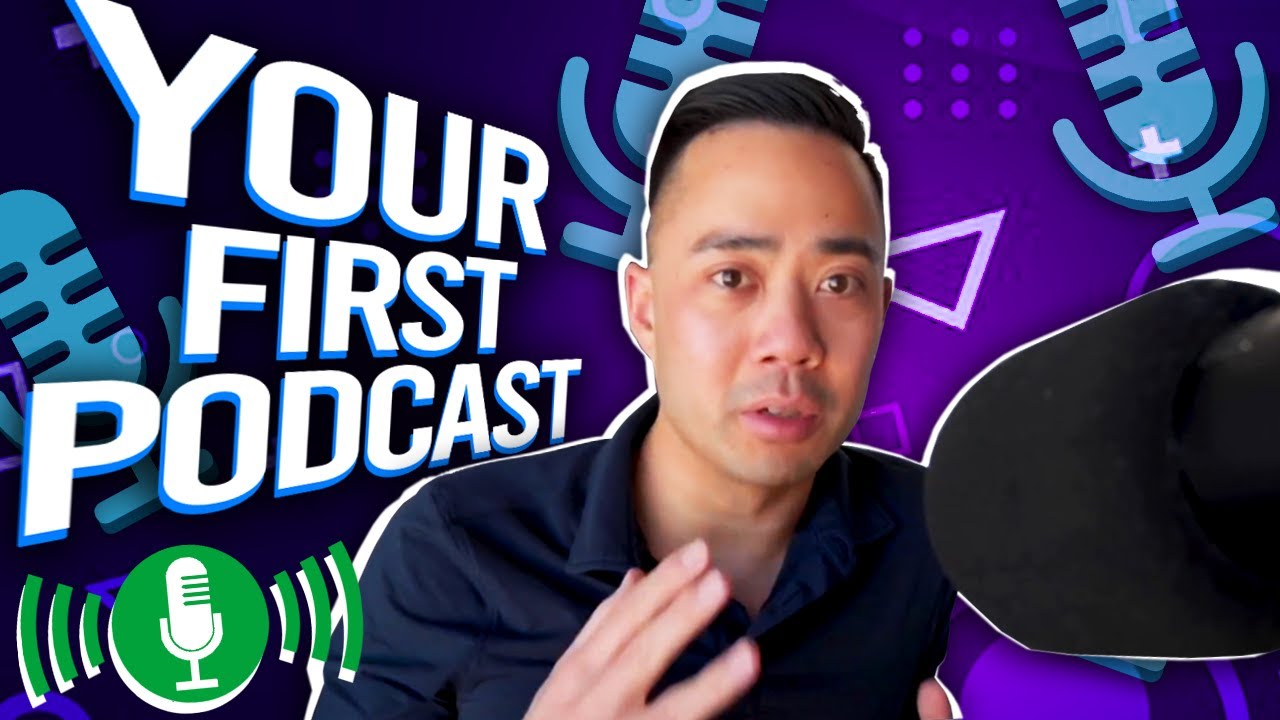
Eric Siu and Neil Patel share seven tips for launching a podcast: invest in quality audio gear like a Heil PR40 mixer, don't over-script, tap your existing audience and others', submit to Apple and Spotify, repurpose clips for social media, get region-targeted reviews, and measure success by unsolicited listener responses.
Chapters
Welcome to another episode of Marketing School. I'm Eric Siu.
And I'm Neil Patel.
And today we're going to give you 7 best practices for starting your first podcast. So we're coming up on the new year. We're about to hit 2021. And we still get a lot of questions from people that want to start a podcast. So I'll start with the very first one, the obvious one that I didn't pay too much attention to in the very beginning, have a good microphone. Okay. Like even if you're doing videos, It's actually been shown that people actually want you to have very high quality sound. So my mistake in the very beginning was that I used a Blue Yeti microphone. It's a good microphone, but I plugged it in directly through USB. When you do that, your sound quality is not good. And actually, Neil and I, for the first 2 years, because both of us are not that smart, we couldn't figure out that Neil's mic didn't sound that good because he was using USB. And once we changed, we added in a mixer and everything, he sounds amazing now. We're using the same mics. We both use Heil PR40s. You're fine with using a Blue Yeti or whatever. Just make sure you're not going direct to USB because that generally doesn't sound that good. I know some people say it does. For me, I haven't seen it sound too amazing.
Yeah, it really doesn't. I know that's a huge mistake that we made. Another mistake too that a lot of people make when they're starting off with podcasting is they try to script everything out. If you script everything out and you try to create this perfect episode with all these predefined questions or topics that you're going to cover and you're going word for word, it's going to sound like you're reading it. People want things that are natural, fun, exciting, educational. Just go with the flow. Put yourself in the listener's shoes. Talk to a lot of people who listen to competing podcasts. Get an understanding of what they're looking for. And when you're doing your episodes, try to go towards that. And your first few episodes won't be perfect. That's okay. It doesn't mean you shouldn't release them. It just means that you need to keep doing more and you'll get better at it over time.
Yep. Number 3 is to utilize your own audiences. So if you're fortunate enough to have an email list, you have social media, be posting it there, right? You don't— you're putting all this effort to record this podcast, whether it's a 60-minute session or maybe it's a 5-minute session like this podcast interview. You want to maximize what you have. And we really grew in the very beginning because we utilize our audiences. And if you're probably like, oh, Eric, but what if I don't have any audiences? If you don't have any audiences, that's fine. Maybe here's a bonus, the 3B over here, utilize other people's audiences if you can. So if you can interview people, try your best, don't expect people to do email blasts or whatever, but try your best. Sometimes you'll get lucky and you'll get an email blast or at least a tweet or something like that.
Yep. The next best practice, if you're starting off, is we made this mistake. As you create more and more episodes, What a lot of people do is they don't showcase all their episodes on the iTunes Store or on Google. I don't even know what the Google Play Store or whatever it's called for podcasting.
I think it's Google Podcasts now.
Google Podcasts, Spotify. And what we ended up doing is after a while, we weren't showcasing our old episodes. One hack that we ended up learning was you just list out all your episodes, even the old ones, even if they're 2, 3, 4 years old, list as many as they allow. Because what you'll find is you're going to get a lot of traffic still to your old podcast based on keywords, view count, reviews, all that kind of stuff.
Cool. Number 5 for me is to— for, so for example, for this podcast episode, we're doing a Zoom chat. It's just Neil and I hanging out over here, but we're on video. So what happens after this is Neil's team or my team can take this video and they can chop it up and we'll put it onto social. So it's IGTV or IG posts. We'll throw it up on YouTube as well. But the whole idea here is that we've already put in the effort. Why not just spend a little more effort to chop it up and try to get more reach? Because the ultimate goal here, when we're thinking about social media, and I lump podcasts into that, you're trying to maximize reach. You want more people to know who you are. So do that. And back to you, Neil.
And the last one from my end is you need to ask for reviews. We didn't ask for reviews early enough. Reviews make a big difference when you're starting off. You can get under like new and noteworthy. And let's say like the iTunes stores, the reviews help with that. So when you're first starting off, encourage reviews. And not all reviews are equal. If you're trying to get new and noteworthy in the iTunes podcast store in the United States, you need more reviews from the United States. If you're trying to do that in India, you need more reviews in India. If you're trying to do that in the UK, you need more reviews in the UK. So make sure you're trying to get reviews within the regions that you're trying to get the new and noteworthy for as well.
Cool. And if you're just starting out, Neil and I have a couple other tactics, but we're at 7. Look for the unsolicited response rate. So what I mean by that, I learned about this concept a couple of years ago from a guy named Jay Acunzo. I believe he has a website called Showrunners. And so the unsolicited response rate, the idea behind that is Neil was just talking about how you want to look for reviews and comments, right? In the very early days of doing the Leveling Up podcast, when I was only getting 9 downloads a day after the first year and then 30 downloads a day, what happened was I was learning a lot, but also what I was looking for some validation to, to like, is this, are people finding this valuable? And every month or so someone will comment on YouTube or leave a review saying, I don't know how this doesn't get more reviews or more people are, why more people are not listening to this, but this is gold. And that's what you want to look for because you're, that's a signal that what you're creating is providing value to more people. And if you keep up, you continue to learn, that's your KPI, but people are finding value. You just, If you're going to compound over time, it's just like investing. That is it for today. Over the years, Neil and I, people have asked us, hey, can you guys create like a community or something like that? We finally done that. Marketing School Pro, right? You get a community. There is a monthly ask me anythings. There's exclusive content that we have. There's a bunch of stuff in there to help you grow faster. And guess what? The best thing about it, $1. Okay. $1, 14 days. If you don't like it, it's okay. We're not— no hard feelings. If you like it, you'll find out more about it. So marketingschool.io/pro, and we will see you tomorrow.