Cutting Interest Rates in 2024 & The Risks of Becoming a Full-time Creator (Reactions Dec 2023 W3)
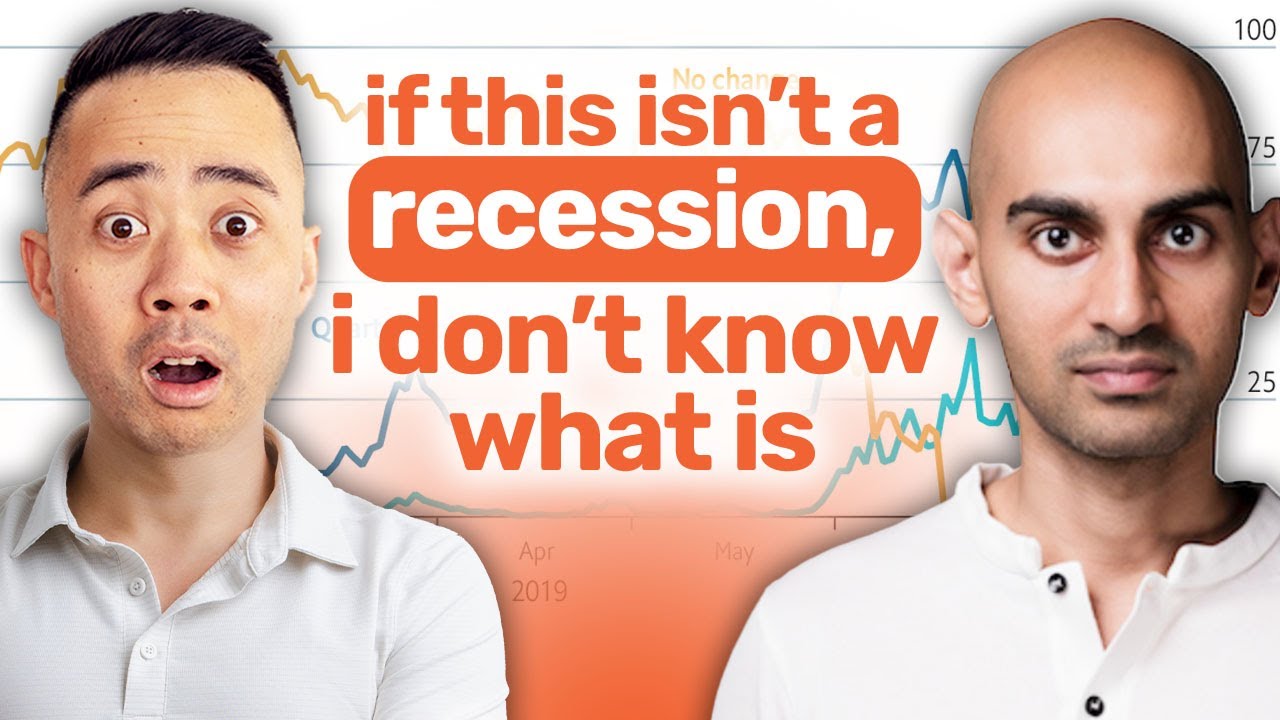
In this reaction‑style episode, host Eric Siu and guest Neil Patel discuss three main themes. First, they analyze the Federal Reserve’s hints about three possible interest‑rate cuts in 2024, debating how modest reductions (e.g., 0.25% each) would affect borrowing costs, business investment, and whether the U.S. is already in a recession. Second, they examine the All‑In podcast’s transformation from a casual investor chat into a media empire that has hosted high‑profile conferences and is reportedly seeking a CEO to scale to a $1 billion‑a‑year business, with Neil offering a skeptical take on the revenue claim. Third, they explore the concept of “creator‑operators” – writers who maintain a non‑writing industry role – by reviewing Will “Latane” ’s essay on the advantages of operating experience for credibility, trend‑driven content, and the value of real‑world experience over pure writing skill. The conversation ends with predictions that podcasting and YouTube will continue to grow and a call for anyone with valuable experience to start creating content.
Chapters
All right, so this is our reaction section and we're going to start off with if we believe that interest rates will get cut. So the Fed basically said, Jerome Powell basically indicated that for 2024, he sees 3 rate cuts coming. And here's why we want to talk about it. Like, we should talk about this because interest rates affect the entire economy and they directly affect, indirectly affect marketing at the end of the day because of spending, right? So what are your thoughts first, Neil? Like, you know, do we think it's going to be cut 3 times? I think that's a little optimistic, but—
It's election year next year. They say economy typically booms in election year. And, you know, historically it has. The Fed has also come out and said, hey, it's potential. We never said we are cutting 3 times. To be clear, they never said they are going to cut 3 times. They indicated that they may or may not. But that's what it's leaning towards. And they said very clearly it's too early to decide how many times. They got to look at a lot of other signals. And the way I look at it is I think it's going to be something where they cut either very little, you know, 1, 2 times, maybe even 3, or they're going to cut deep. And it's not about how many times they cut. Like cutting 0.25 each time is only 0.75%, which seems like a lot, but based on where interest rates are right now, it's actually not that much. Especially if you're doing things like buying businesses, you know, and using that capital to grow. Like, 0.75% doesn't have that big of a difference if you're paying the bank 8.5%, 9% interest. It going down from 8.5% to 8%, or from 9.5% to 8.5%, not that big a difference compared to what we're used to and what we were making a lot of our financial decisions based off of. But if the data starts coming in good on the inflation side and much worse On the economy side, I think they can—they'll cut much deeper, and I don't think we'll know until you know we start the new year and we start getting really into it. I'm hoping they cut more than 0.75 percent. So here's what Jerome Powell said.
So the Federal Reserve is willing to cut rates even if the U.S. economy doesn't dip into recession, and he also says that Powell. So he says now. Fed has seen progress on inflation across the 3 main core areas, right? And here's the thing, like, I think people are celebrating a little prematurely right now. I think my base case is still recession next year. And, um, I think people are like, oh, that the markets are ripping, you know, everything's good again, it's time for a bull market again. So, you know, I think that, that being said, it's like, I, I think it's for me, I'm just like being vigilant at the end of the day. And that's how I feel about it. I don't know how you're looking at it.
Dude, I look at it as we're already in a recession. I don't care what they classify as recession or not. We've had some quarters with slower growth, um, you know, and I don't know the economic definition of a recession, but—
No, it's just 2 quarters in a row.
Didn't we already have 2 quarters in a row?
We did. They just didn't want to declare it.
Yeah, but the way I look at it is if they don't see things slowing down, harder to sell a home, harder to buy a home, harder to, uh, buy food, Harder to spend more money, harder to grow your business and maintain customers and revenue. You know, if this isn't a recession, I don't know what is a recession.
Yep. All right. So I want to move over to— there's this nice— so Neil, I subscribed to this thing called— this publication called The Information. I don't know if you subscribe to them, but I love it. Look at this picture of the besties over here. So you got Jason Calacanis, David Freeberg, David Sachs, Chamath. You can see like a starship from SpaceX floating up there. But this piece is basically like, it's kind of congratulating the besties, but also kind of talking down a little bit to them as well. Like kind of a mini hit piece that the besties revenge, how the All-In Podcast captured Silicon Valley. So the reason why I wanted to call this out is because one, I think it's interesting because What these guys have built over here. So a couple episodes ago, we talked about how Jason Calacanis over here and Chamath started the All In podcast during the pandemic. And then Freeberg came on as a guest, and then David Sacks eventually joined, and they started making it a really entertaining podcast. And now it's become such a thing where they just had— they had 2 conferences. I went to both conferences. They, you know, I met a lot of great people there. And they had, you know, people like Vinod Khosla, Elon Musk speaking, Gwyneth Paltrow. MrBeast was speaking as well, CEO of Coinbase. So a lot of amazing people, right? And they built this media empire around this now, and they're looking to now hire a CEO, and they believe it can be a media company that generates over $1 billion a year, right? And not only that, it brings them a lot of deal flow at the end of the day. So I wanted to give us a chance to react to this one because I think it's really impressive what they've done.
I think it's super impressive what they've done. I don't think it'll generate $1 billion a year in revenue, at least from The media side, maybe they'll invest in a company that'll generate them over a billion dollars. I wouldn't pass that, you know, pass any of them. What I look at the All-In podcast for, what's funny is years and years ago, I used to read TechCrunch a lot. Now I don't really read TechCrunch often at all. I'll get my news from what's happening in Silicon Valley from All-In podcasts or Twitter or X, whatever you want to call it, versus going to TechCrunch now. And I think it's— a better form of, you know, one of those journalistic websites. I call it TechCrunch because the All-In Podcast crew, they don't really hold back. Whether you like them or hate them, they say what's on their mind and they don't care what other people have to or what other people think. And I respect them. And that's one of the reasons I like the podcast.
Yeah, look, I think it's, so also we called it out in a couple episodes ago, they changed their format. The initial format was really boring because it was just J Cal And Chamath talking about, hey, their tech investments and everything. And when they joined in, like, and, and like, you know, it's, it's interesting listening to that. But now they bring on people like presidential candidate Vivek Ramaswamy and then RFK. They bring— they brought in Tucker Carlson as well. And like, these episodes are very entertaining and they ask good questions too. And it's also funny to see them needle each other. Like, that is entertainment at the end of the day, right? It's people like controversy. And the other thing too, like this, this hit piece, by the way, like Yeah, like, dude, example of this is of them messing with each other.
Some of them were messing with Chamath for not being an entrepreneur, right? I think in one of the episodes, and you know, he says on the podcast, he's like, well, I'm the richest one on the podcast. Who here has more money than me? Yeah, not an entrepreneur, but whether you like it or hate it, you did speak the truth.
Yep. You know what he said? So JCal's like, Jacob got really upset. He's like, I built a $10 million business, blah, blah, blah. And what have you built, Chamath? Right? And then Chamath was like, guys, it must be so tilting that the one that didn't start anything has the most money. And then it just got quiet. So it is what it is. But I, look, it goes back, here's the key takeaway for everyone here. It's like, okay, Going back to our predictions, what's going to be big? Podcasting will continue to be big. YouTube will continue to be big. And I think if you have— you're doing something interesting in the world, that means you have something interesting to say. So why aren't you going out there and why aren't you going out there to create content? Which actually leads to our next topic over here. Are you ready, Neil?
Yep.
Okay. So I read this over the weekend. So this got me to think about creator operators, right? But this guy over here, I believe he's a developer. And he wrote this piece over here called Writers Who Operate, and I highly recommend reading it. So this guy's name is Will, AKA Latane. And so he says, look, occasionally folks tell me that I should write full-time. I've thought about this a lot and have rejected that option because I believe that writers who operate, for example, write concurrently with holding a non-writing industry role, are best positioned to keep writing valuable work that advances the industry. This is a lightly controversial view, so I wanted to pull together my full set of thoughts on this topic. I'm going to read some of the bullet points here and we can react to it. I recommend reading the whole thing, but here's the themes that I want to work through. So he says, evaluating believability for operators is much easier than for non-operators, right? Second bullet point, the pursuit of distribution changes About what changes what and how authors write. For example, it pulls towards topics that are trending. So let's sit on these 2 for a moment. The bullet point that I just read is like, when you start to become a creator, eventually what happens is you start to create based on trends because you want to get the most views at the end of the day, right? Now, the first bullet point here is like, when you are talking about you're trying to evaluate something, well, an operator's going to have— they have actual experience so they can evaluate something More to the truth than the non-operator can. Does that make sense, Neil? Yep. Okay. So look, we can continue down here, but look, you guys can end up reading it.
But the big thing is, you know, he believes or she believes is that he is he, right? It's a he. It's a he. He believes that writing helps him become a better operator and gives him a better perspective of what's really happening.
Well, no, no, no. It's yes, that, but more so he believes in operator having operating experience as a writer. Is better than just being a pure creator.
I agree with that. I think no matter what content you're creating or what you're doing, if you have experience in it, you're going to be better off. I think the people— reason people read a lot of my content, at least with marketing, isn't because of my writing skills, because I know I don't have the best grammar or spelling. In almost everything I have errors, even though I use Grammarly. That's helped a lot, but still I have errors. And it's because of the experience, the data, the stuff I can share that other people can't because they haven't experienced it. I think that's what makes content amazing. It's not about how skillful you are using the pen or typing up some, hitting some keypads on your keyboard. It's about what you have to share, like the meat of it. And that really comes down from having a lot of experience in whatever you are writing about. I think without that experience, yes, you can share based on other people's experience or interviewing them or surveying them or talking to them, whatever you want to do. It's still not the same as experiencing something yourself.
You know what I'll say? I mean, some people obviously write very beautifully. They're very good with their words, right? And that's neither you or me. But 2 other bullet points I want to call out here and then we can continue on here is in tech or business, for example, you have invalidation events that happen in the industry. And so, what this means is that, for example, we just came out of a zero interest rate environment for like 15 years or so where interest rates were very low and money was basically free, right? It's very easy to borrow money as well. And people got very sloppy.
People got very lazy, right?
people funding a lot of companies that shouldn't have gotten money. But now, we're in a post-ZIRP environment, so post-zero interest rate environment. And it's actually difficult for non-operators to understand what's actually happening because for Neil and I, we both have businesses, right? We know exactly how it feels and we can see what's going on with friends that we have or customers that we have, whatever it is exactly. And the other thing is like when you operate, Neil and I have so many topics we can pull from. There's so— like I spend 90% of my time on the business. Same thing with Neil as well. And we can just keep pulling and pulling and pulling. And so that goes all the way back to the whole creator-operator thing. I think there's going to be a lot more of those. And I think if you're operating, now is like a really good time for you to start creating. And I really recommend reading this piece. There's really good examples. Like you have Hunter Walk that does this. And it doesn't matter which medium, just go out there and create because your experience is valuable. Anything else, Neil?
That's it. Make sure you give this podcast a 5-star rating. We really appreciate it. Appreciate it, and look forward to seeing you tomorrow.
Alright, that's it for today. Please don't forget to rate, review, subscribe. Check out this video over here, and let us know what you think about this format, and we'll see you tomorrow.









