How I Bought My Company For $2 And Generated Over 8 Figures In Revenue
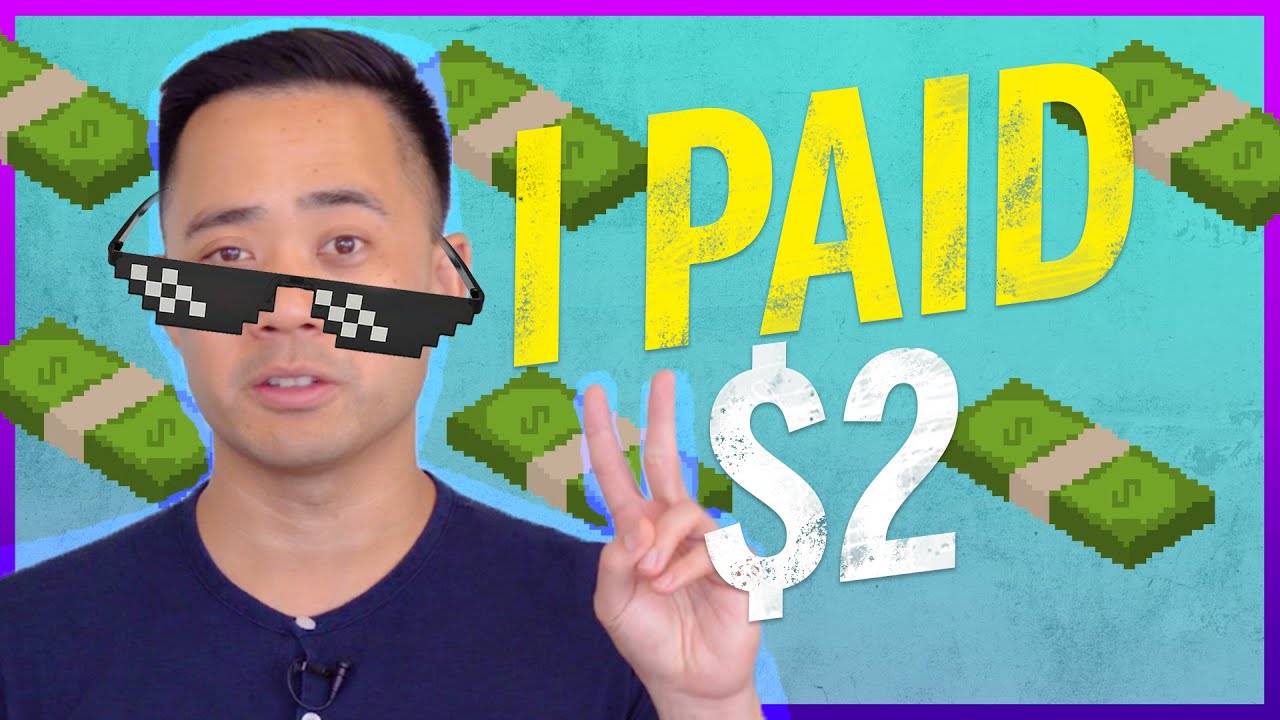
Eric Siu bought the SEO agency Single Grain for $2, with profit-based payouts to partners including Neil Patel. After Google algorithm changes tanked the business, he cut staff, rebuilt the culture, and grew it to eight figures in revenue. He shares what he learned about buying companies cheap and fixing broken ones.
Chapters
Today we are going to talk about how I bought my company for $2 and generated over 8 figures in revenue. Just to give some context here, the company I have, uh, one of the companies I have called Single Grain is an ad agency based in downtown Los Angeles. And I purchased the company about 5 years ago. And the deal was this, I would pay $1 for 10% of, uh, one of the partner shares. And then I'll pay another dollar for 10% of another partner shares, which one of them happens to be my podcast co-host on Marketing School, Neil Patel. And then there's a, there's also 2 other partners. Now the way I structured the deal was I said, you know, for the other 2 partners, I would pay them through the profits of the company. So whatever the profits were after that, um, up to a certain amount, I would pay them those profits. Um, and basically I think it added up to about $100,000 or so. And, uh, that was kind of, you know, split out over, um, there's a payment plan on it. And I also put in a contingency. I said if the company failed, I would owe nothing. So out of pocket I basically put $2 and it was for a failing company at the time, was a failing SEO company. And, um, I want to talk about how we got there first, just so you have some context, and then how we actually got to, got to that point and how you should think about, um, potentially acquiring something in the future. If you see, see something that maybe other people don't see. For some context, this was about 2012 or so. Uh, I was running growth at an online education startup called Treehouse, and I was brought into Single Grain as a chief operating officer to help it, to help save the company because the, um, the algorithm updates that were hitting from, from Google at the time. Uh, Single Grain was an SEO agency and the work that we're doing was no longer relevant. The work that we were doing was no longer working. I was brought in primarily because I was able to really help Treehouse and it's not all on me, but we had a great team, we had a great product, we're able to grow the company, right? It was just, you know, just add good marketing and it grew. Coming into this company is a completely different challenge. It was, it was not just ad marketing, it was our services no longer worked. And, um, which also meant the people, work that they were doing, it might've meant that a lot of people might need to be laid off. So it was a much tougher situation to come into. But the whole thing was, hey, if I could come in and help save this, I could do virtually, I think, anything I want. Hopefully that ends up working out. What happened there was that as I joined, it got even worse. And, um, you know, we tried to switch over to doing, um, as an SEO company, we tried to switch over into doing content marketing because that was the next logical progression. Uh, we were losing clients left and right and we had these really big marquee clients as well. Sure. I mean, the company was doing 7 figures at the time, but, um, there's this general sense of unease. And so a year goes by and then I was brought in. I'm just kind of sitting there and maybe half a year goes by and then finally, um, one of the founders of the company, um, and by the way, he's actually, we've actually had him on the podcast as well. Um, in one of the interviews he tells me, look, Eric, like I'm tired of doing this honestly. Um, would you be interested in taking over the whole thing? At the time I was like trying to put all these things together. So if you're looking to potentially acquire something, you have to think about what the long-term kind of ramifications are, right? Short-term and long-term ramifications. And what I encourage you to take a look at is mental models. So the mental model you're looking at here is first-order thinking, second-order thinking, and third-order thinking, right? So, you know, if, if I end up taking over this company, first order is, damn, it is going to suck because I'm going to be the one that has to Um, put everything on my shoulders and, and, and obviously with the team to carry, carry the thing forward. It's a failing company. Everything, the tide is going against the company and, um, I'm going to have to figure it out short term. Now, second order of thinking would be, okay, well, like what happens if it actually works? If it actually works, it's beautiful. First order of thinking would be it could totally fail, but there's virtually no risk for me kind of out the gate. So I was like, okay, long term, if it works, it could be really good. And then even beyond that, what happens after that is, you know, I've always wanted to, um, take, you know, take Single Grain, make it into a great company, but also use some of the proceeds from that to build other great things too. So I wanted to kind of, um, use it as a, as, um, to, to parlay it into other areas, right? The way I was looking at it was, hey, like, yeah, it's not a good business and yeah, it's gonna be a lot of work and man, it would suck. I would set myself back if it fails, but what happens if it works? It's going to be a great business. What happens after that? I'm going to be able to build other great businesses or buy other great businesses around it. So thankfully so far it seems like that, that bet has worked out and the general, since I took it over, the company has generated over 8 figures in revenue. Um, and it's going to continue to do, I think it's going to continue to build, be a great company and grow even stronger. That's one of the first things I looked at, right? Whereas, you know, the other founders, because they're working on different things, they probably couldn't see it. Whereas I took some time and looked at that, right? And maybe they, maybe they did see it, but maybe they didn't want to do the work as well. So sometimes one man's trash is another man's treasure. The first year, just keep in mind, if you're going to buy something and you have no experience like I did, what happened was we dropped all the way down to one employee and the only person to blame was me because I would literally read business books. Here's another lesson for you. I read this book from the Patagonia co-founder. The book is called Let My People Go Surfing. So I took that literally. I would not come into the office for weeks at a time. I was like, oh, I think I should let go because I hired smart people. And what would happen is, um, people would be watching Family Guy, uh, during office hours. They'd be eating potato chips. Don't get me wrong, I like Family Guy too, but people would literally be working and then be looking at other people and they would tell me like, dude, this person's watching Family Guy. At the end of the day, if you're going to take something on, you better be ready to put in the work. It just can't— or you better have a good operator in place. Otherwise, everything's just gonna fall apart. And everything fell apart the first year. Had no idea what I was doing, made the wrong hires, didn't know how to vet the right people. Um, you know, had to lay off people as well. It was just really, really tough and I wasn't decisive and I was trying to do too many different things, right? So those are just a couple of lessons for you if you're going to try to acquire anything at all. Um, I'm just trying to give you some key takeaways because sure, it looks great. I got— I cut an amazing deal, but I was also stupid in the first year, right? So cut an amazing deal, but be ready to do the work or have someone ready and operated ready to go so you don't make the same stupid mistakes that I make. Um, and then, you know, when you, when you start to take something over and if you're brand new to it, if you just came in as a partner for a company, you guys are just starting something out, focus on the culture. Obviously you want to have your great, great product and service, but focus on the culture and then that's going to go a long way for you. So I've shared my story with you. I've told you kind of the lessons, the mistakes that I've made and Single Grain nowadays, we get to work with the Ubers, the Amazons, the Salesforces of the world. amazing companies. But if you're going to do a deal with somebody, sure, you might make money at the end. It might cash flow later. But like any investor says, you can look at the Howard Marks out there from Oaktree Capital. You can look at a lot of these people. You make money on the initial buy. So buy it at a good price. The price I got it at, even though the company was negative when I took it over, I bought it for $2. So I bought it for nothing basically. So if you're going to try to buy something as an investment, Look to make money on the initial purchase, which is why you see the Warren Buffetts of the world. Everyone they talk about getting a good price. You make the money first, and then everything else afterwards is gravy. And I do think I made initial money because I bought it for basically nothing. So keep that in mind. So anyway, let me know if you are planning on starting a business, if you're planning on acquiring business, what you think, what you think in the comments below. And if you're coming from YouTube, don't forget to check out the next video over there if you want to grow. And don't forget to subscribe and also hit the bell button. See you tomorrow.









