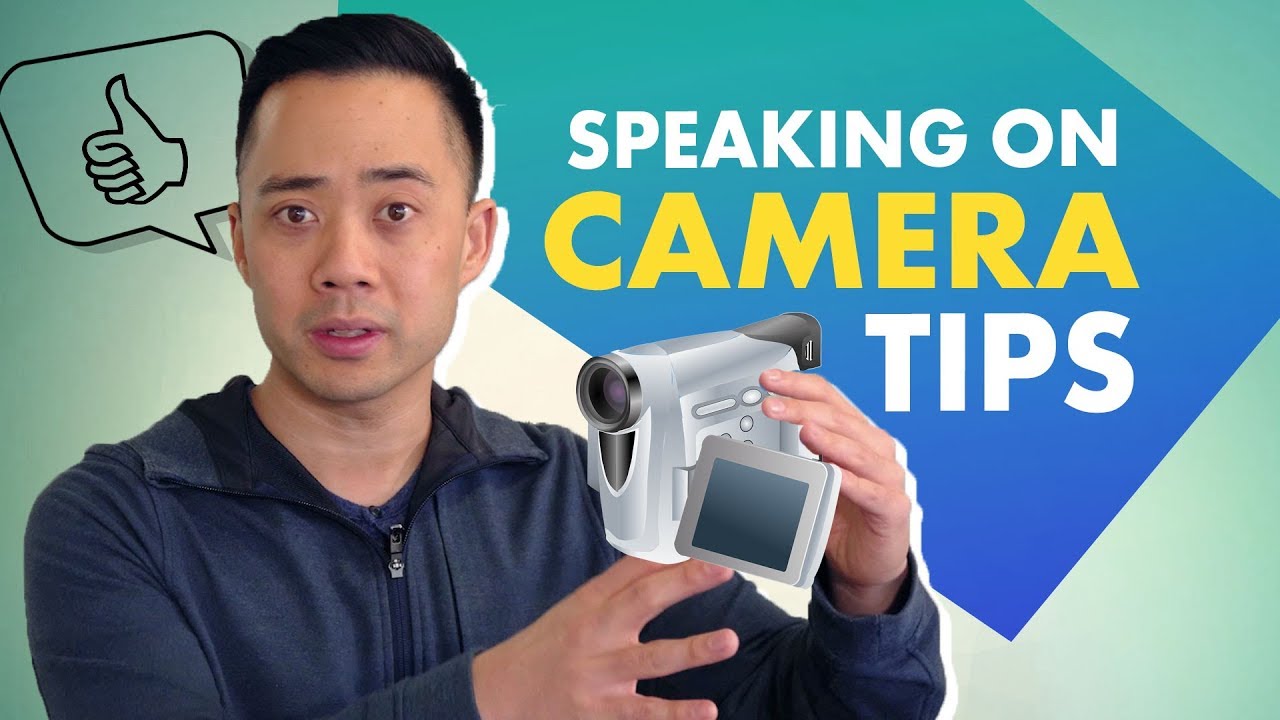
Eric Siu shares how he learned to speak on camera through repetition and studying others. He emphasizes accepting feedback, focusing on what your audience actually needs, and delivering one clear takeaway per video instead of cramming in everything you know.
Chapters
Hello there. Today we're gonna talk about how I learned to speak on camera. Thanks so much for the question, Manav, and let's get going. All right, so this is a fantastic question, and this is an answer that basically can be applied for any form of content out there. When it comes to speaking on camera, what I learned over time, it's not like I joined a Toastmasters group, it's not like I practiced in front of people. I tried all that stuff before in terms of like practicing in front of a mirror, practicing in front of people. And what I realized was that that just didn't do it for me. For me, it was all about repetition. It's the same thing with writing too. I create, I wrote a lot for years and years and years. I was just so bad in the beginning, even though I was pretty good at writing in high school and in college. It just, I didn't know how to like blog for like internet style. But I got better over time. I learned how to do copywriting. I saw bloggers I like, I drew inspiration from other places and I started to make it into my own. And I think it's really important to draw inspirations from other areas because there's no need to try to reinvent the wheel. Everything's already out there and you can pull that inspiration for yourself And then you just, well, once you start doing it your own style, nobody's gonna be like, well, you copied so-and-so. And then what happens is you also look at film after time. If you play sports or you watch sports, you're always looking at film. You're gonna have people on your team or people that are actually shooting you, they're gonna give you feedback and you gotta be really open-minded. The people that aren't that good initially, they aren't open-minded, they don't take feedback, they're in their own head all the time. They keep thinking about, what about me? What about me? What about me? I think it's really important to think about when you're on camera, it's what is the audience going to get? It's no longer about you. And when you can think that way, what nugget am I gonna give the audience? Like, what nugget am I gonna give you for this video? If I can give you one kernel, one actionable thing to do, I'm happy 'cause I've done my work. It's not about me. Ultimately, at the end of the day, you're spending your time with me because you wanna get something out of this, okay? And I, and once you understand that, and you're, you're on video, you're on podcast, whatever, everything completely shifts and life becomes a lot easier. So if you're ready to look good on camera, if you're ready to actually deliver value to your audience, By the way, don't forget to watch the next marketing video and let us know what you're gonna do in terms of next steps to get better at speaking, not just on video but in person as well. And by the way, don't forget to subscribe. I'm gonna shoot one of these at you.