Kong Pham Shares His Secrets to Master the Art of Viral Video
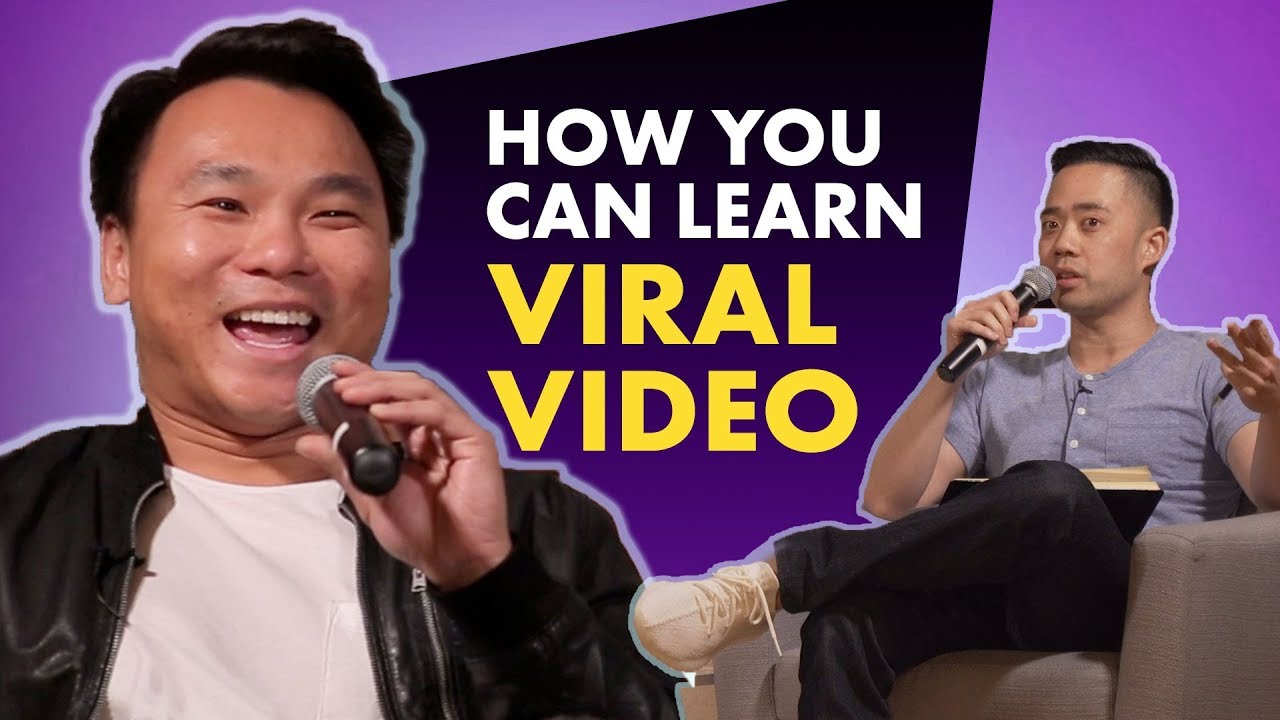
In this interview, viral YouTuber and entrepreneur Kong Pham recounts his journey from a low‑income immigrant childhood in the Bay Area to building a multi‑channel YouTube empire that amassed over half a billion views, 4 million subscribers and $2 million in annual profit. He explains how the bulk of his revenue came from digital products and merchandise rather than ad revenue, and shares practical advice for aspiring creators: start with a genuine passion, steal and iterate on proven ideas, and focus on script and testing over expensive production. Pham then describes the pivot from YouTube to Jumpcut, a YC‑backed startup aiming to reinvent online education with cinematic courses such as Viral Academy, Automated Income Machine, and The Art of the Startup. He details the YC experience, the $2 million seed round, and the power of the YC community for problem‑solving. The conversation moves to business metrics (LTV $1,100, CAC $320, $15 million projected revenue), scaling challenges, team growth from 6 to 70 people, and the importance of clear goals and responsibilities. Pham outlines his targeting strategy—broad English‑speaking male and female audiences—and the advantages of video ads over static creatives. He warns against over‑investing in a single video and emphasizes rapid script iteration and split‑testing. The interview also delves into personal growth: a silent‑retreat‑style interpersonal communication program that taught him vulnerability, the adoption of an emotional‑intelligence app, and the habit of honest emotional expression. Finally, he recommends Ben Horowitz’s The Hard Thing About Hard Things as essential reading for entrepreneurs.
Chapters
We have Kong, who is a viral YouTuber, and then interviewed by Eric Siu, Pencil Brain CEO and host of Marketing School and the Growth Everywhere podcast.
I guess I can start from the beginning. So I was born in Vietnam. I think we got really lucky in the sense that I, I was able to come here and have the opportunities that I do. And so that really kind of shaped my view of the world because I don't— I try not to take things for granted. Even with that, you know, we came here and I grew up pretty poor. I grew up in the Bay Area. This was before like the tech boom and everything. 1992 or 1990, I think, is when we came here. So we moved to Bay Area. We got government-funded housing, Section 8 housing. And what that did for me as a person was that it allowed me to kind of tap into like my entrepreneurial spirit. Because for Christmas, I wasn't able to get the things that other kids got. And because of that, I had to kind of make my own money. I had to make my own destiny. So if I wanted to buy games or if I wanted to buy the new Razor scooter, I would have to make money. So I think I was an entrepreneur when I was in, what was it, 5th grade? And I was selling bootleg CDs. This was when CD burners first came out. And I said, well, why don't we just sell— like, people were buying CDs at this time to put in their CD players.
One of those Asian kids.
Yeah. And so I was like, well, why don't we just make fake ones? I mean, I told them it was fake, but I'll sell it to you at, you know, a quarter of the cost. And I put like a little label on it and everything. So, you know, I just did stuff like that for my whole life because I grew up in a family that wasn't— we didn't have a lot of money. Another memory that comes to mind is in high school. they banned candy, and immediately I was like, I'm gonna buy candy and sell it to people, right? Like, this is just how my brain works because of the way I was raised. And even in college, you know, I went to school for, uh, I wanted to get a business administration degree with a concentration in entrepreneurship. About a year and a half in, I realized this is just bullshit, and I tried to drop out multiple times. The third time was the successful one in 2011. It was my last semester, and at that time, co-founder and I, we Decided let's drop out of school to make YouTube videos. So that's kind of the story of how we got into YouTube.
The story around YouTube, I mean, can you give everyone a little context as to the success that you've seen in terms of numbers with YouTube, just so everyone kind of knows, and then we can kind of go into that story a little bit?
Yeah, so to date, so I dropped out in 2011 and we worked on that for 5 years. We created 5 different channels with over half a billion views. A billion if you count the ones that, like, we worked on but didn't own. So, like, about a billion views, 4 million subscribers, and we were at our peak making $2 million a year, with 80% of that being just pure profit.
Wow, and this is strictly off of— what was the monetization model?
There were a few things. So the ad— like, ads on YouTube, contrary to popular belief, don't actually make that much. It made us about 10%. 80% of the revenue came from us selling digital products and also merchandise. So we had to create our own business outside of YouTube to actually make that amount of money.
Got it. And one of your first channels, I used to watch it growing up. Actually, that makes me sound older, but yes, growing up. So what— can you tell us about one of your channels? The one I'm most familiar with is Simple Pickup. So what was the impetus for that? And tell us about that story.
So our first channel was Simple Pickup. It basically started out with me and I don't know if you guys have read this book called The Game. It's by Neil Strauss, but basically it's this guy who was a nerd and turned into like this crazy superstar playboy type of person because he learned how to pick up girls. So I think, you know, we kind of rode off of the wave of that, which is there's a lot of people out there, guys and girls, who are not good with their dating life. And so we created a whole channel off that. It started out with us picking up girls with cheesy pickup lines, and then somehow it transformed into us, you know, getting porn stars into our office and teaching people how to give blowjobs with popsicles.
What's like an example of a pickup line that you've used successfully?
I mean, they're all successful, but at the end of the day, like, the underlying message that we were trying to convey is that You know, it doesn't really matter where— like what your ethnicity is, what you look like, how you dress, what your interests are. There's going to be people out in the world that are going to accept you for who you are. And so, you know, there was this like surface-level layer of like, oh, this is funny, this is going to be comedy, we're going to make you laugh. But the underlying message was always like, just be cool with who you are. It doesn't matter if you like comic books. It doesn't matter if you like video games. It doesn't matter if you like fantasy novels, right? Like, just express that to people, and if some people don't like you for it, so be it. But there's going to be a very large number of people, surprisingly large number of people in the world that will appreciate you for that.
Great. So I wanna get a little practical for a second because there's a couple people in here that have pretty successful YouTube channels, 300,000, 500,000 plus. I mean, even if I'm— let's say you're starting out, you have zero, what would be your tip for some people looking to get into YouTube to Build an audience?
2 things. So one, you have to start with whatever you're passionate about. People see other channels doing something like pranks or vlogs or, you know, maybe like they're doing food reviews and they're like, oh yeah, I'm gonna copy that because I like that content. But if you're not like obsessed with food, if you're not obsessed with, you know, science, for example, then you shouldn't make a channel about that. So you gotta figure out what do you personally like. If you had a billion dollars, right, what would you spend your time doing? And it might be playing video games, it might be traveling the world, it might be trying different foods. So you gotta figure that out first. That's number one. And the reason that— why that's important is because, yeah, you can create a channel that gets like millions of views, but what I've seen in my career and what you're seeing now in, in the world of like social media influencers is people get burned out. you know, they're making 6 figures, 7 figures, and they get burned out because they're like, I can't handle this anymore, I don't like doing this. So I think it's really important to figure out like what you actually enjoy doing. That's number one, because that's going to set you up for the long term. And then number 2 is just steal ideas from people. Like, you know, everybody who tries to start a YouTube channel tries to reinvent the wheel, and they're like, hey, I'm gonna do photography, but I'm gonna do this like crazy thing with A, B, C, D, E, F, G. And I'm just like, dude, you don't have to do that. Just take whatever is already working with people in your niche or people outside of your niche, you know, and literally just copy what they're doing but add your own twist to it. That's the easiest way to succeed. Now, is that, you know, does that mean that you can't be original and reinvent the wheel? Absolutely not. Like, you could totally do that if you want to, but that's extremely hard to do Compared to the alternative, which is take an idea that already exists, add it to your niche or your interest, and then just put your own twist on it.
Great. And so with YouTube, you just talked about how, you know, 10% of your revenues came from ads. So how did you go about finding products to sell? Like, what were you selling in the first place?
You can think of it like this. On the YouTube layer, which is the free content, right? It was like mostly entertainment, 80% entertainment and then 20% information. Teaching people how to be themselves, how to be confident, how to be composed when you're going on dates, etc., etc. Now, on the paid side, we had a product that was $37 a month that was 80% information and then 20% entertainment, or maybe even less than that, maybe like 95% information. And that's because there's a significant group, small but significant group of people who will actually pay you for that information. And so that's mainly how we made our money, was creating a digital product that taught people like the informational side of things that we didn't cover in the YouTube channel. So I'll give you a really great example. Anyone watch like cooking videos on YouTube? Cooking videos on YouTube, the best ones don't actually teach you the recipe, right? Like they'll say, hey, I'm gonna make this like cake that is the character from Frozen, Elsa, whatever, and I'm gonna show you how I make it. And it's like a 3 to 4 minute video that's like Hey, I do this, I do this, I do this, I do this. It doesn't really teach you step by step how to make it. The analogy here is that that's the entertainment layer that just teaches you like this cake is possible and this is generally how you do it. But imagine now if you said, all right, if you want to do this yourself, buy this course for, you know, $20, $100, whatever you want to charge for it, but I'm going to give you the step by step on how to make that cake. And it's information rather than entertainment. But a small percentage, but significant percentage of people who watch your content for the entertainment value will care about that information aspect as well.
So you were making— just so I understand, you were making helpful videos for people, and at the end you'd put some— let's just call it like a native ad.
Yeah, no, it was all through just like our YouTube channel.
Got it. Okay, so everything's organic.
Yeah, everything was organic.
Got it. So you got Simple Pickup— I looked at it this morning— 2.7 million subscribers, and you don't really touch it that much anymore, right?
Yeah, we don't work on our YouTube channels anymore because We're focused on Jumpcut now.
Got it. So what— okay, so let's talk about this. Like, what happened here where you're just like, okay, $2.7 million, like, we're doing $2 million in profit a year. I think most people would be like, woohoo! And so, like, what happened?
So me and my co-founder Jesse, we decided at one point, like, you know, we had a real talk with ourselves and we said, hey, what do we want to accomplish in life? Like, at the beginning, it was just like, hey, let's make a shit ton of money, right? And I think with a lot of entrepreneurs, that's kind of like the first goal. It's just like, let's just make money. Once you make money, you start to realize that money is actually— it's a social construct. Like, you only believe that money exists because— or money only exists because we believe that it exists. And you start to realize, why am I doing this for money? That doesn't even make sense. And so we had this long conversation about what we wanted in life, and it wasn't money. It was, at the end of the day, impact. Doing something that is impactful to society, doing something that is going to leave a legacy, doing something that is going to change the status quo of what already exists in our society, and that's what we wanted to do. So we said, you know, what we're doing right now with the YouTube channels, at the end of the day, yeah, it's kind of impactful. But for most people who know what Simple Pickup is, they're just watching it because they want a good laugh, right? Like, they want to be entertained. And you can only do that for so long until that gets a little bit, I guess, monotonous. And so we wanted to do something that's a little bit more impactful and that is actually going to make a change in how our society works.
Right. So what is Jumpcut then?
You know, if you go to our website right now, it looks like a school for influencers, but I would think of it like this: the end goal is to try to recreate what college currently is. So personally, I dropped out of college because I did not appreciate what I was learning, and I definitely did not appreciate the price that I had to pay to learn that. And so I think a lot of things are broken in, in, in that system. So our goal long term is to create a new college that is not only engaging to the students in terms of what they learn, but also useful, right? Like, a lot of courses you take at college— in college are not useful in the real world, let's be honest. So that's what we want to do in the long term. Right now, what we're trying to do is create courses that introduce aspiring entrepreneurs to potential businesses that they can create, and then eventually, you know, the second phase is the skills that they need to grow that business. So you're talking about copywriting, doing paid advertising, marketing, that kind of stuff. But eventually, what we want to be— what we want to do is have a business school that teaches people pretty much any skill that they wanna learn that will actually get them to be good in the world of business.
Great. And so the courses that you have right now on the site, what, what, what's available for people to buy?
So right now there's— we have 3 courses. One is called Viral Academy, which teaches you how to create a YouTube channel and build a business off of it. The second is called Automated Income Machine, which is which teaches you how to create a digital product based on whatever your expertise is. And then the third is The Art of the Startup. So this is probably our most cinematic course. The instructor is Justin Kan, who is the founder of Twitch. He's teaching you how to come up with the idea and grow your own high-growth tech startup.
Great.
And your, your company is really interesting because you're backed by Y Combinator, and Y Combinator is one of the world's kind of most popular accelerators. And what are you, batch spring of '16?
Yes, summer of '16.
Summer of '16, okay, great. So can you tell everyone about, give them a better explanation of Y Combinator and what that's done for JumpCut so they have an idea of how these accelerators work?
Very interesting. So we wanted to go into Y Combinator like many times, but we were already making money. So we're like, well, this is, we're too good for this. And at one point we said, okay, well, we need a shit ton of money to actually try to make this idea work. The idea of like, With Jumpcut, what we're trying to do is, yes, we're trying to create courses for entrepreneurs, but we're trying to make them cinematic in nature, right? Like, a lot of times when you take an online course, you're watching somebody give a lecture. It's just that. And it's like, the analogy I like to give is, imagine instead of watching a movie like Batman or The Avengers, you're watching a play of The Avengers. Like, someone's literally just filming a play of The Avengers, and you're like, Well, what the fuck? Why am I watching a play when there's like so much technology that you can use to make this way more engaging, right? And that's the same thing that's happening with education right now, which is they're recording plays. That's what it is. There's a lecture and they're recording lectures. So our whole hypothesis is coming from a viral video background, like we have these— we have the ability to create really, really compelling content, especially for education, but nobody's doing it. We decided, okay, let's do that and let's actually change the landscape of online education. We realized we need money to do this, and that's when we like seriously considered getting venture funding. We met with a few people in LA through introduction from our network, and the tipping point was this guy from BAM Ventures. I don't know if any of you guys know that guy, but he lit— like when we pitched him, He literally laughed at us and was like, this is stupid and you guys are not going to succeed. And so we said, all right, well, we got to raise money. So we decided to apply to Y Combinator. Long story short, we got in.
And it's not easy to get in, by the way.
Apparently it's harder than Harvard. But somehow we got in. Originally, the idea was let's go into Y Combinator so that we can raise easily, which happened. At the end of Y Combinator, there's this thing called Demo Day where literally 500 investors are watching you and you're pitching to them. It's just super, super easy to raise. After about 3 weeks, we raised about $2 million. It's an incredible, incredible community. But I think the surprising part about Y Combinator is that the network and the connections that you make with other entrepreneurs is just It's magical. It's seriously magical. It's basically people who are going through the same thing as you, connecting with you on an emotional level, and then, you know, on a more like tangible level, there's this forum that we have called Bookface, and you can ask like, hey, you know, I'm having trouble scaling from 20 people to 50 people right now, and I'm having trouble setting up my processes. Do you guys have any recommendations on who I can talk to? And like 10 people will literally respond. So the network has just been like incredible in terms of giving us value. There was this one time our AdWords account got shut down. We're emailing the AdWords team every single day and calling them every single day because a lot of our revenue comes from paid acquisition. After the 5th day, I told our VP of marketing, I was like, dude, what's going on? He says, they keep— They keep saying, we'll handle it, we'll handle it. So I post on Bookface, on our forum, and I go, hey, our AdWords account got shut down, can anybody help? 10 people responded, and literally the next day we had some, like, director at Google calling us and profusely apologizing, saying, I'm so sorry this happened. And they reinstated our account, and then they sent us merch too. And so, you know, that just gives you a small glimpse of how powerful this network is. Like, you literally just ask a question and tons of people are willing to help.
For those of you that don't have Bookface, I'll share an anecdote real quick. A while back, I was working at— I was leading growth for this online education startup, and our AdWords account got shut down. And so we did the same thing, we're emailing every single day, and then eventually they just weren't responding. So I was like, I emailed them, I was like, hey, look, I'm gonna lose my job if you don't turn the account back on. And literally it turned on Magically the next day. So just in case that happens to you guys, you can do that too. You don't need Bookface. So going on from that, so for you guys, I mean, Y Combinator isn't the only accelerator you can use, right? I mean, there's Techstars, there's a bunch of others out there. So how much did they give you, and then how much equity did they take?
So it's, it's standard across all companies. They give you $120,000 and they take 7%.
Got it, cool. So, and how much revenues were you doing at the time?
$80, maybe $100K to $120K MRR.
Okay.
Yeah, but it was kind of a weird situation because we were including those like YouTube channels into that revenue. And then eventually we said, we're not gonna do this anymore. So like all-inclusive, I think it was like $120K, but in terms of just what Jumpcut is right now, it was probably like $20, $30K.
And what's Jumpcut at now? How are you guys doing now?
Yeah, we'll probably do $15 million this year. And LTV for us is about $1,100, and cost of getting— CAC is probably around $320.
Cool.
So LTV, lifetime value, CAC, cost of acquiring a customer. So, you know, because Kong is so good at YouTube, everything adds up, right? We always talk about our past experiences, and I think we have a video to pull up too, and then maybe we can talk to it. Do you want to pull up the video first and then talk about the concepts?
Is it the Flex video?
It is the Flex video.
Oh, okay. Yeah, yeah, yeah. You know, I had a background in making viral videos, and it turns out that that skill translates really well into making video ads that convert. And so we've been doing it for our own product, obviously, but then sometimes we just do it like for other companies too, kind of as a fun weekend project. So the video you're about to see is something that we did for this company called Flex, who was also in YC. And we just really believed in their product. We thought this is something that the world should know about. And yeah, we used kind of the psychological triggers of what makes a viral video to apply to this ad that they're gonna run.
Hi, I'm Kara, and I love to fuck, but I hate my period. If you get periods, you know exactly what I'm talking about. Every month, you shove a little piece of cotton into your vagina And that comes with a lot of complications. You have to change it every 3 hours. Sometimes it leaks. It smells horrible. You get pee-stained. And worst of all, you can't have sex. Unless you like creating abstract art with your bedsheets. Or maybe you're using one of these, which means you're basically wearing a bulky, wet diaper filled with your own blood all day. They smell terrible. They stick to your legs, sometimes even your pubic hair. And carrying extras in your purse? Isn't exactly discreet. Worst of all, you can't have sex. Vaginas have been bleeding since the beginning of time. It's now 2018. We can launch a rocket to shoot a sports car into space, but we can't go throughout the day without worrying about whether or not we have blood on our butt? We shouldn't need to worry, and now we don't have to. Introducing Flex, an innovative solution to those outdated period products. I know what you're thinking. This thing looks huge. Whose vagina is that big? Mine is. And hers. And hers. And so is yours. Let me give you a quick anatomy lesson. While tampons and cups plug the vaginal canal, Flex sits in a comfortable space called the vaginal fornix. This is the widest part of your vagina and has fewer nerve endings, so once Flex is inside, you won't even feel it. Unlike other period products, which you have to change every few hours, Flex can be worn for 12 hours. That means you don't have to worry about it while you're at school or at work, and you don't have to worry about it while you're sleeping. On top of that, it doesn't leak, it doesn't smell, and it reduces cramping and bloating in 70% of our customers. It's completely safe for your body. There are no chemicals, it's hypoallergenic, and it's BPA-free. Flex is also environmentally friendly and produces 60% less waste than traditional period products. And the best part? You can have mess-free period sex while wearing it. Click the link below this video to order your trial of Flex today and never be confused again on whether you're about to get cramps or about to poop. We guarantee you'll have the most comfortable period of your life and possibly the sexiest.
I learned a lot about the female anatomy during this project. But what I was saying is, like, a lot of people are, you know, when you try to get users, if you have an amazing product that is just going to be viral, then you don't really need any marketing, right? Like Uber, for example. It's just like, that's something that people are just going to share because it's such a very, very You know, when you talk about NPS score, it's very high. But I would say most people, you have to like educate potential customers about your products. And so if you look at the way the the types of ads that you can create, you know, there's search ads where someone says alternative period products, right? And you can get that small sliver of people. And then on the next level is you can. You can create a display ad where you have a picture and a headline, right, that says, hey, we're Flex, like we're an alternative to tampons, whatever, and this is what we do. But you only have a limited amount of text and picture to convince people, right? So even with that, you have to be pretty targeted if you want to convert. Now with video, it's kind of the complete opposite because if you hit the right psychological triggers, you basically have instead of just a picture and a headline, You have 3 to 5 minutes to convince someone that your product is the best product in the world and they should try it. So think about it like this: if you have an image and a headline, the amount of time you have to convince someone is probably a second, maybe 2 seconds, right? Because they're going to look at it, they're going to read it, and they're going to say yes or no. With a video, again, if you hit the right psychological triggers and keep them watching, then you have up to like 5 minutes to convince them to buy your product. And so I think with, with video, a lot of people kind of underestimate it because they don't really know, like, they don't really understand how to convert with that. But once you understand the triggers or the, you know, like light switches that happen in people's brains and you're able to optimize on that, you can convince like super, super cold traffic who doesn't know who you are, who doesn't even know that they have a problem into buying your product.
So here's the thing, Kong's targeting is amazing. Tell us how you target, tell us how you target in general.
Yeah, originally we were like, hey, let's figure out who our audience is and let's target, you know, college students 18 to 24 who live in big cities, etc., etc., and we got like really microscopic with it. Eventually, you know, using this power of video and being able to convert cold traffic, what's worked best for us is we just target men all around the world who speak English, and then women all around the world who speak English. There's 2 separate ads for men and women, but that is by far the highest performing ad for us, literally just targeting men all around the world and women all around the world.
It's not just Kong that's doing that. I mean, Look, when you're able to do that, that's the holy grail, right? And I know I was just speaking to a guy this morning that does courses as well, and he's doing— updated me, I thought he was doing $20 million, now he's doing $35 million. So I was like, okay, what are you doing? So he's like, targeting is the same thing. He's targeting all males across America, I think around the world as well, same thing, all females too. So that's the power of it. You no longer need to think that much when you have something that can really speak to everyone, right?
Yeah, yeah, totally. And I think that's the power of video. Like, you're not gonna be able to do— sorry, not you're not. It's very, very hard to do that with just a picture and a headline. It's very hard to do that. You have to get pretty targeted when you advertise that way. But with video, it's such a great media for, I guess, selling people that you could potentially just target a very, very broad audience.
So what are some pitfalls for people to avoid? Let's say they got the video going, right? But you don't obviously just wanna run ads for the sake of running ads, like, What are some mistakes you made while building this $15 million a year machine?
I've talked to, I consult with a lot of people on how to create their own ads and how to do acquisition for their businesses. And I would say the biggest mistake is to spend too much time on the video. So I'll give you a really, really great example. One of our friends from YC spent, I think it was like $80,000 on like a product video. And it was just like, hey, look, this is a microphone, and this is what the microphone does. Here's why it's better. They spent $80,000 on that, and it ended up not working for an ad, right? They put it on their website, and it's their intro video, and I think it's fine, but like, was that worth $80,000?
No.
So the biggest mistake that people make is they think that we only have one shot to get this video right, and that's not true. You actually have many, many, like, you have multiple opportunities to get that video right. The main thing you have to focus on is does this script work? And so when I talk to other companies about creating their own video ad, all I say is this: write a script, have you or, you know, somebody who's good in front of the camera talk to the camera, deliver that script, maybe put in a little bit of B-roll, and figure out is this breaking even or is this even close to breaking even? Because if it's close to breaking even, that means you have something good here. And you can continue to iterate on that. I literally wrote this, wrote this one ad and filmed it and edited the the ad literally in one day, like all in one day, right? We tried it; it did a little bit better than breaking even. It wasn't like phenomenal, but I was like, okay, so that script works. So now let's make it better. So then we changed the script. We we filmed it in a better location. We've you know add text to it. We add like B roll to it. We added some other things to it. We kept. Split testing a bunch of things. We're now on our probably 20th iteration of that ad, and that's how we're getting the numbers that we're getting that I told you earlier.
Some of your iterations are pretty funny. So he added text, and then what was it like? It's like, hi, I'm Asian. And then that increased your conversion rate by how much?
Yeah, that increased our conversion rate by 15%. The ad starts with, with me saying, hey, I'm Kong, and I'm going to teach you how to create YouTube videos or something like that, right? And on the screen we put, hi, I'm Asian. So it's like, so it's just stuff like that that just, you know, you continue testing on it and you figure out what works and what doesn't. But that worked really well for us.
You know, we were in, we did a mastermind, we did a retreat a couple months ago in Mexico, and when we got to the airport, some guy turned you around immediately and recognized you, and then you guys took a selfie. Not only that, that happened multiple times in Mexico. I remember we're just walking around and then it happened again and again and again. So this talk is about how to be YouTube famous. So, you know, going back to that a little bit, how is it being a YouTube influencer? What are the pros and cons around it? Just because we're talking about being famous.
Yeah, I think the pros is definitely you get constantly reminded of the work that you're doing, right? And so I think that, that it really comes down to just doing things that you are very passionate about. So if I was creating a YouTube video, like a YouTube channel about skateboarding, if people recognize me for that, I probably wouldn't feel that great because I don't really enjoy skateboarding that much. But I'm pretty sure I can make a viral channel out of it. So, so, so that's, so that's the great thing, is that if you choose something that you're really passionate in and You know, people come up to you and say, hey, look, you've, like, changed my life, or at the very least, you know, I was depressed and I saw your videos and, you know, it changed my outlook on life. It feels really, really good because it's validation for what you're doing. On the other— on the flip side, I think the hard part is that once you get to a certain point, it's actually hard to have that privacy almost. So every time I go out to dinner with a date or even with my mom, I'm always conscious of like, oh, are people looking at me? So that's been probably the hardest part for me, which is feeling like I'm always being watched instead of having like alone time with me and the person that I'm with.
Has your mom seen your Simple Pickup videos before?
Yeah, she doesn't get it.
So how's the transition been for you? I mean, look, you've had this successful YouTube channel, and it was really just you and Jesse, right? It wasn't that many people. Now you— correct me if I'm wrong— and now you have Jump Cut, you have a bunch of team members. How's that transition been from small, or not just, you know, YouTube channel, not many team members, to now like venture-backed company?
With Simple Pickup, we had, I believe, at our peak, 6 team members including me and Jesse, maybe, maybe 7 team members including me and Jesse. So it was a small team, and when you have a small team, you don't really need to have processes and structure because it's just like, hey, get the shit done and, you know, like, go do it. But now we have, what is it, about 70 people on our staff. It becomes a little bit different because you can't just say, hey, go do this, like, take care of it. You actually have to have processes in place. You have to set goals, and you have to let each person know what they're responsible for. That honestly is probably— was probably my biggest mistake, which is continuing to have this like startup mindset of like, all right, everybody do whatever they want, and not having enough process and not having enough direction as we grew.
So how did you learn?
Through failures. Yeah, I mean, it's a long story, but about this time last year, we had, I think— sorry, about June of last year, we had 23, 24 people on the team, all in-house. And what happened was that we had to let them— like, we had to let half of them go, because there's 2 problems. One, we didn't set goals for ourselves as founders and as leaders. And, you know, we're just like, fuck it, let's do whatever and let's have fun and like let's do whatever feels good. And that's not a really great way to operate when you have that many people on staff and when you're burning like $100K per month. So we made that mistake. The second thing was that we didn't give them responsibilities either, right? So we just said, hey, you're a producer, you're gonna do like generally all of these things, and we didn't have clear responsibilities for them. So 2 things happened because of that. One, we didn't have a North Star that we were going to. And 2 is people themselves didn't have a North Star that they were trying to head to. And so what happens with that is, one, the company is very dysfunctional because they don't know what the fuck they're doing. And then number 2 is you can't actually objectively grade them on their work because you didn't give them clear goals. Those 2 things mixed together was, was a very, very shitty experience for everybody, and we had to let half of the team go. So from that experience, we looked back on it and we said, what could we have done better? And the main thing is to set clear goals and to set clear responsibilities for everybody.
Got it. Yeah, if everything's a process problem, everything is really people that help you build it, right? One thing we— feel free to say if this is off-limits or not, but You brought up the—
Nothing's off-limits.
All right, great. So silent retreat, talk about that.
Silent retreat?
You went to this retreat, maybe not silent retreat, but you went to this retreat and you talked about how it was really impactful and it basically changed your life. Can you talk about that a little bit?
So let me preface this with, you know, I grew up in a family where we don't really talk about our emotions, we don't talk about our feelings, right? So if you're stressed about something, or if you're like sad about something or angry about something, it's just like, fucking deal with it, sweep it under the rug.
The Asian way.
Yeah, yeah, seriously. And like my parents never said like, hey, you're like— I can tell you're feeling sad, let's talk about it. Like they never said that. It was just like, oh, you're sad, fucking deal with it. They didn't literally say that, but like that was the whole— like that was, you know, what was communicated. And so I always grew up thinking that a great leader and a great friend and a great partner is someone who's like rock solid, right? Like they don't care about emotions. They never feel sad. They're always like up here. They're always level-headed. And that's the way I operated for a very, very long time, not just in high school and college, but also when I created my business with Simple Pickup. Like, I did that and I was able to be pretty successful. So I went to this retreat probably actually around this time last year, late 2017, that was recommended to me. It's called Interpersonal Communication. If you guys know that the class at Stanford Business School called Touchy-Feely is based off of that essentially. What this was was kind of just like a battleground or like a practice ground, if you will, To get you to talk about your emotions, get you to be vulnerable, get you to talk about all these things that I never experienced in my life. And so the first day going into it, I was like, this is so stupid. Oh my God, am I really talking about my feelings right now? Second day, I'm like, this is really stupid. Am I really talking about my feelings right now? And I think the third day it started kind of— Sticking. Started to click. I said, you know what, I'm here, let's just do this, let's just try it out and see what happens. So I started being vulnerable, I started sharing my emotions, and what happened was really, really amazing. It was mind-blowing. When I shared my emotions and when I was vulnerable with people, not only did it feel good to me, right, like it felt really good to me to do that, on the, on the other side It was very impactful for other people too. So at the end of the 3rd day— this is a 4-day program— on the end of the 3rd day, one of the reflection questions was, who was the most impactful to you this weekend? And out of the 15 people that were there, like, 8 of them said my name. That's when I literally just broke down and cried. I cried for, no joke, 4 hours straight. The way I explained it is, you know, I've lived 29 years of my life wrong. And now I realize what is right. And so it was very impactful to me because I realized the importance of being vulnerable. I realized the importance of sharing your emotions and being weak, quote unquote. And that's not only beneficial to you, but it's beneficial to other people too. And so the 4th day, like, I just— I couldn't stop crying the whole entire day. But, you know, coming back from that trip, What really, I guess, changed my outlook was that when you are a leader or a partner or even a friend, like, being— like, showing more emotions is a good thing. Being vulnerable is a good thing. And before, I thought that was weak. I thought, you know, if you're doing that, then you're a weak person. But what I've come to realize is it's probably the strongest thing that you can do. you can do, especially if you're in a position of leadership.
I remember when you walked into that house, you didn't know anybody aside from us knowing each other. So it was like 9 or 10 other entrepreneurs or so. And I think you're just like, you're— well, I'm not gonna go into specifics unless you're okay with it.
I'm okay with it. I don't even know what you're gonna say, but—
I think it was either, yeah, I need to take a huge shit, or I just took a huge shit.
Oh, I mean, that's pretty normal.
But you get what I mean, right? It's like right there, raw, and to the point. But anyway, so we're wrapping up towards the end of the interview portion, but we're gonna go into Q&A afterwards. I just got a couple more questions until Ben tells me to shut up. So in terms of kind of new habits that you've cultivated in the last, let's say, year or so, Going to this retreat, for example, are there any new habits you can speak to?
I think the main thing is being able to express how you feel with other people. For me, it's, it's with my employees and with the leadership team, but it also translates into my personal life too. So I've— I haven't had a, like, a serious girlfriend for probably 10 years. And I started kind of dating one maybe six months ago. I'm like still kind of afraid to admit it, but like we're pretty much dating.
Kind of maybe. Yeah.
Yeah. The main thing is this: you know, I'm now like in terms of habits, it's I'm not afraid to tell people how I feel, like literally how I feel. So a lot of times, you know, you guys will come to like events like this or maybe meetups with other entrepreneurs, and it's like. Hey, how are you doing? Like, how's it going? You see somebody that, you know, you know, you've known, but they're an acquaintance, and your intention is all like— your natural inclination is to always say, I'm great, I'm doing so good, here's all the great things about my life. And one of the things that I try to do now, especially with friends that I've known for— or acquaintances that I've known for a while, especially, you know, founders in YC— I always tell them, hey, here's all the great things, but Like, here's the bad things too, and I try to be really honest about that because number one, again, it feels good to me to let that out because they're probably feeling the same things, but number two, it makes that bond with you guys way closer than if you just said, hey, look at all these great things I'm doing, right? So that's probably the biggest change in behavior that I've seen in my life from that retreat. That's great.
So I got one more question, but since we're going into the Q&A, if you look at the link behind me, you can go to it right now, open up your mobile device or whatever, but you're gonna be able to add questions and it's gonna be like Reddit style where you're able to upvote and then we're gonna work down the list. So it's gonna be nice, it's gonna be engaging. So final question for you, maybe I have time for 2, but in terms of new tools that you've added in the last year or so, so earlier this morning I was doing a podcast This guy's like, yeah, you know, I bought this BedJet. The BedJet like sprays like cold, you know, air into your sheets and all that.
A BedJet?
A BedJet. It's like $400. Go buy it. I have one. It's great. But because of him.
What does it do?
It sprays— it's a fan that sprays air under your sheets so you don't get too cold or too hot. Similar to that, right? What could you recommend? It could be like an app. It could be like that.
I think I'm gonna be kind of biased. Because I've been going through this. This app I use is called Mood Notes. There's a lot of different apps that kind of do the same thing, but essentially it pings you, you know, once a day or twice a day, however often you set it, and it says, how are you feeling right now? And it's not just like good, bad, or whatever. There's like literally a list of 20 things. And so there's 2 things that happen there. One is you start to understand Like your feelings more and you get more comfortable with expressing your feelings. But then number 2 is there's a lot of studies that have been done where, you know, everybody thinks about like intelligence as logical intelligence, like can you solve this math problem? Here's a problem, like can you solve it? But there's this other thing called emotional intelligence too that I think is very underrated. And to increase— to improve your emotional intelligence, a lot of studies have shown that if you just improve your vocabulary in, in, you know, how you feel and in your emotions, that actually improves your emotional intelligence by a lot. And so I've been using this app, and it's just been very, very incredible because it tracks the way you feel, what's been happening, and then it also improves your emotional intelligence because it, you know, it forces you to use words about how you feel that you haven't used before.
That's great. Actually, I have one final question. So what is one must-read book you'd recommend to everyone here, or could be the first book that comes to mind?
I always tend to recommend The Hard Thing About Hard Things by Ben Horowitz. It's just the most practical book on entrepreneurship and, and some management. I think a lot of books out there like 4-Hour Workweek and, you know, that kind of stuff, it's, it's, they're fun books, but at the end of the day, you don't really get any practical advice depending on who you talk to, but most of the time you don't get any practical advice. With The Hard Thing About Hard Things, there's a lot of practical advice about management and leadership. So I always recommend that.
Kong, I want to thank you so much for doing this portion. Everyone give him a hand.









