Operating Lessons from Building The $110M Acquisition.com Machine with Leila Hormozi
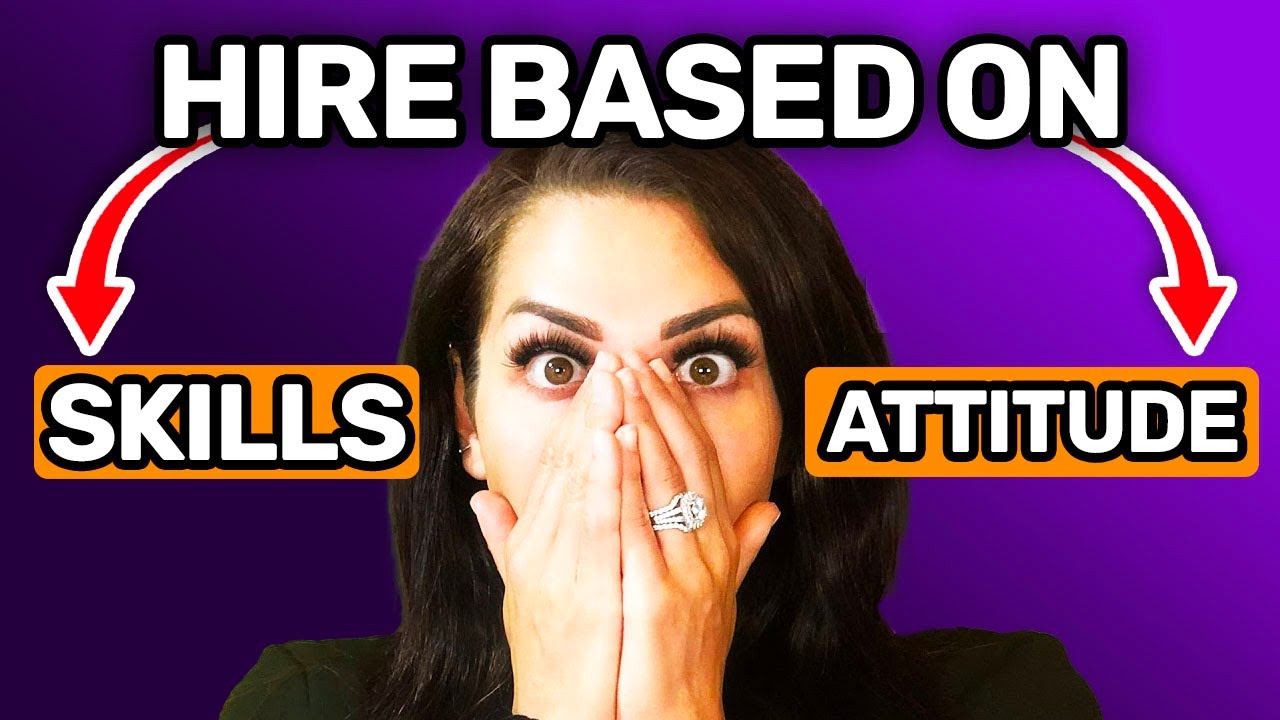
Leila Hormozi, co-CEO of Acquisition.com, discusses scaling to a $110 million exit. She prioritizes cultural fit over credentials when hiring, frames people management as the hardest operational challenge, and uses a cascading priority system from a 10-year vision down to daily actions.
Chapters
This next session is with Leila Hormozi, who is the co-CEO of Acquisition.com. This is from the Leveling Up Founders private event that I did in Los Angeles. Hope you enjoy it. Let me know what you think.
I wanted to start very generally and broadly because, you know, I know you can speak to it. You know, you've scaled and are continuing to scale many businesses. What's involved in that? Where do you start? How did you start?
So how did I start, I think, is where I'll go with that, which is, you know, I think a lot of people are like, what was the formal training? Like, what did you learn to be able to do what you did now and all that stuff? And honestly, like, there wasn't like some course or some book or anything like that at all. It was just going in and doing it. I think that's actually what stops a lot of people is they think I have to have like some formal training or like, I don't know how to scale a business. Like, well, the secret is you don't really know until you try. And I think like one of the best quotes I've ever heard is Ben Horowitz. He talks about He's like, nothing prepares you for being a CEO other than being a CEO. And I think I've always just applied that to anything I've done. And so that's how I actually got into it, was just doing it. You know, I was 23, we had a team of like 120 people, and I had never managed anybody before that. I'd never done anything. And I think it was just a lot of breaking of beliefs because I think a lot of times it's like people think I have to have the belief in order to do something. I didn't believe that I was going to be able to run a team, to build a team, to scale a company, to build something huge at that age. But I did it. And so I think a lot of times you actually succeed despite the things that you believe, but then you believe the things after once you've accumulated the evidence for it.
Okay, wow, that's, that's a really different perspective than everything I've heard. Yeah, I want to start with how you hire, your hiring process, because I feel like that's, that's a question that we get a lot. What do you look for in people, and then how do you test that?
I think in terms of what you look for in people, it has to be something that's congruent with your company. So somebody that's going to be good for my company may not be good for your company and vice versa, right? And so I think a lot of the times when you're trying to figure out what to look for, that starts with the super soft stuff that nobody ever wants to talk about, which is like, what are your core values? What's the vision of your company? What's the mission you're on? Because like, I'll give a good example. Like everyone in this room, if you focus on your brand, like people are like, why do you like doing social media content? I'm like, because I want to attract the best talent. Like, that's what I'm thinking of when I'm putting stuff out there. I'm like, how do I get the best portfolio companies and the best employees who share my brand, right? They share my values. 'Cause that's what I see as brand. Like, at least, you know, I wasn't there for the whole talk, but like, I love a lot of it. And I love that you can also utilize it to attract people who are like you. And so I think a lot of the times, if you're thinking about like who to hire, a huge way to leverage your brand is that you can leverage it to attract people who are on the same mission. Like, a lot of times I talk about this, which is if you have a vision that's so big for yourself, all these people, They see that and they can see that their vision can fit inside of it. And I think that that's the biggest thing for me is I want people who, when I meet them and I talk to them, I know that they could fit in my company because their vision for themselves and their career is able to fit within mine. And if it's not, I'll tell them and I'll be like, that's not going to work here. I had a guy that literally, like, it was a week ago and he is the number 2 at a really big company and he really wanted to work with us. And I was like, I'm just being really real right now. Your vision doesn't fit here. There's no spot for it. And like, you may be a culture fit and we may have all the values, but like where you want to go, which is like he basically wants to be like the number one in a company, this company's not ready for right now, nor are you the person I would pick for it. So it's just one of those things.
So then what's, what's your greater vision and also Alex's greater vision? And then how do you guys come together on that? Because you, I mean, you work together, you're co-CEOs.
Yeah. Both of us, our vision has changed over time. I think when we first started, it was like, let's not be broke. We can start there. Let's not go bankrupt.
Big decision.
Both of us have both been always really ambitious people, and so I think in terms of the vision for Acquisition.com, we want to take it to a $10 billion company, not because we desire the money or anything like that, because it's not going to make us happier. It's about who we become along the way and being an example of what's possible. So like, I would love to show people like, this is possible to do. And I think that there's just not enough examples of that out there. And there's not enough people that are on a mission like that that are actually sharing it with the world. And that's also not something I'm comfortable with. Like, I would much rather in many ways just like be in a little hole and like not show anyone anything because it's much less distracting, is much like— there's a lot of upside to that. But we did that for 6 years. And I also see the upside to sharing it. And I think that you can make way more of an impact on the world if you do that. And so I think For us, it's being able to document and share the best practices of building the world-class businesses that build acquisition.com. And I think that a lot of that probably stemmed from we had so much pain in building our first 3 businesses together. And it was at a point where, yeah, there's courses and there's groups and things like that, but I feel like honestly, like all the real stuff that like the— how it actually feels and like what it actually takes and like the really hard, boring shit that you have to do, I feel like people don't talk about that. They're just like Lambos and, you know, cars and all that stuff. And that's just not what it actually is to run a business. And so I think showing the other side and normalizing the fact that it's okay for business to be stressful and hard and it's still worth it.
The common denominators in terms of challenges that you see in these businesses over and over again?
Yeah, honestly, I think it always comes down to the people stuff. And the reason that it comes down to the people stuff is because that's the stuff that triggers us emotionally most of the time. You know, it's having the hard conversations with people, firing family members, firing people that are our best friends. Firing people that have been there since day one, you know, having to bring in top talent that intimidates you, that could be better than you, that could, you know, be a key person and then eventually leave. Like, those things are the hardest. Owning up to bad decisions that you make as a founder. And I think all of those things, plus all of the boring shit. Like, you know, it's funny because people— I make these videos, people are like, oh, Leila, operations, etc. I'm like, dude, I fucking hated this shit. And like, it's funny because people are like, oh, she must be— I was in sales. Like, I learned this because it was what was required to build an amazing company. And I think that's what a lot of people get lost upon. They're like, you must love it and stuff. I'm like, I love it now because I'm really good at it, but I didn't love it at first. Like learning how to really conduct a meaningful meeting, you know, reading 5 books on how to run a meeting, it sounds like so lost upon people. They're like, that's not necessary. I'm like, well, if most companies are comprised, most of the time that people are spending in a company is in meetings, shouldn't you know how to fucking run one? You know? And so it's just like obvious stuff like that. I think it's, that's the boring stuff. And then I think the hard stuff is the emotional side to it, which is just the conversations with people and such, which I think anyone can build a business that can make money, but they will get stuck where the emotional constraints are for them. So like, you can build a business, it can be profitable, but then say you have somebody who's in your company that you've hired, and then a year in, they're not the right person, and you just continue to let them to be in that role. Maybe they're in sales, and maybe they're really low closing percentage now. But you allow them to continue to sit in that role because you don't have the cojones to fire them because you feel bad or you feel like it means something about you or that you're now a bad person because you fired them. And because of that, you don't grow your business. It's a simple decision. And so I think it's— those are the things that we would like to bring to light in that it's all in these micro decisions we make. A lot of the macro is not actually why business fails. It's all in these little micro decisions we make on a daily basis.
I want to get into company culture. Because I hear that all the time, and I heard you say it on another podcast that company culture is crucial. Can you explain what company culture is exactly? Like, how do you define that and how do you develop a good company culture?
Yeah, I mean, I would say that culture's so aligned with brand. You know, culture is, in my opinion, or how I define it, is the unsaid expectations of behavior in a company. Typically unsaid. You don't want them to be unsaid, but whether accidental or intentional, you have a culture. It's just the unsaid expectations that everyone has of how everyone else will behave. That's how I would define culture. And so I think if you don't build it intentionally, it gets built accidentally, which often isn't in our favor. And that's why I think I try in like my content and the things I say to people to explain it in a way that's not boring as shit.
Absolutely.
Because there's a lot of good stuff out there about how to do this, but it's like, I mean, the people that are delivering it, they're corporate. And so it's like very bland most of the time. But building a culture, I think, you know, I start with, you know, I took, I was trying to relate this because I think a lot of people that feel like they can't build the people side of business are typically like more of like marketing, brand facing, you know what I mean? And so they have this like belief that they're not the people person. But if you can build a brand and you can build like a cult-like following of people that follow you on social media, I have no, there's literally no reason why you couldn't build an amazing culture in your workplace. Often there's like some mental block. But it's like, so if you take Russell Brunson's Building a Cult-Like Following, he talks about there's a charismatic leader, there's an opposing force, and there's a unique mechanism, right? Same thing in a business. And I give this example in one of my content pieces, which is like charismatic leaders in our business are me and Alex. Unique mechanism is the VAM method, which is our Value Acceleration Capital method that we made up, right? It's just the way that we improve businesses, right, that we just made up out of thin air. And then the opposing force is basically like all the old PE firms that want to buy your businesses and basically add no value. And so it's like, if you can build that, then you will also, you know, it's the same way that you would attract followers. You'll attract people that want to work for you that are of the same culture because they have the same values, because they align with those, those 3 pieces, if that makes sense.
Do you think culture is more important than talent?
Yeah. Yeah, I do.
How so?
Yeah. Sometimes the most talented people, if they don't align with the culture, then that means they don't make good decisions because Values are in your culture, right? The values are essentially like what you use to describe your culture. Those are also decision-making filters. And so if somebody else comes in and very smart, very talented, have tons of experience, but they use different decision-making filters, then when you delegate something to that person, then they're going to make different decisions than you would. And so it's probably not going to align with what you want for the company. So they can be super smart, super experienced, but if they make poor decisions, then that's worse for your company than any amount of talent could make up for.
What are your priorities when building a company?
I think that priorities are always going to lead back to the vision, right? So you've got the vision for your company, which is, you know, what is ideal state 5 years from now? Or maybe if you can't think 5 years from now, maybe it's 3 years from now, right? As far out as you can think. There's no right or wrong. People are like, you need your 5 or 10-year vision. It's like, fuck that. As far out as you can think, what does ideal state for that look like? And then when you bring it down a little, you're like, okay, That's ideal state, I've described it. What does customer success look like then? What does my team look like then? What does technology look like then? Like, what are we strong in? What are the things that we're doing? And then you bring it back down, you're like, what's our mission? Which is like, in one sentence, describe what you do as a company, which is probably the hardest part, but that's distilling the vision down into a sentence. And then from there, you say, okay, now if I'm looking for the next 12 months, what can I do realistically to get to that 5-year vision, right? And then you're gonna write down, you're gonna say, I'm gonna limit myself to 3 to 5 things. And then you're gonna bring that down even further and say, okay, now what of those 12-month goals can I get done in the next quarter? And I'm gonna break that down and that's what I'm gonna focus on. And that's what would be the priorities that I would focus on. So like on a daily basis, like Alex, you could show the back of your phone, it's got his quarterly priorities. Mine, I have on my computer, my quarterly priorities.
Yeah.
And we're just checking the boxes. And so it's always top of mind. And so that's how we prioritize is, Literally goes from the vision to the 5-year, to the 1-year, to the 1-quarter.
To your phones.
To our phones? Yeah.
All right, so that's it for this session. Hope you enjoyed it. If you are interested in learning more about the Leveling Up Founders private event, it's basically an annual thing where we gather the top founders and also the top speakers and ultimately just help each other grow our businesses faster. Last event was rated a 9.8 out of 10, and everyone said it was more so about the people. The speakers were amazing, but the people are even more amazing. So you can go to live.levelingup.com to learn more if you are interested, and we will, we'll catch you later.









