The #1 Mindset to Overcome Life Challenges
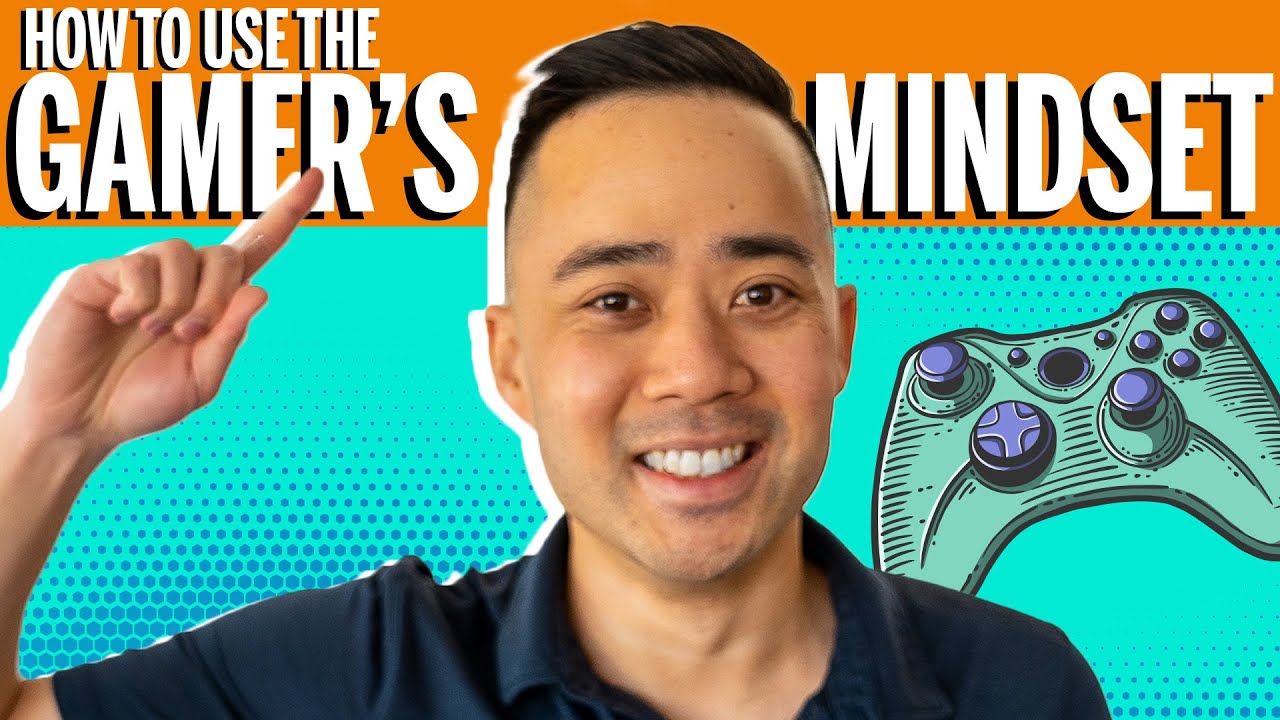
Eric Siu uses gaming as a metaphor for life, arguing that habits like sleep, meditation, and fasting work as power-ups to build resilience. The conversation covers mindset, teamwork, and company culture, with a promotion for his book Leveling Up.
Chapters
Everything I learned from gaming, life is just a game, right? When you wake up and you play it like a game, like when I wake up in the morning today, you know, all the stuff you hear about sleep optimization, meditation, you know, training in the morning, you know, all the fasting stuff, like those to me are all power-ups, right? That's just me getting stronger in the morning. And then when my day starts, I'm so fired up to go that I just, you know, I start my day. But then when you're doing business, when you're doing marketing, it's just all little puzzles that you're messing around with, little challenges. Let's say, let's say Ed's looking to hire someone, right? Sometimes you might lose that person, then you go find someone and then Maybe the timing's better, right? And then you figure out, okay, now there's a game within how do you incentivize that person, right? So there's games within games and the whole thing is fun.
When I was 25 or 26, I was leading marketing at this tech startup and I was only a month into the gig and the CEO pulls me aside and he's like, you know, if you don't hit numbers this month, we're going to have to let you go because there's 80 people's families riding on your shoulders. I'm like 26, right? And I thought I'd freak out, but I didn't freak out. I was like, oh, Let's go, let's do it. And I think at that moment, it's just like, man, if you just see things as like, this is a great challenge, let's do it. You just apply it to everything else that you do and it just keeps stacking. So I think once I took that mindset, I just applied it to, oh, the podcast is not doing well, right? 9 downloads. Let's go, let's keep doing it. So like, I get, I think the more pain I feel, at least when it comes to like mental pain, I think the more excited I get. So at that moment, it should have been a crappy moment, but it was a motivational moment.
I am very much the same. What's the big idea of this book and why did you feel like you needed to write it?
Yeah.
So I think one of the most important things, if I, if I'm thinking about to, um, you know, me in as a teenager or in college is it ultimately comes down to the right habits.
Yes.
You got education first, but you gotta have the right habits. Um, and most, look, over 3 billion people in the, in the world have played games. Um, there is a big, There's a big connection when you think about life as a game, it becomes a lot easier, right? So, you know, in the book, I basically talk about these different power-ups to acquire, right? We talk about, we talk about, you know, resilience, teamwork, all these things, but you make the connection between gaming. So I'll share an anecdote around gaming, and then it connects directly with something from business, and then there's something to do afterwards. So for me, at least, if I had the understanding that all the things I was doing Growing up, all the time I spent playing these MMOs, these first-person shooters, even though my parents told me it's a waste of time, that actually was what helped me gain the confidence I needed, right? We're talking again resilience, consistency, communication, all that stuff. And if I had just known that earlier and then understood that gaming is a gateway to real life, just like sports is, then I probably would have been even more confident. And I think that's super necessary for people. The only reason why people aren't able to go from you know thirty-two K to fifty K to hundred K or whatever is just it's all in the mind. Like it's all in the mindset. It's like I'm not good enough, blah blah blah because I used to feel that way before too. I'm not good enough. You know I don't deserve this. I don't deserve you know I don't deserve to date you know awesome people. I don't deserve a I don't deserve a great salary. I don't deserve the nice car. I don't deserve this blah blah blah blah blah. It's all this negative self-talk and I used to think. This mindset thing was like, oh my God, that's like stuff that's pie in the sky and you can't really put something around it. But now I realize mindset and your health is every single thing. So, I'm kind of going all over the place right now but all these things, they all come together. I've learned over the years that I can only get so good as a marketer but eventually my skills start to decay, using the decay analogy again. But what does not decay, what scales really well, what the top CEOs in the world obsess over is culture, right? And I think a lot of marketers are not— too obsessed. Maybe they're a little more obsessed about the money, but you can definitely make the money if you create a great culture and you have great people, right? That's why all these CEOs obsess over it. So, if you wanna learn that one day, go take a look at it. I think, you know, you gotta get into the mindset for it though, and I can tell you, it scales really, really well.
Well, I want you to expand on it a little bit more because culture is one of the big things for us. So, if you don't mind, I'd like to take just a few minutes here before we wrap things up. I'd love to have you kind of—
how do you build that kind of culture? Yeah, I think, you know, the, the culture stems from the CEO at the end of the day. I think for people that are starting out, maybe you want to be a leader, but you don't even have to be a CEO, but I would recommend reading these books. There's a book called Startup CEO, and there's another one called The Great CEO Within. Both are written by founders, previous operators, VCs. And then there's, you know, Tony Hsieh. I think there's this— there's Delivering Happiness. That's a great book on culture. But culture is ultimately your, your operating system. It's how you do things, right? So You know, if the founder is out there not operating with integrity, and they're all about short-term gains, and, you know, they don't mind screwing people over, then that will be the culture of the company, because everyone looks up to the leaders, right? But if you have— you know, I used to think this was all a bunch of baloney. Core values, right? Like, who cares about core values?
Right.
But the core values define who you hire and who you fire. And then you get really hardcore about, you know, hiring slow, firing fast, all these things. And, you know, at the end of the day, you create a— you have a cadence around your business too. You have all these, you know, these meetings on Mondays where for us at least, it's these 90-minute meetings. We're solving issues. We're just getting through it.
And then we just have—
we have an operating system. We have core values and everything. We don't care how good someone is if they don't follow— they're not operating within our guidelines around core values. So for example, one of ours is accountability. If you're constantly late to things, and you're not delivering on deadlines, I don't care if you can perform, like, you're still out. Like, you should go somewhere else. You know, one of our core values is growth. Like, if you're not constantly trying to get better, you're not trying to teach people, then, you know, you need to be out as well. And, you know, you just learn all these things. I would recommend studying another guy. His name's Bob Glaser, runs an agency called Acceleration Partners. He has all these crazy things about culture. So I just study the best people. There's all these personality tests, all these things. You just plug them in. And then that's how you create the machine. That's the culture. And then you as a CEO, you just get out of the way or the founder or the leader, whoever you are. Don't forget to check out the next video over there. Okay. Over there. And before we go, open a new tab, levelingup.com to learn more about the book. We may or may not have other goodies tied to this book. All right. levelingup.com in a new tab. You check out the next video first in a new tab and we'll see you later.









