0:49
Eric Siu explores why affection is rarely equal between partners. One person typically adores the other more, and this dynamic shifts over time. Long-term relationships become routine for efficiency, but that consistency can breed staleness.
Eric Siu explores why affection is rarely equal between partners. One person typically adores the other more, and this dynamic shifts over time. Long-term relationships become routine for efficiency, but that consistency can breed staleness.
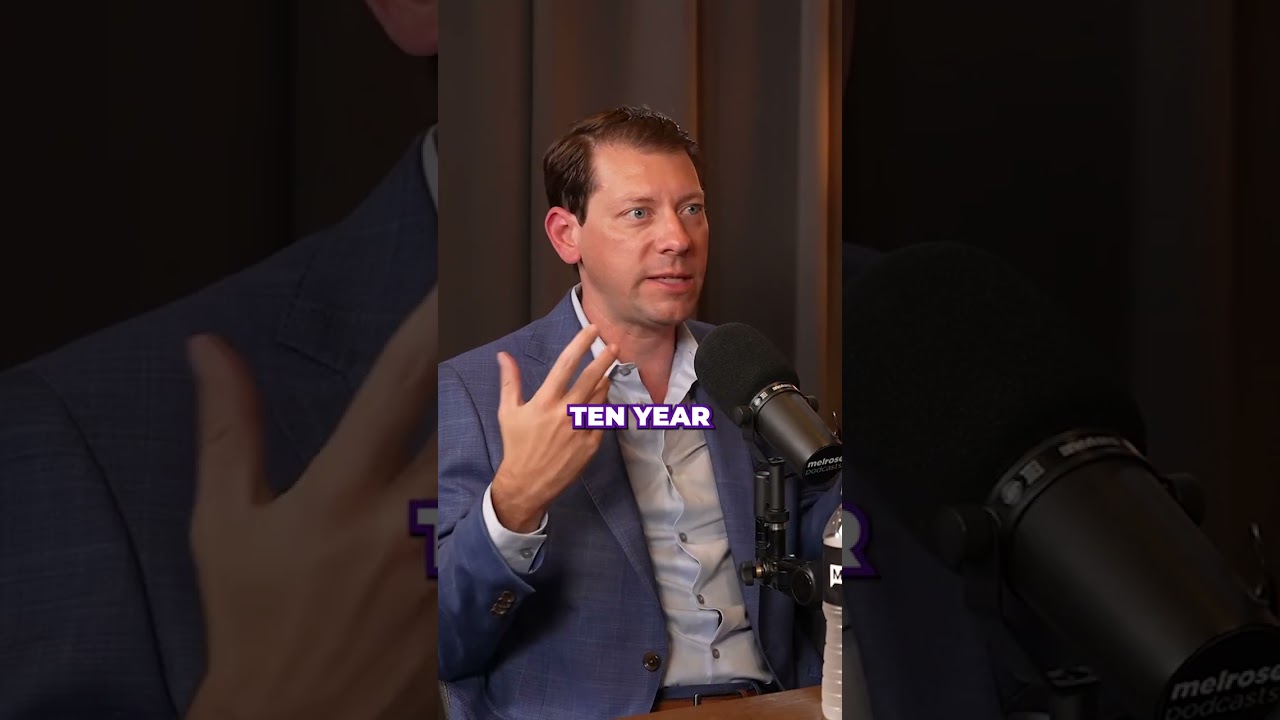
It's not possible for 2 people to like each other exactly the same amount, which means that in any relationship, one person likes the other person more and the other person likes the other person less. And it can change. It can change, absolutely. But in general, over time, dynamics tend to become kind of routinized. So it's pretty rare if you're in a 10-year relationship that it's going to have wild swings from one day to the next.
It's interesting because I asked one of my good friends, we were FaceTiming today, I was like, so like, which one is— I was using your phrase, like, you know, who adores the other person more? She's like, oh, he's like, it changes. It vacillates. Oh, I'm going to bring this up to you today and get your thoughts.
I mean, it can, but again, over time, relationship dynamics become more and more ossified, for better or for worse. That provides consistency, which makes the relationship more efficient, but it can also make it stale, predictable, and rigid. So there's trade-offs to everything.









