Top 5 Marketing Lessons Learned in 2020
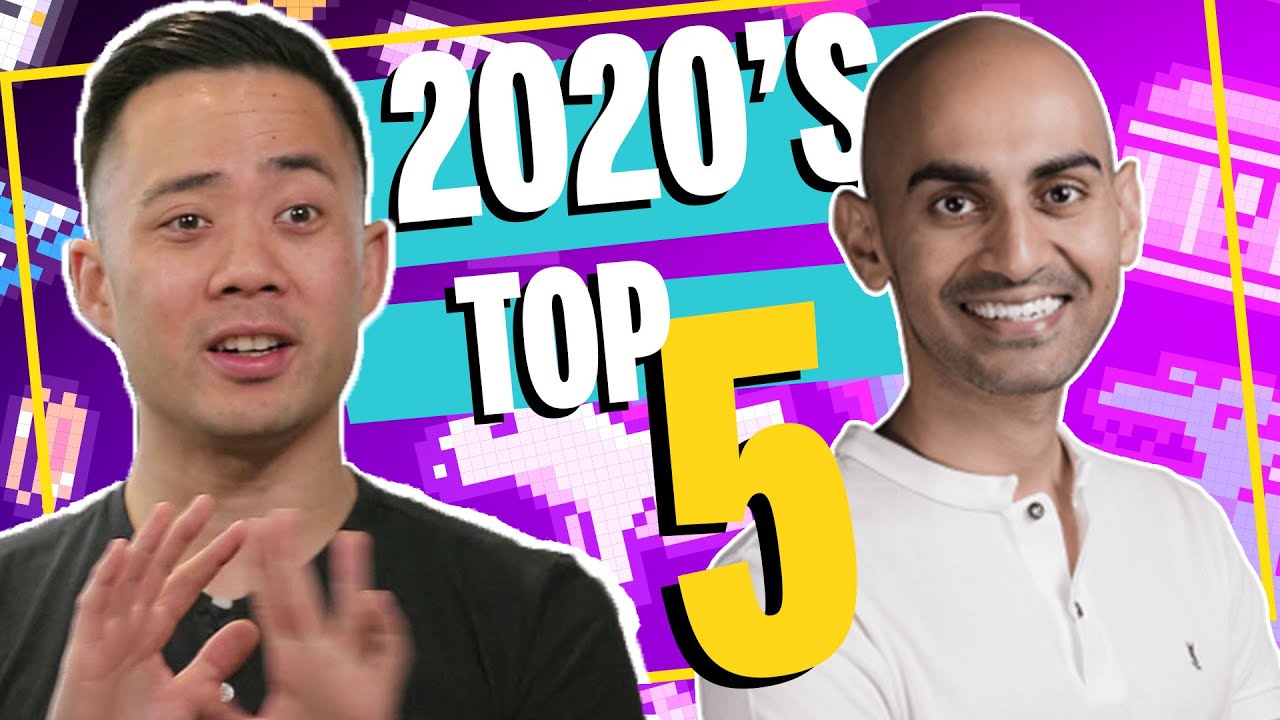
Eric Siu and Neil Patel share five marketing lessons from 2020: YouTube's compounding growth as the second-largest search engine, free content creating a sustainable flywheel as ad costs rise, daily stand-ups keeping remote teams aligned, hiring less-experienced people who bring fresh ideas, and content as a high-leverage asset that pays dividends for years.
Chapters
Welcome to another episode of Marketing School. I'm Eric Siu.
And I'm Neil Patel.
And today we're going to talk about the top 5 marketing lessons learned in 2020. And I'll go first. So—
Before we start, today is December 25th. So you guys are having an amazing holiday wherever you guys are.
Happy holidays. I always forget the dates. Good call out. So number 1 would be on my side, not focusing enough on YouTube. So what do I mean by that? My YouTube is only at 50K subscribers. It's not huge. It's not really small. But what I noticed over— I read something recently. If you look at the growth rates in the last 6 months for subscribers or channels that have over 5 million subscribers, 1 million subscribers, 10,000, 100,000 subscribers, they're all growing at greater than 10%. So they're compounding still, even though people say, oh, YouTube saturated, everyone's doing it, blah, blah, blah. The, it is still the number 2 search engine in the world. And it's got a pretty good algorithm because you have a company called Google that owns it. So I've been focusing more attention on YouTube. Neil's already been pretty consistent with it, but I do find that it, the videos you put out there are, they can be evergreen. And sometimes you put it up there, it doesn't do well for the first month or 2. And all of a sudden it just takes off and it's just evergreen. So that type of stuff tends to happen and you can build an audience that compounds. And it's a nice community. So I think, you know, the best example of this would be taking a look at MrBeast, over 56 million subscribers. He does over $97 million a year. There's been a breakdown on how he generates his revenue. This guy's only 22 years old. All right. So a lot of opportunity with YouTube for me, not from a monetary standpoint. I just, I think there's a big audience building standpoint or opportunity there.
Number 2, give more stuff away for free. If you look at marketing ad spend per click, per CPM, whatever you want to end up looking at, whether it's Facebook, whether it's Google, whether it's LinkedIn, whether it's Twitter, it's consistently going up year over year. Heck, it usually is going up quarter over quarter. So one thing that's consistent is you're going to be paying more for your visitors next year than you are today. It doesn't mean you're going to get more visitors. You're just going to be paying more for them. And sure, you need to optimize for conversions and things like that, but what we learned you know, and we really saw the light of it in 2020, although we started doing it 3 years before that, is if you just give away more stuff for free, whether it's courses, content, ebooks, tools, software, it's cheaper to do that. And that naturally creates this, you know, flywheel that keeps getting you more and more visitors that you can later down the road convert. And we found that it's cheaper to do that than it is to just keep paying for the clicks. And a lot of businesses are like, ah, what can I give away for free? But you can literally give away anything for free. Oral-B, a toothbrush company, they used to say free tongue cleaner, but you just pay for shipping. And they would add in upsells and downsells that work for them. We give away tools for free. There's also courses and training guides with cheat sheets and worksheets that we give away on the neilpatel.com/training section. And that's worked out well too. That's generating roughly 70,000 page views a week. So the overall lesson I have for you is yes, you should spend money on paid ads as long as it's working profitable, but just consider giving away more stuff for free. It's cheaper.
Yep. Number 3. So what we've been doing earlier in the year, we've kind of rolled this out for the different projects that we work on is it seems basic. And a lot of you know about the daily standup, you know, 15 minutes, what you did yesterday, what you're working on today, what you're blocked on, but having that alignment for each project that you're working on, that, that's a big initiative. goes a long way because it forces people to be aligned and it holds people accountable. And sometimes you'll solve problems right there. What our mistake that we made in the past was, okay, we just had this meeting on this project this week, we're going to wait another week. But you do that, you keep doing the 7-day lag, the 7-day lag, and you start to accumulate all this debt versus just solving the problem right then and right there, right? Having that communication, especially right now because we're in a remote-first world, you don't get the serendipity of being in an office and just to tap You know, Neil on the side and be like, hey, what do you think about this, Neil? It just doesn't work that way anymore. So the more communication touchpoints you can have for high-stakes projects, the better. And so what is old is now new again.
Another lesson for you is, and this is my 4th one, and I learned this the hard way. We have hundreds and hundreds of employees. I don't know the exact count, but it's quite a bit. And what I learned the hard way, and I learned this this year in 2020, was Hire more fresh blood, people who are less experienced. And I'm not talking about hiring people that are more new because they may require less wages because of their experience. That's irrelevant. The point I'm trying to make is when you hire this fresh blood, this talent that may be rough around the edges because they don't have as much experience or they don't have, you know, the know-how of how to deal with themselves in board meetings or company meetings. What you'll find is a lot of them, because they're not jaded with the same corporate politics or they're not used to just being in the same hamster wheel over and over again, they come up with really creative ideas that are out of the box. Now, a lot of them you may not like, and that's okay, but don't shut them down. Don't tell them, no, that sucks. Give them feedback. Let them be them. Let them be creative. Harness that. And what you'll find is 1 out of every 5 or 1 out of every 10 ideas that they throw out is really interesting and you leverage it and you just start growing really, really fast. And if you don't hire those people who are used to those platforms like TikTok or, you know, some of those up-and-coming channels that maybe some people have been in the space for 10, 20 years, they're not really taking seriously, you won't find as many new growth opportunities. And it doesn't mean that the people who are with you for 10, 20, 30 years are irrelevant. They're still great. But a lot of times that fresh blood will bring a whole new perspective to the team, and everyone, including your seasoned execs, can learn from them.
All right, number 5 from my side is, you know, I did this podcast interview with Anthony Pompliano, and just to give some context on this, Anthony, He started his Twitter account or started growing it in 2017. He's got 400,000 followers now. His podcast gets about 2.5 million downloads a month. It's got over 100,000 or so Twitter or YouTube subscribers. So he's got a good audience in the 3-year span, or I guess 4-year span. And so, you know, when I had him on the podcast, I was just asking him, so what does your day-to-day look like? Because he runs a fund as well, in addition to creating all the content that he does. And this is honestly the highest leverage thing I can do is to create content. And I was thinking about it, it's like, that makes total sense. Even though I spend a lot of time creating content, this podcast, the other one, YouTube videos as well, I haven't focused completely on it. But when you think about it, it is absolutely a high leverage thing you can do because if we spend, Neil and I are spending 1 hour or let's say 2 hours on a session and you're gonna have, you know, hundreds of thousands or, you know, plus hours, right? That's a good return on investment right there. That is leverage. And sometimes what happens is you have amazing people listening, They're going to reach out to you or somebody wants to work with you or partner with you or work for you. Right. And so you build that leverage, you build that awareness and you have the leverage of media, right? Which we talked about the 4 forms of leverage, code, capital, media, and labor. And so I'm like, yeah, I should definitely spend more time putting more quality into the YouTube videos that I do. Right. Or whatever else I'm writing out. So I spend a lot more time now in the morning thinking up titles and things like that. And Creating content, it seems like duh, because we talk about content marketing a lot, but I'm even emphasizing it more. It is absolutely one of the highest leverage things you can do. And we've talked about this on the podcast before. It is anywhere from a 12 to 24 month journey to start to see the engine moving, but you're going to get an advantage that most people just don't have. So that is it for today. Hope you enjoy the rest of your holidays. And by the way, speaking of holidays, go to marketingschool.io/pro and check out the Neil and I have a monthly ask me anything. There are exclusive— there's exclusive content that we have. There's a Facebook community. There's all these amazing things. All right. So marketingschool.io/pro, and we'll see you tomorrow.









