Tucker Max on Book in a Box, Fratire as Genre, and Being a Person vs Being a Brand
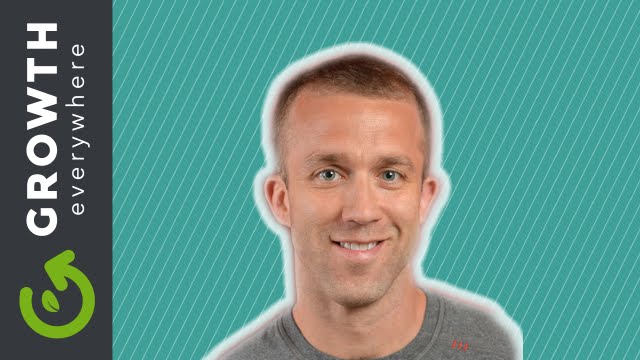
Tucker Max went from law school dropout to bestselling author with his "fratire" genre, then launched Book in a Box, a service that turns ideas into published books for $15,000. The company hit $600k in revenue within six months. Max credits meditation and listening over narcissism as his biggest shifts.
Chapters
This is the definition of product-market fit. When you're selling something that you're not even offering.
Do you want to impact the world and still turn a profit? Then you're in the right place. Welcome to Growth Everywhere. This is the show where you'll find real conversations with real entrepreneurs. They'll share everything from their biggest struggle to the exact strategies they use on a daily basis. So if you're ready for a value-packed interview, listen on. Here's your host, Eric Siu.
How many of you have experienced making a bad hire or had bad hires on your team? I personally lost over $840,000 on just one bad hire alone. So that's why I'm doing a free class called the 5 Secrets to Avoiding Bad Hires That Can Cost You $50,000+ Each. All you need to do is to text BADHIRE, spell it out, B-A-D-H-I-R-E to 33444. That's double 3, triple 4, and you'll be registered. I'll see you there. Hello everyone and welcome to this week's edition of Growth Everywhere where we interview entrepreneurs and bring you business and personal growth tips. Today we have Tucker Max, which I've been a fan of for over, well over 11 years. Big fan of his writings. He's the author of I Hope They Serve Beer in Hell, Assholes Finish First, And Hilarity Ensues. All 3 of these are New York Times bestsellers. He has been nominated to Time Magazine's 100 Most Influential list, and he has sold well over 3 million copies of his books. And one interesting note, he used to get 400 email messages a day, including an average of 5 offers of sex from women. Tucker, how are you doing?
Yeah, not all of them were from women. Some would come from dudes.
Cool, man. Tucker, why don't you tell us a little bit about your background, which I know is really diverse, but feel free to start from wherever and we'll go from there.
Oh, man. Well, I was born a small boy and— no, I'm kidding. I mean, really, where do you want me to start? I can kind of go through a lot of different things.
Yeah, let's start from the Tucker Max. Let's start from those stories. Let's go from there and then all the way to where you are now.
All right. So, I basically became a writer by accident. What happened was after law school, I went to law school at Duke and I had like 8 or 9 really, really good friends there. And once we left law school, you know, being a lawyer is pretty much the worst job on earth and we hated it. So we would, you know, send emails to each other all day long. Like everyone who went to college or grad school has this group of friends, you know, where you guys keep doing that after you leave for a little while. And so we would always get drunk and do stupid things like everyone in our 20s, and I just happened to write really funny emails. about it. Those emails got forwarded. My friends would forward them to their friends and they kind of became this internet phenomenon. I don't know how old your listeners are, but the older ones will remember when email forwards were a thing. This is before— not just before Twitter and Facebook, this is before MySpace and Friendster even, like back when GeoCities was still a thing.
Right.
Anyway, so I got fired after law school. I was fired from being a lawyer. Then I worked for my dad who runs some restaurants in South Florida, owns a bunch of restaurants in South Florida, and he fired me from the family business. My friends were like, look, dude, obviously you're not very good at law and business, but these emails you're writing are like the funniest shit we've ever read. This is what you should be doing. This is '02, so I had to learn to code HTML to put up a website. That's how long ago this was, right?
Yep.
WordPress was not even a thing. Blogs were not even a thing yet. I put my stuff up. Actually, before I even put this stuff up, I sent inquiries to, I don't know, probably at least 500, maybe upwards of 1,000 agents and publishers and whatever. This is back when agents and publishers actually made money and weren't a dying industry. I got zero response. I got literally 100% rejection, even to the point where some editors and agents wrote me personalized rejections telling me that I was the worst writer that they'd ever read and that I should never write anything again the rest of my life and things like that.
It's like the Disney story.
Right, yeah, it is. It actually kind of is. Anyway, that's when I put the website up and the website blew up. Then, of course, the publishers came back to me and they wanted, oh, blah, blah, blah. All the same stories that everyone rejected became the core of the book that sold 2 million copies and invented a literary genre and kind of launched my career, I Hope They Serve Beer in Hell. The first 5 stories, I think, are Or 5 of the first 10 are literally straight from emails I sent to my friends and exactly what I sent to every publisher in New York and got rejected. Then, you know, that become— my website blew up and then books and, you know, now here I am.
Got it.
Okay, cool.
And, you know, just for the context, I mean, for the audience or those people that don't know Tucker, I mean, my friends and I, I mean, in high school, we used to talk about you and we used to idolize you. I mean, you were, you know, Dan Bilzerian before Dan Bilzerian. I'm like, this is how a man should be. So you're like this idol figure and then I guess what was the turning point for getting— for you starting your website and then getting to become this massive brand that you are now?
Well, okay. So actually, I should say that's not where we are now because what's funny is— let me actually amend the story a little bit or continue it. I stopped writing Fratire in 2011. I retired. After my last book came out, Hilarity Ensues, and I started when I was like 26 or 27, and at that point I was, I don't know, 34, 35, and I was like— when you're 35, you don't do the stupid stuff you do when you're 25. I just didn't have any more funny, ridiculous stories to tell of me hooking up or throwing up on myself or whatever, all the things that I wrote about. I ended up retiring and then doing other things, which is actually what kind of brings us to now. But your question is a little bit different, which is, how did I do that, right?
Right.
So how did I kind of create this— I hate to say brand because here's the thing, man. I get your question. It's like totally valid question. I get it all the time. But I'm not a brand. All I really am is a person. Don't get me wrong. You can turn yourself into a brand. Lady Gaga has done it. Like you even mentioned, Dan Bilzerian is kind of doing it now in a very different way. Kim Kardashian has definitely done it. I never saw myself as a brand. You can kind of look at my career trajectory in the frat tire time, and I didn't— whether it was right or wrong, and I think you could definitely argue I made a lot of bad decisions business-wise, but I never took the brand route. There was never Tucker Max vodka. Or Tucker Max shirts or anything like that. It wasn't a lifestyle brand. I always just saw myself as a guy writing about things that he did in his life in a funny way. It's good and bad. It's good because it was really easy for me to be authentic and to be true to myself. That's how I got, I think, my success is by not trying to be a brand. Once you try to become a brand, then almost uniformly you're going to have to do something artificial unless your brand is artificial from the start. Like Kim Kardashian is such a perfect example of how to turn sort of a self into a brand, but the thing is, from the very beginning, her brand was what it is now, you know, and so it makes sense, whereas I started off— Very different than I would have had to become to sort of become a brand. The idea that the guy who was writing these emails to his friends would be a paragon of masculinity and a lifestyle and have vodka and clothing associated with him would be ridiculous to that guy. To turn into that would, by its very nature, deform who he was. sort of my— like who I was in my brand. You know what I'm saying? If you're trying to create a personal brand, and I kind of did, I guess, but if that's what you want to do, you need to understand why you're doing it and what your purpose is and what your long-term goals are. Once you understand that, then you can kind of start at the right place and get to where you want to be. I didn't really do that. I just decided to write funny stories and was just who I was. So I don't know how much I fit into the person— the part of me that fits into personal brand is by accident. It's not orchestrated or constructed the way that Kardashian or Kanye West or Paris Hilton are.
Got it. So are you saying there is no methodical strategy to it in the beginning? You know, grew organically in terms of your following?
Oh, yeah, absolutely. You got to remember, man, I did this in '02, '03, '04. When I was starting, there wasn't any such thing as like a writer getting paid on the internet. There was no such thing as like— there was no model for what I did. Look, I would love to sit in this podcast and tell you what a genius I was, that I thought all of this up ahead of time and I knew everything that was going to happen. But that, of course, would be total bullshit and none of it would be true. All I really did, man, was sort of react to incentives in front of me. And I was fairly intelligent some of the time and I made some good decisions some of the time. Probably less than half the time, but just enough that— and I had good stuff. I had good content. And I had actually had really good content and I made just enough good decisions that I didn't screw myself up. But no, man, none of this is orchestrated or constructed. The evidence is pretty clear because you can see people who have done it with a plan from the beginning, and they've gotten way bigger than me and done way better than me because they had a really good plan. Even though a lot of times they don't have as much to offer, they had a much better plan from the beginning.
Got it. Okay, that makes sense. And before we go on, can you explain what fratire means to the audience?
So I didn't make this word up. I want to be real clear about this. When my first book came out, it kind of started a wave of really what's transformed into the manosphere now. A lot of it— I don't want to take all the credit for it because that's ridiculous, but I was one of the original people who got attention for sort of masculine voices in culture and art. at least modern, late 20th, early 21st century masculine voices in art. The New York Times did this trend piece and they said it's like a combination of a fraternity ethic and satire, so they called it fratire. Except what's so stupid is I wasn't in a fraternity and I don't write satire. I don't know, man. It's like basically Any writing that is unapologetically masculine and also humorous fits into the frat tire genre.
Cool. You know what? I think to give the audience some context about what your writing really is like and who you really are, can you give us— why don't you just tell us a story, your most outrageous story that you can share?
Well, there's nothing I can't share. That's part of what I think made my writing so appealing is that, look. I mean, you really want me to tell us one of my old stories from my books and stuff?
I think so because that's where you got started and I think that comes from the foundation of everything. You're not like that anymore, but I think it's good.
This is not my most outrageous story. Basically, my books are all the stupid crazy stuff that guys and girls do in their 20s and in college. I just wrote all that down. Here's a good example. This is not my craziest story, but this is just the one that popped into my head to tell. This one time I was in Dallas and I met this girl and whatever. We hit it off at the bar and went back to her place. I had— the reason— she's one of those girls who's like, oh, I don't sleep with anyone. I meet out. I don't do random hookups. And of course, the whole time I'm looking at her like, of course you're not. Obviously you're not. Because the girls that don't do that, all they do is talk about how they don't do that for 2 hours.
Yeah, sure.
Of course, I'm laughing, whatever. And then this girl, also at the same time as she's telling me what a great girl she is and how she never hooks up with anybody, blah, blah, blah, she's ordering like 20 shots. We didn't have 20, but it was some insane number of drinks. And of course, she's getting bombed because she wanted to be able to hook up with me but didn't want to accept the blame herself. She wanted to do something that she wanted to do but wouldn't accept when she was sober. We get hammered, go back to her place, and hook up. She gets to go to the bathroom afterwards. I can feel it coming. I drank way too much. Booted everywhere, right? But here's the thing. I was like, all right, I don't want to throw up in her bed because I want to keep having sex with her, right? So I wasn't really sure what— and I couldn't go in the bathroom because she's already in there. So I pulled her bed away from the wall and just threw up down the side of the wall behind the bed, right? I threw up a lot. Like enough to fill, I don't know, a couple glasses. It was really bad. But I'm an experienced drinker, so I booted it, wiped my face a little bit, and then acted like nothing was wrong. She came back in the room, we hooked up again, and then I passed out. The next morning, I wake up and it's dusky out. The sun's coming up and I really got to pee. I'm all hungover and I don't know what's going on. I see all this stuff all over the floor. I assume it's her shoes or something. I don't know. I'm too hungover to worry about it. I start walking to the bathroom and I feel myself— have you ever barefoot stepped in poop?
Yes.
Okay, so it squishes through your toes and you know immediately it's poop. I straight up stepped in poop on the floor and I looked down and I'm like, what the hell is going on? Then I realized all the stuff on her floor that I thought was shoes, it's not shoes, it's poop. I was like, oh, hold on. I kind of Like, go back over to the bed and wake her. At first I thought, hold on, did this girl shit all over her floor? But that made no sense because I saw her go into the bathroom. Well, I wake her up and she looks at it and she goes, oh no, and she starts yelling like, Callie, Callie! So apparently, I didn't know this, she has a dog, right? And her dog, her dog had in the middle of the night gotten under the bed and eaten all of my throw up. Right? And got sick and shit all over the bedroom. I didn't realize this until the next morning when I stepped in the poop and then like I kind of looked— when she was like cleaning up the poop and scolding the dog, I looked under the bed and saw like, oh my God, almost all of that vomit is gone. There was just a stain on the wall and all of it was gone. And I'd eaten like steak that night for dinner, so there was so much vomit. This dog ate it all and shit everywhere. Of course, she thought the dog was just being bad. No, the dog ate all my vomit and got sick. Then, of course, I never told her, so I have no idea. It probably started stinking in her room afterwards. I don't know. I'm a better writer than I am a storyteller verbally, so my books are just stories like that told in a really funny way of all the same ridiculous Shit that we all did at that age. That's really it. That's all they are.
Got it. Okay. So this is content marketing before content marketing, before people started talking about, oh, you got to write good content, and all that stuff that you hear in internet marketing.
No, it's not. No, here's the thing, because content marketing is about promoting some other thing, right? So that's the difference. I'm not a content marketer because— like HubSpot does amazing content marketing because at the end of the day, they're trying to sell HubSpot services. My stories don't sell anything else. People pay for my content. So, like, there's a big difference. If the content is the end goal, then the content itself must be really good. That's basically Hollywood. Like, movies are not content marketing, it's paid content, right? Like, everything on Netflix is not content marketing. There's nothing that's upselling, you know? So I was— it's not content marketing. It was like my shit had to be so good on its own.
Yeah.
That people would pay for it because it was so entertaining. Not— whereas content marketing, the goal is to make something so good that people will read it for free and then hopefully you can get them to do something with that information that helps your business.
That's how I saw it before in the past when we saw your janky website and we're like, this is really good shit because it inspires us. So to us in that time, I think it would be considered content marketing, but I get what you're saying totally. So let's say this, hypothetically speaking, if you never decided to write about your experiences and you didn't build a career around them, would all that ridiculousness have been worth it?
Of course. Why do you think I did it? I did all that, not all of it, but most of it before I ever even dreamed of being a writer. Dude, let me ask you, do you go out and get drunk with your friends and try and pick up girls and act silly?
Absolutely.
Right. Why do you do it?
Because it's fun.
Exactly! Right! Everything I did, I did because in the moment I thought it was really fucking fun. It just turns out, it happens to turn out that if I write about it in a really intelligent, funny way, that other people will pay to read what I write. I didn't know that going in. No one goes out to get drunk and hook up because they want some other goal. In fact, most of what people do Accomplishment-wise is to get girls to like them. That's the goal. Why do you think most— why do you think men do anything? If we didn't care what women thought about us, men would not have startups or charities or sporting events or anything.
100%.
It's all because we want women to like us. And that's the main way we can do it is by accomplishing things.
Got it. Now, you know, in the past, I think you've alluded to possibly having something that's similar to— or if there isn't— if there is even something like this, you know, narcissistic personality disorder in your 20s and not caring about others. And then now, fundamentally, my understanding is that you're a different person. So what do you think changed?
I mean, the easiest, quickest answer is just that I grew up. I mean, that's it. I don't think I had real narcissistic personality disorder. In fact, I went on Dr. Drew's show and we both took the NPD inventory and he actually scored higher on it than I did. So, like, I don't really have NPD. But that being said, I was very narcissistic. And I think a lot of guys in their 20s are. Not all of them by any stretch. Some guys have the opposite problem. They have absolutely no confidence. And they're not narcissistic enough. But I was definitely on the far end of narcissism. And dude, a lot of that I think is just a function of when you are young and if you haven't done anything in your life, then you don't know how to get attention. And so you try a bunch of different things. And for some guys, sort of like selling yourself basically is the way to get attention before you've actually done anything. It's funny, man. The more that I accomplish in my life, it feels like— of course I get more confident, but it's like the less I talk about myself and the less I feel the need to promote myself or to brag or to do any of that stuff. I mean, at this point in my life, I've done a shitload of stuff and accomplished a lot. And if I met someone out, I don't even think to mention it. I don't bring it up. I don't whatever, any of that stuff, just because I've actually done it. But when I was living the life that became all these stories, I hadn't done shit in my life, man. I was just another schlub at a bar drinking too much, trying to get girls to pay attention to him. That's a strategy that can work for a lot of guys. You know what I'm saying?
Right. It's really the people that don't talk about themselves that much are the people that are really doing something.
Usually, not always. It's not a hard and fast rule. There are a lot of people out there who talk a lot who are doing shit, like Jason Calacanis. He won't shut the fuck up, but he gets a lot done. He really does.
Sure.
Whereas, yeah, there's a ton of people who don't say anything and they get a ton done. There's a million people in Silicon Valley, from Steve Jobs all the way down. Elon Musk, he doesn't talk much and he gets a ton done too. It's not a one-to-one correlation. You know what I'm saying? There are a lot of people who don't talk and they don't get anything done. There are a lot of people who do talk a lot who don't get anything done. I think you have to know the person and look at the person. For me, the big switch came when I realized, not just when I had accomplished a lot and I started to become actually truly confident, but also when I realized that talking was trading off with me listening and connecting with people, which is sort of a different thing than accomplishments. I think I realized in my early 30s that just selling myself or just being narcissistic, it can be really fun if you have a lot of short-term surface relationships, but after a while, those get to be boring and tedious. You see them for what they are, which is fairly shallow, which doesn't mean they're bad all around. It just means, you know, like at some point almost all people want more, right? And once I started to want more from my relationships, especially with women, then, you know, romantic relationships with women, then I realized, okay, being a narcissist is the opposite of connecting with people and having productive, meaningful relationships because To do that, you have to connect, and the way you connect is by listening and being vulnerable and sharing things, and that's like the opposite of narcissism. Once I started doing that, then— once I realized that, then I started learning how to do those things, and then I shifted. Now I'm married, I have a kid. I've always had great friends. Now I think I have— weirdly, I think I have fewer friendships, but they're much closer. And they're much more productive, as opposed to having lots and lots of people you know decently well, but you might not call them if you go to jail or something. Whereas now, if I had an emergency, the list of people I could call and know that they would come get me is much longer, I think, than it used to be, even though it's a shorter overall list, if that makes sense.
Totally makes sense. I think that's a really important fundamental shift. You talk about selling all the time. I just had a friend the other day, a really successful guy, and he said, I was just having a conversation with someone at the bar and literally he let the other guy talk for about an hour and that guy said, thank you, I just had, you know, this is one of the most interesting conversations. So I guess from your side of things, how did you switch to listening more? Because that's something that even for me, it's super hard to adapt to right now. You know, everyone just wants to keep selling.
Right, right. It's pretty simple actually. All I did was I started applying the lessons that I had learned in how to deal with women, just to life overall. For example, I'll give you a very specific example. When I was, I don't know, early 20s, I always thought I had to convince women to sleep with me. That's really stupid. If you know women, you understand that women— you're never going to convince a woman to have sex. Either they want to have sex or not. And really what they're deciding is who they want to have sex with. And the only way that they're going to want to have sex with you is if they're attracted to you. And attraction is not about persuasion. Attraction is a function of who you are and how you interact with them, right? So once I learned that lesson, then I realized, oh wow, my goal should not be to tell this girl how awesome I am, but it should be to figure out what's interesting about her. And, and once I figure that out, We can connect on that and then she's going to be very attracted to me. Or that's the way for her to be attracted to me if she's going to be at all. And then once I just started applying that to life and business and I was like, oh right, so anyone I meet, if I make my goal to figure out what's interesting about them, then what I do is I ask them questions and then I actively listen. And I respond to those things that are interesting and compelling to me that the person likes. And so then basically all that— if you read any of the great conversation books like Dale Carnegie stuff or Robin Diik stuff or any of that stuff, that's exactly what they teach is find common ground, connect on it, actively listen, connect on it, etc., etc. So what you could do if you're not good at listening, What you could do is make that your goal. Not to listen, right? Because that— making listening your goal is really hard because then you don't know what you're listening for and you don't ever talk, and then it's like a weird one-way conversation. That's never fun. If you make it about, I'm going to figure out what's fun and cool and interesting about this person, then you're actively looking for something. You're listening to what they say because you're looking for that thing. Once you find that thing that you guys connect on, then you can have a really engaged conversation. If it's CrossFit or what the fuck ever, SEO, then it's like, oh, this person knows a ton about SEO, but they know about it from the dental space, and I know about it from the digital product space, and it's so cool, and blah, blah, blah, whatever. You know what I'm saying? That's how I've always done it, and that's what's worked for me, I think, really well.
That's super interesting because what you just mentioned, striving to just listen, is exactly what I've been stuck— I've gotten in that pattern before, and it's just you get stuck, right? Because you don't know how to respond, and you come off as disingenuous ultimately when you don't know what to say, at least from my perspective. But figuring out what's fun, or at least figuring out having some type of end goal behind it, I think at least gives a better target to aim for. So thank you for that.
Yeah, just think, what's interesting about this person? Interesting to you, not overall. Because once you find what's interesting to you about them, now you and him or her have something to talk about that's compelling to both of you. And that's how you connect, is you find common ground or commonality or things you're both interested in, and you share parts of yourself about them. You're vulnerable, you're empathetic, etc. And then it's really easy to go to the next step.
Love it. All right, let's switch gears here. So let's you know Tucker Max does startups. Let's talk about your new business.
Right. So it's called Book in a Box, and it's we kind of dude we stumbled upon this by accident, and I actually feel really stupid because I could have done this like eight years ago or six years ago, and I could have made so much money, and I didn't do it because I was stupid before. I didn't see it because I was stupid. Basically, what happened is. This entrepreneur came to me and she's like, look, I don't have any time and I'm dyslexic, but I have this great idea for a book and people have been asking me to write it for years. So how can I get a book without having to sit down and write it and deal with the publishing process? I looked at her very condescendingly, to be honest, and I was like, well, you can't have a book without writing a book. I started to lecture her about hard work and all that kind of stuff. This woman's built a huge company. She's much, much more successful than me. And, um, and so she kind of rolls her eyes at me, right? And she's like, look, Tucker, are you an entrepreneur? And I'm like, yeah, you know, I'd like to think I am. And she's like, well, I'm an entrepreneur too. What do you do in your job? Because I know in my job I solve problems. And I was like, oh shit, she just called me out. I was like, all right, fine. So we like— I couldn't think of how to get a book without writing a book, right? Uh, but over the next couple weeks, I talked to a friend of mine And we kind of came up with a process where basically we would outline her idea, then interview her, get the interview transcribed, give it to a professional editor who would turn the audio transcript into a book, into book prose, and then we could do the rest of the publishing process. And so all she would have to do is spend like 12 hours on the phone with us. And she thought it was amazing. We tested it. It worked great. Her book is out now. She's signed like—
100,000 copies.
several million-dollar clients off of this. She's a retail consultant, and she— so she hadn't sold many copies, but like she's ROI'd the book like 1,000x or something crazy like that, or 100x. And so she loved it, and it was like, okay, this is pretty cool. And as we were doing this, I went on Lewis Howes' podcast and just talked about what we were doing, not even like as a business, just like, oh, like Lewis is talking about being dyslexic. And so I started talking about what we're doing, And he's like, that's an amazing idea. He's like, what do you call it? I'm like, I don't know, we call it Book in a Box. So we ended up signing like 4 or 5 clients off of his podcast. And this is like before we even had a company or even like a landing page. And it was like, I went to Zach and I was— he's my co-founder. I was like, dude, this is the definition of product market fit. When you're selling something that you're not even offering, like there's obviously a huge market here. And so, uh, We kind of tested it for a while and there was. There's a lot of people who want books who either don't have the time or the patience or the skill set to do it properly. So, we focus on— right now, we're focusing on people who have a lot of money but no time. We basically turn their ideas and words into books.
Got it. So, what's the bare minimum criteria for that?
Well, you have to be able to pay us. The starting package is about $15,000, so it's not cheap. And then to work with us, we kind of— we accept most people who come, but not all. I think maybe about 90% we accept. But the ones that we've rejected either are people who are like kind of clearly disasters as humans and we don't want to waste time working with them because they're just going to be awful people, or people who don't have enough ideas to even make a book. You know, like there are people who come to us and it's like, I want a book, and it's like, okay. What do you have to say? And they're like, I don't know, can't you just write a book? And we're like, no, that's called ghostwriting, and ghostwriters cost $50,000 to $100,000, and you can hire those people and they'll write your book for you. You don't even have to be involved. Our service is much cheaper because we're able to take people's ideas and words and turn them into a book, not write the book for them, which is sort of a distinction that most people get, but some people still don't understand. If you don't have anything to say, we can't help you with that, but we can turn your ideas into books. Look, if they're bad ideas, then it's going to be a really well-published, beautiful-looking, well-organized book of bad ideas. But if they're great ideas, then it'll be a great book.
Interesting. I'm surprised no one has done this yet.
I am too. It's one of those things, as soon as we kind of started selling it or put it out there, I mean, we've— our problem has been finding enough freelancers to help us, quality freelancers to help us do this. We finally just hired a good sort of bevy, or we have a good stable of freelancers we work with, and we're launching next— tomorrow actually on Product Hunt. Then I'm speaking at Launch Festival, Calacanis's thing, and we're doing some joint ventures with some entrepreneur organizations and stuff. Dude, I am too. This is one of those things where it's like as soon as we said it, It was obvious, and everyone who comes to us is like, oh, how does this not— I love it, I want to do it, how does it not exist? I don't know the answer. I really don't know why. I feel stupid because I could have thought of this 6 years ago. We've done, I think, $600,000 in sales in the first 6 months or something like that.
Wow.
Clearly, and that's like— I won't say we haven't been marketing. We've done just a little bit of marketing to test certain channels. Until we get the process refined and we're able to scale. That's with just a little bit of marketing. I think this could get pretty big. I don't know if it's— it's probably not a billion-dollar company, of course, but still, there's no shame in an 8 or 9-figure company.
Dude, yeah. Doing these podcasts, speaking to launch, Silicon Valley is right up your alley. Pretty much any type of— are you talking like EO, YPO, those type of organizations?
Yeah, yeah. Those are definitely types that we're going to partner with. There's a lot of other— there's C-level organizations, speaker organizations, consultants, memoirs, like families. A lot of old people want to tell the story of their family, even if it's just for their grandkids and their family, you know. So ideally, long-term, we'd like to turn this into software as a service so that people that don't have $15,000 but want to get a book out can, can use our process and I mean, I actually described the process in an article I wrote on Medium and LinkedIn, and we're going to do a book actually, How to Write Your Book in 12 Hours, that describes our process. There's nothing proprietary about this. We can't patent this. It's all off-the-shelf technology. We do provide a lot of expertise, like knowing how to do an outline makes— I mean, that's really the skill. That's the big skill, is being able to take a bunch of ideas and structure them properly into an outline is difficult, and then also taking audio transcription and turning it into book prose in a way that reads really well without losing any meaning, that's also difficult. So there are hard parts of this, but it's mainly just expertise. It's not— there's no secret to it, you know?
Okay, perfect. And just for everyone in the audience, we're definitely going to share the notes to the business— yeah, that'll be in there, and then we're going to share the notes also to the Medium post as well. No worries for any of you. So you talked about struggling in terms of finding freelancers and things like that. I mean, what is the biggest struggle by far that you faced while growing this business?
Oh yeah, it's talent, no doubt. Figuring the process out was relatively— I don't want to say it was easy for Zach, or Zach and I, but it was relatively straightforward because Zach's a really smart dude and he's good at process. I'm a bestselling author who's written millions of words in his life, so content and structure and stuff were straightforward for me. What's been really hard is, you know, because to scale, Zach and I can't do all this work. Like, we did the first couple, but it's like, okay, now we need to find really talented freelancers. And we found definitely some— most of the freelancers we work with are better at this than Zach and I. Like, we just— let's see, for example, we've got one former Simon Schuster editor, a former HarperCollins editor. We've got a Washington Post journalist that we work with. We've got— who's still at the Post and does this in her spare time. We have really a couple, actually 2 bestselling writers who do this in their spare time, like sort of, you know, they just pick up gigs because we pay really well for this. We pay anywhere from $50 to $150 an hour to our sort of high talent freelancers, and those people exist and they are out there. It's just not easy to find them, and then we have to kind of train them a little bit and that kind of stuff. So we have a good process for that now, but it took us about 4 to 6 months to really figure out how do we find these people, how do we vet them, how do we train them to our process, not really, you know, because they already know how to write and edit. That's talent, man. Like almost every company, that's the bottleneck. We don't need to raise money. Like we're already, we're crazy cash flow positive. Until we do the software as a service, we're not going to need to raise money. It's just finding the good people and setting up a good process to work with them where they can be super productive and we can get sort of the results for our clients, our authors that they want.
Right. And how are you finding— feel free to share whatever you can from this, but how are you finding this great talent? You mentioned a lot of these cool people.
Right. So there's a lot of different ways. All of the sort of virtual assistant sites are total garbage. If you want really high-quality talent, Elance and oDesk are not good. They're good for sort of low to mid-level talent. So we have to go to places like Media Bistro, Publishers Weekly, sort of industry-specific job sites or blogs. There tend to be a lot of good people on there. And to be honest, the best way— the best talent we've found has almost all come from our personal networks. Like, I know a lot of people in publishing, and I have a lot of friends, and it's like I kind of just ask them, who do you know that's good? Who's looking for freelance work? Whatever. I would say half, more than half of our best people have come through network connections.
Got it.
Okay, cool.
So, let's switch gears again. I mean, I'm definitely going to check this out after. I mean, Book in a Box kind of reminds me of Justin Timberlake's song.
Yeah, that's what everyone says. I know. I honest to God was not thinking about Dick in a Box when I named it. The name's obvious. It's just sort of like everything you need for your book is there and you don't have to do anything. But yeah, Dick in a Box of course is the obvious first thing that everyone else but me thinks of.
Hey, well, you're in good company at least.
Right, right.
So, the new Tucker Max that does yoga and eats better, tell us about what you do exactly. Do you have like a morning routine? Anything that you can share around that?
Yeah, I stopped doing yoga because to me it's kind of pointless to combine meditation and exercise. So now I just meditate and I exercise separately. Some people love yoga, good for them. I just thought it was kind of goofy. But I tried it for a while, it just doesn't work. Yeah, so my routine is pretty simple. Wake up, take my dog for a walk, you know, hang out with my wife and son for maybe 30 minutes, an hour. Then meditate for like 20 minutes. Then I start working. Every day I block off between 8 and 12. I don't take meetings. I don't take calls. No one can talk to me. That's sort of my getting work done block. Then afternoon is when I take all my calls, like we're doing the podcast now, or I have meetings, or company stuff, or whatever. That's all from 12 to about 4. Then I go CrossFit at 5. come home, we have dinner. I mean, dude, I live a really boring domestic life now. I love it. It's absolutely fantastic. The thought of going out drinking on 6th Street or Rainey Street— I live in Austin— is like, at 26, that would have been the coolest thing. I'd be like, oh, I'm so excited. I can't wait to go get drunk tonight and pick up girls. At 39, the thought of having to go out drinking on Rainey is like, oh God, I'd rather die. My life is really boring. All I do, man, is family and work and sort of things that I like with my friends and that's it. That's all I do. Those things are now just very different than they were in their 20s.
Totally. When you have a wife and kids and you're doing the startup, I think the only interesting thing is going into grandpa mode. I totally get it.
Yeah. My wife and I do cool stuff. It's just totally different. Last night, we went to a cheese tasting.
Right.
The idea, if you told me at 26 I'd be going to wine and cheese tastings and loving them and having the best time, I would have fought you and called you a liar and swore that would never happen. Then of course here I am and I love it and it's awesome. It's just different things at different times in your life. A lot of people can't understand that when you're young. I was probably the worst, but that's just the way it works.
Totally. Let's talk about this. This is always a really interesting question. What's one piece of advice you'd give to your 25-year-old self?
Oh God. I don't know if I could say anything to him because he would argue with me and he would tell me I was wrong. I would just probably have to fight him. I swear to God. I swear to God, if you put me in front of 25-year-old Tucker Max, I would fight him because he was such an idiot. I would be so angry at him in no time at all. Because that's the thing. That's the advice I would give, is stop thinking you know what you're talking about because you don't. Shut the fuck up and listen and learn from people who are smarter than you and who have done more than you. It doesn't mean, like, what I would say to him is like, it doesn't mean you can't have new ideas and you can't think of cool shit and that you shouldn't think for yourself, but stop thinking that you know everything because you actually know nothing. And he wouldn't have listened though. That's the frustrating thing. You know, but that's the advice I would have given.
Love it. That's the first time I heard that. Yeah, I'm gonna fuck up my own self.
Well, because I was such an idiot, man. I was the worst at 25. Like, I was the type of guy that it's like, okay, when you want to have a party and do crazy shit, call Tucker. If you don't want that, stay away from him because he's a fucking disaster. Like, that's who I was at that age.
Love it. But then you've changed a lot. And I've, you know, I've done some research beforehand, and I think there's this bit about psychoanalysis. Can you talk a little bit A little bit about that?
Yeah, it's just when I moved to Austin— here's the reality. I realized after— I've already had a movie made about my life, so I've done quite a bit, right? But the movie didn't do well, and there were a lot of problems with it. I mean, it failed, quite frankly. I blamed everyone else at first. And then I kind of like had this— I don't want to call it epiphany, but it was like one of those things where I sat down and I realized, okay, I was— the things I said about why the movie failed were right. Like, the director was a piece of shit who did a terrible job. But guess what? I picked the fucking director. So whose fault is it really? You know?
Mm-hmm.
And like, and there was a million other things like that where like the, the level 1 explanation is not my fault, but the level 2 or the level 3 explanation were pretty much always my fault. They were always things that I did that were preventable too. If I had just been mature enough or intelligent enough to see this in myself. It was one of those things, man, where it's like— but even after it failed, I looked at my life and I had everything. I had bestselling books. I was rich. I was famous. I had all the things that I had wished for. As like an 18-year-old, I had. I had even more than I ever dreamed of having, right? I still wasn't happy. I had to step back and be like, all right, man, if I fixed everything externally in my life, I was in great shape, all this stuff. I fixed all that stuff and I'm not happy, then it's got to be something inside me. It's got to be coming from inside. I don't know how to fix that. Clearly, I'm the one fucking that up. For example, the movie failure, so I need to get someone to help me. And there's a million ways to do effective talk therapy and help. Psychoanalysis is just one of them. And psychoanalysis is basically you go 4 times a week and you really dig into sort of what you're feeling, why, how sort of emotions are interacting with your life, especially in ways you don't really understand, your unconscious, things like that. I'm actually about to finish. It took me about 4 years. Some people it takes 3, some people it takes 10. It really helped me understand and see all the things I was doing to fuck up my own life and where those things were coming from. It was really invaluable for me. Especially once I combined psychoanalysis with meditation, that was like— I did that about a year ago, and that was the force multiplier that really enabled me to get past my demons and my hurdles and my self-sabotaging behaviors that everyone has. Mine, I think, were maybe worse than most, but everyone has that stuff. Now it's like I'm not perfect at all. Really, all analysis does is it gives you the tools So that you can see your own problems and adjust them, fix them in real time. You don't ever get rid of your problems. If your dad beat you when you were 6, which is not what happened to me, but you're never going to be able to change that. But that trauma creates a set of underlying emotions and unconscious reactions in you. If you understand that and understand how it plays out, Then you have the tools to deal with that your whole life, right? Because the event's never going to change, the trauma's never going to change, but you can deal with it. And that's what analysis did with me. It gave me the tools to deal with my problems and my issues and my weaknesses and sort of help bring my blind spots up. So at least I know these are problems, not— instead of them being problems and me pretending they're not or not knowing.
Got it. Now, on a scale of 1 to 10, how impactful would you say psychoanalysis and meditation have been for you, 10 being the highest?
I don't know anything else other than 10, simply because— or I can't say anything other than 10, simply because I feel like if I had not done something, and I happened to pick psychoanalysis and meditation, but Maybe other things would have worked too, other talk therapies or whatever. But if I had not picked something, then I can't imagine that I would be married now. I would have a family now. I can't imagine I would have a successful business, this successful business now. I'm a really smart guy, and I feel like I always land on my feet, but I'm not sure I would have kept doing it, to be honest. Like, I feel like I was headed in a direction that was eventually going to leave me in a place I didn't want to be. And I had to really dig deep and look into myself and see the changes I needed to make. So I guess in that regard, it would have to be a 10 because I feel like if I hadn't done that, my life would be fundamentally different and not for the better right now.
Yeah, that's interesting. Like you said, it sounded like you were headed for a dead end and then this put you back on the right track, which I think By default, I think this is probably necessary for everyone to at least take a look at, right?
Dude, yes. I think if I had not done something, then the peak of my life would have been I Hope They Serve Beer in Hell and the movie, and that's it. Then I would have just been one of those kind of sad people who peaks and never does anything else and doesn't have anything else. I wasn't going to allow that. But I knew that more success wouldn't fill the hole. It wasn't just a matter of being more successful. Success is great, don't get me wrong, but it was a matter of how I was dealing with the people in my life and my life in general and how I was seeing life. That had to change before I could get onto a better path.
Okay, interesting. I never really looked into that until I saw that there's this one-page piece about how you started getting into it, and I think that's really interesting and compelling. We're going to drop that in the notes too, but wrapping up here with a few more questions. What's one productivity hack you can share with the audience?
I'm telling you, meditation. I know I'm not the first to talk about this. If your audience reads a lot of productivity stuff, I'm sure they've seen a lot of really smart people talk about meditation over the last 5 to 10 years. There's a reason for that. I thought it was bullshit too. First, I spent a lot of time reading the science and the fMRIs and all the studies about it because I thought this is total bullshit. Scientifically, it's not bullshit, but even once you know the science, it's just so easy to dismiss it as New Age nonsense, right? It took me a long time before I actually sat down and tried it. The first 2 to 3 weeks, nothing happened because I was doing it wrong. Once I made a few tweaks and did it right, it was shocking to me, the differences. What's crazy is I didn't notice them because they were slow. It's sort of like You know when you start working out, no one time going to the gym does anything, but all of a sudden you look in the mirror 3 months later and you're like, you've lost 20 pounds and you can see your abs and you can see some definition in your arms. You're like, oh my God. It was sort of one of those things where 2 things happened in a row. One, a person I've known for a long time, whatever, it's a long story and the details don't matter, but basically she was— we dealt with— I was in a stressful situation. I handled it really well. She looked at me and she's like, what the hell is going on? Because you never would have handled this like this. Are you on some sort of drugs? Did you take mushrooms or something? I was like, no! She didn't know I was meditating. She's just like, you're not the Tucker I've known for 10 years. Then another thing, basically my wife mentioned it. She's like, I don't know, have you been meditating? I was like, yeah. She's like, I can tell. I'm like, how can you tell? She knows me better than anyone on earth. She went through and I was like, oh, wow. It was other people that saw these changes in me more than me necessarily feeling them because it was like a small accumulation. All meditation really does is help you get emotionally centered. It doesn't calm you down. Everyone thinks it's like, oh, you meditate and then you're fine. No, no, no. It's more that it helps you learn how to use your brain appropriately and how to interact with your emotions and your unconscious in a way that is productive instead of reactive. It's active instead of reactive, I guess, is a good way to describe it. Yeah, dude, it really fundamentally helped me in ways that even psychoanalysis didn't. Combining those 2 things was the big thing.
Do you use any— to get the meditation started, are you using any guided meditation apps, anything around that, or how are you going about it?
So, man, I read so much stuff. I'm like a high-information overlearner type, right? So there is— you know what actually might be the best thing? I read this. I could have just read this even though I read this last. There's a million great books. Sam Harris has a ton of great stuff on meditation. Google Sam Harris meditation. He has like a blog post that's like a beginner's guide. That's a good place to start. There's also another book. It's on Amazon and it costs like 99 cents. I think it's called like Buddha in Blue Jeans or something like that. Those 2, I think, are probably the best places to start. If you're serious about meditation from there, Sam Harris recommends a ton of stuff, which is all really good. You can dive into that rabbit hole and there's a million places. The other thing I would actually read too, if you're more intellectual and you want more of an intro, It's a book called The Trauma of Everyday Life by Mark Epstein. Mark Epstein is a psychiatrist. He is kind of the guy who's pioneered combining psychoanalysis with meditation, and The Trauma of Everyday Life is his best work. It's about how the Buddha actually— how meditation was the Buddha's version of psychoanalysis. It sounds really—
Interesting.
boring and dry. It's actually an incredible read, and it will teach you not just how to meditate and about meditation, but it also will teach you how that interacts with yourself. Like, you don't have to know anything about psychoanalysis. It'll teach you all the lessons of psychoanalysis without you having to know psychoanalysis. It's really good. And then one more book that's really popular, quick read, which is also good, is called 10% Happier by Dan Harris.
He—
it's this guy who's like totally analytical And rigorous and scientific and like that type of thinker and how he got into meditation. And it's a really good intro for people who are very skeptical because he's like the biggest skeptic of this. And he's like a news anchor on ABC and he had a breakdown on like the air. It was kind of famous. And then he realized he had to change something and he, he chose meditation alone instead of like— it was meditation and psychoanalysis. And it's his story. It's a really easy, quick read. Those 4. And he's like friends with Epstein and Sam Harris too. So those 4 books, I think, are— any of those 4 would work.
Hmm.
Okay. Yeah, it's interesting. I mean, every entrepreneur talks about it and I used to think it was bullshit too, but once you start doing it, it's so not bullshit like you're saying. So thanks for that. I'm going to definitely check all these out. So final question. What's next for Tucker Max? I mean, you got this startup coming. Are you going to do like a podcast like Tim Ferriss, anything like that?
Well, no. I actually have a podcast that's about sex and dating advice for young guys. It's called The Mating Grounds. I do with Jeffrey Miller. That's sort of like a side project, like a hobby. It's not really a business thing for me. What's next for me, man, is just more of what I'm doing. Like, I, you know, my son's 6 months old, and I'm excited to like raise him and kind of see him grow up. And then I'm really excited about Book in a Box. I think that we can do a lot of cool things, especially if we can do this as software as a service. And that means that anyone anywhere in the world for almost any amount of money can be able to turn their ideas into books in a quick, easy way instead of the awful process that exists now. I think that would be really cool. I'm just excited about the things we're doing, and I want to just make them bigger and better and more impactful. Awesome.
What's the best way for people to find you online?
Have you ever heard of the Google? No, I'm kidding. That's a good question, actually. I joke because I don't have a good answer because right now I have TuckerMax.com, which is sort of my old frat tire writing. Then I have TuckerMax.me, which is sort of like new stuff I've been writing. Then I have The Mating Grounds, and I have Book in a Box. You bring up a good point. I need to get my shit together and have one sort of combined platform that's like the beginner's guide to me and points people in the direction that they want from the stuff I have. That's actually on my to-do list. It's just below some other things.
Yeah.
It just depends what you want. If you want Book in a Box, go to bookinabox.com. If you want to read my old stuff, go to tuckermax.com. If you want to read my new stuff, go to tuckermax.me.
Awesome. Everyone, this is Tucker Max, you know, the guy I used to idolize, still idolize. You know, great new product out, Book in a Box, or I should call it a service. And Tucker, thanks so much for joining us.
Thank you for having me, man.
How many of you have experienced making a bad hire or had bad hires on your team? I personally lost over $840,000 on just one bad hire alone. So that's why I'm doing a free class called the 5 Secrets to Avoiding Bad Hires That Can Cost You $50,000+ Each. All you need to do is to text BADHIRE, spell it out, B-A-D-H-I-R-E, to 33444. That's double 3, triple 4, and you'll be registered. I'll see you there. Thanks, Eric.
Thanks for listening to this episode of Growth Everywhere. If you loved what you heard, be sure to head back to growtheverywhere.com for today's show notes and a ton of additional resources. But before you go, hit the subscribe button to avoid missing out on next week's value-packed interview. Enjoy the rest of your week and remember to take action and continue growing.









