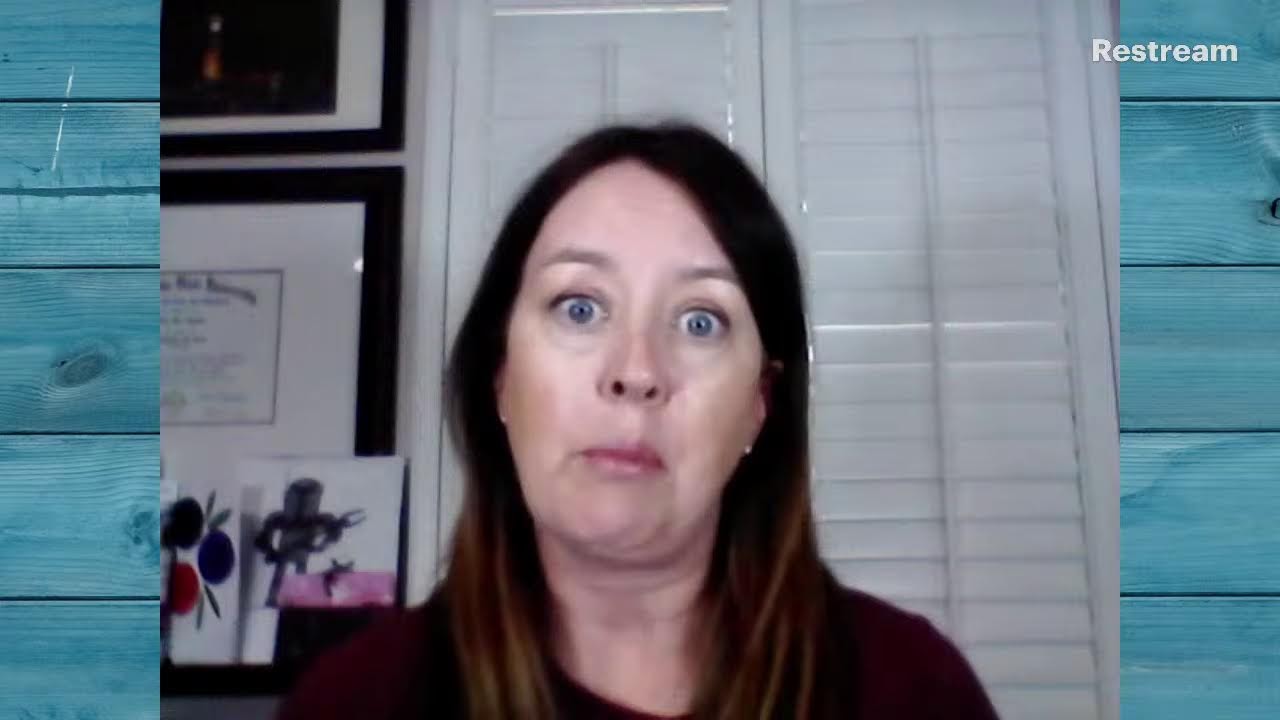
Erica Hoke shares her infertility journey with endometriosis and fibroids, never getting a positive pregnancy test. She discusses hidden causes like MTHFR and infections, then outlines concrete steps: diet changes, supplements, and additional testing. She's recruiting six contributors for a collaborative book project.
Chapters
Mm-hmm. Thanks for joining me today. Um, if you don't know who I am, I'm Erica Hoke. I'm an infertility mentor and an empowerment coach, and I'm going to get a little personal today and tell you a little bit more about my story. Um, when my husband and I got married, we knew that it was going to be a bit of a challenge for me to get pregnant. Um, I had a lot of things going on in my body in terms of like endometriosis and fibroids and things like that. And some of that we had even dealt with before we got married. I had had some surgeries and things like that. Um, but the one thing that I never had is I never had a positive pregnancy test. Um, and there's many, many of you out there that are in the same boat. So there'll sometimes be chatter on some of the Facebook groups and things like that. Even in my group, Infertility Empowered, is, um, about the fact that some women, and myself, I was included, would prefer to have a positive pregnancy test and then miscarry, um, rather than not know that they can't get pregnant at all, you know. And that's a terrible thing. Like, people are so desperate to know if they can get their body into a position that they can get a positive pregnancy test, that they would be willing to go through that kind of pain. And that's kind of where I was in my journey. I was not having any kind of positive test, but I would often, I would often feel symptomatic. Of being pregnant, um, right before my period, I would get all the symptoms and I would think for sure, this is it. This is— I had so much hope. This is my month. I'm going to get a positive pregnancy test this month. And then again, no, um, no positive tests. So there was a lot of hopelessness in that. Um, I was doing what I could to do surgeries. I was making dietary changes. But I just didn't know if it was, if my body was going to work. And so I, I don't think that I ever maybe got to the point where I wanted that, you know, that pain of that miscarriage, but it was just the unknowing, right? So I share my story and I'm struggling a little bit today, guys, because I just want, I want you to know that I remember what it feels like. I remember what it feels like month after month not to get that positive pregnancy test, to wonder if your body can work, to being told that from the doctor that you— that they can't help you. I remember what that feels like. And there was a lot of— there was a lot of hopelessness. There was a lot of times that I would be working as an outside sales consultant and go in the bathroom in an office and just cry, you know, because I had just got my period and the person that I was presenting to asked me, because we were newly married, you know, whether or not we were going to have kids. Um, so I remember those times, but what I want you to know is that infertility and my infertility, you're story right now of infertility is a symptom of something going on in your body. And so it's a symptom, and unexplained infertility is not really a diagnosis. If you caught that video last week that I did, it's not really— it means we just can't help you. We, meaning medical community, we don't know what to do with you. We can't help you. That's not really a diagnosis. We wouldn't accept that kind of diagnosis in any other situation. So I have gathered a group of women together. There, we have about 6 spots open in the book collaboration, and we all have really different but similar stories in the fact that we went through a lot of different trial and error. So a lot of different trial and error with testing, a lot of different trial and error with surgeries, a lot of different trial and error with procedures, a lot of different trial and error with supplements and things like that. But the end result is, is that we all came to a conclusion where we kind of found the missing piece of the puzzle. For some of us, it was diet and supplement changes and things like that, because maybe we didn't know at the time, like in my case, I had MTHFR, um, that all those things were like dramatically affecting my infertility. Um, some of the other women had missed testing done where it would have made a dramatic change up front. Um, some women had a little bit of— not a little bit— some women had underlying infections and things like that., that were easily treatable but just missed. And so we are all very passionate for that reason of sharing our stories in order to shorten the amount of time that it's going to take you to get pregnant, kind of fill in those puzzle pieces of why you're not getting pregnant, what you can do to help yourself get pregnant, and give you hope, right? Because I never want any women who a doctor has told them that they can't help them to think that they cannot get pregnant. That's simply not the case. And I see it over and over and over again. Um, it just— you haven't gone to the right doctor and you haven't gotten to the right place where your body is healed. So we all believe that you can heal from infertility, that that is something that is not death sentence or is not a finite thing. But there are things that you can do to support your body, to heal your body. And these women like myself, I didn't start until after I was 35. I have 4 kids, you guys. I have 4 kids and all of them were born after I was 35. Most of the women in this book are very similar stories. So I know a lot of you feel like you're 38, you're approaching 40, maybe you're already 40 and you just can't figure out if you're going to be able to have a baby. And so we want this to be something that helps you in a great way, that gives you some hope, that you can connect with these ladies on a personal level as well. And so we're going to have some resources in the book for that. It's coming this fall, but we do have just a few spots open. So if you happen to be watching this and you're like, wow, I have a really good friend friend who has an amazing infertility story, and she would, she would really be a good contribution. The application link is below. But if you're interested in gifting this to someone for the holidays, if you have a friend that you just, you know, it's been on your heart that you want to support them in some way, maybe they just went through a miscarriage. These are the kind of, um, people that are going to really benefit from this book. So If you want the link for the application, it's here in the, um, it's here in the description. If you know somebody and you're interested in getting on the waitlist for the book, you can drop that information too. We can start that list. It's not going to be too much longer before we have all the release information. So, um, that is it. If you happen to be watching on YouTube and you want to subscribe to more content like this, you can hit that subscribe button. You can hit the bell to get notified when I get— go live. That's Monday, Wednesday, and Friday at noon. And health and blessings to you guys. Thanks for joining me today.