Burnout, Motherhood & Business: How She Built a Life That Moves With Her
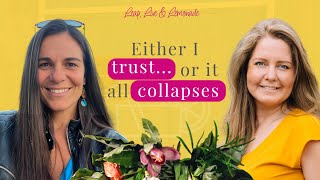
In this Leap Live & Laminate podcast episode, host Eszter Gódor sits down with longtime friend Theodora Vague (Dori) to explore the intertwined threads of passion, profession, and personal life that shape her journey. The conversation traces Dori’s path from studying Japanese in university, discovering Tahitian dance through a classmate in Japan, and immersing herself in a year‑long apprenticeship with local masters in Tahiti. Upon returning to Hungary she founded the country’s first Tahitian dance school in Budapest (2015), later expanding it online and creating a performing troupe, Manahiti. Dori also recounts a daring three‑person sailboat hitch‑hike from Tahiti to New Zealand, the challenges of motherhood to two young boys, and her day‑job as Culture Team Lead at the remote‑first tech company Kinsta. Throughout she reflects on community‑building, women’s empowerment through movement, the evolution of the school from a hobby to a sustainable membership‑based business, the importance of systems, delegation, and mentorship, and the mental tools—resilience, trust in the process, and scheduled “diamond” time—that keep her grounded. The episode ends with practical advice for newcomers: listen to the body, trust the process, and honor the creative spark.
Chapters
Okay. Today's guest is one of, without exaggeration, one of my favorite people in this world. I've known her since the age of three. Yeah, we met in kindergarten and I can say she danced her way across oceans, literally. Theodora Vague, or to me, just Dori is an amazing community builder, Tahitian dancer, mama of two and a friend of mine. And in this episode, we talk about building something that's passion, part profession, and fully alive. From sailing from Tahiti to New Zealand on a little boat of just three people to founding Hungary's first Tahitian dance school, this conversation is about movement, motherhood, and building a life that fully nourishes you, even if you don't follow any rule book. Believe me, she doesn't follow any. And that's what I love most about her. Let's get started. This is the Leap Live and Laminate Podcast. Hi, I'm your host, Esther Godor. Twelve years ago, I took a big leap. I left my corporate job, I moved into a new country and started a business from scratch in my fifth language. Today I run a boutique launch and systems agency, helping ambitious entrepreneurs build smart and scalable digital businesses on Kajabi without having to do everything by themselves. This is your go to place with honest stories, actionable strategies, and real talk around building a business and life you love. Your best life and success story are still ahead. Let's write them together. Hi there. All right, so yeah, from this, it turns out that I have known you for a long, long time. We are not that old, but. But we have known each other since the age of what, three? Four?
Yeah. Well, as long as I can remember, I've known you.
Yes. That's amazing. I think nobody will be able to beat this on the podcast.
No, you never know.
Yeah. But I'm so, so glad you're here and thank you so much for joining me today. I'm super excited. You know, this morning I went through all the things I like normally before I do a podcast, I jot down the questions I want to ask and they are normally like eight to 10 questions. And with you I think I would have 200 questions. So I, at some point I just stopped. So yeah, heads up to everyone. If I'm jumping from one topic to another, this girl is like so versatile and so amazing that I really want to cover as much as we can and put everything into this episode. But yeah, we will see where the vibes take us. But let's start with sharing with our listeners, viewers what you do right now in this period of your life in this era. What is it that you do and why you do that?
That's a great, that's a great way to put it because actually I'm doing many more things than, than I would then I would feel like is enough for, you know, a life of 24 hours a day. And I'm trying to like every single week I'm trying to do the, do the math and do the reflection of like o, is there something I can, I can omit? And right now I feel like there is nothing like all the things I do. I feel very lucky because it's. On the one hand it's a bit too much, but on the other hand everything like I cannot let go of anything that I'm doing. And not because, you know, it's. Yeah, for different reasons. But first of all, I run a dance school, a Tahitian dance school in Hungary, in Budapest and online. So that's. I call it my first child the dance school. And it has, it has been active for the past 10 years, nine or 10 years. I started it in 2015. And I do it because first of all out of passion. I think I love dancing and movement and movement art and I love building community. Those are my two most important drives and those are the two reasons why I do the dance school. And it turned into like, obviously because it's a dance school, it turned into a business or let's say a side business. But that was not the main, that was not the main goal with it. Second of all, I have two more children and they are, they are real flesh and blood children. So I'm a mother of a seven year old boy and a one year old boy and that's already a handful. And I should have started with that first because since they are so small, they, they really require a lot of focus and attention and time. It's a very, you know, I guess the first, especially the first two years, but I think the first, let's say 10 years are very, very special in a kid's life. So I try to be as present as a mom as possible. And third, I have a, I have a day job, let's say, I wouldn't call it a 9 to 5 job. We can talk about it later. But I have a, like I'm an employee at a very, very cool company called Kinsta. And I am the culture team lead for Kinsta. That means that I organize online and offline programs, team building programs, meetups, because it's a remote company. So once a year the team Members can meet once a year and I organize those meetups for the different teams and I try to organize more and more activities online that keep people engaged. So that's my job, that's my day job.
All right. Anything else?
Yes, it's kind of as with the dance school comes a performing troupe. Manahiti, that's the name of our performing troupe because like from the dance school, a very, very talented and hard working group of dancers grew out who perform. We perform at events and festivals or company events and festivals basically, mostly. And we sometimes do our own shows or our own like full night shows. So those are, those are the things that keep me busy.
So let's start with the dancing part. I wouldn't say it's a very, it's not surprising to me knowing you, that you ended up where you did. But if we look at like normal, I wouldn't want to say normal. Regular people going in Hungary, people going through their lives, not many end up as specialized in something which maybe couldn't be any further off that, that country or. I'm sure there are some connections you probably found. I saw your documentary about what connections there there still might be in different cultures and art, music, movement. How did you end up there and how did it end up such an important part of your life? Because it could just be like a hobby. You, you going to Tahitian dance classes with someone else. I don't know if, if there's anyone else in Hungary teaching this or you could just learn online from someone who is teaching it elsewhere. How did it become such a vital part of your life?
That's a very good question. Because it just, it just evolved organically. So it didn't. I, I, there was no definite moment when I decided like, you know, this is what I want to do. But sl. It evolved and turned into what it is, into a very important part of my life. But it all started with me studying Japanese. I was majoring in Japanese at the university and I went to Japan. The only reason why I was not very, you know, like very much focused on anything around Japanese culture. I had, most of my classmates were very much into karate or, or tea ceremony or, you know, all these very, very cool Japanese cultural things. And my main reason to study Japanese was to travel. And I was like, okay, if I study a very difficult language, there will be less competition, so I will have more chances to get a scholarship and travel abroad. And Japan, you couldn't really go any further than Japan. So yeah, that was my plan and it worked out and I found Myself in Japan doing a scholarship, a language scholarship. And obviously there were many people from all over the world. And one of the. One of my classmates was from Tahiti, and she started doing the dance. She showed me the dance and I was like, whoa, whoa, whoa, whoa, whoa. Okay. Actually, that was. That was. Okay. That was a very definite moment because I felt. I felt like lightning struck and you know those moments when you're like this, and I was like, oh, my God, what is this? I want to do this kind of movement for the rest of my life. There was nothing about, you know, opening a school or anything. And I was not even very talented because I've done sports all through my life. So I was pretty athletic, but I had very little to do with feminine dances or, you know, like stretching or, or having a great posture or graceful movements. I was very, very far from that. So it took a very long time and a lot of work until I worked myself into a. Into a decent dancer and. And I just couldn't stop. Actually, I just couldn't stop. I learned from this girl in Japan. And then I realized that in Japan it's pretty popular. So I entered the dance school in Japan and then with my husband, who started to like the drums because these, this music is also entails very, very intense drums. Very, very, very strong and very fast beat drums. So he really liked the music. So both of us, we went. We went to Tahiti to. To learn from the local masters, and we spent seven. We spent eight months there. And when, like, after some more travels, we came back to Hungary, I decided to do the dance. And actually I had a lot of friends who asked me, like, hey, you know, we're curious. We really like these movements. Do you want to teach us? And I was, I was sure that, you know, okay, after the first three trainings, they will be like, whoa, this is too hard. We're not doing this. It looks very easy, but it's, It's. It's very athletic, the dance itself. And instead of, you know, like, they giving up, there were just more and more people. And I started to. And I needed to start to open new courses, and I found myself with a school.
Okay, so it grew by itself. Let's just go back for one second. You just casually slipped over learning seven months from local masters in Tahiti, but you had a pretty peculiar way of learning. Can you tell us about that?
Well, we actually enrolled in a local team because we had some previous knowledge and we knew that there is a festival, there is a local festival that takes place once A year. And we really wanted to learn. I was like all my life maybe, you know, I, I learned Japanese and I went, when I lived in Japan, I went to Okinawa, which is a very, very like local place. I, I was always very interested in, in local cultures, in minority cultures, in different cultures. So going to Tahiti was not only fascinating because of the dance, but dance is, is, is their cultural way of expression. So I wanted to be part of, you know, not the show dance and not, you know, just the, just the way how they, you know, present it for tourists. But I want it to be part of the local experience when they dance for themselves or when they dance for each other with fire and with, you know, a lot of passion. And there is a festival each year, a dance competition. So we made our way into one of the teams and we practiced with them for seven months for this, for this, for this competition. And we participated in it. It's called the Haiva of Tahiti. And the groups, the big teams, each one presents a story. So we presented our story and it was a one hour long event with a narrator and then with choir, dancers and a huge orchestra. And it was a pretty massive experience, like very, very, very intense. Listening to 20 drummers and 30 singers and dancing to, to that with I think all together we were 120 on the stage, like the whole team. So it was a very very, it was a huge experience. It was very overwhelming and I think very fulfilling. I mean after that it would have been hard to say, like, okay, done, I'm done with dancing, let's do something else. It was, it was, became a very, very important part of my life. And it was, it was a huge experience. I mean it was interesting because I think many times tourists go to, to Tahiti just like that, learning the dance. And since then it's much easier, you know, after Covid and how the Internet evolved and everything. But when we were there in 20, 2013, you know, it was. Internet was pretty scarce in, in Tahiti. And the first three months we were, we were going to practice or maybe the first two months and they were like, they, they didn't really care. They didn't take us seriously. They didn't say like go away because this is our thing. But they were like, yeah, whatever, you know. And after they saw we were coming back and we were still staying and if we wanted more, they were like, okay, okay, then let's, let's teach these foreigners something.
Okay. Yeah. So I was like, is it normal that someone or is it common that someone Comes as an outsider and just says, hey, I'm going to be part of the festival. And it's true. Because aren't they taking a risk? I mean, you can be hidden in the. Yes, but still, I mean, this is serious stuff, especially for them. Oh, yeah, yeah.
Actually, in our group. Oh, I forgot to say. But our group won second place, which was a. Which was a huge triumph at the end. Not because of me. I was hidden in one of the last lines.
But you were part of it, so you had to work your way up. So they accept it.
Yeah, yeah, yeah. And it's. It's getting common. And there are, you know, foreign troops, like dance troops that send. For example, in the US There are a few in Mexico, it's very popular. So these dance troops send their ambassadors to Tahiti, or, like, it's a scholarship for them. But, you know, for me, it was very different because for. I didn't know anything about that. I was just a Hungarian, you know. What?
Hungarian. What was that?
You know, they had no idea. I was. I was a. We were. You know, we were a very, very, very, very strange couple.
Yeah. Also you. You was. It. It was between Okinawa and Tahiti that you did the boat trip?
It was after. It was after Tahiti, actually. From Tahiti.
It was from Tahiti to Hawaii, from
Tahiti to New Zealand. We hitchhiked the sailboat.
Okay, so tell me about that. You know, whenever my mom says, esther, when will you grow up? Stop doing nonsense stuff. I'm like, you know, just think of Dory. I'm still conventional in anything I do. Can't be compared at any level. Tell us a little bit about that boat trip.
I remember my parents. I remember to say, my parents, they were like. Because we were hitchhiked, we were backpacking, and we were in Tahiti, and we were calling them from time to time, and they were like, yeah, fine. And then in Tahiti, we told them that actually we went out to the. To the port and we asked, you know, sailors if anyone would take us to New Zealand. And we actually found one. So we won't be accessible. You know, they can't. We can't. We don't really know when we will have our next goal, because for the next three months, we will be in the open ocean with an unknown captain. That really blew their mind.
Yeah. I think that was the moment when I was like, shall I start praying? But I think I did think of you a lot.
Thank you. Maybe that saved us. Yeah. Because it was. I mean, there was everybody's Asking if you ever got into a storm. We never got into a storm because it was not like you go out into the open ocean and you sail for months. There are a lot of small islands in Polynesia, so it's like you sail for three days and then you stop and then you sail for two days. With the technology of today, it's easy to see the weather for the coming four or five days. And the last leg, that's pretty long. That was. I think the longest we spent was 12 days in the open ocean. You know, when you see nothing else, just the horizon. And it was. It was a very interesting experience. I went. I almost went crazy at one point. But it was interesting because it was my husband and I and the captain, the three of us. And for me, there was one time when the. When the wind stopped and we were just. You know, there was. There was no danger or imminent danger where it was like, you're sitting in a very small sailboat in the middle of, you know, like, just nothing. You don't see anything. No land, just the horizon, Just the. Just the open ocean and the sky, and you're not moving. You're just like. You're just, like, hanging there in the middle of nothingness. That really drew me crazy. I was like, oh, my God, you know, what. What are we going to do? And I don't know. My mind started to play, like, a very game. It was almost like hallucinating. It was. It was pretty crazy. And I asked my husband. He was like, go sit down and read a book.
Relax.
You know, there's nothing. Watch a movie. I was like, you know, it's the universe and are we part of a bigger plan? And I, you know, it was. We were on a very different vibe.
Oh, my God. And was there never a moment through this, especially this trip, but when you did that whole journey, I think that was a whole year with a lot of these kind of plans. Was there. Was there any moment when you felt like, what is it that we are even doing? This is, of course, shit crazy. Or was it just like, this is for sure part of a bigger plan. Let's just go with it, whatever happens.
Yeah. No, no. There were a lot of moments when I was like, what the hell I'm even doing here? You know, like, what is happening to me? There were many moments, especially even in Tahiti. Like, I was in. It was. It was very strange because that was the only place where we really had a plan. In other places, we were just, like, hanging out and going with the flow and you know, like, finding old jobs and hitchhiking and, you know, getting into all kind of adventures. But in Tahiti, we had a. We had a plan and we had a goal. And there was this one time when we tried. We were really trying to make ends meet, but Tahiti is a pretty expensive place for foreigners. And then I was trying to make some money working in the duty free, but then my. I was standing all the time in a shop. So then my back started to hurt and it gave up. And I was like, I couldn't get up from the bed. And I was like, what am I even doing with my life? I'm spending all my money, all my energy, my time here on a. On a remote island pretending, because I was not a very good dancer. So it was not like I arrived and they were like, of course you're doing this competition. You're amazing. But they were like, seriously, you know, if you stand in the back line. And I was just. I was just feeling like, what am I doing with my life? That. That's not. That's. That's not normal. And it wasn't normal, but it was. It was, apparently was a part of a bigger plan. But I think my husband is much better with that, you know, knowing and reminding me that, you know, this is what we plan and this is. We do this on purpose and it's not just happening. I am very good at making plans and having a vision, but while I'm, you know, like, doing it, I can question myself very often.
And he is the one standing on the stable ground, keeping you grounded as well.
He's like. He doesn't have, like, so, like, grandiose ideas, but he's the one who's like, are you sure? And he knows what it entails, but he still gets started. And then he's just like, you know, going along with it. So, yeah, in that way, I think we complement each other pretty well. But I'm trying to get a hold of that skill as well. Or like, that. I think it's a. For me, it's a very important power to learn control over my mind, to be, you know, too much having two big visions and then having too big, you know, like, falls when. When things don't go according to the plan, but, like, be a little bit more balanced and. And give myself time to see the bigger picture and, you know, just go along and trust. I've heard in a few days ago, and it really stayed with me. I've heard in a podcast that the big problem with us these days is that we. All the time, we are evaluating, like, almost every single day. We're like, oh, what did I do today? And, like, what's the plan? And what's my goal? And did I reach any goal? There are some periods in life when you just need to put your foot in front of the other and. And, like, just. And just do and trust the process, but you don't need to evaluate every single step.
Yeah, we can definitely go crazy if we do too much of it. Yeah, I. I do. Every single day. So this is. This is a good reminder. It stuck with me that you said that your husband doesn't necessarily make those grandiose plans, but if I remember. Well, I don't know how he made the decision, but at some point, he ended up traveling to Japan, like, changing his whole life, switching from Hungary to Japan, not to mention leaving his whole job. Job. I don't know. And starting something totally, totally different. So I don't know what there is that could be bigger than that. And he did that as well.
That's true. That's true.
Was it like you just came up with the idea, or did he come up with the idea? How did that thing happen?
I think that happened gradually. So it was not like, I'm leaving everything. He was like, I got the scholarship to Japan. It was like, are we going to. It was not even a question because he really wanted the adventure as well. And he was like, of course we're going together. It was basically, you know, like a big adventure just for the two of us. And he left his job for a year, but then it turned out it
wasn't, like, for good. It was planned for, like, a sabbatical or something.
Exactly, exactly. Yeah. And then it turned out that, you know, he never. He never went back. He changed his life. But for him, it's more like he likes to change gradually. I like to make these big plans and then jump into them. And it's like things evolve and happen in his life in a very organic manner. And then, you know, when you look back, you're like, oh, my God, how did this all happen? But when it's happening, it happens in small increments.
It's, like, gradual, but it feels like sometimes really huge steps. Yeah. Maybe I should do an episode with him. That must be a interesting story as
well, if you can get him.
Yeah.
Because actually, when we were traveling, it was 13, 14, actually. We traveled with a backpack for two years, and we lived in Japan before that for five years. So all together seven years we were away. And you Know, that was when social media was just still, you know, there was nothing else with Facebook. Instagram was not even around yet. And I was always posting and, you know, like, telling people about our adventures. And he's just not. Just not. Not very much.
He took the photos. Amazing photos.
Yeah, he's. He's a great photographer, but I was the one, you know, like, promoting it. So everybody was like, oh, yeah, you're having such a great time. And it's funny how what. What social media makes out of you, because they were like, your husband is just, you poor guy, you're dragging him along. And I'm like, that's not what's happening. The only thing that's happening is that he is not talking about it. He's living. He's living the experience.
Yeah. He's processing it on the inside. I don't know.
Yeah, he doesn't need a. He doesn't need an audience.
Yeah. Yeah. All right, so. Okay, so let's go back to. Because I stopped you there, so people started asking you to do classes and more people, more classes. When did you realize that this is much more than just you dancing with some friends?
That's a very good question. I think it was that it was in. I started in 2015, and it was in 2017 when I got pregnant with my first child, that then I realized, because if it was only me dancing with a few friends, I would have told me, like, you know, game over, or we're taking a few years break or something. But I felt more responsibility for the whole community that I brought together. So I asked, and that's when I started to have, like, assistant teachers who helped me, who helped through that period. So they were teaching some classes and when the whole thing became more structured, because before that, you know, it was just me. So I had, you know, a sheet with an attendance sheet, like a written one, and I didn't need much more. But after that, you know, we were, the three of us first teaching and then I had to teach them. We had to have meetings. We had to have a system that we can all follow. And so that's when I started to put systems in place. And actually it went hand in hand, in a way with my startup journey. Because I started at Kinsta when it was a very, very small company. It was a Hungarian startup with a few people. Not Hungarian. I wouldn't say Hungarian, but yeah, many of us were Hungarians there. And I really enjoyed the time when we were setting up the whole company and building systems and there were some of the Systems in customer care I built. But I had a lot of visibility. You know, when, when you are in a small company, you have a lot of visibility of what others are doing, like their thought processes, of the strategies. And I, and I truly enjoy that. And it's funny because I don't think I, sometimes, I, sometimes I laugh about it because I don't think that any other, you know, Tahitian dance school or dance school is as much using, you know, the modern technologies and you know, like slack messages and things that I, things that I kind of imported from my, from my IT startup part of my life.
It's so interesting you are saying that you start, you realize this is something bigger when you first got pregnant, because I remember you from that time and I already thought there was a, like a whole system, a whole organization behind it. So you were, until that point, you were orchestrating it all by, by yourself. But you did it in a way that to the outside it felt like this has been on forever, this is going to stay forever, and this is something super serious. So it wasn't visible to the outside. Probably behind the scenes you were like, exactly, exactly.
You know, like garage. How do you call it? The garage uplift or something when you're working from your garage and you try to make it really big, make it look really big. But I mean, I always took it very seriously. I don't think I could have done it any other way. But at that point I realized that, Yeah, I think at that point I realized the responsibility that came with it. Before it was like, yeah, let's dance. And I did everything for, for my own enjoyment. But after that it was, that's the first time when it started to feel like a responsibility that, you know, can't let go. You know, I, I'm responsible for these people. Sometimes I feel a little bit like with this dance school, a little bit like Forrest Gump, you know, when he's running.
Yeah.
At some point he's like, I'm tired, I'm going home. I just feel like sometimes I ask myself, can I just do that? Then I change my mind and set up a new system more.
I mean, today you almost can for a while. Yeah. Because you have an amazing team.
Yeah, yeah, yeah, yeah. And I really, it really, it's amazing how it runs without me. The only thing is that I think I'm still needed in the dance school and. But the thing that I like most is to teach, obviously to be there with people and interact and to teach the choreographies to Teach the meaning behind them, the stories, all the, you know, like, yeah, dance. Teaching dance, that's really my. That's really what I enjoy the most. But these days, that's what I get access to the least because I have teachers who teach the classes great. And I'm the one who is, you know, like, writing the budget and trying.
Doing the math.
Yeah. Making decisions. Although I have help even with that. It's really. It's really. I'm really. I'm really happy how. How well it works with little actual work for me from me. But I still feel like I'm holding it, you know, in my attention or in my focus a lot.
How was it the first time when you asked for help? I understand that as you were pregnant, you knew you needed to do that, so that is definitely a push. But did it work out right from the start? Did you know who it would be? Was that person on the same opinion? Was that natural, or were there any bumps in that, in that process?
It was very natural in the beginning. It was. It was very easy. I knew who I wanted to ask, and they were okay to come on board and. And they were up for the challenge. It was. I think it was difficult for them to, you know, like, they were dancing in the first row, and then they were teaching the class. So, yeah, that's a big step. And I think in the beginning, it was difficult for them, but I really tried to try to coach them into that role, because one thing that I feel like. Because thing that I feel like I missed from my dancer journey is that there were teachers that I could learn from, but there wasn't anyone who would, you know, hold my hand and say and be my mentor. I really wanted to be a mentor for. For these people, for these women, as. As dancers, because I knew that when you teach, you can. You can really learn a lot more, or you. You will evolve and you will become the best version of yourself while you are teaching others. And also in any other way, you know, like, trying to build up their confidence, helping them to see systems and think in a. Think in a, you know, different way. You think. When you own something, you know, think one of them is my age and one of them is much younger. And it was great that both of them were very open to own this whole project, because I think that was very. Ownership was very important from the very beginning. So it was not like me just telling them, this is the choreography and this is how you're going to teach it. But I was trying to involve them into the decisions and involve them into. Into building this dance school together. And it's a very. It's a very subtle or very fragile balance of like, overwhelming someone with too much responsibility or engaging them to the extent that they feel they are inspired to work.
Wow. This brings up in me that it also requires a lot of letting go on your part. Like, this is your first child. Yeah. Oh, yeah. This is like leaving your. Your first child alone in the. In the. I don't know, in the daycare, the first day. How did you manage that? Because these people, these girls, they each have their own personality. I was lucky enough to do classes with various of your teachers and. And I was like, oh, my God, I love all these classes. They are all so different, and I love that. But how did you. How were you able to trust that it's actually going to work and let them. Let them.
It was. It wasn't easy, but I think I saw it very clearly that either I trust or this whole thing is going to collapse. And I think it was a great lesson also of learning to accept that this thing that I'm. That I'm. I'm just a tool. It's like I. I really like to be, you know, the first dancer and being in the center of attention and everybody's looking at me after, you know, all that I did in Tahiti in the last row. And like, seriously, are you that good? And then obviously I. I put a lot of time into training, training myself, so I became better and better and better. But also I loved the focus and attention that came with it. But I had to gradually realize that it's not about. If I want this to be an organic, like a living. I always think of a dance school as a. I refer to it as a child, but like, as a living organism, then it can be about me. And. And it's just. I felt like if this thing that's coming through me, you know, this inspiration or whatever wants to. Wants to, like, leave, then I just need to. Need to let it live. And sometimes it was difficult, sometimes it was very difficult, but I was like, there is no. There is no other choice. Like, either. Either. It all. It's all gonn. Because if you become the funnel, you know that, like the funnel that you don't let go, but you don't have enough time or you don't have enough energy for doing everything, then. Then it's just gonna wither.
Yeah. If it's. If it's not about you, what would you say it is about?
It's about empowering. Women. I didn't know when I started, but if I have to say it in one sentence, it's about. It's clearly about women empowerment because the way the movements of Tahitian dance, it just makes your body stronger and more graceful. It teaches women through movement, how to stand up for yourself, how to be more confident, how to exist in a female body as a woman and inhabit it fully. And that's something that so many women need, especially the confidence part and especially that, you know, that you like. What's your status in society? Are you allowed to speak up? Are you allowed to stand up for yourself? It's posture, it's movement. And I think it's something that's like, coming up now, but something that the world has been missing for a few hundred or thousand years. How can you be a leader as a woman? What is female leadership? Normally, it's like you try to behave like a man and act like them and then you just. You just. You just lose connection with yourself. And I think it's a very important way of going back to. Going back to the power that women have and the power and the wisdom that women have. So I'm just. I'm trying to remind or evoke in women this what is there inside. So it's nothing that I'm, you know, like, I don't have more of it. Probably I have more of it because I spend more time on dancing it out from myself. But they all have it in themselves. So I'm not teaching something new to them. I'm just bringing out what's inside and more and more of it. And that's why the community around it, it's a very, very, very strong community that actually came. Came out of this, of this dance school. And it's a very. One of a kind in the way that, you know, we all have. We are all from very different, like, social status, very different walks of life. Some of us with kids, some of us, you know, like, sing. Some of us without kids, some of us with a great career, some of us without a job or looking for a job. And still it's a group that's really, really strong where you can show up as yourself. And we really try to support each other in every way we can. And obviously there are people. I don't want it, you know, I don't want it to sound as a sect or something. It has a strange.
It is one.
So it's not something. But I feel like there are some of us who are really holding clothes together, but everyone who comes to the classes, even if they are more reserved or they are just newcomers, they feel that energy, they feel that unity and they, they connect to that and they
can become part of the whole connection. It's not like there's a big, like the, the old people and then the new people.
No, I don't, I, I don't think so. I hope it's not. But you know, lately I haven't been going to too many classes. So right now I have one class per week and I try to make it possible. So for me, I feel like these days my, my classes, I want my classes to be like a rock concert. I also told my teacher that I just want people to, you know, like, have fun and move and they are.
When I did classes with you, I was always like, you rocked my whole week. I would say, yeah. It doesn't just give you the, the physical. I mean, physically, you, you broke me. You would think, oh, feminine dance. Yeah, of course.
Yeah. It's not the easiest feminine dance, for sure.
Yeah, it, it takes a lot of strength and work to make it look as easy as like a butterfly. But deep down it's hard work.
But that's a great analogy. Everything is. This is a great analogy of the life of a woman. Like, what do we do? We, we do like extremely difficult things and try to make it easy and try to make it look easy. And we are wearing high heels as if it was the easiest thing in life. But we try to make everything look easy.
Yeah. Yeah, we do. What would you say that this whole, the whole dance background and everything you do, you said it teaches you a lot of things. Also, mentally, what would you say are the biggest learnings and takeaways that you apply in your day to day life? Life, like just managing everything or like not going crazy. What is it that it helps most, the most with?
Well, there is, there is a lot. There is definitely a lot. But recently I think resilience has been the strongest. Like when you dance, you really have to, especially this dance, because it's difficult. It's not. I always tell newcomers that it's not a one night stand, it's a. It's a long relationship. So like going back every day and trusting the process, that's something that dance taught me. I think the trust that we already talked about, actually that's, that's within dance that I, I start and I have no idea how to dance that choreography. I don't even understand, you know, the steps, I can't memorize them. But then I come back the Next day, the next day. And I learn, like, I know 10 seconds more than yesterday, and. And I memorized even more so that. Definitely that. And I also love the nature of this dance. Again, we go back to being graceful and being strong. It embodies both. And I can go to whichever I need more in the given situation. Like, sometimes when life is really hard and, you know, I have two sick kids at home and I try to show up at work and, you know, like, still give the most, then I need a fighter, you know, like someone who is strong and someone who is standing in her power and someone who knows her power. And I learned that from dance. And sometimes I just need to be. When I push too hard, I just need to remind myself, okay, you need a little bit more grace. You need a little bit more kindness towards yourself, towards the others around you. And those are all in the movements. And I would actually, when I. I have one practice now, that's all I left myself two hours per week. I have two hours of dance per week. That it's only for myself in the studio. And that's where I. When I go back and I improvise a lot or I know that whatever I want to practice, that's what I need in life. Like, whenever I'm like, let's push today. I'm like, huh, Okay. I need. I need stamina. And then other days I'm just like, let's just, you know, like, do some impro and be very kind. And those are the times that I need the others. So it always, like, it's like a dialogue with my everyday life.
It's amazing that you have, like, a series of cards that you. You can pull.
It's an incredible tool to keep me sane.
That's fantastic.
And it's funny because I have these two hours and even my. My husband, my whole, you know, okay, the kids are. Kids don't know, but my husband is like, these are sacred. So, you know, if someone messes with those two hours of dance, I totally lose my balance.
Yeah. I think they. He knows that. That if this is not there, then the rest of the time, which will be much more complex.
Exactly. So there is no. There is no messing up. I remember. What did you call these? Diamond chunks or there was a name for this kind of time. Oh, yeah. That you add to your calendar. And they are unarguable.
Yeah.
And.
And you need them so much. I. I totally agree. Like, my. My husband said, I don't want to repeat this too much, but. And I know I mentioned it in, in one episode already that he, he says, you need this time so the Furia doesn't come out.
Exactly, exactly. And yeah, and I also tell my students when they are in my class, like push harder because then you won't have time to quarrel about stuff and you don't have time to shout with your family when you go home. Just push hard now and you can get older, get, you know, like energy out.
When would you say or what would you say was the, the most complicated moment in the last, let's say one or two years. And how, how did you get out of that?
Well, it is still very complicated.
Okay. So it's not a moment, it's not
a moment of reflecting back, you know, when was it? Although it was harder, like this winter was definitely harder than now, the springtime. But after six months of being home with my baby or being on maternity leave, I went back to work full time. So it's an eight hour job, although they are pretty flexible with my schedule.
Are you working now?
And I work from home like right now.
Are you supposedly working?
Well, yeah, it's during my working hours, but it's not how I work normally. I work in the morning and I work at night so I don't have to be, you know, like available eight consecutive hours. So yeah, actually it's during the, during. But the point is to, you know, get my job done. But still, you know, it's a lot of responsibilities that came back. Plus I have this small kid who is just like learning to walk and you know, like getting injured all the time. And then I have a 7 year old who as his first year in school, so that needs a lot of attention as well. Like did you pack your things? We have to wake up in the morning and that's, that's, that's one thing. Then the dance school, then the performing troupe and then we're, we're working on recon, reconstructing our house, so. Or like working on a. My husband is working on a reconstruction. So that takes a lot of his time and focus and energy and mine as well because I'm, you know, like trying to be supportive. And then, and then this was when life was going on. Okay. But then it was always, someone was always sick or ill or, you know, it was always sometimes the four of us, sometimes two of us, sometimes three of us. And I just felt like this is, this is not a, like who wants to live like this? And it's not even, you know, that it's not even a tragedy or you know, like no one got hit by a car. You know, there is no, like, serious illness in the family. But I don't want to live this way. I just. Like, like, who wants to do this? No one. Like, who said, what did I do to sign up for this? Like.
Like.
And that's when I'm trying to, like, okay, what can I let go? And I. And actually, I. I feel like I can't let go of any of the aspects fully, but I'm trying to let go of smaller, smaller things and ask for help all the time in every area of my life. And what helps is, I know as dancing. Again, we come back to that. So I know that if I have the problem when I'm sick is that I can't dance, I can't move. I'm stuck in my body and I can't do anything. But I know that as soon as I get better and I get to, you know, like, go outside into nature or. And I can move and I can dance. That helps. So that's how I get, get, get out of COVID But honestly, lately I haven't been expecting myself to get out of it. I feel like. And it might sound. It's. It's. It sounds a bit rude or a bit strange, but, like, who told me that I came to this planet to be happy? We expect. Or I expect, you know, life from, like, being comfortable and happy and everything. Like, no one ever told me there was no guarantee from any, like, higher power. Like, that's what you're gonna do. This is life. And I'm trying to take it as. As well as possible, but I don't expect myself to be okay either. Sometimes I just start shouting and I start. Sometimes I shout with my kids. And I know that that's terrible, but I'm.
Don't worry. I'm gonna cut it out.
You don't have to. But actually, I don't think it's that. It's just. It's life. And this is. This is as much as I can cope with it. So sometimes I think, okay, sorry, I. I talked a lot. But what I want to say is that if I can't cope with life, sometimes it's fine. And as much as I allow myself to be not okay, like, the more I allow myself to be not okay, the sooner I get better. Because I'm not fighting with it. I'm just trying to like, okay, this is one of those shitty days. I'm sorry. Into your. Get into your bunkers, because mommy's mom is really not having it this.
And I will just save this as a little excerpt from this episode because I think I. I have moments when I. When I would need this. So. So thanks for this.
Sometimes I feel like sorry, but not sorry.
Yeah, indeed. Wow. Tell me a little bit about the. This whole dynamics of managing the school and the job. We understand now that the job is not like you have to sit there from nine to five, but I guess there are tons of things that need to be done at some point. So it's still, like you said, a great responsibility. And there was also a moment. We worked a little closer together on your school last year. And I have this saying which helps many people, that if your business or your project is constantly just taking money away, if it makes you feel resentful, you have to stop at some moment and look at it and see and check if it's a real business or if it's an expensive hobby. And if it's an expensive hobby, there is something that has to be done. And this is especially true when someone, like, leaves everything, starts something new and ends up in this situation, like not even being able to pay the bills, not knowing where they will get money for their employees, if they have any, or their help. And then you were chewing on this, on this idea. Yeah. And what came out, if I, if I remember well, but you will, you will explain was that maybe your school is not a conventional business in a way that we think of. Of a business, but you are happy with what it is, and it might not have to be a business, and you might not have to think of the. Along the lines of, of typical entrepreneurship, like, when is this going to be at the level that I can leave my job? Maybe you don't want to leave that job. If you could tell me a little more about this process, because it helped me understand more that everybody has their own way of building something. And as long as it nurtures you as a person, as long as every element, whether it's personal and like family, kids, one job, two jobs, another project, as long as you find the way of all of it dancing together in harmony. Where did that come from then. Then that. That could actually be your. Your perfect solution?
Yes, that's the short answer. Yeah, actually. And it was, it was great when, when you told me that, because I always felt like, yeah, you know, I'm just probably. I'm just, you know, not doing it right. But after some time I started to own it, that, that for me, actually. And I realized that I don't. I love my job. I don't I don't want to leave my job. It's not a 9 to 5 that I'm, you know, I'm nailed to the, to the chair or, or, or, or something that I, that I don't like. It's something that I, I love doing and I'm doing as I, as I've said. Movement and community building are my passions and I do community building at my, my job and it's very international and, and I just, I felt like it's like, okay, when will be the time to leave my job? It never made, it never made me excited. I was like, I don't want to leave these people. You know, I don't want to leave these. Even the responsibilities, of course that not everything is fun, but life is not always supposed to be fun. It's just. And, and I started to own this, that, that I just, I think for my personality and for the way I'm built, felt always like even in school I always had to do two totally different things, at least two totally different things to keep myself inspired. Because for me these are, these are not like, these are not taking away the time from each other, but they are nurturing each other. And I love shifting perspectives. And you know, I, I work very differently at the dance school with the women that I'm leading and I work very differently as a culture lead for a global team remote working in English and listening to people who are very, very intelligent. But I am the one who is responsible for their. That sounds strange, but, you know, for their emotional wellbeing, not intelligence, but for their emotional well being. And I'm the moderator. So it's a very different, I'm at a very different level in these, in these two settings, but the two like intertwine and they really nurture each other. And I get ideas when I'm at, at Kinsta, I get ideas for my dance school. And when I'm at the dance school, sometimes I get ideas, however strange it may sound, but I do get ideas from my dance school that I then can implement it at the, at the company. And these. And without this shift of perspective, this, I would not be the same person and I would not have the same amount of creativity and ideas that I have like this because I would, I just can't imagine being enclosed in one area of life or having one focus. To me it doesn't sound like, oh my God, if I could do it all the time. To me it sounds like, like a prison. And even with dance teaching, if I had to teach it like Five days a week, five hours a day, or, you know, like, just focusing on that and giving private classes and teaching beginners and teaching. I would. I would kill myself at the end of the second week. It doesn't sound like a dream. So that's why I felt like, okay, as long as it doesn't. It doesn't. I mean, the business. I'm very proud that the business is sustainable. At least it sustains itself. I wouldn't say it sustains me or that I get. Or that I get a good salary out of it, but at least I don't need to pay for it. So it's not an expensive hobby. It's more than that, but it's less than a job, definitely. But I'm at this point, point in my life, I'm fine with it because I get a lot of value out of it. And it's not. It's not always. It's not always measurable in money. I mean, the value that I get and the friendships and the support system that I have through my dancers, they are helping me. One of my dancers is the godmother of my child, and she was present at the birth because she's also a doula. And the other one, last weekend, I. I wanted to go to a. To a wedding with my husband. So another dancer volunteered to come here and sleep and watch my baby at my house while we are away. So I feel like it's a tribe or it's the. The village that we are missing. You know that they say that you need a village to raise a child, and not only to raise a child, but to have a sane life. I think you need a village. And my village is my dance school. So I'm not letting it go. Even if it's. Even if it's not, you know, like, prosperous. And I'm not making shitloads of money out of.
Of it. This is beautiful. Like, one area feeds the other and they are both feeding you.
Yes.
Found your perfect. You put together the perfect puzzle for you.
It's not perfect. It's very far from God. Don't think it's perfect. I mean, I'm shouting every second day, like, what am I doing? And like, I need.
I'm so blissful.
So. No, no, no, no, don't paint that picture because, all right, I'm running on feed and, you know, like, four hours of sleep most of the time with the baby and with the tasks that I'm completing at night. So it's not. It's not something that I would suggest to anyone trying to live a healthy life.
Oh my God, this is a big shift.
I mean, honestly, because I'm a dancer, you know, I'm like, I mean, I'm on very good terms with my body, but recently I've been apologizing to my body like every single day. Like, I'm really sorry. I'll get back to you later. Right now it's not the time, but I promise I'll take care of you and give you good food and not just caffeine, and I'll keep you fed.
And I mean, you are still in the period in the. You, you, you are, you are in the period of patience with, with your body. I. I hope. Yeah.
Yeah, I hope.
All right. I wanted to ask you about the money part in a way that if someone starts. So you said your school started by you giving classes, doing classes with friends, but at some point, and maybe you did the first classes even just as a, as a favor of a friend, you might not have asked for money. I don't know.
I always ask for money.
Good, good.
Well, I felt like people don't take things seriously, you know, free things are not taken seriously.
So true. So true. I wanted to ask you, how did it get to a point that now it's actually, actually sustains itself? Did you always feel like you asked for, for the right amount? What was, what was your internal process of actually getting it to a point where now it sustains itself and, and the whole system seems to be working.
Well, it might be a plug, but you helped me a lot in that process last to get it to, you know, like, we changed a lot of things in the system. For example, not letting drop ins or like stopping, stopping, having, dropping people and, and going full on to membership. That was a very, very important step that I think gave a lot of peace of mind to myself, my teachers, and actually it helped. It, it helped massively the school. So I think if, if there is only one thing that was, that was a huge step that helped, that helped me, like, okay, I can sleep well, because it's not like today is sustainable, but who knows, you know, tomorrow, what will happen tomorrow? I feel like it's, it has having a great cadence and, and I also had a business coach before that who helped me. Who, who helped me set up my first budgets, like I think around 2020. So a few years before, because, you know, everything was just like, yeah, I pay for these and I pay for.
And a few years after already running it.
Yeah, yeah, because I have, I mean, I studied languages and art. So I have zero, zero knowledge of business, but really zero. And now of course, like, during, like while I'm doing it, I'm learning about it. But it was my first, my first Google sheets look terrible. And now I am pretty proud of the way, like how organized it is and how systematic it is. But it was a step by step trial and error process success. And I have no idea how we never went bankrupt in the middle of it. That's just, that's just grace working or this inspiration that's coming through me wanting to keep the school maintained because they were, you know, like, I did it without any sense or any knowledge in the, in the very beginning. And there were, I think there were big, big, like it grew slowly and slowly and there were some big steps, you know, when it was like, okay, so this year so many people wants to join, okay, what do we do? And then you need to set up new things and you need to train new teachers. And then suddenly you're, you know, then the costs are also higher than. How do you figure those out? So I think now after all these nine years and spending a lot of time in front of, you know, like, Google Sheets, I have a better understanding of how to do this. But what was the initial question? What would I say to someone who just begins.
I still didn't ask that, but I can. The question was how, how, how was the process of, like, I know once we, we talked about it, like in Hungary, the whole situation is not like people, People generally are like, where could I spend more money? Yeah. And the activity you do, even though from, from what you just described, I think there will be people whose whole life is turned around just by belonging to your, your community. When someone starts out, it's not necessarily perceived as such. It's like a hobby. Yeah.
Yeah.
So it might be even perceived on someone's list of priorities as maybe not the top one.
Of course.
So, so how do you still keep your ground in asking the money for it, that, that you deserve, that your team deserves, that your whole system needs. And was it always like that? And how did you move maybe from, from you also perceiving it like, oh, I can't ask for more because of these reasons, or yeah, I do have to do that because otherwise it might not survive.
Yeah, exactly. It came with the, with the experience of, of having all those years, you know, like doing the same thing. And also it came with the experience of, of I, you know, I'm, I know so much about it because I spend so much time learning it. And I spend so much time teaching it. So obviously in the first year when I just started to teach and I was teaching others people choreographies that I learned, you know, before, it was very different than right now when I'm, you know, like I'm preparing all the choreographies, my husband rides the drum solo, so all the materials are prepared by us and all the energy that I put in training my teachers and all the time that I put in teaching dance and I, and I know the value of what I'm doing. So it's easier to say it now that this is, you know, this is what I'm worth. It's easier to say now with all the experience and with all the work that I put into it. I couldn't have had this confidence in the first year. I don't know how to have this confidence in the first year. And I don't know if it, if it would have been legit. I mean, now I, I know what I've put behind it. So, so that's one thing. And also because I've, I, I am the only one who sees all the numbers in those, like how much we spend on our systems, you know, like on the services. There's so much to, to spend on. So it's just like if it's not sustainable, even if I, I really have a vocation for, for this and I really feel like it, that I do it from the heart, I'm not doing it for free and I'm not doing it. If it's not sustainable, then I'm, I wouldn't do it because then I feel like it sounds strange then that the, then the world doesn't need it, because that's not. There are a lot of NGOs who do their work and etc. But I would feel like for myself, if it's not sustainable, then I'm not doing it. So I'm not, I'm, I don't know how to express it well that I wouldn't, I wouldn't feel like my time is worth. If people just want to come and, and do it for free. I think it's part of the, it's also part of the learning process to, to put, put your, to put your money into it, even if it's, you know, your, your last sense. Because that's what I was. That's how I learned it. And if I give people the chance to do it for free and no worries, you can come anytime, then where is the risk? Where is the why? Would they need to fight for it? And I want this to be not like the lowest hanging apple, because it is not. And, but, but I, but I, but I'm also, but I also know now that, yeah, you know, it's just the nature of the market. I mean, I'm in Hungary, which is, is really, as you said, people are not really looking for places where they can spend even more money. And I'm doing this for women and, and basically like women in between 25 and, and 55, those women who would do anything would put everything before their own needs. You know, if it. The first thing they will cut, cut the cost will be their own. I mean if they're, if they cannot pay for their kids like piano lessons, obviously they will cut their Tahitian dance and, and pay for the kids lessons, but that's, that's just what life is. I mean, I guess I also accepted this, that. Yeah, I mean I started a business and I could be a pretty good businesswoman, I think, if I started a, with a better market and with, with, with something that has a lot of money. I really have to accept that this is not the place where I'll get my, my money from. But, but on the other hand, again, not everything can be measured by money. So I don't know how, how I would be, like how physically fit I would be if I wasn't doing this, how mentally fit I would be, how much supported I would feel, you know, with the community. So those are things that you can't really measure by numbers, but they are there and they are very, very important pillars of my life.
Yeah, they have a huge weight in that balance and all of that, would you say? Recently I have been pondering on this a lot. Like what? Like I have been doing different things over the last 10, 12 years and, and I have been thinking of, okay, what makes me survive and, and still keep going and never, never thinking like, you know, my mom still asks me, like, when are you gonna look for a job? This. Never ever. This is. It came up in my head once, once since 2012. Okay, only once. And that was a really bad situation, but once over 13 years. I don't think it's that bad.
Yeah.
My conclusion for me is that to build something that really works for you and really, really works, whether it's a business or your whole life, you constantly need to outgrow, grow your old self and like up level from who you are to someone who, someone new who is the same person but comes with new characteristics. Like, like in a Video game where you, where you collect those tools and you are stronger and now you can play at the next level and, and so on. Do you feel that you had to leave stuff behind or let go of. Of things and, and become a, A different person and new you at any moment in this whole process?
Oh, yeah, of course. I mean, I'm not, I've never. First of all, let's start with. I've never. Like when I first saw Tahitian dance, I didn't want to do anything else. Just dance, dance, drum solos, but like solos. Not only that, the drum solo, but like solo dancing. Those were the ones that fascinated me. And, and I didn't care about like, you know, groups dancing together or lyrical dances or. I was like, yeah, yeah, that's nice, but that's just, that's just something I have to endure in order to become a solo dancer. And, and now I'm, I mean, I've danced a few solos, but that's not, that's not the center of what I'm doing. But I'm, you know, if many times, like, for example, last year we staged a performance like that, had a full story, and it was last June that we. That we put it on stage, which meant that I gave birth in April. So it was my. My son was 2 months old, so obviously I was not the top dancer in that, but I felt like I'm responsible for my first child. So I showed up for the, for the show and the whole year, I mean, it was. It was going parallel with my pregnancy, so it was easier to get into that mental state of, you know, like, motherhood and trying to keep together a team. But the whole, the focus of my whole year was like, how do I, how do I coach my dancers into becoming the stars and the soloists of the event? And I try to be there for them, but in the background and holding the space for them in order that they can grow and they can perform. I mean, if you kind of compare where I came from and where I arrived, there has been a lot of shedding scale skins in the process of those, you know, like 15 years. Like, I don't care about other dancers. Just look at me like how I dance on the stage, okay, I can be in the background and, and lift up others on the stage and, and that's one thing. But I, I think the. The most, like, cruel or like, because these things I can do on my own, you know, like, I process in my own pace and in my own way, and it's coming gradually, etc. Motherhood. Motherhood is like, that's not joking like that. From the moment I became a mother, this kind of evolving and becoming a new self just became the new norm. But in a rhythm and in a pace that I just lost my. Like the first two years of becoming a mom of my first child, I just lost my breath. I was like, what's happening and what's going on? It was, it was crazy and it's still crazy. I just got used to the pace of, you know, needing to evolve and change and look at the world and look at my reality from a totally different perspective. Wow.
It's crazy.
Really. Even when I think of it, I get dizzy.
What would you think is next then for you? What will be the next. Can you imagine yourself in three years time? Five years?
Well, actually now the main focus because for this year actually my, my, I think my mantra and I just found it out a few weeks ago or yeah, a few weeks ago. Like the, the focus of this year is to keep my systems in place, to keep everything, you know, like humming and trying to run everything as it's possible. But I gave up the creative processes like writing new choreographies or doing the. We have a boot camp in the summer. I'm like, I'm not doing a boot camp with a one year old and you know, with everything around me. And I just realized like, okay, I, I, now I clearly see that I gave up on the creative endeavors, but I can do this for, for my son to grow a little, little older. So it's just, it's just temporary. So in three years I, because what I realized after my first kid is that, you know, like surviving the first two years with a kid makes you like, gives you super powers. If you survive that, you can do anything. Like, and now I have like, I'm, I'm doing it double. So I'm really hoping that I will have some more new superpowers that I haven't thought of that will come out after he passes. You know, like the first two years I can, you know, like write a new story that I can do the new choreographies for. And also I'm hoping to go back to arts because I studied design and life like handcrafts at school and I really want to have my time back to, to create just at home, silent, you know, like, nobody disturbing me. Just. I can only hear the, the sound of the paint and nothing else. That's, that's what I'm, that's where I see myself in three years.
That's beautiful.
Bit of, in a bit of mental calmness and time for create again. Yeah.
I, I love your art. I, I, I'm realizing I should have put on the necklace. Oh yeah.
You still have it?
Yes, of course I do. Wow. When you, when you say mental calmness and, and I understand that it's like the first two years of, of Buddha, your, your second child. But what would you say helps you to keep going until that moment that it happens? You mentioned the, the dance, dancing, like still having that, that time for yourself. Are there other elements that you are like, I'm not letting go of that. And they still help you stay mentally,
Mentally, I guess nature again.
And the reason, like where you are right now, this is your garden actually.
So not bad. Not bad. Nature, Nature always keeps me going. My relationship with my husband, I think that's very, very important that I have. I think it's just growing right now. I mean, obviously you never know what the future might bring, but I feel very, very strong and that is really nurturing the thing that we have in us. And I mean the kids themselves. So it's funny how I'm waiting for this period to end, but the amount of love and tenderness and stolen moments, you know, of incredible cuteness they give you, that, that keeps me going. I mean, it's not, it's not a huge sacrifice. I'm not, you know, sitting, sitting by someone's sick bed or I'm, I'm, I'm raising a little life and that's pretty, pretty exciting on its own. So I feel like it's not in one way. I'm like, oh, I can't wait this to be over and you know, have a good night's sleep. But on the other hand, it's like a good movie when you're waiting it know, but you're still enjoying the best scenes and there are a lot of great scenes. And kids really teach you how to enjoy chaos, how to learn to navigate chaos, how to like, see the beauty in, you know, like stolen single moments. And that's a skill that I'm, I'm really learning and trying to be more and more aware because it's nice to. Okay, it's nice to think about what the future might be bring. But actually this is the only day that I, this is the only moment that I said I have for sure.
So true. Thank you so much for, for sharing all this. This has been amazing. And there was one question that you thought I asked and I haven't asked yet, but then let's Go with that to close this off. What would you. What would you recommend to someone? Or what's your advice to someone who is just about that? Starting out, anything that comes.
First of all, that's really great that you said comes to mind only to it if it comes to the body. So if it gives you a bodily feeling, if you have an idea in your mind. I don't know what to do because I don't have ideas in my mind. I have ideas in my bodies that are worth. That are worth, you know, like, I don't know. That are worth taking care of or taking seriously. So if it's in your body, then. And just trust. I wouldn't say take the leap because that sounds really cheesy. Cheesy. Yeah, cheesy. And also like, whatever, but trusting.
This podcast is called Leap Live and Lemonade.
But trust the process. Trust the. I think trusting the process, that's extremely important because if it's. If it's something that you feel in your bones, it will be really hard to get rid of.
It will come back.
Back at you, and it will come back at you again and again until you give in and you're trusting the process that's bigger than you love it
when you feel it in your body.
Yeah.
We have so many ideas crossing through our head, but when it stucks in and doesn't go away, that's when. That's when you need to do something with it.
Yeah, I think so.
Cool.
Although don't take me too seriously, because I'm not at the end of this. Who knows what will happen? Maybe tomorrow I'll give up dancing, but I don't think so.
All right, I. I hope you don't before this comes out. If you have plans for that, then hold back a few weeks. No, this is. This is fantastic. Thank you so much. I. I feel that I could be listening to you for a few more hours. Maybe I will. I will have you again. I don't know. I really loved it, and you. You touched on things that are actually going through my mind these days. So thank you so much for sharing so openly and honestly. I think we need these voices in our world today. So it's not to sugarcoat everything, but because that doesn't help. What helps is in real stories.
And.
And I love yours. Thank you so much for your time
today,
and I hope all goes well in this year, and I hope to see you in September in person.
Oh, yeah, I can't wait. We haven't seen each other for a few years, so it would be great.
That will be so much fun. Thank you.
And I also want to thank you, Esther, because not only this podcast, but, you know, your energies and the way you're asking questions and the way you see the world. World really makes it a better place. So you've helped me throughout the last week. Last year, when we were closely together, it really gave me so much. And you're not only a helpful presence, but you just have an amazing perspective on life and on systems. And I love the way how you think privately and also professionally. So I think that was a very, very good vibe because I was like, I had so many aha moments when we were working together, and I was like, yeah, why didn't I think of that? But then once I've heard it from you, it was like, oh, yeah. I think this. This thought lived in my brain already. But you just needed to call it
forward, wake it up.
So if you think there are more, more voices needed in the world than mine. Thank you. Then I do think that about you, that more voices and more for podcasts like this are needed in the world. So thank you so much for all the work that you're doing.
Thank you. Appreciate that. Thanks. I love you.
I love you. And it was fun talking in English.
Yes. We'll do the next one in Hungarian, maybe for a smaller audience or a different one, but why not?
Why not?
All right, thanks, everybody, for listening and hope you enjoyed it as much as I did. As we did, and see you next time.
Thank you.
Bye.
Bye.
More from Eszter
She Had NO Evidence It Would Work — But She Manifested It Anyway | Mindset & Law of Assumption
They Said It Would Take 20 Years — I Said We're Doing It in 2" | Big Vision vs Small Thinking
I Left the US, Got Certified & Made $35K on a Product I Hadn't Even Created Yet