Meta Ad Strategy for Coaches: Grow Your Leads Without Wasting $$
Podcast interview (Leap Live and Laminate) with Crystal Cherry, a Meta (Facebook & Instagram) ad strategist who helps digital business owners get leads and scale without overspending. The conversation covers Crystal’s pivot from a corporate technical-communications background to full-time ad strategy, her first clients and networking, mindset shifts (imposter syndrome, owning expertise), operational choices (retainer vs group program, use of VA), practical ad guidance (readiness checklist, budgets, metrics to track, lead form vs landing page, ManyChat integration), and expectations for testing, optimization, and scaling over months.
Chapters
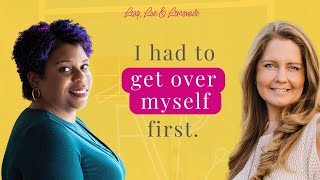
Today's guest is someone who brings the calm in the chaos. Crystal Cherry is a meta ad strategist who helps digital business owners to finally run ads that actually work and not just eat up their budget. In this episode, we talked about ad strategies and all that, but what stood out to me the most is what Kristal shared with me about owning her expertise. She said, I wasn't owning it. I had to get over myself first. That moment hit hard because how many of us are quietly playing small, not because we are not capable, but because we haven't let ourselves fully own it yet? In this episode, Krystal talks about her pivot from corporate the mindset it took to go full time, and how she helps entrepreneurs confidently grow their reach without themselves burning out. Whether you are ad curious or just need a reminder that it's okay to grow into your next level, this one is for you. Let's get started. This is the Leap Live and Laminate Podcast. Hi, I'm your host, Esther Godor. Twelve years ago, I took a big leap. I left my corporate job, I moved into a new country and started a business from scratch in my fifth language. Today I run a boutique launch and systems agency helping ambitious entrepreneurs build smart and scalable digital businesses on Kajabi without having to do everything by themselves. This is your go to place with honest stories, actionable strategies, and real talk around building a business and life you love. Your best life and success story are still ahead. Let's write them together. All right. Hey Crystal, welcome to the show.
Hi Esther. Thank you so much for having me.
Oh, it's a pleasure. I have been looking into your stuff a little bit these days, so I'm really excited to learn more about your story. But before I go into any specific questions, let's give our audience a little bit of an insight. What is it that you do and why do you do that? Let's start with that.
I love that question as to why. So I am a meta ad strategist, which basically means I help my clients get more leads and scale their offers using Facebook and Instagram ads. So I help them with everything from figuring out strategy, working out tech issues, and also managing and optimizing their campaigns so that they get the best return. And as for why I do it, honestly I never thought this is where I was going to end up, but I love it because it's a little bit technical, a little creative, and also a little analytical and I like to work all three parts of those in my brain. So I. I really just love how meta Ads really deals on, you know, all the marketing that you're already doing and it really just ties everything together. So it really is more than just running ads. It's really about using the ads to amplify all this other work that you've done in your business to help you, you know, really start to hit those, those bigger goals.
Mm. And how did this whole thing start for you? Where did the idea come from? This is, yeah, like you said, most probably not like a dream at five year old when they ask you what do you want to be when you grow up? Meta ad strategies.
Exactly. So, yeah, so it was. It's never a straight path, is it? So I always knew I was going to break out and do my own thing. It was just a matter of figuring out the what, like, what do I really enjoy doing? So I started initially probably 10 plus years ago as a website developer. So I was building websites for primarily coaches, online businesses using WordPress. And I really enjoyed it and then moved into the backend systems. And while I was doing this, I was still learning about digital marketing, kind of just to, for my own desires, just because I was curious and a bit of a nerd. So from that I kind of just really just kind of understand how I began. I began to get a better understanding of like, you know, how all these tools really help funnel from a marketing standpoint. And then I had a little bit of a fork in the road. I took a pause because I was like, that's not really quite the thing I wanted to do. And it was when I was trying to decide whether I was really going to just go all in on my corporate career or really go, you know, really commit to building my business that I had the opportunity to learn about Facebook ads. And really what drew me to it was the fact that it kind of ties everything together. And I really love having, I love understanding how everything works together. So it was like that. The ability to kind of work with my clients and kind of keep in mind the big picture view of what they're trying to achieve and then really figure out how ads would help them get there. And plus, the thing that is a blessing and a curse is that things change. So there's no, there's always something to learn. I've been spending this week troubleshooting new things that have popped up out of the blue. So it keeps me on my toes, which satisfies that desire to want to learn and kind of troubleshoot and figure things out. And like I said, I really just love the strategy behind it because they really are powerful once you get to learn how to work with them. So I've been for four years now focused on doing Facebook and Instagram ads.
Cool.
Yes.
You mentioned corporate for a second and you also mentioned the WordPress developer. Were you doing the two at the same time? So you did have a job and then you started on the side working?
Yes, yes. So my corporate background is in technical communications. I was a technical writer, so. So I spent a lot of time working on documentation and manuals. But even with that, because of the fact that it was communications adjacent, I found myself working on marketing things for the companies that I was working with. So I was doing that. And then again because I'm just a big nerd and I like to learn and figure out stuff, I was doing the website thing on the side, so I was really just was like, oh, I want to learn how to do this. I always had an interest and just kind of went with it. And then I was taking what I was learning and kind of pulling it into my day job, like when I would figure stuff out. So they appreciated that because I was doing, you know, career development on my own time, on my own dime. But yes, it was really just, I, I've always had an interest in building systems and sorting stuff out. So I think that's where the website thing came in. But I was very much a side hustle warrior for many, many years and I really, I've only been full time in my business for coming up on a year now. It was end of February last year. Leap. Leap day was the last day at my job when I took the leap and then went full time in my business.
So that's, that's really recent. What was, what was it like before you decided? Was it, were you very determined, very certain about it, or was it more like, ooh, let's see how this works out?
Definitely the latter. I always had a plan and I was trying to stick to the plan. I was like, okay, well my business is at this spot, then I'm going to take the leap. When I have all these things in order to, then I'm going to take the leap. But it really got down to the point where my business was growing year after year and it got to the point, especially being a service based business, I couldn't do both. Well, like they were both starting to. I was doing an okay job at both. Like I was doing my day job. Obviously I wasn't going too far above and beyond just because from a bandwidth point I couldn't. But then for My clients. It's like I was doing a good enough job, but I wanted to do better. So it was really. I kind of had that moment where I really had to sit and look at the numbers. And I'm like, okay, well, based on what I've done, you know, this would be a good time to, you know, consider taking the leap. And I had some money and savings that. So I had been planning. It wasn't just a full cold turkey. I woke up and was like, all right, this is going to be the day. But it was around December of the previous year where I was like, okay, maybe next year would be the year. And then in January, on a call with my coach, James, when we were on one of the group coaching calls, and he kind of posed some questions, and I was on the hot seat, and it got the wheels turning, and I was like, okay, maybe it doesn't have to happen the way that I think it does. It might be time to just kind of do it. And I'm either gonna fail and have to go back and get a job, or, you know, I'll figure this out and just go from there.
Okay, so you kind of had a. A backup plan in mind in case you. You gotta go back. But you were determined then to, yeah, this is a big change, and I'm gonna. I'm in. Yeah.
Yeah. So I didn't have a set. Yeah, backup plan. It was like, I would have had to. I could have probably gone back to my previous employer and they would have worked something out. But yes, it very was. It was, you know, kind of like at. With any of this worst case scenario, if it doesn't work, what are you going to do? You're going to find a way to make money somehow. So I was like, worst case, I'll have to go back and get a job and, you know, maybe just humble myself a little bit. But I know I've been. It was definitely a determination thing. And I was like, okay, if I have this opportunity and I have more time in my schedule, let's. Let's just figure this out because I've been trying to do it for so long.
And how did it feel once you finally did it? Was it like, oh, my God, this is amazing, or was it more overwhelming? Did you feel like, oh, I'm gonna throw up?
Oh, it was funny. Yeah. Because as it got closer to my. Because I gave my employer. It was probably like a six weeks. Like, I gave them plenty of notice. I think part of that was probably for my own sanity, just because I was like, okay, I'm going to say it now. I'm committing to this. I'm like, I'm going to do this. But as it got closer, I did have one of those, like, oh, like I really did this. Like, this is about to happen. And it was, it was a little. I was hopeful and excited. But there was definitely some nerves too, because even with all the preparation, it's still different. And it's very different when you're truly on your own versus when you have some type of, you know, backup, which my job was that security and backup for the consistent income. So if I wish I could come on here and say that I quit and then I just soared and everything was rainbows and butterflies and everything fell into place, but it did. Everything does have a way of working out when you stick with it.
How do you feel about now focusing on. On one area? Because you mentioned one of the biggest issues or things that bothered you was that you were doing an okay job on both, but you felt like that it could be better. How did that change?
Yeah, so it did. From a mental standpoint, it did improve things because it, like I said, things are often changing with meta, at least to a degree where I knew I wanted to be able to focus more. And especially with my day job being different from my business, it was a lot of context switching. So it was nice when I actually, you know, really had the time to dig deeper into the strategies and, you know, learn more things and really, really support my clients in a better way. And things happen better since I don't. I, I don't regret that at all. And I am glad I made because it would have. It just. It would have been hard to keep managing the two. If I truly had to, I would have figured it out. But having the time and the mental space to really dedicate to my business and serving my clients has been a huge. Just allowed my business to grow and allow me to provide better results for my clients.
And going back to when the, when the whole meta strategist thing started, where. Where did you get your first clients? Is someone out there wondering, ooh, I want to get started. I have a great idea, but where do I get clients? You probably didn't get them from Facebook ads, the first ones, did you?
No, no, I did not get them from Facebook ads. It was through networking, especially because I was pivoting to a new. A new business more or less since I wasn't doing anything web or systems related anymore. But it really was through networking. My first couple of clients, one was through. This was around Covid time. I joined a virtual networking group for business owners and made some connections through there, and somebody was looking for an app strategist and someone mentioned me, and that's how I got one of my first clients. And then another was actually I had gone through and joined a Facebook group and the, the owner, the leader of that group, when I went in and answered the questions and she saw what I did and I told her I was like, I'm not here to pitch or anything. It was really more so just to get, you know, market research for my ideal clients when I was figuring that out. And then she was like, oh. She was like, well, I'm looking for someone to, you know, help with. And then that's kind of how things started.
How did it feel to call yourself a meta ad strategist at the start when you were. You might not have been there yet where you. Where you wanted. Like, for me, it. It's always like, I'm starting out something new with this podcast and. And I'm like, can I call my community a community when there is still no one in there?
Right.
This, this step happen.
Yeah. So it was weird. When I first started, I was just using the term Facebook ad manager, but even that felt weird because it was so different than what I had been doing up to that point. So I did feel a little bit of imposter syndrome for I'm sure. And that still creeps in sometimes now just from the fact that it is a newer skill for me. Obviously I have some experience now, but compared to what I've been doing for, you know, probably like 15 years at that point, versus, you know, basically switching career paths too. It did take a little bit used to getting comfortable with owning the title, but as I did it more and, you know, you just look for that evidence where it's like, okay, I do know what I'm talking about. Like, yes, I, I, you know, it's like, I'm not a fraud, you know, which I knew. But sometimes you need that, you know, that reassurance and validation and you have to find it yourself in the, in what you're doing and the results. You're getting to really, you know, own it. So it was a little awkward at first. You know, I had to build that confidence, especially, you know, when meeting new people and, you know, putting myself out there in that way.
Yeah, that's beautiful that what you just said, that it actually creeps in. I think it never stops. But at each point, we are able to handle it from A different perspective. And, yeah. After the first few clients, also results start to speak for themselves, saying, oh, I know what I'm doing.
Exactly. But. Yes. Is that. What is that phrase? New level, new devil. So, yes. It's like, yeah. At each level, it's like, oh, yeah. And it's like, yeah. But still isn't. It's nice to. I guess it helps you regain that confidence in yourself sometimes, too.
Yeah.
Yeah.
You know what? When people. When I ask people what they see when they. When they work with me, when they talk to me, they often say that, oh, you look like you know what you're doing. And that's when I freak out the most because I'm like, oh, my God, would you know how much I don't know what I'm doing?
Yes.
So, yeah, it's there the. The other way around as well. But I'm glad that it looks like. And you gave me the impression that you very much know what you're doing.
Yes, likewise. It's like they only knew, which. I mean, of course you do, but we're. I mean, typically, we're our own worst critic. I know I'm hard on myself sometimes. Like, I should know more. And then it's like, well, no, you actually. Yeah. You know, quite a bit. So.
Yeah. There's also this phenomenon. The more you dig into something, the more you realize that you don't know anything about it. Like, so many more.
There's always something else.
Yeah. How did this whole change play out with people around you? Was there anyone who was worried about this? Did you care at all? Like, your friends, colleagues, family?
You know, that's. I love that question because I was very. I was a little concerned and worried about it because I knew I was making a choice that not only impacted myself and impacted my family. And one thing that really struck me was they were actually really supportive. But there was like. They have this belief in me, and I was like, oh, this. I mean, which is great. But it also. I don't know, I guess it made me feel good about the people that I had around me because even in my friendships, like, I'm very. I'm very intentional just because who you surround yourself does matter. And I know with family, you know, we don't. It's not so much that you get a choice sometimes because, you know, family is family. But I was. I was. Not that my. Not that they knew necessarily how I was going to do it, but I appreciated the fact that when I told everyone, they were like, oh, yeah, you can do it. You know. You know, I believe, yeah, they were. They were completely on board and probably wondering, you know, how we're curious about how it was going to play out. But I can say that I am fortunate that, you know, everyone seemed to. I didn't have any naysayers or negative Nellies, but I think, honestly, the people that would have been like that in my life, I. I'm kind of discerning about, you know, the amount of information I share for that reason, just because, you know, some people think they have good intentions, but those negative comments sometimes can, you know, it can knock you down a little bit. So, yeah. Fortunate to have supportive friends and family.
That's amazing. That's so good that they are there behind you and not trying to pull you down. Wow. I love that. That's a bit, from what I hear from most people, that's a bit exceptional, especially in today's world. Or maybe I still have too many of those people around me that in the last few years, you know, people are worried about. Oh, in this economy. Well, for me, a job is getting equally insecure sometimes or even more than. Than actually doing something by yourself. Because when. When you have your own stuff, you. Even if stuff happens, you know how to get up. But when you rely on someone else giving you a job, then it. It's. It gets tough sometimes. And you might not have those skills developed. Right. To. To fend your own. Fend for your own.
Exactly. And that's the beautiful thing that I like to think about what we do is that through kind of building something on your own. Now, I'm not going to be as bold to say that I could go out and just get any job tomorrow. But, you know, it's not. I, you know, it's not always like, what can someone give me? It's like, you know, okay, well, what opportunity can I create for myself with the skills that I have? And you still have to have that motivation actually get out and do it. But it's nice to know that, you know, at the end of the day, I do have options. Like, I have a completely new career now, which is insane to me that, you know, I've done this kind of pivot to something else. That. One, I didn't even. I don't even think it was an option when I started my. When I got out of high school. And two, to do it, you know, after already having built a, you know, successful career, doing something else. And it's like, okay, I did this, like, pivot thing. So it's like, if I Can do that once, I could do it again. So, you know, change doesn't always have to be scary or hard. It's like what you make it.
Yeah, I love that and love that you just said you create opportunities for yourself. It's not figuring out what someone will give you, but them yourself. And even when it's a job market.
Yes, yes, it really does. So there's definitely. Yes. Sometimes you just have to take that look and it's like, okay, am I, you know, it's like the passive versus proactive. You know, there's just more than one way to do it. A combination of both for sure.
How did, how would you say you feel about these last 11 months now that you've been doing this full time and by the time this is out, it's going to be almost the one year anniversary?
Yes, I will say so. That has been the, I guess the biggest lesson I've had to learn over the past year is like, so in my mind I thought it was going to be okay, so I quit my job. I at least have these established processes and like, you know, I've got clients coming in, I have more time now. So it's just, I'm just going to do more of that and everything else is going to, you know, triple and stuff. And it wasn't quite that way. Like, I had to get over some mindset hurdles. I had to figure out some things for my business. So there were definitely still things that I had to learn. But I'm glad for me personally, and this is going to be different for everyone, those were, I think I needed that. I had to be put in position where I was forced to learn those things to get out of the safety because otherwise I was operating from a place of doing just enough to do what I needed to do to keep things going. But then I really had to look in the mirror and say, okay, what type of business do you really want to build? How do you really want to work with your clients? Like, what are you seeing this growing into and how are you going to, you know, keep the momentum going and sustain it? So I hit some bumps in the beginning while I was figuring all that out and what I really needed to focus on. But every time, you know, you just, you learned a lesson, you accept it and you keep going. So I would definitely say is it's gotten better now. It definitely has gotten better now. I found my momentum, my groove, you know, and it's really, I just hope it'll keep getting better in this, I guess, second year of Full time business ownership. Yeah.
If you're comfortable sharing what was the biggest mindset, hurdle or issue you had to, had to let go of?
Oh my gosh, the biggest one. That's a great question. I. So the thing that I really had to work through last year was really interesting enough for me. It went back to the belief of my own abilities. I really let the imposter syndrome like hold me back a little bit because even though I had already been doing it for a couple of years before I made that, before I quit and went full time, it's like when I was thrust out there and it was like, you know, it was kind of like you finally, you put the, you put the outfit on and it kind of fits. And it's like, well, I'm doing this. But it's like, am I really doing this? I wasn't owning it. So I can honestly say now the ways that, the things that I didn't accomplish last year that I wanted to, it was because I had to get kind of just get over myself. I had to get over. I had gotten over the worrying about what people were going to think, but it was really about owning my expertise and my abilities. And even in my marketing in the beginning I would kind of play it safe and I was really, you know, focusing on like newer business owners. And it's like, well, those, you know, for my one on one services, those aren't the people, you know, that I need to be targeting because they're not going to be quite at the right stage yet. So I kind of had to get out of my own way and stop playing it safe for the sake of saying that I did something or got it done and really just had to start really just owning it more. And yeah, really just figuring it out because I can. It was not, like I mentioned earlier, it was not a situation of just doing what I was doing. And the growth came. Like I realized it's like, okay, I could because I kept doing what I was doing and I was like, well, why, like, why aren't the numbers increasing? Like, why didn't everything just double like that? And then that's when I had to figure out the mindset stuff and kind of just like figure out where I was getting in my own way and where I was hiding and where I was putting things off that I should have been focusing on for the sake of being busy.
That's interesting what you're saying about first you thought of downgrading your message, maybe your service. And I. And I don't mean that Someone who is starting is a lower level in terms of, of service. I mean, more like, like you, you as what in what you wanted to focus on. You realize that it's not for the starters or in the format that you want to work. It's not for starters. So you, you had to stand for, for that. Like, yeah, I'm here for, I don't know, seasoned entrepreneurs. That, that takes, that takes courage. But how did you know that you want to focus on, on, on that area? Is it just, oh, because that's what I love the most. How did you know that? Or is it because you had clients already from, from that level and that's where you felt more yourself as far.
As focusing on the more, the more season established versus the new. So actually what happened was so I was, my goal is always. I love teaching and I love helping. I'm definitely a person. I just like I'm, I, I operate from a place of service and I, my goal last year was I wanted to join or start a course or a membership. I knew I wanted to join a member or start a membership which would be geared more so for the people who are, you know, maybe starting, maybe been in business for a bit, but they're, you know, they're not this established business who's further along in their journey. And honestly, it was the split focus because I had my retainer clients who are more established, so they have bigger ad spend budgets, they have teams to be able to help with stuff. And then I wanted to switch and basically market to these people who maybe were focused more so just on, you know, building their email list, things like that. And it's like I was still trying to get my bread and butter solidified with the retainer clients, but I was also trying to market to people at a different point. And I have split focus. And then once again, it was like, okay, well, from a marketing standpoint, I was like, it's just different messaging. So it was kind of comfortable like focusing on this a bit. But it was impacting my bottom line with. Because my goal was also to get a more. Couple of more retainer clients locked in. So again, it kind of came to that, okay, I need to focus on this, get it like where I want it to be, and then when that is good, then I can shift and start marketing to a broader audience. Because you like, realistically, I think as far as another takeaway from the past year, it's just, you know, you can't really, you can't really do both well at the same time. Kind of like I was. Yeah. So that was from a marketing standpoint. It was like, well, it's easy enough to keep, you know, marketing to these people, but it wasn't bringing the results that I was really focused on. So. So now having said that here with you, I would say it really does come down to, you know, figuring out what that goal is and sticking with whatever is going to help you get to that goal before you start trying to shift to another goal. Because again, I thought because I have more time, I can do all the things and I had to get better foundations in place before I could shift and really focus on marketing to a larger audience with the lower level offer. Yes.
If we look at your life out of your business, how did, how did it feel different in these last 11 months? What was the best change in your life as a result of that decision?
I love the freedom that I have in my day to day and my schedule. My youngest is 10 now, so I like that I can be home when she goes to school and then I'm here when she gets home from school. Even this past holiday, I was telling a friend I was one of those people with my day job. I felt like I never had like enough PTO because I was either using it for appointments or, you know, taking long weekends and stuff. And during the holidays there was always that where I would feel kind of like even when I was working from home remotely at my job, I still felt like I had to be on the computer doing stuff. And it was really nice. Like Christmas Eve. I like got everything early, done early. Like it was really just, it's really. I love the flexibility in that I don't have to, I guess, plan my life around like, you know, the typical nine to five. And it's like, you know, work is just those hours and everything else has to go before or after. It's definitely a lot more blended for me. There's definitely more crossover. Yes. There's some days where, you know, I work a lot more and then there's some days where, you know, like yesterday I went, I told you before, you know, my mom got here yesterday, so I worked half a day and then went and got her from the airport and then we focused on getting her acclimated. So I really love the freedom in my day to day and my schedule and that my, I'm not, you know, I'm not tied to just being present at a desk or at a computer. And honestly, I really love too that I like working with my clients. Like, I like that by having a Business and choosing what I get to do. Like I get to more. I see more the impact that I am making with what they're doing because I'm helping them spread their mesh message and I'm very a purpose driven person. So not that I wasn't helping people in my corporate job, but I like that, you know, I'm like I can see the results of the impact that I'm making more directly versus, you know, just doing what someone else needs me to do.
Yeah, it's way more tangible.
Yes. Yes.
Do you, do you get help or are you in the phase where you do most of it by yourself? Do you have someone to doing part of the job?
Yes. So I do have a VA that I work with and he is wonderful. He helps me especially for the graphic design stuff. That was one of the. My top priorities last year before I went out on my own. I knew, I knew wanted design help because while I'm creative, I don't consider myself a designer. But he is, you know, that's one of his. He's very skilled in that. So he helps me with admin stuff but he helps me with creative and tech stuff as well. And then I'm also looking in the future to partner with a, either a copywriter or a messaging strategist as well from an expansion standpoint. But other than that I'm really. My goal is to keep things kind of lean. I don't want. I do not. My goal is not to have like a huge agency. I like having that closer relationship with the people that I'm working with either one on one or in a group format because that personal connection is important to me.
So for now, is most of your work done one on one or you. Do you have group coaching as well? You mentioned you wanted to do a course or a membership. Is it already operational?
Yes. So most of my work right now is one on one. I'm either working with clients on a retainer ongoing monthly basis or I have some that I do just kind of one off audit strategy session vip. If they have team members that can kind of manage it or they manage it themselves. I'm actually launching a group program this year. The priority list is open for it, but it's not live yet. Where I'll be working with some businesses that have established funnels. Even if it's just lead generation or they're doing launches, they have some type of proven offer or funnel set up and they're ready to use ads to get more leads and traffic to it. So I'm Working with them in a small group format where we'll really go through like mapping out the strategy for your ads, mapping out your budget, and then I'll walk them through weekly over five weeks, getting everything set up, getting the ads launched, and how to optimize them so that they can manage them themselves. So I'm excited about that. A lot of people want to leverage ads, but, you know, it's, it's. They're one, they're complicated and you know, if there's, you know, there comes a time where you should pay someone to do it, but most people don't need to pay someone a retainer out of the gate. And I have found that I, it's. I think it's important for business owners to at least learn the basics because I have found that a lot of, when they, A lot of businesses, when they do start working with someone, they don't know what to ask. So they're kind of at the mercy of their ad manager and they're like, well, the ads are running. My manager says they're doing fine. So they just kind of go it like that or you know, something's not working. But it's a big agency and they don't have time to tell me. So if I, if a business owner at least has a good understanding, I find it sets them up for success. So this program will be an opportunity to help them get up and running without that overwhelm and also have a good baseline understanding so that when they are ready to hand it off, they can be so confidently.
Wow, that sounds, that sounds fantastic. Actually.
I'm excited about that. Yeah.
If someone is out there listening to this, and so far they haven't been running ads, but they have some either already a funnel that they are driving traffic to or a product that's already operational. What's the point? How to know if ads will work for them, how to know whether they should start or maybe they have already started. But what people first do normally is just boost on Instagram or Facebook because that's what it offers. And then you, you can pour money into it. It can all just vanish and then you might. Oh, never again. So how would you suggest people start or restart? How to know that they are ready for this event?
Yeah. So I always say there's five things that you can really kind of just key in on to make sure that, one, that you're ready and to have some type of success. So like you said, because Meta is great about one, offering the boost option and also two, they will gobble up your money with no regrets. So one is having some type of proven offer. So whether that is actual. So it's really about understanding like where these people are going once you start using the ads to drive traffic and knowing what's going to happen when you do that. So if you have an email lead magnet and you already have a nurture sequence linked to it and you know you understand the goal of that nurture sequence, whether that's just to get people acquainted, maybe you're selling some type of offer that would be a good candidate for ads. Or if you've been launching and you've done it and you've gotten some conversions and you're like, okay, how would this go in front of a bigger audience? So when I say approve an offer, that's what I mean. If you've been, for example, because I work with a lot of coaches and consultants, sometimes people will come to me and they have a successful business, but they've been building it from like word of mouth and referrals so they don't have those digital assets in place. Just understand that you are going to have to have some type of digital component or funnel built out in order to maximize. So one is the proven offer and just confidence in knowing that it converts and what is going to happen. Number two is understanding, you know, your numbers. So this includes how much can you afford to spend. It adds as a long term game. So you want to spend some time, you know, figuring out what works and give them time to optimize. So if you are getting ready to go into some type of launch or you have an offer and you're like, I need to make sure this makes money or you know, my bills aren't going to get paid or whatever, that's not the time to do it. Set aside some type of budget. Just figure out what you can spend realistically without impacting your bottom line. If you're doing just basically generation to your email list or maybe in a webinar, I would say if you can put aside at least $20 a day. Even if you just $20 a day for a couple weeks while you figure out what works and then study the data and go from there. But just make sure you have some money set aside. Number three is really just knowing your audience. Messaging is such a key point and it impacts, you know who you're going to attract. It impacts your creatives, the messaging that you have either on your images or your video. So really just take the time to get to know your audience. This is one of the things that I work with, with people through is really not even just because you don't want to speak to everyone is really important to speak to that one person, which we hear a lot. But online it's even more important when you think about how busy social media is. So while you're probably thinking, oh, but I can help everyone. Yeah, you don't want to help everyone, just find that person so you can really stand out to them. The fourth thing is looking at the data, understanding what metrics to pay attention to so that you can then go in and change and improve things. I'm a true believer in data driven decisions, which is why sometimes when people ask me okay well should I do an image or a video test to see what the numbers like, how the numbers look? Because sometimes I will have clients where video works all the time and then we'll have a static to image and for this offer the image is going better. So you really don't know unless you test and the data is going to be a better indicator of that versus what some random person told you or you know, just going off, you know, just what the general, what everyone is saying. Find out what your audience resonates with and what they want. And then the final thing is just make sure that you nurture and keep following up. Because a big mistake that I see people make is that they, they run ads and then they expect to get all the returns like at that moment. And the reality is buyer patterns is still a thing. So you know, people have to get acquainted with you. There's going to be some people that are going to be ready to take action right then there's going to be some people. It may take them, you know, a few months, a couple of launches. So it's not so much about getting the leads and then just leaving them. Just make sure you're nurturing them either in an email sequence or your organic social or even with more ad campaigns. So as far as to answer your question as to whether or not they're ready, I would just kind of like think of, have them go through, think about what they would use as behind and kind of go through and make sure they're either already doing those things or have the time to work on those things. And if so, then definitely from there it's the time to consider getting started.
When you say analyze your numbers.
Yes.
Where does someone start? There are a lot of columns and yes, it's tempting to look at. I don't know, just how many do we have? Like first I started running Ads, I think like four or five years ago first and, and I was only focusing on getting cheaper leads. But then it turned out I should have selected the countries. Right. Because I was getting super cheap leads. But they were no use. They, they had no use at all. So how to, how to go about the numbers? What, what to look at first?
Yes. So that will, it will vary depending on your offer. But I'm glad you mentioned that because cheap lease is not always the goal. You want lease that are actually going to convert. So I would. Well, let me, let's use you, I guess your scenario, your scenario. As an example, when you, what was. When you were running ads and you were getting cheap leads, what were you, what was the goal? Were you just building your list or was this for a launch or to get them into an offer?
Oh, in the first, in the first few months it was just, you know, boosting because the system was offering, just getting, you know, first. It wasn't even about getting emails, it was just getting likes, getting followers. I think that was the lowest moment of my ad.
Yes.
Of my ad trajectory. But then towards the last, like it was, the last time I ran ads was six months ago. And then it was very much like leading people, very specific, very specifically focusing on, on the audience and leading them into a webinar where I was inviting them to my signature offer. So I think that was way more, way more sophisticated.
Yes. Well, it kind of goes back to. So the second time you were more intentional because you understood the purpose. So it was you, you were in a better position to really see the results. Like, was there a return on investment versus, you know, like some visibility doesn't, you know, how do you really quantify that into cells? So for your webinar example, some things that you can look at to. So if you were running, if you were coming to me right now, you're like, all right, I have a new webinar going to my program. What do I need to look at some things from an ask perspective, I would look at your outbound click through rate, your link click through rate. If you have at least 1%, which seems really low, but again, we're fighting for attention in the feed. But if at least 1% of people are clicking over to go to your landing page to sign up, then in that case we know the ads, the copy and the messaging are at least resonating. Then from there you want to look at your landing page conversion rate. Are people converting on the landing page, you want to get at least 25% or higher. If you're meeting that, then you know, okay, I'm getting the right people. They're resonating with the ad, they're resonating with the messaging for the webinar, so you at least know that you're good there. So from there, then there is that extra piece where you have to look at how they actually convert over when they go through your webinar to the cell. So if you have past data, it makes it easier to determine whether or not you're attracting the right audience based on what your conversion rate is for the webinar to the cell. If you've never done it before, then it's kind of a test to get, you know, those baseline numbers. But that's why I would look at what your conversion is from the cells, and then you can go back and look at your. Figure out what you made from the cells and how much you earned from each lead. And then those numbers can kind of help you going forward for when you do it again. And then you kind of just keep reviewing the numbers each time and seeing what the results are, and then that will help you guide decisions. As far as okay is, you know, if people keep making it to the webinar, but they're not converting, then, you know, okay, maybe I need to change my messaging and refine that. If you're running ads and you're not even getting that 1% link, click, click through, then it's like, okay, are you targeting the right audiences like you said the countries and stuff were not aligned correctly? Are you using the right interest or targeting the right people? Or does the messaging need to be refined there? So that is the one when I was saying earlier about how ads kind of bring everything together. And it's not just the ads. The ads are really just a traffic source to get people where you want them to go. And that's why the data is so important. Just because there are so many moving parts. But if you kind of just treat each part as its own thing, it makes it less complicated. So you don't feel like you're just drowning in data and numbers and have to look at everything.
Yes. Wow.
That's.
That's super insightful. Thank you.
You're welcome.
Where do you stand on how. How do you. I'm not sure I have the right expression for that, but on capturing contacts inside Facebook through their form or inside Instagram, or taking them to your own platform? I. I used to try this, and I felt. I think it was two years ago when I last tried that. Two or Maybe just a year ago to run to get the data into a Facebook form directly. So not taking people to a landing page. It did get a lot more leads, but then it had a lot lower show up rate for the webinar. But I see from experts recently that it's coming back again. Like they do say that it's a good idea to go with that. Where do you stand on this?
So that is one of those things where it's worth testing for. Basically for the reason that you said I have found that you can get cheaper leads with the lead forms. Those are those instant forms that you mentioned where the person doesn't have to go to the page. But the problem is is that meta will auto fill in the information so one they don't have to take as they take less action in order to provide you with the information, which is why you can get cheaper leads. But sometimes because they've taken less action, it makes it easier for them to forget about it. Or it's an old email that they don't even, you know, use anymore. So you could fall into issues like that. So it can depend on, you know, your industry and who you're targeting for sure. But I would, that's one of those cases where if someone were to come with me and ask about doing that, I would say, well, test and see what results you get versus doing the instant form. At least if someone goes to your landing page then you know, they made that choice to go there, they read at least some of it and then they made that choice to enter their information. So there's, they've been a little bit more intentional with those actions. So you would hope that those actions would continue. So it probably and I would also say a stand threes and two with some of those experts. It also depends on what you know, what your budget is because it's a lot different if you have these like huge launch goals and you really need the volume in order to meet those numbers versus you know, maybe, maybe you just need a couple hundred people on your webinar to hit your goal or whatever your launch is versus you know, needing, you know, thousands to register and show up just so that you know, a small percent of that will actually show up to your webinar. So again, it goes back to testing. I still, most of my clients were taking them over to lead forms or not to lead forms. We're taking them over to landing pages and then I have some clients who are doing well with many chat funnels as well. So I will say to that regard I'm a true believer as far as like everything works. You have to figure out what works for you. So if you have a funnel that's converting and you have whether that's through many chat, a landing page on whatever you're doing and it's converting, don't go and change and reinvent the will just because somebody said this is what is hot now. Figure out what works for you for your marketing style and what works for getting your customer through that journey and then use ads just to get more people to that versus just following all the different trends.
When you mention ManyChat, is it because I'm like, can you run ads for ManyChat? Is it a possibility? I didn't know about that.
Yes. So Meta actually has an integration where they do integrate with manychat and then you can kind of test it different ways because some people will do an engagement ad. If you're just having people comment, like comment the word low or you can do messenger if people are sending it to Messenger. But you can, if you tried that and you're getting like a really good conversion, you can definitely use do as for many chat funnels.
Ah, cool. I gotta try that. I, I have tried the, you know, DM me comment below and then many chat, but I didn't know you could run ads for that. Wow.
Yeah, she can do ask for that.
You're saying it's a, it's a long term game. So what would you say is if someone is, is right now starting out with ads, how long do you, would you say you need them as a minimum to, to figure things out? Like it's obvious if you, if you want to sell something tomorrow, don't start running ads for it tomorrow morning. Yeah, right, but what's the timeline there?
So with my clients, we usually work together for the first month is testing, then the second month is optimizing and then the third month is scaling. If you're doing consistent, if your plan is to do consistent, ongoing lead generation, definitely, you know, give yourself a few months to figure it out. If you follow more of a launch model, I would say it really just comes down. If you're following a launch model, you're likely paying attention to your numbers every launch anyway. So I would just give it a couple of launches to kind of see how the numbers pan out. And it's always a personal choice if you decide to continue with ads. But it's more so when I say it's a long term game, it really like I wish it was as easy as putting up an ad a week later, they're, you know, working perfectly, and then you just keep doing more of that. But if it were that easy, everyone would do it. So it's more so just so that when people come into it, there's an understanding that, you know, we, we have to test and kind of figure out what works. And then once we figure out what works, we'll do more of that. So at least give yourself, you know, give yourself the benefit of a couple of months or a couple of launches to do some testing and optimizing to see if you can make it better. Yeah.
And once we have something working and we found the, I don't know, the perfect way to run it, can we just leave it as it is? How long do you, do you feel we can typically use the same thing? And how, how quickly does it die out and need something else? Is there something, something like that?
Yeah. So that's where again, paying attention to the data for the ads is really important. So I have some clients where even when we test new ad creatives, like there's one ad that consistently just, you know, it keeps finding the right people and we're hitting those like the link click through rate is still at that 1% or higher. You know, we're getting good conversions on the landing page and it theoretically could just keep running with the minimal changes. But at some point things will start to teeter. It's not always a defined when. Just know that at some point and at certain times you may not get as much visibility, you may not get as much traction. So it's just important to have something lined up or at least test different things and then kind of go from there. So it really, there's not really a cut and dry rule as far as like some people will say, well, you have to change it out, you know, every couple weeks. If you're, if your ads are doing fine and you're meeting your, your KPIs, your key performance indicators, then you can keep rolling with that, but at least just have something on standby so that when the numbers do start to dip, you're not scrambling at that point to create a new ad and then maybe losing, you know, maybe a week of momentum, you already have something lined up to put into that spot to keep the momentum going. So we usually have multiple ads running at the same time so that sometimes when that happens, meta will automatically just go ahead and start gravitating towards the other ad. But just to have, you know, just kind of like a little repository so that you Always are figuring, you know, keeping an eye on what is working. But you don't have to keep making changes just to keep making changes as well. Yeah, just check them weekly, see how things are going, and if they're still going well and you're happy with the numbers, then just keep with it.
Cool.
Yeah.
Does it ever happen that a client freaks out because nothing is working, or it used to be working and now it's not? How do you handle those situations when the. It feels like a rock has been pulled out, like maybe by the, by the platforms themselves algorithm? How do you manage this uncertainty, insecurity and maybe tension?
Yes, I have had situations where that has happened and that's where for me, I like, really, that's why for me, it's important to understand the different parts of the funnel and what data communicates what, because then I can figure out, okay, is this an AS problem or is it, you know, possibly a funnel problem? If we've determined that it's an ads problem, then, you know, what do we need to do? What do we need to change to improve it? Whether that's, you know, making a switch on the messaging. So really, I do spend some time, I guess, really just being honest about expectations. I never promise specific results, even if it's a client in an industry or a niche that I've worked with before. And I kind of understand, you know, what the typical cost per lead is going to be. I don't guarantee results because it really can vary. Like even two clients in the same industry, but they have different messaging. It can vary. So I just really, I communicate with my clients. You know, we're going to test, we're going to see what, what's going to happen and then we're going to adapt and go from there. And then part of it too is really understanding, you know, what is it that the client is, you know, nervous about. Because sometimes I. Some essence business owners, we like to create and sometimes we change things just to see what would happen and it doesn't land. So I've had clients where, you know, we've had one launch where it was like, that launch was great, and then the next launch, they changed the launch style and everything and something didn't land. But it's like, you know, well, in essence, that was a completely different launch to some degree than the launch before because it was a different. The messaging style was different, the launch style was different. So let's look at the results and then decide what we're going to do next to improve upon it. So you really, I kind of take the, the role as the kind of a little bit of a scientist is like you kind of have to treat it as an experiment, not so much to be frivolous and just test everything, but sometimes you just, you don't know until you test it and find out. So it really is just pay attention to the data adapt, test again, pivot and just keep. Yeah. Rinse and repeat.
Yeah. And that's key. What you just said, that they changed everything and then you don't really know what to look at, but when you make little tweaks and that was really reassuring how you, I don't know, it, it feels, it feels like you're so calm and, and there is so much reassurance in your attitude towards this. Like this girl needs, this girl knows what we need to look at if something goes wrong. That's, that's so cool. I love it.
No, I appreciate you saying that because sometimes it is just kind of holding that space. Like someone has to be the, the level headed one. Not that my clients are not, but when you're in it and you're like, you know, because it can feel like, you know, when you're in the middle of a launch and then all of a sudden it was like, wait, this isn't going as planned. So if I'm freaking out and the client's nervous. Yeah, but it really is, you know, it's. There's only so much you can do. So I think that kind of comes from my own experience with it. It's like, you know, we can't control it all. We can't control the people who are, you know, clicking on the ad. So I know how important this is, but really, you know, we can just do the best that we can and keep going from there.
Yeah, that's fantastic. Love it. If someone is out there and totally resonates with this and they are like, oh my God, Crystal, you are the answer to my meta questions. Where can they find you? What's the best way for them to reach out or to follow what you have?
Yes. So definitely connect with me on Instagram. You can find me at Crystal Cherry Digital. And then I do also have a, a resource that goes over those five things a little bit more that I talked about earlier. You know, to help you determine if you're ready for ads and figure out your budget for ads. There's a link to that in my Instagram bio. But definitely reach out to me on Instagram. Crystal Cherry Digital. Send me a dm, ask me questions. I Love interact, connecting with people and giving more personalized advice. Because you know, I always say your business is unique so your ad strategy should be too. So I like to connect with people on a one on one level.
Love that. I just downloaded your, your handbook. I, I will call it the handbook because I expected like a one pager. Like these are the five most important things. But oh my God, it's, it's, it's so detailed and like if anyone is at, at the stage where they are about to start, get that, get that resource. Because I think it's an amazing start. It, it clarifies so many things and, and I think it's also great for, for you if someone sees that before you meet because then you have a common ground to, to start that. As this is such an extensive world. Where do we begin?
It is and I'm excited by the time this podcast, I'm actually making update updates to it now. So by the time this is released they should be the updated for 2025 version. But yeah, I'm glad you found that helpful because like I said, it's really just those finance foundational things. You don't have to know how to do them all, but if you at least understand them, you can work with that. It's a little bit more and kind of understand their role and helping you reach your goals.
Yeah. Beautiful and exciting. I'm like really excited about this year for you and for everyone else. Learning with you, working with you. Where do you see yourself in, in one year's time?
I love that in one year's time I really, in one year I see myself. I will still be working with one on one clients, but it will be. I really like to limit my one on one clients just again so I can provide that more personalized touch. But I definitely see the group program expanding and growing. I would love for that point for it to be a quarterly thing and possibly even a membership. And my goal, I really am trying to get to the point where I'm working like 20 hours or less a week, which I think is possible, but I'm gonna have to like just hone in my own daily schedule a bit. So if I can find that balance, I think things will be awesome. Where I'm like working and teaching and helping people, but still have that space and freedom in my day. That will be great.
Beautiful. I see that you are on the perfect track. You are. You're already embodying it for me.
I appreciate that. I have a tendency sometimes to put stuff on my calendar and I'm like, do I really need to do that? Why. Why am I trying to make my day so busy? Not that it's not important, but, you know, it's not a priority. So. Yes, I'm cutting out about less work, the busy work for myself. So. No, but I appreciate you saying that. You already see it because that lets me know I'm on the right path to get there.
You're totally radiating that, that calmness and that I, I have my together people and, and I think that's the, that's the starting point. If you, yes, if you can, if you can hold that space, that is where all the rest will come from. Beautiful. I wish you a lot of beautiful members for this community, for the membership, however it comes out, and also the most amazing clients for your one on one. I think they are really, truly lucky to have you.
Yes, thank you. And I'm excited your community is lucky to have you. I can't. Having a business is a wonderful thing and I really do think it's a great way to just have a little bit more control in your life and the impact that you're making, whether it's in your personal life or for others. So I hope your listeners, if there's something that they really feel called to do, that they continue to, you know, stay in your orbit and, you know, flesh out that plan so that they can do it, is I promise, no matter what happens, if you just kind of treat it as a lesson and learn from it along the way, you won't regret it. That's the biggest thing I could say is like, it's really is just learn. All of this is learn, adapt, move on. Learn, adapt, move on.
Exactly.
Yeah.
Thank you so much. Love that and love everything that you have shared. I appreciate that, that you shared openly and honestly about the challenges as well and that we could also go into technical stuff. I think this episode's gonna be really helpful to those that have been with us. And thank you so much everybody who have listened until the end today. And yeah, I hope to see you soon. Crystal.
Yes, I'll see you around. Thank you, Esther.
Thank you. Appreciate you.
More from Eszter
She Had NO Evidence It Would Work — But She Manifested It Anyway | Mindset & Law of Assumption
They Said It Would Take 20 Years — I Said We're Doing It in 2" | Big Vision vs Small Thinking
I Left the US, Got Certified & Made $35K on a Product I Hadn't Even Created Yet