Engineer ➝ Founder: Ty Dunn reveals the mindset shift behind one of 2025’s fastest-growing startups
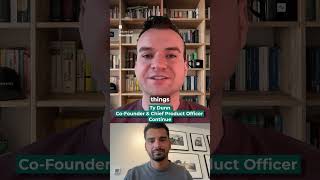
Ty Dunn, founder of one of 2025's fastest-growing startups, explains how engineers must shift from solving well-defined problems to owning ambiguous ones and deciding which bets matter. He moved from engineer to product manager to founder, each role handling more uncertainty. Recurring tasks signal what's important; one-off problems can wait.
Chapters
More from Ethan

Legacy Finance Meets Crypto: I Asked CEO Austin Diamond Who Will Drive the Next Crypto Boom

a16z Backed CEO Explains How To Earn Trust In A Space Where People Instinctively Fear AI





Scott Dietzen says data-infrastructure and AI-native companies are blurring; I asked if convergence.


I asked George Cheng if his police AI could contribute to over-policing marginalized communities now

I asked CEO Scott Dietzen which underrated skill separates good leaders from truly great ones today!

George Cheng, 19, ditched MIT after YC to build Code Four; a moment spurred him toward risk ahead