🚀 Ty Dunn, Co-Founder & CPO of Continue, shares his take on Open Source vs Proprietary LLMs
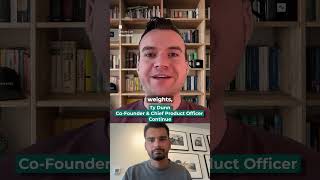
In a conversation with Ethan Lockshin, Ty Dunn, Co‑Founder & CPO of Continue, discusses the role of open‑source and proprietary large language models (LLMs) in AI coding assistants. He explains that Continue can operate with both open‑weight and proprietary models simultaneously, noting that most AI code assistants actually orchestrate multiple models for different tasks. Dunn highlights the benefits of open‑weight models—greater portability across infrastructure (AWS GPUs, on‑prem, services like Together or Groq) and increased accountability due to transparent training data—while acknowledging that the current frontier proprietary models are often the easiest to adopt and deliver top performance. He concludes that the future of AI coding tools will be multi‑model, with developers selecting the best model for each context rather than relying on a single dominant model.
Chapters
More from Ethan

Legacy Finance Meets Crypto: I Asked CEO Austin Diamond Who Will Drive the Next Crypto Boom

a16z Backed CEO Explains How To Earn Trust In A Space Where People Instinctively Fear AI





Scott Dietzen says data-infrastructure and AI-native companies are blurring; I asked if convergence.


I asked George Cheng if his police AI could contribute to over-policing marginalized communities now

I asked CEO Scott Dietzen which underrated skill separates good leaders from truly great ones today!

George Cheng, 19, ditched MIT after YC to build Code Four; a moment spurred him toward risk ahead