The Truth About Limiting Beliefs (And How To Rewire Them) | Julie Edmonds
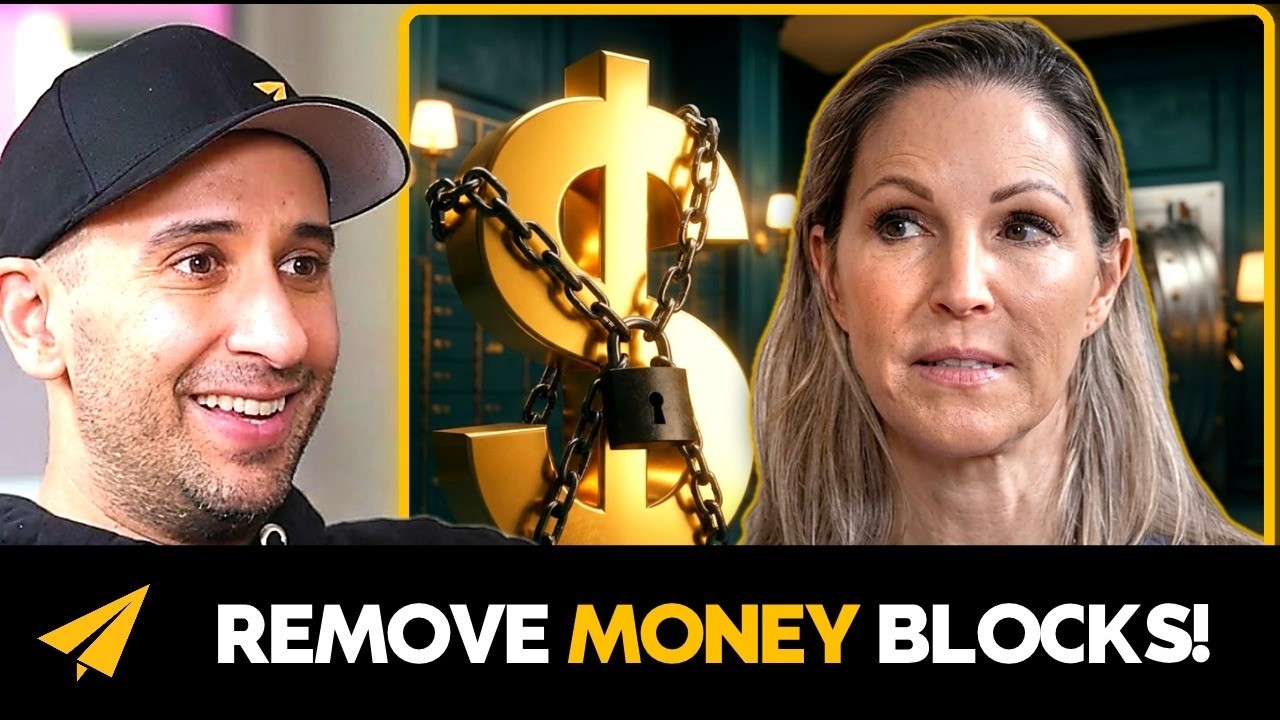
In a recorded mastermind session in Toronto, entrepreneur and hypnotherapist Julie Edmonds discusses how hypnotherapy transformed her own life by rewiring unconscious limiting beliefs and how she now helps high‑performance entrepreneurs overcome similar blocks. She describes her background building a large sales organization, the irrational fears she faced (e.g., fear of ordering pizza), and the breakthrough she experienced through hypnotherapy, which gave her calm, confidence, and purpose. Julie outlines her current practice: one‑on‑one sessions that culminate in a personalized 15‑minute "transformation script" meditation, delivered as a 21‑day audio/video protocol with repeated affirmations and optional sound‑frequency layers. She explains how she identifies root causes (e.g., "I'm not good enough") by probing clients, then crafts scripts using the client’s own positive language. The conversation shifts to business strategy—how to scale this service beyond one‑on‑one work. Julie targets high‑performance entrepreneurs and sales teams, ranging from early‑career founders to seasoned leaders, focusing on issues like money blocks, overthinking, procrastination, sleep problems, and imposter syndrome. Together with Evan, they brainstorm content formats (meditation videos, coaching sessions, group workshops, retreats, online courses, membership communities) and packaging ideas (21‑day challenge videos, multi‑week courses, live group meditations, training other coaches). They discuss practical production details (recording on phone, adding music/sound frequencies, keeping sessions short, avoiding personal names, using candles/sage for ambiance) and distribution tactics (YouTube titles that embed a call‑to‑action, tracking views for retention, leveraging existing client videos as public content). The dialogue also touches on monetization pathways (ads, sponsorships, speaking gigs, book deals, equity stakes, training programs) and legal considerations (client consent for recording). Throughout, Julie emphasizes the importance of aligning what she loves (creating meditations, group sessions, retreats) with scalable revenue models, while maintaining authenticity and purpose.
Chapters
Hypnotherapy for me changed my life. It rewired some limiting beliefs that I didn't even realize that I had because it's unconscious, it's subconscious. All the people around me are all suffering from something. No matter what, no matter how strong their mindset might be or how great mental hacks they might have, there's some block and it's unconscious that's either, you know, stopping and blocking them at some area of their life. These limiting beliefs that we form from a childhood that we're still as an adult talking and running your life because it's unconscious. And just the ability to rewire your brain. I just want to help as many people that want to do that as possible so that they can live their purpose. Well, I've always dealt with high performers that are running their own business and running sales teams, but it's not just about the sales, it's about their quality of life. So a lot of it has been either money blocks, overthinking, procrastination, sleep issues, all the things that come with getting to the next level with work.
If you sell something but you don't love it,
No.
You're not going to win long term. And if you love it but you can't sell anything, you have a hobby, but it's not a real business. So it's like a weekend evening thing. But we can combine what we love with what can make us money.
There's the magic.
That's the magic. That's the overlap, right?
That's the magic.
We got Julie in the house, Mastermind member. We're here in Toronto. And as part of that, we also get to sit down and spend some time together. We've been having a little preamble conversation, but what's going on? Maybe a quick intro for you, and then how can I help?
Well, hi. I am Julie Edmonds. I have been running my own business since I was in my 20s, so for the past 30 years. Entrepreneur. I built a large organization of sales offices. I started door-to-door, house-to-house, commission-only job. So we were talking earlier about being scared, and I was fearful of commission. I was scared of sales. I was scared to order pizza over the phone. So talk about—
You were scared to order pizza on the phone?
I was.
That's crazy.
I swear to God, like, I was scared to order pizza over the phone. Because of what? I don't know.
Okay. It's irrational.
Just like anything, which is getting to my point of hypnotherapy. Yep. So yeah, we all have irrational fears, right? And so going door-to-door really pushed me outside of my comfort zone, and then I learned to build a team of high performers, and that grew into a large organization of sales offices over the years. So I became a consultant, and now I consult all these great entrepreneurs and high performers and those types of things. But we were mentioning earlier, I always had anxiety and panic attacks, and a lot of imposter syndrome that I think a lot of people go through. And I was trying to do everything, run away from it or whatever, just finding something to do that I didn't have the anxiety anymore, but I couldn't, I couldn't. So I thought I just had to manage it until I found hypnotherapy. Hypnotherapy for me changed my life. It rewired some limiting beliefs that I didn't even realize that I had because it's unconscious, it's subconscious. And through that process, I became grounded, calm, excited, motivated, and I just felt very me, and I felt so healed. And then I realized all the people around me are all suffering from something. No matter what, no matter how strong their mindset might be or how great mental hacks they might have, there's some block, and it's unconscious, that's either stopping and blocking them at some area of their life. Or most people. I don't want to say all people. Very normal. I don't want to bucket everybody, but what I've found is everybody that I've worked with. So when I started offering that service as hypnotherapy within my team, I just saw a tremendous difference. And it's just sort of a— I'm a healer by nature. So for me, just being able to offer this and see— it wasn't just about, hey, how's your goals? Let's hit your target or your sales target. It's more about, let's have you have a wonderful life. Let's feel grounded and calm and excited and find your purpose. And so and remove the anxiety or remove the I'm not enoughness or the I don't deserve this or my family's, you know, money blocks or whatever they are. And then, so I wanted to expand on that, and that's why, you know, I joined your team to learn how to scale that part of my business because I've grown this large organization and I've been offering hypnotherapy as part of it. It hasn't, you know, it's not— I haven't monetized it. People ask outside of my circle. Mm-hmm. How much do you charge? I'm like, well, I don't. Because I don't want to turn it into a job. I don't want to do it as a one-on-one type of thing. I want it more scaling online, or me one-to-many, or what. And so I'm just trying to figure out that part. And that's where I'm at.
So you're still running the sales organization?
Yes. It's doing great. It's providing me all the financial support that I need. It's doing well. I have extra time now because I've kind of put it that way, where I have a lot of time on my hands to do other things.
So what is the— what do you want to do? It's like, where do we want to go? Who do we want to be when you grow up? And then we optimize around that.
I'm still trying to figure that out. But no, actually, I love seeing people change and grow and become— You know, when I started working with all these high performers in that deeper level way, I noticed these limiting beliefs that we form from childhood that were still, as an adult, talking and running your life, 'cause it's unconscious. Mm-hmm. And just the ability to rewire your brain, I just wanna help as many people that want to do that as possible so that they can live their purpose. Because once I did that and I removed all that anxiety and all of that stuff that was just stopping me from being seen or heard or, you know, I public spoke my whole life, but every single time time I wanted to throw up right before I got on stage. Not the normal, like on a scale from 1 to 10, maybe you should be a 6. I was like a 92. And so I was like, something else is going on here. And I was able to get rid of that. And so that gave me all this energy and space to do things that I love. I'm writing a novel that I've always wanted to do, but I never did it because I was blocked. And so I wanna help other people do that so that it's not just they're just not living this day-to-day job. Pay the bills, go back into my stuck life. What else is there? There's more. And I wanna help other people do that.
What do we ultimately want to build the business around? Like, what are you gonna sell?
Well, you know, I'm really good at deep meditations. Part of the hypnotherapy is meditations. And so, just packages online where they can buy coaching, training, high-level things. You know, I don't know. I'm just exploring that right now. What does it look like? That's what I'm— I'm trying to figure out.
Great. So there's a bunch of ways to go, and we can like pick. It's a human issue.
Yes.
So everybody struggles with it in some capacity. The first thing to figure out is, is this something you want to help potentially everybody with, or are we going to narrow the focus to types of issues, whether it's high-performance sales, whether it's Speaking, there's like buckets of stuff that you've done in your own life that you can connect to. Also your own story that we haven't— you know, I'm sure things we haven't dug up yet, um, which is going to hit a certain segment versus like the whole world who are dealing with all this other stuff that your techniques could be valuable for, right? But it's not your direct experience, right? How much do we care about High performers, sales, speaking, those kinds of issues versus everybody?
Right. This is a question, right?
Yeah, yeah.
OK.
And there's no right answer. We're just figuring it out.
No, no. I mean, who is my target audience? Well, I've always dealt with high performers that are running their own business and running sales teams. But it's not just about the sales. It's about their quality of life. So a lot of it has been either money blocks, overthinking, procrastination. Sleep issues, all the things that come with getting to the next level with work. That's mostly what I've dealt with. Recently, I've had a few people come to me with just love life type of thing, but it's all connected. But I think my target audience has been high performers. Right, but who do you want to be? Which is fine.
Do you want to stay? Is that who you love the most?
Yes, I do. I love the most those. Those are the people I've worked with my whole life. Those are the people that want to change. Those are the people that don't just say, hey, I want to change, and don't do anything about it. That's who I've found anyway.
Who we have been doesn't have to be who we are going forward. It's just an example for me, helping people with their YouTube channels. I love helping entrepreneurs. I think entrepreneurs are gonna solve all the world's major problems. I want to help entrepreneur channels. I get asked all the time to help other channels, and I do my best where I can. A slime channel, a music channel, like whatever. And I, you know, they're kind of entrepreneurs, but it's not like the mission-driven, right? That's who I want to help. So the techniques can be for everybody. Historically, you've connected with people who are high performers and—
Entrepreneurs. They're all entrepreneurs.
OK, so high-performance entrepreneurs. That's already now like more of a segment, which is great. If that's who we want to be ongoing, then that helps narrow the focus of the types of content, the business strategy. What you get most excited by?
Yes.
Okay. High-performance entrepreneurs, does it matter size of the business? Are they dealing with different issues? Age group? Men, women?
Well, it's been young entrepreneurs starting out in their 20s and 30s to people that are stuck in their 40s and 50s. So probably starting out in— Everybody. Well, I don't know if that's everybody, but starting out or kind of stuck in between, maybe 30 to 40, 50 group.
Again, there's no right or wrong answer. It's just different kinds. Like, if I'm helping an entrepreneur on YouTube who's already got a million subscribers, it's different than if they have 100 subscribers.
Right. Well, you know, to me, age is irrelevant in this world of entrepreneurship, in my mind, when it comes to effects of our mind. Because it's like, you know, you're blocked, you're blocked. You can only go so far. And that takes your mind— our minds take us, our beliefs take us very far. But then they block us at some point too.
Correct. It's less about, like, the block and more about stage of life or types of problems.
Yeah.
Because again, everybody's blocked in something. You could go next door to the retail shop there and help the people there with whatever blocks are in their life, but they're not high-achieving entrepreneurs. Correct. It's a different kind of problem that you're solving. Again, no right or wrong. In general, the younger you go, the less money that they'll have. So depending on what we're selling, it's usually cheaper things compared to more expensive things. If you want to do, you know, like inside of that, what actually gets you fired up? Like, do you like recording meditations on your own that then they go and do? Do you like helping somebody unblock something?
I love it.
Okay. Like, I've done a bunch of stuff on camera. We had Marissa Peer on.
She was my trainer, Marissa Peer. That's my, my, uh, the person who trained me.
Great. So we did— she— we did a hypnotherapy session on my channel.
She's the GOAT.
Yeah, unfortunately, like, her connection broke up a little bit, a little bit through it, so I didn't go like fully under. But—
How'd it go though?
That was great. No, like, Marissa was awesome.
She is great.
Um, I've done tapping. I've done all sorts of different things with people. On camera just to show that it's not that crazy. Like, it's not— you're not gonna— people are afraid of it.
No, they are. People go, what do you do? It's like, I'm not putting someone on stage to cluck like a chicken. It's not— it's hypnotherapy. But they are afraid of it, sure. Some people are.
So it's like, if you can layer who you help the most with, like, what activities you actually love, the most.
Yeah.
Like, if you love the one-on-ones, but it doesn't scale because it's just one-on-one and people, you know, they can't afford it or it's not worth the time, then you either do it through content. So you record a session, but it's going to be a video that now you have content for your YouTube channel and your social media. Or you work with people where you have a much higher either rate Or if it's entrepreneurs, part of the company, so that if you're working with 10 people, you own 2% of their companies. That yields, you know, if they're growing.
I never thought about that.
Well, so like, every problem is like, it's like, what do you want to do?
Right.
And then we can work on how to get like paid to do it. So it's like, is scalability the problem, or is it just, I love one-on-ones, And helping people, but I just can't get paid enough to make it worth my time.
Well, I do love one-on-ones, but that is— I don't want to get, you know, I don't want to turn that into a job. But I love one-on-many. I love holding seminars. I love speaking. I love holding large groups of people, like a large meditation with everyone together. I've filmed myself doing those types of things. I think I'm learning to— like, I love what you're asking me because it's really kind of trying to find out Not just how am I gonna make money, but what's gonna make me excited about wanting to do this? Right. Right, yeah, so.
That's the most important thing.
That's important, right? 'Cause we can make money doing anything.
That's where I'm at in my life, yeah. Right, that is the most important thing, 'cause if you're excited by it, you'll keep doing it, and you're already great at what you do, and so you don't need to go and do more work. You don't need another job. So if it's not exciting for you, you won't do it. Right. Or you just really grind out, but it's not— you're not happy doing it. So, like, what is fun first, and then how do we monetize underneath?
Okay, fun.
Yeah.
Things that I love. Just personally, I love doing meditations. I love it, love it, love it, love it. All kinds of different types of unlocking, you know, unlocking, rewiring your brain meditation. Like, by yourself? Filming it to give to other people.
Got it, okay.
And have you been doing that? Yes.
Okay.
Part of my hypnotherapy, in the end, I record something. We call it a transformation script, which is all the words your mind needs to hear on repeat for at least 21 days, because our minds But are
these YouTube videos right now on
the channel? They are not.
OK. So you love recording meditations? Yes. OK. You love—
I have one YouTube video.
What's the video?
It's one abundance meditation that I give on my— for someone that signs up for my email list.
OK. So what's the block, then, on making videos?
I don't know if there's a block. I just— well, the block is this. What direction do I want to go in? That's the thing. It's like, I'm glad we're talking, because it's like, for me, if I find the right— avenue of what it is that I want to do, I'll do it. It's just, what is the block? I don't know. That's a good question.
So you like meditation, doing meditation videos, recording meditations?
I do.
What else? Helping people one-on-one?
Yeah, I love helping one-on-one. I love group meditation. I love group therapy type of thing. Retreats.
Group, in-person group?
Retreats. I love retreats. I've only hosted one or two in, you know, the hypnotherapy I've done millions of them in my other industry.
Group, like in-person group, or does online count too?
I could do online. I would love to do online. Like Zoom? I have not done that, but I would do it.
OK. So whatever you love and whatever can lead to— like, we can layer what we love with what we can sell.
Yeah.
That's a great business. Like, if you sell something but you don't love it, you're not going to win long term. And if you love it but you can't sell anything, you have a hobby, but it's not a real business. So it's like a weekend evening thing. But we can combine what we love with what can make us money. We have a—
There's the magic.
That's the magic. That's the overlap, right?
That's the magic.
Like, all of these things can all turn into revenue opportunities for you. There's a lot of different potential paths, but it all starts with making the content. Mm-hmm. So what I would think about is the real people that you're already helping in your life. How can you turn content into things that help them? So if we had 3 series, for example, if one series was the meditations, one series is coaching people— and I don't even know if you call it coaching, or it's a session, or whatever you would call— what would you call it? A session?
Session.
A session.
But that could be turned into high-performance coaching with sessions and coaching and all mixed in together.
Whatever we want to call it, but it's like one-on-one.
Right, right.
And then group-led sessions, and that could be in person or online. If we had like those 3 buckets, how do we start doing them more? How do we start creating content around it so we have something documented? Like, I love one-on-ones too. It's my, it's my favorite. So let's turn into a video, right? Let's do a session. I love small groups as well. That's why we have the Mastermind. I love big groups as well. That's why I have Mover Makers. And I also want to serve the world. That's why I have my main YouTube channel. So I love all of those things. I love them. If we didn't have Mastermind, I'd be like, oh, no. What am I going to do? Mm-hmm. But I don't love it all the time. Mastermind once a quarter, as soon as we're done, I miss it. But if it was every week, I'd be like, OK, this is too much. I don't want to meet you guys in person in Toronto every week. I've got other stuff to do. And you guys have all other stuff to do as well too, right? So even the cadence of what comes out needs to be at a pace that you miss it and you love it. But if you were to do— let's start with the meditation videos. Whatever protocol that needs to happen, if it's a 21-day series, whatever blocks you're helping people with, there's buckets already that you know that you're able to help them with.
There are patterns, for sure.
And so if we just zoom into your sales organization for a couple of minutes, you're already helping people. Are you recording audio messages for them? Are you recording things and giving it to the people already on your team?
Sometimes, depending on who's— yes.
Those could be videos. So you sit down and you record a— how long is a session, a meditation video?
Well, if it's a meditation, it's like 10 to 15 minutes.
What is the effective protocol? I'm going to do this one meditation. I'm going to be there for 10 to 15 minutes. Let's say I have a fear of rejection. OK? You couldn't call the pizza guy.
I couldn't call the pizza guy. I don't know.
So you have a fear of rejection. OK, so somebody on your team says, hey, I've got a fear of rejection. What do I do? I'm going to make you— I'm going to do a protocol for you. OK. You're going to film a 15-minute meditation. What do I do? Afterwards? Do I listen to that meditation for 20 days?
You're gonna listen to it for 21 days. So I typically talk to the person first to really find out what the root is. It's usually 3 things: I'm not good enough, or something's not available to me, etc. I find that root, and then whatever it is, is the transformation script, is what I call it, is that meditation. Give it to you, listen to it for 21 days, but also for the next 21 days, you can just try to say these words to yourself. They're not just affirmations, they're neurological reprogramming.
And is that a part of the meditation?
Yes.
So here's the meditation for 15 minutes. It's 21 days. Do the same meditation for 21 days.
And some homework on the side.
And then the homework of repeat these 10 words? Yes. And what's the protocol for that?
Well, I usually tell them to put it on their phone and put a little alarm, like at 2 o'clock, at 4 o'clock, at 6 o'clock. When that goes off, remind yourself to say these things to yourself to remind your mind to Continue to rewire that circuit.
Once a
day? Several times a day.
Throughout the day?
When you wake up, and when you go to sleep, and throughout the day. Now, if they do it or not, I don't know, but this is what I recommend.
But it's a protocol?
Yeah, yeah.
For 21 days?
Correct.
So listen to this meditation at the same time every day? Does it matter?
It doesn't matter. Just as long as you listen to it. You can fall asleep to it. It doesn't matter. Just as long as you listen to it. Not while driving.
Not driving.
Not while driving.
Right, OK. Sorry. I heard you say while driving. I don't think she means that. Or I misheard you.
Or heavy machinery. What is that?
Yeah, yeah. That is a great series to start with.
And I like that. That excites me.
So we're— which is a great start already. Um, you— let's just do the meditation part. So you still are doing your one-on-one with your salesperson.
I am, yep.
You're identifying what the thing is. Mm-hmm. And then that becomes a video on the channel. So let's say it's overcoming— so if I came to you and said fear of rejection, you're going to talk to me. You're going to uncover—
Whatever the root of it is.
What would be an example root?
So I just had a one-on-one with someone just the other day, and his sales dropped. And so I asked him, what are you thinking about during those times when you're selling? Oh, well, maybe this is not for me. Maybe I can't do it. Maybe I'm just not good enough. And I keep asking them until they finally say something like, I don't think I'm good enough, something like that. Then it's like, oh, that's it. I look for certain phrases. And so when I find that certain phrase, I'm like, OK, that's it. You're telling yourself you're not good enough. And so our mind looks for evidence to prove ourselves right. So then you start thinking you're not good enough. So the next time you walk into another business, you're going to think to yourself, I'm not good enough. And then you're going to present all the ways that you're not good enough. And that's what happens unconsciously. So that's—
So I'm coming to you with, I have a fear of rejection. You uncover it's actually, I'm not good enough.
Correct.
Then you go and you script something? Yes. That's custom for that person?
Correct. So, Evan, you are good enough. You're strong enough. You'll walk into a business and think that you're good enough. You're deserving. People love you. You're lovable. Things like that. Just things on repeat.
And the meaning— you're mixing both themes, I guess, right? It's not just I'm not good enough, but it's also not just the fear of rejection. You're mixing a whole thing.
It's not about the rejection. It's the meaning that they're attaching to the rejection. So it's never about what's happening. It's what's the meaning you're attaching to that. So it could be rejection with— Sales, it could be whatever. My team member didn't show up after I trained them. OK, I'm still rejected. What was the real deep-down thing? I'm telling myself constantly in areas of my life I'm not good enough. So it helps all areas. So it's not what's happening, because they'll say, hey, I bite my nails or something. It's the root of it.
There are only so many roots.
Yeah, there's only a few.
And each meditation is not the same.
Correct. It can be.
So if it's, I'm not good enough, is the root, and I thought my problem was I have a fear of rejection, what are you layering into the meditation that's different besides just, I'm not good enough?
Well, I ask them, I say, what's life without the problem? Let's fantasize here. Let's pretend rejection isn't it. Let's just fantasize for a minute. And we kind of walk through this. This fantasy world of, I'm walking into, in this particular case, a sales call. I'm walking in, I'm feeling— and then I ask them their words. It's important that we use their words. I'm feeling calm, at ease, smiling, easily connecting, belonging, whatever the words that they use. And I ask them that. And those are the words that are going to help to trigger their own mind. They go into the script. So speak into their words. It's important that I don't make up my words. Now, I have some— I'm not good enough is everybody's words, but—
Right. So you're paying attention for those trigger words, especially in their calm, ideal, happy, optimal state, that then you're going to program into the script. So the baseline, the root is, I'm not good enough, and then you're layering in all of their positive language on top of it, which changes each time. To help them overcome the thing that they thought was a problem, which is the fear of rejection.
Right. And it's just an old belief that's their neurons, or we got to prune that out and connect a new one.
I'm now thinking packaging and content, right? Yeah, I love it.
OK. Yeah. Tell me more.
But I think that's fantastic, because if it was only the same thing each time, then OK. Then you have your foundational, hey, start here, and there's only 5 root causes. So you have 5 meditations, and that's it. You're done. I
could do that. I don't think it'd be as effective.
No, I think it's much better this way. You can't want something for somebody more than what it actually is, right? So this— your scenario is actually better. Um, I think if you packaged it around the top and the— ignore the middle part, which is really important. Like, the middle part is their words, but in terms of packaging, it's around the top and the bottom, uh, which is like, what's the thing they think is a problem? And then what the core is.
Right.
And then you make the meditation. And what you do with that is you give it to them, which you're already doing, but just kind of behind the scenes.
Yes.
Right? So now you actually record something that is useful for them, but also valuable for the world. And so instead of it just being like a part-time kind of hobby when somebody asks you whatever— I don't know, how many of these have you done for people? Hundreds.
Oh, the little meditate— hundreds. I mean, every time I do a session, I give them their little—
And it's all just— that's great. I mean, that's awesome.
Yeah.
And it's only serving one person.
In that moment, yes. But hopefully the whole point is it ripples out and they help other people. But yes. Well, sure.
But like, how many people are struggling with the same thing?
A lot.
That then have never heard of you and don't have access to the resources and like, whatever that ends up being. The business models, there's a lot of potential business models, right? Like, is that just advertisements? Is that just, is that like building a brand and doing speaking gigs, book deals? Is that you become, you get hired as a, you join their board and you're helping coach them and take a percentage of the company? There's a lot of like, do you want to train other people to do what you're doing, like Marissa trained you? Like, there's no right or wrong. There's lots of paths. It's just what's the right or wrong for you? Some people hate training team. And so, like, OK, don't build a model where you have to train team.
I love training team, yeah. OK, great.
So the world's your oyster. You love everything. It's great.
No, no, that's not true. But the things that you keep saying— but you know what inspired me was Marissa. And that's why— she had a 6-week course. And each week was a different I'm not enough, or— but it was about for entrepreneurs, like, do what you hate first, and stuff like that. But then there was a meditation behind it. So it was a 6-week course. One week is about, I'm not good enough, and she would explain it. And then you listen to this recording every single night for a week. And then week 2, move on to the next thing. And that changed my life. I felt completely different after that 6-week course. And that's what inspired me to call her up and find out how— you know, I want to learn this hypnotherapy. Yeah. It's just moving me. But a course like that, I would love. Because if I could put a lot of the— I mean, when you think about entrepreneurs, you know the things that work. You know, do the thing that you don't like first. Do it anyway. You know, discipline, all the things. You know, add that into the hypnotherapy. You know, it's kind of a crossover.
Yeah.
Does that make sense?
No, no, for sure. No, no, I'm thinking, like, Packaging.
So now I guess to answer the very first thing you did, yes, entrepreneurs who are running their businesses.
Yeah, I honestly, the more I think about it, I'd have to like look and see just the space a little more, but I think the whole 21-day challenge needs to be in the packaging. And so if you put 21 days, we probably have to pull out the root cause. And you go in with what problem people think they're solving, and then try this for 21 days.
Why would we pull the root cause out? Because that's the thing that heals them.
Oh, it's going to be the main part of the meditation.
Oh, you just don't tell them that.
It's not the packaging.
Oh, it's not the packaging. Right, right, right.
So what do we call this video?
Yeah.
It's like—
I'm 40 years old, and I'm stuck. And I can't move on to my next position, or whatever.
Yeah, like, I'm stuck at 40 years old. Yeah. Try this for 21 days. And you might have different versions of that based off of a different root cause. And the middle layer of all their language around what makes them calm and everything else is fantastic. So you can have multiple versions of that video. But the question they're coming to you with, they don't know the root cause.
They don't.
Until they talk to you.
They logically think they do, but it's never the answer. Right, of course. It's a surface-level thing.
It's a symptom. And so similarly, somebody who's online on YouTube doesn't know the root cause either. They're thinking the same problem. They're going and they're searching, how do I—
Stop overthinking.
Get unstuck, stop overthinking, overcome fear of rejection, whatever. But the try for 21 days— because if they just do it once, it might feel great. in the moment, but it doesn't stick because they're not staying consistent. So the 21-day protocol is critical.
Right.
So you got to do it for 21 days. And then I love the little bonus at the end where you're saying also repeat these however many. I don't know if it's the same thing each time or you're switching it up just depending.
Yeah.
For 3 times a day or 5 times a day, whatever the actual protocol is that's effective. There's no right or wrong. It said like what works. 21 days is a— there's a reason. It's not just like Well, it's better than 5, and right, like you have a— the reason for the protocol.
There is science behind it, yeah, of course.
Which we don't need to explain in this video.
No, you don't, yeah.
A video explaining that is gonna be valuable. But if you made that video instead of doing the audio notes, but you made a video on it, that then you're making the video for that one person, for their one problem. There's lots of people who have that same problem. And so now we're taking work that you're doing anyway, but actually now making it more public and accessible and spreading the brand.
See, I would love that.
That's a great answer.
I would love that.
So that's pretty achievable. You're already doing it, right? If I was to ask somebody else, like, hey, start making meditation videos, like, what do I talk about? How do I do that, right? You're already doing it, and it's, and it's proven to be effective over hundreds of of use cases within your organization. Yeah. The actual video, I don't know if it's you on camera sitting down talking into a microphone like this. I don't know if it's— and it doesn't have to be like this. It could be just a clip mic. It could be your iPhone with a clip mic, right? It doesn't have to be anything fancy. I don't know if it's— for meditation, it's eyes closed, right? They're not looking at anything. You tell them to close their eyes? Yes. So it almost doesn't matter what's on camera? It could just be audio only? Although it's nice to be able to see, like, to build the brand. So if you're on for—
I put sound frequency behind it too. That's what matters.
And is that—
It changes your brainwaves into different frequencies.
Understood. Is that recorded at the same time or you layer that in afterwards?
I layered in.
Afterwards?
I layer it in after, yes.
So you're doing a 15-minute—
Well, when I do a 15-minute, I send them something. I say, play this in a different tab on the side, and they always have it playing. And then I'm speaking to them, because usually it's typically through Zoom.
And do you own that music, or where does that come from?
Yeah, I've created some, yes.
OK, great. But when you're doing the meditation, you're not listening to that at the same time, or you are?
Personally, no. They might be, but then I record it on my phone. And then I layer in that same music and give it to them. And when I send it to them, it's got both.
I basically want to take whatever the process is that you're already doing that works and just make it public without seeing the person's name. Hey, Sally from Kansas, right? Hey, you suck because you said—
You got divorced.
Right. If that's the process, like you're recording your voice, I would selfishly love to see you on camera, at least at the beginning. Of it, whether you can do the whole thing or not, like whether—
So a whole hypnotherapy session, because the whole session is 90 minutes. The part that I would give them, the meditation part, is 10 to 12 minutes. Yeah.
The session is with somebody else,
correct?
Right. That's, that's a whole other bucket of content. The easiest place to start is the meditations. Okay. And it's also the thing people need to come back to because they have to do it for 21 days for it to actually be effective for them. So that part that you're doing with people, now you Instead of just recording to your phone, you record at the camera. Ideally, you on camera the whole time, whatever is comfortable for you. Like, this might not be comfortable, this mic is too big, and it's like I can't move, or whatever. Even if you're— I don't know if your eyes are closed while you do it.
No.
Your eyes are open?
No, I'm reading my script. I write down a little— Oh, great.
Yeah, like, whatever, whatever is your vibe, like, whatever is the most comfortable. Like, I don't worry about a set.
Just do whatever. Yeah, whatever I'm doing.
Yeah, like, I don't know if it's, if it's like, if it's in your living room, I don't know if you have your dog on your lap. I don't know if you like are making tea, uh, and you have it beforehand. Like, don't think set. I'm assuming when you go and do it, you're not the most like stressed out, frantic, like you're trying to record this in the car rushing to get somewhere, right? You have your own protocol and mindset you have to get into before you press record.
Yeah, no, candle burning, you know, sage, that kind of thing.
Yeah, like, so like whatever you do for yourself, whatever your space is, Just record there, and it's you, if you're sitting down, or standing up, or on a pillow, or on a chair, or lying down, like, whatever you're actually doing. Like, Marissa had me lie down on the floor, so I had to, like, adjust my camera.
On the hard floor?
Yeah, on carpet.
Okay.
I was in my office.
That's interesting.
And so she's like, okay, I need you to lie down. Like, I'm in my studio. It's like, well, you're gonna lie down. Okay.
I love Marissa.
So it's like, uh, angle the camera. Here I am, like, lying down. Okay. Whatever, right? It's like, so whatever the protocol, like whatever your actual— to make it as comfortable and easy and natural as possible for you, as opposed to like, oh, I have to go like do this content thing.
Keep it familiar is what you're saying.
You have sage, you have a candle. Is it always in the same spot when you film?
Yes.
Okay, so are you on a pillow, like you're sitting down?
No, I mean, I have an office space, and so when I, when I'm dealing with someone, typically it's through Zoom, so I have a little Okay,
so basically that.
Yeah.
But just film it for a YouTube video, and then you send them the content that then they can watch for 21 days and others can join along. The only thing I would add to that video is, here's the 10 words to say 5 times a day, or set an alarm, um, however you want to end it. Because I know at the end of a session they're like, Not, you know, coming back, and you walk people out of it. And then whatever I need to do— hey, remember, 5 times today say these things.
This would be so easy to do.
Well, easy is good when you've made one video, right? This is great. Like, that's a great starting point because you're already doing it. You know it works. It's, it's fun.
I love it.
You're thinking of a person instead of some random— like, I could say, okay, Julie, make a video about blank. I'm sure you could do it, but there's no, like, personal connection. Who is this person? You have to make up the words in between. But that's the whole juice of the exercise.
Right, personalized.
Yeah, the calm words. You can make it generic, but the value really is like, I'm making this video for—
Yeah, I'm connecting to Sally. The person. Yeah, because then, you know, those who could feel that through the YouTube would feel that as well. The other people. For sure.
Yeah, the emotional commitment, the connection, and it's just easier for you to do because you're already doing it. We're now just making it public.
Right. Great.
I would love to see one video a week at least of doing that.
Easy.
Easy is great. I mean, we could do a video a day.
You know that, that— because I was trying to film other stuff, and, and this is great that we're talking because I'm trying to film, you know, what it means for hypnotherapy, which I think is important, and Sort of the science behind it and why our brains do what we do, and then some stories of, I had a session with this one particular person, and et cetera, et cetera, and this is what happened, and this is the root, and why it was that way.
We'll need some of those videos. Like, I think some of the—
That's all I've been doing, so now I like what you—
Why are you picking those words in between? What are the 5 roots, or however many roots there are at the beginning? Why hypnotherapy works, your story and foundation, pizza guy, all that stuff. Those are all great standalone videos that eventually we'll need to have on the channel too. I just wouldn't start with it because you're already doing this thing, which is great and proven and works. And I'd rather have people like listen along and saying, this really works. Who's this? Who's— who's Julie? What, what, what does she do? And then we layer in the story videos because those will be— not that you can't do them, there's a little more challenging to do versus the stuff that you're already doing right now.
Yeah. You're just filming what you're already doing.
And it's effective, yeah.
And it's effective, for sure.
Yeah. So however many you want to do, like once a week would be the minimum, but if you're doing once a day or 5 times a week or like whatever actually makes the most sense for you, I think it's fantastic.
Great, awesome. I could definitely start there.
Yeah. I would layer on then after that.
And so I have a question. Yeah, yeah, go ahead. You're asking— well, you're suggesting that I put these on. And this is just for just public content. So someone comes and finds me. It's like credibility. It's building my name, that type of thing, right? That's what this part would be for.
It's top of funnel that leads to a lot of opportunities.
Okay.
Which then you get to choose what you say yes or no to.
Got it.
You know, is it you're going to run ads and get sponsors for the videos? Is it you want to have a book, your own book deal? Is it you want to teach other people how to do this? Is it you want to have an in-person event because you want to do things with people in person? Is it you want to do an online course for people or you want to have a membership community? Like, it's all open. But the foundation is this is something you give to everybody anyway. Anybody who works with you Has to do the 21-day program. Well, has to, it's like they get this—
They're recommended for the best results or results, period.
But there's not other people, it's like, hey, some people have to— some people you say do 21 days, some people you say no, don't do anything.
Well, I tell them, you know, can you commit to that? And they always say yes. And then I'll ask later and they're like, oh yeah, I forgot one day, but I turned it back on. Or, oh, you know, I need to remind myself. Or other people, yes, I'm listening to this 3 times a day. You know, it's
So this is the top-of-funnel awareness for what you do and getting people results if they go through the program. But it's also valuable even if you don't— like, even if nothing happens, you're still giving it to the one person you made it for, and it's valuable for them, which you're doing already.
Yes.
So if you've done like 200 of these, now imagine if those are all videos on YouTube, how many other people it's gonna be reaching.
So let's say I'm doing a session with you.
Yeah.
And you're suggesting that last 10, 12 minutes Whatever it is that I record it, camera, turn on the camera, record me, not the person.
Correct.
And you see me with my glasses on, going through the script with my candle burning, just doing the whole thing, and then wake up, etc. And then I could stop it there, talk to the person personally, and then continue like, okay, so if you, you know, don't forget to blah, blah, blah.
Yeah. That's a video. If you're gonna do it with somebody else, like you're doing it live with them, you might just need a second camera. Although it's not as big a deal because the video, like a Zoom video recording, is not great quality visually. I don't care as much. Like, do you have all these? Do you already have these videos done?
Well, no, I have them recorded on my phone. It's all verbal that I give to them. So what the video— not the video, it's a recording on the phone. So you're suggesting— yeah, but I could turn my phone on and just record myself with my handy-dandy little microphone.
Whatever is easiest and not going to cause a disruption in your flow and you're stressed out about, like, oh, OK, I got to— this is going to interrupt my session. Now I got to do this. And oh, YouTube.
Just press the button.
Yeah. Yeah, so if it's your phone and a little tripod, And a clip mic, awesome. Like, whatever is actually just the easiest for you to get going and doing it. And however many sessions you're doing, each one of those becomes its own thing. And then it's overcome—
That's wonderful. I never thought about that. That's great.
Whatever their problem is that they come in with, 21-day challenge, or do this for 21 days, is the video. And the meditation will always be slightly different because you're always using different words.
And so, so to put the video up, I don't just start at the 10 minutes. I'll maybe record myself saying, here's, here's, um—
No, no, just go right to the meditation.
Oh, okay. Yep, just go straight. And then maybe the whatever the time is.
For meditation videos, yes, because somebody coming back every 20— if they're gonna do it for 21, they don't want to hear—
Oh yeah.
All your intro.
Hi, hello, my name is— Yeah, exactly.
No, okay, we, we will need separate videos About your story, about the science behind it, about the methodology, about programs, whatever. Those will all need to be separate videos, because people will have questions. But for any meditation video, you want to get into the meditation as quickly as possible. Yeah, cut everything else out. And then you have a little more flexibility if you're going to say, OK, now have these 5 words that you're going to repeat 5 times a day, or whatever.
I do have a question, though, because I say their name. You know, so Evan, you know, as you're relaxing— Yeah, so don't say their name. So yes, skip their name out.
And that's fine. It doesn't matter. If you're leading me into session, okay, so close your eyes, and as we drift off, or whatever, right? Imagine this— I think Marissa was like staircase going down step by step.
Yeah, so do your staircase.
Yeah, just don't say their name. That's not good. I mean, it's not the end of the world. Nobody knows who Sarah is, but still. We want to make it for everybody.
Yeah, obviously, that might be jarring. Sarah, well, my name's Bill.
Yeah. That's probably enough. Like, that's— if you—
I could do that several times a week.
What's several? Like 7? How much? What is several?
Every time I do it, I mean, there are times a week I'll do 5 sessions. Other times I'll do 1. You know, I do it my schedule, whatever my schedule can allow.
I think that's the channel.
What? Okay, I love it. That excites me.
And everything is 21 days. And then level 2 is 3 to 5 videos of you talking head, direct to camera, foundation story, the science behind it, and anything else you want to like explain inside of it. They might be squished into one long video for people to watch. They might be separate little videos. But they answer the most common questions. And then phase 3 would be showing some of the other stuff. So like doing a whole session with somebody who agrees to come on, either paid or free. Not the ones in your organization because they're signed up for something private with you. Although maybe, maybe you just make that public.
You just need permission from someone that is okay with it.
Permission, and then the whole thing's recorded. and/or people who are following you from your audience now, you can do some of these sessions. And then I get to see what the whole hour and a half looks like instead of just the last 10 minutes or however long your sessions are. Mm-hmm. That would be next. And then all the other stuff, like there's a million directions you can go in. I think what you'll find is as you start doing it, you'll naturally gravitate towards a path. Whether it's the course, whether it's the workshops, whether it's the in-person, whether it's the online, everything is exciting. And you can do all of it. And as you start doing it, you'll find you just really love— let love be the guide for the whole thing. If you love it, if it's exciting, if it's fun, heck yeah. You can find a way to do it.
And it'll just grow from there.
Yeah. The next 3 months, that's what I would, I would love to see the main focus.
You got it. Does the other person need to sign anything from just a legality, knowing that I'm just filming myself for their part of their session, but I'm only filming myself talking without their name?
I'm not a lawyer, so I wouldn't, I wouldn't give legal advice on YouTube. You're pretty low risk, but you can talk to your lawyer if you want to on that. If you need to and you want somebody to sign, you can. I've never— like, the downside that I've— if somebody really doesn't like you, take it down, unless you think somebody's gonna sue you for it.
No, and look, it's like sometimes I'll go through something and people come back, oh, I know you were— you know, I'll speak to a large group of people, like, I know you were talking about me. And then I was like, you're the 6th person that's come up to me and said that, because it's universal. So a lot of this stuff is just—
These people, you're doing it.
You think I'm talking to you.
You're helping your own team.
Yeah.
And so you can even let them know in advance, hey, this part I'm also going to record and put it on YouTube. I'm not going to say your name, but this whole meditation. And then I'll give you the video that you can then use instead of giving them an audio. Like, I'll give you the video, right, right, that you can then— so like, stop sending them audios, send them the YouTube video link.
Oh, that's great.
So they're going to listen to it for 21 days.
And they'll listen to it from YouTube channel, correct?
And then they could send it to their friends and spread the word if it helped them.
Ah, that's a great idea too. It's
like no more audio. We're just gonna send them the link to the YouTube video. So now it has to go up relatively quickly because you don't want to wait 3 weeks for them to get the thing. But it's also no editing. Like, it's— if you're not— there's no mistakes, right? You're reading your script. You're—
It's already there. I just, I just have to, you know, add the music on. You just post. Yeah.
Right? You press record. You press stop. And then you post.
Right.
For other industries, more editing is required. But for this, it's eyes closed the whole time. They're not watching your video because of the B-roll or the fancy music. I mean, you're going to layer in your—
But the music is— yeah, they're not watching it because of the music. The music just additionally helps them relax.
It's eyes closed the whole time.
Right.
So it doesn't—
Close your eyes, go down the stairs, correct.
Yeah. So as soon as you get it, like you're done, you record, you get it up, and then you give it to them. And then they, they're gonna go for 21 days to the channel, and then they have something they can send to their friends, family. So you have a little built— you have a little bit of built-in distribution there as well. If you did that for 200 people and they all had their videos that they're going back to and they send some to their friends, you just start to see it
helps the
YouTube channel. Right, especially since they have to come back for 21 days, it's great. Like, it's a fantastic retention tool, which happens to be part of the protocol, right? It's great. Um, if it was like, I only— if you told me, oh, it's once and they're done, like, oh, okay. I mean, that's great, but could they come back?
But I could also see how many views they had. Oh, you only watched this 8 times in 10 days. And if it was even you who saw it those 8 times.
Yeah, there's a lot you could do. I wouldn't even stress out too much about the thumbnails. Um, yet, and some of those we can also update afterwards as well, but you just make that part of your process that, okay, I'm going to record this. Yes, yeah.
We'll put it on YouTube.
I'll send you the YouTube link.
Yeah.
Listen to it every day for 21 days. And then everything would be problem dash try this for 21 days, or listen to this for 21 days. Try this is shorter. Overcome blank, try this for 21 days. So you're embedding the command into the video title itself for other people. You have some affinity to this person because they're in your company, right? So like you can force them a little bit because you're gonna see them. Somebody on YouTube doesn't know you yet, so they don't know what the protocol should be. So if you put in the title, try this for 21 days, you're embedding the command into it. They're more likely to follow through.
Okay.
So problem dash try this for 21 days. Several times a week.
Overcome procrastination. Try this 21 days every day for 20, and then maybe even in the thumbnail.
Probably even meditation. Like, you have 100 characters, right? So beat procrastination meditation. Try this for 21 days. Okay, let's go. I'm excited.
Me too.
To watch me coach another amazing entrepreneur, check the video right there next to me. I think you'll love it. Continue to believe, and I'll see you there.
I've been rated as an influencer, and I always said it's probably more because of the duration of industry Knowledge I have, you know, it's been 5 decades, 50 years of in the banking industry. I have 258,000 connections on LinkedIn.