A patient-oriented explanation of cataract surgery, describing removal of the cloudy natural lens and replacement with an accommodative intraocular lens (IOL). Covers laser-assisted (femto) steps, anesthesia, incision and lens implantation, optional astigmatism correction (AK), common risks and possible side effects of accommodative IOLs, and postoperative expectations including potential need for glasses.
Chapters
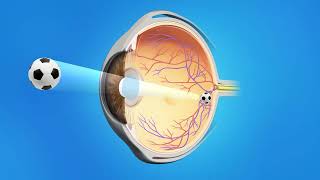
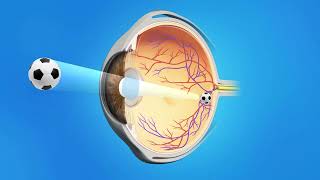
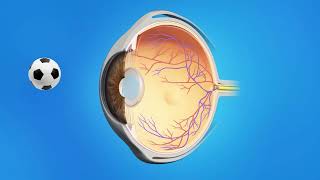
Cataract surgery is a very common procedure. This is when your eye surgeon removes the cloudy natural lens from your eye and replaces it with an artificial lens. Normally, the eye's lens is clear, allowing light rays to pass through and focus as they should on the retina. As a cataract forms, the lens gradually becomes cloudy. As light passes through this cloudy lens, it cannot focus clearly on the retina and objects look hazy or blurred. Cataract surgery is usually done as an outpatient procedure so you can go home afterwards. Your eyes will be numbed with either eye drops or an injection of medicine so that you don't feel any pain. During laser assisted cataract surgery, your ophthalmologist will use a laser instrument guided by a computer. The laser is used to make small openings in the side of your cornea. It is also used to soften the cloudy lens's hard cataract tissue. Then your eye surgeon will insert a pen shaped instrument through the opening to reach the lens. This instrument uses a special type of energy to break up the center of the cloudy lens. Then it will carefully suction out the lens pieces. Your surgeon will then insert an artificial lens called an intraocular lens, or iol. This IOL will stay in your eye permanently. The new lens lets light pass through and focus properly on the retina, bringing back clear vision. Once the IOL is in place, your ophthalmologist will close the incision, either with or without stitches. After surgery, a plastic shield may be placed over your eye to protect it. The lens you will have implanted is called an accommodative lens. This IOL is designed to move or change shape like the eye's natural lens, allowing you to focus at different distances. With an accommodative iol, most people find they don't need glasses or contacts after surgery. However, some people may still prefer to wear glasses for long periods of reading or close work. If you have blurry vision from astigmatism, your eye surgeon might suggest doing another procedure during your cataract surgery. Astigmatism is when your eye is not round like a baseball, but more oval, shaped like a football. With a procedure called ak, your ophthalmologist might use a laser to make tiny cuts along the edge of the cornea. These incisions flatten the curve of the cornea. This helps correct the blurry vision of astigmatism. Your ophthalmologist will explain if this procedure is an option for you. As with any surgery, there are possible risks with cataract surgery Cataract surgery risks may include infection in the eye bleeding in the eye swelling of the cornea swelling of the retina retinal detachment where the retina lifts up from the eye wall. People who are very nearsighted are more at risk for this Pieces of the cloudy lens left inside the eye increased pressure in the eye drooping eyelid Seeing double Losing some or all of your vision and needing to have more surgery. The accommodative IOL may cause some side effects or problems Experiencing more glare Seeing halos or rings around lights at night Having vision that is less sharp, especially at night or in dim light still needing glasses for reading or distance vision Seeing double or ghost images Seeing a black crescent shape in your side vision and having the lens move out of position or need to be replaced the only way to remove a cataract is with surgery. You do not have to have a cataract removed. However, without surgery, your vision will probably continue to get worse each year. Millions of people find that cataract surgery improves their vision and their quality of life. If you have any questions or concerns about the procedure, ask your ophthalmologist. He or she will be happy to help you understand what to expect from cataract surgery. Also, if you have any questions or concerns about your eyes or your vision in general, don't hesitate to bring them up. Your ophthalmologist is committed to protecting your sight.