
John Deere Africa | John Deere Africa | Tech Terrain | Episode 12
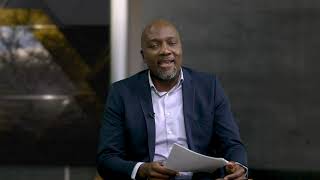
This is a YouTube video titled "John Deere Africa | John Deere Africa | Tech Terrain | Episode 12" published on September 11, 2020. The content is a recorded episode of the Tech Terrain show focusing on conservation agriculture and sustainable farming practices. The episode features multiple participants including host Tony Ndoro, Dr. Hendrick Smith from Grain South Africa, farmer Koki Shimimuko Walker, and representatives from John Deere discussing advancements in planter technology and its role in conservation agriculture. The discussion covers principles of conservation agriculture, farmer experiences, technological innovations in planting equipment, and maintenance tips, all aimed at promoting sustainable and efficient farming in Africa.
Foreign.
Hello and welcome to Tech Terrain. Good to have you with us as always. I'm Tony Ndoro. Now, we all know that some agricultural practices, whether big or small, can lead to severe soil degradation. That's why we're talking conservation agricultural practices that can lead to a more sustainable future, future for agriculture. We talked to Dr. Hendrick Smith from Grain SA to set the scene on this topic. We also visited farmer Kokemu Koka on his farm to share his conservation agriculture journey team. John Deere is back in studio and discuss the latest and greatest in planter technology and the importance of developing technology in line with farming practices. Remember to visit the Tech Terrain website regularly for bonus material or uploaded every single week. Let's kick off the show. So, as I said at the beginning of the show, we are focusing on conservation agriculture, how to farm sustainably. What is it exactly is the question I want to ask now. And that question I will pose to somebody who has a lot of knowledge in this particular sector. I want to welcome Dr. Hendrick Smith from Grain South Africa to the Tech Terrain studio. Doctor, are you well?
Yes, I'm well, thank you, Tony. Good to have, Nice to be here.
Good to have you with us. Let's start right at the beginning. What is conservation agriculture, Tony?
Conservation agriculture, called CA as well, is defined by a couple of principles. The first principle is to reduce the disturbance of your soil as much as possible because the moment you disturb your soil, you trigger that downward spiral of soil degradation. And you do that by moving away from practices like ploughing and disking towards minimum tillage or no tillage systems. The second principle is to cover your soil as much as possible with organic material. That means with either crop residues or cover crops, and that is to protect the soil against water or wind erosion and extreme temperatures and also allow water to infiltrate into the soil. The next principle is to bring in more biodiversity into your cropping rotation system. And that means we would like to see at least three crops in your rotation or and the inclusion of COVID crops to make livestock integration much more sustainable and to allow living roots into the soil as long as possible. Now, if you are able to apply and adapt these principles in your context or your farm, it has many positive impacts on the soil and the environment and your farming sustainability in general. We're talking about more stable yield, less risk, more resilience and more productivity.
Why is it important to integrate livestock?
We know that most crop farmers have a livestock component, but they keep the two separate. They keep crop systems separate from livestock, but we Say nature doesn't work like that. We say, let's put them together, but you need to make it sustainable. So in that way we say use the COVID crops, bring it into your rotation and bring the livestock with the grazing system into the cropping system on the COVID crops. And that impact of the livestock on the soil is very positive, but also on the risk and the profitability of the system.
Doctor, when you look at conservation farming as opposed to traditional farming agriculture, there must be a major paradigm shift that needs to be made. Are farmers changing?
Yes, farmers are changing, but like you say, it is a paradigm shift. It is a major jump from the one to the other. The one works actually against nature and actually causes a lot of damage to nature. And we say, no, we have to transform by farming much closer, closer to nature and with nature. And that changes the whole system from a really negative spiral towards beneficial, positive spiral of agriculture.
When you talk about the beneficial spiral of agriculture, one starts to look at your commercial farmers. But surely this also conservation agriculture surely must apply to small scale farmers as well.
Yes, it's definitely applicable and suitable for any scale of farming. We have a lot of small scale farmers farming on less than an hectare very successfully with conservation agriculture. And then small commercial farmers with small tractors and even oxen, you have implements and equipment and systems particularly applicable for that kind of system. So you can farm on any scale, from small to very, very large farming. It works perfectly.
Can I also implement this in phases?
CA yes, that's actually what we recommend. The first phase is always to get as much information and knowledge as possible. And of course, farmers are the big source. Other successful conservation agriculture farmers are the big source of knowledge and experience. And then also maybe trials in the area, other technicians, books, articles, magazines, Internet, YouTube, you get a lot of information and advice from that sources. So then the next phase would be to look at your soil and see if your soil is okay. Do you have any problems like compaction, soil acidity? You need to correct that as far as possible before you start. The next phase would be to look at your cropping system to try and design it properly. See what crops would you like to, could you have in your rotation system, maybe bring in cover crops, see how you can bring in livestock into your system. And then after that you can and you need to maybe access and purchase a no till planter, because that is what you need. And then you need to start, but preferably on a small piece of land, maybe 10% or so of your farm or your land just to reduce that risk. To, to allow yourself some space and time to build up experience, to exercise, to practice. Make yourself ready to scale out to the rest of your farm as you are capable of. And the last step is actually to work with other farms to join a study group or a no tall club and work and take hands, take the journey together.
It makes a lot of sense. What are the benefits here? Are there measurable financial benefits in the long run?
Yes, we recommend to measure as far as possible. Financial benefits are there, but you need to measure it. The profitability of the system needs to be measured as well as the soil health, biodiversity, water use, efficiency, etc. Etc. But the financial benefits are really key for most of the farmers. And you see an almost immediate reduction in input costs from only from fuel use, from the use of diesel from your tractors, and then also from overhead cost, the reduction of tractor maintenance, tractor hours, etc. And then over a period of three to five years, as you're so soil health starts to improve, you will see a reduction in input costs from fertilizers and other agrochemicals as well. So there's really major benefits from that.
And lastly, Doc, are there institutions or programs that farmers can join in order to get assistance to move over from traditional farming to ca?
Well, the best experts out there are the conservation agriculture farmers. So it's always best for farmers to learn from other farmers. So that is definitely advisable. And then there are a couple of other technicians, but not that much. So I would say join hands with other farmers, go to them and take the journey together and pull in some technicians who are available and have the capacity to work together and then take the journey together.
Okay, fantastic. Lovely chatting with you. Dr. Henrik Smith, thank you so much for coming through to Take Terrain.
It was a pleasure. Thank you, Tony.
All right, so now you know what conservation agriculture is all about. There are many benefits to it. And I suppose key to those benefits at the end of the day is that there are financial benefits associated to our conservation agriculture. Stay with us here on Take Terrain. Well, conservation agricultural farmers are often called shepherds of the soil. And farmer Kokimoka once said farmers must experiment with conservation agriculture on a piece of their own land and share their experiences with others. How true is that? Our team went to his farm to have a chat with him.
My name is Koki Shimimuko Walker. I've been here for almost 15 years on this farm. So this farm is under lease for 30 years. On the farm I'm doing mixed farming. That's Bieste which is cattle and also conservation agriculture. Climate change has affected us very badly as farmers. We no more dependent on the proper or usual rainfall, no more dependent on the usual winters and summers. Therefore, I've decided to go conservation way. As you can see the residues on this land. I've decided conservation way because I'll be. I'm saving a lot of expenses. You know, our production input cost is very high. Therefore I have to balance the whole equation. This soil, it's not our soil for now. We want to preserve it for the future and for our children. That is why I've. I've done it the conservation way. Therefore, issues of mechanization is very important, which means you are planter, your reapers, your boom sprays, they must be in order. Those are the challenges of conservation agriculture. It is very important that we do mixed farming because cattle also subsidizes your losses. Because now that the price of maize it's not even controlled by us, as compared even also to the input costs, we felt that we must put in animals and this animals, the animals excretions like the cow dung also help us to feed, fatten and fertilize the soil. Therefore, it's always good to have a mixed operation on conservation agriculture. Mistakes are always there, gentlemen. It's a learning curve. But I don't know how did I manage this. But I had a big heart the first time when I heard of conservation agriculture. It was almost 10 years ago. And this thing took me by surprise and I wholeheartedly wanted to do it. So the first mistake was that I did not have equipment, very good equipment. That is why I had later on had to go and buy a conservation agriculture planter. The first mistake was that I did not have a good planter for the operation. The weeds control. You must have weed management. How are you going to manage your weeds? Very important. You must have a program. Firstly, you take samples of your weeds during summertime and find out what kind of a wheat is this. Then you talk to the chemical guys who supplies you with chemicals. And you first apply it before you plant with a boom sprayer. And then later on, when, when your plants are at knee level, you come again and check what species are on your land. Then those are final eradication of your weeds. And it will help you that in future your weeds reduction is going to be very good. And ultimately, if your operation is successful, you'll minimally have weeds on your land. Our operation of conservation agriculture, it's all about rotation. You can't go, you can't be a monocultural list. No, you must change your operations. You must. And diversification here. What I'm changing and what I'm rotating, it's. I'm using sunflower this year. Let's next year I go for maize and the other year I go for soyas. The soya beans are very good in our operation because they bring back that nitrogen. And as you know, sunflower is more nitrogen and the maize. So I do crop rotation. There's no way that you can do conservation agriculture culture without crop rotation. I have study groups that I interact with time and again. So I encourage farmers. Let's form study groups, visit other study groups. I go to an extent that I go to Berville in KwaZulu Natal every year for information sharing with different farmers. And because there's always a conference week where all conservation agriculturalists come together and sit and share information. I've shared with them my experience here from Gauten. For what and how does it work? Heal the land, heal the people. It's the safest way. What we eat, what we put in our body comes from the land. So if what comes from the land is healthy, it's gonna heal us, our spirit, our nutritional requirements. That is why we must keep the land very safe and healthy so that we can reap healthy nutrition from it. The climatic condition forces me to expand mostly to animals. And all those marginal lands that I'm having, that other side, I've planted them already with the Agricultural Research Council guys from pastures, they are coming to plan. How can I best utilize those land because the yield potential is very low. Therefore, I want to do pastures for these animals so that I can balance my operation.
Max emerge 5e. Plant population and seed spacing accuracy improved by a singular electric drive that allows for greater curve performance. Improved uptime with central commodity system. CCS options available on selected models. Individual row hydraulic downforce IRHD allows for downforce adjustments per row unit for varying soil conditions. Can adjust 5 times per second and make adjustments of 45.4 kg in less than 1 second. Easy transport and storage with stackfall options available on select models.
So when it comes to conservation agriculture, there are many advancements, there are many changes and developments taking place. As always now, now this time around, I want to focus on planted technology and how John Deere is adapting to some of these changes that are taking place. Stefan, Nell and Jean Ello are here to talk to me about just that. Gentlemen, are you well?
Doing well.
Thanks, Tony.
Good. Fantastic. Okay, so as I mentioned right there at the beginning, Stefan, that there are Many changes, there are many developments. Talk to me about some of those changes in developments with within this particular sector. We're talking about plant technology here and how John Deere is catering to that. How is John Deere keeping up?
So Tony, I think aside from the pressures from the economy and the governments, I think climate change and obviously your planting window and your cost of operation, that's key things the farmers are seeing that they need to address. And we've seen a move towards conservation agriculture as we spoke about earlier in the show today. And that basically entails where people move to minimizing soil disturbance, applying zero till or minimum till practices. So you're going to need specialized equipment for that. We look at people planting cover crops in between the rows and then also the crop rotations. And that all is basically in terms of nutrients and the properties of a good soil health, about the water containment within the soil, etc. And then also with the speed that the people have in terms of the farmers have in terms of the planting, we know there's a lot of technologies that can help them to basically plant at a higher speed and be more accurate in placing your seeds. So with John Deere we've kind of listened to the customers, so we understood the needs, we developed the solutions and I think we spend about $3 million a day on R&D with India and Co. And that all to address these needs for the customers.
Okay, Jean, so there must be challenges globally, not just from an African context, but surely there must have been, there must be some successes obviously.
So Stephan talked about the challenges and so what we as deer has done is to come up with a solution, a plant solutions that address those challenges. So we have what we call seeders for small grains like rice and others. We also have planters that you can use to do crops like, you know, corn, soya and the rest of the. In addition to that, we also have our planting solutions will come with liquid and fertilizer options and then also comes when we make sure that we take care of farmers across the various value chains, so be it. A small farmer, you can come, you can get a planter that fits your operation, if you're a large one as well, you can get a planter that meets your operation to make sure that you're able to to plant within the window available.
Okay Stefan, let's get to the nitty gritty. What are the critical aspects or components that we can look out for?
So in general, when you select your plants or your seed drill for the smaller grains, as John Said there's a couple of points any farmer need to consider. So obviously it's about the seed population you want to achieve and at the speed that you want to be able to plant based on your timing and the planting window. And then obviously the choice of implement. And then equally important is your singulation, so making sure that you don't have duplicates or you have skips in terms of the seed placement, the accuracy of the depth of the seed to ensure you've got the right emergence. And then also very important is the pressure, so the pressure that you put onto the ground both when you're closing wheels in and when you're cutting it in the furrow for the seed to go live. So that's critically important for a farmer to look at these aspects and make sure that the plant he selects can offer that technologies to fit his needs. You can have manual settings and typical planters, but you can also get technologies where that can be hydraulically set per row unit from your cap, so that technologies do exist. And then very important obviously is also the Isobus compatibility so that you can get the data integrated into the system and able to set up. So if you need to have the right display on your tractor, that can talk to what you have on your plant and the technologies within your plant. So there's a couple of points any farmer need to consider looking at different technologies, the metering units and then obviously some of the components John mentioned, like do you want the central commodity system that will save you time from filling? Do you look at liquid or dry fertilizer, and then obviously the selection of your planters as well.
John, talk to me a bit more about the data integration, because I know that's a huge feature when it comes to John Deere.
Yeah.
So, Tony, we want to make sure that our farmers are able to, you know, optimize profitability to make the maximum profits from the operation. And so if you use John Deere combine, you're able to get data from the combine and then marry that with the data you have, you know, from your planter to be able to adjust how you, you place your seed to make sure that you reduce, let me say, the population, but then still attain the maximum yield that you can do. So that's still money, you know, coming to, to, to, to the, to the farmer's pocket, because you are, first of all reducing the amount of seeds you place, but yet you are optimizing your yield, more money for, for the farmer.
Okay, yeah, fantastic.
Steph, quickly add. So I think important to that Is John D. Has got the option called, called more tools within the operation center. And that's where the farmer can get his agronomist or his advisors in terms of soil scans, your prescription cards, and that can then basically integrate into the system the farmer has. So he can on the go as he planned, he can change the population he's seed. And with technologies that can happen within less than a second that you can adjust your seed population on the go. And it's very important to take that data. And then as you, as you spray, you capture data and then as you harvest, you kind of measure the success, you share the data again. And then when you come into your land prep and you're planting, you're going to utilize the data and make adjustments accordingly. I think that's the importance of having an integrated data network with your operations.
Now, of course, all this technology that you're talking to me about fits in with conservation agriculture, correct?
Yes, yes, many of that do indeed.
John just going forward, what can we look forward to in this particular space from John Deere?
Tony I think technology plays a major role when you're planting beyond having a very good soil that is healthy, having the right seed that is able to germinate and give you the maximum emergence. It's also making sure that you have the right planter, right? Because if you have all the variables right, your planter is wrong. I bet you, you go to your field and there is no germination. And so having the John Deere planter that gives you, that comes with the technology that gives you all of these, make sure that all of these variables, you know, make sure to make sure that the planter puts the seed at the right depth, you know, and ensuring the right compassion for the seed to germinate. I think those are the things that a farmer should look out for.
And also the critical here has got to be maintained. Maintaining this plant equipment that we're talking about isn't Stefan that's correct.
So before I go into the maintenance, just quickly want to add to the point here. So some of the technologies that John Deere has as an example is your pneumatic downforce that you can with hydraulics maintain the downforce on your plant. And per row unit, based on your soil scan, you would know and the depth of your seed. And then on the metering systems, you get options of hydraulic, you get vacuum, you get the old finger plant is more conventional. And then you also got like what we have in terms of electric drives. So. And that all depends on your Variable speed. So you can vary your speed, but your placement and your accuracy, distance between your seat placement will not change. So that's some of the key technologies I know. Maxi Merge 5e is an electric drive system that John Deere has introduced. Maximerge is something that we also have available in other parts of the world. That's coming our way as well.
Just to add on, I think we also have the, you know, the Pro. The Pro drive. Yeah, the Pro. The Pro shaft drive, which, which you know is. Is a unit, you know that compared to the conventional one, which requires a lot of maintenance, this is. It's a self maintaining unit, you know, which makes the farmer saves a lot of money in terms of maintenance.
Yeah. So that comes into the maintenance piece. Right. So the pro shop drive doesn't have chain chains that you need to lubricate and replace. So important on maintenance, I think one of the most critical things is your pre season inspections and making sure before you start putting your planter into the field that you've done at least a pre season inspection. So we've recently launched a campaign as well where we offer that the customer can go to the John de Parts catalog online. He can identify his part numbers, he can order it, the dealer will deliver it to him, or you can go and fetch it, whatever you choose. And then he's got the option to actually put that himself on his planter so there's enough guidelines to help him to fit those components. Or he can have his dealers technician doing that. So that pre season gives you the readiness. So when you've got the planting window, then you know you're in the field and you don't. And you don't stop. Lubrication point is critically important. And then also cleaning and storing the plant when you don't use it. So making sure your fertilizer bins are cleaned out, your plant is properly washed down, it's undercover when you store it outside. So all of that can set you back if you don't maintain it properly.
All right, gentlemen, I can see you're very passionate about this particular subject. And we can talk about this for hours and hours, but we just don't have the time. But thanks for coming through to Tech Terrain.
Thank you, Tony.
Okay, there you have it. So if you're into conservation agriculture, John Deere has got you covered. They have all this amazing technology, but also will make sure that you are farming in a sustainable manner. Well, thanks for joining us for this episode of Tech Terrain. Join us next time when we focus on high value export commodities. Don't forget to go to our website Techterrain Co Za for bonus material uploaded every single week. Until next time.
Bye bye Sa.
More from Francisco




Desh Ke Superhero | Mr. Madhava Rao | Faster Pole Installation with GreenSystem™ Post Hole Digger



En CasaToro John Deere encuentras el respaldo que necesitas para mantener tu maquinaria lista



