
John Deere Africa & Middle East | John Deere Construction | John Deere ADT Accelerate
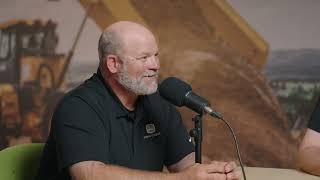
This is a YouTube video titled "John Deere Africa & Middle East | John Deere Construction | John Deere ADT Accelerate" created in June 2024. The content is a detailed discussion among multiple speakers, including Matt, Corey, and Jake, focusing on the features, improvements, and benefits of John Deere's articulated dump trucks (ADT) in the African market. Topics covered include fuel efficiency, payload capacity, truck design, operator ease of use, maintenance, and the integration of technology like the Operations Center to enhance productivity and durability on job sites. The conversation is technical and promotional, aimed at showcasing John Deere's innovations and customer-focused engineering in construction equipment.
Gentlemen, welcome in South Africa.
Thank you.
Thank you very much. It's great to be here.
It's great to have you. What, what stood out so far? What's a few highs and lows? Or is it only highs and highs?
It's been so far, it's been a great trip. I mean, when we got here, flights were good, so I can't complain about that. And basically the first morning, we stepped on a job site where we helped the John Deere team down here in South Africa start getting ready for a big dealer training and customer event. So that's been pretty awesome to run machines in a different part of the world and meet all the people supporting that.
Absolutely. It's been amazing working with the dealers and customers here in South Africa and understanding some of the challenges that they deal with and how they overcome them. And it's been, it's been great for us being here.
Anything that stands out in the South African market that's unique, or is it same old, same old in comparison with the rest of the world?
No, I mean, I think I'm impressed with the amount of folks that do know John Deere and know the systems and some of the solutions that we have, probably some of the. Technology adoption is one of the things that. We had quite a few conversations with several of the customers on payload scales, some light areas with grade control and different things like that. And finding the acceptance of those solutions down here too, was pretty impressive.
And I do think the similarities are amazing. You know, when we talk to the customers throughout the last week or so, there's so many common things. Right. I mean, everybody wants to be able to get in, do the job quickly and efficiently and be profitable with it. And everybody's looking for a lot of the same things out of their machines. They want machines that, that run, that take care of themselves and that are easy to use. And, and that's everywhere we go. So it's. It's interesting to see the similarities also between human here in South Africa and back in the United States.
It's about making money, baby.
Absolutely.
Let's talk about redesign. Dump body. It's wider. So what, what are the benefits?
Yeah, so the wider dump body is going to allow for that material to sit in that back of that bin a lot better. And we put sloped sides on the edge as well. That helps capture that material to the inside of the truck. So when we're traveling across the job site, any movement we get in that's going to help keep that material contained in the bin versus potentially Falling off the sides of the B.
So other than falling off the sides is the fact that it's more stable inside. Does that have an impact on the machine?
Yeah, I mean, the weight and balance on this truck, with some of the redesigns and where we took the weight out of and put the P chair trucks as well.
And is that 7% saving? Is it predominantly through idling? Is that where the saving is or it's just the combination of everything?
Yeah. So that's the aggregate total. And what I mean by that is it looks at, you know, when the truck's sitting idling, waiting to get loaded, and it also looks at when it's driving or hauling the material. Now, we also took a significant amount of weight out of this truck. So if you think about removing 500kg from the empty truck weight or the bare truck weight, that's less weight that we have to haul when we're heading back to get reloaded. And all of that plays into that fuel improvement or that fuel efficiency gain that we're seeing.
And what is. I mean, just to. In layman's terms, 7%. Is that significant?
It sure can be. You know, every. Every customer is going to see a different fuel rate or a different fuel consumption rate, and it's all based on their. Their application. So if you think about the terrain you're in, whether you have really steep hills that you have to climb, or maybe you have really soft underfoot condition, that's going to take more horsepower to keep the tires turning. But either way, you're still going to see some significant fuel savings.
The fact that you've got that 500kg, for example, it's lighter. So again, impact.
So every application is a little bit different. Where you're going to see bigger changes is when you're. When you're loading from the ground. Okay. Because now all of a sudden, every little bit of lift height on that, on that boom, whether it's an excavator or a loader, is going to make a bigger impact. So.
And with the new side rail design that's flat across the sides, the operator of, say, a loader for sure has the same approach, no matter if it's at the front of the truck or the back of the truck truck. And on our loaders, we even have features like boom height kickout, so you can set that consistently every time, pull it back, automate for the operator so they know how to approach the truck effectively and then like Corey said, save some time every cycle to keep that truck moving.
It sounds the, the One word that it's critical is this the system. Right. Because it's not just about the truck, it's how it affects the. The rest of the operation.
That's right. So trucks don't load themselves. So we always have to think about that load tool. Now that bin is also wider. Okay. And if you think about the excavator operator that's maybe sitting on a bench swinging over to that truck, the wider we make that target for that excavator operator to hit, the less they have to focus on hitting a small area. Okay. So now it's all about cycle times. So as that excavator operator loads that bucket and swings over the side of that truck with a larger target to hit, they can come in a little faster and be able to place that material quicker. Once again, all about the overall cycle.
Time of that system and approach it from any angle.
That's right.
So obviously we're reducing spillage because the target is bigger, but also the fact that where there is spillage, the impact on the tyres, what are the benefits of that?
Yeah. So I mean, we put a lot of different types of material into the back of a bin. It could be rock, it could be dirt, it could be slurry, it could be mud. You can have impacts. If you have the jagged rocks dumping on the tires for tire damage or, or even to the point of material dumping out of the bin, it's going to make your haul roads rough and bumpy. So now you have to add in the aspect of a haul road maintenance. So that's another machine that you have to regularly keep through there. Because the productivity of a dump truck relies a lot on the quality of the haul road. The smoother the road, the faster they can travel. They can get from point A to point B and get their material moving.
So it's actually, it's fascinating. So the fact that the material can damage the road, as simple as that. And again, it affects the system.
Yeah. And the other side of it too is if you think about, you know, you mentioned a hauling rock. So let's say we have a rock that's sitting on top of that bed rail or the bin rail as we're going down the haul road, if that rock were to fall off and catch a tire, now it's going to get propelled usually forward, which means you have the opportunity to break mirrors and glass. And that's something that we definitely don't want to do, especially on regulated job sites. Broken mirrors is a huge deal. So everything we can do to make that bin act like a larger, bigger fender to protect the tires, to protect the haul roads, and also to protect the glass on the machine from applying objects. Is definitely a huge improvement.
Massive savings.
Absolutely.
So these trucks are more fuel efficient, but crucially, it does not impact power. How's that possible?
Yeah. So maybe I'll start with this one, Matt. When we transitioned from the e trucks to the E2 trucks, there were a lot of attention paid to the performance of the engine, the transmission, and the overall truck system. What I'm saying is that the engineers paid a lot of attention to the parasitic load or the windage inside all of those different systems. So if we think about how the truck just sits and idles, the engines turning, which is turning all the gears in the transmission and all the hydraulic pumps and all of the other auxiliary components that are associated with that truck, and they really looked at streamlining the efficiency of each one of those systems to make sure that when the truck just sits and does its thing, it's not using extra energy that it doesn't need to use. So we were smarter about how we use the windage and the efficiencies of the whole system and how we tailor the engine to react to those different systems. So it's all about really going down to the control of the nuts and bolts of the base of the machine and making the whole system be more efficient. Now, when you start transporting, when we think about trucks, you know, we. We. We need to get up to speed quickly. We need to haul the material at whatever speed. We can control the, you know, the machine and be safe. The faster you go, the more windage and the more inefficiencies you have in your.
Effectively revving the engine.
I mean. Exactly. So between our transmission engineers and our engine engineers, they work together to make sure that we have the right horsepower curves, the right torque curves, the right fuel delivery to the machine, and we can control the acceleration of the engine and how the rest of the systems can get up to speed as well. And a lot of that was done by communicating between the engine, the transmission, and then the rest of the powertrain.
Yeah. And, I mean, we get into some of the setups of the machine that pair with that, and that goes to just our normal driving mode that we have. We're around 7% more fuel efficient than we were with our e series trucks into our E2, which also reflects into our p tier trucks as well.
And is that 7% saving? Is it predominantly through idling? Is that that where the saving is, or it's Just the combination of everything.
Yeah. So that's the, that's the aggregate total. And what I mean by that is it looks at, you know, when the truck's sitting idling, waiting to get loaded, and it also looks at when it's driving or hauling the material. Now, we also took a significant amount of weight out of this truck. So if you think about removing 500kg from the empty truck weight or the bare truck weight, that's less weight that we have to haul when we're heading back to get reloaded. And all of that plays into that fuel improvement or that fuel efficiency gain that we're seeing.
And what is, I mean, just to, in layman's terms, 7%. Is that significant?
It sure can be. You know, every, every customer is going to see a different fuel rate or a different fuel consumption rate, and it's all based on their. Their application. So if you think about the terrain you're in, whether you have really steep hills that you have to climb, or maybe you have really soft underfoot condition, that's going to take more horsepower to keep the tires turning. But either way, you're still going to see some significant fuel savings.
The fact that you've got that 500kg, for example, it's lighter. So again, impact on tires, saving degradation, all the rest. I mean, that's in itself also savings that are generated.
That's right.
So, Corey, you mentioned the 500kg lighter, but that could potentially create a bad perception that lighter is not necessarily better.
Yeah, thanks for asking about that. So when we took the weight out of the machine, maybe I can back up just a little bit and talk about that transition from E to E2 or our E Series 2 trucks. And now onto our P tier trucks. Our engineers went through the E truck with a fine tooth comb and they looked at every single part on that truck. And what they did was they paired it back to what we're seeing in the industry. If there were any failures, where those failures were. And we also tried to put our best foot forward with our engineering tools, which means we're looking at where the stresses and strains are in the frames and the structures and the major components. By doing so, we were able to be smarter about where we put the material and where we could take a little bit of material away. So now instead of making a plate maybe twice as thick as it needed to be, because in one area we needed that extra thickness, now we're actually making the material thick where it needs to be, and we're lightening it up in Those areas where we don't need to have that extra stress.
Sounds like precision Ag it's very much like that.
It's about putting the weight where it matters and being smarter with the steel and using it to make sure that we can make an efficient truck that's going to stand up and be durable and reliable down the road and really.
Tie in all of those updates to the entire truck. Right. So it's the frame is lighter, the bin is bigger. We transition all that into a full redesign of even the articulation joint, which is a big piece of that truck, making sure that it's with when you put the right maintenance and right efforts into it, that should that system is going to last with that truck and make sure that whole system is running together.
So all in all, it's a win win.
It is. It really is.
All right, so payloads much bigger. I mean more productivity. Tell us a bit more.
So let me start off with this one just a little bit because payload capacity, some of these drive modes settings that we have in this. We have a system also on kind of on the outside of things called operations center. Operations center collects all of this information and can be viewed at the customer level, at the dealer level to, to help look and be proactive and kind of see how this truck's running, how it's configured, are there settings we can turn on, turn off to make sure it's being as productive as we can. And things like payload is. Is an item that is in that operation center. So you can look at a daily, weekly, monthly, whatever time frame you want to do and see what payload opportunities are happening in the truck, which trucks are maybe idle, which trucks are running heavier. So you can manage your job site as a whole when and looking at that individual truck and how it's set up and then having that payload system on the truck itself helping track are we overloading trucks, are we underloading trucks? How are we going to manage our fleet? Do we have enough trucks in our fleet to make sure that we're moving enough material for what productivity numbers we need to have?
So again, it's the operations center that's really the heart of where the real opportunities and productivity is increased. I mean I'm thinking preventative maintenance route efficiencies, all these things. And of course payload absolutely gives you.
A look into real world data on what that truck's accomplishing, which is no better way to run your business. And with data, what is the I.
Want to especially with. I mean historically in construction and mining it, you Know, the philosophy was we drive it till it dies and then we buy a new one.
We.
Right. So the impact of preventative maintenance, for example, with the operations center, I mean, that must be a significant money saver for customers.
Yeah, it's a huge impact. I mean, especially with costs. The way that they are being able to be preventative or on top of it. We can set up things called expert alerts. A lot of the dealers are also tracking these items to see that it's there so that we're staying ahead of that and being preventive and pairing that with the easy daily checks. And it's going to keep that truck up and running, up and going. Especially on a lot of these bigger pieces of equipment in the ADT production class, equipment class that we, that we talk about. There's a lot of cost that goes into those machines and they want them to run for as many hours as they can and potentially get to a point in its life where maybe they're going to relive or rebuild some of those components. So that that maintenance and being able to keep track of that data is a big for today as well as what that truck's going to do tomorrow.
Absolutely. I mean, it's all about getting the most out of that asset. And when we think about these trucks, you know, they don't make money when they drive around empty and you know, to kind of build on that productivity side of it. That's why so much attention was made around the dump body. Because on a truck, that's the business end. Right. And the easier you make it to load, the faster you make it to load, the more you retain the material in it. You know, when we think about the sloping of the, of the side rails, the wider lower bin rails, the tailgate options that are out there, all of those things make it. When we put material in that truck, we want to make sure we get it to the fill site, we get it out of the truck quickly and we get it heading back as fast as we can to be loaded. And that's where the productivity really comes from.
And making sure you've got enough trucks.
Absolutely.
So what's interesting, I mean, with Deere, the operations center is a given. I mean, with a lot of other brands, it's a third party operations center that's utilized or has to be integrated again. That's a big difference and benefit.
Yeah. I mean, having operations center is our owning it for ourselves. It allows the dealers to be tied in. They're able to, when the customers wants them to track that truck, track that fleet, look at those maintenance items, even the productivity items, they can look on there and see that they're not using a feature that's going to benefit them and maybe go have that conversation and say, hey, if you turn this on, this is going to help you in X, Y and Z make that truck more productive, make your operator more comfortable, and really take it to the next level. On productivity.
I think it's a great way also to show the partnership between not only deer and the customer, but Deere, the dealer and the customer. And when we think about OP center, that brings all of that together to make sure that that customer is fully supported in every way, shape and form that we can support them.
And it's that productivity that's key.
Absolutely.
That's the beauty of it. No surprises.
And really, on top of that, the dealers have technical assistance and then we also have DTAC or our technical assistance center at our factories. So if it makes it from the customer to the dealer, and the dealer needs that assistance, that's where the John Deere team can also come in and support and like Corey said, brings the customer, the dealer and Deere together. And then operation center is kind of the hub on being able to track and look and see where things are to keep that machine up and running.
Deer911.
Right.
All right, let's. Let's talk side rails. What's different? Why? What are the benefits of that?
Yeah, so the, the bin side rails are level. Our previous model and E trucks, they sloped from the front to the back of the truck, which meant there was a different loading height. If you were loading on the front of the truck versus the back, why.
Was it like that originally?
So maybe I'll take that one. Originally the trucks had a slope to them mostly because the material was designed to be carried further forward in the truck. And if you think about how material, how it slopes just naturally as you place it into the truck, we wanted to try to bias the load closer to the articulation joint or the front of the bin. And there's a couple of reasons why early on we really wanted to do that. One of them was because without tailgates, the more you keep the material towards the front, the less spillage you have on those haul roads. Okay. And then the other part of it is in the front of the truck is where you have more, once again, load area. So when you think about putting that material in, it's a bigger target to hit up towards the front of that truck.
And more balanced load gives you More in the middle.
Then it also gets that weight transferred up to that front axle. So when you think about maneuverability or steering, the more weight you put on the front axle, the more steering control you have. Redesigning this whole truck and going to that wider lower dump body, we don't necessarily have to force that material up into the front of the truck. Now we can place it uniformly into that bin and still have the weight transfer to the front axle so we maintain really good controllability and traction. And you know, when you think about those softer ground conditions, dispersing the weight over all of those axles helps us stay above the soft underfoot. And it also helps us keep that truck rolling so we don't end up getting stuck.
So the traction elements.
Yeah. So while we, you know, we talk a lot about the changes to the bin, it doesn't just impact the bin, it impacts the entire truck.
It's the balance. It sounds like motorsport, right? It sounds like it's balanced and you've got the traction. So again, absolutely. So what do you have statistics as far as trucks getting stuck in the mud?
Every. Every job site, every application is a little different. So, you know, some contractors, when the ground gets soft, they'll shut it down and wait for it to firm up. Others don't have that luxury where they have to work whether it's raining or not. And if it is soft, they have to find a way to power through it. And there's a ton of features built into these, you know, the E2 or the P tier trucks that you're going to see help with those softer underfoot conditions and try to help eliminate getting stuck.
That's a. That's fascinating. So again, it's just a matter of. Yeah. Not getting stuck to increase productivity.
Absolutely. There's sometimes, if you try to move material when the ground conditions aren't conducive to moving material, you can actually, even though you think you're progressing your job, it can make it go the other way. And what I mean by that is if you're trying to force dirt to the right locations and really soft ground, now you're causing ruts, you're tearing stuff up, you know, ground wise, you're disturbing your grade. Your haul roads start getting rutted up to where you have to slow your trucks down or you have to bring in more equipment to maintain or repair those haul roads. If it's so soft that you're getting stuck, a lot of times the machine that's loading you is also struggling. And then in some of Those cases you're going to get material that just sticks in the bin because it's so soft anyway. So while you think you might be making your project move ahead by forcing it into some of those wetter environments where the ground just can't handle it, you're further ahead to just stop and let that material firm, back up and dry out and now be back efficient as you start moving that material again.
So again it's indirectly impacting the haul roads, but it comes back to the operations center. It's making sure that you know what's going on or the fact that you can measure it, that it wasn't a good idea to start hauling even though it was muddy. So again, does the operation center assist with, with making those decisions that rather switch off the engine and wait for, for the soil to, to dry out?
Operation center is going to more focus on what, what could be done to make the truck productive in that wet situation. Were you running your diff locks? Were you running the right drive mode? Did you have the machine set up that properly way? So if you had a concern of slipping or getting stuck, different things like that, we can go in there and say try these three, try these two things and it will help you better in the conditions that you're in.
It sounds like there's a, there's a bit of a science around. I'm going to come back to the all roads, right? It's, it's, there's, it's, it's. And I might sound ignorant, but it's like people don't talk about the roads. I know South Africa is about dust control. Everyone talks about dust control. But, but the fact that you know this, this road rips the, shakes the truck into pieces, all the rest is, is not really brought into the equation that often.
I mean think about yourself driving down a normal road and when you're in your truck and you hit a pothole, what's that feeling, right? All that bouncing around. Now think about being in a dump truck all day long with a whole bunch of material behind you and hitting several of those all day long, hour after hour. That's a lot on the truck and it's also a lot on their operator. So it can wear them down as well, which is where the haul road maintenance can be just as important as moving the material on the job site.
And again they tie it more mistakes, etc, etc.
Yeah, the other thing too, you know, we talked a lot about the bin rails and how we've, we've lowered them, we've Widened them, We've made them parallel to the ground. We also changed the front wall of the truck of the dump body. We made that larger to add more protection to the articulation joint, which is also important too. So if you think about that excavator that's going to swing over that truck and place that material by making that front wall larger and more protective, we don't have to be as careful coming in. Right. So we're able to come in, swing, dump, get that material in the truck and be back out of there. And we're going to provide protection to the articulation joint and the area between the back of the cab and the front of the bin. And that helps when you're loading it, but it also helps if you think about maybe going down a steep hill and trying to retard the machine or slow the machine down. We don't have to worry about material sliding forward in the bin and coming over that front. That front sheet either.
Yeah. I think the other thing that's really cool about our trucks is the fact that all the features we design have a purpose. But the features we designed into this truck have a purpose for the other machines that they're working with.
That's right.
So we've made a bigger target for the excavator, an easier loading target for the loader. All of those things coming together. So the features with a purpose on our truck help the entire job site out. Not just the dump truck itself.
The system.
The system. It's all about the system.
I love it. Love it.
Yeah. So when we went and redid the bin, we also looked at the tailgate itself. Because if you're going to spend the effort to put the tailgate on there, you want it to do a tailgate's job and hold that material in and not have anything sneak out around the sides or through the. Through the lip. And again, that comes down to productivity. We put the material in the bin. We want it to stay in the bin until we dump it at its desired target. And we don't want that material dumping out anywhere else in our system to cause ruts, cause bumps for the truck while they're. While they're working throughout the day.
Yeah. So, you know, we talk a lot about the. The looser material, you know, whether it's a very slippery mud. Right. Slurry material. The tailgate definitely helps with that. And I think where Matt was kind of going, it. It doesn't mean that we have to be in that kind of material to make a tailgate make sense. So just adding a tailgate to a regular machine that maybe is hauling rock or stone or whatever, it allows us to fill that truck more efficiently, which means we can put more material in it to make sure that we utilize the full area of that bin. Now, when we think about going up and down slopes, once again, if you're going up a steep slope and you're pulling it out of maybe a quarry or a pit, now we're going to keep that tailgate, is going to keep that material from rolling out the back. Which means the goal for every dump truck is to get filled and get everything that's in the bin to the dump site and get everything out of the bin at the dump site and get back to be loaded again. Tailgates are another tool that we have with that truck to make sure that we get the material where it needs to go quickly and efficiently.
Do you have a number historically of how much wastage or spillage takes place.
So that we actually looked at a little bit. And it varies once again, based on the material, the job sites, whatnot, but usually you can see somewhere between a 5 and a 10% increase in what I'm going to call the effective capacity of the truck, which, which means when you put the material in, keeping it in there and getting it to that finished job site, again, it's significant. It adds up over time. If you think about the number of passes or cycles a truck can make in a day, that can have a huge impact on your business.
So why is there a tailgate at a football match? How does those two things tie in?
Well, that's a great question. We should do some research on that.
We should.
You don't know if we could start.
Bringing our dump trucks to a tailgate at a football game?
There's a marketing act angle, stronger engine. We talk about eco friendly and all the rest, but again, it's eco friendly. It's not necessarily equals power. So what's, what's different?
So I think starting on that, let's start with what the operator can do. When we went to that E2 truck. Now the P tier trucks, we simplified the inputs for the operator on our sealed switch module or the buttons. Because again, we mentioned this is a lot of times that first job for these operators on the construction site is in the dump truck. So we have drive modes and then our engine retarder setting that really help them set themselves up for success on the job site. And I think the first one we'll hit on here is the drive modes. So Normal mode, which is when we're just running the truck, and that's the one we mentioned, has 7% more fuel economy than our previous models. And then you can go to eco mode or. Or traction mode, depending on how your job site set up. And again, these can be switched on the fly. They can be set up per operator by an operator code that's in the background so that operators don't have to change their settings at shift change. They just put in their code, and it's configured the way that they want to. But looking at the drive modes with eco and traction, starting with traction, it kind of follows to those job sites we talked about earlier that are slippy, slippery, sticky. That kind of material. When we have traction mode on that truck does all the work. So when we get our truck filled and we go to start off, it'll start off in first gear. It'll engage all of our differential locks. Once the machine knows that it's going fast enough and has the traction, it'll turn off what it needs to so that operator can keep driving. So it takes all those manual inputs away from the operator and lets the truck do the work there.
You mentioned originally it was that there were 10 options or settings. Now you've got three.
So three drive modes. And then on the engine retarder, we used to have 10 different settings we could put for that, and now there's three. Because, again, we want it to be simple for the operator so that they want to use the feature, and that's easier for them to understand. Low, medium, high, versus 1 through 10.
So again, it helps coming back to the system. It helps with the training, retaining of your operators, and again, less mistakes, optimal.
Productivity, and maybe just to build a little bit on the eco mode side of it. So with trucks, eco mode's gonna work a little bit differently. And what it does is it looks at. You know, I mentioned earlier about how John Deere power systems builds our engines for us, and they know how to dial those engines in for both power and torque and acceleration. So when we engage eco mode on that truck, it's not gonna take power away from the truck. It's gonna be smarter about how it accelerates the engine. So instead of maybe making it take off very aggressively, it's just going to dampen that out and give it a little more time to accelerate the engine, the transmission, and all the mass that's in that truck. And by doing so, that's where you're going to save even more fuel. So it's just going to temper the truck down a little bit, make it a little more relaxed, and you're going to reap the benefits of saving fuel.
And that's fascinating because I know for a fact that especially with IoT companies looking at efficiencies on the trucks, it's the acceleration.
That's. Right.
That burns so much.
Absolutely.
Fuel just being aggressive out of the blocks where you don't need to be on a construction site.
That's right.
And kind of another part to that eco mode thing, too, is it's depending on how your job site's set up, when trucks are waiting, that's also time that they're just sitting there. So eco mode might come in handy to that point of maybe slowing some of those trucks down right out of the gate to get them going to their dumping position, so when they come back around, they're ready for another fill versus having three, four trucks stacked up in line waiting to be filled.
Very good. And again, operation center, that. That whole, again, the Iot of things. Right.
That's.
That's the. The beauty of it. The engine itself is more powerful. Why?
Well, you know, I don't know if I would necessarily say it's more powerful. We're smarter about how we use the fuel that goes into it. And once again, it all comes down to tuning the engine and the transmission and the whole system together. So making sure that we have our shift points right on the transmission to make sure we're shifting when the engine's at the optimal speed and that the gear ratios or the steps between those shifts don't throw too much load at the engine or not enough load at the engine so we can be smarter about how we use the fuel that's going in it to make sure that that truck stays efficient and productive all day.
And it's. It's about the whole system in the truck. Again, the engine paired with the transmission, they work hand in hand. And that's where our, you know, features like shuttle shift come in, where we've made the shifting extremely smooth, extremely effortless, and you can be hauling in your highest gear forward and just tap reverse, and the machine will do the thinking to downshift as it needs to shift the transmission it needs to and kick it in reverse. So we're protecting that engine and transmission system as well. But then by having that nice, smooth shift for the operator to utilize as well.
Is this all in house technology R and D, that. That's developed by Deere.
That's right. So our engineers work very, very hard at making sure we have the right components designed, tuned, and set up to work with each other. And that's one of the huge benefits you're going to see across all the different Deere products.
Yeah, and the other thing we take a lot of pride in is the voice of the customer. So we have what we call customer advocacy groups, where we bring in groups of customers and let them help us walk through these. Any of our machines. We ask them, here's our new feature, here's our new item that we have coming out. How would you use it? Do you like it? We take their feedback in and we put that into the design of the truck. So that's where some of the things like the new bin styling came from. These drive modes, simplifying the retarder. A lot of that came out of those customer advocacy groups. Back to engineering, put back into the truck.
That's a fantastic angle. That's the way it should be.
Not.
Not figure created. And they will build it. They will come. No, they will tell you what you need to build.
Well, also too, maybe to add just a little bit to that with those customers, we want to make sure that the features and the benefits that we're building into these machines and actually have a purpose for them. Right. We want to make sure that we're solving a problem that they have or a pain point that they're dealing with, because it doesn't do you any good to develop a new feature. Just to develop a new feature. We need to make sure that there's a purpose behind the development of that feature to make sure that it's going to impact our customers. And we always want to make sure that we close the loop with our customer to make sure that it's doing what we want it to do.
And I think that's where you see a lot of what we put into our machines, and especially in the trucks now is that productivity, serviceability, all of these things that are going to help uptime, keeping that machine running and making it productive. So by utilizing the feature, looking at it in operations center, putting it back into the performance of the truck, that's where you really start to move the needle when you're putting a John Deere machine on your site.
So if you can highlight three points, maybe two, depends how hard it is. What differentiates deer from the opposition? You know, we're talking about all these benefits, you know, what, what the Deere machine looks like. How does that differ from the opposition?
I. I think going back to that customer advocacy group and putting the voice of the customer into our Machines is a huge differentiator. We want to make the operator comfortable. We want to make it simple for the operator so that when we have these features that are designed with a purpose, they're getting used to. Because if the feature's on that machine and it has a huge advantage, but the customer doesn't know how to use it, they're not taking full advantage of that machine. So making it simple, making it comfortable and making it easy to service are probably some of the top things on really all of our equipment.
I think if I were to sum it up, what we've done with this latest generation of truck is we've looked at performance, making sure that we have a truck that performs very well and that it's very productive. We also looked at making sure that it's easy for the operator to use. Right. We're trying to eliminate the operator from needing to make decisions and let the truck handle more of that in the background so that they can just get in and focus on getting material moved quickly and efficiently. We've also looked at the, what I'm going to call the operating cost of the machine. So making it easier to maintain it so that the truck lasts, making it more fuel efficient, being smarter with where we put the steel on the machine to make sure that we can haul more payload and get that material maximized to the dump site. And lastly, making the truck last. If we think about reliability and durability, that's probably the most important part of this last update that we've done to the truck. It's making sure that the transmission takes care of itself. Making sure that our axles are designed to handle the application of an articulated dump truck and that it can handle the duty cycle of the diff lock applications or the braking or anything that's associated with what a truck does day in and day out. And to me, this is something that I'm really excited about. What our engineers have done as they pieced all of these different components together and put a solution out for our.
Customers that just increases that shelf life at the end of the day of the product.
That's right.
That, that's, that's where the real savings are.
Right.
Transmission, retarder mode. I mean, big deal. This is unique. Massive impact on, on the brakes. Right?
So yeah, so like mentioned before, when we had our each series trucks, we had 10 different modes on there to select from that from highest to lowest. Now we have three. Which really simplifies how an operator can use this tool in the truck. And what it can do is it really helps you eliminate or reduce significantly the need to use your service brakes. If you know your job site, where do you need to stop before you pull? Provide a backup to a pile or to a dump site. You can set this up and the truck will bring itself to a stop. And then you can use the shuttle shift and just flip it into reverse and bring it right into reverse at the same time. To simplify it for the operator and protect all the systems that the machine.
Yeah. In the past, the operator would have to change the setting or increase or decrease the amount of retardation that the transmission was going to give them whether they were loaded or unloaded. And now with the new updates that we've done to this truck, the system's smart enough to know that we can turn the level of retardation down when we have an empty truck, and we can turn it back up all automatically when we have a loaded truck. So now the operator doesn't have to constantly make those adjustments. Once again, it's just making it easier for the operator to get in and not have to make decisions about the proper way to set that truck up.
What I find fascinating is how did you guys get to a point where transmission is almost, I would say, cheaper than the disc brakes? Right. So it was historically, no, stay away from the clutch, let the brakes do the work. Now it's the other way around.
It absolutely is. And the less we use the brakes, the more life we're going to keep in those axles. So if you think about, you know, your service brakes are integral to your axles or inside the axles, which means every time you use the service brakes, you're generating heat and wear material inside that axle. So the more retardation we can do with the transmission, the less wear material, the less heat we're going to put into those axles, the longer those components are going to last.
And we also have a way to set up on there with downhill descent that's also going to help an operator. So as you're say, coming up out of your ramp, you go find your position where you're dumping the material and you're coming back down the ramp. The machine, if you turn downhill descent on, depending on the slope that you're going down, the machine restricts the speed or helps you assist on that downhill side. So you're not going to freewheel or roll out down that. That hill. That's a nice safety aspect, as well as it's protecting the systems on the machines, helping not ride the brakes and create all that heat in the axles.
Which is the, the real expensive bit.
That's right.
End of the day.
That's right. It's all about making the truck last. We're, we're all about durability.
And increasing productivity because you don't have to maintain it.
That's right.
Laser maintenance. We, we talked about operator training, operator convenience or ease of use part of the gain and retain strategy. The cab has also been improved. What's new, what's different?
I mean from top to bottom, we really went through this cab, giving it really, to steal a line from Corey over here, a nice automotive feel. So when people are driving a truck, we are more familiar with driving a vehicle on the road. So when you get into that, that truck, we want you to feel comfortable with where the steering wheel is, where the brakes, where the throttle is, how you adjust simple things like lights and windshield wipers up on the, by the steering wheel. And then things like automatic temperature control are now in this cab. So instead of chasing the temperature all day long, you can set it at your desired temp and the fan motor will automatically change to keep that truck nice and comfortable. We've simplified the seal switch module in that cab as well so that there's less buttons to interact with. And those that you can interact with are the ones that the operator should do to help them better with the truck and even all the way over to the dump lever. So the dump lever on that truck, it has what we call auto dump. So by pulling back on that through past the detent, it'll automatically raise the bin, rev up the engine, apply the service brakes, and then by pushing it forward to do the same thing, it'll bring it nice and easy down. So the operator, again taking some of those decision pieces out of the equation for that operator and then all the way back down to what they're sitting on. So premium seat, air ride seat nice and comfortable to keep them ready to go for the day.
So another important part of that truck is the safety side of it. So inside that cab we've done a lot of things with safety. So whether it's the three inch wide comfort ride seat belt that we have, that actually lets a little bit of flex into that seatbelt for those operators or maybe they, you know, the site that they're on may require a four point harness, we also have that as an option. And all of this can get paired even with a system that we have that's called seatbelt minder, which is a green beacon that's on the roof of the cab. So that green beacon will illuminate when the operator has their seatbelt on. So even from across the job site, you can tell if your operators are wearing their seatbelt or not. Now that seatbelt minder is also tied back into OpsCenter, so you'll get a report. If you have operators that maybe aren't wearing their seatbelts, you can have a talk with them about the importance of that. So there's, there's a ton of great features in there. You know, the seats, like Matt mentioned, they're now leather trimmed, high back, extremely comfortable seats, plenty of support, with all kinds of options built into that as well. So it really is a great place to spend your workday.
Yeah. And even down to the point of operator training, helping you get your job site set up, we have a buddy seat in the cab as well. So if you have a new truck driver that's coming onto site, you can safely put a second driver in that cab and show them their routes, show them what they're going to be doing on the job and do that proper operator training to get them up to.
Speed quicker, just hit the ground running.
They also look at this service end point or the service index point, which is where the operator sits and the shape of the. We target from the fifth percentile to the 95th percentile in terms of height and weight. So we try to make sure that the cabs can accommodate Everybody from the 5th to the 95th and pay attention to how they're seated when they're in the cab to make sure that they're sitting in an ergonomically correct position. We also look at the placement of the controls. So any what we would consider a primary control, which is a control that you touch and use to operate the truck day in and day out. We want to make sure that those are within a zone of comfort and a zone of reach so we're not overreaching or overstressing any components of the body. And then we also have another zone for secondary controls which would be like your radio, your H Vac controls, the things that you don't use quite as regularly. We make sure that all of those different controls fit into certain aspects or ranges of motion within the cab or the operator. So there is a ton of detail that goes into how those cabs are laid out and to how you know the operator is going to interact with those features.
Yeah, we, we put glasses on that can track your eyes, your eyesight and where you're looking. So then we can see when you're operating the TR truck, where are your eyes going? Are they going to the mirrors? Are they going to the sealed switch module? Are they going to the steering wheel? And if there's a heavy concentration of places they're going, we try to identify with a Y and making sure that we design the system around to accommodate why an operator is utilizing that area of vision.
And that's why I can get from 10 settings to, to three settings for ex, for example.
Again, yeah, it's, it goes back to the voice of the customer. What does the customer need or what can we provide them to have the most optimal machine on their job site?
Now, interesting thing, and we discussed it in the beginning, the 10% reduction in hydraulic grouting. I mean, that's actually fascinating. So elaborate on that.
Yeah, so you're going to see that across every John Deere product that gets released. Going forward, we're really going after what I'm going to call intelligent design. So making sure we're putting the components in the right places to make it easier to route the hydraulic lines and the electrical connections between those components. So on this truck, you know, the 460, the 410, both of those machines, we were able to take about 10% of the overall hose length out of that machine. So if you were to take every hose and stitch them together end to end, the hoses that would go into these new next gen trucks are going to be about 10% shorter, which means there's less likelihood of, of rubs or hose chafing where they may be vibrating together. And we've also reduced the number of connections. So when you think about the possibilities for leaks being drastically reduced because of that reduction of leak points or connections, and then also by eliminating some of that hose material, now tied to that is the routing of the electrical components. So now we're smarter about how we run the wire harnesses. And we also make sure that we retain the wire harness or support it, whether it's with a clamp or a band. What we try to target is every under 17 inches, we'll put a tag or a retention point. In most cases, it ends up being about every 11 inches. So that's one great thing we're doing there. The other thing that we do is with the electrical connectors, we make sure that we support every electrical connection. So there's never two wires that get plugged together that can bounce or shake and eventually break a wire. So we're being a lot smarter about how we handle the hose routing and the wire routings of These machines and.
Building on that too, is by spending more time putting components in the right location. We can even assist ourselves and our customers if there are items they didn't order originally from the factory for upgrade, pass down the road by having some of the wire harnesses to do that already in place, or easy connections to hoses for things like adding say, payload weighing on at some point in time, or adding on a factory integrated auto lube system, things like that, to make it easy not only for the purchase and initial setup, but some of those aftermarket items down the road.
So let's elaborate on the auto lube system. You touched on that.
So I mean, the nice thing about having the factory option for auto lube is it's tied to OP center, so. So you can have indicators on if it's, if it's working, if they're using it, which setting you have for the amount of grease you're putting into those joints so that you're having some intelligent control on maybe your maintenance items and different things like that. The other really nice thing is we still leave the manual grease point on those points that need grease. Because if there was a problem with one of the banks for that, we can still put grease into that joint. And we're not completely down if our auto loops are system goes out. But there are a lot of benefits to the factory integrated options because of that visualization through operation center, so that.
Measurability and management accordingly. So obviously exciting news for South Africa. We've got the 460, the 410. It's on its way. And why.
Yeah, it's really exciting news for South Africa to be bringing in that other model on the truck lineup in that 410. And really it comes down to putting the right tool in place for the job site that you're on. You know, different size trucks add flexibility to different materials, different job sites, different things that we're going to be doing. Because not all job sites are the same. So by us providing the new, the other model here, it gives more opportunities for different customers to gravitate towards the right size truck for the type of job site that they're on.
Do you have a unique situation where there's a 460 and a 410 on the same site?
Yeah, you can have that situation. I mean, you use the truck for what it's for. Or if you have two different halves or sides to your site, you might flex them from one side to the other depending on where the demand is in the material that you're running on that site.
So it just gives you more options to be productive at the end of the day.
And the really nice thing, if an operator's in a 460 and they're really comfortable with a 460 and a 410 shows up on their site, the cab is identical, all the features are identical. All the good things we can talk about are a 100% match for from a 410 to a 460.
It's a smooth transition.
The other thing that I'd maybe bring up, so we got to spend some time here in South Africa this week. And one of the things, when we were talking to customers that have 460s today, they've been extremely excited about the performance and the productivity of those trucks. And I think this 410 is going to offer some even bigger benefits to them. So when we think about maybe sometimes in those softer underfoot conditions, having a little less payload on that truck is going to help them with, with flotation and traction and being able to get that material in and out quickly. The other thing that we have to talk about a little bit is, you know, we talk about the system and how the system works. And I think for a lot of our customers, it's, we have to have the right size excavator matched up to the right size truck. And a lot of times the size of that excavator is what dictates what size truck we really need. And I think having the ability to have a 410 truck here with where maybe we can pair the bucket size of the excavator a little better to that size of the truck, we're going to be able to make those systems more efficient and more productive for those.
I think it's such a. Again, I love that everything, I mean, if we have to summarize this whole conversation, it's about the system.
Absolutely.
So you guys think much further than just the dump truck. And that's unique.
Yeah. How can we make the entire production system more efficient, from the purchase of the machine to the support in the aftermarket. And that's where the again, back to the customer, the dealer and deere all paired together to make that work.
We're bringing solutions, baby.
Thank you, gentlemen.
Thank you very much. If you call it on.
More from Francisco




Desh Ke Superhero | Mr. Madhava Rao | Faster Pole Installation with GreenSystem™ Post Hole Digger



En CasaToro John Deere encuentras el respaldo que necesitas para mantener tu maquinaria lista



