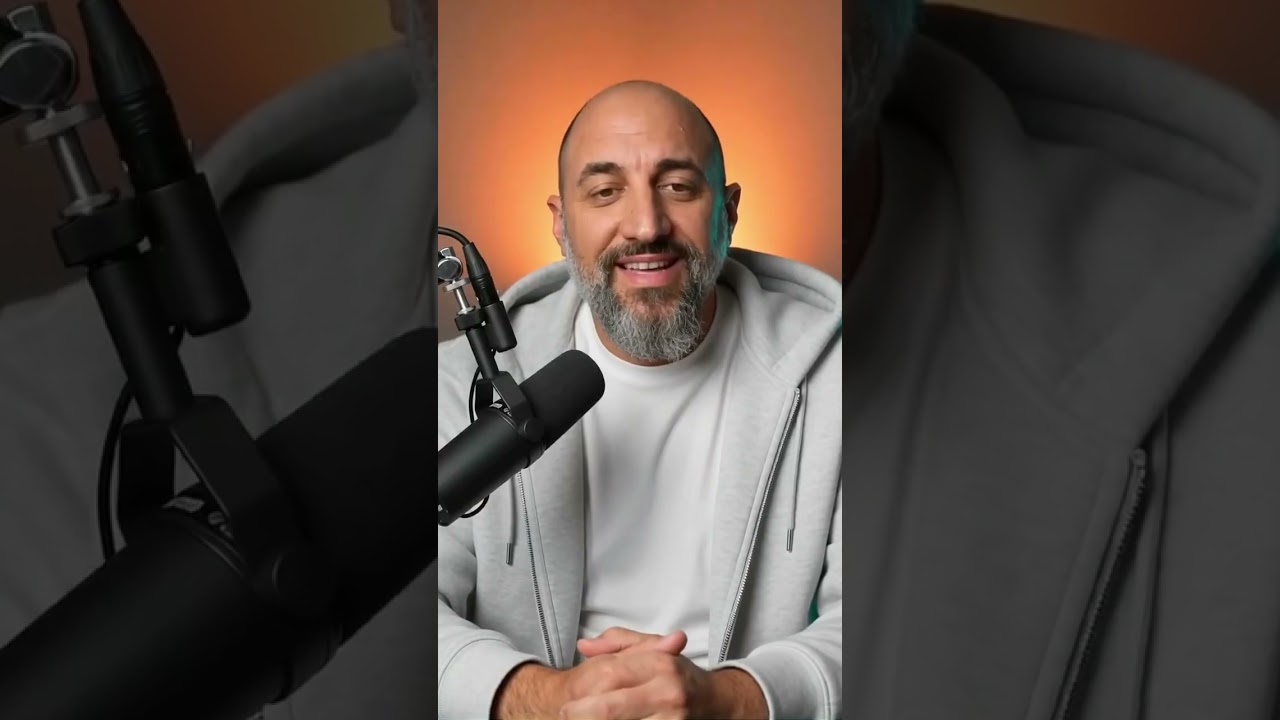
In this YouTube presentation, Jeff “fuzzy” Wenzel delivers a deep‑dive investment pitch for Uncle Waithley's, a premium non‑alcoholic ginger‑beer brand (Vinci Brew) with Caribbean roots. He frames the opportunity within the booming non‑alcoholic beverage market driven by Millennials and Gen Z seeking sophisticated, flavorful alternatives to soda and plain sparkling water. The brand’s narrative is anchored in founder Karl Franz Williams’ personal heritage—honoring his grandfather, a ginger farmer from St. Vincent— and the product’s unique formulation that blends ginger with Scotch bonnet pepper for heat and complexity, positioning it as both a stand‑alone drink and a high‑end cocktail mixer. Wenzel outlines traction: >400,000 bottles sold, rapid expansion from a single Whole Foods location in 2022 to a plan for 500+ stores, and Whole Foods’ equity investment, plus inclusion in UNFI’s UpNext program that opens a network of 30,000 potential outlets. He then explains the crowdfunding raise on WeFunder using a SAFE, with an early‑bird $10 M valuation cap for the first $100 K and a $10.8 M cap thereafter, and details the allocation of proceeds (≈40 % inventory, ≈30 % sales & marketing, remainder ops/platform fees). The pitch balances a bull case (retailer validation, experienced founder, market timing, proven sales) against a bear case (intense competition, retailer concentration risk, supply‑chain dependence on Scotch bonnet peppers, premium‑price sensitivity). Finally, he frames the core investment thesis: whether Uncle Waithley's can leverage its authentic story and Whole Foods backing to scale from a niche favorite to a nationally recognized brand.
Chapters
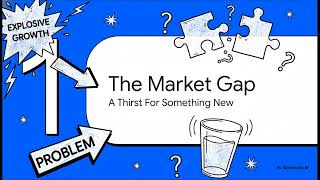
Alright, today we're gonna break down a company that's making some serious noise in the beverage world: Uncle Wathley's. They're crowdfunding right now, so we're gonna give you the full picture of the deal—the opportunity, the risks, and the really cool story behind the brand. Let's get right into it! First things first, let's set the stage. The non-alcoholic drink market is absolutely on fire. I mean, we're seeing this huge cultural shift, mostly led by Millennials and Gen Z. They're drinking less booze, but they still want something sophisticated and interesting to drink. And look, this isn't about everyone quitting alcohol completely—it's about wanting better, more exciting choices. But, you know, all that explosive growth has also shined a big spotlight on a clear gap in the market. Think about it—for years, the choices were kinda boring, right? It was either sugary sodas loaded with artificial junk or something way too simple, like plain old sparkling water. But today's drinkers want more. They're reading labels, they want complex flavors, and they really connect with brands that have a real, authentic story. And this is the exact spot, this is the niche that Uncle Waithley's is aiming for. So what is it they're making? Their main product is called Vinci Brew. It's a premium ginger beer with these amazing Caribbean roots. And it was actually created by bartenders, so it's designed to be two things at once. It's a really sophisticated drink all on its own, but it's also a top-shelf mixer that can make any cocktail way better. And this isn't some brand that was just cooked up in a marketing meeting. The story here is super personal. It's actually a tribute to the founder's grandfather, the real Uncle Waverly. He was a ginger farmer back in St. Vincent who lived all the way to 100, and that incredible heritage is really the heart and soul of the brand. And you can really feel that personal connection when the founder, Karl Franz Williams, talks about it. Now, this is a guy with experience at huge companies like P&G and PepsiCo, But he says this brand is about way more than just business. It's about his family, his legacy, and his culture. So you might be asking, how do you get that complex adult drink experience without any alcohol? Well, the secret ingredient here is Scotch bonnet pepper. It gives you that satisfying heat, that complexity, that bite that you'd normally look for in a cocktail. It makes it a totally unique drink in this space. Okay, the story is fantastic, right? But the big question for any investor is, but does that translate into a successful business? So let's dig into the bull case and check out the momentum they've been building. Well, the numbers kind of speak for themselves here. The company has already sold over 400,000 bottles. So this isn't just some nice idea; it's a real product with proven demand. People are clearly buying it. And just look at their partnership with Whole Foods. They started in a single store back in 2022 and now have a plan to be in over 500. I mean, that kind of explosive growth with a major national retailer? That's a massive, massive vote of confidence. But wait, it gets even more interesting. This isn't just your standard retail deal. Whole Foods is an equity investor in Uncle Wathlee's. Now, for anyone who follows the consumer goods space, you know how huge that is. It's pretty rare. When your main retail partner literally invests money into your company, it means they're all in. It's a huge stamp of approval. And the momentum just keeps going. They also got into this very selective program called UNFI's UpNext. You can think of it like getting a golden ticket that opens the door to a network of over 30,000 potential stores. That's how a smaller brand can get huge national reach. So with these incredible distribution channels in place, you can see why the company is projecting some pretty serious revenue growth. Now, of course, you always gotta remember, these are forward-looking projections, right? They're not guaranteed. But it definitely shows you the scale they're aiming for. So, the growth story is really compelling. But any smart investor has to stop and ask the tough questions. With all this great stuff happening, what could possibly go wrong? To really get the full picture, we have to look at the risks. So now, let's break down the bear case. Okay, first up, competition. The beverage aisle is a war zone. You've got massive brands and tons of other craft drinks all fighting for the same shelf space. Second, that amazing Whole Foods partnership? Well, it's a double-edged sword because being super dependent on just one big retailer is also a risk. Third, their unique flavor relies on very specific ingredients, like those Scotch bonnet peppers, which could cause supply chain headaches. And finally, This is a premium drink, right? So if the economy takes a dip, people might cut back on pricier groceries. Okay, so we've looked at the good and the potential bad. Now let's get into the nuts and bolts of the investment opportunity itself. How does this deal actually work? So the company is raising money on WeFunder, and they've got an early bird special. The first $100,000 invested gets a better deal—a $10 million valuation cap. Basically, that sets a maximum price for the shares you'll get later, and for investors, a lower cap is always better. After that first $100K is gone, the cap bumps up to $10.8 million. And they're using something called a SAFE, which is super common for startups. It's really important to know this isn't like buying a share of Apple on the stock market. A SAFE is more like a ticket that gives you the right to get company stock later on, usually when they raise another big round of funding. So you're not getting ownership today. So where's all this investment money going? Well, you can see it's being pumped right back into growth. A huge 40% chunk is for inventory, just to keep up with that Whole Foods demand. Another 30% is for sales and marketing, to get the word out. The rest covers day-to-day operations and platform fees. Alright, so let's recap it all side by side. The bull case is all about that huge validation from Whole Foods, an experienced founder, perfect market timing, and sales that are already proven. The bear case? It centers on that fierce competition, potential supply chain risks, and being dependent on key partners and what consumers are willing to spend. It's really that classic startup story, you know, A massive opportunity, but with some very real challenges to overcome. And that really brings us to the final question. You've got this brand with a deep, authentic story, and it has the powerful backing of a major player in the industry. They are riding a massive wave of consumer change. So is this the moment they scale up from a beloved favorite into a nationally known brand? That's really the core of the investment thesis you have to decide on.