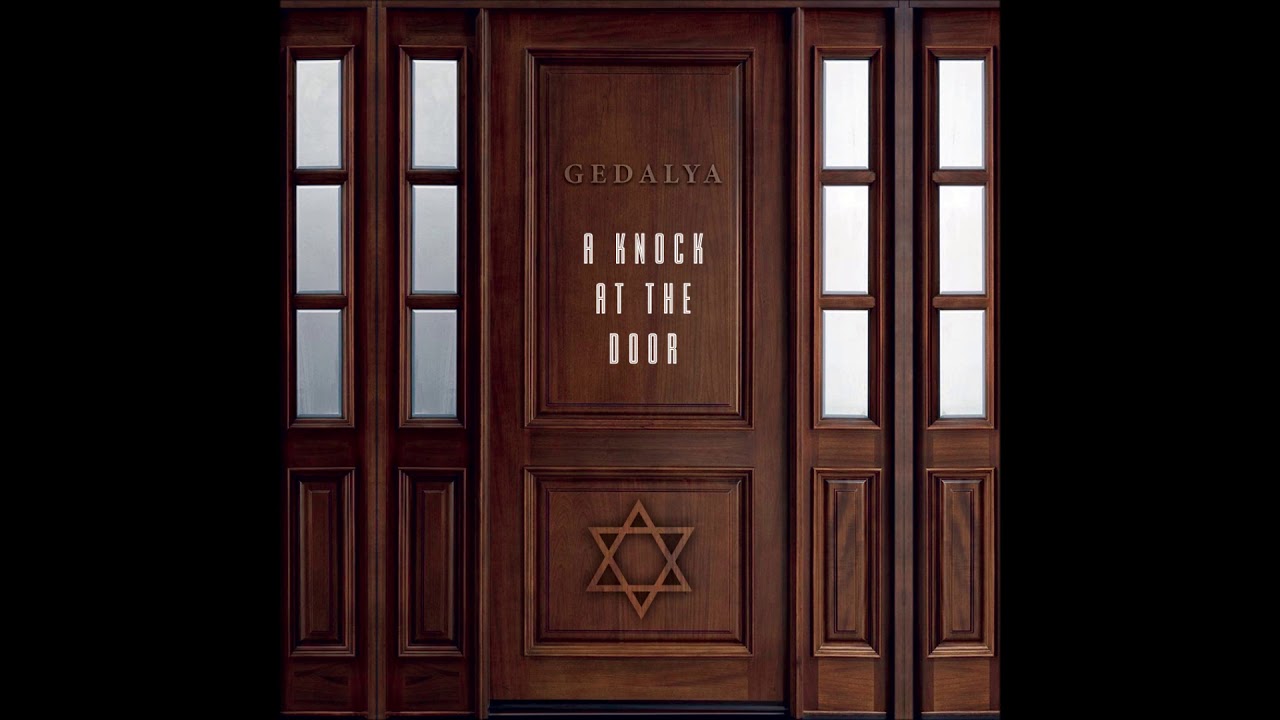
The piece is a lyrical, first‑person recounting of a survivor’s harrowing wartime experience. The narrator describes a boy born in the early 1940s whose childhood is marked by insecurity and fear. Soldiers abruptly seize his belongings and force him onto a train, an event that haunts him as the sound of wheels on tracks. The train arrives amid a smoky, cloudy sky, and the narrator witnesses children torn from their mothers and a town reduced to ruins. Daily life under occupation involves counting the living, rationed soup and coffee contaminated with sand, and constant exposure to death, leading the narrator to wish for his own death. Throughout, the refrain “Everything can change with a knock at the door” underscores how a single moment can upend an entire existence. The narrator reflects on how hearing this survivor’s story provides more than a tale—it offers a profound, emotional connection to history.
Chapters
More from Gedalya





An Angel Can’t See Gray #SpokenWord #OriginalMusic #AcousticMusic #SoulMusic #musicwithmeaning
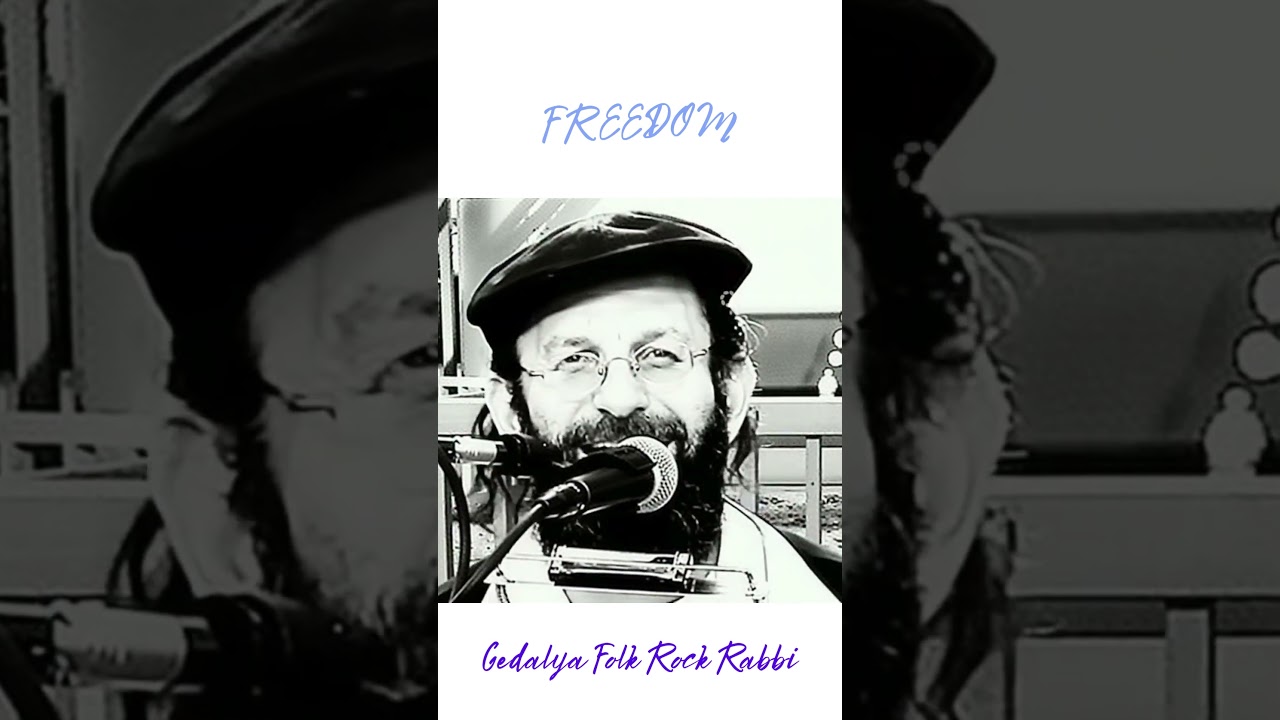


Gedalya Folk Rock Rabbi – We’re Not the Same (But We Are the Same Inside) | Folk Rock & Spoken Word