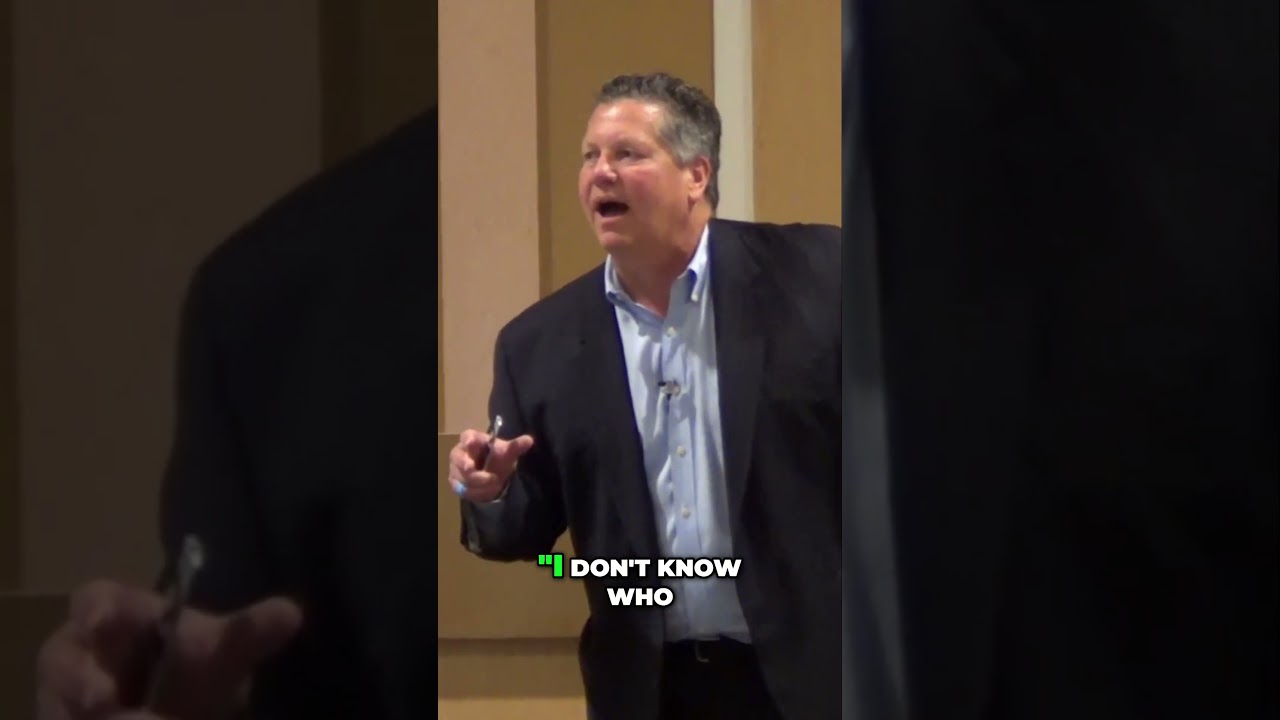
In this talk, the speaker addresses small business owners and solopreneurs—such as bookkeepers, accountants, and therapists—who have been told that writing a book will boost their visibility and credibility. While acknowledging that a book can be a useful exercise, he warns that many entrepreneurs treat it as a shortcut to fame and fortune without a concrete publishing or distribution plan. He illustrates this with a personal anecdote about co‑authoring the book Meet Me at Starbucks with Ben Turpin. Their strategy was to leverage the Starbucks brand, print a limited run, and hope the coffee chain would buy thousands of copies for its stores, or at least generate publicity through a cease‑and‑desist letter. Starbucks ignored the pitch, leaving them with unsold copies and a lesson: a book alone does not guarantee exposure; a clear marketing, sales, and distribution strategy is essential. He concludes that most free books end up on shelves unread, and entrepreneurs would be better off focusing on direct contact methods (e.g., phone, Rolodex) unless they have a well‑defined plan for the book’s role in their business.
Chapters
If you've got a small business, or maybe even you're a solopreneur, maybe you are a practitioner, you're a bookkeeper or an accountant or a massage therapist, and you have heard that you ought to write a book in order to promote yourself, I'm here to tell you to think twice. So you've decided to write that book about how you're an expert in your field, and you think that that'll be the thing that'll break through and help you break the ice and stand out from your competitors? Well, it can. And I'm not saying that writing a book is a bad idea. I'm just saying that you might want to think about exactly what you're trying to accomplish by writing the book. And here's the reason why. And I've written 4 books, by the way, and none of them are going to be any titles that you would recognize, with perhaps the exception of one. I wrote it with a friend of mine, Ben Turpin, and it was called Meet Me at Starbucks. And Meet Me at Starbucks was 77 tips, and we marked that out and made it sips, we're real clever like that— ideas for you to improve your meetings at Starbucks. And the reason we wrote the book, originally the idea came about because we were doing speeches and training for small business groups across the country. And in our presentation, one of the things that Ben would always say is, "So you call them up and you say, 'Why don't you meet me at Starbucks for a cup of coffee?'" And eventually people started asking us if we had a sponsorship deal with Starbucks. I mean, after all, we're always mentioning them, right? And so we thought Let's talk for a minute. And Ben knew a lot of people who worked in the, in the, you know, management level of Starbucks. And we strategically wrote this book with the idea of one of two things. The idea was pretty simple. We're going to write this book and we're going to call it Meet Me at Starbucks. We're going to make the COVID look a little bit like the Starbucks logo. And at that time, Starbucks was at the height of its popularity. I guess probably there were like 16,000 stores, I think, if I recall. And we were going to hope that Starbucks would buy 5 or 6 books for each store. You know, that's 50,000, 60,000 books, maybe 80,000 books if you do the math right. We're definitely rich and probably famous, you know, for a short period of time rich anyway. But we're certainly on our way and we've got a bestseller. And our thought was, if they don't buy it, Well, we were ready for that as well. We had written a very, very clever press release that we were ready to release if they— because we figured if they don't buy it, they're going to tell us that we can't publish that book. You better leave it. You know, you can't use our name, you can't use that looking like our logo. We'll get a cease and desist letter. And there's some reasons why we thought we would get that. We had, uh, we had gotten one from Malcolm Gladwell's attorney, um, when we had, um mentioned that we were using the idea of one of his books. But anyway, going back to the story about Starbucks. So we thought that we'd probably get a cease and desist letter from them, and if we did, we were going to release a press release, and the title of the press release was "Mega Coffee House Wants to Grind the Little Guy." So we thought we had everything covered. Megacow Coffee House wants to grind the little guy. If we don't get their attention, or if they decide that they don't want us to use the Starbucks name, and of course if they do buy it and put it in 16,000 stores, well, we're well on our way to being rich and famous. So this was our approach: we wrote the book, we printed 500 copies at our expense, we gave them to everybody we could think of tied to Starbucks, we Federal Expressed one to Howard Schultz on his birthday with a very cleverly written sales letter. And we thought for sure, I mean, we sat back and we said, "Okay, now we're gonna get some action." You'd think we thought of everything, but the one thing we didn't think of is that they would do absolutely nothing. They just didn't care. They didn't call us, they didn't tell us to quit using the Starbucks name, they didn't buy anything from us, and we were left with about 450 books. And we eventually sold them and we, you know, eventually moved on. And we still have the book in print and it's still available on Amazon even, if it's something you're interested in. But it was a really good lesson that writing a book is a good exercise, but you better have a real plan for how you're going to publish that book and how you're going to distribute that book. And the idea that you're going to write a book just to have a better business card Well, most people never read those books. Most of those free books end up on a bookshelf, and I don't know about you, but I'd rather be in the Rolodex or in the phone with the contacts than on a bookshelf where nobody looks. So my thoughts on a book: you certainly can make a book work, but you might want to think twice about it and be really clear on what you're trying to accomplish with the book. And if you think you're going to accomplish fame and fortune by writing a book, Definitely think again.