Auctioning Off Government Surplus Online with Greg Berry of Municibid and Surplus.com
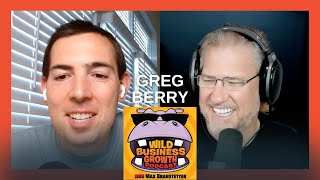
In this conversational interview, host Speaker B talks with Greg Berry, founder and CEO of Municibid (also referred to as Municibid/Surplus.com), about the niche online marketplace that helps U.S. municipalities sell surplus government assets. Greg explains how the platform originated from his experience on a small Pennsylvania town council, where he noticed municipalities were selling assets for pennies on the dollar. He describes the types of items sold—most commonly used police vehicles, heavy equipment, even bridges, log cabins, and creative repurposings like an ambulance turned into a tailgating rig or fire‑hose‑made accessories. The discussion covers the early, slow growth of Municibid, the pivotal role of referrals and targeted marketing, and the challenges of onboarding government sellers versus attracting buyers. Greg outlines operational best practices for listings, pricing, and auction formats, and contrasts Municibid’s compliance‑focused, government‑friendly approach with consumer platforms such as eBay, Facebook Marketplace, and traditional live or sealed‑bid auctions. He notes industry trends toward online bidding, the platform’s ability to beat trade‑price offers, and the launch of a new B2B marketplace, Surplus.com. Personal anecdotes reveal Greg’s motivations—solving a systemic undervaluation problem for taxpayers—and his off‑time passions, including RV road trips across the desert, music, and a love of the outdoors. The interview wraps with rapid‑fire reflections and advice for aspiring entrepreneurs.
Chapters
Alrighty, we are here with Greg Berry, the founder and CEO of Munisipid, which by the way, do you say Munisipid or Munisipid? Because it depends. There's lots of cow jokes.
Like municipality.
Municipality.
We hear all kinds of different pronunciations.
Perfect, perfect. Well, it's the M company. No, I'm just kidding. But really, really cool company. Dealing with government surplus, which this will be really fun because it's an area that, uh, before prepping for this interview, I knew about -5% about, and now I'm slightly in the positive. But, um, always love learning about cool out-of-the-box areas. And before we get to that, I have to, to thank you and give you credit because, uh, you are Greg B, and, uh, my father is also Greg B, so You know, just have to thank you for being a fantastic father role model so that you didn't even know you signed up for that.
That's right.
So before we jump into kind of the origin story of Municipid, can you share like a, one of the most creative uses of a, a truck or vehicle or something from government surplus that you found some, somebody got on Municipid and turned into something else?
Sure, we see it quite a bit. Um, so we see a lot of conversions. So, um, people will buy ambulances or school buses and convert them into like basically RVs. But one guy in Massachusetts bought an ambulance that he turned into basically this tailgating machine. And so the whole— he's a New England Patriots fan, and the whole thing is outfitted in Patriots gear and decals on the outside and the whole thing. And then the inside is all decorated. And then one of the coolest parts is the grill is on the gurney. So it pulls out like the stretcher, you know, that pulls out of the back of the thing, the legs come down and that's the grill. And I thought that was pretty cool. But yeah, we have many different examples of how people use things that they buy, either, you know, sort of fixing up, fixing them up to use themselves or kind of using them, you know, using parts or repurposing items. Like for example, we have people that buy fire hoses and repurpose them into belts and wallets and that sort of thing and sell on Etsy or whatever. So.
I love that tailgating example. Actually, one of the first things I thought of when I was checking out your company and some of the, especially like kind of like the military type vehicles and, um, you know, fire trucks and school buses and things like that as well. I thought about tailgating because I'm from Cleveland, Ohio originally, and the Muni lot is where the Big Browns tailgate is every Sunday. And if you walk through the Muni lot, you'll see just like rows and rows of like school buses and giant you know, Hummer-type trucks that people have decked out and Brownsified, if that's a word. But obviously that applies to every NFL team as well. But really, really cool how much stuff is out there. But what else, like these, you know, you don't need to reveal, you know, your Social Security number and all your private information about the company, but like these days, what would you say are the most commonly bought vehicles or items? On municipal?
Yes. So we sell a lot of— well, I should kind of rephrase that. The governments sell a lot of used police vehicles, police cars. And so they're probably— that's our number one item. So old Crown Vics, Dodge Chargers, things along those lines that are being sold. Now, they're not being sold with the lights and sirens, but unless you're another police department buying it, but Yeah, so those get stripped off. But yeah, that's our number one category. Vehicles in general is our number one category, followed by heavy equipment. So backhoes and loaders and dump trucks, things like that. And then it really kind of goes on from there. So we, I always like to say and challenge people to name something that, you know, name something and I would kind of guarantee you it's been sold on Municibid over the last 18 years at some point. Even a bridge.
Wait, like an entire bridge?
Yeah, yeah. So a, um, a county was looking to get rid of this bridge. Basically they were replacing it, um, but basically the thing was that you had to be able to come and remove the bridge. So there was a little bit of a catch.
I was going to say, who doesn't know how to do that? But, um, it's interesting.
First, right now we have a log cabin, which I'm not sure we've ever had a log cabin for auction, but it's property that a town owns and they're selling just— it's just the, the building, not the land. And so that's, that's kind of an interesting one as well.
It's very impressive inventory. On the police car note, it's— part of me thinks it's like out of this world that so many people are interested in police cars, but also it's like You think about that scene from The Hangover where they steal the police car and are driving around and talking to people. I don't know if that's what people, the pipe dream they have in line or not, but on a realistic level, what is it that, like, why are people so interested in, you know, bringing older police cars back to life like this?
Well, typically when you're buying a used police car, for the most part, they're very well maintained. And then they also, when they're purchased, and the way the manufacturers make them is specifically for police departments, so they have stronger engines, stronger suspensions system, and those types of things that are built into it. Better handling, you know, just more of an upgraded vehicle than you would just purchase normally if you're going to kind of compare a similar model. So like a Dodge Charger police car is, um, a lot stronger than just your regular Dodge Charger that you're buying, unless of course you're buying like the big Hemi or whatever. Um, so yeah, it's just a kind of a stronger, more stable vehicle. And then the— they tend to take good care of the, uh, the police cars. But you know, kind of the one thing about buying a police car, if you're going to use it, you know, kind of for yourself, is try to understand how the car was used. Because if it was in a, you know, kind of serving rural areas where it's like, you know, kind of open highways or, you know, not a lot of stop signs and red lights like you would have in a city, you know, that's where you find a little bit more wear and tear. And then the other thing to keep in mind, and people that buy police cars really kind of know this, that typically, especially if the the department is running on— well, if they're running on a 24-hour cycle, those cars really never turn off. They're kind of just always left running. So that's something to keep in mind. But, uh, so that's— it's a good question to ask if they— if you're buying it from a 24/7, you know, police department, you know, is the car left on the whole time, which they typically are.
It takes mileage marker— mileage amounts and oil changes to the next level, I imagine.
Yeah. Yeah. I mean, just like buying any other car, doing your due diligence and homework is important. But then we have people that buy it for all different reasons. I mean, one, they're getting a solid car for a good price. Sometimes they buy them because they're collectors or enthusiasts, and they upgrade. And, you know, kind of deck it out in different ways. And yeah, so there's all kinds of ways that they're being used.
So let's get to the early, early days of Munisipid. Did you have any idea growing up that you would be, and I say this tongue in cheek, but you would become a used police car dealer at some point?
No, definitely not. I mean, I know I always knew I was an entrepreneur, so I knew that I would be, uh, you know, having my own business at some point, which I started my first business actually right out of high school, which now today it's like not that big of a deal because a lot of kids are doing that, um, even, you know, while in high school or even middle school. And so I knew I was always an entrepreneur, and, you know, all through, you know, as far back as I can remember, really. You know, from the lemonade kind of stands and the mowing lawns and shoveling driveways and doing all that sort of thing. And then I was very lucky to have the opportunity— my mom worked for an IT department and my uncle was like this big computer geek. And so by the time I was 8, 9, something like that, in, in late '80s, um, I had a computer and I feel like I've been in front of a computer ever since. So In high school, I had a good opportunity to have to go work as an apprentice in my mom's company and then a smaller sort of IT company. I learned a lot about it. I went to school at night for all these industry certifications, and then I started my, my IT consulting company right out of high school in 1998, which I then went on to continue to own until 2010. Uh, so, and I sold that, but I started Munisipid in 2006, and that was after I was elected to, um, our local town council in the borough of Pottstown in Pennsylvania. So I ran for that position. It was a heavily contested race, um, and I ended up winning. I think I was 24 or 25 at the time, and It was great. So much experience in the 4 years that I served on that, on the council. And it was how Municibid was founded. And so basically the quick story is that we were looking to get rid of like parking meters or something like that. And there wasn't really a system, especially up in Pennsylvania and the Northeast, that was, that would work for that. And then I noticed kind of a bigger problem, which was that we were selling things for like pennies on the dollar. So we would sell a used police car for $300 when the Blue Book value was $3,000. And I'm like, why, how are we doing this? And then we'd go on to the next agenda item and argue over $1,000. And I'm like, well, we just gave away 3 grand. Like, what's going on? So I noticed that this kind of problem was being faced by many municipalities across Pennsylvania and then across the country. There were a couple other providers that were already, you know, kind of competitors to doing what we're doing, but being in PA in 2006 was really the first time that governments or municipalities were allowed to sell their surplus online. They called it the Electronic Auction Act or something like that, and So that, or it was the electronic bidding law. Um, and so that had just passed. And so it was like kind of like perfect timing back then. And then it, but then it was kind of a slow go from there. Um, so we probably took us 5 years to get to maybe having 100. Well, maybe that's not true, but let's, let's call it 5 years to a couple hundred agencies using us now. There's over 6,000 that use us and about 50 more that come on each month still to this day, which is pretty wild. Wow.
It's all those tailgaters coming on. I'm just kidding.
That's right. So that's just on the seller side.
Right.
And so the— but basically, yeah, thankfully, you know, I put the system together after I saw this kind of problem that a lot of municipalities were facing. And got some surrounding municipalities to give it a shot. And it worked. But in fact, it worked so well that they didn't believe it. And so one of the first, well, the very first item sold on MuniciBid was a riding mower and it sold for $500. They were really hoping to get $100 for it. So when they got $500 for it, they were shocked. So then it was kind of one of the next items was a police car., by a neighboring township, and it sold. It had a blown engine and it sold for like $2,500. They, again, they were expecting to get like a couple hundred dollars, so they actually contacted me and said, something's wrong with your system. There's no way anyone's gonna buy this car for $2,500. I think something's not right. I'm like, no, no, I think, I think it's okay. I'm not seeing anything "Sure enough, the guy comes with a check for $2,500 and takes the car the next day." So they were thrilled, they couldn't believe that. So obviously we have a testimony on the result from that. And then kind of just took that on the road, but it was again, very slow, very slow going. And yeah, it took several years to get off the ground because it was a hard thing to sell. Governments are not a big fan of trying new things. So, you know, getting over that initial hump is, is a challenge.
Well, so that's a really, really unique scenario you're in. I mean, well, first of all, just the fact that you were on city council at such a young age, like, that's a whole other story. But even on top of that, like, starting a business, uh, while you're already, you know, working in some form for the government, that's a pretty unique situation there. Like, what was the kind of the ambiance around you and around fellow council people when you were like, hey, I actually, I have a solution for this, you know, not just like an idea, but this actually might turn into a real business?
Yeah, I mean, you know, that we, well, one, we, the, the town that I serve, Potsdam, they couldn't use MuniSubid because it would be a conflict of interest. So I don't— I'm not sure I really ever had that many discussions about it with council people. I did with some other, you know, people that are involved in local governments. In fact, pretty much all of them told me it wasn't going to work and I was wasting my time.
And so listen to them over a decade later, a decade and a half later.
Yeah, exactly. So, you know, yeah. And just having those conversations and hearing people I trusted and that I kind of looked up to tell me that it was just not gonna work, but I'm like, I just kept seeing that it would, and eventually it did work, and here we are 18 years later.
18 years, so you're Business Can Vote, congratulations.
That's right, well officially on May 15th is the official big birthday.
There we go, perfect. A day we'll all celebrate. What is— like, for anybody who's not familiar, how big of a problem is government surplus? Like, is this something a lot of towns encounter?
Yeah, so pretty much every town owns, you know, items, equipment, furniture, you know, obviously like office equipment, that type of stuff, water and sewer department equipment. There's, there's so much that a town owns that you might not think they would own. And so there's, you know, typically a replacement cycle for these, these items, you know, cars generally a couple years, 5 years maybe depending, fire trucks, ambulances, heavy equipment. In some cases, items are bought and then realized not— they weren't needed or something changed with the project. And so there's sort of newer items But I would say most of the items on MunisipalBid are items that the government has used and now no longer has a need for. In small cases, they are like sort of, you know, you can think of it like seized assets or forfeited assets, as it's called. So those items are up for auction here and there. But I would say probably 90% of what is sold on MunisipalBid is something that the government has bought, used, or bought sort of, you know, and then didn't actually need. And so we give them a way to sell this. And really, it is a, it, it is a problem, and we're slowly solving that problem, uh, even 18 years in. Because governments, like I said before, they, they would sell this stuff for pennies on the dollar. They— it's almost like it was just they were looking for an easy way to follow their kind of bidding rules and they would put a legal ad in the paper and then a couple lowball bids would come in and that was just like one bid and done. So the items are just not, they weren't available to a larger audience and a more diverse audience from geographically and otherwise. And so now it is. And so now people have a way to easily find these items or find that governments actually have things for sale. Then easily find the items and then easily bid on them, uh, in a convenient manner. Because before, you like have to go down to the town hall, fill out a bunch of paperwork, and it can be really intimidating, confusing, and people just don't want to do that. So to be able to make it a more convenient and easy-to-use process has opened it up to a much larger group of buyers.
And on that Well, I'm like any market or any marketplace, there's a buyer side and the seller side. Um, you, you know, when you're creating a marketplace like this or a new home for it, the, like, there's a lot of, as the cool kids say, heavy lifting, uh, involved in to figure out like, how do we get more buyers and how do we get more sellers? And you mentioned that with your business, like, it took many years before it, like, I mean, you had those early testimonials, but it took many years before you felt like it really started to pop and and grow at a different level. What do you think was the difference, like, I don't know if in your marketing or just your strategy there that kind of helped you get to that, that inflection point?
Well, I mean, I think the experience, um, that we demonstrated with results and that sort of thing, where governments are more confident, a lot of governments talk with each other. I would say probably 80% of our growth is referral-based, where governments are at a conference or they're in some organization or they're, you know, they're in on some online forum and they're talking about it. You know, one government says, hey, you know, how did you get— or, you know, we have a backhoe that we're looking to get rid of. Like, how are you guys doing that? Oh, we use Nextbit. Anybody in that situation? You know.
Yeah, exactly.
And so, yeah. They, uh, yeah, there's just different, um, different ways that they communicate with each other that, you know, produces a referral. And then we have a whole marketing program on that side as well, just to keep in front of governments and try to provide them a lot of value, um, you know, talking about kind of trends or what things are selling for, you know, what they can expect. Um, and that, you know, is over email, direct mail and so forth. So, you know, there's that outreach as well. But yeah, probably 80% of it starts coming from referrals. And obviously the more customers you have, the more opportunity there are for referrals. But yeah, it took us a couple years to get to 50 governments using us, and now we have 50 coming on every month.
So that's, yeah, that's a much, much nicer place to be. Is it more of a challenge to not acquire but get to get more buyers or to get more sellers?
Probably the sellers, because again, you know, it's a longer sales cycle. You know, typically buyers, they're coming in because, you know, usually they're looking to buy something. And so they find us through, you know, a Google search, or just they happen to see us there, or all the marketing that we're doing online, which is more targeted. So, you know, we have, obviously, you know, run Google Ads and that kind of thing where it's a little bit more intent-based. And then of course we have all kinds of other ads, Facebook, Instagram, otherwise promoting the items. And then across different industry publications and websites based on the category of the item. And so yeah, you know, it kind of goes both ways with that. But, you know, bringing on a seller is, can be a whole different animal. Now, most, most governments come on board, they register, and they start selling with very little interaction from us. But that's also by design. You know, we really try to make sure that our information is clear and sort of self-explanatory. But also we do demos and, you know, things like that. And then, you know, in some other cases, we have to respond to requests for proposals.. And, you know, that's a several-month process, and then we might have to wait several months for, uh, to hear anything. And then, you know, you know, then we have a contract. So it could, you know, the sales cycle can be much longer. It could be years in some cases where, uh, an agency is using a competitor and, you know, they're on a contract and we have to just kind of maintain a relationship or build a relationship and kind of wait for that contract opportunity to come back around.
So no, I've always wondered with businesses like this where it is like that online marketplace, like it just seems like it can be, it can become a nightmare really quick to, you know, if things get disorganized or, you know, things aren't like, you don't have the guardrails in place to like monitor, make sure listings look good and, you know, tech's working and all that sort of thing. How in the world do you and/or team manage, like, having so many different listings? Also, with the nature of an auction site, like, there's, there's constantly potential money figures being thrown around there. Like, how do you keep all that in check?
Pun intended. Yeah, well, so, you know, again, our market or our messaging to, to our sellers you know, sort of the, the, uh, the copy that we use, um, the instructions and walkthroughs and things like that, we really touch on best practices and, you know, ideas for making listings better because, you know, we're really fully aligned with them. So the better they do, the better we do. So we really invest a lot of time in making sure that their listings look great, um, you know, as best as possible, and um, you know, that, that the auction is set up for success from the beginning. And so then that reduces a lot of other problems. So if there's an auction item that's listed and has very little information, you know, that's going to cause obviously more people to ask questions, maybe shy away from bidding on it, you know, that kind of thing. So we really try to work with them to develop a listing that will be successful for them, including figuring out starting prices and that sort of thing.
Have you seen any trends in like how the auction world has, or the bidding world has changed now compared to when you started the business?
Yeah, I mean, just the kind of taking these old processes online So like, you know, we not only do we have sort of online competitors per se, but we also have online or competitive processes. So like sealed bid is a competitive process. A live auction is a competitive process. A trade situation is a competitive process where a government might trade their vehicles in instead of selling them on the open market. And, you know, so we have, you know, language to kind of talk about each of those and how we compare and so forth. And, you know, so that's kind of one way, I guess, that we really try to help governments understand, you know, sort of these differences between these processes, because ultimately it can affect the outcome of the sale. So like the sealed bid, you're not going to get a lot of bids and they're going to be probably lowball bids. Live auction, you're waiting all year for this live auction and then it rains, or people have to drive several hours just to go, go to the auction. Whereas online, you know, there's a lot of advantages, uh, from convenience, um, to efficiency and so forth. And then trade, you know, like we beat trade prices 9 times out of 10, if not more. Um, so what, what we recommend to the governments is just list that trade price that you're get— that you've received as your reserve. And you know, if we beat it, we beat it. If not, that's fine.
That should be a company logo or company motto. If not, it's fine. That's a good way to go about for anything. But another thing I was really curious about was like, because I've heard your company described as, you know, easy way for people to learn about it is like, It's like the eBay for government surplus. It's like that sort of philosophy. What is it like, you know, in a company that's involved with government goods, what's it like from a competition standpoint? Like, are you, do you consider yourself competitors with like eBay and Facebook Marketplace and those sort of things? Or is it like a whole, you know, different planet there?
Yeah, it's, it's pretty different. So one thing to keep in mind, and I should clarify this for the audience. So only governments can sell on MunisipalBid, but it's open to the public to buy. So anyone can buy.
Right.
So buy side is for anybody. Yeah. Yeah, exactly. But as it compares to Facebook and eBay, well, they really can't use Facebook because it has— you have to accept competitive bids. So, you know, MunisipalBid allows, gives them a platform to accept competitive bids. eBay can do the same thing, but they're not really designed for governments and for the requirements that governments have, um, you know, for open records and, you know, just, just sort of in general processes. Um, so for example, governments have the right to reject any bid for any reason. They have a right to vote on accepting or rejecting a bid. And so that kind of, just those two things in general kind of don't really make eBay the great, a great solution for them. And then cost, customer service, those types of things are, you know, another consideration. We know how to talk the talk or the vernacular of a government where, you know, eBay might not. Or they might not even be available or, you know, what have you. So we, you know, we spend a lot of time on making sure that we truly deliver an exceptional customer service. And we, you know, again, just invest a lot into making sure that that's a reality and not just a tagline. So, and then, yeah. And so same with Craigslist, that's not a competitor with us.
So I'd love to switch gears a little bit and learn more about you on the personal side. I mean, this relates to business as well, but with a business that seemingly is so complex, as well as you mentioned that, um, the sales cycle can be so long, like several months sales cycle, you're dealing with, you know, high-value goods, a wide range of goods, goods that sometimes are too big to fit on a street or they're a bridge. Uh, how in the world do you continue to stay, you know, inspired and motivated and kind of optimistic and keep charging on from a business standpoint when you are, for example, like in the midst of this several-month sales cycle that might seem like no hope at the moment?
Yeah, uh, it's gonna probably sound strange to, to you and a lot of people listening, but You know, I saw this problem of government selling their stuff for not a lot of money firsthand, and then kind of the problems that were sort of a result of that— things not being able to be funded, new equipment, new projects, those types of things that, you know, are not— are maybe not being funded. And it could be, you know, just based off a couple thousand dollars, you know. And so when I, when I saw how many towns were selling their stuff for like nothing. I'm like, wow, this is a big, this is a big problem when you, you know, look at the 90,000 government agencies in the US. It's a huge problem. And so it just irks me whenever I still see that. And I'm like, we here, we, we have a solution that, you know, has been around for, for a long time that works and that is driving, you know, a enabling municipalities to sell their stuff for a lot more money. And, you know, and we just still see these governments have these problems. So as long as there's governments out there that are selling their stuff for, you know, pennies instead of the true market value, then, you know, that kind of drives us to solve that problem. It's a win-win-win for everyone. It's a win for the government. It's a win for the government's taxpayers. And that's a win for us.
I think that's a phenomenal thing to build a business around is what irks me, like what really grinds my gears. And then there's that passion there that will keep driving you. I think it's also, it makes perfect sense that you had the background from your old city council. Like you had that behind the scenes look at like these, you know, interactions like this that local governments and all sorts of governments experience every day. I can't even say these words, pronounce them, but like, um, that background, it was almost like you got your MBA in, you know, this problem before starting the business. Um, and so that, that, that helped to fuel it and it helped to, uh, to continue to irk you. But how about on the personal side, outside of work, uh, if you're ever able to get your, your head out of the business or unplug or relax for a bit. How are you spending your free time?
Well, there's less of it now because we just launched Surplus.com about 2 months ago, just about 2 months ago, which is kind of, it's a business-to-business community marketplace for the sale of used goods from businesses. And so, that's been taking up a lot of my extra time recently. But I have an RV, so I like taking that out, you know, on different road trips and that sort of thing is a fun thing for me. I'm into music, that kind of thing, bike riding. I love being outside, so anything outside, working out, that kind of thing is great.
Do you have a favorite RV road trip you've ever been on?
I love the desert. I love being out in the desert. So any— anywhere, I guess. Um, there's a highway that cuts through Nevada called Highway 50, and it's called the loneliest highway in America, and it really does live up to its name. Uh, you could drive on that for hours and not see a single other person, another car, or anything. Uh, so yeah, it's pretty cool. I like those, and it's just gorgeous.
Does it start to get to you? Do you start to be like, you know You start to feel like you're on another planet or something when you're out there?
There was, I do remember there was a point where I'm like, wow, I'm really out here and no one else is around. Like what if something were to happen? And but, you know, and then you get kind of a little bit of a relief when you roll into the one-stoplight town finally, you know, that has like a gas station. That's the extent of it.
I've never heard the one-stoplight town as relief.
That's wonderful.
Yeah, exactly. I'm getting serious Breaking Bad vibes. Gives you no appreciation. Breaking Bad with the RV in the desert. That's an iconic image there.
Well, it's kind of funny because my RV is all white, and so I named my RV Walt White.
There we go. And I'm sure somewhere there's footage of you running around in your whitey tighties, so there we go.
I'm not sure about that.
So obviously, so you like the outdoors. We were chatting beforehand, you actually have as part of your studio setup, you have what I thought was a bongo 'cause we're big on bongos here on this podcast, but was a conga. How did you get into conga? How'd you get into the conga drum?
It's not actually mine. Trick question. Yeah, it's a friend's that are here. Yeah, so I can't really play it that well. I have some friends that can really go at it, but I'm not, I'm not that great at it.
But do you play, do you play around with music at all, or you mean you, you rock out, you listen to music?
No, I play around with it. I have a couple friends that are musicians and, you know, work with them to make music together. But yeah, nothing, nothing very— not, yeah, obviously it's not what I do professionally.
Got it. Yeah, but you can, uh, you're being bashful right now, but now we can reveal to people that you, um created the theme song to Breaking Bad, so thank you for that. That's right. All right, on that wacky note, um, let's wrap up with some rapid-fire Q&A.
You ready for it? Sure.
Yeah, let's do it. All right.
By the way, I'm terrible at these rapid-fires, but we'll see how we—
we'll see how it goes. I'm terrible at asking them, so I think we're— we'll be on par here. This is— this— see, it's not even a quick question. Um, I have to shout out city council. So my grandma Adele, shout out Grandma Adele, for almost 30 years was on city council. It might have been over 30 years. And part of that as vice mayor. And so like, I have like a bit of nostalgia when I hear about city council because growing up, like, you know, we'd go, she lived in a town nearby, so like we'd go and go and see her get sworn in and like meet her coworkers and things like that. So, so got kind of a little peek into that world. But, um, yeah, so shout out to her. But what's something from your experience, uh, what's something about being on a city council that you think most people would be surprised by?
Well, it does give you sort of an inside look into like how politics work. And so, uh, it's a whole different world. Um, and so I would think that would probably be the number one thing that someone that was not really involved in politics that ran for an office and even on a local level, kind of how it works. And then you can kind of see how it works up through the federal level as well.
Yeah, totally. It seems like a very different world. And on a very different note, I'm surprised you didn't do this whole interview in an auctioneer voice.
Have you ever worked on your auctioneer voice? I do not have an auctioneer's voice.
Have you ever been to live in-person auctions?
Oh yeah, of course.
Yeah, I love them. Yeah, there's some— they're entertaining. I don't know, that would be a fascinating topic to deep dive into, like the history of those voices. I don't know why. Yeah, it's a thing, but it's—
it's— I do know that thing there. Um, it's kind of going away though. Um, the traditional sort of auctioneers, uh, are having a lot of problems recruiting new auctioneers.
So yeah, this is a golden opportunity for you, but, uh, maybe next time.
No, I'll stick with the online thing.
Let's stick with what I know.
Exactly.
Easier on the voice. What is the, what was the most challenging part about starting a business right outta high school?
Well, the cool thing was I didn't know what I didn't know, so it didn't really hold me back from much. So probably though, it was, especially with what I was doing, was gaining trust from older people. So, you know, I'm this 18-year-old kid basically, and I'm handling their, you know, some company's, you know, IT network. And so it's like trust in that was probably the thing that most people, or how to kind of convince people of that, you know. But I was able to do that because I had like actual real sought-after certifications from Microsoft and a couple other companies that, you know, showed that I had the knowledge to be able to do what I was doing.
And then in addition to the, that loneliest highway in the world you were talking about, the drive through Nevada, I won't let you say that one, but what would you say is the longest road trip you've been on in your RV?
Well, I've done several cross-country, um, several cross-country trips. Yep, yep. So I've been, you know, kind of direct from basically California to Pennsylvania, um, maybe twice. And then I've done one from Cal— from Philadelphia to Miami to Los Angeles, uh, so that was a, that was a long one. Uh, so yeah, you know, um, I love— and I love I love doing cross-country road trips. It's just 'cause you just, obviously the scenery is one thing, but talking with people across, you know, as I make my way across the country is pretty interesting as well. So it's cool to see the different facets of America.
I've always, yeah, I just got like a warm fuzzy feeling. I've always wanted to do like a true cross-country road trip. So you're the guy if I need any tips 'cause you got several under your belt. Uh, on, on that note, what's your best tip for anybody who wants to do a cross-country or several road trips?
Well, definitely go through southern Utah. It's gorgeous. Um, so I haven't had a— I haven't made any like far north routes, so I, you know, I really can't speak to that. But I love southern Utah. It's just, you— it makes you feel so small with how big the landscape is there. So, and then through the Rockies obviously is a gorgeous Trek. And then, you know, kind of once you get past there, if you're going east, you're in cornfields for a big stretch of the road trip. So, yeah, so east of the Rockies gets a little boring, but west of the Rockies is pretty cool.
Yeah, growing up in the Midwest, you just get a little bit outside the city and suburb area and yeah, you're basically attacked by corn. So I know what you're talking about. Well, Greg, this has been awesome. So Greg B., I should say, this has been fantastic. So thank you so much for coming on and really, really cool, really unique business and really cool, you know, behind the scenes of tailgate trucks too, which is awesome. But where's the best place if people are interested in buying or if they work for the government and are looking for selling on Municibid, where's the best place to do that? And then if anybody wants to connect with you online.
Yeah, it's just municibid.com is the domain and then obviously surplus.com. Um, and then we're @MinaSaeed across all the channels, and then I'm @GregMBerry across all the channels. Perfect.
Berry, berry cool. Sorry, I couldn't resist. Uh, last thing, final thoughts, Sage, is yours. It could be a quote, uh, words to live by. You could do, um, sing your favorite song in your auctioneer voice. No, I'm just kidding. No, just kind of words to live by. Send us home here.
Um, yeah, I mean, I, I guess I would My— I guess I would encourage younger people to just sort of, you know, it's going to sound cliché, but like sort of, you know, go after your dreams. Like really get in tune with what it is that you are, you know, passionate about and try a lot of different things. But if you find the one thing that really sticks, to really go for it. And, um, yeah, especially the younger the better. I'm 44 starting a new company and it—
I can feel it. Bring on the bongos!
More from Greg

How a 24-Year-Old Entrepreneur Turned a Government Dilemma into a Booming Business With Greg Berry
Celebrating 8 Years with Municibid: Wildest Auction Items, Competitive Bidding, and Future Dreams...