From 0 to 298 Deals: How He Built a Development Empire - Joshua Simon
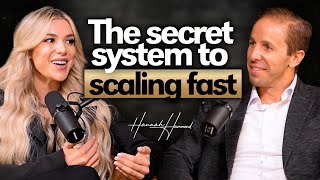
A long-form interview in which developer Joshua Simon recounts his path from a small startup (≈$50k personal capital) to completing ~298 deals, explains how he sources land and structures financing (private debt, mezz, bank financing, later a discretionary fund), and walks through operations, risk mitigation, and a major case study (Prasada) illustrating scaling from single-tenant retail to large shopping centers.
Questions this video answers
$50,000 (approx.)
A former Movie Gallery / Verizon build-to-suit in Clinton, Iowa — roughly $600,000–$700,000 (circa 2010).
About 18% (private first-position loan on the first deal).
298 deals (stated repeatedly).
Approximately 42 in-office employees and 8 employees abroad.
Chapters
My theory is, if you have a good deal, money always shows up. There's a founder mode, which is like the theory that Elon Jeff Bezos, the Airbnb CEO, like, they're all about founder mode, which is they believe in getting into all the details and then zooming back out and being like direct communication and not this hierarchy. And them as CEO, like, they can jump into anything. And I think in development, you have to know everything.
You have to trust so many people to have the outcome that you desire, because you can't do it all yourself.
Because when you don't know everything going on, that's when stuff goes sideways.
Yeah. Cause you really lose control and you can't step in to fix it. So many things aren't in your court, and you have to try to get everybody to row the boat in the same direction, inspire people to row the boat in the direction that you want it to go and at the same speed that you're rowing.
So sometimes you have to go slow to move fast.
What systems have you put in place to help you guys scale? Welcome back to the Hannah Hammond Show. I'm sitting right as driving them to just never quit and be so resilient that no matter what you go through, you can overcome it and you're going to keep going and grow. That's awesome. And, okay, so you work for the developer. You decide. Were you a broker ever?
I licensed broker, but never when I first went 2010. All right. There's nothing really going on. And so I was doing anything to make money. I was doing some brokerage deals, some cricket wireless deals, you know, a men's clothing store. So we. I was doing some transactions. But, like, from day one, my goal was to do development and redevelopment.
So what did the journey look like when you decided, I'm going to start a development company? What was the process from that point to get going? Like, how much money did you launch with? What, what. What did it take to, um, start? Like, did you have somebody to, to help you? How did you start identifying sites or raising money? Like, what was that process?
You know, talk about a winding road, right? So I started maybe like, 50 grand in my bank account. Really didn't have much. I was kind of like, let's go, let's figure it out. And so, you know, I didn't have a suit. Like, I had a plan of, hey, I wanted to be able to find opportunities. I started on my, like, by myself. My mom would come in a couple of days a week, and she'd be like, hey, Josh, I'll help you. Because she, you know, was ret. Didn't have. She had more flexibility in her schedule. And so she would come in and open mail or do this and do that. And it was, that was helpful in the sense of taking some of that like administrative stuff off the plate. But also having your mom there was. Is cool. And I worked with her for 15, 15 years. So yeah, long time but raising money. So like my theory is if you have a good deal, money always shows up. Like it's just not going to be hard like if a deal is good. And so my first deal was a deal in Clinton, Iowa, home of Flavor Flav. And it was a former movie like movie gallery store. And we had a Verizon Wireless deal. A dealer that was going to, was interested in backfilling that and so we bought. You know, it was like probably a, I mean it was such a small deal, six or seven hundred thousand dollars deal and 2010, nothing going on. Who's going to lend to a 24 year old kid that money? So I went out and there was a group of like private individuals out of the Midwest and I think I paid like 18%. I remember looking it up recently just to see. But 18% on like a first position, first deal, I turned it around in six months. And on that deal though, going back to where I started, like vendors were willing to work with you because of the time period. The surveyor, the architect, the art. Like everyone gave me terms on payments so like I didn't have to pay until closing.
Wow.
So I got this like I bought myself like 90, 120 days to be able to basically 100% finance it at closing and not have to come out of pocket. I put up the earnest money.
That's insane.
So that, that worked out and so we were able to slowly kind of get the wheel turning and you know, 298 deals later.
That's insane. That's so cool. It's so inspiring. I love, love, love to hear these stories. So you're saying the lenders gave you 100 financing or you raised capital for the equity portion?
I, I didn't do any equity. And so here my theory, crazy theory is I don't have any gps like LP situation. We raise, we do bank today we do bank financing. We get a pref. Like a mez piece and then I'll put, I usually put equity in so we don't share. Like I just believe that like hey, when I build a shopping center there's a lot of value that I'm Creating in day one. And so for us to. If you think of this table as a pie, if I got to give 80% for me, if I got to give 80% up to an equity investor and I'm getting 20%, some fees, like that means I got to make a lot more of those pies. But if I keep the whole piece, that's a lot more for my. For myself. And so our model has always been we're raising. So that deal, going back to your question is we raised 100% of debt with private individuals. So they're. They got. They just got their interest.
Gotcha. And so it's. It's. Were you able. Cause it wasn't structured as a fund.
Nope.
Was it one person on the deal? Like one.
They did like an llc. So it was probably like multiple member llc. Yeah. That put up the. And like, look, it was a bunch of real estate guys that each put in. Call it a couple hundred grand at the time.
And you just structured it as a. No, not. They weren't members of the, like the ownership entity. Awesome. That's amazing. That's a pretty good gig. So how long did you keep doing that for? Are you.
So we transitioned to doing so the first handful of deals. Like, you know, we did it somewhat like that. And then we got introduced to a couple groups in town, and then we're still doing private lending. And so I was like, wow, we need to get into the bank space because bank financing is a lot more affordable. Obviously it adds a lot of barriers, paperwork, other things. And so we did our first couple of regular bank financing deals. And so we got tied into, you know, some wealthy private country club kind of money. And till this day, we've probably done a hundred deals with some of these folks over the last 15, you know, 13 years, I should say. So it's been relationship and just repeat business. And like, at the end of the day, you got to be a good salesperson in real estate to execute. But like, a lot of people are really good at this, but they're not good at the execution piece and having, you know, whether it's your CEO or you being that person, which. That's a hard person to put both things together is so important. And I think that's where we've gotten it right is we do, I think, a pretty good job on the sales side, but we also do a really good job on the execution.
Right. Can't have one without the other.
No.
Yeah. And I'm just fascinated by this. This structure of these deals. So for your private investors, you have your bank piece, maybe your mez piece, and then you have the rest of your equity needed. Your 30%. Right. Are they still, as you grew, progress, are they still just doing it as a node in second position or third?
Yeah. And really with, you know, the 2010 and the Dodd Frank act, they have the high, high, you know, high volatility commercial real estate loan. And so really, you can't structure it as a second. It has to be kind of an unsecured note.
That's what I was saying. Because the banks won't let you subordinate usually.
And so it's most. It's. It's just in, like, there's different ways to doing it. Like, you can do a kind of secured with a membership in like a takeover right in the operating agreement. So I can get, you know, I would get removed if I don't pay them back. There's different ways of doing it. And then, you know, fast forward, you know, this is now probably five years ago. We had gone to certain, you know, groups to get those funds. And like, we'd been using them as, you know, almost like a broker dealer. Like, they would make the introductions. Now, you know, we started having folks that were like, hey, we want to invest, we want to invest. And so again, we would just do deal by deal. About three years ago, we transitioned it and created our own fund that we use. And we have discretionary. And those are folks that we've known. Like, we don't go out and advertise it. It's just friends and family.
Right.
And so we use that. And that's just grown by itself. So we have that bucket. We go to a third, you know, second group in town that they'll bring in funds. And then we have our own capital now that we also deploy.
Okay, and were you, I know you said in the beginning you weren't putting any of your own capital in. Did you start putting your capital into the deals as you.
Yeah, and now we do. And I look at ours is like, we have like, I have a number of cat. Like, I have a cash number that I sleep better at night and so that we always need to be at. But like, mine is second to making sure our investors get, you know, we can get investors into deals. And so a lot of times I'll put money in. Somebody is like, hey, we want to invest or a deal sells. So we'll have to move capital around so there's like constant transactional volume. Like, we'll probably do, oh, I don't know. This year, it depends. But you know, 34, you know, 30 sales.
Jeez.
So. And when you think about in commercial retail, that's a, that's a lot.
Yeah, right. Yeah. Because these are whole centers.
Yeah, whole centers. Or maybe it's a Starbucks. And so like for every, you know, for every purchase, if we're buying 20 acres, we'll probably, we'll develop it and we might sell it off in eight pieces. We, when it's fully built open, we'll sell the Starbucks, we'll sell the, let's say the gas station, we'll sell the gym, the grocery store. All separately.
Okay, interesting. So are you doing like you're just carving out sections of the project and leasing them up and then selling?
Yeah. And so the way we try to look at it is like I look when we close, for us, because we're going higher leverage, how do we immediately take risk off the table? And how do you do that? You sell off risk. So we might do a forward takeout with a group, if it makes sense.
What's a forward takeout?
So somebody, let's just say I have a signed lease with a grocery store or a fitness use, I can go to a capital provider and they'll say, hey, we'll buy this at this cap rate and we'll close now. Or hey, we'll give you a commitment to buy it and then you can use those funds to lower your cause, your equity going into the deal. So you kind of do simultaneous closes. So you really orchestrate some crazy financing stuff. And so that's where my mind goes, is how do we lay off risk immediately? So, you know, somebody's going to say, oh, you're high risk. But I actually say, hey, the way we look at risk is we're going, it's short term. And so, like, we're not keeping things going for a long period of time. So we'll sell off most of those pieces right away. Right away, in real estate terms, meaning. Yeah, within 12 months, let's say.
Right? Yeah, because I want to talk about that, how you mitigate risk. Because obvious. I mean, for me, my biggest fear of development is the risk. Like, these are long projects. What's your average timeline for a total project from start to finish?
Well, from the time you talk about it or the time you close, the.
Time you submit an alloy.
Yeah. So like it could be three, four, five years. Yeah, I would say most of them you're probably like on a decent sized project to two and a half years. On a smaller project, a year and a half from LOI. From close to the first sale. We used to, when we were doing 45 single tenant deals a year, we were sell, we were turning product in five and a half to seven months.
Geez.
From close, not loi, but from when we close on the property, start construction, finish, turn over to tenant and we'd have it sold.
And so were you mostly doing single tenant net lease developments?
90% was that. And that was up until, you know, through the, you know, 2019, we started to look at shopping centers and be like, there's going to be something here, there's going to be something here. And so, you know, we built a ton of dollar generals, a ton of O'Reilly auto parts. And for me it also, I was getting to a point where I've been doing it for 10 years and they're great folks that we worked with, but you know, they were trying to hit open, you know, thousand stores a year. And so you get to a point where your head's kind of on like the proverbial grindstone and it's like what, you know, you're always doing something wrong or it's just more, more, more in these like pressure deadlines. And I got to a point where it's like, I don't want to be in this pressure cooker. And it's also when you're developing single tenant, there's a, there was a lot of folks coming into the business and even more in the last few, you know, I guess pre interest rate run up. But you're building a widget, like it's not super, super complicated when everything goes okay.
Right.
But like the reality is things happen. And so like I just got tired of being that widget maker and I wanted a little more, you know, interest for my career and like what I was doing, what I was giving back, like, oh yeah, I've built all these dollar generals and all these small towns. Cool. Helps the community. But like I wanted to do something bigger.
Yeah. More community focused, not just shopping or go. A commodity. Yeah, yeah. So for, for the audience listening, if they were to want to get into development and let's say single tenant, net lease, retail, which you don't know, that's like a single building with a single tenant, like a Dollar General or a Starbucks or Chick Fil A or anything like that. And my newer company, HB Capital, where we finance, I'm partnering with a team who's been a top producing team in the country for like, you know, almost 30 years and 85% of their business is in the single tenant space. And so they've done a lot of those deals and you know, invest in the deals and land on the deals and put everything together. So it's, I've more recently because I don't do a ton of retail up until now. Now I kind of walk, walked into more retail by fire. Yeah, but so like how if you're, like, if you decide I want to be a single tenant retail developer, how do you get in that game? Do you, are you the one identifying the property? And because you have the land, you get to go to the, the re the tenants and be like, hey, we have a really good site. Or like, what does that process look like?
I think from, from my point of view, and it could be different for everybody else, but like for me it's the relationships. And it starts with having good relationships. Like how do you find most of your deals? It's, you know, through that relationship or you know, hey, somebody wants to be here. I heard this tying up land and then going fishing is tough, but sometimes you have to do that to start. But ultimately like our whole business model has been built on repetitive business. And then, hey, people know we can get it done so we get the next deal. And so how do you get in? Build the relationships across the retailer spectrum. But like also you got to understand how stuff gets built, right? And so like my opinion is like, I think the best folks to become developers are brokers that have an attention to detail, that know, understand the transaction, understand the players and then, you know, go that extra mile where they're like kind of curious about the lease process. They're curious about an estoppel or what an SNDA is or hey, the survey or the title.
Right.
It's, I think it's that general curiosity that leads to the next level for somebody wanting to do development.
And what, I mean, relationships are everything. But when you don't have experience in the beginning, right. You don't have a track record. How did you overcome, if you're going to, you know, a Dollar General, how did you convince them to work with you? Or what was your value proposition of hey, give us a shot on this project versus because they already have developers that they've worked with in the past.
So you gotta squeeze your way in on those first ones. Right. It might be, you know, that they, you heard that they need to be at that site and then you just become persistent. On Dollar General, I had done one, I'd done a couple in the past. There was a new kind of regime. I heard that they were looking, it was I think in your current California. And so I did all the research. I found the site. I just hammered on the Dollar General person. Great guy, had been in the business for, you know, 30, 40 years, Chuck Perkins. And finally got a call back and he called. I dropped what I was doing. Right. And I had to go right into the pitch of the why. And he gave me a hard time. It was great and I was ready, but he kind of took a liking to me. Right. And so I think it's like, how do you connect with people and then follow up and ultimately like, how are you making it an easy transact transaction? Right. Who do you want to work with? Who do you want to talk to? People that are like, it's easy, right? It feels easy. Yeah. Sometimes it's tough on your side, sometimes it's tough on mine. But like, I try to make it where I'm going to be very responsive and quick and easy to work with. You're not going to always like what I have to say or my answer, but I'm going to be very responsive.
Simon Speed.
Simon Speed. There you go.
I heard that you coined that in your company. Simon Speed Expert hates it sometimes.
But you know, I will say sometimes you have to go slow to move fast.
So I'm learning that. Yeah, yeah. Sometimes if you are so in, you can't see the forest through the trees, you know, and if you're just. Sometimes we're climbing up the long, the wrong wall. Like we have the ladder, we're climbing it, but it's on the wrong wall. And then we get there and we're like, oh, this is the wrong wall. I need to go all the way back now.
Yeah. And sometimes you have to have patience. Like, hey, I know this is going to happen. Right. And so some of that's that confidence and oh, I don't want to maybe lease that space or I don't want to sell this pad. Just wait a little bit longer. I've learned that in the last, you know, few years, like, you know, especially as we, you know, our real estate, you know, we're talking about Dollar General O'Reilly, which good real estate, but our real estate profile just really much better. Real estate for Target, you know, sprouts a Whole Foods. So our profile has gone up. So I've had to relearn some of the business in that way and how you think about real estate and positioning and merchandising.
What? So in, in the beginning when you just started and you're negotiating this Deal with do. Was that your first deal you were doing?
No, it was Verizon. Veri Wireless.
Okay.
Dealer.
And so you just, what made you pick Verizon?
You know, I had a relationship and the broker represented them in that market. And I was just, I think he had, you know, we had a good relationship. And he's like, hey, you know, they want to be in downtown Clinton, Iowa. He's like, see what if you can find anything. Like I've tried to, you know, he might have even, you know, this is 15 years ago. Like said, hey, the group that owns this doesn't respond. Can you see if you can get it tied up like Verizon? You'd have to, you know, fix it up, turnkey it, which, you know, means, you know, make it ready for occupancy. And sure enough, I tracked him down. We bought it and delivered and then we did. We went on to do several deals.
So were you, you actually bought the land and you just had like a build to suit contract with Verizon?
Yeah.
And that's, and then you just got bank financing or was this back when you did that?
That, that's private. The private money. And even today it's like, hey, we don't close on just land. We're not just going to go. Very rarely we have bought some at a, at a, you know, a very good price. But we always, when we close, we're closing with signed leases, entitlement risk is pretty much gone. Right. We have all of our approvals or most of them. Right. We're not really worried about that. We have a GMP gross maximum price contract with our contractor. So like all the pieces are pretty locked in. Like our biggest risk is like we start digging and it's, you know, some kind of burial ground or, you know, there's some nuclear contamination stuff going. So like our risk is like, we're able to do that research up in front and do the due diligence so that when we close we've got, you know, 50% pre leased. Right.
Wow. So that's super cool. And for these development sites, how are you, how did you go about, or how do you go about sourcing them? Like, do you have a sales team in house that's cold calling, you know, owners of properties or how are you identifying where these good sites are so you could bring it to your clients?
You know, I find most of it, you know, probably 85, 90% and it's just, you know, relationships. But also like, you know, I love to look at maps and you know, Think about where retailers will be and when you're, you know, I'm on the phone most of the day with brokers or tenants and so just asking them, oh, like, hey, how's that store do? Or hey, what location? And then you start to build this, you know, database. And we have our own mapping software that we store all of our notes in. So like, if somebody else talked about this parcel, we can all see what each other are working on. But so much of it today is about just understanding where the anchor tenants want to go. And hey, how can we go find those sites to get out in front? Because you look at any the big anchors, whether it be, you know, Costco, Target, Walmart, Sprouts, Whole Foods, Safeway, you know, they, and more so on the mass merchandisers, they don't want to be by themselves, right? They want to be as part of a shopping center, but they're not doing the rest of the shopping center. So they need. It's a very, you know, synergistic type of relationship where we got to work together. And so really it's like, hey, can you execute? And when you're dealing with the bigger companies, you have to be very nimble because corporate America does things like this where you have to be like, right, moving through and being very dynamic, very quick and very involved. And I think a lot of developers maybe aren't as involved as they should be in different pieces of the business.
Do you have your own in house construction team or do you have subs or a GC that you hire us?
Tying up land and then going fishing is tough, but sometimes you have to do that to start. But ultimately like our whole business model has been built on repetitive business. And then hey, people know we can get it done so we get the next deal. And so how do you get in build the relationships across the retailer spectrum. But like also you got to understand how stuff gets built, right? And so like my opinion is like, I think the best folks to become developers are brokers that have an attention to detail, that know, understand the transaction, understand the players and then, you know, go that extra mile where they're like kind of curious about the lease process, they're curious about an estoppel or what an SNDA is or hey, the survey or the title, right? It's, I think it's that general curiosity that leads to the next level for somebody wanting to do development.
And what, I mean, relationships are everything. But when you don't have experience in the beginning, right, you don't have a track record how did you overcome if you're going to, you know, a Dollar General, how did you convince them to work with you? Or what was your value proposition of hey, give us a shot on this project versus because they already have developers that they've worked with in the past.
So you gotta squeeze your way in on those first ones. Right. It might be, you know, that they, you heard that they need to be at that site and then you just become persistent. On Dollar General, I had done one, I'd done a couple in the past. There was a new kind of regime. I heard that they were looking, it was I think in your current California. And so I did all the research, I found the site, I just hammered on the Dollar General person. Great guy, had been in the business for, you know, 30, 40 years, Chuck Perkins. And finally got a call back and he called. I dropped what I was doing, right. And I had to go right into the pitch of the why. And he gave me a hard time. It was great and I was ready but he kind of took a liking to me. Right. And so I think it's like, how do you connect with people and then follow up and ultimately like how are you making it an easy transact transaction? Right. Who do you want to work with? Who do you want to talk to? People that are like, it's easy, right? It feels easy. Yeah. Sometimes it's tough on your side, sometimes it's tough on mine. But like I try to make it where I'm going to be very responsive and quick and easy to work with. You're not going to always like what I have to say or my answer, but I'm going to be very responsive.
Simon Speed.
Simon Speed. There you go.
I heard that you coined that in your company. Simon Speed hates it sometimes.
But you know, I will say sometimes you have to go slow to move fast.
So I'm learning that. Yeah, yeah. Sometimes if you are so in, you can't see the forest through the trees.
Yeah.
You know, and if you're just. Sometimes we're climbing up the long. The wrong wall. Like we have the ladder, we're climbing it, but it's on the wrong wall. And then we get there and we're like, oh shit, this is the wrong wall. I need to go all the way back now.
Yeah. And sometimes you have to have patience, like, hey, I know this is going to happen. Right. And so some of that's that confidence and oh, I don't want to maybe lease that space or I don't want to sell this pad. Just wait a little Bit longer. I've learned that in the last, you know, few years. Like, you know, especially as we, you know, our real estate, you know, we're talking about Dollar General O'Reilly, which good real estate, but our real estate profile, just really much better real estate for Target, you know, sprouts a Whole Foods. So our profile has gone up. So I've had to relearn some of the business in that way and how you think about real estate and positioning and merchandising.
What. So in, in the beginning when you just started and you're negotiating this deal with do, was that your first deal you were doing?
No, it was Verizon, Veri Wireless.
Okay.
Dealer.
And so you just, what made you pick Verizon?
You know, I had a, a relationship and the broker represented them in that market. And I was just, I think he had, you know, we had a good relationship. And he's like, hey, you know, they want to be in downtown Clinton, Iowa. He's like, see what if you can find anything. Like, I've tried to, you know, he might have even, you know, this is 15 years ago, like, said, hey, the group that owns this doesn't respond. Can you see if you can get it tied up like Verizon? You'd have to, you know, fix it up, turnkey it, which, you know, means, you know, make it ready for occupancy. And sure enough, I tracked them down. We bought it and delivered and then we did. We went on to do several deals.
So were you, you actually bought the land and you just had like a build to suit contract with Verizon?
Yeah.
And that's, and then you just got bank financing or was this back when you did that?
That's private. The private money. And even today it's like, hey, we don't close on just land. We're not just going to go. Very rarely, we have bought some at a, at a, you know, a very good price. But we always, when we close, we're closing with signed leases. Entitlement risk is pretty much gone. Right. We have all of our approvals or most of them. Right. We're not really worried about that. We have a GMP gross maximum price contract with our contractor. So, like, all the pieces are pretty locked in. Like, our biggest risk is, like, we start digging and it's, you know, some kind of burial ground or, you know, there's some nuclear contamination stuff going. So, like, our risk is like, we're able to do that research up in front and do the due diligence so that when we Close. We've got, you know, 50% pre leased. Right.
Wow. So that's super cool. And for these development sites, how are you, how did you go about, or how do you go about sourcing them? Like, do you have a sales team in house that's cold calling, you know, owners of properties or how are you identifying where these good sites are so you could bring it to your clients?
You know, I find most of it, you know, probably 85, 90% and it's just, you know, relationships. But also like, you know, I love to look at maps and you know, think about where retailers will be and when you're, you know, I'm on the phone most of the day with brokers or tenants and so just asking them, oh, like, hey, how's that store do? Or hey, what location? And then you start to build this, you know, database. And we have our own mapping software that we store all of our notes in. So like, if somebody else talked about this parcel, we can all see what each other are working on. But so much of it today is about just understanding where the anchor tenants want to go. And hey, how can we go find those sites to get out in front? Because you look at any the big anchors, whether it be, you know, Costco, Target, Walmart, Sprouts, Whole Foods, Safeway, you know, they, and more so on the mass merchandisers, they don't want to be by themselves. Right. They want to be as part of a shopping center, but they're not doing the rest of the shopping center. So they need, it's a very, you know, synergistic type of relationship where we got to work together. And so really it's like, hey, can you execute? And you know, when you're dealing with the bigger companies, you have to be very nimble because corporate America does things like this where you have to be like, right, you know, moving through and being very dynamic, very quick and very involved. And I think a lot of developers, you know, maybe aren't as involved as they should be in different pieces of the business.
Do you have your own in house construction team or do you have subs or a GC that you hire out?
So we manage project manage, but we, we hire a general contractor on everything. We don't do any sub management in my opinion. Just, you know, the GC business, I mean every business is tough, but GC for us would be hard because our volume goes like this. And so to scale up, scale down for that is tough. Like, and you know, we're good at building, but we're not great which we're the general contractor. And so it's kind of like, oh, do we draw our own plans? No, but we, you know, we're enough to be dangerous to hopefully read them. But we're not doing our own plans. We're hiring an architect that has capacity to do it.
And that makes sense because you've done projects in 23 states, so you can't have your. I mean, you could, but who wants that? I try to start my. I started three construction companies at one point in my life, and I wanted to jump off of smiling. That's because I don't have them anymore. But. Oh, my God, that's a whole. Not for the faint of heart.
Yeah.
Yeah. It's a lot. And how did you identify these relationships with your GCs in the beginning, like, on who to go with? Because that's such a big thing to trust. Right. Because you're always yelling at the contractors.
Yeah. There's always somebody to yell out. I like to say, you know, you just. There was groups I had taken relationships with previously and then just reaching out to the network. I think in Iowa, I might have talked to the city who's doing work here. And look, in 2010, you had a. A pretty good picking. There wasn't a lot of people super busy in commercial real estate and commercial real estate development, where I think the bigger challenge had been in 2020. Right. Where you had Covid and figuring out who the right group is and, you know, are they have the right subs. And that time period was probably the worst in 15 years. And then today as we sit, you know, June of 25, it's gotten a lot better because people are getting hungry and they're looking for work. And so we're starting to see timeframes come in. We're seeing costs come down a bit. And so the. The dynamic, the. The balance of power. I don't think it's. I think it's fairly even. It might even be going a little bit in the developer favor, which, you know, after the last four years, it's like. Thank you.
Yeah. Because it's. It's been in rough.
Yeah.
Past four years.
Yeah. And it's not all the general contractor, the subcontractors. Right. And especially in certain markets, like Phenix with TSMC and like all this other business, it would be hard to keep subs on the jobs. Right. And, you know, getting just materials and whatnot. So now it's. It's gotten a lot better. And I'd say today, like, I think our biggest Challenge is how do we build faster. Like we want to get the time periods back, but really just being very thoughtful on a merchandising. And you know, today, as you know, credit starts to get questionable and not like super questionable, but just, hey, who's going to be okay? Who's going to be not okay? We're being way more cautious as we do deals like, who's the best in class retailer, how do we structure the deal? Being very smart with that risk.
Yeah, because there's so many factors that aren't in your control, like the company, the retailer and the quality of their credit and their guarantee or their lease or whatever, the developers and the subcontractors and their ability to deliver. I mean, there's just so many things. I was talking to a friend of mine the other day who's also a. He's a storage facility developer in the mid northeast. And it's just you have to, you have to trust so many people to have the outcome that you desire because you can't do it all yourself. But it's such an uncomfortable feeling to know that so many things aren't in your court and you have to try to get everybody to row the boat in the same direction. And that's been my biggest difficulty is the people piece. Like, how do you inspire people to row the boat in the direction that you want it to go and at the same speed that you're rowing?
I mean, my past employees would probably say I'm not the right person to ask. I would say it's been a long journey for me because I'm very type A, I want demanding, very involved. I think, you know, I've learned a lot in the last few years and, you know, now we're at an organization of. We got 42 in office, eight actually out of the country. And so we've got a big organization. And you know what I found for me in leadership is we, when we hire. So one, when we hire, we do what we call the gauntlet. And so you interview like a normal process with the manager. But the last step, and I don't really interview anybody now, but the last step is members, volunteers from different departments come in. And it sounds more scary than it actually is, but they'll ask you like questions, not about your job, but just you. And then they all vote. Google form submit, like, is this a person I want to work with? Is this a person I'd have a beer with? And then any comments? And I think we went against the form one time and that one time the person didn't work out. And so we're, you know, however many for however many. So our team has been really good at knowing who fits who's, like, part of our culture. And I think just being very transparent with your culture. Like, our core values are posted everywhere. Say it, own it. Be helpful, Build trust. Right. Simon Speed, we talk about all the time. I'm not shy about saying, like, what kind of manager I am. Like, there's a founder mode, which is, like, the theory that Elon Jeff Bezos, the Airbnb CEO, like, they're all about founder mode, which is, hey, they believe in getting into all the details and then zooming back out and being, like, direct communication and not this hierarchy. And them as CEO, they can jump into anything. And I think in development, you have to know everything, because when you don't know everything going on, that's when stuff goes sideways.
Yeah. Because you really lose control and you can't step in to fix it.
Yeah.
That's what I felt when I was doing construction. I'm like, I don't know how to put this glass commercial door in or whatever. Like, I have to rely completely on other people, and I don't have the answers. And that was a very, very bad place to be.
Yeah.
Yeah. And how. Who was the first key hire that you made, other than your mom?
My mom. Obviously, there's been different people over different time periods. Like, Jeff Carpenter has been a best friend and a partner in our business. He's been with me for 10 years and a great person to lean on and very much like me, but can also challenge me. Our attorney, who's been. He's done pretty much every one of our deals. Another mvp, I'd say, is the Chief of Josh, which is my ea. And, you know, just keeping. I'm super organized. But, like, she keeps. She adds this level of ability to free the noise from my set, from my calendar and my life. And so, like, I think those are the big ones. And then, obviously, finance, and we have a terrific finance person and our head of ops. So, like, really, our core group has been really good, and it's taken a while to get there. Like, you know, I haven't always been the easiest boss to be around.
Yeah, I can imagine. I mean, no one is.
Yeah. But I think, like, look, you get to a point where you realize that. And I think, like, my learning is, you know, I have calmed down. And, you know, I think, too, it's like we're in a way different spot. Like, the pressure I have now even Though is much bigger from a size of project. And then just the sheer volume, it feels so much less because it's like I got this one project that's this big versus doing 30 smaller ones. And so for me, I would rather today take that one four years ago, I'd be like, oh, he's an idiot. Do the 30 smaller ones.
Yeah, yeah. Because I mean conceptually you think it's like an apartment complex, Right. Well, if one or two goes bad, the other ones still go good. But if you have one big project, you're screwed. Right, Exactly. Yeah.
So, and that was my logic. But then, you know, now you think about it, it's like, okay, but if I own that one center and it's really good real estate, you have an interesting control onto the tenants and the replacement in the merchandising and adding value on a much longer term time horizon. But we've, we sell 95% of our stuff.
Yeah.
Which is an important thing like how well we turn the capital so fast.
So yeah, you're not holding it refinancing and paying people off, you're just turning it. Do you regret doing that or you really feel good about that model?
Nobody ever went broke making a profit, right?
Yeah, I love it. Yeah.
So that's been ours because we do high, you know, high debt and so like we need to turn that capital. Like look, we're getting to a point now, you know, we've grown. I think we're. We own about $700 million of real estate today. And so where we had 015 years ago and we don't have, you know, partners. So like we've really taken off and so like we will slowly continue to hold stuff but like we'll probably sell off hopefully. I'll talk to our disposition guys but like hopefully sell 100 to 150 million this year and probably double that next year.
These are completed projects that you paid off the debt already and kept or.
You'Re just saying asset value gotcha. Total asset value gotcha.
And so these are projects that you haven't completed and sold.
Yeah, they're in process. Or we're holding it. We Cash Flow at Prasada out in Surprise is our largest center and it's like a 1.3 million square feet.
That's insane. I was reading about that, like the biggest retail center on the West coast in 15 years.
Yeah. And today we just got the number one visited Power center in the state of Arizona and number 17 in the country, which that's based on cell phone data tracking which is really exciting because it really opens up the doors to. We're working on another phase out there. And it's really cool to see the impact, like the economic impact that that project makes in the community.
I can only imagine what that feels like. How. How did you start to shift into. You said, obviously, you said that you had so much pressure, like you were in the pressure cooker because you had so many smaller deals, then you decided to start thinking about bigger deals. What did that transition look like? How did you start to shift and go start building relationships with some larger retailers or think about doing larger centers instead of these smaller single tenant spaces?
Yeah, the. The big breakthrough. And like, we had bought in a couple centers. We had done a few larger projects at $10 million, a $15 million deal here and there. And even today, just to. We're still doing smaller deals, like, we're closing on a. I think we just did a Wendy's deal and, you know, Washington, that might be one million and a half dollar loan, like a really small ground lease. We're just leasing it. So we're still doing that because I believe that hits at bat. Like, you still got to make sure you're ready to swing when. When some. An opportunity comes up. But our large project that we got in front of was Prasada. And that's literally been the single hand that. That really launched us to a new place. And because in 2019, when we started working on it and then into Covid, like, nobody was building centers of that size. And so I think we, from the relationship side, we just started talking to these tenants, and nobody was talking to these tenants about new construction. Everything had been like, oh, I've got a vacant box. You want to backfill it? And so, oh, wow. Everyone was excited because, like, oh, somebody's going to build something.
Yeah.
And so that's how that conversation started. And we've really been able to take that and just amplify that across. And I think, you know, building through Covid and these retailers seeing you do that and like, I mean, that was. That was a tough period of just how. How incredibly difficult everything was. And then you look at where rents are. Rents were, you know, on a junior box. So 15,000 square foot tenant were 14 bucks, 13 bucks back then. Like, let's just say today that's, you know, at least 50% more.
Yeah.
And so it's crazy in that amount of time just how much everything's changed across the whole industry.
Right. Were you. Where were you at in the process when Covid hit with that project.
We just signed the contract and yeah.
I was like, ah, I mean it worked out perfect.
But you know, well, we had, we were on a time frame and so like, luckily our seller was a partnership of Red and Mace Rich. And so they were dealing with the same stuff that we were. So it's not like they couldn't, you know, they were dealing with closures and Covid and all that. And so we were able to get more time and restructure the closing where we were able to kind of phase it, which was really the genius like go back to creative deal structuring that allowed us to take it down in pieces so that way we could get the leasing up, get our financing, close, build, build the next. So like we phased that out and so that really helped us tremendously because I don't know if we would have been able to do it if we had to just close on the whole thing and start.
What was your acquisition price on the land?
There was 84 acres that we ended up buying at like 7 bucks a foot over time. But like I look at like the total cost, I think our initial loan was 70 or 80 million on that. 80, 80 ish. 90 ish million on the phase one. The next phase was 40 million. We just did a. Another $45 million phase and our last phase is probably about 45 million. Yeah. So what are you, 70 million was the last.
What do you think is the all in cost and, and what the value of the project will be at completion? Is it completed yet or not yet?
Most, it's probably about 85 like this, you know, good chunk of it is we're opening up Nordstrom Rack, dsw, Old Navy. We just signed a lease with Sephora and Target just opened and we've got a. So there's like a component that is coming and then we've got another phase that we're getting ready to roll out. Total noi when it's done. Oh, I would say it's probably around 15 million. And so I've taken everything I told you about breaking everything up, spinning it off, threw it out the window there and I said I'm going to keep everything together. And then different, you know, we have, we've recapped that deal and so we brought in a partner who bought in 50% on the completed and we like contributed the property into a new partnership. So we're able to retire all of our mezz and our construction and we got a Lifeco loan and got somebody to buy 50%.
Wow.
So it Was like a really unique structure. We're gonna execute with another group on another piece of it. And so we'll control 15 million of NOI and most of the out parcels. And so I think it could be really interesting because you look at like a Blackstone or, excuse me, Blackrock or whoever that's buying bigger deals. Those used to be the malls and nobody's really typically buying. That's not a hot commodity. But if I can tell you you got, hey, 50 million NOI that you can go put out, you know, several hundred million dollars in one place. That's, that's interesting for a bigger investment manager.
Yeah. And are you thinking like of 5 exit cap on something like this?
Yeah, I would get like, who knows, you know, timing but probably in the, you know, high fives, low sixes. But at that point we'll have, you know, depending on when that happens in the future. But also we're not in a hurry. We've got very, we've got long term debt. I liked, I really like the real estate. Like we're not in a hurry and I think that's a really good legacy property. We got bonus depreciation on it. So you know it's going to cost me a lot to recapture and sell. So like that's one that I think you hold your trophies and that's to me is our trophy.
Yeah. So that was a 2019. So that was back when bonus appreciation was 100%. Yeah.
But by the time we completed and put in service, you know, it was phased over time. So we got the initial, I think year at 100 and then it went down, you know, a couple of times over the last couple of years as we finished different phases.
I sure hope that comes back fast because right now look at very good. I know 20% next year.
I know, but again going back, you know, you just, you have to do things knowing like people are worried about tariffs, recession and average recession lasts 18 months. That's how long it takes us to build a bigger shopping center today. So it's like look, you got to look longer term. Like do you believe in the U.S. do you believe in Phoenix? Do you believe in the tenants you're working on and all that stuff that's happening on a day to day. It's just noise.
How do you navigate these risks with you know, tariffs and, and interest rates right now? I know so many people that are upside down in their projects, whether it's developments or value ads or whatever. How have you mitigated that as you continue to develop through these crazy.
Well, luckily, great question. Retail never got to, you know, the cap rates that multifamily and industrial were. And so like we've always been kind of that 5 to 6 to 7 handle cap rate group. And like our cap rates might have moved now 50 basis points but like our transaction size of under if we're selling off our parcels, like those are still sub six, sometimes even sub five depending on you know like a McDonald's or a Chase. And so we were able to manage because we're turning it so quickly like we were, hey, we're just, you know, we're, we're not like figuring like, oh, we're going to raise rents and sell at a, at a four and a half. Like I thought that was all just kind of magic hocus pocus. That was all financial engineering. Like I've always seen that cap rates should be in that, you know, mid to high five, six low sevens depending on what it is. And that's where things have really kind of shaken out. And so when we underwrite our costs where we want to be on a return metric to where we need noi to cost, we've been able to be in a pretty good spot. And so I think, look, when you're over, I think just don't get too ahead of your ski tips. Right. Make good decisions especially early on if you're trying to do development. Because one bad decision early on can really set you back versus you. Fast forward 250 deals. If you make a couple mistakes, you got some room.
Yeah. To pay for it.
It still sucks but you know, you have room to pay for it.
What are some of the biggest mistakes that you've made or that you have seen other developers make in their businesses or in their projects?
I think just not being in the details, that's a big thing. And for me or for everybody else is just not being in the details. And sometime, you know, pigs get fat, hogs get slaughtered when you have a deal to sell. Like there's some. I should have just taken that cap and you wait sometimes. And I think just being realistic and you know, our business is such an emotional business. It's such an emotional roller coaster is sometimes don't send that email, don't make that quick reaction. And you know, just today I kind of had, you know, mini breakdown for and I literally was like, got off the phone, I was like, oh, that was, that was not who I wanted to be called back and apologized like, hey, rough day or rough moment, you caught me. And I think I Wish I would have been doing that before. And so like, you know, looking back and making just that constant assessment and, you know, I've really tried to ask after each call, like we just had a call with a national retailer today and after the call I asked my team, how did I do? Right, like, what did you think? Any feedback and just, you know, so that you get that constant, you know, hopefully improvement.
Yeah, yeah. The emotional intelligence aspect and the awareness of yourself and the connection to yourself and being able to manage your responses and your tone and like every little thing is, I think, one of the biggest attributes to success that anybody could possibly have. It's so important. And you do meet like the really asshole people that have just made it through fear force in life, but who wants to be there?
There's people, there's cats that have more than nine lives.
Yeah, yeah, yeah, exactly. As a pretty, pretty incredible. So on the, I guess like in the underwriting, because this is what always scares me, right, Is how do you underwrite a deal to not be overly risky? Because you have to assume, well, what if the cap rate drops, you know, in three years or five years when this is developed? Or what if. Are you, are you only doing debt that's fixed rates through your development project?
Are you floating because of construction? Yeah, it's very hard to get fixed because, you know, what's your draw schedule? So we're always on floating SOFR plus whatever.
And so how do you navigate, like right now when rates have gone from three to six, how. I mean, that's a massive effect to the project. So how do you navigate that?
Well, the cap rate hasn't changed as much. And so, yeah, going up, our interest, you know, went. Expense went way up because you went, you know, so for, you know, nothing, right? You're paying 3%, you're all on floors on an interest rate. And then you went up to, you know, eight high sevens, I guess, depending on if you were on SOFR or prime. But now costs have come back, they've been stable for a while. You know what your interest rate exposure is. And so how do we navigate it now? It's really like underwriting the real estate. It's gotta be good real estate. Underwriting the tenant credit be very like, we're very picky on that. And then, hey, where do we expect, you know, where is the worst case that this deal could move to? And if you have good credit, that cap rate's not going to move that much unless there's some crazy thing that happens to that retailer. But like, are you worried about McDonald's credit in the next year? Like they've had some bad news, you know, bad earnings results, whatever. But like again looking long term. Nobody's worried about McDonald's because you know, it's a drive through and it's good.
Real estate as backed by the fat American people that love hamburgers. Yeah, yeah, no, yeah, that, that makes a lot of sense. I for the interest rates are there and then with tariffs and then increasing construction costs, I guess like how much wiggle room do you have in a deal? I mean if, if rates go up significantly, you still have enough room in the deal that you're going to come out okay as long as the cap rate holds steady.
Yeah, we, we try to make sure there's sufficient margin and I think some of the stuff we wait on is like, hey, you kind of get, that's why you do most of your pre leasing and then you wait on some more, your high margin leasing, which would be how parcels, some of the shop tenants. So if you need to really push for rent or you need to restructure those deals, you have the ability to do it. But again, like think about it. We are literally like imagine rolling down the Runway. You make your loi. You just start far, you know, you're getting your speed and before you actually have to take off, you know your contract price, you kind of know where the market is. You have a lot of information before you have to pull back. And so like I don't look at it as, as risky because we have the entitlements done. We have a survey, we have a title commitment, we have a lender, you know, that that's willing to borrow. We have all these signed leases where our risk is, all right, our contractor doesn't do a good job. So that's the biggest risk. Right. That's the majority of the, the cost.
Right.
That you have to manage. And so that's really where you can go wrong. Or two, you find something on the site or three, you know, the world ends or there's some huge economics collapse and then most people are kind of screwed anyway. So like we'll figure it out.
Yeah, I was reading that you have said there's been multiple oh moments in your career, especially through Covet and some of these major, fast, rapid changes in the economy and global position and everything like that. What are some of those biggest oh moments that you've had?
Oh, there's so many of them. You know, we had a time period for con. Like most of them are somewhat construction Contractor related, whether it's building in Covid and like just, oh shit, how are we going to build? And oh, the prices are way higher. And trying to keep that deal going. And how do we figure it out because we're locked on leases and how do we make everything work? We had a contractor that was moving funds from one project to the other and forging like lien waivers. And so like, we really cleaned up our process on how to verify. And so like there was a bunch of liens on a project and we had paid the money, but the subs never got the money because, you know, so it all got worked out. But that was one. And then, you know, last fall we fired a contractor off of multiple jobs just for non performance. And you know that. And we're in, I think we're in litigation on that. But again, that was something we can do better job of picking the people we work with. And that goes through our vendors, that goes through our employees. Like, how do we set a higher standard? And I think when everyone was busy, standards dropped.
Yeah, it's hard to really be as detail oriented and on top of everything when you're just crazy busy and underwater and all that stuff.
Yeah. And you just got to have that sixth sense, like, oh, something seems off. Right. And be ready to act and just again, move fast.
Did you hire a CEO? Like, did you kind of hire from the top down where once you were ready, you hired a CEO or did you hire, you know, director of operations or operations manager first and then hire up from there?
My team's going to laugh. So CEO has never worked with me. So I've. I've had a couple bouts at trying to make that work, but it doesn't because of my directness. Like with our team just getting information and moving. And I feel like a lot of CEOs want to put like a wall between the CEO, founder and the rest, and that doesn't work. And so VP of Operations has been with us for, I think, five years. And so she knows me, she understands that. And so she's not trying to get in way of Josh speak or Josh mode. She's just trying to be collaborative and help us move forward the goals. And so the way I kind of look at it is I've got, you know, my four key execs and like, I get all the information from them and then I have my next, you know, layer of PMs, but like, I talk to everybody. I'm very like, hey, go around. What do I need? Let's go over this. And so, you know, I think a CEO is probably something that, you know, most companies do need, but it doesn't work with my. The way I like to manage.
Yeah. And you have your, your VP of Ops. Is that what you said? Yeah, yeah. VP of Ops. That helps you.
And, but that's. We never really had operations. We kind of let everyone figure it out. I think like that management philosophy of that hierarchy is just, it's old school.
Yeah, that's kind of where I'm at in my company right now is like, what is. How do I structure, you know, the, the core? Because I don't like the corporate structure. But then as you start to grow, it's hard to manage and have your finger on the pulse of everybody and everything if you don'. Have some of those layers.
So I have good people. You don't have to worry about that. And if you have your ear to the ground and you have that sixth sense in different areas, like, oh, I should ask a question about that, or oh, how's that going? And if you have the, the, the systems in place, things, Things will naturally come together. And I, so I, I'd say it's, it's the people or the process.
Right. What systems have you put in place to help you guys scale?
So we have what we call the Simon systems. And so we've got our systems like raci, which is whose roles and responsibilities our log learn as we go where we log loggable moments. And so then we create sop. So we have like what I call the flywheel. And it's like, hey, the more you know what, the flywheel wants to spin, right? And every time it hits something, you gotta fix it. But then if you keep the flywheel spinning, all of a sudden you're gonna move a lot faster. And so like, oh, we made a mistake here, let's add it to the log or oh, that was a responsibility issue. And so I was very like anti process for a long time. But now, you know, we've really changed that because it does make for a way better organization. And then on technology, we've invested a ton in our own systems. Like we have our own platform that we've built off of that has integration with yardi, which does. Is accounting software and Box, which is our File Management and DocuSign. And so it's kind of centralizes everything and has all of our information on our projects and it has a link with our pro, you know, additional project management kind of task management software. And so like, we're always very like, hey, what's the next thing that we can be doing and being on that leading edge? But not first.
Yeah, not first. What. What kind of meeting cadence do you have with your team?
Me, personally, I have the Monday meetings where we meet as a group of just projects that I run. And I go through all the projects and just spitfire questions on timing, schedule, and then, you know, I meet. I've got my one on ones that I do every other week with our kind of my key people. But then outside of that, it's mostly tenants and, you know, project or this project or go meet with a council member or, you know, economic development. I try to stay pretty. I don't like to be in a lot of internal meetings. I'm very much about, you know, providing communication and getting in and getting out and sending, you know, lots of looms. My team loves all my looms, which is like a video software where you can record your browser and I can record what I'm saying, so you don't have to. Because a lot of things get broken down in communication. Like if you text me, like, hey, you're driving. You're gonna give me, like, one sentence, right? Like, you're at a stoplight. But if you could talk that text, which you now can, you're gonna give me a lot better directions of, oh, turn left here. And then, oh, watch out. This person might, you know, not open the door. And if you use the bathroom, it's at the end of the hallway. Those types of things. And so I think, you know, where I've really tried to do a good job with our team is, is give that verbal, but also show them something so that they get way better instructions from me.
Yeah. Yeah. The loom is amazing. And are you. Because it's. Because we're. You're an eo. You're ypo eo. I was looking at your. Your bio. You've. You're part of so many organizations that have so many awards. I'm like, how do you have time for anything?
I've been a masterful quitter. So I've been apart. But, yeah, I've been like, my thing is just say no. You know, Now I have two young children. I'm turning 40 in August, which is a crazy milestone, but, you know, I really want to be around and my children and I know that, like, this is the time, like, under three to make that impression. And so. But ypo, while eo, I was in YPO and EO have been amazing. And currently ypo, like, I love it, and I Think like any of those groups, like a mastermind group. But the YPO EO experience and being in a forum where you can kind of just put all your, you know, thoughts, fears, excitement in a group of your peers because it's lonely at the top.
Yeah. How has that changed for you as you've continued to build wealth and build a bigger company? Like, the isolation and the loneliness, it's.
Just lonely in the management because, like, you're the CEO, like, you're the decision, like, you're alt. That's. It's your decision. Right. And you can ask your team what they want to do, but ultimately it's you. Like, I don't have a, you know, a true. Like my 50 partner. We started this company. I couldn't. We would have never stayed partners because probably wouldn't want to deal with me, but I have. Luckily I have a wife. But I think, you know, for me it's not the, The. The loneliness or this. It's just, you know, now for me, I'm just so driven that, like, I just love what I do. And so, like, it keeps me moving forward. And I love, you know, it's changed. Like, before, we do it for money, and then all of a sudden I. At least for me, it's like now it's like I'm having fun and I'm seeing my team grow. I'm seeing, you know, us all the. The results. And like, look, the money's a great byproduct, but, like, it's. You can't. That can't drive you forever.
Right? Because once you have a certain amount of money, it doesn't change your life at all.
No. And. And, you know, now what you can do is get back time. And so I'm a big fan of how do you, you know, buy yourself more time? Because we all have 24 hours in a day. And so, like, how do we just. I live a mile from the office, right? My. My efficiency drive it, like, is crazy. You know, we built our house, my car to my closet so I can drop off my stuff, change to before I go into the house, right? Thinking about, like, how I'm gonna move through the space and like, how are we gonna shave. Save. Shave off a few minutes here and there. And so, like, like, I'm a productivity hat, like, nerd about those things.
I love that. Yeah, I'm the same. But did you read that book, five act your time? It's so good. And 10x is easier than 2x?
Oh, yeah.
So good.
So good.
Who not how?
Yeah.
Oh, life changing. Yeah, I've, I read that. And you know, now my assistant does all my emails and all my personal errands. I have to do grocery store in years.
I haven't done email yet. That's a, that's a bridge for me that like is, I don't know, like the email thing to me, I just haven't, haven't been that accommodating to my assistant to let her in on that.
Yeah, well, it's like you still have your box that you have to do, but you, it's filtered through so you're not.
But it doesn't bother you that you don't see everything just to know a little bit about everything.
Well, if it's just a little bit of. I mean, she covers. So we do a one hour meeting every day, me and her, and she goes through any emails that came through or any request to schedule or podcast requests or things like that. So I have a finger on the pulse. But when it comes down to the responses and the replying and the scheduling and the saying no, like she handles all that. And also I'm really bad at saying no. So she helps me say no because I have that gatekeeper and if it were up to me, I would just say yes to everything. But I don't have time, so it really helps. But yeah, I still have the finger on the polls. It's not like I don't know what is going on. I still see.
I would love to give up the email, don't get me wrong. But like, I just know I couldn't.
Yeah, yeah, I think it's really hard for some people, but I mean, it saved me two, three hours a day. It saves me just having her in my box managing stuff and, and in my, you know, social media.
So I unsubscribe to everything. So at least I don't get my junk mail has gone to like where it would get like 500 a day. That's right. Yeah, I just, I literally just decluttered. And so one goal I had this year was to cut 15 of the noise in my life. And so that was a big chunk of it. That was, I think just the, the anxiety of like getting out of something. I mean, like, even if it's just junk, it's in there, right? It's like, oh, gotta check something off the list. And so that was, that was a big one for me.
Yeah, that's a big one. Getting rid of all the junk. But yeah, Pace Morby, do you know, I don't know if you know, Pacemore, but he's a bigger, like residential guy and investor and has the sub 2 community. But he told me something. His EA, every single year at the end of the year, she goes through his whole calendar and makes a list of a hundred activities that he's doing and her goal is to get 80 of them off.
I love that. Yeah.
And so every year, just more efficient. More efficient. Driving him to one of my mentors. I actually interviewed him last week. He's. He's a billionaire and I was asking him some things and he said, what part of the arrow kills the animal? And it's the point. And I, I've said this multiple times, but it's like as much as you can get closer and closer to your point, like your highest and best use of time, your true gift that nobody else can do but you, where that's all you're doing and everything else gets delegated to people where that's their point and that's their best thing. And so I always think about that is like, what can I take off my plate so I can. I mean, my point is the relationships like this. I can't have my assistant or anybody else come sit here right now. And this is also what I love the most. And this is how I build relationships and learn and grow. So it's just a different. You just always thinking about efficiency processes and systems.
But I also would add that you still like. I like to know a little bit about everything.
Yeah.
So you're, you're, you're kind of dangerous in like, you. And like I know a little bit about finance, accounting, you know, all these pieces that make up the whole puzzle because that's where you've got to be careful, is if you have. Where are your blind spots and making sure you understand them. And as much. Yeah, I agree. Like, I like to do this type of stuff, make the deals, but I still like to kind of dig into some details to be curious. Like, how does that work?
Work? Yeah. Well, and that's part of your point, is knowing the details. And that's part of the time that you, you allocate for yourself to dig into that stuff. And it's a terrible feeling to not know. To not know how to do something or not know what's going on in some aspect or sector of your business. And that's where the processes and systems is so amazing because like, I use Monday.com. i've been working on building that out and fixing it over time and really make it custom. But when you could just Open it up and you see a full dashboard of exactly where everything's at, what, what the stage is in, who's representing it, what commissions are being paid out or coming in, what's got canceled, where the leads are coming from. Like on one page, it's really makes it a lot easier to have that finger on the polls and be able to click in anything. And systems are so important. And right now, through EO, I was introduced to EOs and I've implemented EOS in my business. But I'm like, I don't know how much I love it. And I'm trying to kind of figure out that, that structure, you know, what's, what's enough structure, where we're all on the same page, but it's not so overly structured where you're just doing it because of the structure. And so that's why I'm really curious about how your operating system sounds like you invented your own, which is amazing.
It's been good. And EOs, like, we've looked at it and implementing it and it just didn't work because we had a lot of those systems and those measurements and so. But, you know, having that coach like they offer, and we have somebody that we've worked with for years, that's been great and really holds that bar and acts as like that voice of reason. He's almost kind of like our chairman in a, in a sense because he'll meet with my direct reports and he offers like a, an ear that I probably don't have. I don't. And don't have time to. And so I think that's really be curious about that and hey, where, where that can lead your business. And yeah, maybe in a year you're like, oh, I don't need that. But it'll probably challenge you to get to that next level and get thinking about the systems that like, oh, I didn't really think about this this week. Way.
Yeah, yeah, it's interesting. And that's the stuff I don't like, like, like the operational detail.
Sitting in a half a day, meeting, planning meeting, like nails, chalkboard.
I just want to create. I just want to go create. That's all I want to do, but be an artist. But in business, what is the biggest setback that you've had? Has there ever been a rock bottom moment in your life where you're just, I don't know, like, didn't know you could make it or, or just that feeling of, oh, this is rock. Yeah.
Like there's probably always the times, like where we had a period where contractor didn't pay the others and not like a rock, but like kind of a no, like, what are we gonna get done? And I just remember working like it was in December of, I don't know, it was probably 2015 maybe. And I just remember working through no time off on those two weeks. Right. I was in the office all day, Christmas Eve, Christmas, like, trying to figure it out and like, how are we going to get it done? But like, I never thought like, it was going to be the end. I was like, oh, maybe I'm walking on, you know, hot coals. But I knew I was going to figure it out. And I think just having that, like, just sheer tenacity and like, I'm going to get this done work. But we've been fortunate where outside of that, you know, Right. I was in the office all day, Christmas Eve, Christmas, like, trying to figure it out and like, how are we going to get it done? But like, I never thought like, it was going to be the end. I was like, oh, maybe I'm walking on, you know, hot coals. But I knew I was going to figure it out. And I think just having that, like, just sheer tenacity and like, I'm going to get this done. We have not had those, those real existential moments, you know, little moments. I'm always afraid of stuff. Like I'm, I'm afraid of every day. I'm like, oh, crap, we need to watch this. Or, oh, we need to be careful of this. And I. And I think if, if you're not, then life, like, life's kind of boring.
It is. What else is there to do if you're not playing the game? Yeah, it's such a fun game. It is. It's a crazy game.
But yeah, real life Monopoly.
Yeah, it. What? What? Oh, I know we gotta wrap up here, but what. What's the future for Simon Siri? What drives you to keep going? What are some of these go working on? Or. Yeah, what's next?
So we've done about billion two in development in 15 years. In the next year we'll do 500 million. So it's a big and a lot less projects. It's not going to take 300 to get to that point. And so for us, it's this hockey stick of, of doing it. We're executing now. Like, I'm super excited to see our team and really watching our team grow and execute. And you know, for us, you know, we've had a real reset in our, the marketplace in a good way of like, oh, wow, these guys are doing this stuff and they can execute. So it's really cool to see our team doing it and then just seeing the impact of again, it sounds, you know, maybe cheesy, but, like, it's awesome to go into a center and watch people having, you know, celebrating an anniversary or having dinner or, you know, getting a picture and be like, oh, the store is amazing. And so it's really cool to see that. I think for me, it's, you know, how do I make my time, you know, really special with my family and so, like, my time at the office during this period of the day, how do I make that effective and helpful and help grow our team?
Amazing. Well, I'm super excited to see where you continue to go, and I can't wait to go visit your projects too. That. That one here. And it's a surprise, right?
Yeah. You know, a little west side trip.
A little west side. I've only been out there, like three times in my life, but it's crazy.
The growth surprise was just second fastest growing city in. In the state last year. The growth in this market being in Phoenix, like, probably the best in the country.
Yeah.
I'd even say better than Texas for certain reasons. And so it's a great place to be, and I'm excited to watch your growth as well.
So thank you. I appreciate you. Thanks for coming on.
Thank.
You.
More from Hannah



Never Waiver On Your Values—No Matter How Lonely, Uncomfortable, Or Difficult The Journey Gets

Watch the full video about Ray Dalio’s prediction on the upcoming debt crisis… 👀

Stop Asking “How?”—The One Question That Will Help You Scale Faster Than You Ever Thought Possible

4 Life Lessons That Took Me 30 Years To Learn—But You Can Learn Them All In Just 14 Minutes


This Is Unfortunately How You Can Tell Your Real Friends From Your Fake Friends


