From $7m to $44m in One Year: How to Scale Your Wealth Fast Through Partnerships
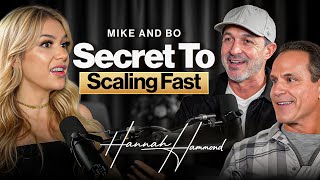
Mike Marigan and Beau Court grew their wealth from $7 million to $44 million in a year through partnerships and real estate deals. They source properties through relationships and look for distressed situations, deaths, and divorces. Their core rule: choose partners with strong character and complementary skills.
Questions this video answers
February 11, 2025
43 companies
Over $150 million of real estate
From $7 million a year to $44 million in the first year
Distress, Death, and Divorce
Chapters
The first one that we bought, we did 7 million or it was doing 7 million a year whenever we bought it. He did 44 million the very first year.
Oh my gosh. For anybody that's looking to either get into a partnership to scale their business, what advice would you give to them?
You've got to be a good person. Partnerships. You have to get with someone that's like minded and is after the same goal because it's going to get rough, it's going to get. Things are going to go wrong and you've got someone whose hair catches on fire every time or their bipolar or they've got any type of vice, any type of vice, I don't care what it is. It's where there's gambling, drinking, how they treat humans. You got to walk away and you got to walk away from most people. So it's rare to find really good partners. But when you do, it allows you to scale. We are partners with Houston Motorsports. Got five locations they're negotiating right now while we're doing this to buy in a six location. We know nothing about the motorsports business and our partner and my brother is there negotiating on buying a location right this second. So guess what? I think we're gonna buy it. Probably 500,000 to a million undervalued. So today when we close, we could sell that, I think for quite a bit more than we're paying for it.
Because a lot of times what happens when you're young, you're an entrepreneur, you want your best friend to be a part of it, but they're not an entrepreneur. And so that's why it crumbles is because not that they don't have the best intentions, but they have to bring value. Everyone's got to bring value to the table.
Welcome back to the Hannah Hammond show. I am super excited to be here today with Mike Marigan and Beau Court who are at absolutely incredible. And I'm excited to hear both of your stories. And they have built a portfolio of 43 companies as well as over $150 million of real estate and without raising any capital up until this point, which they're. They're now starting to do. But it's absolutely incredible what you guys have achieved. They're both from a very small town outside of the Valley in Arizona. Bullhead City, right?
Yes. Correct.
Yeah.
Awesome. And yeah, I've been connected to you through some other mutual friends of ours and just super excited to work, learn more about your story and share especially about partnerships because I've struggled in partnerships personally And I think a lot of people do throughout business and then how you've been able to build such an incredible, massive portfolio of real estate without using other people's money. So thanks for being here.
Yeah, thanks for having us. Honestly, we appreciate it. Obviously got connected through Sean lynch and Gentry. You were on the podcast and that, and Mike and I were as well. But no, it's been a good journey. We love sharing it. You know, like. Like we were sharing before we started the podcast today.
It's. It's.
The main reason that we got started in social media is because we had so many hurdles to climb over, and we really didn't have anybody, Any mentorship around us to really figure out how to do it. And so now that we figured out what we have about real estate and. And how to raise capital and how to use hard money and use our own money to. To amass the amount of real estate that we have, we like to share it, you know, help other people not have to go through some of the same pitfalls that we did.
Because it's a lonely journey.
Yes, it is. Definitely. Like, I look at you and. And I see you doing what you're doing by yourself, and I'm sure you've got people, key people, or maybe some partnerships going on. But we're very fortunate to have a partnership that we do because we're. You know, we always say. And we've got a good friend that says, when there's $11 on the table and you're in a partnership, someone's got to take the five, and someone's going to take the six, you got to be okay to take that five sometimes.
Yeah.
And I think that's really attributed to our success, is I can stand down in. Mike will step up, or he'll have me step up, and then he'll stand down.
Yeah, yeah. And I think something that is key, I noticed when I was reading about you guys is that you were friends for 25 years before you started your partnership.
Is that right? Yeah.
Yeah. So it wasn't just like, hey, let's rush into this and see how it goes. And so let's go back a little bit. Like, I always like to hear people's origin stories. I know I had a pretty significant origin story that really led me into entrepreneurship and wanting to find financial freedom. And I'm always just curious for my own curiosity and then also for others out there, because it. For me, it was very isolating to start to build businesses and to get into real estate investing. And I was terrified Because I didn't really have mentors other than we were just talking about rich dad, poor dad, Robert's book. But yeah, kind of like if you could share what your childhood was like a little bit, what your background, what inspired you to get into entrepreneurship and real estate?
For me, I think sometimes entrepreneurship is kind of like a songwriter or someone that writes poems or whatever. You're going to do it no matter what, whether you get paid for or not. It's just your love, you know, it could be someone that's a drummer, it could be someone that likes to sing at the church or whatever it is. And entrepreneurship was like that for me. I think it's a little bit in someone's DNA a lot of times. Because I don't remember not trying to make money. I don't have a memory that goes back further than appreciating making money and the business feelings I got from it. And goes back to when I was six. My sister would have been five. We were making little coasters and putting them in our shoebox and going door to door, knocking on the door. And I remember doing that, you know, one summer or whatever it was, and the best sell and the feeling I got that got me hooked at six was a gentleman answered the door. We showed him these coasters are made out of yarn and popsicle sticks or whatever they were. They're just little, these things we made. And they're 25 cents apiece. And so, hey, would you like to buy these? And he reached over and he took two of them and he paid us and then he put them back and he says, now you guys go sell those to someone else. And it was like I discovered fire. It's like, what just happened? You're kidding me. I just could. I couldn't believe that feeling. So I'm always chasing that high, you know. So when there's success in a closing real estate or in business, it started that young and then it just has gone on from there. My last job was when I was, you know, 17 years old and then got into the video store business.
Wow.
Through a family member that had a small chain in the Fargo area. And he caught me to the point where I've always appreciated looking back and helping other people. I was really young at that time. He was, you know, 12 years older than me. He had a business going and we were at a situation where he'd been drinking too much and he talked about his business and wanting to expand. Well, I went back to Arizona, did the research, and then called him up and he was a distant cousin. And I said, hey, you know, I found three possible locations. Would you come out and see if they work? I know you said you wanted to expand and he was a man of his word. And he flew down and he goes, how old are you? I go, I'm 18. And he goes, all right, yeah, look, what do you got? And so he picked one of them, helped me open it, and allowed me to buy him out a year later. And so that was what got me started. And so I've always appreciated that. And I've had a lot of people do nice things like that when you're performing. And so I like to do that to other people now. So.
Awesome.
Yeah, it's just, it got me going and then from there I was hooked. Back then, if you opened a video store, all you need was a good location. The money was going to come in. So on our first or like our second day, we did our three years projection. We did it like on the second day we were open.
Jeez.
So then it turned into a small chain and I knew that video stores, or at least I felt they weren't going to be around, you know, I just. And I knew I wanted more. One of anything wasn't going to be enough. So went to Laundromats car washes and then eventually started looking at real estate because my brother and I were new move locations. And at the end of the day, the only guy happy was the landlord. And so we go, let's be the landlord. And so that's how it got started for us.
Awesome. And what about you, Bo?
Honestly, watching Mike, I mean, seriously, it's no joke. I mean, I was seven years younger than Mike, so I was still in high school and. And Mike's younger brother Joey is like one year older than me. So I knew of Mike through Joey and then watching Mike's journey and seeing him open the video stores and I was younger, I was, you know, 13, 14, 15. And I can remember my dad talking about Mike Merrigan. And the only reason he was talking about Mike was because my dad was in the Rotary Club. And so it was a Rotary Club is a bunch of older gentlemen that are like minded entrepreneurs and they meet up every Thursday for lunch or whatever it was. And my dad had come home at one point and he told me, he goes, yeah, there's this young kid, he's 19 years old and he's in the Rotary Club with us. It's just kind of odd. And there's all these attorneys and engineers and entrepreneurs that are in there. But they all had noticed that Mike was a mover and a shaker man. He was making stuff happen. He was opening another location, another location, another location. And I kind of watched Mike's journey. I went away to college. I came back, and a friend of Mike's from high school was actually one of my roommates in the first home that I bought when I was like 20 years old, 21 years old. And Mike would come by to visit him. And so Mike and I would start sparking up conversation and talk business. We talked business for 20 years before.
We ever did anything.
Yeah, we just slow played it.
We.
I regret I want those 20 years back. We should have started a long time before that. But honestly, it worked out well. 2015, Mike and I started doing stuff together. And it's just scaled since then. It's been a blast.
It's funny that rotary is. Because there was no Internet and no one back then. No one talked about a mentorship or, you know, coaching or. It just didn't exist. And we're in a small town in Arizona. It's a desert community. I mean, it was nothing. But I realized that those were the guys that were getting. Getting stuff done in town. So I got asked to join. And so I said yeah, but it was only because there wasn't this around. There wasn't the Internet. So what'd you have to do if you're 18, 19, you go to the rotary and you meet those guys. But we're still doing. Those guys are all older now and they've retired. But we still use one of the lawyers and one of the engineers from that. From that way back. That's how long those relationships.
They're the OGs in our community.
Yeah.
Yeah, they are so good guys. But we were both just. We were serial entrepreneurs. I mean, we talk business all the time. I started a pool company, and I would. Even whenever I got into that, I would ask Mike for advice on doing that. I had a bread distribution company. Mike had his car wash. We started a solar company together. We started construction company together. We started doing storage together. I mean, multiple businesses. Once we got together, it was like rocket fuel. Yeah, it was like rocket fuel because we were yin and yang. You know, we both are chasing the same goal, but kind of in different ways.
Yeah. So that's so awesome. I know partnerships can be the. I think it's the most important decision you make in life. You know, first off, your. Your spouse, partner. And then if you're an entrepreneur, your.
Business, it's a marriage.
Yeah, it is. And so what I guess for anybody that's looking to either get into a partnership to scale their business business, what advice would you give to them as far as choosing a partner? Should they find a partner, do it alone. You know, how do you find a partner?
The thing about partnerships is you've got to be a good person. And so everyone. Yeah, I'm a good. Now are you really? I mean do people know you as a really good person and if you're not, you're going to be part of the problem. So you got to be a good person to start out and you got to have be self aware because if you're not, there's going to be problems. And then when you're looking for a partner, it comes down to just being a good person. So you just, you've. Like my cousin who got me in business, he told me, goes, the day we got in business there's contracts and so we signed the agreement. He goes, he goes, mike, he goes, this is a partnership but we are married now. He goes, you are married to me. He goes, and if we get a breakup there needs to be lawyers involved. We need a divorce, you know, so I took it seriously. So partnerships, you have to get with someone that's like minded and is after the same goal because it's going to get rough, it's going to get. Things are going to go wrong and you've got someone whose hair catches on fire every time or they're bipolar or they've got any type of vice, any type of vice, I don't care what it is, whether it's gambling, drinking, how they treat humans, you got to walk away and you got to walk away from most people. So it's rare to find really good partners. But when you do, it allows you to scale and we could not scale. Philip Orange right now is negotiating on. We are partners with Hugh Houston motorsports, got five locations. They're negotiating right now while we're doing this to buy in a six location. We know nothing about the motorsports business and our partner and my brother is there negotiating on buying a location right this second. So guess what? I think we're going to buy it. Probably 500,000 to a million undervalued. So today when we close we could sell that I think for quite a bit more than we're paying for it. So that's how it blows up is you've got an expert in a field you know nothing about. And I love Philip, he's a great partner, always does the right thing, is a Religious man, which, you know, nothing wrong with that. He's. He's got a great heart and he's a great family man and he always does the right thing. So I want to open up as many locations as I can. And for that we just had a real estate deal that we didn't need any partners. But guess what? We brought him in just because. Hey. As a thank you. So now his net worth is growing. So now he wants to do us a favor. This location is so far outside the other locations that he could have done it on his own, but he would never do that because he's got great partners.
Yeah.
So it just keeps building.
It's got to recognize the value that you bring and make sure that everybody brings value to the table.
Yeah.
Because a lot of times what happens when you're young, you're an entrepreneur, you. You want your best friend to be a part of it, but they're not an entrepreneur. And so that's why it crumbles is because not that they don't have the best intentions, but they. They have to bring value. Everyone's got to bring value to the table.
So.
And once we recognize, just like Mike said with Philip Orange in the motorsports, he's tremendous. I mean, we started out, the first one that we bought, we did 7 million or it was doing 7 million a year whenever we bought it. He did 44 million the very first year.
Oh my gosh.
So it's.
And that was nothing to do with Mike, myself, or his brother Dino. But what do we do? We brought him in on the real estate deals and we're still scaling and we're going to bring as much value back to him as often as we can. And then we'll.
We want to perform over perform for him and he wants to over perform for us. And so it's just a challenge and it feels so good. It's just. I can't even explain how. How it makes you feel. You know, when you've got a partner that's just.
Everybody's unselfish and I mean, even. Even to. Of like you want to know if somebody's a good partner, go to dinner with them. How do they. Do they open the door for. For people leaving or walking in or out of the restaurant?
Do they complain about their last partnership, Their last. Their spouse or their kids?
How do they treat the waiter? You know, I mean, all of those little things actually amount to a lot.
We have someone today, right now. I just text him when I was in the restroom. That is on our coaching call how this Matt, 23 is 23 years old. Today we are closing on a piece of property that was owned by Coca Cola. I think we're buying it for 400,000. It's unbelievable. It's 69,000 square feet for $400,000 that he's boots on the grounds lives 30 minutes away. And I just, I just text him, I go man, I go this is our first of many deals to go forward. And it just feels so good that he's get he's excited but we're excited for him and I'm excited because the deal we got so the excitement just is going. It's like a little tornado, you know and he's. We ran into so many difficulties closing on this piece of property. Fell out once got it back in but guess what his the reason why I'm I sent that text and I don't haven't had a lot of communication with him because he remained cool hand looped the whole time and I like that. Guess what we're going to the plane's crashing, everyone's screaming just relax. It's either crashing or it's not. Yeah. You know so I like that. And he handled all those difficulties like a pro. Yeah. Just like boat would I see him catch his hair on fire. I feel the born you know things are going to go wrong. It's how you handle it. It's going to determine how bad it's going to be.
Yep.
You know what I mean? And so he handled it like a professional. And so I just I'm excited to do this deal with him. It's a great deal but I'm excited to be working with him. And when I get slow down. Guess what I got some young kid that's going to be trying to kill it for me and I can sit there go would we buy now? I didn't have nothing to do with it. Right on, right on. So that's what I look forward to. You know I'm just stacking my chips up as you know I'm going this rain and we're building it over here. So.
Yeah.
Yeah. So it's a great guy, right?
Yeah, definitely.
So. But it feels really good when you get a good partner.
That's so cool. I know it feels amazing when you have a good partner or good employees that you know have equity and skin in the game. That's I try to do that in my companies is I don't have any W2. It's all 1099. Like you get part of the upside. You're invested in this.
Even though it's fun to share, it.
Is, it really is.
You know, and it's fun to build entrepreneurs and be able to all participate in the wins, win together losses.
Yeah. The old school way of doing business that Bow and I, there's, there was a little harsher back then and you know, you know, not literally, but the guy, the old guy that would clear the desk, you know, everything went wrong, blow up, you know, and treat employees terrible. And you know, it's all the money those days are gone. You got to share, man. And, and once you get past that or you just, you're not that type of person. You know, when you're sharing and you see someone over performing for you go that that's why they're doing it, because they want to perform, you know, So I love that.
And, and that's something that I noticed right away when I met you is like you're just so grounded and you seem, I mean, I don't know you super well, but you seem like such a well routed and just from the short time I' as well Bo, you seem so awesome. Like good people. I can tell right away. Right? And I think so many people have so much like, I don't know, unhealed trauma or attention or anger, ego, like.
Yeah, all those things that.
Or a lot of people too. They may be really good at business or maybe have a lot of money, but they're a horrible husband or a horrible wife or partner or they're not a good father or mother or maybe they're really sick and unhealthy and overweight, but they, you know, like all these things. And you guys are that epitome of well balanced, well rounded people that have good relationships, good friends, good partners.
Let's be nice to all humans.
Yeah.
How hard is that? Right? I mean, start there.
But how do you, how do you balance it? How do you balance all of those things in your life and still thrive so much in business and continue to scale?
I don't know. I think what you just said is just being an honest, open person and you know, I don't have to win every single time. And with my wife, you know, we.
Stand down too much.
Yeah, he really does. A month trip and we get back and go. You notice we didn't argue once, not one time. I mean, you're in an rv, things break, you know, you don't get the spot you wanted someone cut out in front of you. But the radio's on, we're having a good time, we're by ourselves, I mean, so just enjoy what you got, man. Be happy with what you have and then be wanting more. And that's with me. I'm never satisfied where I'm at. Always want more. But I'm sure happy to be start out. I'm alive today, right? And you got your health, so why would you take care of your health? It doesn't make sense. I go through Walmart, look at these people. I go, what are you doing? What are you doing? You really don't care. I mean what would that be like to go through life and just go, I mean this, I mean that and I don't care and I'm not exercising. You know, we got this morning, we're at the gym together. You know, it's just don't even think that we're not going to go to the gym. So I don't know what would it be like to live any different? So be a good person and treat yourself good first. And so people that don't treat themselves good, how can you treat other people good? You don't even respect yourself. You start there to treat yourself like a million dollar person, you know, treat yourself like a badass, Live that life, then it can spread and your kids see you being that way and your wife sees you being that way. And you don't have to go preaching, just live that way. Live like a badass and people, you'll attract other badass.
Be self aware.
Yeah, be self aware.
Self awareness is key, I think. And then anytime that something does go sideways, don't always look at the other person and think that they're the contributor to it. I mean, I've told my kids growing up, I go, if you look at a problem as 100% and let's say that someone contributed 95% of it, you only have 5% of it. Well, maybe your 5% caused the 95%.
Yeah.
So you got to own it. And I think like a lot of our successes come because like Mike said, we, we stay calm and cool through a lot of different situations, but we always look at it at the end of the day, what did we do to, to contribute to that problem or that issue that we're having in business? Because if you're always pointing the finger, what are you doing?
Yeah. You know, we try to solution and that's why we're good partners because we literally both try to say it's my fault. Now what can we do? We do honestly because when we have multiple businesses, the thing is, is we love real estate. But we have businesses together and we have businesses personally. But they all revolve around maximizing your profits, living below your means, taking the profit from there, and invest in real estate. And so he has the same exact mindset. And so that's what we've done. We take those profits and we buy more real estate. And that's why, you know, we haven't put together a fund. We haven't done a lot of things that other people do. Hey, I own all this proper. Well, you own 4% of all this property. How much do you really own? We own everything we have. Yeah. Every single thing. We bought them. We didn't buy 20 buildings from one person or one fund or anything about one at a time. Every single one of them.
Yeah. And your strategy's mostly been value add in the commercial space. Right. And you do a lot of single tenant industrial, light industrial stuff. You do storage. You do.
And we've tasted everything. We did multi family duplexes, fourplexes, you know, 24 place. We did. Hey, we're to kill it in Verbose realized that wasn't it. You know, that was during the COVID and everything went crazy. I would hate to be a verbo guy.
Now I have five.
Right.
They are all vacant. Right.
Thank you. So we were going to buy up every house on. We had a Colorado river that, you know, vacation home. So I go, bo, here's the deal, man. We bought one. It was killing ago. Let's just buy every house that comes up and then we'll corner the market on it. Well, that worked. We bought three.
We had our fourth one in escrow, and then covet hit. Yeah.
Yeah.
And we ended up slowing down on doing it, but it worked out through Covid.
Yeah. You know, a little bit after. But at the end of the day, people that travel, like myself, I like the concierge downstairs, I like the service, I like this, and I don't like getting my own stuff and that. So it was unique and it was fun. And we were renting verbose and then we go, wait a second, where's the badass hotel? That's funner, you know? So I think things changed a little bit. Yeah, yeah, right.
No, and we sold them. Okay, good. I'm selling mine. So I'm transitioning a couple to unfurnished again because I'm realizing at the same price, people like, oh, I just don't want the furniture in there. I'll pay more money, but I want the furniture. And they're so saturated in this market.
Sure. Every market's different.
Yeah, but I love so many people tell me, like, you do too many things. Like a jack of all trades is a master of none. And I. There's some truth in that, but I think that, I think it could also be a big risk to be only knowledgeable in one space because the world changes all the time.
Yes.
Like all the office brokers that were office brokers for 30 years, well, they have no business anymore after Covid and that type of thing. So I've always, like, that's. I was mentioning to you guys, my real estate brokerage, we do residential, we do commercial. Then people like, well, what asset class? I'm like, we do every asset class. And I represented every asset class. They're like, oh, well, you shouldn't do all that. Like, no, I should, because why could I not diversify? Right. And so as the market ebbs and flows, like when multifamily started to kind of crash a little bit, as far as the sale transaction count goes, I'm like, great. Well, luckily I have an owner user medical office business. Like, so you guys have 43 companies and $150 million plus real estate portfolio in multiple different industries. They're not even all vertically integrated. So what is your opinion on how have you been able to become experts in so many different, you know, spaces and continue to be successful in that? What's your advice, people?
We'd like to say that we're strategic, but we're just squirrels. Yeah, we're undisciplined.
That's why we have.
But. But honestly, partnerships, though, you know, the partnerships. Because we can't do everything on with our own two hands. I've always said that you can only do so much with your own two hands. So the strategic thing would be partnerships.
Yeah, you know, key people. I mean, when you go, whether it's to the mailbox or to the direct deposit, when you've had a success with a partner in, those checks show up or those monies get drafted in there. It's. It's nothing like it. You know what I mean? So. And the thing is, is I agree with you. You know, hey, stick to one thing and master it. None. I get it. But you got to be who you are and who I am. I had to do multiple things. It was. I told you I had video stores. I could have just stuck to video stores. But when they went to zero, where would I be? I would have figured something out. But I kind of knew. I go, something's changing. You know, I didn't know if it was going to come through the phone, but everyone in that industry knew this wasn't forever. And so Laundromats, I remember thinking about going, okay, 50 years ago, you put dirty clothes in a. In a bucket, and you add heat and you swirl it. Today, you put dirty clothes. And I go, 50 years from today, you're probably going to put dirty clothes in a bucket. And, you know, so that's how I got into. I go, that's, you know, that's probably going to stay the same for a long time. And so got into laundromats and had a great run with it, and I usually get bored and then I want to sell.
So, yeah, same.
So scroll. Exactly. I mean, even today, like, there's a part of me like, yeah, under bats. I've been seeing some on social media and I'm like, ah, I kind of want to get back into it, you know, because it's. It's the same. It's exactly the same. But what you do is you. And what Bo does with. With his company is what we do provide an unbelievable furniture buying experience. That's. We have retail furniture stores, Laundromats. I went to every Laundromat before I opened up. I went to every single laundromat in Las Vegas because it's 90 miles away. And it was the old phone book stays. And so you could say, well, yeah, he said that. But no, no, no, I went to everyone. So I got my phone book, I got my girlfriend at the time, and after a day of driving to every one, now I got two more days of it. They're the same thing. There's just an ugly old one. She goes, well, we've seen them all. I go, we haven't seen all of them. We're going to all of them. So I'm in North Las Vegas going to, you know, but had my little 82 Honda Civic. But I went to every one of them, and I learned a lot from every one of them. And so mine were the exact opposite. There was no sign that said no anything. Refunds went to every single customer that asked. It was decorated. It was beautiful. Everything was brand new. Nothing was broke. And so it was an unbelievable laundry experience.
That is so cool.
Yeah.
And I was open 24 hours, so you don't ever have to last. Last load at 10. Last load of nine. I just go, there is no last load. We're open 24 hours a day. How much did that cost me? But at one time, I was considered one of the busiest laundromats in the country.
Wow.
So. But just, you know, unbelievable. Whatever experience you're doing landscaping pools, this guy kills it.
That's like Alex Harmozi teaches, is making unresistable offer, irresistible offer. It's a lot easier because if you just try to lower your price, you're just. It's just a race to the bottom.
Bottom. No. I had a competitor when I opened make it free laundry, a free dry. Oh, Mike, the guy down the street's free dry. I go, if someone wants to risk their life and go down and get free dry, go ahead. Mine are brand new. They work perfect. And there's an. There's a price involved, and I'm not lowering them for nothing.
I love it. Yeah. Make high ticket sales. Make it all about the experience and irresistible.
We're all about that because so many times we get hit up because of owning all these different companies. They're like, what's the one like, what's the one company that it. There's no, like, Silver Bullet. It's. It's customer service in all of them. And a lot of times, it's the people that you either partner with or employ that are the key to all of it. You know, if you've got good quality people that are providing that unbelievable buying experience. Mike told me that 20 years ago, and I just, like, once I heard it was like fire. It was like, okay, I'm gonna tell my people that every day. Because why not, right? Why not kill them with kindness? Why not deliver the most unbelievable experience? Whenever you're coming to buy from me, my. They're going to come back.
My furniture stores, when you walk in, we have a refrigerator, and you're offered complimentary beverage and blah, blah, blah. And so my employees think that they're given good customer service. Oh, they come in, we greet them. You've trained us how to do that. And that's customer service? No, no, no. That's. Anything else would be just rude. I go, if someone from college comes into town, they come in. Of course you're going to let. Hey, want to let you know the restrooms down the hall to the right. I got some beverages here. Dah, dah. You're saying hello to them. I go, what if you didn't say that? It'd be considered rude. So customer service doesn't start until there's a problem. Then we'll see if your company has good customer service. I like that, you know, being polite to people. That's just normal.
Yeah.
And people think I'm giving great customer service because I Greet the customer and they come in. That's nothing. Everything else is rude. When there's a problem, that furniture showed up broken or that didn't show up on time. Now let's see if you got good customer service.
Love it. So and so I heard that you guys talk about the Mike and Bo's 3Ds, your key to finding undervalued business opportunities. So what I'm. What are the three Ds? How does that help you find good business opportunities?
Distress, death and divorce.
Ah.
Every one of our properties is based on one of those.
Okay.
And that's because we buy properties, we won't close on something. And there's not like a, you know, an appraisal on each one to make us say that. But we have to believe we're buying at 30% undervalued. Excuse me. And we'll cash flow in 90 days. And we say that over and over every day. And that's how we buy properties. So with that in mind, it's one of the three Ds.
Distress, death and divorce.
So getting out there and developing that relationship with those people that own those old buildings and then it's just a relationship based deal. And 90% of the time it goes back to one of the 3D.
So we're either buying from the husband whose wife has died, the wife whose husband has died. And it's usually a guy that use that building and light industrial has, was successful with his AC companies, his machine shop, whatever. They usually have made enough money because they're a conservative group of people up there and someone has passed or they're getting ready to pass and they want to sell their building because they're done with it. And then that's what we do is we build those relationships and everyone has to be happy. We want the owner, I mean the seller to be happy. We need to be happy. We're investors and we have to lease it out to someone else. So we fix it up. A lot of people have pride of ownership. So we let them know what we've done to the building down the street, what we're going to do to your building, continue on your legacy. And then sometimes we're buying from the kids, right, because the dad died and they didn't sell the building. So they don't have any pride of ownership. They just want the cash. And then we do a quick close and so we get the building. So divorce does the same thing.
Yeah, Motivation. Yeah, definitely get under market value, you need motivation.
But there's a whole Part of the country that are old guys that made a lot of money and they're still building with one acre or five acres with a fence around it that just needs someone else to come in. And a lot of times they've made so much money that they let them sit. And that's when you identify distressed properties. Weeds grew up. They don't even want to deal with the realtor. They don't want the headaches. They don't want to talk, they don't want the computer. Well, just go on your email and sign, dog. You sign that, Mr. 82 Year Old Guy.
Yeah.
And he's like, f you, I'll just keep the building, take it with me. And so when we do deals, we're either talking to a grumpy old guy. These are general things because we buy from brokers all the time too. But we're usually dealing with a grumpy old guy or a happy old guy. And I'll take the grumpy guy, I'll take the happy guy. It doesn't matter. But it's a grumpy old guy or a happy old guy. Nine times out of ten.
Yeah.
The wife in the background. Sometimes not. Sometimes, yes. And then when it comes to the kids, they just want the cash. So. And then if you just look a lot, there's a whole country full of those buildings.
And how are you guys identifying those buildings? Like, what's been the best deal source for you and what would you recommend other people do who are looking to identify distressed assets?
The old school way of doing it.
Like we back yours.
Look in your backyard. Yeah, look, look five miles around. We have, we bought 80% of the light industrial buildings in our neighborhood. And we're still working a deal on Friday for someone that owns four buildings less than a mile away from our office. I mean, we're just constantly developing relationships with anybody around our neighborhood that has a light industrial building. Because they're going to sell at some point in time.
Yes.
And so we've done the same thing in Texas. So the claim to fame in Texas was we would fly into Texas. His brother Dino lives out there down by the oil refineries. All those contractors aren't allowed to actually work on the refinery, but they got to be within so many miles of the refinery so that if their services are needed, they can get there. And so they'll get a contract, but the contract will state that they need to be within so many miles of the actual oil refinery. And so, so we bought up all of those light industrial Buildings down in that area because the contractors have to be down there. So the way that we would do it was we would just go knocking on doors, cold call, develop relationships with these old cats that own all these buildings down there. And then if they don't sell that day, I guarantee you, you stay in contact with them, develop the relationship and follow up. At some point in time, they're going to sell. Every building is going to sell. We own a bunch of buildings today. In 25, 30, 45 years, someone else is going to own those buildings. Well, now is our turn to own those buildings.
Yeah, yeah.
And what has been your best way to get correct? Like, because I know when we cold call and stuff, it's hard to get correct information. Right. Is you can skip traces of like that, But a lot of times it's old numbers. And have you guys kind of found a good technique for that, or is.
It mostly you have to get in front of someone and when I said have to. We buy through letters to. We have letter campaigns, and we have. We do have success. We have success on the phone. But at the end of the day, especially someone starting out, just go ask your uncle if he's done with this old building. You know, start there.
Yeah.
Hey, I see. You know, remember that machine shop used to have. There's. There's someone in your family. They're there. They're everywhere. He just got there saying, within a mile, we just bought another place in my backyard. I live up on a hill and I look down and there's. There's a steel building. And someone in our. On our team that stopped in from high school is 15 years old. Can I sit in your group and call people? Sure. He found the property, I think, or whatever the deal was. But. So they're in your backyard. People just look too far. They get too complicated. Keep it simple, you know, I know there's all this technology out here, but what's wrong with the old school wave when you're getting started? You know, right now we have a team. Our team's right here. But you don't start out with a team. You start out just by yourself. And you need money, no problem. Ask your rich uncle. He'll partner. I asked my rich cousin when I was 18. He said yes because he's seen that was a good kid, you know, so if you're a good person, if you can't raise money on a piece of real estate, it's either not a great deal or you're not a great person. Which one is it? Because if you're a great person and with a great deal, call up Mike and Bo and we're partners right now. And so it doesn't matter. So right now, anybody out there find a great deal and you're a great person. 30% of their value cash flow in 90 days. DM US.
Yep, it's done.
We'll close it. It doesn't matter. What. What else am I looking for? Something better. So it's easy. Yeah, you just got to do it right.
That's the thing.
Taking action and figuring the F out later. That's on the back of our shirts.
Is it?
Take action, figure the F out later.
I love it.
Yeah.
Have you guys ever had. Speaking of that, have you ever had like a rock bottom moment in your lives that or in your businesses, personally or professionally? Were you.
Yeah, he's got a few.
I want to hear about it because.
I used to like the blondes of big boobs back in the day. Yeah, Chasing women, you chase the wrong one a couple of times. So I remember, I remember getting down to. And honestly, this is the end of my. I worked once, claimed to fame. Hey, I did 10 years without a.
Day off, so there's no one day off.
So one of my. My sisters cruise on a vacation, on a wedding cruise or whatever. Honeymoon. But the truth is there's no pictures of me on a boat. There's no picture of me on a ski resort. There's no pictures of me anywhere at a beach for a period of time because I was working with my video stores, put in 10 years, had a. Was married, had a STEPSON, did my 10 years, lift my head up, look where I was at. I seen a U haul with tail lights with my ex wife and my stepson going to Roswell. And I had $275 left in my pocket because she took everything. Well, I gave it to her. I go, hey, we're done. You know. But I. So at 20 something, at the end of 20 something, I had $275 in my pocket. I had a couple struggling companies, but I always have partnerships. That's not my money. The money I had was 275 bucks. And I hit the ground running. My buddies picked me up at the airport or whatever because I had to. She turned around, said, you got to drive me. So I drove her. But anyways. But I've been down, man. Everyone's been down. Both been down. It just happens, but it's part of life. But I don't know what it's like to not have that type of, you know, I know there's some.
Wait, so she took all the money out of your bank account.
You get to that point.
No, Mike is the type to give it to.
I gave it to her. I just go, here, she joking. This is back. Go down to Edward Jones. Get it. Go down to the uva. Get it. Anything we had, I go, what about the stuff? You know, because you know, the family heirlooms, I go, take them, get the biggest U haul, take them all because then I'll know where I'm at. So she did. And I knew where I was at.275 bucks. I had a bicycle and a paid for truck. And so this dude likes the chase.
More than he likes the money.
Yeah.
Like his goal is to make the most amount of money that he can. By the time he's 82, he's gonna die at 82. 82.
82. I'm just.
He likes the things that money can buy more than he likes those things.
Yeah.
And so as long as I know.
I can buy something super cool, I don't have to buy it.
Yeah, yeah.
I just get pleasure. I could have that. I don't. But I don't have to maintain it, take care of it, or wonder where it's at.
Yeah.
So let's let it stay in the showroom.
That's funny. I know one of my coaches talks about that is like the more what it. The abundance mindset is. When you live in a mindset of scarcity, then you want those things more. Like, for. For me, eating has always been a challenge. Like compulsive eating and just turning to food for when I'm stressed out or whatever. And so she's like, when you tell yourself. And also I'm a perfectionist and I want to be a size double zero and fit all the beauty standards. Like, let's be honest about the truth.
You're doing all right.
You're a mess.
Yeah, no, I feel like a mess. But she's like, if you tell yourself you can't have that, your brain's gonna obsess over it all the time. And so she goes, people, it's just the same thing, like with people with an abundance of money. Just because they have an abundance of money doesn't mean they're going to go spend it all. Because there is no scarcity. Like, they can buy whatever they want anytime they want. It just. It destroys the real desire to go buy it. Just kind of like you said.
Sure.
Interesting. Yeah.
I started working full time when I was 14. And I remember getting my first paycheck and I, you know, that age, you're eating Ding Dongs and Twinkies and you know, life is great. You can't believe that. You know, I love sweets back then or whatever. And I remember just like I didn't have any money, you know, and then my parents were the time to just hand out cash. You had to earn it. So didn't have any money. So got my first paycheck and they paid every two weeks. So it was a substantial amount, you know, and I had it. And I just, I remember pulling in at the convenience store that I visited and there was that candy row and it was all lit up and I walk it and I'm looking and I'm looking. I left with nothing. But I just like the idea I could have bought every candy bar instead of just one. I could have bought them all, you know, I had a lot of money on me and then they were cheap then, you know, or whatever, but. But I didn't buy one. I left. I don't know, it's just, I don't know. I like the fact that I couldn't have done it, but I didn't. So I live, I still do that.
But with that mindset, you miss out on some smoking deals too, that this dude has missed out on so many good deals on cars or whatnot because he overanalyzes them. He's got analysis paralysis.
Yeah, but that's good. That's with partnerships. Yeah, I see my weakness on a lot of different things.
And then if you don't try to call them out.
Yeah, but, yeah, so you just try to, try to, like you said earlier, being self aware and seeing where you're weak and then hire your way out of it or partner up with someone that's, that's good at it. And Bo, you know, he's right about some, you know, we're all very self.
Aware and Dino's a big part of our partnership. It's the three of us and we, we don't have a problem stepping down. We're all type A personalities. So it's. I think it's odd, but it is so powerful that, that we have that type A personality. But we all recognize in any situation in business, we fly out to Texas quite a bit and do quite a bit of business. We have a fabrication company, we got the motorsports. We've got multiple different companies out there. So we're constantly meeting with partners or whatnot, but we already know without even talking about it when we step into the room of each different. Different partnership. Who's going to talk, who's going to take the lead on it, who's best suited for this in negotiations on real estate, who's best suited. And it. And it's easy for me to stand down or Mike stand down.
Or his brother because we're going after the same football. So when he's negotiating, like, I would have been in the minute. The meeting 30 minutes ago. But if you want to keep talking the guy, but he moves him, and pretty soon we got to the price we wanted to me, I would have chopped the guy's head off. We would have gone or whatever. You know, I just. So I work faster and nervous Nelly and whatever. And he's cooler and can. So when someone's, you know, talking slower, whatever. We'll have Dino or you or whatever. And sometimes the harsher guys. I'll take those or whatever. So every situation is different. But he's never like, oh, you should have said this. We don't do that to each other. I just stand down. And he's probably doing the best he can. Yeah. And we're partners, so I'm gonna live with what. What we got. You know, we'll get the next one.
Yeah.
Or he. He does close it. High five. You know, so. But there's no. Dude, why. You know, getting mad because something didn't go our way. Guess what? I used to chase, you know, every deal, like the Hope diamond. Don't let go of it. We lose this one, we got another one coming.
Yeah.
You know, abundance.
You know, there's so many deals, and we're not emotional. I mean, the three of us hold each other accountable to not be too emotional, because it's hard not to. You get invested in something and you're trying to close a deal on something, and the price doesn't come down to where you thought it was going to, or there's repairs that you didn't anticipate or whatnot. But you just. You're so in love with it, and you've been looking at it for so many years, it's hard not to. But when you're in a partnership, you know that I'm not doing this just for me. I'm doing it for him. I'm doing it for his brother. And so I need to make sure that I'm not just being so hard strong on this deal. And. And I'll stand down and just go, hey, you know what? We'll wait till it comes back around. Or it makes it easier to negotiate. And Try and get the terms down.
Yeah.
Where you want them to be.
I know. I think people don't realize the importance of, like, the skills are easy. Anybody can learn the skills. It's the emotional intelligence and your ability.
Communication skills.
Communication skills, and your relationship skills to self and to others around you to, like, stay calm and be a good person and be honest and authentic and all those things. And it's. People are just like, oh, how do I calculate a cap rate? And how do I calculate the contractors? And I'm like, that is the least important of your problem.
No, exactly.
It is.
So. But honestly, 90% of people that are watching social media and hearing all these things, they think that that's where it's at, it's not there. I mean, I've always been the type of salesperson that. I'm not a product knowledge guy. I'm just a relationship person. I may not know anything about it, but if I got the confidence and I've got people on my team that tell me that's a good product, that's enough for me.
Yeah.
You know, I'll sell it, I'll stand behind it. And guess what? Whenever it doesn't work out the way that I told you that it was going to, I will be the first to give you your money back. Oh, the warranty's up. And it was up six months ago. No problem.
I'll take it back.
There's your money. You happy?
You know, it's like Costco and Amex.
No.
Yeah, it's. It's so important. And that's why me particularly now, because I always thought it was the skills and this. And then I realized I'm a mess. You know, I'm like, I need to work on myself here. And the personal development and the meditation and the physical health. That's when my business started growing exponentially, was when all of that became the priority instead of, I don't have time for that because I need to close this next deal. I have to answer my phone for this. I need to do.
You can't have all of all the other things unless you have that first.
Yeah. Before you decide to be an entrepreneur, go strip down in front of the. Naked in front of the mirror and go, who am I really? You know, who am I really? Am I physically the person I want to be, Mentally the person I want to be? Because once you get into business, you have to perform. The bank does not care about your problems or you're a victim of what? Where's the payment? Nobody cares. Nobody cares. About your problems. Nobody, nobody. Everyone is looking after themselves. And so we're humans and that's a way we survive. Look after yourself, run from fire. So thing is, you got to be looking at yourself honestly and then you're okay. Open yourself up to business opportunities and the things that come, partnerships and whatever. But until then, you're just a guy that hasn't foreclosed yet, you know? Yeah, you're just, you're going to get yourself in trouble. You have to be a hard working, honest person that can look at themselves and go, I'm happy with who I am and move forward, you know.
So have you guys ever had any of your businesses fail or severe like business setbacks? Like I mean it for the audience, it's not a cherry, just perfectly cherry road.
So I know exactly. We've got them right now in a couple of businesses that we're just.
They're always a struggle.
There's always something happening. Always, you know, moving of people around, trying to find that perfect partner and then finding, implementing more people to the team that, that bring the value that we recognize that we don't have in that company.
One of our Houston motorsports, like I said, it's, it's a hugely successful company. One location wasn't working out, so we did a, we did a remodel. We brought in the best person from that team to manage that store. So you've personal change. Everything we could think of, social media, everything we could think of. At the end of the day, it didn't make money. So now I'm going to keep it because of my ego. No, it's closed. It's for rent. You want to rent it, it's available. Guess what? We moved on. So there's always going to be struggles. We just happen. Honestly, when you're this diversified and you have this many businesses, you're just fortunate that you have more successes than failures. That's it. So if you got 151 are successful, guess what, you're winning. Right? But we strike out all the time.
You can't cry over it. You got to get past it. You can't let it change your mindset.
You started out with good intentions and guess what? Everything's not going to go perfect for you today, right? No. But guess what? It's probably a pretty amazing day. So in business, it's the same thing we have. We, we're going to continue to have failures, you know, so it's how you handle it and then recognize it. What are you going to do about it? You know, so we never got into any business we thought was going to fail. And so. And we own it. And we own it.
We own it. 100. Mike said something to me years ago, and I've used it million times over and over again. But people only do what you allow them to do to you. So it's the same in business. Like, you just have to own it.
If.
If something's not going right, you contributed in some way, shape or form, you know, if that business isn't succeeding, it's not because this partner or that partner, you didn't. You didn't step in and implement the corrections either. So you're part of the fault also. So people only do what you allow them to do to you. And in business, we kind of take that philosophy on things.
Yeah. Relentless resilience.
Yes.
And just never being afraid to cut your losses and not holding on too long. I think so many people, you know, I. I've had multiple companies fail, or I just was so miserable, I decided I didn't want to be a part of them, you know, and so it's just being able to step outside of the ego. And, like, I'm not in this for a hobby, and I'm not in this because of ego. I'm in this to make money and to have freedom. And if I'm not making money and I don't have freedom and happiness, then shit's got to go. And that's for whether you're a guy I'm dating, a business I'm running, a friend that I have anything, you know.
I talk about a couple times in my life like a scoreboard, you know, as far as, like, making money in business. And I went to. Took my boys out shooting once, and I load up all the guns. We're gonna go out shoot in the desert, you know, And I got there, and they were young, and I forgot the targets. So we get there and I go, well, yeah, I shoot the rock. Shoot this, you know, so we're sitting there shooting at nothing, and then you realize, oh, without a target, it's not that much fun. The same thing happened. I went to one of my son's football games, and the scoreboard was down. But guess what? Three quarters of the way through the game, there's no score. You don't know how much time left. You go, it's not that much fun without a scoreboard. So in business, you need a scoreboard. It happens to be money. It's the P and L. Right. So I hate being involved in anything that doesn't make money. It's not because I'm, like, greedy. I want to make. No, it's just the scoreboard. I'm losing. I don't like losing. So show me the P and L. We making money. If we're making money, I'll be in that business forever. We're losing. Okay, we got to fix it. I got to get out. Because it's not a hobby. I got enough hobbies, you know, I don't need a hobby for a business. And a lot of people have hobby businesses.
That's why they start their business. Because it's a hobby.
It's a hobby, you know, but, yeah, me look at the score where we went in. Great. Not. All right, what do we do and.
What do you guys determine? Like, let's say are you guys buying all these businesses and bringing the owner as a partner? Like, how are you building and scaling your portfolio?
A little bit of both. I mean, honestly, like our fabrication company and our court specialty services company, we partnered with special people that are key in that industry. So we started from ground up. So they're startups, the motorsports. We brought in a key person and Philip Orange to be our partner, but they were existing businesses that we actually bought out. And you.
Not. You didn't partner with the old owner?
No, we actually bought out the old owner.
Okay. Yeah. And so how are you identifying these partners in these. All these different industries? Like, how do you know that they're. How are you finding out?
I like, the. Philip Orange was just being My brother, was buying products from him. He was the number one salesperson, manage the store or whatever, and said. And then said. Said to my brother, goes, you know, I like to do something on my own once, you know, if you're ever interested. And so that got that relationship going. And then in any industry, there's just. Like I said before, I'm not saying it against, you know, women or anything, but there's just a bunch of old guys, a bunch of old businesses. So these two cats that had this business, they were like drag race motorcycle guys, and they could not give us the keys fast enough. They just. Well, I know it's in escrow. Just take the keys and the money will come through. You're like, no, we can't take it out afterwards, but we want you, you know, and so they were just done with their business. So there's so many people out there that are just done with their business, but they couldn't have made it easier to. To buy the business from them. And one thing they said is you know we were young hot rod guys and we got into the motorsports business and everybody hated us because the way we were doing business and we just killed it he goes and then time went by and the Internet and everything else and the computer systems and software because now we're the old guys everyone hates us again because we do it the old school way you know so they had their they had their time and then they didn't and they still come into the store and they're still happy for us you know Are you.
Looking@Likebizbysell.Com Are you working with business brokers? Are you just like again looking driving around looking at older businesses and trying.
To find the owners I like going just I enjoy looking at businesses for sale I enjoy that so I look at that but I've never actually bought a business from there but it kind of gives you a gauge what things are going for and stuff A lot.
Of it happens through networking I.
More from Hannah



Never Waiver On Your Values—No Matter How Lonely, Uncomfortable, Or Difficult The Journey Gets

Watch the full video about Ray Dalio’s prediction on the upcoming debt crisis… 👀

Stop Asking “How?”—The One Question That Will Help You Scale Faster Than You Ever Thought Possible

4 Life Lessons That Took Me 30 Years To Learn—But You Can Learn Them All In Just 14 Minutes


This Is Unfortunately How You Can Tell Your Real Friends From Your Fake Friends


