From Depression to Millions—No One Expected This
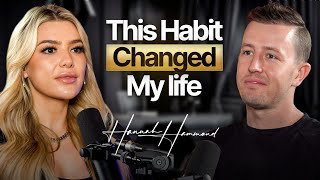
Conversation between host Hannah Hammond and guest Morgan Nelson (May 21, 2025). Morgan recounts his trajectory from a toxic tradie environment, heavy substance use, and two suicide attempts in his late teens to rebuilding life via changing environment, network marketing, personal development, and entrepreneurship. He describes practical recovery steps (exercise, dietary changes), mindset practices (future pacing, 'magical script', daily gratitude, intention setting), goal frameworks (skin/meat/bones, quarterly rocks), and behavioral change tactics (state, intention, evidence-building). The interview also references his Dream Out Loud podcast (streamed in 120+ countries) and his upcoming book, Dream Out Loud Method.
Questions this video answers
Two times.
120+ countries.
A$7.50 per hour (reported).
Dream Out Loud Method.
Chapters
So, like, that's my life. Even when I'm falling, I'm flying. Even if I'm falling to my death, I'm not going to choose to live in a state that says I'm falling. I try to take my own life two times, drugged up all the time I was drinking all the time. I was so depressed, so anxious, where I thought I was in so much pain, where I thought the only way to escape this pain would be to let you escape this world. Oh, my God, it's doom and gloom. I'm about. I'm not going to spend my last two. Two minutes falling to my death, worrying about dying. I'm going to be like, this is amazing. And then sweat.
Morgan Nelson, thank you for being on my show today. All the way from Australia, all the.
Way from down Under. I'm so excited to be here and talk to you. So thanks for having me on.
Me too. And for the audience. He just interviewed me. We had a great conversation. And he's just to give you a background. Morgan's an Australian entrepreneur. He is an expert on personal development and psychology and. And nlp, which is neurologistic programming. Neuro.
Linguistic programming.
Yeah, that. That's what I met. Close enough. He's also the host of the Dream Out Loud podcast and he hosts an annual event in Australia that attracts people that are really just trying to live their highest potential. And I know you and I have a lot in common as far as our personal struggles mentally and just throughout our journey of life and entrepreneurship. And then are you're now so passionate, like myself, about helping people create a life of freedom and wealth and true purpose and, you know, reaching their. Their highest potential. So I'm super glad to hear your story today and just dive into how you, you know, now you acquire companies, you have a mastermind, and you're just such an inspirational person in the personal development space as well. So we'll just get right into it.
Yeah. Into my story.
Yeah.
Yeah. So, long story cut short. When I. I was in school, I always gonna start my story with this. Like, I went all the way to grade 12 for no other reason except for the parties and the girls. That was it. I was like, this is the greatest time of my life. I'm not leaving. People around me were telling me, you should. You should leave. Like, you're not paying attention, you know, getting good grades. You're never gonna go to university. Why are you even here? My tourists parties every weekend, hang out with girls. I was just like, that was all I cared about. You know, and so when I finished school, I didn't get any sort of grades that even qualified me even close enough to ever go to university. So the thought of ever even doing further education was completely out of the question always. And some of my teachers actually said to me, because I said, I was like, well, what should I do when I leave school? So they said, well, to be honest, one, we're not really sure. But I'll tell you what you shouldn't do. Don't do, don't do anything in reading, writing, journalism or speaking because it's not your strong suit. Now I'm writing my first book in a dream out loud method. I run programs and education all around the world. We've got a podcast streamed in 120 plus countries, you know, so it's like I get paid and flown around the world to speak to people. I'm like, I joke with people, I'm like, isn't that crazy that I get paid for people to listen to me talk about shit? And that's great, you know, but for my first early years after school, I really believe that lie. I, I believe that like I shouldn't do this. So I went and became a carpenter and that's, I was building houses, I was doing all this. And you know that industry in Australia is quite toxic. It can be quite toxic. Anyone who's in that industry would definitely would relate and could say they would agree, you know, so everyone around me, they were depressed, they're alcoholics, they were drug addicts, toxic, they were angry. So after a while, what I become, I became angry, toxic, depressed, alcoholic, drug addict, you know, and this was by 19 years old because I had, I had the goal. I actually, when I started my apprenticeship to learn how to become a carpenter. I saw the builder drive on the job site one day in a brand new BMW and he got out and I asked my boss, I said, who is this guy? Because he's clearly doing it right. He's like, just keep working. He's, he's the big boss, he's the builder. So from that point I had the goal to become the builder. So like he's got the great car, we're here working, he's just rocking up to make sure the jobs get done. I want to come the builder. So how you need to do that, you need to finish your apprenticeship, then you need to go get your builder's license. And it's about like a, you know, 15 kind of year journey. So I said, great. So I had my goal set to finish my Apprenticeship at all costs. Now, I understood that, you know, you got to go through some sufferings, through some pain. You go do the shit jobs. You got to learn the hard way. Like, I'm like, I'm here for it. Get paid lower than minimum wage. I was getting paid $7,50 an hour, Australian dollars an hour, which is now given, like four bucks now. Yeah, when I first started. Right. But I was. You get sold into dream, where you're learning, so you should be grateful. And everyone around me is telling me the same thing. So I had that goal in mind. And we were on the job side and hanging around all these people. I had to work seven days a week to actually make enough money to even pay food and pay rent and all this stuff. So working seven days a week, 14 hours a day in that 45 degrees Celsius heat, which is about, I don't know, 120, I think, something like that. Super hot, humid hot, too. So it was quite horrible. And so the only way I found how to actually get through this was do what everyone else was doing, come home every single day and drink. And then you drink so much at nighttime, the next day you're really groggy and you feel like shit. So how do you sharpen up? Or you use drugs. Great. So every single day we're using drugs to wake up. Drugs keep going. Drugs go to sleep at night, alcohol at nighttime. So it's just this concoction of. Of, of that. And there was a lot of fighting. A lot of our friends were involved with, like, gangs. We're getting. When I say we, like me getting arrested multiple times a month, like, just wild. To the point where the other day I actually bumped into one of my old teachers in. In. It's called Officeworks. It's like, like a stationery shop in Australia. I bumped into. He's like, morgan. I said, oh, my God. Hey, how you going, Paul? He goes, mate, I follow all of your stuff online. He's like, it's incredible what you're doing. I said, oh, that's awesome. He goes, mate, I gotta tell you, he's a pommy. He's an English mate. Gotta bloody tell you, of every single kid that finished in your year, you're the last I would have thought have done anything. Wow. I'm like, I don't know if that's a compliment or not, but I'll take it. He's like, well done. He's like, like, legit. Like you. There's no. I had no fucking hope for. I'm like, thanks, man. So how are you? How's the kids? Right? And so, like, I. I had everything. The perfect recipe where someone say he's not gonna do anything. And 19 years old, shit got so bad, where I was drugged up all the time. I was drinking all the time. I was so depressed, so anxious, where I thought I was in so much pain, where I thought the only way to escape this pain would be to let you escape this world. And I tried to take my own life two times. And through that process, I actually started to dig internally a little deeper to try to understand why, because I could look back my life. There was one time, my life, where I was really, really happy in this job. I was like, this is a great career. I love this. There's a. There's a saying in Australia. Tradies get the ladies, right? So I was like, what a great career. Like, you know, I'm a tradie mate, right? I'm single. Is this perfect? And how am I here trying to take my life now? Like, what happened? And the first thing I realized was that the one thing that changed was my environment. I was surrounded by people that lifted me up here and here. I surround my people that brought me down. I became exactly like them. So I gave up on the. I didn't give up on the whole dream of the become a builder, but I gave up on that way to get there. See, I. I think you need to be super stubborn on your goals, but flexible on the journey. Have to be flexible on the outcome. We can't connect the dots looking forward. We have to put everything we want out there and visualize it, and that's where we're moving. But be so open to movements and being fluid to get there and adapting and pivoting. So I left there, came back down to where I live in the Gold coast with the intention to surround myself with people that are actually happier and that were going places. And so I started reconnecting with some of my older friends, and then by 21, he actually introduced me to the network marketing industry, which I understand over here in America.
So, hold on, just.
Yeah, yeah, yeah.
So you really glanced over the fact that you tried to take your life two times?
Yes.
So what was that like for you?
It was super exciting. Like, which part? Which part?
I mean, to get to a point, because I've been there, to get to a point where you're so. You're in so much pain that you want to die, and then the journey to come out of that, like, it's like, okay, well, I'm just gonna get a new job and I'm perfectly great and I'm gonna go, you know, now I'm a personal development coach and I am amazing and I'm happy and I'm all these things right. So for me, it's been a long journey to come from wanting, not wanting to live, to now waking up every day excited for the day. But I, I mean like, just like, what was that rock bottom moment for you where like I remember a scene in my life where I was just bawling my eyes out on the couch and I was deep in an eating disorder. I was living alone in a one bedroom condo in Phoenix and I was too insecure to leave the house or go to class and I had no one around me and I was bawling my eyes out with this sad song called Spirits Blasting and I was trying to figure out how to kill myself. Like how I was like, I don't want to do it anymore. I don't know how I'm ever going to come out of this. And so like, for people, you know, who are maybe struggling or maybe have a child that's struggling or a loved one that's struggling, I've lost a lot of friends to suicide, to overdose in particular. And it's, I think there's a lot of depression out there and a lot of people don't talk about it and we all, on the surface, like, I'm good, life's great and all these things. So like, I would love to just hear if you're okay with it, how, how you got to that point. I know, you know, you got to that point because of the environment you were in. But what, what did that feel like for you? What was that rock bottom moment and how did that transform your life into the door that led you into where you are today?
Yeah, I can share this. I've actually never shared this whole story, so we can if you want because I think I like to more so focus on. Cause what I did to I guess get out of it back then probably wouldn't be. So all of my focus now is helping people prevent. So I don't like to work on cure, I like to work on prevention. So all my work is helping them really master their mind so they never get to a state of ever wanting to do that. So that's sort of why I like to gloss over and teach, you know what I mean? But truthfully, this is what happened. I was, we're working 14 hours a day. I felt like I had nobody in my Life who cared about me. We were living in a house with I think 12 other tradies in a two bedroom house. Everyone around me was angry, depressed, toxic. I couldn't escape anywhere. And I remember what I did actually was we went up to this place called Early Beach. It's like great place just to party at. It was about an hour or so away from where I was working at the time. And I thought I was like, if I can just ask for like one day off every couple weeks, I can go and escape reality and just enjoy life for a second. So I did it one time and I went up there and I actually met a girl. And it was like some crazy, what do you call, like Romeo and Juliet? Like we met and we're like, oh my God. Like we've just found each and we bonded like crazy, right? And we're like, we're in love. Is wild 19 year olds. And from there she lived all the. On the other side of Australia, I was living out here and we were like, let's try like make this work. And this was, I think I held onto hope and that was the only hope I had in life that life could be better than what I had right now. So I had this sense of, oh, this is so exciting. So every time I talk to this person I was like, this is beautiful. Like I love this. Like it makes me actually feel better about my life. I have something better happening. And then all of a sudden it's. Yeah, we actually stopped communicating. I. I actually kind of forgot. I think she just stopped communicating. And I was confused. Yeah. And I went through this whole like crazy of like what is going on. And then it started to confirm all these things I believed about myself. See, I'm not good enough. See, no one loves me. No wants to be around me and just spirals to this point. Well, like it then what's the point of even being here, right? So that's sort of what it got to. So I remember just sort of. And that's the thing. People often get depressed because they do. There's multiple reasons, but let's just say like some of the blanket ones would be losing hope of the future. Like there's been people who lived through Auschwitz and the reason that man's search for meaning. I could be wrong. I'm pretty sure that's the book where he talks about. He's like the people who actually gave up hope were the ones who died. And the people who held onto hope and started planning for when we get out of here had something bigger to fight for and bigger, to live for. So the moment we actually give up hope that there's. That it can get better if we. If we have this belief that it can't get better. That's why people go, shit, screw this then. Because if we want to avoid pain and seek pleasure, Two biggest motivators of the human psychology, we want to avoid pain. We're in so much pain. Good. I'm going to end it. That's it. And I actually interviewed Kevin Hines. He was the guy who jumped off the Golden Gate Bridge and lived.
Oh, my gosh.
And he. He called it brain pain. I'm like, I like that. He goes, I don't call it depression or anything like that. Called brain pain. I'm like, that's so true. Because, like, you'd relate to that as well. Like, anyone who's gone through it understands that it's not. I'm not depressed. I just have this absolute pain in my head that won't go away. And the only way I think I can end it is to end everything. And it's crazy that people can get there. But. So what I help people first do is start to discover a bit of a baseline and, like, where is some sort of hope in their life? So if we can help them understand that there. There can be a time where life will be better. It's a great starting point. And another reason people will be in a place like this and stay there is because we tend to not look at life how it actually is. We look at life usually worse than what it actually is. So let's look at what happened to me. I will look at that and go, okay, what actually happened in my world? Well, what I. What I. What was actually happening was I was working a crappy job that I put myself there. I was hanging on. I was trying to be somebody I wasn't. I was trying to be cool with everybody else. I then started to date this girl. It didn't work out, and then I blamed it all on her. And, like, that's. That's actually. Like, that was what was actually happening, right? But what I made it mean was so much worse than that. I was like, oh, this means that I'm not lovable. This means I can't do this. This means that I've got no one in my life. No one cares about me. What's the point of even living? Fuck this. I'm gonna life. I'm gonna die. That's what was happening. So I remember when it. When it did happen, there was two times first time happened where actually, I have this tattoo on my arm here says, even when I'm falling, I'm flying. See, I got that tattoo when I was in the state of being really happy. So, like, that's my life. Even when I'm falling, I'm flying if the work. So if I'm falling out of an airplane, which is fun enough because now I do it for first fun. I jumped yesterday, which you need to come. So I'm like. So I've had that mentality. Even if I'm falling to my death, I'm not going to choose to live in a state that says I'm falling. I'm going to switch and go, fuck, yeah. How good is this? I'm flying. Like, how amazing is this? I'm not going to focus on, oh, my God, it's doom and gloom. I'm about. I'm not gonna spend my last two minutes falling to my death worrying about dying. I'm gonna be like, this is amazing. And then splat, it's done anyway, so I can choose how I want to feel. So I was always my attitude. And I remember the first time I actually attempted suicide was. And again, I've never actually shared it. I don't even know if I'm on my own podcast. So it was through overdose. So the plan was an overdose and drown, right? So I'm like, I'm gonna do it. I'm two times I'm overdose. And then if I. If I. If it doesn't happen, I'm gonna force him drown. And I remember when I was in the water, the last thing going through my head was saying, are you falling or are you flying, Morgan? And I went and I managed to actually get out of the bath and then pass down the floor.
Wow.
Then I woke up, and I woke up later, and I was quite confused. And no one knew about this. No one actually knew about this for about four years. And then I tried a very similar attempt about a week later, fell over, hit my head. And then I think that was when I was like, what is going on here? And it's funny how we've often got the right answers already within. They just get clouded by all the noise. And ask off the question, if I was going to do anything to get myself back into a state of feeling joyful, what would it be? And the answer that came through from Divine God, Universe, whatever you want to call it is crazy enough, was go and exercise. Go for a run and eat some fruit. The most random thing, I'm like, okay, but I'm a listen a million percent true though. It is true. Right? Because endorphins and go for an exercise, go and pump some endorphins for your body. It's a natural antidepressant. Go and eat some fruit, have some good nutrition. Because more serotonin and oxytocin, which are our happy chemicals and our joyful chemicals, our confidence chemicals, are created in the gut than the brain. Most people are not depressed. They have a shit diet. Like a lot of. A lot of people. So if I work with people who are actually depressed, like we'll always dive into mindset and stuff. Obviously, like I can shift a lot. Like fastest would probably turn around. Like someone who's suicidal is about 20 minutes and. But I'll always back it up with show me your diet. We gotta dial this in because if you're eating shitty food and you're really bad gut health, you're not producing even a health like a baseline of natural happy chemicals. So when you fall below the baseline, you naturally like sweat. People get postpartum depression right after a, after a pregnancy because through the pregnancy they have to actually. The woman's body has to excrete a heap of oxytocin. Okay. To actually go into labor and to actually give birth to the placenta after the baby. And sometimes what the nurses will do will inject the woman with fake oxytocin to help that cycle have a better. Then women will fall into about two or three days after this, a massive depression cycle. And I don't know if you've ever taken drugs before. Yeah, right. That we have the depress express. Right. Like we. My whole past was crazy, right. And so for one, two, three days after, like a massive drug, drug day, drug night or drug week, you have the depress express. That's what I call it. And I never understood it, except for the fact I was just coming down right now. I understand on a neuroscience, you know, chemical level, the reason you feel so fantastic, let's say on MDMA or Molly, because you're oxytocin through the roof. You ever take molly and then you just want to like touch everyone? You're like, I love you, man. Like, let's just talk. Because you just. Your body's like, ah. So what happens is it goes way past it excretes all of it. And then for days after, it's going to come all the way back down below your natural level so you feel like absolute shit. So you have no happy chemicals inside of you. Actually getting yourself to a baseline of just feeling good. So you're depressed. So I looked at that and go, how can actually start to improve my diet and get healthy again? So I went for a run. A lot of fruit that day. Came home and clear headed, quit my job. Left there that day and the boss was like, oh, if you stay, get this, I was making 750 now. And he goes, oh, I really need you to be here. I said, I'm not saying here. If you stay, I'll give you 25 bucks now. Oh, like that's a. I said, if you're willing to pay me that you should have done a long fucking time ago.
Wow.
And so I said, no, I'm leaving. So I actually left and I didn't talk to anybody for about a month. I got off all drugs, all alcohol. I started running every day, started eating healthy every day. And just. And that was it. I wasn't trying to do anything other than not feel like crap. And I want to find my own baseline again. And that was, that was what that was like.
Yeah. Thank you for sharing that.
That was the first time.
Well, I feel honored. I know it's not fun to dive into these things, but it's, it's so important and I think. And what you hit on is so critical. Like the diet and the exercise will solve 90% of your problems. And I was deep in an eating disorder, didn't have good nutrition, wasn't leaving the house. And it's just like Murphy's Law. Whatever, you know, whatever can go wrong will. Or the compound effect is it just keeps getting worse. And the domino effect rather, you know, one domino gets knocked down and they all come down because they all affect each other. And that was the biggest catalyst to me transforming. It was starting to exercise every single day and I started to feel good. Starting to eat a plant based whole food diet, still meat and stuff like that, but focus on whole foods. And I've gone through phases of, you know, vegan or vegetarian and carnivore and all that stuff, but ultimately just whole foods to get the gut bacteria right. Now I test my gut all the time. I get blood work all the time. I found out my hormones were completely trash. And I'm like, this isn't that I am a depressed person. It's. I have depression for some reason, I have depression.
You're not identifying with it. That's, that's the key. Yeah. And this way in Australia and I'm, I quite talk openly about this. I haven't had anyone really challenge me. It's It's a touchy subject, but I feel like I can do it because I've been through it all. But in Australia, they call it the Black dog. It's like the depression and I freaking hate it because people like, oh, we need to spread black dog awareness. I'm like, what? Just get a whole bunch of depressed people together and let them feel good that they've got other people that are depressed with them. I'm like, I'm not supporting that. Like Mother Teresa said, never invite me to an anti war rally. I won't attend, but invite me to a pro peace rally, I'll be there. I'm like, I'm not going to some sort of people. Like, can you come speak about depression? No, I'm going to speak about how to control your emotional intelligence and master your life. I'll speak about that. I'm not going to talk about. Yeah, if you're depressed, it's okay. I'm not going to talk because what will happen is this. They start to trauma bond together, okay? So you get a bunch of depressed people together. It's great in the meantime, because they get connection, they get oxytocin, they feel good. I've got other people, they relate to me. But now what happens is this tribe, okay, we are tribal creatures, okay? We. It is more important for us to be in a tribe than is for us to be alone. Because back in the day, 2 million years ago, we're hunting. We are safer when we're with the tribe if we're by ourselves. They did, they did an experiment called the ASH experiment, and they put four lines on a board and they got a group of actors, okay, they got a group of actors and one real person. And all these lines were the same except one, it was double the length. And they said to the group of people, they said, all you need to do is go in there and put a circle around which line is different from the rest. But the actors were told to circle, let's say A. But the answer's D. And so they come in, the actors all circle A. And the real person looks at them like, what the hell? The answer's D. Circles D, they reset, they do it again. They come in, act as circle A. He comes in, doubts himself more. He goes, no, it's, it's D. It's going to be D. It's like double. They do it again. By the time they get to the fourth, fifth or sixth time, nearly every single time, four, five or six, that's only how long it takes them. You Know what happens?
Circles a.
The real person comes in and goes, yeah. The answer is a. It only takes four times to convince someone that their own reality in front of them is actually false, and they'll choose an answer that they know is wrong. Why? Because it's safer to fit in and is to stand out. And this goes back to, like, our brain has been developed for about 2 to 10 million years old. And if we think back to the tribal days, let's say. Let's say you're a hunter and you're out there with all the boys, and you go and collecting berries and getting meat, and you're coming back to the village, but you're the navigator, and you're at a crossroad, and you know that the way you need to go to get back home as safely is right? Okay. But everyone starts going left. You say, hey, guys, guys, we're going. We're going right. When you go right. And they go, no, no, we're going left. I know it's left. He said, I'm the navigator. I know what I'm talking about. It's right. And they're like, no, no. And they start walking away. What do you do? You go, shake. You join in with the group. That's what would happen. And I think that would even happen now. Like, people go, oh, all my friends doing this. I know it's the wrong answer, but I'm just gonna go anyway. Yeah, right. Because this is the three sections of our brain. The first part is our reptilian brain. This runs scripts in our DNA. We have DNA that's been passed down generations, that's hardwired, built into our nervous system that we will play out before we do anything that we value or we believe to be true. This is why people live in conflicts. So they're living a life that I want to be successful. I value success. I value wealth. But why am I not doing it? Why don't I have the results of a successful life? Because there's probably some sort of hardwired script that's going against what it is you're doing. Right? There's so many examples on this, but this will play out. This will create the bandwagon effect. So then we jump on the bandwagon. So what more what the most people are doing, we tend to go with the crowd, not because we think the answer is right, but because it's safer. Because we were safer in a tribal day when we were with the group than we were without by ourselves. And back in the day, if you don't survive. And if you don't have sex and make more children, then your. Your genes won't be carried on. The only two things they cared about, survival and reproducing. That's it. So it's all about survival, reproducing. We haven't really evolved too much. So you get a whole bunch of group depressed people together. One person comes out, he's like, wow, it feels really good to be around these people. You know, I feel good. It's better than being in the house. That's a great win. Fantastic win. But the problem now is what happens when you get happy and healthy. You don't have your tribe anymore. So let's say, okay, I just listened to Hannah's podcast and I've done a learn how to become really happy in my life. I'm improving myself, but when I hang around my friends, they make me feel. I feel depressed, but I don't want to leave my friends behind. Maybe I'll give up and being happy and healthy. I'll go back to the depressed group.
Yeah.
So I don't like it for that reason. I'm all for, you know, supporting people in the growth of developing their own emotional intelligence and emotional mastery. I just don't like it when there's these groups that get people together because they start to trauma bond together. They create the identity. Like you said before, I am depressed. I'm a depressed person. I'm in this group. I'm in this tribe. I have this badge to show it. And then they'll start to hold the identities, the values, the beliefs, do the behavior, do the skillset, get the results of someone who has this identity and which is. I'm a depressed person.
Yeah.
So they're not going to break out of the cycle. Yeah.
This couldn't be more from the truth. You are who you hang around. And that's why being around such uplifting people and people that inspire you and, you know, the statistic of you're the average of the five people that you spend the most time with. And so I always put myself. I always like to be the dumbest person in the room.
You know, dumbest in the poorest. My goal. Yeah. I'm like, I want to be embarrassed when people say, how much? Like, how much do you make? I'm like, I don't want to tell you.
Yeah.
Like today Dean asked me. I was like, so it was just context. I was with Dean Grazio this morning, and we were having a conversation. He's like, so what did you make last Year I was like, I don't want to tell you, but that is the best, the perfect thing. Like, I love to be in rooms where I'm like, shit, I don't want to tell you that.
Yeah, no, I know. That's how it should be. And then it's just because you want to focus on where you want to go and what you want to be. You don't want to. That was something that my coach taught me is your brain will dwell on whatever you're focusing on, right? So if you're thinking about all the things you don't want to be, you're attracting that into your life versus if you think of just moving towards what you do want to be. And naturally you'll start to move towards that. So instead of being like, I don't want to be poor, I don't want to be poor, I don't want to be poor. You're just attracting poverty into your life.
So the unconscious mind doesn't process negations. Don'ts can'ts not. So let me give you an example. Don't think of a blue elephant, right? What did you think about, Hannah?
Blue elephant, right?
So people will write things like, I don't want to be poor, I don't want this. So when they're writing their goals, they sometimes screw from the get go. Okay, what do you want for your life? Well, I don't want to be broke, I don't want to be overweight. I don't want this. What their unconscious mind hears is, I want to be broken, I want to be overweight. You know what I mean? So it's language is very, very important.
So instead it's, I want to be wealthy, I want to be thin, I want to be free, I want to.
Be happy exactly how you want it and exactly as if it's real now. So to identify with the future self that already has it. So versus saying I want to have this, that's presupposing that's always going to be just away from you. So I'll write down every single morning. I'm so happy and grateful now that I am. Okay, so I have a life script. And this I call my magical script because it's the closest thing I've ever found to magic. I. When I started doing this, literally I started achieving my goals. And it shows that three months and what I did was I would just future pace to them, like, what's the big goal? Like, what do I want in a year from now? Like, what do I really want? And I Would write down like it's a journal entry. And I go, I'm so happy and grateful. It's now, you know, January 5th or whatever it is, 2026. I was happy, grateful. Now that I am earning $1 million in revenue per month for multiple income streams, I'm happy, healthy, and wealthy. My. You know, my bonus is growing every day. Everywhere I look, I see opportunities. I see. I see gratitude, I see love. I see ways to collaborate with like minded people. Our podcast is growing. It's this. And I explain everything as if I'm literally just journaling about my life because I try to involve the five senses. So if I can write and actually create a visual image of it, like, what's it smell like? What am I wearing? What's it feel like? What are people saying to me? And I try to involve as much as I can because the unconscious mind doesn't know the difference between what's real and what's fake. Same as if I asked you to imagine if you had a juicy lemon wedge in your hand right now and you just bit down on a lemon. Right. Most people, if they visualize biting a lemon, their mouth goes like, tingly. They're like, yeah, right. And if I. So when I hypnotize people, I hypnotized somebody. Yes. Actually, for fun. We can talk about if you want.
But I want to be hypnotized.
We do. After the show, if you want. Really?
I have another one, but yes. I've never in hypnotized.
Yeah. Yeah, let's do it. So. So we were skydiving out here in Phoenix and it was funny. So the lady was checking me and she's like, morgan, can you come over here? I said, yep. She's like, you're Morgan Nelson. I said, yes. And she's like, like, dream out loud, Morgan Nelson. I'm like, I'm in the middle of. I think it's called Maricopa, Arizona. And she's like. She's like, dream out loud. Yeah. She goes, I follow all of your. What are you doing out here? I'm like, skydiving. I'm like, what the hell? She's like. And then she like, googled me, right? She's telling everyone around. She's like, he does all this mind control stuff. And then. So then they're like, you got to hypnotize somebod. I said, well, okay, who should it hypnotize? The pilot. I said, well, let's do it after he takes me off for my next job. And then. So we did it. We brought him down. But what I started with doing, I said, I want to show you how your imagination works. And we did that with the lemon. I'm like, let's show you your imagination. And. And I just do it as, like a test with people. And they can do it. They can really imagine biting down on a lemon and their body is going to act as if it's real. Their body is going to act as it's real. And I'm like, well, did you eat a lemon? Like, no. So this is. I've always used the power of our unconscious mind to actually start to help with goal creation and goal. Goal achievement. And it starts with this, with the magical script saying it exactly how you want it to happen. So your unconscious mind visualize it and creates an internal reference inside of your head. It feels as if it's real. Okay, if we. If we can create the. Like people say, why are you motivated? Why are you not motivated? We haven't developed the feeling that actually has something to get excited and motivated about. So if you can create your big, crazy, audacious goal 12 months, three years from now, and. And you can really see it and feel it and understand it, and you can taste it and. And start to even think about, like, how does that future meet, dress, how do they walk, how they talk, who do they hang around with, who they know, how they spend their money, how they spend their energy, how they spend their time and start to be that person now. It's absolutely crazy. It's like the reversal of, like, goal achievements, like, from the inside out versus here's my goal. I'm gonna work hard to get it. It's like, well, here's my goal. Let's. Let's start to get my mind on board with it. So from the inside out, I started to get actually really motivated. And I can see that as if it's real. I'm excited to actually do the congruent action required to achieve the goal. So I started doing. So I wrote my script out and I read that every single day. I even brought it with me. So I see my journal. I brought it with me. It's in my bags every day. I'll get it out. I'll read it first thing I do, and then I write down three gratitudes for the day and my three goals I'm working on right now and then one, like, word statement. So at the moment, it's. It was, I'm unstoppable for so long. So I was like, I am. So at the moment, what is it? At the moment, I'm focused and disciplined. That's what I was right at the moment, it's like I'm focused on discipline. I'm focused on discipline. So every single day, I'm just. I'm just reaffirming that. And it's crazy how my life starts to work in that. It's like how I just actually start to become an extremely focused and disciplined person.
I love that. And it's. Yeah, it's definitely been something that transformed me in my life. And setting your, uh. I've also found, like, setting your intentions for the day, every day, and that's. That is it intention setting. Right? Like, what are you doing? What. Making sure the things you're doing every day are in line with the person who you want to be. And if you. If your goal is to be somebody that's in shape and, you know, multimillionaire and freedom and has amazing connections, all these things, you have to do the things every day now, today, go to the gym today, you know, build the relationships today, build the business today, have the discipline today. So, yeah, I really like that hack.
So I want to break this down because this is a lot of what I teach when I work with people on. Because I don't think people lack knowledge or skillset. Like, let's say if they want to get into sales, or let's say they want to do what you do. Like, I want to get into real estate. I want to be a hustler. I want to grow my business. It's not too hard to go and learn the. How to go and learn the skills. And I say to people, I'm like, there's only two things you really need to be as successful as you like to be. You need to want it, and you need to know how to get it. That's it. And people like, this sounds so simple. I'm like, it is. But the problem is learning how to get it is like the learning how to cook a chocolate cake, get the recipe, follow it. But why do people buy programs, do mentorship, buy courses, and don't follow it because they don't want it. They're like, no, of course I want to. But. So let me tell you about this. I've spoken all around the world, crowds of up to over 6,000 people at a time, trained, mentored, probably close. Like 100,000 people. Now, I've never, ever met anybody who said to me, I don't want more happiness, more money, more health and better relationships in my life. That's what they all want, they want, I want to live on the beach, you know, have this great lifestyle. But why do most people not get it? Because we're continually just trying to get one or two things. Get pleasure, avoid pain. But we'll do anything to avoid pain before we gain pleasure. Because that would be a very pleasurable lifestyle, wouldn't you think? Like, who wouldn't want to just live on the beach and have freedom and be rich and have a smoking hot partner and banging body? And who wouldn't want to have that, right? But there must be something deep inside that believes that having that would be more painful than not having it. Otherwise they would have it, period. So we got to understand so what is like when we talk about the unconscious mind, like, what is it? And I like to think about in these, these six areas of breaks down the actual how to get everything we want starts at the top. Results. Okay? So we want results. That's all we. What we all want. So in order to get a result, we have to do a behavior. But let me ask you a question. Have you ever done a good behavior, gotten a good result? So you did it again. Have you ever done a bad behavior, got a bad result, but you still did it again, Right? And then after you're like, why did I do that? Yeah, right. And this is what I love to obsess on. I love to obsess on. Like, why do you, why do people keep, why do you keep recycling the past? You know, that was a bad decision. You know, you shouldn't date people like that. You know that. Like, why'd you do it like I did it again? Because it goes much deeper underneath behavior is skill set. You need to know how to do a thing before you can do the thing, right? You need to know how to sell a property before you sell the property. Like, it's gotta have some sort of skill there. But underneath this is where it gets exciting. Because underneath this, the next thing is, is our beliefs, right? All our beliefs that drive our action. So do you if I threw you out of an airplane with a parachute, do you believe you could land that successfully?
No.
Okay. Because you probably not right now because you haven't done it yet. Okay. Do you believe you have the ambition and drive in you to learn the belief system, to learn the skill set to do the behavior to that successful?
Yes.
Okay. So the reason why you're not going to jump out of an airplane is because you're like, that's dumb. I don't believe I can do that yet, right? This is why our beliefs control all of our actions. Even though, you know, you can see people doing successfully, like, I know it can be done, but I don't believe I can do it. So you won't do it. We'll look at same as success. People say, well, I see Hannah can be successful. Morgan's done good. These people, you know, But I don't believe I can do it. They might have all the skills, read all the books, but they don't believe they can do it. I'm not worthy, I'm not good enough. I'm not smart enough, I'm not wide enough, black enough, tall enough, short enough, girl enough, whatever. Insert any excuse. So the belief system, I know people that are extremely talented, that don't perform their gifts and talents because they don't believe they're good enough. I have a friend in Australia, she knows shit. Sounds like Lana Del Rey. She is incredible singer, amazing. And I said to. I'm like, why does she not. Why is she not famous? Because she doubts herself so much. She's so in her head, she literally thinks she's scared to be judged. She thinks she's not good enough. And it's just crazy. But then begs the question, okay, then what do we do about it? This is what I love. So I want people to get this because the reason why I'm going on this huge tangent right now is because you started me on it. You said, I write my intentions down every day, which is absolutely fantastic because intention is one of the four things we need to do to create beliefs. So if we know that beliefs are one of the fundamental things that drive our behavior, wouldn't we want to learn how to create empowering beliefs? So let's look at this. Because if people got this, it's the only thing they got this whole episode and they just took this. They can literally rewrite their entire future. So look at this. The first thing we need to do is to have. We need to check our state as for our emotional state. So if we're in a state of being scared and fearful, let me tell you, I'll give you in a real time example so people don't think like you're just saying some shit out of a theoretical book maybe you've read, which, by the way, I didn't read this. I've just immersed myself. I know too much about humans and I'd probably like to admit, to be honest. So I'll tell you how I did this in real time and got myself to jump out of airplane successfully. So One day I had the idea that, hey, what a great. What a great idea. Let's learn how to skydive. So I go up to this place, they sit in a tin shed for eight hours, and they teach you all the theory on how to not die skydiving. So at the end of the day, I was a little bit petrified. I was like, I don't. I changed my mind. I was like, I didn't know you could get line twists. I didn't know that the parachute could come out torn. I didn't know that it could not come out. I didn't know that it could be packed. I didn't know these things. I didn't know that even if it does come out, you could scrap your landing and break your back and never walk. I didn't know these things. And to be honest, I don't know if the juice is worth the squeeze anymore. So I might not do it. So I was freaking out. I went home that day. Sorry. I called my partner that night, and I said, I don't know if I can do this. Like, my. My gut is telling me, don't jump, don't jump. And she's doing the whole, like, female thing where she's like, trust your intuition. Then I was like, let me sleep on it. I don't know if it's my intuition or if I'm just super scared, right? I slept on it. The next day I woke up and I started from the start. I'm like, well, I understand. I understand human achievement. If the goal is I want to jump out of the airplane happily and safely, let's reverse engineer this. Okay. What state am I in right now? Well, I'm in a state of. It's called shit scared.
Yeah.
I'm worried, right? I'm freaking out. I'm like, it's not going to happen. So I'm. My body's contracted. I'm scared. I'm not in a state. That's empowering. So I put on my shoes, I went. I did a few, like, sprints. I did a few runs to just completely shock my body, get into a better state. Feeling better. Pump blood from my system, get my breathing back. So I came back to my place where I was staying. I was feeling better internally. Good. Okay, so check my state. Can I be in a state where I'm actually feeling more empowered? Great. Number two is intention. Like what you said. So I love this because the things. If we set intention, we're going to then start to focus on ways to then fulfill that intention. But if we set an intention that says, okay, my intention is to not die, right? Like I said before, what am I setting the intention? My intention. I'm telling my mind, my intention is to guy. So I'm going to focus on crazy shit. So instead of saying setting intentions of things that I don't want to have happen, I'm going to set intentions of the exact thing I want to have happen. So I'm like, okay, my intention is I want to have a great, successful, happy jump. My intention isn't to be the best skydiver in the world. My intention is just to just get out there and have fun. Great intention. So now I'm like in a good state. Great intentions. Clear headed. Number three, future pacing. Okay, like I said before, we don't tend to see the world as it actually is. We see it worse than what actually is. So I'm in this state going, okay, I'm future pacing. What I was future pacing already was jumping out the airplane and getting line twists and my parachute tearing and all this crap that they showed me yesterday. So is that putting me back into a state that's empowered? Not at all. So I'm like, okay, if I'm going to already visualize the future and put myself into a state of doubt and fear and worry and apprehensive, you know, why don't I create a future pace that's perfect? Why don't I think about something that I actually want to have happen? So I started to change my mind. I'm like, okay, just visualize the first thing you need to do. Which let me take you on another tangent here because this is where people overwhelm and they doubt and they, they screw themselves up in life because they're focusing on too many steps ahead instead of the very next thing. You see, there's five stages to me. Skydiving. What do you think stage number one is?
Prepare your equipment.
Okay, so let's say I'm prepared, I got my shirt on, I'm in the airplane. Okay.
You jump, you open the door.
Someone's open the door.
Yeah.
What do you think the first thing is I gotta do?
Check your gear.
It's already been checked.
Jump out of the flame.
Correct. What do you think people think about when they're in the airplane?
Won't think about.
What do you think they think about when they're so scared to jump out?
Dying.
Yes. How do you die? Would you jump by? Would you die by jumping out or would you die by impact?
Impact.
Correct. Yeah. So they're all in front of me. So I was future pacing. Me having a bad parachute open, bad landing, dying. Not helpful. So I said, okay, coming to the site, what's the first thing you focus on? The first thing I need to visualize is the perfect exit. Just do that. Stage one, get out of the airplane. So that's what I did. I was just sitting there visualizing, okay, perfect exit. How do I want to let. How do I want to exit? And of course, what I did was nothing like what I imagined. Right. I jumped out, thought it was gonna be perfect. Next. Smells like a paper bag in the wind. Just gone. But what happened next was stage two is free falling. Now when I start free falling and I'm falling at 1,000ft every five seconds, and we exit at 14,000ft, I have to pull my parachute at about 5,000ft. So I've got 9,000ft times five seconds. Not a lot of time, about one minute to think. Do you think in that minute I'm worried about having a shitty exit? No. Do you think I'm worried about landing wrong? No. The only thing I'm worried about is free falling and my. My height. Where's my altitude at? Where am I at? So I do that. Once the altitude is at the right time, I go, okay, what's the next step? Stage three, open your parachute. Now, if I get to the stage where I've got to open my parachute and deploy because I'm getting close to the ground, and I had a really shitty free fall, I'm flying around and it didn't go how I wanted to, and I open the parachute, do you think I'm thinking about free falling? I'm thinking about, okay, where's my parachute? Is it out? Is it safe? Is it open? I get open bank. Beautiful. I got my. Got my toggles out now. Cool. Stage four, just parachute. Now. Do the thing. Stage five, land. Pack it up. Yeah. Celebrate success. Do it again. So, so many people. Future pace. Stages 3, 4, 5, 6, 7, 8, 9, 10. And then they convince themselves that it's scary, it's hard. They can't do it. They doubt, they get worried. Then they come back to the moment. They change their state. They feel like shit. They create a belief that says, I can't do this. See, it's too scary. I'm not going to do. I'm not going to act. So one of the things they could do in their future pacing is just go. Instead of letting your mind go a thousand miles into the future, go. What's the first, next, best step? Just that just take the first step, just do the absolute first thing, get into momentum. When I first started speaking on stages, I was quite scared. It's number one fear in the world right in front of dying. So people are more afraid to speak than die, which means I'd rather be in the box and giving the eulogy at a funeral. So when I first started speaking, I asked for some advice and one of my, one of my mentors said, don't plan, just take one step of courage and then confidence will follow. Because I said, how do you become a confident speaker? She goes, just do it a lot.
Yeah.
Like, yeah, but don't you have to be confident to do it? No, no, no. It's the exact opposite. You have to be courageous to do it, to develop confidence where then you can be a confident speaker. So the third phase is future pacing, the exact outcome you want. But the next one, the close one to you, and then the last one is evidence. Building evidence. See, before I jumped, I was doing all this in my head and I go, okay, well, how do I, how do I stack evidence of something I haven't done successfully yet? How do I do this? You can't do it right, which is why you need the one step of courage to then have one piece of evidence to then start to build confidence. But the question is, is someone out there already doing the thing or has already done the thing that you really want to do? If they have borrow their evidence. Unless you're trying to colonize Mars and do something like innovate some crazy ass shit that hasn't been done yet, someone out there has already done probably what you want to do, if not better, go and model them, go and get around them, go and learn from them by their book, by their course, listen, their podcast, go and figure out how they did it. So not, not to even steal their secrets, but to just build the belief that it's possible. You don't have to believe that you can do it yet. You just have to believe that it's possible. So that was the first belief I created to jump. I was like, can I just believe that it's actually possible? Can I get out there and can me? Can I do it? Yes. Good. Go. I went. Did it land on the ground? I had my first piece of evidence that I could do it. And then now I'm completely addicted. 30 something jumps in, backflipping out, hung off the plane yesterday. It's like wild shit. But I share that long, intense story because, you know, I think it's extremely practical Because I've learned so much from doing probably the thing that most people would never do in their life, and it's so applicable to every other area and. But that itself. So if we want to focus on building the right belief system, these four things we can do every single day. Check our state. What's our intention for the day? What's the exact outcome I want today and from this goal, this deal, this business, and how can I already build evidence of it being successful if I can't build evidence of it? How about for my past successes? Have I done something similar? How about the last time for myself in a hard situation? That's why I'm a big advocate for pushing your comfort zone. Leaving the comfort zone because growth is uncomfortable. You might do something that's extremely scary that you haven't done yet, but you can relate it back to another time. You also felt the same thing. I was extremely scared to take action. I did it. I felt so good after. Relate that back, pull into the moment and go again.
Yeah. What do you think is the best mind hack for someone that feels stuck and wants to feel unstoppable?
So I'm writing a book right now called the Dream Out Loud Method, because I've spent last decade studying humans, helping them achieve awesome shit. And there's five laws to this. So the first one is the right vision. Someone's feeling stuck. They're stuck because they don't have the right vision. They might have a vision that was given to them by somebody else. Right. They might have it. Like, if I talk to people who are like, what do you do for a living? They're like, well, I'm a doctor. Why are you a doctor? Well, my parents said I should study that. Oh, but what. Why did you choose? Well, I didn't choose. They said I should do that. So probably why you feel stuck because you're living a vision. That's a great vision, but it wasn't yours. So I like to tap in and actually discover what is the right vision for them. And they've actually done studies on this, which I love, because you got to think about this, because I'm not the first person who's ever said, you need to set a vision. You need a vision board, set a goal. I'm not the first person, but why is it so many people still don't achieve goals? What they realize was this. Have you ever wondered why most people don't actually save for retirement? Like, you got. You got 65 years to figure that shit out. Why most people Spice by statistics, 95% of people dead or dead broke by the time they're 65 years old, 4% are financially okay, 1% are wealthy. Why is that? Have you ever wondered that? They did a study in a New York City lab, a neuroscience lab, and they want to study people for setting big goals. And the reason they don't plan for retirement is because it was too far away to care. So let's say we're talking to a 20 year old. Perfect example. Because I was, I was a 21 year old. I had a friend of mine, she's a massive New York broker. She's like a best selling author. She's, she's a proper boss in Wall Street. She said to me, she's like, Morgan, like his. I'm going to show tap in this calculator. If you just invested this much money or this much interest per month for the Next. I was 21. So she's like, for the next 30 years. So this how much money you're going to have. So for the next 40 years, by the time you're 61 years old, you're going to be a millionaire? Yeah, Carrie, that's amazing. But like I want to be a millionaire now. I don't want to wait till then. So it sounds so stupid, but I didn't even take her advice. I didn't start investing in stock market until about 26 years old, okay? And when I started, I was like, why did I not listen to Carrie? Because it was just too far away to care. It was just talking about 40 years time for me to become a millionaire. So what actually happens is this. In our blood pressure, okay, in our, in our blood system, there's a certain area, I forget the name of it. But what happens is when we get extremely excited, okay, it will actually increase the amount of blood pressure in our vessels. When this increases, it excretes adrenaline. When we get adrenaline, we get motivated, we get excited to do something. When we set a goal that's either too big or too far away, it doesn't increase the blood pressure, doesn't increase adrenaline, doesn't boost motivation. So we look at it and go, people do this every single year. They're 20 pounds overweight, 30 pounds overweight, never hit a gym in their life. And they go, this year. This is the year I'm doing it. I'm gonna, I'm enter, I'm do 75 hard. Mm, let's do that. Let's do one of the hardest frickin health challenges out there. And then they realize why in day 7, 8, 9, they stopped posting because they couldn't make it to a gym for their whole life. But now they're going to do two workouts a day, drink all this water, read a book, get outside, take a picture. Yeah, this is too much. So the goal was just way too big for them to stay motivated long enough to actually follow through on it. Or the goal is too far away. But the same thing can happen if the goal is either too small or too close. So if we set a goal, like, let's say somebody makes a million dollars this year and we go, okay, what's your goal next year? And they go, well, I want to increase by 10%. That's a good increase. Sure. But, okay, so I'll make 1.1 million next year. That person's not going to change their behavior because the difference is like, I did not really get notice it. It's like I could change nothing and make a million bucks or I could change a little bit. Little bit discomfort growth to make extra 100k. But if we go, okay, can you double next year? Shit, yeah, maybe it's a little scary. Cool. If we could double next year, when you go from 1 million, 2 million, how would you do it? And this is what happens when we find the beautiful sweet spot between too big, too far, too small, too close. That sweet spot in between, a nice stretch, go. What happens is this. We. I did this to myself last year. So we did. I forget how much money we made, like nearly a million bucks or some shit in one of my companies between January and June, and I was sitting in the sauna at home in July and I was asking myself the question. I was like, I was like, do it. Do you think I could make double what we made in the first half this year in the second half this year? And I go, yeah, probably. I said, good, then double that again. I go, I said, could we do. Could we do over 2 million? And I was like, shit, 2 million the next six months. And at this point now, five months, and you kind of write off half of the seminar the next four and a half months. I go, well, yeah. So I asked off the question, okay, if you were going to do it, how would you do it? The most beautiful thing happens now. If we have a kind of bigger goal, we've got 100 ways to hit it. But if we make it even tremendously bigger, then we go, shit, that's scary. And I don't know how I'd hit it. Fantastic. So if you did know and if you had to hit it. How would you hit it? What tends to happen is we eliminate about 99% of opportunities and ways to get there. And we focus on, like, 1, 2, 3, and we're like, well, if I was gonna do it, I'd have to do this, this, and that and nothing else. Then do that. So exactly what I did. I'm having this conversation in the sauna at home, walking around. I'm like, oh, my God, I could do that. If I. If I put this much more ad spend into this one campaign we're doing. If I hide this person at this quarter, three at this time, and if I added one more event actually at the end of the year, actually, yeah, I would hit it. Great. So we did it. And you know what happened? I didn't hit the goal, but I went way past my first original goal.
Nice.
It's like, aim for the stars, Land on the moon. But what happened was it pulled my absolute focus in. So when we talk about the right vision for the people that are stuck, it's about actually tapping in, going like, what are you really working towards? People get, you know, stock or feel. Feel like they're not going anywhere because they lost. What's the goal? And I've been there as well. I don't know if you have. If you set huge goals and you accomplish it, then you're in the end zone and you kind of like, what do I do now? This sucks, right? And what you've. So what I've noticed when I get to about 80% of the way, I move the goal posts immediately. So every single time I'll achieve a new goal, I celebrate, but for a short time because there's already. There's the next thing happening, and I realize I had to do that. Otherwise I fall into a state of going, well, now what?
Yeah.
So I have to keep moving the goalpost. Every time I felt stuck in my life is because I've already. I was past the goalpost or the goal posts were so far away. Right. Thought I could never hit it. So I wasn't motivated. So if we find this sweet spot, it will increase blood pressure, increase adrenaline. It will actually motivate us and excite us that. That's how I'm fired up every single day to move towards what I'm doing. Like, I don't need motivation. I just. I know my vision. I know my steps, I know my rocks and my goals. I know I'm focused on this quarter, this year, this quarter, this month, this week.
Today, I'm reading Beyond Entrepreneurship 2.0 right now by Jim Collins.
Cool.
And he talks about that, how all the great companies have always have a goal that they're striving for. And a lot of the great companies that fail, not failed, but stopped growing was because once they became the leader and they became the best. Like for instance, Nike. I don't know if these could be wrong, but I think it was Nike. Reebok built night, beat Nike. And so Nike's goal was beat Reebok. And they work so hard to get that goal. And then once they beat them, they stopped growing because they didn't move the goalposts, they didn't have another thing and they were the leader. So the importance of that. But I like that because I struggle with this because I'm such a visionary and I have such big goals. I'm like, I'm going to be a billionaire and I'm going to build all this. And it's so far, so far from where I am and so far in the future. And I know it's a, it's a lifelong. It's obviously it's a lifelong, you know, goal, basically, like I, by putting that in my brain. It's so overwhelming to think about the lifelong journey to potentially even work towards that kind of goal and, and makes me like, there. I don't know how to do it because I don't know how to start today because it's so far out in the future. And so I need. I love that you said that because I needed to hear this today of so don't make too small goals, but don't make too big of goals either.
But you need the combination of both. So you need a combination of both. So you need the big audacious crazy hag. Yeah, like, you need that because it's almost like, like for me to get here from Australia, it's not the easiest flight, but if I didn't know the big goals doing out here, I'm not too excited to, you know, drive to the airport, pack my bags, get on the plane, do it. You know what I mean? So I have the big goal and then I'm breaking it down. So with the bhag, I have this. I create this psychotic life dream that's so area fair that doesn't have a timeline attached to it at all. It's like, yeah, I want to have my own jet. I'd love to have actually my own resorts. I think that'd be awesome to have like my own resource chain. I'd like to break into that one Day there's like this always crazy. My own big foundation, all these things. I've. I'm not putting a time on that yet because that's not the right next step. That's not even the right. That's not in the next 20. Yeah, but it's the, that'd be so cool like because, because I like the nothing's off limits thing. But then I get a little more crystal clear on my 10 year. Okay, so in 10 years. And I can always just do that and go, okay, how old am I going to be in 10 years? Where do I want to be? What's the income I want to have? How are we going to be generating this income? And I get a little more crystal here. And I actually started mapping out a 10 year vision a long time ago and it took me a long time to do. Was a very grueling process, especially if you even a little bit of a perfectionist. But I'm up that my tenure and then I start to reverse engineer this and I wrote it out in three sections. So the meat. The meat, the skin. So the skin, the meat and the bones. Right? So break it down. So what's the skin of my 10 year vision? Big picture. Okay, making $100 million per year, having this many companies, this much impact, blah, blah, blah. I have this car, we're living in this home, big picture stuff. Great. Then we go to the meat of it and I chunk it down a little bit more. Okay, so I'm going to be doing so $100 million per year through which company? How's it going to be happening? Where is it happening, where's it generated and what's it feeling like to do that? What color is the car you want to get? The Bentley. What type of, type of Bentley is it? White with black rims, with red calipers, like red stitching on the seat. Very so specific. Whereas I'm like, this is very real. And then the, the bones is the most transformational piece because I now start to positively justify how it's going to happen. See, I usually tell people, never blame, complain or justify, because the first two are very obvious. You blame, complain, it's negativity. No one's to be around you. But justifying will actually cement a bad belief into our head. Why? Because it builds evidence. So if I say, if someone says to me, oh, but I can never be a millionaire, so how come they say, well, because this, because this, because this. They've now given me evidence and they've formed their own belief in their Head as to why they can't do it now that now the bad thing is they believe it. So they actually now fall into, say, going, well, shit, I wish I was like Hannah. I wish I had that belief right? So I usually say, never justify until here. Because if that's creating a negative belief, what if we could positively justify? So I started doing things like this. Okay, so let's just say, for example, 10 years, $100 million per year, got the jet doing these things, the skin, the sorry, the bones is okay, but how, how are you doing this? So I start to positively justify why it's happening. So I'd say, and I'm having this hundred million dollar company, we're generating this much revenue, got this much stuff around the world because I'm so dedicated to human potential and serving humanity. Because I wake up every single day and I'm more committed to my goals and my future than I am to my excuses. Because I take my body seriously, because I eat healthy. Because you know, you'll start to see what you're saying in your vision and what you're not doing here. You'll start to see like, oh shit, I'm not doing those things. Now you get to be like, well, what if you start doing these actions? So you start to positively justify all these things? Then, then you break it down. Year nine, year eight, seven, I broke it down like this. So if I do this in year 10, what would I have to be at in year 9 to get that? So I edged it back a little bit, edge it back a little bit. And then I'd come to a three year goal. Three year picture, One year goal. Okay, one year goal. And I break this down to quarters. Then in my quarter, I sprint for my quarter goals. That's how I break down the huge audacious crazy shit. So give that a crack.
Do you follow eos?
Yes.
Okay, cool.
Yeah. So yeah, so I'll use life and business, but same shit anyway, right? But like I'll use my rocks for sure.
Yeah.
So 10 year crazy three year. I always get a lot more clarity in three year. Then my 12 month. I said 12 months and then my rocks. But then I just really focus on my, my quarterly rocks. What are the three to five major things I want to accomplish that I can, I can control the outcome of this quarter. And then I'm breaking down to my weekly to dos, then to my daily to dos. I even have a. People can actually if they, I have a free planner they can get, they can DM me on instagram planner and actually just give it to them. It's how I manage all my days. How it's my whole weekly planner. My team made me make it because they were like, how do you get so much shit done and still have time to skydive and have fun and travel? I'm like, I do this, I do my bam. What's my bare ass minimum per day? What is my three things that if I did today, if they're the only things I did today, that would. It's affecting my. My quarterly rocks and it would make today a very successful day. So that way, even on my shit days, I'm still not even just getting things done, but I'm getting the most important things done. And if I can do them all by 10 o', clock, do them and then turn everything off and go have the day off.
Love it. That's so good. I want the planner. I'll. I want to check it out, what you're doing. Yeah. Um, I know we have to wrap up here, but if you lost everything today, what's the first thing that you would do to build your dream life from scratch?
And I have all the knowledge I have.
Yeah.
Yeah. Okay. So I've only lost money and all my networks, my network and reach, I'm assuming, or do I have all this?
No. Okay, let's say you had to restart.
So I don't have any contacts.
Yeah, you. You lost all your memory, all your contacts.
Okay, okay. Okay. Well, look, you got to start a high income skill set. So I'd get into sales and communication. Yeah, sales and communication. And I would go and find who's the best in the world. The one that has the most best ethics and morals that I would find. One of my great friends here I think is probably one of the best in the world actually at sales is Jeremy Minor. I think he's just fantastic. So I'd go find somebody like Jeremy.
Texting his assistant this morning.
Oh, really? Yeah. So I'd message like Jeremy, like, I need to learn from you. How can I work from you? And I'd want to get around the fire. Like if I want to be warm, I want to get the heat, I gotta stay around the fire. So I'm looking for a high income skillset first. That's the first thing I want to do. So sales is probably the best. Sales and marketing, they're the best high income skill sets. But if you learn sales, it's very transferable to marketing. So I would learn sales. I'd start going selling high ticket for somebody awesome who's doing great. Shit. And I'll try this to make as much money as I could on a commission. If they.
More from Hannah



Never Waiver On Your Values—No Matter How Lonely, Uncomfortable, Or Difficult The Journey Gets

Watch the full video about Ray Dalio’s prediction on the upcoming debt crisis… 👀

Stop Asking “How?”—The One Question That Will Help You Scale Faster Than You Ever Thought Possible

4 Life Lessons That Took Me 30 Years To Learn—But You Can Learn Them All In Just 14 Minutes


This Is Unfortunately How You Can Tell Your Real Friends From Your Fake Friends


