From Jail To Generational Wealth: Shawn Lynch Opens Up About The Pain That Nearly Destroyed His Life
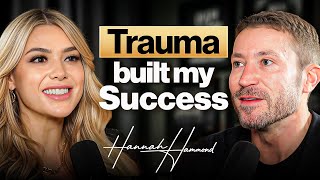
Shawn Lynch went from a troubled youth after his father died to building an oil and gas logistics company and real estate portfolio. He talks about flipping houses, e-commerce, why cash reserves matter more than revenue, and how he rebuilt his life.
Questions this video answers
$130 million to $170 million per year (fluctuates with commodity prices)
$30 million per year
About 66 houses (peak)
$15 million worth of spec houses
Grew to about $10 million in revenue within the first three years
Chapters
It was really tough and made me really lost as definitely like a 17, you know, 18 year old. As a young man, you're already lost. You kind of don't know what you want to do.
What did that feel like to lose your father so young, especially who you were close with?
It made me angry at the world for some reason. Like, I was just, of course, in your young man, trying to prove yourself. And so it. For some reason, I gave myself the excuse to go party and drink and drugs and just do stupid things. And it, you know, became like, you know, very, very often. It's not like, oh, just on the weekends, like, I was doing it all the time and just drinking every night, partying, going to jail. Nothing bad, but like, just for drinking and getting arrested for minor possessions and in my little small town and going to sit in jail. And so I think him passing probably made me have to grow up a lot faster, even though, you know, a couple years I made all those bad choices, you know, and it took a little while to get right on the right path, but I think it. It really made me open my eyes and realize that I couldn't do that forever. He taught me, you know, a lot of good qualities as far as, like, you know, definitely hard work and, and loyalty and, you know, being a good person. And so it did make me, you know, want to be a good father at some point someday because he was all right.
So I'm here with my good friend Sean Lynch. He actually, him and his wife Gentry, are absolutely amazing entrepreneurs and people and parents and friends and all the things. And they had me out in Houston on their show called the Success Formula Podcast, which you guys just recently launched a couple months back now, right?
Probably about six months ago now, maybe.
Oh, my gosh, time goes fast.
I know, maybe six or seven months. We've been, we. We've been doing it since March. We just didn't start releasing episodes until June, I think. Okay, about six months now.
Yeah, well, they did it right. I mean, like, they fly their guests out there, they pick them up at a Rolls Royce, they put them in a nice hotel room, do dinner. It's like I can imagine a Joe Rogan type experience.
So we're trying to make it a little bit different than everybody else's that's out there.
Yeah, you guys are awesome, and I'm really grateful to be friends with you now. And Sean is just like an incredible person. And I know on my show we talk a lot about reaching your highest human potential. And reaching business is a huge Part of that. Building wealth is a huge part of that, but so is health, so is relationships. And you've seemed to just master all of it. And that's why I'm really excited to talk to you and share your insights with the audience. Because, I mean, you're insanely good shape. You're a great looking guy, you're a great husband, you're a great dad to your little kids. I love watching your stuff on Instagram. And Gentry is absolutely incredible too. You're just like this amazing power couple. You have multiple companies. You're a serial entrepreneur, a real estate investor that has a large portfolio of real estate. You and your business partner own and operate a oil and gas logistics company that has does around $170 million a year in revenue. I remember we were talking at dinner and you're like, oh, about it does 170. And I was like, like, 170,000amonth? You're like, no, 170 million a year.
Yeah. So fluctuates, you know, depending on the year and commodity prices between 130 and 170, know, depending, like in the last. Over the last seven or eight years.
Yeah, yeah. And we'll talk a little bit about that fluctuation, but. And then you have an equipment rental company for oil and gas that you're looking to liquidate, possibly that spits off a bunch of cash flow, obviously, a ton of real estate. And then you're getting into the compound pharmacy. Health space.
Yeah, back to the health thing. You know, I think, you know, when people talk about success, it's kind of why we named the podcast success formula, because there's a bunch of different ways to actually reach success. And, you know, business is one. But having a healthy lifestyle and, you know, a great family and all that works together, I think, to actually get you, you know, to the highest level of success. For sure.
Yeah. And what does success look like to you now, and how has that changed over the course of your entrepreneurial and life journey?
You know, I think I've built the life that I wanted to live. I don't even like going on vacations. My wife kind of still does because I'm like, why would I leave and pay to go somewhere when I've already built the life that I want? And so, you know, my life now is probably what I see is like the highest level for me. Not highest level in business, but as far as, like, just great family. My kids are great. My relationship is with my wife is amazing. My health is never been better, really. And so all that together, you know, I do feel like I've reached, I guess, a great level of success. You know, before, when I was younger and really until the mid-30s, I was, like, always chasing something and never felt like I was doing good enough. And so I was like, I need to have a bigger business and I need to do more, and I need to buy more real estate. And I think finally, now with my family and all those things I just mentioned, I feel like I'm finally not chasing anything. And I still want to grow the businesses and I still want to buy more real estate, but I feel somewhat satisfied a little bit. And it's definitely a very, very good spot to be. In the last three, four years, I've never, you know, felt better and been in a better mindset. For sure.
I love that. And have you read the book Driven?
I haven't.
You should read it. I'm reading it right now. Member and Genius Network wrote it. But it talks about people that have the driven gene, like the add, the adhd. A lot of the. The great successful people in the world have this gene that they're born with. And. But he talks about that as, like, so many of us with that gene, you know, are more prone to addiction or more prone to depression or more prone to anxiety and these things because we never really feel fulfilled. And it's always like, just chasing the next hit of dopamine. And I talk a lot, a lot about that because it's such an empty life, you know, to end up in a spot where you've built all these incredible things. But if you truly don't feel fulfilled inside and you're just seeking for more and more and more and more from a place of, like, scarcity and need, not a place of just creation and love of the game and love of life. So it's really amazing that you're actually somebody that's accomplished it and you, you know, for years were that person that.
My whole life.
There you go.
I've always felt that way. I didn't know what I was chasing, really. I just felt like I was never doing good enough, never had enough real estate. Like, if I was building that business or my business was never doing enough revenue, you know, trying to grow it, I never. Early on, I, you know, I wasn't focused as much on net margin. And, you know, I think a lot of entrepreneurs chase some fictitious number. It's like, oh, my company has to be doing 100 million or 10 million or 30 million, whatever the is for somebody. You just like, pull this Fictitious number out of the air and you do anything in your power to go and try to hit that number. You know, the older you get, the more businesses you run, you are definitely going to, over time start focusing on the net margin. You're not going to care about your top line as much, right?
Yeah. And if you, you know, I know people that have billion dollar funds and their margins 1%, but you could be making just as much doing that with your own money and anything. Yeah, anything.
And so that's definitely, you know, maybe part of being in a good place is, is, is part of that too. You know, over time it's like I don't care how much, you know, revenue we do, but I, you know, I really focus on net margin because I do love business enough and I do love real estate, which, you know, is my purpose, you know, and makes me happy every day to do all those things. And so net margin, a high net margin allows me to actually go do more of those things.
Right.
So I really focus on net margin. You know, some of the top line revenue numbers, you know, people hear them and when you watch social media and when you watch YouTube, everybody says this is how I make $5 million a year. But everybody's talking about 99% of the videos are the revenue. And a lot of people see that and they're like, golly, that guy's doing. That guy's making 5 million a year. Well, no, probably not. He's probably making a couple hundred grand a year, but his business does $5 million. And so, you know, it is very important for a young entrepreneur to always focus on the net margin for sure and just don't care as much about the top line. I know that's easier said than done for sure, I was that way. But you're going to spend a lot of time and make a lot of probably riskier choices to try to hit that, this fictitious number that you have in your head. Yeah, 10 million, 20 million, whatever you're trying to get your business to. But you need to focus on the net margin because at the end of the day, good people or what, what will get you to the, you know, 10, 15, 20, 100 million dollar mark. And if you don't have good margin, you can't go hire those good people.
Right.
And so super important for somebody to focus on that. Yeah. And so that's where I'm at in my life, you know, fortunate that the businesses do do high revenue, but really focusing on the bottom line as much as we can for all the companies we do. And the real estate, you know, on the cash flow side, for sure.
And so I want to go back in time to what inspired your entrepreneurial drive in the beginning and when that started for you and kind of like what your childhood experiences were like. And I know you went through a pretty traumatic event at 18 years old, so could you kind of share a little bit more in detail on. On your story?
Yeah, sure. You know, I was actually a pretty good student in school. You know, probably a lot of entrepreneurs are like, I hated school early on. I, you know, I really enjoyed it, always at the top of my class and, you know, straight A's probably about till the 8th grade when I got to junior high, I started becoming a little bit less interested in just like, the traditional school model. I think my first little bit of entrepreneurial spirit came from I saw a bunch of kids, you know, buying candy and bringing it to school. And so I was like, man, a lot of people, you know, there's a demand for the product. And so I had my mom take me to Sam's, and we bought, like, bulk candy and wholesale. And so I would go to school and, like, sell it out of the locker. And so I think early on, it, you know, taught me a couple lessons of, like, just supply and demand and basic finance and, you know, how to buy something low and, you know, mark it up and sell it and make a profit. And so that was probably like, my first little entrepreneurial deal. And then when I got into high school, we. I went to private school all the way up to the eighth grade. I played baseball with a lot of my friends. But, you know, the private schools don't have as much sports. Where we were from, very small private school. It wasn't like some expensive top school in the country or anything. It's just a little small private school in our town. And I convinced my mom after the eighth grade to let me go to this public school, which they had sports at. All my friends were there, and, you know, reluctantly, she did. And we. That school had some of the lowest, I guess, standardized testing scores in the state of Texas at the time. So we really didn't do anything for two, three, four years that I was there. And you really didn't have to go to school. I'd wake up, I'd go to school around right after lunch to when the PE class was. And then there was one class that you had to go to because there was only one teacher that made you go to class. I remember it was like a science class, and you could Walk into class, all the people had their desk pushed together, playing cards, watching Menace to society on the TV. Walk in with McDonald's, sit at my desk, eat lunch there in the class. Like, that's literally how the whole high school was for four years. So. And I was already getting a little bit bored with school. And then, so when I was 16, a little bit more entrepreneurial spirit, I went to a party, and everybody was smoking weed at the party. And I was looking around, I'm like, man. And people are asking me for it, and I don't even know where to get it. I've never smoked weed before. And so the next day I was like, everybody's looking for weed. So I started calling around somebody connected me to somebody and was able to sell me a quarter pound. And so I then started, like, rolling up weed and selling it to, like, going to some of those parties and selling it to everybody, which is not something recommended to do. But being from a small town and not having any mentors, not having the Internet, like, I knew not one wealthy person in town. I didn't know anyone that knew anything about money. Like, I had no idea. And so I didn't even think it was possible to go, you know, how do you do it? Go open a store somewhere. Like, I didn't have any money. And so that was the first. For some reason, that was the first business that happened. Kept reinvesting my money. Got up to buying a pound or two, we. And then some people knocked on my door one day, some potential customers, and I'm like, what are you doing here? I'm living with my mom. And so it's not like a weed house, like. And so anyways, they knock on the door, they leave. My mom's like, who is that? She's like, why are random people coming to the house now? I was like, oh, they wanted to buy a tape. This is back when there was tapes and before CDs. And when I left that day to go hang out with my friends, they searched my room and found all the weed. Took everything, left my money. I don't know why. Super bad, super mad, pretty disappointed, but never really harped on it. It didn't last a long time. Like, they kind of let it go. And that was kind of the end of that business. But it taught me that I wanted to open. I knew that I couldn't do that, number one, because it sucks. The margins aren't as good as people think for the risk that you're taking. And then you can't scale that business. You can't advertise, like you can't tell everybody what you're doing. So I knew then I needed to find something, you know, I could go tell the world I was doing, be able to advertise, to be able to scale and then grow a big business. And so after that, you know, again, I think I ended up getting a job like a co op in high school. So then I could go, only I'll go after lunch, go to the co op class and then leave to go to work. And so I did that for, you know, a year and then trying to figure out what I was going to do. I knew I didn't want to stay in that town. I didn't know who to talk to, I didn't know where to go, but I knew I just didn't belong there. And so I was trying to figure out what I was going to do with my life. And then right around the age of 18, when I was about to graduate high school, my father passed away, which at the time I was really close with him. And so it was pretty sad and it made me, it made me angry at the world for some reason. Like I was just, of course, in your young man, trying to prove yourself. And so it, for some reason I gave myself the excuse to go party and drink and drugs and just do stupid things. And it, you know, became like, you know, very, very often. It's not like, oh, just on the weekends, like I was doing it all the time and just drinking every night, partying, going to jail, nothing bad, but like just for drinking and getting arrested for minor possessions and in my little small town and going to sit in jail. And so for some reason it took me a long time to learn my lesson and I did that for a couple years. And what I didn't let it get in the way of is I always, you know, would show up to work at the gym at the time and then after that I would always show up to work. I would always still have the entrepreneurial spirit. I bought my first house, you know, shortly after that. I was still doing some of that stuff when I bought the house. And when I bought the house, it finally I saved up $18,000 skipping over a couple things, but I saved up $18,000 living with my parents or living with my mom. And then that allowed me to go do a first time home buyers program on my very first house. And so still kind of partying, still doing, you know, bad, making bad choices. And when I bought the house, I was still working. And when I did that it. I was like, I can't keep doing or having this lifestyle and be successful at some point. And so I would go to work all day, get off at, you know, maybe six o', clock, and then I would work on the house. And so I did everything myself and did all the labor, all the sheetrock, all the paint. I hired a tile guy to show me how to do the tile. He's a friend of mine and he had a tile company and so I helped him the whole time we did it. And then I end up doing the rest of the restrooms and everything else in the house by myself. And so it working all day and all night. You know, blessing in disguise on, you know, helping me get out of that party mindset in, you know, making bad decisions and going to jail. And so, you know, that at that time in my life, I was like, I don't know what I'm chasing, but, you know, I need to do more of this. And so finished the house, sold the house or put it on the market. Sold the house pretty quick. And the net profit was around 30,000. And so I was able to get my, you know, 18 or 19,000 back out with my 30,000, had around 50,000 and was able to go do that again. And I bought two houses because there was. This is the day of pre 2008, no doc loans. Literally called no doc. Like you just show up with your driver's license, I think, and they just give you a loan. And it's what got a lot of people in America in trouble. I actually use it to go make money. I wasn't buying like luxury houses. I was still buying the 100 to $150,000 houses. So put 5% down, you can just buy anything you want. And so I flipped a couple of those houses. I was still living in one, renovating one, and then I had enough money to go hire a crew and renovate another one. And so then that kind of got me on my journey of flipping houses. And so just kept flipping houses. That's how I started, you know, stacking money and making. Making cash. And then the fitness center I worked at at the time, my, my owner became my friend, or the owner of the gym became my friend. And I finally had enough cash and figured that I knew I didn't want to work for somebody anymore. So I went to him and I said, hey, I want to leave. I'm, you know, thinking about just want to go do my own thing. I don't know what that is yet. I'll probably just do more real estate and maybe open a business. And he's like, don't leave, I'll do something, let's do something together. So we bought a couple properties together and he sold me off the gym and so I continued just to do real estate, you know, owned half the gym and then kept buying single family homes. 2008 hit, had a bunch of houses on the ground, maybe eight houses. And of course you couldn't sell anything. Nobody's looking. I'm like, I got all my money tied up in these houses. Thought I was going to go bankrupt at such a young age. I was like, I'm going to have to start over. This is so crazy. And luckily I, I was like, what am I going to do? Didn't know anything about rental, long term rental, short term rental, put them on the market for rent. So I was like, I can at least try to cover my notes and not go bankrupt. They all rented within like the first two, three days of putting them on the market because nobody hit a mortgage and everybody wanted a three bedroom, two bath house still.
Yeah.
And so that got me into the mindset of long term hold. And then so I started building my portfolio of single family homes while I was still managing the gym. You know, now half owner. Gym did good. It wasn't like a huge business but it always did pretty, pretty well. And you know, my partner was selling. We sold like I had a little pro shop and sold supplements at the time. That gave us idea or that gave me the idea to start early. E Comm. Before like there was a lot of stuff around. I mean there was a handful of message boards. Amazon was super early at that time. I think ebay was around. And so we started early in E Comm and were able to grow that business in the first three years to 10 million. Landed on 500 fastest growing companies.
That's crazy.
Yeah. And then started using cash from that business to then go buy more real estate. Kept building my portfolio. I think I got up to like 66 houses on the single family and still flipping some but you know, long term hold stuff. I think I Got up to 66. Kept scaling the business we did, you know, from that point I think we got it up at the highest point to about 30 million. And after that we so got it up to about 30 million. The house, the houses. I was up to 66. And then after that we started opening retail stores. So I had a chain of retail stores plus the online business and still building, you know, Lux started getting into luxury builds and you know in about 2012 or 13, the market, the oil market crashed in Houston. And in Houston back in the 70s, it like destroyed the city because it was all oil and gas. And so I was in another situation again where I was like, I might go bankrupt because nobody's looking at any of my houses. I had $15 million worth of specs on the ground at the time.
Jeez.
And so. And then our business needed money to grow. And so it was like a weird situation to where it's like, what am I going to do? So I started moving into the houses one by one. Was like, at least I'll just pay one note putting furniture in there. Slowly they started selling and was able to get myself out of that situation after about a year and a half or two years. And then we, I, the E Comm company started getting a little bit saturated because Amazon got big. They opened up Two Day prime, social media started taking off and people would buy from, you know, one of their people, they follow one of the products they're recommending, they would buy from Amazon 2 day prime, they buy from us. And so that business got very flat. It wasn't losing money. It wasn't like going downhill fast. It was just like, I could see that the market was changing and there was just kind of no way to compete with, you know, Amazon. And everything was just getting so saturated and we didn't have any special sauce or anything. It was just price. It was like just very, very price driven. And that taught me that I don't ever want to be in a business that is, you know, only solely driven off price.
Right. Because it's a race to the bottom always.
And so, you know, all that stuff in your life and what I've learned is everything's really a lesson when you look back on it at the time you're going through it, it's like, it doesn't seem like lessons, but, you know, the house, the $15 million worth of specs, that taught me a lesson of, you know, I used to invest everything that I had, like all the time. So like, I was like, I always got to grow, I always got to get bigger. But it taught me not. My businesses have gotten so big, but I'm still operating off very low cash because I'm just still investing everything. And it taught me a lesson of just not getting over leveraged and keep enough cash around, still operating just like I was in the beginning with like starting everything, investing everything I had in houses and, you know, hadn't really been through too many bad times. And so it just taught me a lesson. Don't get over leveraged. Keep enough cash around for your businesses. And so, you know, that's what I did. And then we ended up selling the E. Comm stuff. Not a huge exit, but just pretty fair just to get out of it. And then that's when we bought into the. I bought into the oil and gas company.
Okay, and then how did you, when you bought in the oil and gas company, what was it out in revenue? And how did you grow that so quickly over.
It was. It was doing about $30 million in revenue at the time. It had been around for a while, but it was mainly a brokerage business with brokering, you know, trucks and not owning a lot of equipment. I mean there's a couple of million dollars in assets but nothing, you know, substantial. And I bought my, one of my friends business partners out. And so then, you know, we both owned the business and you know, it was, it grew because we started becoming more of an asset based company and becoming a real player in the industry and not just like a brokerage company. And so we started buying a lot of our own equipment, a lot of our own trucks. And then we also just did a really good job. And so the operations were very, very good. Our company was really professional in industry where there was a lot of mom and pops at the time. And I think that that's what helped us grow. And then also hiring the right people. And that was the first time in my life that I kind of didn't do everything myself. And the mistake I made in, you know, E. Comm and you know, managing all those houses myself was trying to do too many things myself and not hiring great people that were probably would do it way better than me. I'm doing everything like pretty much half ass. I mean, if you're doing that much stuff, it's a lot of things are very half ass. And so if I would give advice to someone that was younger or on their, you know, entrepreneurial rise, once you have enough, once you have proof of concept in a business and once you have enough revenue and net margin to go hire some good key people that you need to do it. Because most people aren't good at like five things. Like I'm terrible at like accounting and bookkeeping and all that. So I hate it so much. And so I was doing everything, I was doing all that stuff. And then part of customer service. Every once in a while I'd pack orders and I'm managing, taking all the phone calls for the 66 houses it's terrible. Stupid. Yeah.
And so I can barely handle four.
It's bad. I wanted to pull my hair out and, and that leads to burnout. Like people. Even though I loved everything about business, which is probably what kept me going, I was getting a little burned out because I was doing a lot of things that I hated and then I was doing a lot of things that I was normally good at. Very half assed because I'm trying to juggle all this stuff at one time. So huge lesson learned. At that point in my life, it's like I don't ever need to do that again. And so the reason, to answer your question, I think we did it because of great people. I think that that's how we scaled to 150 and it's not. I think it's. And that is how we did. And now to this day, we still do have very, very key operations managers and executives. And I'm not in the day to day. My business partner still is a CEO. He's a great leader and a really good visionary and he's a founder of the company. And so it still makes sense for, you know, him to be in the day to day. I'm not as much in the day to day, but you know, we still talk to all of our key people, you know, in communication with them. And so I learned to, to leverage people and then that's when we were able to go make, you know, a lot of money. Instead of me doing 100 things, making decent money, but never able to scale past a certain point, it's impossible at some point. And so once I saw it working with this company, we then started applying it to pretty much everything in my life, you know, whether it's real estate. I have a construction project manager now on, on staff and you know, he runs all our projects. So now I'm not going to all the projects every day. I'm not talking to all the trades. I have, you know, executive assistant and actually probably too, you know, Candace runs all the operation side on the podcast. And so when I go into something, I really try to hire the right people now or if we're starting another startup, I have to have a person that I truly believe in that is going to run that company, you know, like I like I believe they can. And you know, that's how we've seen our success in all the stuff we've invested in recently. It's how we've seen our success in the equipment rental company. Our president and CEO did such an amazing job and he Earned his equity. And so it's. It. It'll be really awesome to see him make millions of dollars. You know, he deserves it. And every business we start now, I make sure that I have a really key partner. Same thing with the functional medicine clinics. Very, very key partner. I would have never started it without her. Like, I would have never. Just go, I want to start this business. Let me go try to find somebody. I don't really know anything about the industry. Like, that's a, that's kind of a hard road.
Yeah.
And so I usually try to find an expert in the industry that also has good people skills and try to hire that person. And that's how we start all of our businesses now. You know, whether we're starting it and then trying to scale it goes back to the people. And so, you know, I am now more of an advisor in, in most of our companies and I still talk to all of our top people, but I don't run the day to day. And, you know, I'm, again, it goes back to like, I've never been in such a good place, but I love the game of business so much, you know, I could never give it up. I would never retire, ever. I just don't want to be the CEO and I don't want to be putting out the fires like every single day. I don't mind, you know, helping steer the ship and given, you know, my 25 years of advice and mistakes to try to keep them from making. But, you know, that's it. You know, it's. It's about me pushing them to hire the right key people in really scaling, you know, any business that we invest in or start.
Yeah. Do what you do best and hire out the rest. Right.
It's really true. Yeah. Especially when you have, you know, you find out if you have product, you know, market fit or, you know, a service business that's starting to do really well. Like, you're never going to scale past a certain point without all the right people. Never. And that's where most people get stuck. Most of the business owners I know are in the same spot. It's like I did that don't do, you know, don't do that. And so it's just a hard mindset to get past. When you're the founder, you're the. It's like my baby. Nobody can do it as good as me. You know what? Probably not right. But there is people that can do all five jobs as good as you, if not better.
Yeah. Yeah. Dan Martell says the rule is I think 70%. If they can do 70% as good as you, then it's worth it because then you just delegate and scale. But that's where I'm at, you know, right now too. And I 100% know and believe in that. People are everything and hire who you like. Hiring the A plus players is going to get you to where you can scale pretty much infinitely to the point of your capacity in that industry. But it's hard to find the people. So, like, how, how do you. I'm in that spot right now. I'm, I'm founder. I've always been a startup founder person because I never had massive amounts of money to go buy. And then I'm just a visionary. I like, I like the startup process.
You're like me.
Yeah. But how do you find those key partners or key employees that like, have you just like, what, what is your strategy been? Have you used headhunters and recruiters? Have you used social media? Like, how have you really found. And how do you vet those people before you get into bed with them to know that they're good for your company?
Yeah, you know, I'm not gonna say, you know, we're, I haven't hired some bad people too there. We have you staffing companies, but you still have to do, you know, a heavy vetting process on your own to make sure they're a right fit for your company. And so that's one way for sure. You know, spotting people is the reason that I think we've started some of the businesses we have, like, I'll find someone and I'm like, they have like that grit and then also have what I think it takes to go manage a big company and manage people and the experience in that industry. And that's the reason I start business a lot of times, like, I know I can make it work with this person. And so I'll usually go take them from another company when I do find that person and then, you know, probably give them equity over time. And so for anybody that's out there, the biggest mistake you can do is if you find a person that you like and you're going to start a business with them no matter who it is. And you're like, you know, you're going to be doing all the work. I'll put up the money, I'll give you 25% equity, whatever the number is. Don't ever do that because a lot of times that person, you know, doesn't work out or, you know, sometimes they don't. And Then they're stuck and they own company right out of the gate. And then you got to figure out, you got to buy them out or you got to get them out of there, because if they're not the right person to run it, then you got to bring somebody else in. So my suggestion and what we do is they earn their equity in, you know, we do give them a salary that's reasonable, but, you know, they can earn their equity if they hit certain goals and milestones. And then you also have time to figure out if they're the right fit for, for the company. And so that's definitely been the secret to all of our startups recently. That's what we do. I usually, I, I actually find the person when I have the feeling, and I just notice all the character traits that are needed to take a company to 10, 20, $30 million. I usually go start a business around that person.
Right.
Like, that's kind of what's hard to find people. Yeah. And so I, you know, I definitely won't jump into an industry now or buy a company that I don't have faith, like complete faith in the person that's going to run the, Run the company for us. Yeah, you know, we're getting into some new industries on the health care side. But my partners in the, or my partners in the functional medicine clinic, 17 years of experience. She's one of the most incredible people I know. And she was just scared to do something on her own. And she didn't have, she was like, I don't know how you do it. I'm, I'm just nervous. I was like, it'll work out. I promise I'll put up the money. She, you know, she owns 50 now, and she crushes it. She's the best in town. She trains all the other nurses in town. I was like, we have to charge a premium price and we'll be the best company. I was like, you train everybody. It's like, we're, we're the best. Like, don't be worried. It's gonna work out. Like, you have a book of business, and some people just can't see that vision. And so for me, that's what I'm good at, is like, we can blow this up. I just need someone like you. And so usually that's what we'll do is we'll put up the money, we'll let somebody earn in equity over what period of time. It just depends on the industry. It depends on the goals we're trying to get hit. But I think we did the. Our last service equipment rental company. I think it was started at four years, but he started.
Any equity?
Yeah, yeah, no. Every year he was vesting in a little bit equity. Okay. But it was also based on goals, and he hit everything so fast that I think he got all 10% in like a year and a half.
Awesome.
Yeah. So super cool to see he deserves every penny of it. But going back to the key people thing, it's definitely the only way to get to the, you know, build a really big business and also not pull your hair out and get burned out and you just get stuck at a certain revenue for the rest of your life. Yeah.
So I want to go back because I know you. You kind of glanced over the fact that you lost your father when you were 18 years old, and how did that shape your life and your drive for success? And, you know, what did that feel like to lose your father so young, especially who you are close with?
You know, it was really strange at the time. And I wouldn't say that I was depressed because I was never really like a depressive person. Definitely kind of always had anxiety since I was 15. I knew I wanted to be entrepreneur before he passed away. So it wasn't, it wasn't that that triggered it. And then, you know, I did get really close to him when we were, you know, of course, everybody's kind of a jerk when they're like 13, 14 years old. There's like one or two years where you're kind of a jerk to your parents and then they become your best friends again. And. And then that's what my parents were. And so to lose him, it was really tough and made me really lost as definitely like a 17, you know, 18 year old. As a young man, you're already lost. You kind of don't know what you want to do for the most part because you're not taught the right things in school. You don't have any skills. So it's like, how do you know what you want to do for the rest of your life? You don't, like, kind of had an 8th grade education. I didn't really go to high school often, and so I didn't really have any education past eighth grade. You know, I think him passing probably made me have to grow up a lot faster, even though, you know, a couple years I made all those bad choices, you know, and it took a little while to get right on the right path. But I think it. It really made me open my eyes and realize that I couldn't do that forever. And so. And you know, I had. My mom wasn't remarried at the time, so I, you know, I had to. I felt like I needed to take care of her, although she was fine. And so it did make me, you know, want to be a good father at some point someday, because he was. And you know, I. He taught me, you know, a lot of good qualities as far as like, you know, definitely hard work and, and loyalty and, you know, being a good person. But he just didn't know it wasn't his fault, but he just never didn't know anything about money or finance or building wealth, you know, him, nor my mom. And so for all those good qualities that he had, he just didn't have the one to be able to teach me about the money thing. And so I kind of had to go out and learn that on my own, you know, which was really tough. And there again, it goes back to the Internet thing. No access to information. Nobody in my town, like, not one wealthy person that I could go ask. Even somebody, my friend's dad. I didn't even know anyone that was. Had any money. And so, you know, I had just figured out stuff along the way. Just over the years and years, just learning lessons, making mistakes, learning a lesson from it, making mistake, like just over and over and over again. And then, you know, I think that that's what ultimately, you know, instilled in my head that like, to drive success is like just learning from your mistakes really.
Have you ever had a rock bottom moment in your life?
Um, probably. That was probably it. I really do. I think so. Just, you know, living that lifestyle and, you know, not being where I wanted to be in life, that was probably definitely it. The rock bottom partying and going to jail and like, I think back on it, I'm like, I don't even feel like the same person. I kind of feel like it was not even the same life. I don't know, it's weird. Like, I remember it, but it just feels like it wasn't even the same life that I.
More from Hannah



Never Waiver On Your Values—No Matter How Lonely, Uncomfortable, Or Difficult The Journey Gets

Watch the full video about Ray Dalio’s prediction on the upcoming debt crisis… 👀

Stop Asking “How?”—The One Question That Will Help You Scale Faster Than You Ever Thought Possible

4 Life Lessons That Took Me 30 Years To Learn—But You Can Learn Them All In Just 14 Minutes


This Is Unfortunately How You Can Tell Your Real Friends From Your Fake Friends


