How To Build A Unicorn Startup (The 3 Principles That Actually Work) | Luke Morris
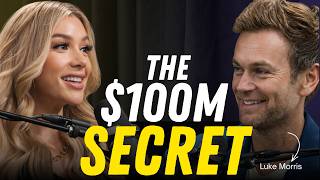
Luke Morris, co-founder of CREXi and founder of Capitalize.io, explains why AI handles routine tasks while brokers' real value is building trust and negotiating. He shares three principles for building a unicorn: hiring the right early team, strong culture, and staying on the cutting edge of tech.
Chapters
Was there any point where you were like, this isn't going to be successful, or I don't know how I'm going to get through this?
So many people were like, this is never going to be successful. And we heard that a lot. But you have to kind of keep powering through. It was really hard to start a company. Every year I feel like it becomes easier. You don't need 70 people spending fraction amount of money on technology, kind of like standing up on your own. You can do that. Maybe you don't need to raise $5 million. Maybe you need to raise $500,000, right? Because it's more cost-effective, efficient. The tools are out there to be able to do it. People are like, what's the playbook? Yeah, give me the, give me the 10 steps to success for raising money or starting a company. Like, there is no playbook. Even Ben Horowitz talks about this and like, you're not gonna read the Hard Things About Hard Things or some Google book or some Amazon book and there's, there's no instructions. Kinda gotta like take the leap.
Welcome back to the Hannah Hammond Show. I'm super excited to be here today with Luke Morris all the way from Orange County, California, who is the co-founder and CEO of previously CREXi, which you all know if you're in commercial real estate, and now just launched a new company called Capitalize.io, which is super, super cool. And that's how we actually got connected. I was diving into his platform because I own a commercial mortgage brokerage. And so that's what your platform helps solve for. And thanks for flying out and for being on the show today.
Yeah, thank you for having me.
Of course.
Great.
You're just super fascinating. And I've loved kind of learning about your background and want to share about your background because you're in the venture capital world, you're in fintech and prop tech, and you went to USC and were an athlete at USC as well on the men's volleyball team and were, what do they call that award person on the team? Shoot, I'm forgetting what it's called. Let me see here.
The libero?
Yes, that, the libero. So what is the libero?
The libero is, it's like a defensive specialist. Yeah. And you have a different colored jersey. You kind of move freely. In and out without having to like sub in and out. It's a very unique rule, but basically like there's rules around, I can't hit, I'm just, I'm in the game all the time, but I'm only a defensive specialist. And you look at me, you're like, oh, you're, you know, tall person. I'm shortest guy in the team.
Really?
Right, 6'3" 'cause, and most of the guys are 6'8", but I was like the defensive specialist.
That's cool.
Passing, defense, digging. Kind of boring stuff. The action's in the front. Yeah. Blocking, hitting, setting, which I did in high school and in club. But, you know, I wanted to start, wanted to play. So adjusted and ended up being a libero.
Yeah. And just really supporting your team and not necessarily being the face of everything and building, like, yeah, supporting the team to be successful.
That's how I roll with companies too.
Right. I was gonna, that's where I was heading with that.
Leading by example in the trenches. Thankless job. You're almost like an offensive lineman kind of thing.
Yeah. So what, what was your childhood and early years like? Like, did you always want to be an entrepreneur or were your, were your parents a big role in that? Or what was like painting the picture?
My dad and grandpa were both entrepreneurs, my aunt as well. Right. So it was kind of in my DNA. Right. And then, you know, in Orange County there's a lot of successful people and, 99% of those people run and own their own business, right? Like, that's the leap you want to take if you want to be super successful. Not just like when it comes to dollars and cents, but, but actually like learning, right? Like digging into the trenches, hiring people, training people, coaching people, raising money. It's just, it's the best learning experience there is, right? So it just kind of I got lucky and I had the opportunity to do it with CREXi and then again with Capitalize. But it is a little bit in my DNA, both in the Orange County scene and, you know, family-wise. Right.
So did you know pretty young that you were going to be a business owner?
I think so. Yeah. At some point, like most people, you want to go join a company, do something cool, learn, and then do something on your own, which is what I did. Right. and it was effectively a startup, Auction.com, when I joined it in 2009. Right. And it was a new division, like a startup within a bigger company. And we were liquidating, trading, liquidating, selling commercial real estate online. Right. So I fell in love with real estate and I also fell in love with technology at the same time.
So you, you went to college for real estate development, right?
Sol Price School of Real Estate at USC.
Yeah. Okay, cool. And did you want to be a developer?
I did. I, my neighbor and he's He's still a good friend of mine. He's now the CEO of Lennar Homes.
Oh, wow.
And that was something that I really wanted to do. And we remained close. I always had coffee with him. But, you know, I graduated in 2009 and Lennar laid off. I remember him telling me like 80% of their staff. I'm like, okay, well, not going to go there, right? Yeah. And then I got lucky. Another neighbor of mine, you know, I was taking some time off. There wasn't a lot going on, not a lot of jobs popping up. And I met a neighbor of mine on the beach in Laguna Beach, and he's like, we're starting this new division, commercial real estate technology, trading real estate online. I'm like, amazing, that's awesome. Let's do it. I'm in. And I started working like 2 days later, right? So it was just— and we were the first crop of hires. There was just, you know, 4 or 5 of us to start, right? And we were calling brokers. We didn't know what the source of deal flow was going to be. So I remember getting hung up on 99% of the time, you know, calling in a dungeon, but just learning with every hangup, getting better, honing your pitch, etc., right? Trying to get people to adopt trading real estate online.
Yeah. And so that was at the bottom. I mean, crash, right?
The bottom fell out 2009.
That's crazy.
Yeah. Other than like the graduating class of 1931, like probably the 1930s, 1930s, the worst. Time, they say, in history to be entering the job market.
Right.
Right.
But, you know, that's where success is found, is being able to pivot and take advantage of the volatility and the fear in the market and then finding the inefficiencies in it too, and then solving for those inefficiencies. And so I love that you guys just saw the demand, like nothing was trading with traditional banks and everything was losing value and people had to get out of their assets super fast. And so you guys created this prop tech platform for investors who are always on the sidelines waiting to pounce, right? Because there's there's always people that like know these things are around the corner when they, when they do come. And these are usually like once or twice in a generation opportunities. Yeah.
Wealth is really created, right, during these. And we're in a little bit of a downturn right now, right? Like right now, people with cash are king. I wish that I, now going back in time, like had won every single bid because all of those deals, like even at the time you're like, wow, this person's overpaying. Today, it's a steal. I mean, these, these— we were trading these deals. I'm like, wow, this is crazy. You know, $50,000 a door in Tempe or Phoenix. Now it's $200-something.
My God.
Right. Like, if you just kept clicking bid and bid and bid, you would have had an incredible portfolio at a huge discount. But it's all about timing.
Yeah, right.
And taking the risk because it was risky at that time to buy these distressed assets. In the auction. But all of those owners, I don't think any of them are regretting being the winning bidder on any of those deals. Right. But it created that sense of urgency. At that time, there was no sense of urgency. There was a lot of buyers with cash. We call them fence sitters. And an auction puts your feet to the fire. It's like, here's the price. You registered. You see the last bid, bid, right? It's like countdown, 20 seconds. 10 seconds. Like, it's right there, right? There's that sense of urgency. And then on the seller side, it was as-is, whereas. So there was no retrading, looking for debt. It was all cash, as-is, whereas. So it was perfect for the time, right? Selling these assets and the banks needed to create a market which, you know, they're kind of government regulated. They needed to see a market. And nothing is better at creating a market than an auction platform because like I was saying, right? Like current bid is $1 million, next bid's $1,025,000. There was 50 bids before that supporting that value, right? So it was like very clear we had 20 bidders on a deal. Market was created. It wasn't given to your Uncle Tony kind of under the table. It was like a market was created, right? So these banks, servicers, they needed to do that in order to fulfill the requirements of like on a government level or the bondholders in a CMBS, right? So it was an amazing business. 10X is now the company, right? Got bought by CoStar. But it was some of the best years of my life, like learning, growing. I got to live in New York most of the time, which is amazing.
That's cool.
You know, Orange County is a little bit of a bubble, right?
Yeah.
And I got to live in New York and do the New York grind, which is pretty cool.
Yeah. Yeah. That's fascinating. So how were— like, I've never bought a property at auction, but it's funny, a friend of mine, Jason Hartman, he was showing me this apartment complex that he bought on auction.com back in the crash for like $1 million or $2 million. And now it was worth, you know, $20 million or more, like in Phoenix. Yeah. I was like, what? How is that even possible?
I might have worked on that deal.
You probably did. But how does that work? And especially now in this time of volatility and 10x, auction.com—
CREXi has an auction platform too that is very successful. We built an auction platform into the marketplace at CREXi.
So how does that auction platform at CREXi work? So, and for those of you who don't No, CREXi is a unicorn. Like, he built that company to doing $100 million plus in revenue and not a very long period of time too. I think you guys founded it in 2015, right? And then you started actually generating revenue in 2018 because you offered it as a free service to really get the feedback of the users of like, what would your dream platform be? And then you guys just absolutely took off from there and are an incredible company. And way better than your competition, in my opinion.
Thank you.
And many others.
Yeah, we wouldn't be here without the support of the real estate community. Yeah, right. Like, listen, we're a technology company, but we're also people. Like, real estate is a people business. And we like Patrick Luther. You said he's coming on, like many meetings with him. Like, you still need to shake hands with these people, get their feedback. And like, real estate people like having a voice. They like contributing. And it was just an amazing early stage for us, those first 3 years before we started charging folks, like building it for them, right? They're going to be your user. I gave my cell phone, my personal cell phone out. Like, people still call me at CREXi like, hey, I got this really great idea. We should— you should build this or do that. And like, we always listened. We always gave them time. We always processed that feedback, asked the tough questions. We didn't just like build carelessly. But we always like were very receptive to the feedback of the users.
Yeah.
And that we wouldn't be here without a lot of those participants. Patrick or Phil Voorhees or Glenn Konofsky, those people really giving us time to provide feedback, critical feedback. It wasn't like we're blowing smoke. They were like, you got to do this, or we really need this. And we would ask, why do you need this? Why do you need this? Why do you need this? And we always built really what they needed, not necessarily what they wanted, but what they needed.
Right, right.
To make them, to improve them. And if they're happy, they're going to continue to be a subscriber and support us and spread the word.
Yeah. Yeah. There's that quote that says millionaires are good at making themselves money and billionaires are good at making other people money. And that's what you guys did was create a platform that really optimized the revenue for the users and on all sides, right? People making money from buying the deals, people make money from selling the deals. So what was that? Spark for you and your co-founder, Mike, right? Yeah.
Mike and Eric.
Mike and Eric. When you were, when you were at Auction.com and you're like, hey, let's build something on our own. Like, what were you thinking that could be done different or better? What was the original idea that caused you to go off and create something different that you think, especially when you have massive competitors in the marketplace that are long-established public companies or just massive businesses? What was that thing where you guys were like, we can do this, this is what we're going to do different and better?
Well, we used a lot of those tools during our time at, at Auction.com. And Mike and I were good buddies. I was the first person that he met on his first day. I started maybe like 18 months, a year, 18 months before him. And then he was in the next or the third crop of hirings. And the CEO was like, oh, you're going to come and meet Luke day one. So I met him in the lobby and I was his— the first person he interacted with at auction.com. We became really good buddies after that. And even though I was in New York, we were kind of like counterparts doing the same role, just in different offices. Young guns, kind of always trying to push the envelope. You know, Mike started the PCG group and like that really took off, private client group, right? We weren't just selling for servicers. And every time we were together, whether he was in New York or I was in the Orange County office, we always kind of brainstorm and like went to dinner and we're always talking about like how we can make it better. Right? Because we were boots on the ground, like working with the brokers, working with the sellers, working with the bidders, right? So we had a really good pulse on what was going on, and we always talked about how we can make it better, right? And I think ultimately Auction.com wanted to be an auction platform. And so Mike, you know, got the crazy idea a couple months before I ended up joining him. He's like, I'm going to go do this, and left. and I got a phone call from him. He was outside of my office in New York, and he's like, this is happening. You got to come downstairs. We got to talk about this. We went and took— I have told this story before, but we went to like Tommy Bahama, the restaurant on Fifth Avenue below my office building. We took some shots. Like, yeah, man, I immediately went back upstairs and, um, put my two weeks in, basically. And the rest is, is history, right? And we, we had a good idea of what we wanted to do. We wanted to be a more actionable, like, active marketplace where it wasn't just like billboard. It's like listing, call the broker, like something that hosted due diligence, something you could submit an offer, something you could counter an offer on, something that again, much more active. Still, the broker is, is the boots on the ground. They're the expert. They know the market. But giving them tools to attack leads better. This person clicked on due diligence. This person clicked on the home. This person submitted an offer. It gives brokers focus and allows them to execute their business more efficiently. Right. So much more transactional marketplace. And we started for free, as you mentioned, for the better part of 3 years because we needed to build that trust and get adoption, kind of build a good rapport with our users. And then when we got to critical massive listings, heavily focused like retail, which is why, you know, Patrick Luther was one of our early users. And then we felt we had a good network within retail to be able to drive enough demand, right? Because buyers are going to want to go where most of the listings are. And we had a really good footprint in retail and then kind of replicated that across other asset types. But, but CREXi is a much more— it's always free. For the buyer. You don't even need an account to like go, like a logged-in account to go see every listing. Every broker, free or paid, we don't hide any listings. We just did things, simple stuff. We just did things differently. And the buyers should be able to see every listing. If you want more information, yes, put in your email, create an account, put in your phone number so the broker can call you, right? We don't charge them to do that. Right. Just simple stuff. And I believe CREXi will always have that free component, right? Because it's best for the industry.
Right.
Right. I think it's just better if you have a rich, active marketplace and every buyer logged in or not can go and see every listing in a market because ultimately that's going to make the broker happy. It's going to make the seller happy. And again, they're going to come back and, you know, they're going to be loyal.
Yeah.
Right.
Yeah, similar to like what Zillow does in the residential space is just free marketplace for everyone. And then they upsell mostly on theirs is like advertising and now they're doing brokers and stuff too. But I love that. And when I work with CREXi, it's so great because when we put listings on there, you know, it's like so-and-so clicked your OM, so-and-so saved it, so-and-so viewed it. And then I'm like, Amber, reach out, you know, call them right away. And it's just, it makes it really user-friendly and it's such a nice platform. The user interface is spot on because, you know, we go to CoStar and it's like an ancient dinosaur platform that is not user-friendly and it takes—
it's a labyrinth.
Yeah, it's a labyrinth.
I need like a PhD in site navigation. I know, to like get through it.
Yeah. And, um, yeah, and just setting up searches.
Closed source versus open source.
Yep.
Kind of, right? Like, I know we're gonna get into some of that stuff, but like, yeah, you should be able to go in and like see everything and click on a listing and like it should be easy to use. Otherwise you're just causing more problems, right?
Yeah. And you guys even help get the listings put in for brokers because they're lazy and they don't want to do it.
And that's what we had to do. We'll do whatever it takes to get the listing on, like send us the OM, like type a summary in an email and we would just add it, right? Like I built a lot of those early listings, right? Like that's what we had to do. We didn't have like a team of people, just a handful of us.
Yeah.
Like adding those listings on our own. right? And the brokers were just automatically getting leads and then started closing deals. We weren't even charging, right? There were people making hundreds of thousands of dollars because we drove a buyer and we had the listing for them. They're like, this is great, right? Just, it was an amazing— we were getting such great feedback and just kept building on that, right? Right.
I have a startup company and my competitors are CBRE, JLL, Colliers, Marcus, like all these big, big brands, public companies and things like that. So when you were going up up against the same type of competition with CoStar, LoopNet, and some of these conglomerates. What were you thinking as far as like, what is your edge? How are you going to compete against them? And how are you going to be really different than them to start to earn a share of the marketplace that had been so saturated for so long and had built such a, you know, mat— it's like OpenAI going up against Google, right? Like, it's just, um, what was that thought process in your head about competing with those types of companies?
Listen to their feedback, be receptive, add the listings for them, right? Build more technology to create value for them. Mailbox leads, like you're saying, you had the listing surprise and delight, right? That's kind of that experience where you get that lead. It's like, oh my gosh, I did nothing and I've got so-and-so already in there clicking around, right? So it was just, it was pretty straightforward, just building great features, making it easy to use. Always investing in the technology and then not taking advantage of our users. Right. Like, I believe CREXi's pricing today is even very favorable and it aligns with the broker. Right. So it's, you know, what is that, 5 things, right?
Yeah.
Pricing, ease of use, making it ease of use of navigation and ease of use, like no-brainer to be able to add it. Right. They would even send us their like web domain, you know, Matthews Group. They're like, oh, we update our listings here. We would just update it automatically for them, right? And then we had to drive demand. We had to make it easy for those buyers, which is why we never charged them to create an account. So then we started driving demand over time, right? So just kept building on those, you know, 4 or 5, 6 pillars.
Yeah, yeah. And that's what, you know, something Alex Hormozi says is wherever you're at in your business, you have an advantage, right? Because if you're the new guy, then you have an advantage of being super hungry and super young and super innovative and able to implement things very quickly and try new things versus a massive company. They can't just integrate a new tool overnight.
A lot of red tape.
Right.
A lot of bureaucracy.
Yeah.
A lot of approvals, jumping through hoops.
Yep.
No, there were times when whoever would be like, hey, you should add this feature. I'm like, that's a great idea. 2 days later it was added. We were winning people over, a lot of them, by just listening. It's crazy. You just listen to your user.
What a concept.
Yeah. What a, what a concept, right? And then didn't— we were very, very loyal to those people that were the first lemmings, right? Like to hop off, right? We— I'm pretty sure a lot of those people that were signed up in, you know, the first credit card providers in 2018, I don't think we've changed their price all that much.
Yeah.
And they would tell you that, right? Because they were loyal. We're remaining loyal to them in return.
Yeah.
Right. So like, I guess this is a Google thing, but like, don't be evil would be the seventh pillar.
Yeah.
Like, we're just not evil. We're good people. We're real estate people. We have good real estate DNA and we care a lot about our users. We care about their success. Right. Broker, a broker, whether you're JLL or an independent, you're your own business.
Mm-hmm.
You're 1099 a lot of times, whether you're at CBRE or JLL, like you're your own little b-business, right? Like you're not getting necessarily a lot of resources. Like we're a startup, you're kind of a startup, and we want to make sure that you're successful, right? Not rocket science.
Yeah.
Right?
Yep, just help people be successful and do it in more efficient ways than ever. So what were some of like the early lessons you learned? Because I want to paint a picture for people of how brutal entrepreneurship really is too. Because we come on these shows and we, or you know, you see on Instagram, you see press releases and you're like, oh, we've had all this success, or you've done this or done that and you got the smiles on the face. But like, it's fricking hard.
It's hard.
Especially from a startup level and not even buying a company. And you know firsthand, Now this is your second startup. So what were like those early days when you launched CREXi and some of the sacrifices that you had to make or some of the lessons? Like, was there any point where you were like, this isn't going to be successful, or I don't know how I'm going to get through this, or just some of those really hard times? Because I know one of your core values is enjoy the grind.
Mm-hmm. Yeah, we— that's still a principle. I'm pretty sure a lot of the guys at CREXi, even though I'm not there anymore, like it was like you had to enjoy that grind, like sleeping on the beanbag, sleeping on a yoga mat, being there on the weekends, being there late at night. Like, this is— it was like we had to lean on each other. People are like my family.
Yeah.
Like those, those early people, people see the glossy finish. It's like, "Craxy, great, great company." Like year 11 or almost 12 that we're in, like those first years were were tough, but we learned a lot. We leaned on each other. And, you know, we were— there was a sense of like naivete or like blind ignorance. Like so many people were like, you're never going to beat that company or you're— this is never going to be successful. A lot of those people, they're users now of CREXi. Yeah, I'll never— I remember so many people like on calls or whatever. We had them, some, some people in person like This is never going to work. You're never going to be able to— I'm never putting my listing on here. And we heard that a lot. But you have to kind of keep powering through. And if you don't have a good team, you don't have good support, not just from co-founders, but like a lot of those people that they took risks to, like those first crop of hires, right? Like if you're not— if you're like weak at the knees and you're freaking out over somebody saying like, you're not going to make it, then it's not right for you, right? You got to be able to— thick skin. Got to have thick skin. Like another principle is like every day we just keep getting better. Just keep getting better. Every day is going to be easier if you just keep getting better. Like stacking every day, stacking a new brick, improving, improving the pitch, improving the platform. Like just keep stacking those wins and blocking out some of that negativity. Was, was huge for us, right? And no one was better at that than Mike. I mean, he is like— there was never a doubt in his mind whatsoever that it was not going to be successful, right? You ask him today where he sees CREXi, it's like $100 billion company kind of stuff. I'm like, yes, I love hearing that. And he always, he always had— and it rubbed off on, on everyone for sure, right? But I don't remember ever having like a Where's the escape hatch? Where's the eject button? Like, it was painful, but some of the most fun times of my life, right? We couldn't afford an office building. We were literally in a house in Venice, right? Which was kind of in vogue, right? Like Snapchat for the first 7 years, like they never had an office building. They just rented houses on the Venice Strand. Like, okay, we'll just rent it on the— we'll rent a house too. And it was just like, you know, barbecues. And again, we're dealing with a lot, but there was just still so much positive energy bonding. You're kind of in this together. You're soldiers, you're in a platoon, you're, you know, getting shot at every day, basically. And you got to keep battling. And if somebody starts to lose confidence, you kind of pick them back up. Right. So we fed off the energy of each other for sure.
How did you guys— because you did $4 million in seed funding, was that right? Or was that capitalized?
Which round? Yeah, it's, you know, we started small. It was like a million and change. And we, you know, we've— I can't— you know, today I think it's been over 11 or 12 years, like $100 million that we've raised. Right. Early on, it's, you know, pre-seed, million and a half. And then we had a lot of bridge rounds just to survive. We had some of the best investors. Like, we— that's also something we're very blessed about. Like Leer Hippo or, um, 1010 or Founder Collective. Like, they supported us when times were tough, right? When we were like almost going to miss a paycheck. And then, you know, we carved out like a note or a bridge round. It's been so long, I can't— I mean, it's been 10 rounds of like funding.
Yeah, right.
Wasn't just like, oh, seed A, B, C, D, right? It was just like there were notes and yeah, and friends and family rounds and whatever it took to, to keep building. Like I'm saying, we needed more time to keep building and stacking these wins on top of each other. And we wouldn't be here without, you know, support with from those investors. And that's— they're kind of part of the team, right? You need, you need those people. And we had good support also from real estate people that believed in us, which was a huge confidence builder. Like individual brokers that were like, we believe in this, we believe in you, and cut personal checks, not even like angel checks, even though they're not doing angel investing. They're just like, we believe in this and like, here's $50K, here's $100K.
Wow.
That has really worked out for them in the long run, for sure.
Yeah.
But that was— that gave a lot of people confidence too. That like even though it was pretty rough in the beginning, that like we had support from the users.
Yeah. And so what does that look like for somebody who wants to go out and do a startup and needs to raise capital? Because you're not— I love this because you're not a coder, you're not like a tech person, not an engineer. Right. And yet you went off and you started this massive tech company. And so for entrepreneurs that have a bright idea, that are creative visionaries and can see a problem that needs to be solved, that they could solve, but they need capital to start it, what do they do? Like, did you already have a reputation? Who do you go to? Who do you talk to? How do you figure out how to structure these deals so you don't get taken advantage of, but you know how to pitch it properly? Like, walk us through what that process is like.
Well, first start with like, and do your homework. Like, don't just wake up one day and like ask ChatGPT to build you like 5 slides in a deck and like, oh, I'm going to raise $100 million. Like, put your ideas on paper, have a conversation too. I don't know. I'm sure you do this. I do this all the time when I'm like walking my dogs in the morning. Like I treat AI like my chief strategy officer. Yeah, like back then we would just bounce ideas off each other, right? But like, go on a walk and like, just talk to Grok or ChatGPT, whatever you want, right? And just like ask it questions, put in your pitch deck, like really talk to people. Who should I talk to for this? Right? Like, talk to your users, like, really get some feedback, right? Before you then go out and start talking to people you believe are candidates to back you. Right. And it's okay. You don't have to shoot for Andreessen Horowitz or Sequoia out the gate. Right. Start with friends and family, like, or like those brokers, like users. Be like, would you invest? Would you put in some money? That's okay. You don't need to raise venture money, right? So start having those conversations. Sit down, have coffees, ask them if they know anybody else. Like that one person turns into 3, those 3 people turn into 9. You just kind of like keep growing it and growing it, right? And lean on your network. Also, don't be afraid to like send a cold email to a venture person or me, for example. You want to send me an email and be like, hey, I got this idea. I get that all the time and I'll look through the email like LinkedIn cold outbound. Like I still read it. I don't reply all the time, but I'll look at it. And if they offer something unique and like took the initiative, like, take the initiative, get out there, don't be afraid. Put that deck together, get it in front of people. Start with your mom and dad, like, just do whatever, like, get it in front of people. And then like, you kind of just build momentum off of that, right? Hopefully, you know, somebody that knows somebody that knows somebody that has an in with Sequoia or has some, you know, it's like I wealthy real estate person. It's like, that's, that's how we got started. Like, Mike, really, Fernando de Leon, who kind of considers himself like the fourth co-founder, like, he was our first check. He was like, if you leave, here's— we'll give you some money, we'll go do that. And then we use that, his support, to then get some venture folks, right? So it's like, get out there, have conversations, have coffee. Don't like meet people in person. Like, it's fine. Zoom is fine, but like, get out there, have conversations, make the pitch. Don't be afraid to— like, people are going to shoot you down. You got to kiss a lot of frogs, right? Right. Don't pick up the phone, call one person like, oh, they didn't want to invest. I'm giving up. Like, hundreds, hundreds of conversations, hundreds of conversations with the users, hundreds of conversations with people. Like, again, don't expect to pick up the phone and they're like, we're in, right? It takes time. You got to really commit. But there's nothing more rewarding, like learning experience, um, your network. Like, it just— it's the most incredible and rewarding, um, experience. But, you know, you got to commit, right? And it's not— sometimes it's not for everyone, right? You kind of have to be a masochist.
You got to be able to, like, deal with some of that pain and enjoy it.
Waking up in the middle of the night— if you're not waking up in the middle of the night, like, or dreaming out and be like, oh my God, that's a good idea. And like, write your notes down. Like, really be like leaning in, drinking that vision of what your idea could be. Keep thinking about it. Like, live it, right? And there's people out there, friends, family, you know, someone out there. If you're considering starting a company, that will be your Fernando or be that first check, right? So don't be afraid. And if it doesn't work out, you probably built good relationships, you learned a ton, you become more valuable as a person or as a professional because you went through that.
Yeah. Yeah. And you're, I mean, it's so true. Like your network is your net worth. And a lot of people always ask, well, I don't know anybody, you know? And it's like, well, now there's unlimited resources to figure out who's who and who you should be. You know, I could go on LinkedIn and I'm like making connections with the principals of Blackstone, right? Like you just type in Blackstone and like whoever you want to connect with, you can connect with.
It's much more accessible.
Yeah. And then you, like you said, you start with friends and family and then, you know, someone like me would be like, well, my friends and family at the time, like, didn't have any money. So you, but they know someone, like, everybody knows somebody. And if you put it out there and you put the intention out there of like, this is what I'm going to do, and you're absolutely obsessed and you're absolutely relentless and you're absolutely convicted in your vision, then the universe will conspire to assist you. And you start to build these relationships and you do good by people and they can see that you are trying to make a positive impact and you're not screwing people over and you don't burn bridges, then ultimately it becomes compound effect. And then you can start to— I mean, it'll just start to flow to you instead of you having to force everything, which is what I talk about a lot, is living in flow versus force and state of your energy and all that. I could go down a rabbit hole, but that's really cool. And so I'm fascinated by venture capital, you know, because I'm starting to lean more into like M&A and venture capital and just all of the capital that's required to fund businesses, transact businesses, including real estate, of course, because that's what I do. But I've always been a bootstrapper. Bootstrapped startup, you know, like I've never— I've started multiple companies and I've never asked a single person for money. And so now I'm finally getting into the world where I'm like, okay, I'm going to be raising funds, I'm going to be managing funds. Like, this is the next part of the journey and I need to get over my fear of losing somebody's money and really just learning, you know, how to, how to structure things properly in a way that really is is clear and that's worth the risk and back visions, visionaries and opportunities that I truly believe in and that other people will believe in too.
Yeah, if you believe in it. Yeah, that's a big factor. They're going to be able to, like, sense it in your voice and that confidence, right? Like, and a lot of people are big boys and girls. Like, they know when they're investing, right? Whether it's equities or real estate or venture. Right? So like, they're backing you, they believe in you, right? Like, you shouldn't be like, oh, I'm spending their money, or I'm like, I could lose their money. That's not the right attitude. Then you're like always living in fear, right? You got to focus on why they invested in you, which is like, commit, believe in your vision. Don't be so rigid in your thinking where it's like, this is the vision that they invested in. Like, if you have to pivot or you need to adjust because you believe that there's an opportunity there, like, should explore that opportunity, right? But there is no playbook.
Yeah.
Like, people like, what's the playbook? Give me the— give me the 10 steps to success for raising money or starting a company. Like, even Ben Horowitz talks about this and like, you're not going to read The Hard Things About Hard Things or some Google book or some Amazon book and there's no instructions. You kind of got to like take the leap, right? To have some process in place. But like, just because you don't— you're like in number 1 or number 2 and the number 3 doesn't work out, kind of pivot, try something new, right? It's not an overnight success thing. This is a commitment.
Yeah. Do you think it's advantageous? Because I've never raised my own capital for ventures, but do you think it's advantageous to start with friends and family and like your extended network and more retail investors, or do you think it's better to go straight to, you know, venture capital or institutional capital or family offices or, you know, PE firms or different groups that are more— that's what they do for a living full time. And is it, is it distasteful to blend? Does it make things complicated? Like, because I was just saying, how are these— how are you structuring everything in a way that's fair and aligned? But if you structure one thing for someone because you're getting started for like a friend and family and you really don't know like what common structures are, what it should look like, or what of you know, a VC firm is going to propose, like, how do you navigate that?
Well, first of all, you can, you can ask ChatGPT a lot of this stuff. Yeah, like it's, it's out there. But so if it's like early stage, it's okay. Again, you don't need to be raising venture money, right? Like you have a friends and family round. You need to be working backwards though from your goal, right? Like I'm raising this based on what? Do you have a model, like financial model? Projections, have some confidence, right? You can't be like, oh, we're going to do $100 million of revenue and I only need $1 million. You're going to turn a million-dollar investment into $100 million. Show me how. Like, you need to be working backwards from that goal. Like, I'm raising $2 million or $1 million to do what? To get to a position where we can raise venture money, to get to a position where we get to certain revenue and we can go back to our existing investors and friends and family and like continue growing on that. To be profitable, to be self-sustaining, working backwards from— sound like Jenny Lefcourt was one of our investors from Freestyle— like working backwards from like where you need to take. And that's going to dictate how much money you need to raise and probably who the money is coming from. If it's $100 grand, if it's $500 grand, probably don't need to go the venture route. You can stack $10, $50K checks, right? So what your goal is for the company in X, Y, Z years or 1, 2, 3 years, whatever it is, that's going to dictate a lot of where the source of capital is going to come, right? Does that make sense?
Yeah, yeah, no, that's awesome. And, and so, um, where— I have so many questions. So where did you— why did you decide to transition out of CREXi and then start this new venture, Capitalize? So share a little bit about what capitalize.io is, what it solves for, and then when you started to think like, okay, let me transition out and pivot. You obviously saw this new opportunity, this new need, this problem to be solved. But what did that transition look like and what really spurred it and led you to full— because you're fully out of CREXi now, right? Yeah.
Okay. Out of CREXi. No email, no responsibilities. I see them all the time. They're still family. I'm still a large shareholder. Right. But, you know, there's just to back up, right? Like CREXi for better part of a decade, right? Like if you look historically, like co-founders, typically don't stay, all of them, for 10 years, right? Like, Eric left way before I did, right? Mike is obviously still there, but 10 years, a long time. Yeah, I was fully vested multiple times over, um, the company. It's almost like it had— it was my baby that I grew into. It went to college and kind of like graduated, and I felt that my fingerprints on the business— I had done my part. And during those last months or years, the tail end of my CREXi career, I started thinking about what was next, right? And I was fortunate enough to be able to join in part-time capacity a venture firm. And because I didn't have all the answers, I didn't know what I was going to do. But venture, because I had good relationships, I built a company. It was a good kind of transition period for me, something where I could figure out if I wanted to do the venture route, right? Which is something that I considered, or maybe start something, a new, something new. Right? And in that experience or during that period at Treasury and those— the two founders of Treasury started Acorns and Betterment, right? So it's like they're founders too. And they always encourage, like, let's talk, like, let's go to dinner. What's on your mind? Like, what are you reading? What interests you? And it would just sort of like they stoked— restarted that, like, okay, maybe founding another company is, is, is still on the table. Right. So they really encouraged that, encouraged me to explore new ideas. So they gave me kind of the resources and support, like go explore a new idea, right? So I started thinking about what was next. I thought it was maybe in the apartment space, which is super crowded, that maybe I was going to get out of commercial real estate. But then thinking about it, like commercial real estate is the third largest asset class in the world. There still was a lot of opportunity. And in my research, hundreds of phone calls, I decided that like the commercial real estate finance side was still a piece that needed some improving, right? So did a bunch of research and then all of a sudden, like ChatGPT shows up during my research. I'm like, oh my gosh, new platform revolution. There was just so many different things that were like flashing, hey, this is a signal. This is— now's the time to do this. And so it motivated me to start Capitalize, which is, you know, an AI data platform for commercial real estate finance, like marketplace data platform, right? I was lucky enough to be partnered with a technical co-founder who I met who was also at Treasury at the time. Saurabh, technical genius. I really felt that was a big requirement for me in this world of AI, that I needed a technical genius. I'm not a one and zeros person. I'm a real estate person. I'm a product person, fundraiser, business, you know, business mind. but I needed that technical person because this is a new platform revolution like the internet, mobile, cloud. This is way bigger and the company is technology. I needed that piece. So again, there was 6 or 7 things that were signals to me that it was time for me to move on from CREXi. Right. And I was lucky enough, Treasuries pre-seed funded, capitalized. In the beginning of 2024. And, you know, we were able to raise as soon as people learned that I left CREXi, you know, Lear Hippo, a few, few other groups that also were in CREXi were like, we want in. And then we raised what was like a proper seed round in 2024, right? So the support, you know, confidence from CREXi people, support from investors, AI, good technical co-founder support, and resources from Treasury. There was just so many different factors, right? Like, I really thought I would stay at CREXi forever. But, you know, as you mature, as you grow, like, it's okay to leave and start something new. Yeah, right.
Yeah. Well, and entrepreneurs, they almost have to, you know, once you build, like you said, you graduate your, your baby, you're like, okay, well, let's, let's raise another one.
That stage, I kind of miss that early grindy move fast, break things like exponential growth. Like, I miss that. Yeah, for sure.
Well, it's such a high, you know, we—
it's a trade-off. There's a lot of stability and like we're making a lot of revenue. It's like, but at the same time it was like, you know, I would walk into the office in L.A. and I didn't know half the people. I kind of missed the early kind of grindy, get your hands dirty stage. Yeah, it's a trade-off. Right. But I miss that too. I was kind of excited to hop back in.
Yeah, that's exciting. And so Capitalize, you basically, it's an AI-driven platform and you use AI to have very, very fast, pretty much almost live data on all commercial mortgages, on what's coming due, you know, what borrowers have, what loans borrowers have, who owns what, who has what debt, what the terms are on the loans. And so commercial lenders, commercial brokers can go on the platform and really very easily and quickly distinguish who might be right for a refinance, you know, right? And who should I be reaching out to? Or what are the lenders that are playing in the game and what lenders are in trouble and all these different things. And so I know I demoed it with you and it's super cool. I actually talked about it to my team this today on the team meeting and they were texting me about you and they were so excited.
I'll make sure you guys get some couple of free months or something like that.
That'd be awesome.
Sure. To help you out.
That would be awesome. Yeah, because that would be— it's, it's an exciting platform and just everything that you're just getting started. Yeah, right.
And it— we're— I'm all about building trust in the data, right? Because you hear out there, I think sometimes there's a lack of trust in some other platforms. I think we know who we're talking about.
Yeah, right.
Yeah. So you got to build that trust, right? So it takes a lot of time to aggregate, cleanse this data, build what is like synthetic proprietary data, right? Like lender profiles, borrower profiles, cleansing very messy images from the county You know, what is the county here? Jarupa or Phoenix County, right? Like going, taking images of that, pulling Secretary of State, like, but it starts like we need to build that trust. It's almost like we're building this like virtual commercial real estate building. It has to start with the foundation and the foundation is that data, right? And over time you kind of keep building. There's user input data. We're learning, people are providing user feedback and like building that data lake of trust. Is so important, but it's easier than ever with AI. It would take humans eons to like go to every county, look at the deed, come through like you. Everybody's probably used ChatGPT, like drop in a deed into ChatGPT and like ask it to tell you who signed it, who the lender was, what the loan amount is, like instantly 99.9% accurate, right? So we're leveraging that technology to then make it easier for a broker than in a nice, easy-to-use— doesn't take a PhD to navigate, very, very easy to come on and see value. Right. And what we're going to be moving towards actually is like based on your click behavior, emails you've opened from us, searches that you've run, lenders you've clicked on, contacts at that lender that you've clicked on, all this kind of stuff. Like we're going to be spinning up what is more of like an AI assistant that like knows you better than you, right? Like giving you recommendations, tasks, doing automation because ultimately I want brokers to like, if they never log in, but we're creating an immense amount of value in the form of push notifications or emails, that's a win, right? This is not a daily— I don't want people spending 8 hours a day like they do on other platforms trying to find value. Right, right. If you can go and like every day there's a nice little digest of like, here are your tasks based on your click behavior, action items like 10, 15 minutes, 30 minutes. That's real value, right? Because we know brokers love to play golf and schmooze with clients.
Yeah.
Close deals, right? Like, I don't necessarily want this to be some labyrinth you have to spend 8 hours a day on.
Right, right. Yeah. And that's what Elon Musk was talking about, too. He said in the future he thinks all apps will be gone and everything will just be your AI and it'll just feed you whatever it is you want to see. Right. And so that's what just popped in my head when you said that.
AI for mortgage brokers or lenders, right?
Yeah.
Who's going to say no to that?
Exactly.
Not even requiring anything. You like fill out a couple of things. It's like, here, we know everything. Here's like, you can ask it questions like, oh, like this report wasn't right. Can you generate a new one? I need to see trends or analytics, right? Like you just chat with it. You have to like go in and like type filters in and like click export. It's like it just does it. It for you.
What are all the loans coming due in my neighborhood?
Right.
And what are the borrowers' contact information?
That's the language you can talk into it. Like, that's, that's the future, right? Maybe you can even do it via email, just like, you know, AI bot at Capitalize.io. You can just send it an email. Some people still like email, and then it replies with, with your question, the answer.
Yeah, right.
Like, it doesn't necessarily need to be, you know, in the form of an app or web-based, right?
Yeah.
Making it easy as possible for a broker to get value.
It's so cool. It's so exciting. It's also scary too, because I mean, as a tech, there's been a lot of talk. I watch all the tech podcasts, you know, Moonshots and Wall Street Journal.
Did you see the article today?
Yeah, I didn't actually see that. What was today?
It was— there was an article that like Anthropic, all these companies are basically like— and all those data companies like sale, they're all down like 15% today because like everything is fair game. They're like crazy aggregating. Like there's a lot of fear out there. I think it's kind of overblown, but But, you know, there's an article every day about like, I don't think people should be as fearful, but there's stuff out there in the ether that's like, I understand why people are maybe afraid of the future and what it has to hold.
Yeah, because it's the unknown and the unknown is scary. It's like, you know, walking down a dark crevice, crevasse, I think I'd say that word.
Yeah, but don't you think in 1999, I could have looked at a Wall Street Journal article about like, like how the internet was gonna— yeah, you know, no one's gonna work. There's probably same stuff with the internet, right, back in the '90s.
Yeah, right. This is a little different though.
It is. No, I agree. But like, the historic— history is a way of repeating itself. Like, there were— there was the tractor, there was the car, the wheel. I mean, it's just like everybody was like afraid of the latest and greatest technology. Like, I understand this is more powerful, but like, why is But why is it any different? Like, just because it's like, has more consciousness? It's more— I don't know. I just, maybe it's the eternal optimist in me. But yeah, you know, in 1940 versus today, there's 6 out of every top jobs, 6 out of every 10 jobs today did not exist in 1945. So it's like, are there going to be a bunch of new industries, a bunch of new value that's been created? That we don't even know about? Likely, just like the internet did.
Yeah, right.
So it's like, I like to think that that's a more likely outcome.
Yeah.
Like we have a robot that like goes to work and like builds companies for me without me like building relationships with anyone or like putting a business plan together or shaking hands or closing a deal or raising money. Like, I find that hard to believe.
Yeah. Well, I think, I think that's why entrepreneurship, whether solopreneurship, you know, 1099 entrepreneurship or actually building and scaling your own companies, is going to be more relevant now than ever. I think we're going to have a world—
because it's easier to do. Yeah, it's way easier to do than ever. I was talking with a person at BlackRock the other day. So like, I feel like they're going to be disrupted. I'm like, I don't think so. You guys have like all these assets, right? You're a big, huge company. But maybe the junior person that doesn't have to wait 30 years for their senior, you know, head of acquisitions to retire before they're the head of acquisitions. It's like they go get a couple of years of experience, like stand up using AI, like stand up a business, raise some money and like start buying deals on their own. Blackstone or being a broker. I don't necessarily have to go to CBRE anymore. I can go and start my own business, spend 3 years at CBRE, but be more comfortable starting something on my own because the tools are available for you to, to level the playing field. Yeah, right. I think that's more likely of an outcome that we have like a bunch of little Blackstones.
Yeah.
That these— you don't have to go to Blackstone to like build this business. Like you can go raise a little money. It's easy to raise money. You can raise in like— it's easier to have confidence. You use CREXi to find deals, you use Capitalize Something Fund, right? Like, it's just going to be easier for you to like stand up your own little version of Blackstone or CBRE, right?
Yeah. Well, and that's the thing, it's going to be a world for creators and not consumers. And the consumers are the ones that are going to die— not die, but you know, they're— yeah, you can't just— because AI is going to take over the order-taking roles, right? If you're just a doer, no one wants to take orders.
—right.
Well, a lot of people do. A lot of people just want their comfy job and they just want to be told what to do and they want to wake up to their paycheck. Like, a lot of people don't want to like create things and think and solve problems. I mean, we do, but most of the population are order takers.
That's why they're not entrepreneurs, right?
Yeah, but they need to become entrepreneurs, otherwise they're gonna be—
there'll be a place for them.
Yeah, we'll figure it out. Yeah, which will be universal basic high income.
Um, yeah, Elon calls it universal high income, right? Right.
Yeah, universal high income, which would be awesome if there's abundance for all and some people don't have it. I have to create. And what is your motivation? What are you doing, right? Like, what's your purpose?
I feel like we're gonna— like, the average lifespan is going to shrink. We're just gonna— like, you— I have kids, so it's like, you've seen the movie WALL-E? Yeah, they're just like floating, they're all fat and chairs, and it's like they're just looking at screens. Like, that's I don't know if I want to live in that world.
Yeah, no, it, and there's, it's just so exciting. I mean, I don't understand how, you know, people, I'll hear people be like, oh, I'm bored, or I don't have much to do. I'm like, how could you ever be bored? I, there's so much information that I want to learn. Like I'm absorbing so much every single day. There's so much information out there and new things happening every single day that I just want to absorb all of it. Like I wish I could, I hope Elon makes a chip where I could just just download all— like AI, right? Become artificial general intelligence where I could download all of the knowledge of the whole universe. Sounds like a James Cameron movie. It'd be pretty cool though. But yeah, it's, it's important to be ahead of it and not resist it because, uh, and you said that, right, is, is in this world of AI you had to have a tech company because that's where we're going. If you get left behind on AI, you're just going to be gone pretty, pretty quickly.
And it's, uh, and anything that was built, they can all adapt, but any company that's built on old technology before, whenever that was, 2023 and change, or 2024, right? Like, they're kind of— now is a good time to be starting a brand new company. Yep. No tech debt. Like, there is— you can vibe code stuff right now. It's kind of crazy, right? Like, latest and greatest technology, move quickly. Like, you can go and tell it that you want your website to look like this, you want it to build this Salesforce like this. You don't have to, like, go pay Salesforce $50 grand You're going to stand up your own sales force. Yeah, right. So it's like if you're looking at it the right way, I think it's like a beautiful time to go be an independent broker or start your own version of Blackstone. Right. And you see a lot of people doing that. I have buddies that are like, I'm buying single-family homes, adding ADUs. I can raise money quickly, I can underwrite quickly, I can attack the market. I move quickly, right? Like people are dragging their feet and I'm getting in there buying deals flipping it and raising money easily and managing it and distributing funds, like with 2 people. Mm-hmm. You don't need 70 people. 2 people and spending fraction amount of money on technology, kind of like stand it up on your own. You can do that right now, right? It was really hard to start a company. Every year I feel like it becomes easier. In the '90s, you have like server rack. It's like you had to raise all this money, like a server rack, then the cloud, right? Like now you had to have all these engineers. Now you don't really need that many engineers, right? You need 2, 3 really good ones. Or like you plus one other person in vibe coding, right? Like back to full circle, right? Like maybe you don't— working backwards from what you need and what it costs, what is required to start the business. Maybe you don't need to raise $5 million. Maybe you need to raise $500,000, right? Because it's more cost-effective, efficient. The tools are out there to be able to do it. Right.
And that's what Elon says about the universal high income is that the cost of all goods and services is gonna drop so to like a minuscule amount that you can create whatever you want for ultimately free, the price of power, whatever the price of power is to charge that, which is— Hopefully we figure that out. Yeah, I know. Well, if he's putting data centers in space, Elon will figure it out. We just gotta keep Elon healthy. Just trust in him. Yeah. He's amazing. I just started reading his book. I'm just like, ah, this guy's my hero. But yeah, 'cause it becomes, you know, I was, I think it was Stephen Covey's newsletter, maybe I could have that wrong, but someone was saying that this kid, like in his teens, is doing $50 million recurring revenue a month or something from creating this AI mentorship platform where you go on and you get mentored, you know, whoever you want to be mentored by through AI. And it's just crazy, like anybody can create this stuff. I mean, I'm sure there's going to be a 12-year-old that creates this massive, highly profitable company. And that was one thing I was listening to a podcast. He said that he thinks venture will be impacted tremendously because he's like, if you can't get your company off the ground with the tools that you have for free at this point, like now, today, speed— this was like a week ago. Then, you know, how are we going to believe in you? Right? It's like if you can't even just get, get enough revenue to support a little bit more growth, then like there's no excuse that you shouldn't be able to do that. So that's interesting.
Hurdles of change have changed. The requirements to get venture have changed. Yeah. When we started CREXi, we didn't even need revenue for the first 3 years. Now there's pressure like you better be generating some revenue. Early building fast because that is a requirement, right? And companies, venture firms will just wait until the cream rises to the top. $50 million ARR kid within one year. Yeah, right. So the, the requirements for certain stages have changed and they change like maybe it goes backwards. No revenue, it's all user. Remember it was Facebook. They didn't make any money. Facebook, no money. Instagram, no money. Amazon lost money for like 7 years. It's all about like users and stats and engagement and DAUs and WAUs and MAUs, right? Like, it's like now it's revenue, right? Tech stack and revenue, because you need to be able to do that in order to then go to Marc Andreessen or Ben Horowitz, right? So just, it shifts, it adapts.
Yeah, yeah, it's, it's fascinating. Um, I, I just had a question that I was going to ask you, but now it's— I'm blanking it and I really wanted to ask it. It's okay, it'll come to me. So what do you think is going to happen in the commercial real estate markets? Oh, oh, wait, wait, wait, I just remembered. Okay, so it was not a question, it was a comment. So, uh, I was listening to another pod— I'm a podcast junkie. I was listening to my friend Ryan Miller's podcast. Are you? Every day, not a day goes by that I don't listen to like at least two. But this venture capitalist woman, I think she manages like a few billion dollars, and she said that now they're looking at that in the venture world they're looking like what before was, okay, could this company get to $100 million in 10 years? Right. But now she's like, now we're saying, can I get to $1 billion in revenue in 10 years?
And the hurdles have changed. Yeah, things have changed.
Yeah. And, um, uh, and now there's predictions which probably will be Elon Musk's companies first, but that there may be like $100 trillion companies in the future and just this massive abundance that through AI that would have never been able to create before. So the hurdles are changing and they're changing fast, which is also like, oh my God, so how do I, you know, how does my business model fit into this? Right. And how can we actually— I mean, you don't have to always try to strive to be the best or like have the biggest companies, but it just changes your perspective. Just like Ben Hardy's book. I love Ben Hardy. You haven't? How do you know which book I was going to say?
You haven't read anything? You said Ben Hardy. Yeah. I haven't read his book. Okay. But I'd love to. Oh, yeah. Send me the link after.
Okay. He's good. I'm a Kindle guy. I'll take it. Yeah, I have audiobook, but he, he wrote one called— his newest one is The Science of Scaling, which is similar to 10x is easier than 2x. But when you think in terms of 10x and you give yourself a very short timeline, so how do I 10x this company in 2 years? It makes pretty much everything you're currently doing fall below the floor of what you should be doing because none of those things are going to get you to 10x. It might get you to 2x, but most people think in terms of 2x or like linear small growth. And really that just is— your brain goes to, well, I just need to do more of what I'm doing, make more calls, close more deals, work more hours, whatever. But when you say 10x, it's restructuring the framing of the whole foundation of everything that you're doing. And like, how do I think differently to actually get that kind of growth? So that's what I'm trying to solve for in my company. And it's a, you know, it's a challenging question, but it's exciting.
Well, if you look back to your original question, right, like if you look back at like real estate in the '90s, like maybe there was— I got to look at it, but like residential, for example, right? Like you had to go look at the classifieds to buy a house, like get the newspaper in Tempe, like what's for sale, right? Like go to the broker, right? And there was probably the liquidity or like the demand was so low, so transactions were lower. Right? But if you look now, Zillow and Trulia, all these companies, right, transaction volumes, prices have increased because demand has increased, exposure has increased, all this stuff has increased. Therefore, like, the size of the market has grown, which is why I kind of believe what Elon is saying. It's like there probably will be many trillion-dollar companies, right? Because the size of the market is going to grow. I think the same thing is going to happen in commercial real estate. It's like we're— commercial real estate's been bouncing around like in a, in a bad market, like $400 billion in transactions. In a good market, it's like approaching a trillion. Like, why can't it be $2 trillion? Why can't it be more liquid? And how do we get there is like increasing confidence and improving liquidity. So the time it takes for you to make a decision with greater confidence, that's where I think— I don't think it's ever going to be like buying a share of Amazon, like the tokenized game plan. Yeah, I don't know. If that's going to happen. But the time it takes to make a decision and the time it takes to close and be more efficient, that's going to increase liquidity. It's going to increase transaction volume. It's going to make it more liquid. Right. Therefore, like, why can't there be more brokers? Why can't there be more transactions? Why can't there be— why can't the size be $3 trillion in transactions every year? Right. I think that's more likely to occur than, you know, brokers go away or like the size of the overall transactions remain the same. Right. That's— I believe that's the direction that we're going.
Yeah, I like that perspective because it's just why residential is more liquid, right? Is it takes 30 days max to close on a loan and in commercial you're like 60, 90 days, you know, 60, maybe more. Yeah. If all goes well and everything's packaged and perfect and it's a middle of the fairway deal, I mean, you're at least 60 from the time the application is submitted to close. But yeah, we have deals in the pipeline that they'll probably go because there's so much negotiations and entitlements I mean, depending if it's new construction or land or all these different factors, variables. Yeah, so many.
But, but if there's ways to make those connections easier, like I need equity, there's an equity marketplace, right? Like Capitalize wants to get into that. It's called Capitalize, right? It's not called like just firstmortgages.com, right? Yeah. Where we would have equity. You need equity, you get equity, right? Like you have to spend 30 days like putting out your pitch deck, raising the equity investment committee, then getting a loan. Then it's like let's shrink that. Like, let's find you equity quickly, have a matching function, right? There's just like a lot of things to improve the complexity of the, of the transaction, right?
How is it? Because that's what I'm trying to solve for right now is more equity, you know, the ability to have more relationships to place equity quicker because that's the bigger pain point than debt, right?
So how is it not publicly available? Yeah, right. But eventually you got to create the right incentive for an equity provider. To want to put their name out there on a marketplace like Capitalize, where it's like, you know, we have the lenders in every market. Yeah, that fund deals. Same thing with equity. We want to do that with equity at some point where it's like 123 Main Street or, you know, Blue Rock in, in Phoenix. They do equity. This is the person to contact. Why would they do that? Because then you're going to get a lot of phone calls. What's the incentive? Incentive, but we need to be able to like drive curated traffic to them, decrease the noise. Like you got to convince them to like keep a profile like we did at CREXi. There was an incentive. We built the profile for you, for your listing, like the listing page. We need to create the right incentive for an equity provider to have a— keep a profile because it is not publicly available. Right. Some of those incentives could be, you know, like we're sending the leads curated to like for CREXi when somebody clicks on the listing, like maybe they get an alert, maybe they can set up permissions, maybe they don't show their phone number. You have to like apply. Maybe there's an application, like maybe we're helping them kind of like maybe we're giving them recommendations based on here's a good GP in the market you should meet, right? Based on their history, we're improving the matching function for them, right?
And it fits their—
right, fits their criteria. Otherwise you're just like, here are all the equity people, like everyone's going to call them, they're going to get annoyed, they're going to get pissed, and they're going to take their profile down. Down, right? So because it's not publicly available, though, we got to create the right incentive for them to want to keep a profile and update it, right, on Capitalize, which is something that we'll do eventually.
I freaking love it. That's amazing.
Yeah, because that's kind of a little bit harder, but oh yeah, we'll get— we'll start, you know, you kind of start— let's start with just LA, or you start with California, you start with Arizona or Phoenix or something like that, and then kind of, yeah, build from there.
Yeah, because I mean, that's the old school for like what, what we do, right? We have a lender matching platform that we use. It has our database of different lenders across the country and there's that AI-driven lender matching component. But on the equity side, it's still old school relationships. Like each person has their own relationships with family offices or PE firms or institutional or whatever. And we look at a deal and then we analyze the deal or underwrite the deal and then we're like, okay, this could be a good fit for this particular relationship and we're playing that matchmaking. But it's it's due to the relationship that it's getting done or even getting looked at. And because it is that curated offering of like, hey, we know what you like, we've done business with you, and here's a deal that fits your exact criteria. So yeah, that would solve so many problems, so many big problems then. And it's nice because we can't just rely on debt because we don't have as much control over debt. Like a lot of equity can be private placement, a lot of equity is private placement, and debt markets is institutionalized and it's controlled by the Fed and the rates and like all these other things. And so if you only have debt, debt, then your business could be trampled pretty quickly. Like we saw when rates doubled overnight and then like every single lender went out of business that was, was doing those types of mortgages. So yeah, I think that's an amazing platform. And I like that you're saying that you don't— so you don't think that, because a lot of people are saying that brokers or the middleman will eventually get wiped out because of efficiency in AI and automations. So what's your viewpoint on that? That versus no, they're going to be demanded because of the value that they bring and they can just optimize with these tools of AI.
I think that the people that use AI are going to end up being taking the lion's share. The top 20 are going to do 80%, which is largely how it's done now anyway. But the transaction is too complicated for it to be not have somebody in the middle selling confidence. I truly believe that these people are broker, whether it's a small family office buying a $4 million retail deal in Phoenix, or, you know, Blackstone buying a $400 million deal, like you want somebody in the middle that's going to sell that confidence, like be the Sherpa, right, in this transaction, right? They're moving. It's like they're putting a lot of confidence, right? And then that broker is responsible for negotiating, right? Taking them like people want to be like wine and dine. They want to go to NMHC, or they want to go to CREFCI, or they want to go to ICSC. Like, they want to shake your hand, right? And know that they're not getting effed, right? Like, I don't know if there's— we're ever going to be at a place where it's like, do you submit the offer and like, you got the deal? And like, I, I don't know. I, I truly believe that the broker has value, but the ones that use the technology, those people are going to be— they're going to rise to the top because they're going to close faster, they're going to sell confidence better, they're going to know the market better, they're going going to have equity sources and like be that kind of matchmaker in the middle. Right. I just— if anybody should be saying it's probably me and I'm the one that's not right because I know the industry well enough. Yeah, it's a very— this isn't like a stockbroker in 1983. You're not trading a piece of paper that can be digitized on Robinhood. These assets are complicated. Two gas stations catty-corner from each other could be vastly different. What's the C-store doing? Ingress, egress. This one has CMBS debt, this one has bank debt, this person has this much debt, this equity. Like, it's just so much different. It's so complicated. Plus who the owner is, like, what are their appetites? Do they— are they motivated to sell? That's a big part of what the broker does. It's like connect bid-ask gap. The seller wants to sell for this, the buyer needs to say like bridging that gap. And I think you need a human in the middle that's kind of pushing both sides. To meet at a market price, right?
I agree, because ultimately at the end of the day, AI can't— like, I think I said this earlier— it can't look you in the eye and shake your hand and earn your trust and be like, we got this, or this is what I know. You know, you don't, you don't know what's manipulation, you don't know what's real, you don't know what's fake. It was just like, I get 1,000 phone calls a day from AI robots, right? And so that relationship is going to become, in my opinion, even more and more valuable 100%.
Yeah, 100%. I think the people that are like the relationship people, they're going to do well, right? You have trust. You have trust. People are not going to just like, oh, I'm putting money into this fund. Who is it? I don't know. It's some AI bot, right? I don't—
I just don't see that happening. Yeah. And that's the thing I think with tokenization and things like that, it's like, okay, you could have all these private placement real estate opportunities, but on a marketplace, but you need a level of trust to know which one you actually believe in, which founder you believe in. You know, I talk about betting on the horse and the jockey, right? Like the horse is the vehicle, it's the opportunity, the numbers and the model and whatever, which can all be manipulated. Like, how do you know if any of that's real? There was a tokenization fraud scam that happened where they raised a bunch of money and then they found out that no properties were even owned, you know. So there's those types of things. And that's where the relationship is so, so, so important. And some people may want to keep dwindling that down and cutting it out. But I think with tools and technology and these resources, we can become even more knowledgeable, more equipped, have access to build better and deeper relationships that are more trustworthy. But we ultimately— it all comes down to relationship.
Yeah, you can spend more time on your relationship because you're not like, let me take 2 weeks to get back to you with an OM and underwrite this deal. And I'm like, Where's the deal? Okay, here's the— this is what I think it's worth. Let's talk about it. Let's put it on the market. Let's start getting some buyers, right? Like, you don't have to spend 2 weeks putting a presentation together, like underwriting it, right? Like you're spending more time with the customer, with the client being like, okay, this is how we're going to market it. So we're going to do it. I believe these buyers are out here. You're really like their coach. You're not just like, I don't know, No, like spending all your time doing analytics and aggregating all that stuff. Like, that's a waste.
Right, tasks. That's the order taker stuff.
Yeah, order taker. Yeah, exactly. You're really spending time like with that customer and then building more relationships. You can handle more customers, handle more clients, more sellers, more buyers, etc. Then your network continues to grow, your relationships continue to grow, and you can actually nurture those relationships. Now you probably have a finite number of clients or relationships because you only have so much time.
Yeah, right, exactly. And then it's what my mentor tells me, the tip of the arrow theory, where the tip of the arrow is what kills the animal. And so that's the only thing you should be focused on, and everything else should be delegated on the arrow. And that's what AI helps us do. It's like our tip of the arrow is that creation, that visionary, that relationship, the connection, uh, the problem solving, the negotiation, those human aspects. And then it frees up more time for us to be even more leveraged on our tip of the arrow and let AI handle all that order taker stuff.
So I think it's exciting technology in general, like you're using CREXi, you're using Capitalize, you're using AI. Like we've been using technology. This is just a new medium, a new vehicle for you to take advantage of.
Yeah, right. What— since you successfully built one company, now you're doing another one. What were some of the key lessons you learned, whether from, you know, hiring, culture, operations, fundraising that you're going to do different this time around for if you're talking to another startup founder and like, hey, this is what I learned that I'm doing different now.
I wouldn't necessarily change anything if we're like going back in time at CREXi. Like you can't manufacture that, like I was saying earlier, like that naivete or like, blind confidence that we had, right? But there are a couple of things that, you know, you just learn naturally, like the importance of the tech stack, the importance of your investors, the importance of the team. The team is the technology. The company is people and the company is the software. So like you need to prioritize like who you're hiring and your culture is everything because like most of the time you're not paying Google prices. These people are taking a risk. Their owners in the company, right? So it's like you really need to nail those first hires, those people on your team, right? We got— we're lucky at Capitalize, we're lucky at CREXi. A lot of those people are still at CREXi. Like a lot of those 10, 20 first hires, like they're still there, right? That means we did something right. We built a good culture. Um, and then the engineering side, for sure, you gotta be on the— especially today, you can't be bringing on an engineer that's coding on Linux from 1996. Techs, like, you gotta emphasize that, like, technology. Otherwise, that's how you'll get disrupted, right? Like, you're not at the, the cutting edge, like, then you're, you're vulnerable, right? So, like, investing in the technology is so, so important, and I'm a big believer in that today. I hope that was a good enough answer.
No, I think that's good. Invest in the technology, be innovative, be at the forefront, and hire an amazing team, and be careful who you bring aboard because it matters a lot. It —us. It's— yeah, I— and it's funny because I hear that Meta is offering— I don't— I could get this wrong, social media will tell me if it is— but like $165 million a year salary to like 20-year-old, you know, coders. That $165 million? I'm pretty sure. Yeah, it was either like salary or bonus, signing bonus, or like crazy, crazy numbers to compete with the competition in that space. So it's crazy. And those aren't, you know, Linux X guys, those are young, on top of it, and grew up in this world of AI being born. And yeah, it's a whole new world. Um, yeah, but what do you think are the most important attributes of a founder leader?
Fearless, humble, hungry. I'd put those up there. Yeah, right. Fearless, humble, and hungry. Fearless.
And how do you say how— I mean, you've How do you stay humble? Like, you've built such an incredible company and everyone knows it. You know, you walk in a room, you're like, oh, I built a unicorn company. Like some people, a lot of people, that gets to their head and it changes them. So how— and you're super laid back and down to earth and clearly very humble. So how do you manage that?
I don't know. It's interesting. I don't— just like I never was driven by ego. Like, that's a tough question for me to answer. Like, it's just not in my DNA to— Yeah, like lock myself in an ivory tower and like not communicate and be like, I'm beyond— I'm— everything else is beneath me. Like I'm selling, I'm in product meetings, I'm raising money. Like I'm leading by example for sure. Right? Like, and we haven't accomplished— yeah, like Kobe said, like, job not done. Job's not done. CREXi job's not done. Capitalize job's not done. Like, job not done, right? Like IPO, even after IPO, it's like there's always something new. There's always something to achieve. For sure. And I think maybe that's the driving force is like, I'm not Elon. There's room for me to improve, room for me to grow. And I'm sure Elon, he's, he's restless. He's always doing new companies. It's like he's not even satisfied. So it's just like the job's not done. It maybe never will be. And I'm always kind of seeking the next advantage or the next next adventure, right? Like, the job isn't done, I guess. I haven't— like, there's still plenty of room, right? There's always— there's no reason for me to have an ego because I believe that there's still a lot to be accomplished, right? Otherwise, you get complacent, and then again, you're vulnerable for attack.
That's what Matt Ishmael says. There's always— you get complacent, there's always someone younger and hungrier than you that's going to take you down. Yeah, and every time you accomplish a new level or hit a new goal, you realize like you just unlocked a whole new, so many more levels to the game, just like Mario Kart or any of those games.
It's never ending. There's no game over. It's just like there's always something new and new and new. Yeah. Right?
What keeps driving you?
The people I work for, the smiles on their faces, the things that we're accomplishing. It's like one of the most gratifying things ever. Yeah, like when we get a sale or like feature launches, we're slapping hands, like it's the best. Like kind of being a coach and leader, it's like, it's amazing. It really is.
It's great. It's everything. And learning.
It's like, I feel like I'm learning so much, like, from starting a company, and I don't have all the answers. So it's like I'm always learning something new every day, or even the younger guys are teaching me something, or the engineers are teaching me something, or I'm pretty— just that, like, like I said, hungry and humble, eager to learn, fearless. Like, that's what's driving me. Yeah, I love it.
Well, thank you. I always like to end with a School of Hard Knocks rapid fire. He interviewed me on his show. Have you— you know who he is? You haven't? The School of Hard Knocks, the guy that goes up on Instagram and goes, how old were you when you became a millionaire? What line of business are you in? You have to—
you're gonna laugh because I got rid of Instagram. It was like too much of a distraction. Gosh. So I don't— I'm not, I'm not really on social media except LinkedIn. Oh yeah, I don't know. I'm not hip.
Okay, well, this is how his interviews go, only he's way better than me because I suck. But all right, so you're pretty good.
This is great. Oh, thank you. I've listened to some of your other stuff.
You're amazing. I appreciate that. Thank you. Um, okay, so rapid fire. I mean, you don't have to answer super fast, but just kind of the theme, we'll put it together as like one little video. Um, okay, so what, uh, how old were you? How old were you? Oh my gosh. How old were you when you became a millionaire?
It's all on paper right now. Yeah, on paper. That's fine. 35, 34 maybe. CREXi, certain valuation of CREXi put me over.
Okay. What line of business are you in? What line of business?
I'm an entrepreneur, tech entrepreneur.
What's the best piece of advice you've ever heard or received?
That's a tough one. Oh man, I don't have a good answer to that.
A good piece of advice, a great piece of advice. First thing that comes to mind. Start a company.
There you go.
Start a company. Do it. That's pretty good advice. Did your dad tell you that when you were younger? Yeah. Yeah. Yeah. What's a belief that you had in the past that you now think is completely wrong?
That's such a— that's a hard one. No, it's such like a Ben Horowitz or Marc Andreessen. I love those guys. Gosh, I don't have a good answer for this one too. You're catching me off guard. No, you're fine. Having kids is easy because it's time.
I'm terrified of having kids.
It's a lot of work.
Yeah, I can imagine. Or you're married with kids, right? How many kids do you have? 3. Okay. Young? 5, 3, and 1. Yeah, that's a lot. Yeah. I love that that was your answer. Having kids is easy.
That's what you asked me the question of, like, people are like, oh, you know, when you're younger, it's like, kids are great. They're so easy. Yeah. Okay. Yeah. It's hard. It's amazing. It's a blessing. It's amazing. I'm not saying that I wouldn't change it for anything, but it's a lot of work. Yeah, it's a lot of work.
I can imagine. Does your— is your wife— does she work too, or does she help with the kids? She works too. Yeah, that's even harder then.
Very 2026 family. Yeah. Both parents work. Dad and mom are both helping a lot. Dads are much more involved today. All my guy friends are like, you just do more. More. Like, my dad looks at me when I change the diaper these days, it's like I'm an alien giving an anal probe or something like that. It's like, what are you doing over there? Like, have you never changed a diaper? I change diapers all the time, right? So it's like, they just— dads do a lot more. So there's a lot of pressure at home, and then also to be successful with business and provide. So it's a lot of work. It's a lot of work.
Yeah, I don't know how you all do it. Sorry for cussing.
I think I said a bad word there.
Oh no, you're fine. I used to cuss like a sailor. I made it a resolution in 2022 Basics to stop cussing. So I, uh, I have almost officially quit. I'm pretty good now. But yeah, don't worry, most my shows have cuss words all over them. Uh, who's your hero and why?
I have to say Elon. Yeah, his drive. I just, I, I've read like every book, the bad ones and the good ones. He's just like, and I hate that he gets such a bad rap and he's under attack. I think it's just like total BS. Oh, I agree. Like, it's Biden didn't invite him to like the, the EV Summit, I went nuts. I was like, this is BS. Like, how do you, how do you hate this guy?
I know he's changed our whole lives.
Everybody has flaws, but like, this guy is literally— there's no like government regulation that's changing our being interplanetary or like, uh, you know, energy or, um, zero emission. Like, he's doing that, right? He's not like talking about it and like putting a bunch of red tape and regulation. Like, he's building electric He's going to build robots, doing AI, building data centers, putting— he's probably going to put people on Mars. Like, this guy is insane. Yeah, he's, he's amazing. He is.
He's incredible. He is an alien. He said on his podcast he's an alien. He's like, people ask if there are aliens. He's like, I am one. I'm the only alien on this earth. So what's the number one thing you attribute to your success?
My, again, I'd have to say just like being humble. Like, I don't have all the answers, right? And being open to learning stuff, right?
Because I don't have all the answers. Yeah, it's so important not being a know-it-all and letting your ego get in the way of growth.
You gotta have a little ego and a little craziness to get out there and have that confidence. And like, yes, maybe it manifests as an ego, but I'm still in reality, like, I'm very humble, right? Like, analyzing, being in reality, and like attacking that reality and making it better. Yeah.
And if you could leave one message with the younger generation, what would it be?
Get off your phone.
Get off your phone. Well, AI is on your phone. How do you get off your phone?
Get off social media. Get off social media. Go have a conversation. Get off the dating apps, go meet people in person. Like, be in the office, get off— stop scrolling. Sorry. Yeah, stop death scrolling. Yeah, like, get off your, your butt and get out there and start making connections, start networking, meet people in person. I feel like the next gen— the, the generation even like 10 years below me is like, they don't want to be in the office, they just want to doom scroll all day. They don't want to build that. They just want to like, and they want to be paid enormously. I'm like, what world, what reality are you living in? Get off of social media, get out there and go see the world, interact with people, go try and meet your partner not on a dating app. Like get out there, right?
What a concept. Yeah. Yeah.
Pretty simple. It's a crazy idea, I guess today. Yeah.
Right. I agree. I think the in-person stuff is going to be more important than anything before in-person events, in-person seminars, conferences, masterminds, like all of that. Stuff like Soho House, even in-person social groups and everything like that. But all right, last question. If you could write a text to your 25-year-old self, what would it say?
Start a company earlier. Do it earlier. That's a— I'm serious. Like, I wish we— the 2 or 3 years Mike and I were talking about CREXi, like, I wish we had done it earlier. Like, do it. Take that leap earlier. Take risks earlier, especially because you don't have a mortgage, you don't have kids, you know, flexibility, like take risks earlier, take risk earlier. Do not be comfortable just like, I'm going to go and like punch a clock and push a button and like, oh yeah, it's like, take risk, take risk earlier, right? I wasn't that far away. It was like a couple of years later, but like start CREXi then, do it now.
Yeah. Do it now. If not now, when? Yeah. So cool. Well, you're amazing. Thank you for flying out here. Thanks for coming on the show. Can't wait for those couple of free months of Capitalize and then we'll roll that into a contract. It's on the record now. Yeah, exactly. That's why I threw it out there. But awesome. Cool. Thanks, Luke. Thank you.
More from Hannah



Never Waiver On Your Values—No Matter How Lonely, Uncomfortable, Or Difficult The Journey Gets

Watch the full video about Ray Dalio’s prediction on the upcoming debt crisis… 👀

Stop Asking “How?”—The One Question That Will Help You Scale Faster Than You Ever Thought Possible

4 Life Lessons That Took Me 30 Years To Learn—But You Can Learn Them All In Just 14 Minutes


This Is Unfortunately How You Can Tell Your Real Friends From Your Fake Friends


