How To Prepare Your Company To Sell | Jesse Burrell
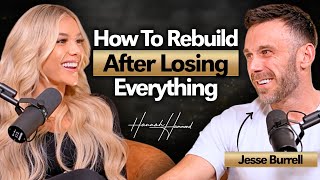
Interview (Hannah Hammond with Jesse Burrell) about Jesse’s trajectory building Batch (Batch Service / Batch Data), a prop‑tech company that began in 2018 to solve investor data needs. Jesse describes moving from wholesaling to founding products (batch skip tracing, batch leads, batch dialer) built to solve his own problems, scaling rapidly via affiliates and early customers, and growing revenue to ~$35M/year (peak) after rapid multi‑year growth. In 2022 regulatory changes to texting and a fast rise in interest rates caused a sharp revenue decline, driving layoffs and a strategic pivot (shutting some texting products, leaning into dialer, AI enhancements, and a growing B2B data/licensing arm). PropStream (owned by a publicly traded acquirer, Stuart Title) acquired some verticals and ~100 employees in a deal finalized July 1 (closing announced in an all‑hands). Jesse reflects on hiring, retention (phantom equity), preparing for sale (engaging bankers, lawyers, due diligence), leadership tradeoffs (visionary vs operator), mental health and routines, and plans to continue building the remaining B2B business.
Questions this video answers
2018.
About $35 million in revenue in a year.
"Our first four years, we did $100 million in sales."
Peak cited ~250 employees; ~140 at time of sale; ~41 retained after sale.
About 100 employees were acquired by PropStream; Batch retained ~40.
Chapters
Welcome back to the Hannah Hammond Show. Today I'm sitting here with Jesse Burrell, co founder and CEO of Batch Data, formerly known as Batch Service, which is a all encompassing prop tech software company that helps real estate investors get the data that they need to identify possible sellers. We'll, we'll dive into all the things that the data does, but we're celebrating a recent exit of his. He sold off a couple of verticals of his company to Propstream, who is another data provider and they're now also a client of his other verticals of the company. So I'm super excited to have you on the show. I read that you bootstrapped batch data to 35 million in revenue in just a few short years. But then you had in 2022 when rates spiked up and different changes happened in the economy, you had some severe challenges there, but then was able to rebound and then ultimately sell it and just closed on it less than a couple months ago. So first off, congratulations and welcome to the show.
Thank you. Thank you for having me. Appreciate, appreciate it.
So you started as a real estate investor and a wholesaler doing flips and assigning contracts. You know, for those who don't know, wholesaling is where you get a property under contract at one price and then you sell it to someone who's going to flip it and you're able to sell it at a little bit higher price. So you started kind of doing that world and then it sounds like you had a problem that you wanted to solve for yourself and that was in how do I find good quality data? And in an efficient manner to really identify where the sellers are in the marketplace so you can make money. So like, what initially got you into real estate investing? And I don't know if you want to go back into any of your earlier years, but like, what, what got you into that? And then what was that incident that sparked you to think, I'm going to go build a tech company instead of just doing deals?
Yeah. A couple questions there. First, I was, I actually wanted to be like a PGA teaching pro. So went to asu, got my degree in that, did internships and realized quickly working at all these nice courses, I was like, I think I want to like be a member here, not work here. Was ultimately I always just had bigger passions and ambitions. But I loved golf and I loved helping people through golf. And I went to ASU W.P. carey School of Business. So they had this, you're getting this business degree at the same time you're getting your class a And towards the end, I just realized how long it took to make money in golf. And it kind of just working in. It took away from my passion of playing it. And I was like, I don't know. And the entrepreneurial. I took like small business or small business classes and all that stuff in my upper management classes at W.P. carey. And I was working either at a restaurant or working at a golf course kind of during college. And I was later in college too, where I got my associates. And then I went back to school at 25 at to get ASU. So, like, I was broke throughout my entire 20s. Never had more than a couple thousand dollars in my bank account. So I was just trying to like, figure it out. And I was working at this restaurant on Scottsdale and Chaparral no longer there. And this girl got a job working for a real estate Investor in like 2012. And he was out of California flipping all the houses here in Phoenix. And they needed someone else to help with their property management and helping them look for fix and flips. I was basically like an acquisition rep for them. I just. She's just like, maybe you like it? And I was like, sure, I'll try it. And that's literally just. I had no rhyme or reason. I didn't have some passion for real estate until I started learning it and getting into it. But yeah, I just. A friend said it was cool and I was like, sure, I'll. I'll do it with you. It was that simple?
Yeah.
Honestly.
No, that's awesome. And so what. What year was that? When.
How old were you now? How old was I then?
Yeah. How many years ago?
I was like 20. This is like 12 years ago. I was 28. So I was just finishing my last year of college and I started working with them is I was trying to figure out what I wanted to do, some type of sales thing. I just knew it wasn't golf and it wasn't working. Just it takes forever to make any money in golf. And there's just such a corporate hierarchy to where you're just making $40,000 a year for forever until, like, you could get that opportunity. And I was just like, nope, not for me.
Yeah, it's funny, I used to be super proud. I still am super passionate about riding horses and that same thing. I remember my trainer saying, you know, some of the things that are hobbies in your life that you really love, if you turn them into work, it takes you. It can take your love away from it. So I kind of experienced that too growing up. And that's why I used to want to be a professional horse trainer. And then my, my trainer was like, don't do that. Go make your money and then use your money to have fun riding horses. But yeah, that's a, that's a good path to take. And so what did you, did you start to see the issues in the data side of the business when you were working for that company or were you just kind of absorbing everything and you really didn't?
Yeah, I just spent the first year absorbing everything, got my license. So what I got really good at that first year was that's when you could still find in Arizona, specifically because they got hammered so hard during the recession. Like I'm just on the MLS looking for shitty houses. So pre foreclosures, short sales, just beat up houses to where I could find value in fixing them up and reselling them. Or we'd fix them up and then sell them to one of my bosses or the owner's friends. That would turn it into like a, like they basically turnkey property. Like they, they'd flip it, they put a renter in it, they'd sell it to them. So my job was just to identify those, but they were nice enough to bring me on site, show me all the rehab costs because like, you get really good at real estate if you know where you need to buy, you know how much cost to fix it, you know how much cost to sell it. I spent my whole first year doing that. And then, and then I went out on my own. I got, I just got my license and just started doing it myself. And I had kind of a network of investors that were always looking for deals. And then I, soon after, it just got harder and harder. And that's when I learned wholesale, or I guess I like to more call it direct to seller. Marketing is like, you know, sending out mailers, you know, cold calling, doing all those things, going direct to the seller instead of looking on the MLS first. And then that's when wholesale became a thing for me. And then I partnered with my first partners in real estate investing, Danny and Jared. So they, we kind of did our thing and then they started dating. And that messed everything up to some degree.
Yeah, usually does.
They kind of want to do their own thing. And now, you know, I introduced us all together and they're happily married with a one year old. So I'm glad to, to be a part of that journey. And then as I said, I went out on my own, had a little team. And that's kind of when the whole looking for better data came about, and I was going to a lot of local masterminds, and that's where I met my now partners, Annie. And Evo is the head of that mastermind was like, hey, I think you guys should, like, connect and link up. And he was. Evo's the one that was really good at systems and finding data and doing all these things I was really good at. They needed help kind of with their turnover with their employees and stuff like that. Like, they weren't great with, like, leadership comp plans, the marketing side of things, and we just kind of started helping each other. And then he's like, hey, I found this really good data provider to get better phone numbers. You know, do you want to try them out? And I was like, sure. And then I'm the one that had the big network of people. And then I was like, hey, I think other people would want this. Like, how much? Like, what can I get if I could help you sell it? And he's like, half. And I was like, cool. And before we knew it, batch skip tracing started, and that was like, our first product in the batch service ecosystem. Them.
Wow, that is. And what year was that? 2018.
2018 was when we started batch skip tracing, and then soon after, we started developing, which is what. What is now called batch leads, and one of the products that we sold. Okay.
And so when you did Propstream exist when you started the company?
Propstream's actually been around since, like, 2007 with, like, CD ROMs. They've been around forever. I didn't even know that until, you know, I knew they'd been around for a while, and they're kind of the OG of like, the list and data provider in the, you know, wholesale investor space. But no, the guy that founded that has been around forever, and he's exited too. And there's still people that have been there since, like, the beginning that I got to meet that were. That are really cool people.
That's super cool. And when you started the batch service with your. Your new partners, were you still running your wholesaling company on the side?
So they had a wholesale, I had a wholesale. We kind of dated for a year, to be honest. We're kind of. We had this little thing that we were doing together. It was kind of a side hustle that was making us a bunch of money. And then it was just becoming more and more difficult. We kept running into the same deals that we're negotiating. And then finally I was kind of pushing because I felt like it really worked. But they're both from Bulgaria. They're very, very family oriented. They didn't want. I just think they kind of wanted to do their own thing, and it was kind of a family business, and I kind of nudged my way of being, like, the stepbrother, I guess.
Yeah.
And it just works. It's always worked, and I felt it works. I'd had a different partnership, and I just knew the value I saw in them. I knew the value that they saw me. And after I read Rocket Fuel, I was like, these are the guys. Like, let's do it. And then we decided to go all in, combine the investing operations, and then get an office together and kind of start building all of it. And then the middle of 2020, we actually shut down the real estate investing arm because we fell ass backwards into this whole prop tech thing that we didn't know. We're like, the more we learned is like, okay, this is scalable. This is sellable. This side really isn't. Makes a bunch of active income, but what do we want to do long term? And kind of put our blinders on. And the focus was to figure out a way to sell the company. And luckily, we're halfway home. I guess we still got another side to grow and sell.
Yeah. That's so awesome. And what was that a difficult decision for you to make, to shut down the other arm? Or was it pretty clear you're like, okay, we see the scalability in this. This is no longer serving our true north. We're just gonna go ahead and close shop?
I think it was. It was tough for me because my identity and as I said, I was 28, 29, and I just had never really made much money. And this is what became. Had me become a millionaire. And so, like, I was. My ego and identity is really tied to, like, what. People aren't going to see me as a real estate investor anymore. Like, what does that mean? Like, in retrospect, it's not a big deal at all. But at that time, all my friends are still doing it. You know, Pace Jamil, Steve Trang, Brent Daniels. Like those. That was my crew. And obviously they've went to all do their different things. And I'd say real estate investing is probably, like, the least important thing for all of them. You know, Pace and Jamila are huge influencers, and Steve is a coach, and Brent is more of a coach than I'd say, a wholesaler. And. But at that time, that is what they did, and that's what I did. So took time for Me to want to get there. And I mean, we did shut it down in retrospect, at awful time. That's when like everything went crazy. But that's when our company went crazy too. So everyone had money, everyone's spending more money on marketing. So it was just tough for me. But now it's like, it's. People want me to go like, talk on real estate. And I'm like, I haven't done real estate like five, five years. I'm like, what do you want me to talk? I could talk about the data behind it and the trends, but like doing deals, that's just not what I do anymore. I invest in syndications and I, and have hard money and then I have a couple commercial assets, but like, that's not my active income anymore.
Right, and how was, I mean, because you didn't come from a tech background and then you started and sold a tech company. So how was that process for you? Because when I think of starting new companies, if it's a vertical that I know nothing about, I. The first thought I have is, okay, I need the who because I'm not it. Right. And so you identified the who pretty quickly that were more operational and good at data and kind of had those ideas that sparked your visionary role of like, oh, I see the vision of where we could actually take this and I'm going to put the right team in place to actually execute on that vision. So what were some of the key deciding factors when you identified those key partners? Like, how did you find them? You said a mastermind. But what, what questions did you ask? And you said you dated for a year before, like officially partnering with them. So I guess what advice do you have to people that don't have their who yet, like their second in command, their coo, that person to really take their vision and execute on it. And how do you vet, you know, find and vet potential partners before you kind of marry them?
Well, I'd advise, you know, reading Rocket Fuel because that's a good book of talking about visionaries and operators and you could be partners or they could be high level C suite people for you. But actually none of us knew anything about tech. So Evo is just, I think he has a photographic. He's just brilliant, like truly. So like he just dove in and kind of learned it and then started and then he found the who, so he found the right people. And we were building this, this thing that was just going crazy and, and you know, our, our head of product and our old CTO who's Now the CTO of Propstream, they just loved what they were doing. And me, Evo and Annie were so excited about it. They're like, well, no, like, you set this up wrong. Your infrastructure is wrong. Like, let, let us help. And they kind of just came on as consultants and before we knew it, we had these just, they were expensive, but we were lucky. We had right place, right time. We're making a lot of money, like off the jump. So like that was definitely a benefit to what we had. And being bootstrapped, it was like we were very profitable very early. And then we still had the wholesale income that was like bringing us in the active income. So we were able to just reinvest, reinvest into those people. But for partnerships, it's really fine. Find your counterpart. Find someone who is very different than you. If you're a visionary and the person that you partner with is a visionary, you guys are going to be fighting over. Someone's going to have to ultimately take a role that they're not great at. And most of those partnerships end up failing. And I just see it all the time with new people that have a buddy or a friend. They're like, oh, let's go do this together. We're both really good at it. Well, are you really good at the same thing? Because typically those are when partnerships end up failing. It could be six months, a year, two, three years later. But you have to have very different personalities and very different roles, I think for it to work the majority of the time. I don't know what your opinion is on that, but same.
Yeah, yeah, because it's right person, right seat and we all have our own unique gift and our unique ability. And if I think the second in command, it's a different, it's a different personality. It's somebody that is the, that operator, that detail oriented person that wants to execute on a vision. And then the visionary has to have the vision and, and push that, you know, drive that vision forward and try to keep everybody rowing the boat in the same direction, you know, culturally throughout the organization, keeping the culture tight, keeping the team tight, working on hiring the right people and all that. But I think I agree, if it's the same skill set, then you have a big missing piece. I remember when I worked as an engineer for Caterpillar before I, I was in real estate already, but before I launched my real estate brokerage and then my lending company, the owner of the company told me that his leadership team all were in a different quadrant. Like on their disc personality test like they all had their own box and he specifically hired them that way.
They.
So they each had a unique gift and ability in every area that it was needed for the company. Because if you're unbalanced and you have too many people that lean, one personality type, one skill set, one direction, then your company's gonna be like a, you know, a stool that is missing a couple legs.
Yeah, I agree.
Yeah, that's cool. And so I mean, okay, you were bootstrapped. You partnered with these two people. None of you had a tech background. We. What were those early. And then you grow, grew so fast. Like what were some of the key things that made you guys so successful in your point of view? Like some of the good decisions that you did really well that allowed you to scale so quickly, like how did you market it or what was kind of your edge and growing it so fast.
We were very early on because this was, you know, 2018, 2019 to where just one. We were building a product for solving our own problems, especially those first two, three, four years. And still, you know, we shared an office with Brent Daniels, Pace had an office with us. Jamil was in every day. So I have all these people that are very high level and doing a ton of deals in the business. Once we stop, they're still being like, this is what we need next. Like we have our best affiliates or best customers helping us with our product roadmap, telling us what they need, what's missing in the market, what's going to make us better than PropStream or DealMachine or whatever company there. And, and then, you know, we paid them a handsome affiliate fee to promote us. And this was before that was something popular and that was a huge part to just get our brand out there and be a brand staple. So we partnered with the right people at the right time that were absolutely blowing up. As I said, a lot of this was really good timing, like to really grow, scale and sell a business. A lot of it's good timing. But the good timing was early because we're going to talk about shitty timing in a little bit and, and when market shifts, you know, what mistakes we made. But it was really leaning into the affiliates and just really building a purpose built product to where people could actually take action with our product.
Did you, I love the affiliate approach. And how did you guys come up with an agreement on what their compensation would be like for the affiliate program? And then also did you do paid advertising alongside that or did you just get it fully supported by the affiliate?
Yeah, we were doing, we were doing paid to. We hadn't hired the right sophistication of people to really be like really high end paid marketers. And as the business grew, it took us a couple hires but we finally found someone that was truly brilliant. We got to actually get someone that came from Zoom Info. If you know what Zoom Info is.
I've heard of it.
It's kind of like it's a data aggregation company but it's for like business to business. So like let's say you wanted to go into your prospecting like for our B2B side we use Zoom Info. So like hey, we want to look at Caterpillar and we want to find their head of marketing. We could go into Zoom Info and they'll have like their email and some of the contact information. So like, so they kind of, there was an adjacent kind of connection of real estate data versus the data they had. And that company's public now and we hired one person and they said started picking off all these great people from there, bringing them over to our side. And that's when we started to get much more sophisticated with how our paid spend was, how our ads were set, how our customer journey was going to look like. And that's when I think it really turned in turn from I guess just kind of like this right place, right time thing into a business that actually had the right people looking at the right data and helping make strategic decisions, continue to have the company grow.
How did you find that person? Like how? Because I'm at a scaling stage of my company. HB Capital is a new company and I'm scaling rapidly right now and just trying to figure out like how did you, how do you, what worked for you in identifying and securing and retaining the best talent out there?
A lot. So Charles, Phil, Jibin, they all started as like consultant, hot expensive consultants that like we found through upwork or through it was all through kind of like a network effect. And then they're like wow, this is really cool. And we just kind of use them more and more. And before we knew it they wanted to be a part of the team full time. Now they were expensive but we could afford expensive people at that time.
Yeah.
So we just found the right people and then we had. And then we also opened up, you know, vesting for you know, high level employees to where, you know, if we go sell which. But we just sold part of it. So there's a bunch of people that just got nice paydays. So they worked really hard. They believed in the vision we made it, made sure to compensate them right. With their salary and also compensate them to want to stick around long term and have vesting in the company. And when and if we sell, you know, they're going to get something. And that was something that I think we did really well, was to make sure that we could keep our really, really good talent. Because maybe as stuff shifted and we couldn't give as many raises in 22 and 23 happen, those core people all stayed. They're all good at hiring people. So we lost some ICs, we lost some managers, but I didn't lose the best. And that was all because of the vesting that we put in front of them. They were willing to ride and die with us through the thick and thin.
Yeah. Did you structure it as like phantom equity or was it real?
It's phantom stock. Okay, so it only got triggered when you were to sell.
Yeah, because I think about phantom stock too, because I'm, as I mentioned, I'm in this phase right now, so I'm still figuring out how I want to structure. Like do I want to give any equity to any team members or employees or do I not, do I want to do real equity or phantom equity? Do I just want to do a profit share type bonus or some sort of structure that way? And just trying to figure out that intricate balance of recruiting and retaining top tier talent. And so did you tell them from the beginning, like, we're building this to sell? And so that was the plan from day one. And did you have like a timeline that you were planning on selling and everything?
They knew that once we started hiring, hiring those people, that's when real estate investing was done. This is where we're going, this is where we're focused. I started networking around. We started talking TO investment bankers 3 1/2 years ago, knowing we're not trying to sell, but like, you need to start learning what metrics are people going to like, what are they not going to like? What holes do we need to plug? Where do we need to focus? Like, if you are planning to sell even in three to five years, start interviewing and talking to those investment bankers because part of their job is to start consulting and nurturing you and giving you advice because you know they want to see you succeed. And if they're giving you that right advice and there's a good chance that you're going to end up going with them. But for me, as them being a resource, it was very invaluable. Three, four years ago, knowing that it's Something we wanted to do. So like, once it was time to go, we knew what to expect. We h. We knew how we needed to be buttoned up. We knew the amount of time it would take. It took about nine months to a year just to prep, to go to market or to go. To be ready to sell. We had to do like quality of earnings. We have to have all these different things buttoned up. We have to have everything documented. All the like, everything has to be buttoned up. You come, come to market not buttoned up and people start requesting stuff and you don't have it, they're going to be like, how, how, like how much of the truth are they really telling us? What, where are they? Not else but up. So it's just all these. You have to just have everything dialed in and they're a great tool to make sure you're set up for that.
How do you identify investment bankers to talk to?
I just have a vast network of people and I just always ask questions and always ask like that's what I was looking for. So I started asking every friend I talked to in every way and one of my buddies out of. Do you know who Logan Fulmer is?
I don't think so.
He's like, he's pretty big dude out of town in San Antonio. But his partner had ended up selling his accounting business for like a hundred million dollars and connected us with the person that helped him sell. And they connected us with their kind of tech arm of, of that business. And then we even reached out once, you know, PropStream sold and we found out who they sold to and you know, talk to those guys a little bit. Like it's just being intuitive and. But you need to find the right people that could sell specifically in the market that you're selling. Like, you don't just go find some random investment banker like who specializes in and whatever business you have and, and finding those. I bet you for you it's not as hard as you'd think. Just start being intentional and asking everyone about it.
Yeah, yeah, I actually did reach out to somebody just through my network is same thing. You know, they were offering to buy a commercial mortgage brokerage and I was just picking his brain on what, what's the EBITDA or how, you know, what, how they value these companies, what's important to them, if servicing is an important piece because the recurring revenue and all those stuff. So. So yeah, it's always interesting to begin with the end in mind. I think it's so important to begin with the End in mind, because if you don't know where you're going, any road will get you there, which is nowhere, really. And that's cool that you guys were planning for that and ahead of it and kind of got things organized from an organizational structure. How did you grow your team? I believe you had 35 people when you sold. Is that right?
Or so. No, our peak, we had 250 people.
Oh, my gosh, that's crazy. You have 35 people now.
40, I think. I. I've said a lot of things. I finally. Like, we have 41 people as of today. I checked. But we had about 140 before we. So PropStream acquired about 100 of our people. We retained about 40 of them.
Okay.
So, yeah, we were at about 140 people when we sold two months ago. So never been. I feel like 40 is small. And I'm like thinking to six years ago, I'm like, 40 people is a lot of people.
Yeah.
To me, I'm like, oh, this is cake.
Yeah, it's a lot. To me, I feel like managing people is the hardest part of business in my personal.
Oh, 100%. Like, hands down, it's people problems and it's life problems that people have. Like, I've learned more than anything, the best advice I would give is what. When interviewing people now, I want to know a lot more about, like, their personal life. Is it put together? Is it a wreck? Like, it's. Someone could be brilliant, but they have so much personal stuff going on that they cannot focus on work. It could be problems with a wife or having, you know, a multitude of kids to where you. There's. You have a bunch of young kids and it's just hard or it's. It's just you go out drinking too much or you're just not prioritizing your career. And my best people are the people that have their shit together.
Yeah.
Like, honestly, older, younger age really isn't a thing. Is like, is this their priority? And is your career your priority? If it is, they typically outperform someone more talented than them.
Yeah. Because your priorities are everything. And that's what I talk about a lot on this show, is like, how do we reach? And that's why I like interviewing people not just that have been successful in business, but successful in all areas of their life, have healthy relationships with themselves and with other people and with their kids and their spouse and their friends, their colleagues, their team members and who are healthy physically, who take care of themselves and have a healthy body and mind and Soul and like prioritize well being and self care and then also who are hustlers and drivers and can continue to build something great. And I think, and Jamil and I talk about this all the time because we're really good friends, but we'll talk about, you know, it's. Some people think it's like contrarian or distasteful to talk about business and peace, like meditation and happiness and all this in one conversation. But just like you said, I think it's the, the most important link to a successful business or just life in general is being a successful, happy, grounded, connected, loving, passionate person. And a lot of people, yes, do build massive companies driven purely from pain, but what kind of life is that? And like, is that even something that you could really call success?
I, I agree. Because, yeah, me and Jamil have been close for, you know, quite a long time. And he's actually one, like, when shit really hits a fan. And we don't talk as much as we used to because you know how busy he is now. He's like in three different countries or whatever. He's in California and Calgary and here occasionally. And we actually talked yesterday for like first time for like a half hour and in a little bit. But when I've had like big problems, he's always one to help calm and center me. So, like, if I ever say, like, hey, I need you right now, like, he'll call. And I had, I had to go through some shit this last year personally. And like, we weren't. We haven't been as close as we once were, but, like, we're still close. Like, we just don't talk as much as we once did. But he's still been there for me and I've been there for him because he obviously had his personal shit going on the last couple years too. And I'm just so happy to see him. He just seems like he's in the best place I've ever seen him in. So I'm very happy for him.
Me too. I'm so happy for him. And he's just one of the most amazing. Like, his energy just grounds you and makes you just feel, oh, like everything's gonna work out, we're gonna get through this. But I want to talk about, we'll segue right into some of the big challenges that you face, because I know we just talked. You had amazing growth, you were bootstrapped, you were very profitable. You were able to identify great key players early on, grow your team, all these things. But what happened in 2022. That almost took you down and take us through that emotional journey.
Yeah, that was. That was pretty crazy. So. Because like when I say scaled to 35 million, that's in a year. So like our first four years, we did $100 million in sales. So like we went nuts. It went from 500k to 4 million to 18 to 35, to I think 30 to 35 again that next year. And then it just kind of fell off a cliff with they changed. So like batch leads, like, we really, really nailed our ICP for the investing part of things is that's when you could do a lot of, you know, outbound cold texting. And we had the best phone numbers and emails and. And then we also had batch dialer. So it's like you call text. You could do all these things in our ecosystem and people are just going rampant and just getting all the deals like could lock anything up at. That's when the hedge funds were buying everything, right? So like, if you just got a deal, they're paying retailer above. You just had to have someone willing and able to sell right around. Retail and real estate investors at that time were making money and we benefited from that greatly. But as it got more and more adopted, more and more homeowners. No. Started complaining to all the carriers and everything. And then regulations were changed by the carriers. There's no like official laws put in place, but people are also suing. You could sue for any reason, even if it's legal or not or gray or whatever. And as those changes happen, we were one of the biggest in the space. We were sending out like 30 million text messages a month through our app. So and as that change, you know, the response rates change and they started flagging everything. So that in turn started a whole lot of churn because that's what we're really known for. And then if people are sending out less text messages, they're buying less phone numbers from us. So it was like this whole snowball effect and it was manageable and we still had a lot of other things to offer. But right after that, that's when interest rates went way up and just everything kind of stopped. And we were like, oh. And we were scaling employees this entire time. So like our operational expensive expenses got crazy expensive. And it was just like month over month. I'm just seeing net profits go down and down and down. And we really just tried to sell our way out of it because I didn't want to let anyone go. We had a great team, we had great people, and it finally came to a point to where it's like, we had to do a round of layoffs, and it was like, for me, it's. That's a part of business, but, like, it was just really hard for me to do that. And then we eventually had to do another round of layoffs to. To get, like, our revenue was just different than it once was. Our products were different than they once were, and we had to kind of get our. Our headcount to reflect, you know, the revenue that we had, and it was tough.
Yeah. How did you handle doing those layoffs? Like, were you the one to do it? Were your partners the one to do it? Did you have other management that handle it? And how did. How did you guys decide who to let go and. And how to let them go? And.
Yeah, well, the first time we just saw it. So the first one was a little bit different. Is, you know, we just. It was changing. We had to let some people go. So that was getting the whole leadership team together, us making a unified decision of, like, kind of each department having X amount of dollars that they had to save, and each department had a different amount of what we had to do. But we kind of came to an agreeance as. As a. Our first team to kind of do this. The. The second layoff we did. Me, Annie, and Evo did everything. We did not draw out of the company for 16 months. I didn't take a dollar. None of us did. And, you know, when we did that second round, we had to lead with that and let everyone know, be like, hey, this is the sacrifices that we've made in the background to try and get us to get ourselves out of it. And that was the tougher one because we had to let go of. We had to make some hard decisions and had to let go of some people that had been with us for a long time. And, you know, we. We had to get right and we had to get lean, and we had to be strategic of who we kept and how we kept them. So that was tough. But I know that the three of us probably waited too long and maybe even sacrificed a little too much on the financial aspect. But it just shows, like, the type of leaders that we are and what we're willing to do, because it's hard going into work every day, working your ass off, then also having people bitching about how they need a raise when I'm like, I haven't taken home a dollar out of this company in a year.
Yeah.
So it's just. But to be honest with you, that's business and that's a part of it. And if you can't stomach stuff like that, then being a business owner might not be for you. Because like, everyone sees the highlights online, but sometimes behind the scenes, everything isn't always what it seems, especially with a lot of the influencers out there.
Yeah, it's. It never is. Right? I mean, I think it's entrepreneurs. Successful entrepreneurs have a massive, incredible ability to handle immense amounts of pain and like lean into it and welcome it almost into their, their life and not see it as such a. They. They welcome the pain, but they don't suffer from the pain. Like, they use the pain to fuel them to get better and to grow out of it. So what when you're going through that time, I mean, really dark times, profits are going down, having to lay people off, the market sucks. You're going through all these regul issues. What. How did you get through that? And then very shortly after, have a very nice exit. Like, what happened there?
The market started to shift. We just wanted to simplify. I feel like we got like, once we got up to 250, we were like bloated and we thought more employees meant more revenue. That is not true. It actually made more chaos, more people having to approve things. So, like, that was a great learning lesson for future businesses. Or the business that I have now is like, have the right team, have the right people, have them be able to actually contribute. Like, even the big tech companies, they're not having a bunch of middle management check boxes off of like, okay, we approve this, we approve that. Have just people that go get shit done. And that was an expensive lesson that I learned. But have the right people, that have the right team and everyone's actually doing work. People aren't just sitting there managing someone be able to do the work. Even if you're a manager, there's still work that you should be doing and impacting. And that was a, that was a pretty big lesson learned. And we just, you know, the market started to get a little bit better. People started spending again. We worked really hard on repackaging our pricing, showing more value of our product. I mean, we just scrapped and did everything we could to get back to starting to see that curve go back up. And luckily as that, as everything started getting better, that's when our conversation with Propstream started happening. Our B2B side had been growing like crazy for the last couple years. So it was so tough seeing this. The side that I still own, the enterprise side, just growing, growing, growing. It was More of our legacy products that got hammered because we had so many people and things changed so much. It's just. We had to lose a bunch. We had to kind of bottom out and then just kind of start building our way back up. And that's just. That's just business. At the end of the day, everyone in the tech space got hurt. So I always say I don't think we're as good as we thought we were at the beginning. But when everything came crashing down, all of that was out of our control. We did everything we could to scrap and then get ourselves to the other side. And that's really what I told my partners is just weather the storm. We can't control how these regulations change, and we cannot control how these interest rates went crazy super fast. How do we dig our way out of it?
And what. I mean, because the regulations are still there. The. For texting and stuff. Right. Like, it's a nightmare to try to send out any text blasts or whatever. So how did you guys overcome some of those regulation things? I mean, what shifts did you make to ultimately write it back up outside of just the market got a little better and more revenue start coming in, or was that the only thing? And you.
We pivoted our. We stopped offering it. Like, we shut it down. Like, no one would buy our company with these regulations in place. So it didn't matter. So I think that first year, it cost us $10 million in revenue by shutting it down. Like, it's almost a million dollars a month.
Yeah.
All of our profit. Poof. I was like, okay, let's go build it back up. Let's retool batch leads. Let's. A lot of people were cold calling more. So batch dialer was growing. So having multiple products is definitely helpful when stuff like this happens. And the B2B side was growing. So kind of some of the other sides of our business were helping offset some of the losses. We're taking in batch leads, and we kind of just retooled batch leads. Really started focusing on AI and derivative products of how people could just find deals faster and how they don't need to do all these things if they're identifying the right property. You don't have to go text message 50,000 people a month. Here's a thousand people that you should be calling. That's how you can go find your deal. So we really lean into AI and kind of retooling our platform to make sure that people are still having success.
Okay, and what can you give a quick overview of what all the services are, including the ones that you sold and then the ones you still have now and just kind of real quick like what they do to help solve a problem.
Yeah. So our first product was batch skip tracing. And that's just where people could go upload their marketing list and we give them phone numbers. That's it was still around until like a week ago. We just kind of put that into batch data, which is our B2B offering to where we help empower other solutions. So like Propstream for example, the data that we aggregate and the algorithms and the propensity scoring that we have, we license that to other people like us. So investor lift, you know.
Yeah.
They use all of our data on their back end to show all their information for the bed bath count and houses and phone numbers. And so like that's our B2B side is just fueling all, all those companies like that. And then batch leads and batch dialer is what Propstream Bot and a dialer is just a predictive outbound dialer. Batch leads is where you have this whole entire ecosystem of where you could go look at lists, pull lists, filter list, keep all of your outbound marketing data in there. It's kind of a little bit of a CRM you could even call out of it. There's just a whole bunch of marketing things that you could do in there and just go identify people that you want to try and buy their house for or even home services use this. You know, they could identify clients that they want to reach out to for a roof or for solar or for whatever, whatever.
Do you guys do commercial real estate data?
A little bit. But that's where I mean CoStar is just the best. Like honestly, like they have proprietary data that they hold that they don't license. They're like fuck everyone.
So yeah. But they, they make it a little bit difficult to extract it. So it's a very manual process on that side of things.
So like Crexy, for example, we all their phone numbers come from us.
Oh wow, that's awesome.
So lot lots of different place. I was just giving examples in like real estate investing space, but we have Daikin, one of the biggest H Vac companies in the world just bought data from us.
Cool.
They. I don't even know for what, but they wanted all the real estate data in the US and they have some smart people chopping that up to maybe I'm assuming they're doing some type of study or targeting certain houses that they want to go after. But some of Those bigger corporations do some crazy stuff. But like HUD reached out to us. We're working on putting a contract together with HUD and some government agencies and we have this really cool investor report. It's called Investor Pulse Report. It's went pretty viral. And we sat there and tracked every single investor from someone buying one house a year to the institutional buyers where they're buying the most, where they're holding everything. So like a lot of news, news channels and like big influencers in that space. We kind of showed that like BlackRock's not killing America, but some people will still find data in there to say like, hey, these institutional investors are buying all the properties and driving the prices up. Investors purchase less than like 2% of real estate overall.
Yeah, it's. That's nothing.
Correct. And like BlackRock is like 0.2 or something like that of all the houses that have been bought in America. So. But people still find ways. But there's certain markets that have driven it up. So we're able to publish this data and get a lot of exposure. So like on the B2B side like PR is awesome in having getting your name out there. So like we're publishing our next report next month, but we try to do something different because think of like how Zillow will publish something then every, all these publications pick them up and stuff. So we're trying to be known as like, hey, we could build some cool reports too. Check out our data.
Yeah, that's cool, that's smart. To get your, continue to get your brand out there. What. When you were hiring and growing the company scaling, like in what order did you hire people? Did you hire from the top down where you built out a leadership team first or did you hire from the bottom up of the, you know, we need the, the executors and on the, the ground floor. And then you hire management and then you hire a C suite team. What did that look like for you?
Well, at the beginning, yeah, it's just we hired. The first couple people we hired were just some sales reps. We had someone doing some Google marketing. But as I said, the affiliates was the big driving factor at the beginning for batch skip tracing and batch leads. So we had one person that was doing, you know, Google, Facebook, Instagram ads. And then we just hired, we brought from our wholesale company. We started bringing over some of those guys as we're winding that down because guess what they did, they did wholesaling so they could go talk to our customers, they could identify with their customers. They could show the product to our customers, show them how it's valuable. So we hire, hired a ton of sales reps first. Sales and support is really where we started. And we had one marketing guy and. And then that's when we soon started hiring some sales managers. So yeah, we kind of went bottom up.
Okay.
And then we started hiring some director level people that we were hoping could get to the C suite. And as you get to different levels of, I guess, your business, some people can get you to where you need to go, but not where you need to go next. And we had to go through a couple layers, especially on the marketing and sales leadership side of things. We had to go cycle through a few people, but we were very lucky with our CTO and then our chief product officer. They were basically with us since the beginning. So we've been very fortunate to have great people on the product side leadership the whole time. So it was just more my job to find the right sales and marketing people and then found an amazing. He ended up being our cgo. So he was basically the right hand of me. So chief growth officer, he's basically the mini me. He made my life easy. He's actually leaving in two weeks. I'm so sad. But he's, he's ready to go do his own thing. And then our sales leaders. Absolutely incredible. And he's transitioning from our head of sales to chief revenue officer and revenue and growth officer, virtually the same things.
Yeah.
Um, growth officer typically is a little bit more marketing background. Revenue officer is typically more sales background. So he, he, I don't care what title he has. I was like, you could pick one. He's like, I want this one, you know, for his long term growth and what he wants to, what he wants to do. So it was definitely, I would say, bottom up for us. And I feel like with bootstrap companies that how. That's how it typically has to be. Because you can't go forward a $300,000 salary when you're just getting started.
Yeah.
I remember the first time I paid someone 70 grand for a salary. I thought I was like the biggest baller ever. Eight years ago. I'm like, can't believe I'm paying someone this much money. And. And now that's an entry level position for us.
I know it's crazy to think of how many mouths we are responsible for feeding every day. In some level, obviously people can find another job, but I always think of that. I know when I had Pacemore be on my show, he talked about that he's like, the revenue. How many mouths am I feeding?
Yeah.
Like, that's my metric.
I saw that clip.
Yeah. And I loved that. I just love that so much. It's like, what. What impact are you having? That's beyond just profit and revenue?
And that's why I think, you know, the mouths we're feeding and the people that believed in us, that's why we made that sacrifice and not drawing out of the company for so long, because, like, I take a great pride in, you know, the people that work for us and the culture we've created and the level of blood, sweat, and tears that they put into us. Like, people knew things weren't going great, that we were, like, scratching and clawing, you know, to dig our way out of it, and they're right beside us doing it. So it really sucked to have to let some people go, but sometimes that's just. That's just what happened. And I did everything I could to not have to do that. But, yeah, it is what it is.
It's part of the game. Yeah.
Unfortunately, that's the not so fun part of, you know, owning a company and scaling a company. But, you know, it. It happens.
Yeah. It's not ever fun to let people go, but at least when it's, you know, you're doing it from the right intention and that's what is the most important thing.
Yeah.
Okay, so let's transition into the sale. So how did you identify, you know, like, even approach the conversation, or did they approach you with one of your biggest competitors? And then what was that process from. I think you said you started the conversation in October and then you sold in July, so less than a year, which is pretty quick. Um, from a sale perspective, actually, I don't know anything about tech. I don't know if that's long or fast, but it sounds fast. So. Yeah. How did. How did you engage in that conversation, and what was that process like for you?
Yeah, it was a. It was an interesting one. So, as I said, the B2B has continued to grow, and, you know, PropStream is our biggest competitor, or was. Now they're my favorite company ever.
Yeah.
But, you know, me and Evo were talking and, like, hey, they're going to get data and skip tracing somewhere. People are going to like what they're going to like. It's. It's not just the data and the phone numbers. When you're. You're choosing what product that you want to use, part of it's the ui, the ux, how it's Set up how the customer journey is. There's so much more that goes into, you know, a batch leads and a prop stream than the data and you know, the phone numbers. It's a big part of the foundation. But you know, that's a multi six figure contract that they'd signed with us. So we just reached out to them saying, you know, we have really good data. You know, what our competitive advantage is is like, hey, is this something that you'd maybe be interested in? So I just reached out to them to try and sell them batch data. And I was meeting with the CEO and I was like trying to convince him so badly that like there wasn't some angle here. I jokingly said, I was like, I'd sell you batch leads in dialer. You know, we're really focused on growing this side. And then he looks up and he goes, really? And I was like, I was kind of kidding, kind of like, I don't know. I was like, obviously I'd sell anything for the right price. And I was like, what do you mean? And he's like, it's just funny you say that. And I'm kind of like trying to dig further. And he's like, we had a conversation with our leadership recently and you know, we're looking for some inorganic growth. It was a pure luck of timing thing.
Yeah.
And we, I was like, I was like, let's talk more, let's table this. And then me and him got on a couple phone calls to just like I wanted to know more about what their long term vision was, what their culture looked like, how he thought of the space. And we were just very much aligned of like how he. They're really good company, they treat their people good, they empower them. And I was like, okay. I was like, this could maybe make sense because like if I sell this piece off, I want to make sure this is a majority of my employees, make sure that they're going to a good home. They're not trying to lay a bunch of people off, they're not trying to fire people. They're not trying to, you know, do some big, you know, thing to where they bundle this up and then go resell it. Stuart title is who owns Propstream. So they're publicly traded.
Oh, I didn't know that.
So we actually sold to publicly traded company. So we'll get into that.
I get my data from Stuart and they.
I guess so Stuart doesn't buy to flip, they buy to keep. So like this is going to get absorbed in. This is a big Part of Stuart Title's business. So, like, knowing that they're going to bring this together and just continue to try and grow it, that was another thing that really excited me, Annie and Evo. And it was the weirdest negotiation ever. I don't know how much I should even get into, but it was. It was just really ass backwards is like, they wouldn't let my partners get into it. I was the only one talking to Brian, who's the CEO PropStream and then Brad, who is like the decision maker for Stuart. He's basically the number two to the CEO Fred over there. And he like, they'd schedule a meeting with me. There's no agenda. So, like, Brad would not let me prep or bullshit him or come prepared with like, certain things or angles. And Brian's like, you have a great business. Just be honest. And they want to know about how this revenue went down, how it's going back up. And I was just like a hundred percent brutally honest of like, this is what happened. Here's the plan. Here's how we're growing again. And I think that gained his trust to be like, all right, like, this dude's not full of shit. Like, they had a bunch of revenue dip. This is what they did to change it. This is why it's starting to grow again. And that's kind of what started them to get a little bit more serious about it.
And did they make you an offer or did you tell them a price?
They made me give them a price, actually. So because we weren't on market, we weren't, you know, doing all those things. And they basically came back and said, you know, we're interested. We don't want to waste any more time. Where. Where do you need to be at? So that was. That was a tough. That was tough. It's like, okay, where am I leaving too much on the table? Where am I getting too greedy? So got with our investment bankers. We kind of ran through scenarios, came back with a number, and they said, that sounds good.
Like the first number you said they agreed to.
Not. Not quite. They like, they're like, that's in the ballpark. Like, we're. Let's. And then they came with an offer to us that was very similar to. I think it was within a million dollars of where we were at.
And what did the due diligence process look like?
That was insane because they are publicly traded. So I mean, they're running through everything with a fine tooth comb. Every single thing. Is our compliance good with our dialers, our compliance Good with batch leads, our contracts, compliance is this in compliance is, you know, how do they transition our employees? It was, it was a lot. I just luckily Annie, who's really our coo, she's like the most button up person I know. I love her. She made this for her it was brutal. But for me and her brother, I think she made it easy. She shined us in a good light. And they never once had to question like is this a mistake that we're making? So like I'm the one that got them to the table and to say like hey we want to do this but if we weren't buttoned up it could have fallen apart quickly. That's, that's the toughest thing is if just because someone says yes, once you get into that due diligence, if they see cracks, they're going to start questioning. And I'm very lucky to have a partner that has always kept us buttoned up on the entire back end from finances to HR to SOPs and everything put together to where they ask for something. Here you go. And it's all buttoned up with the bow. So. That was awesome.
That is awesome. I, I need to find my second in command desperately. Cuz I am not the buttoned up type and I definitely need that, that person sooner than later.
It was crazy. Like we literally. So we had this whole announcement. I had to just basically say I was doing all hands for my company. Like they, they no one could know what's going on, right? Cause like Stewart's publicly traded. Like no one could know and people could buy stock or you know, do do weird stuff. So like we're on this crazy NDA and like a mad dash to get everything buttoned up, everything signed. So it was Tuesday morning, July 1, like 8am that we have this all hands meeting. It's midnight the night before, we're still not signed. We're like what the fuck is going on here? And I think it was like 12:15 Eastern time because like the lawyers were all eastern time. It finally like the release of signatures happened. Um, it was crazy.
Wow.
I was just like are we gonna have to cancel this? Like Brian the CEO propstream's in town, we're at dinner together, like just like checking our phones, asking our lawyers and it was just a mad dash to like it was, it was so stressful.
What was the. Why wasn't it signed?
It's just every little detail. It's think of you know, a commercial real estate transaction. Times it by a hundred, like not even really a Hundred.
That sounds horrible.
The, the employees, like what's being held back when, when they transition our employees from their employee to, to them. Who's paying for the pto? How does it get trans. Like that's just one thing of 700 that needs to be in a contract. It's crazy.
That's crazy. And did you hire like M and A consultants or these were your investment bankers.
So no, you have your investment bankers and then you have your lawyers. So we, we hired these lawyers like two years ago to help, as I said, the whole getting ready, help us with our, all of our contracts and compliance. Is there any gaps? Is there problems that people are going to see? So like we identified, interviewed five, six, seven, you know, companies decided who was the best for us. They started kind of prepping with us. So like once it's time to go, they know everything they need to know about our business too. And then they're helping consult us. Like Kroll's kind of crow was our investment bankers, they kind of help you on the negotiation and then some of the terms and like, hey, this is not typical. Like we should push back on this. And then the legal will kind of say some of the same things, but they're real going through you. Like you need to understand what you're sign signing. And this is like if like this disclosures and non competes and just all the things and stuff like that is as a pretty cool thing is like the one thing I do have that some most of my friends don't is like I've went through an exit and to a publicly traded company to where it's just like you can't teach that experience that you had. And I feel like not a ton of people get to go through it.
Yeah, I can't even imagine going through that. What did it feel like when you closed?
I cried. Seriously, Just those last two and a half years, just all that stress, all that hard work, all that not taking home money, all of it just like came out of me at once. Yeah, it was crazy. And then when the wire hits the next day, that's when the smiles come.
Yeah, yeah.
And you're like, look at your phone. I look at like they're like, how do you guys want. Blah, blah, blah. We're like together because like we're all equal partners and everything and like, you know, do you want to divvy it out to you? They're like, together is good. We want to see it all together.
Yeah.
So it was just like, it was like 9:18 Tuesday morning and like everyone's there and, like, Brian's there and I just like, look up at him, I smile and he's like, oh, you got your wire? Yeah, I did. It was cool.
What a feeling.
Yeah, it's just. It's all that hard work, all that sacrifice, all that. All that doubting, all those long nights and just like, am I good enough? All the. The, you know, lacking of self belief during just all that shit going wrong just is like, okay, not so bad at this.
Yeah. Made it.
Yeah.
What were some of those emotional roller coasters like that you. I mean, my initial stem into entrepreneurship and business and building wealth and all this stuff always stemmed from the root that I'm not good enough. Like, I gotta protect myself, I gotta provide myself, I gotta prove myself. I gotta. All those things. Right. And so I can only imagine what it was like for you going through that whole process, like coming back up from a very difficult time and then going through this very difficult sale that you don't know if it's actually gonna close. Like, what were some of the emotions that you were feeling and habits or thoughts or routines or things that helped you get through those limiting beliefs?
Oh, I don't know. Just always being doubted has always been a big part of my. Why I guess I graduated high school a year late. The 1.9 GPA. It took me, I guess, a total of nine years to actually graduate college because I got like an aa I'd mess. I was just. I was just a shit show in my early 20s. I honestly wanted to chase girls and drink at that time. And that was, I guess, more of my priority to some degree. I just didn't know what I wanted. And ultimately, looking back at it, it was just until I found the right people and the right circles that I was always ambitious. I just wasn't around ambitious people. And that's why every successful person talks about, you know, the five people that you're. You hang around the most. It's the truest thing ever. I know it's so cliche, but once I started, you know, hanging like Danny, who brought me into real estate, like, she works her ass off. So, like, she was that starting point of like, oh, this is what hard work looks like, but this is the type of money you can make from hard work. I was like, okay, I like this. And then, you know, starting my own thing and then getting in that circle with Pace and Jamil and Brent and Annie and Ivo and Steve Trang and having all these other big ambitions, I'm like, I could do that. Too. It's just. And they believe that I could do it. So it's just like having people that are crazy ambitious but at the same time I'm like, I'm not falling behind you. Like, let's go, like, let's go do this. And we were all rooting for each other. So it was just getting in front of the right people in the right circles. And because I saw all these people, especially when I was in my mid-20s, when I was trying to get my shit together, I remember like meeting this agent that didn't seem very bright and he's making like 300 grand a year, like selling residential houses. I'm like, I just thought to myself, I'm like, what is he doing that I'm not? Like, he doesn't seem like sharper than me. He doesn't seem to more ambitious than me. And I just learned as time went on, he just put, got put in a right opportunity or put himself in a right opportunity to go have that success. And I just didn't know how to put myself in that place yet. Once I did, I just, I just went hard.
Yeah. And you, did you have a difficult childhood upbringing or was it a good childhood.
Comparatively? My parents are still married. They've always been good to me. I'd say we're middle, we're middle class. My dad had a partner when I was a teenager, like embezzled money in his business and almost bankrupted us. And so we went through some hard times on that type of thing. But I had pretty bad social anxiety. I missed like a year of high school. But they were like super supportive. So it was just like, I just had some personal shit going on. And honestly I just, I don't know, I just, I don't know, I just did not. I always was very, I guess competitive and like wanted to be great. But like, I think I just like didn't want to put the work in. When I was younger, I was just, I was just a kid that wanted to around. I like wanted to be a professional poker player when I was 18. I always had like all this weird I wanted to do and. But I never think I really like gave my full effort to even do that. Like it was enough money for me to like have fun, work part time at a restaurant, go chase girls. Like, I think that was just like. I just wish I grew up in this generation where you have all these knowledge and resources and people to look into. Like, I'm 40. Like we didn't have the YouTube. We didn't have like these type of people that were, you know, good examples are like, this is what it takes to be successful. Like, I just, I didn't know.
Yeah. What. Where did the cuz. I had really bad social anxiety. I had anxiety, depression, eating disorders, suicidal.
I, I was, yeah, I've had those, those thoughts too. It was scary. I started getting panic attacks out of nowhere. Like crazy panic attacks. And then I'd have panic attacks thinking about having panic attacks. And it was in high school. Yeah. And like it started with weed. Don't do that at all anymore. Like I get them from that. And then like I got one sober and I was like, what the fuck? And and then it scared me so much. I think it just like snowballed into me like. Or like I'm going to be out and I'm going to have a panic attack and everyone's going to see that I'm having a panic attack. And then, then I started identifying it with stuff I didn't love to do, like flying or like going to big events. And so I just, I had to go to a lot of therapy and like kind of work through it. I think it was just being adolescent with all these crazy hormones going through me. Like now I'm pretty fine and if I'm anxious I'll just like let myself be anxious. Let it pour through me. But it was, it was pretty tough. My mom was scared. I missed a year of school. Like and then I got on medicine. But like if I forgot to take my medicine, I'd freak out because like I'm like, this is the only thing that makes me better. So like I was like, I need to go somewhere to where like I could learn how to deal with this problem without being medicated because like if I didn't take my medicine I'd freak out. So I'm like this, this isn't working.
How'd you deal with it? How did you get through that?
Just therapy and learning and breathing exercises. The older I've gotten in my 30s, the only time I really be anxious was from alcohol like you know, the next day. So I really don't even drink anymore. I haven't been drunk in well over a year to where started taking my health better and releasing those endorphins and that anxiety through that. I work out every day after work. People are like morning people. I have to do it to relieve my stress for the day. So between 3:30 and 4:00 clock it's like I don't answer my phone, I don't do anything. My wife knows. It's just, it's like I had to change my habits to make sure that like all. Everything could be clicking, especially on the health side of things, like not drinking, not doing drugs, being healthier, reading a lot of books on how I could be better as a communicator, as a person, self improvement stuff. I just, I dove really hard into it and I think it's so funny when people are like, it's a bunch of bullshit. And I'm like, it's probably because you.
Haven'T done it, right. It's not bullshit because I, I did all those same things too. And the, the physical exercise every day was a huge help. But they are the therapy, plant medicine, EMDR books, workshops, like literally everything. And a lot of, A lot of what really helped me, it came down to forgiveness. Like I really had a lot of hate. Not hate, but resentment towards, you know, a lot of anger and resentment towards a lot of people that I didn't even know I had because I just, you know, shoved it down and kept doing the thing and kept working on the next project or the next business or the next deal or whatever. And that's when I was able to really tap, peel back all those layers of the onion and tap into a lot of the things that I didn't even know were still inside me and release that. That's what started to remove my anxiety, my depression, my.
Was that from childhood stuff for you?
Yeah, yeah. I mean, yeah.
Mine wasn't. That's what was weird for me. Mine wasn't. Like, I didn't have these crazy bad things that happened to me. I just started having these weird panic attacks.
Well, and that's. Did you ever study Dr. Gabor, mate? He's a trauma therapist and so he reframes what trauma means because he said there's, you know, they're severe trauma and then there's the primary trauma that all of us have. And I talk about this a lot on the show, but he says the primary trauma in all people is not feeling seen, heard, or protected by their parents when they're kids. And it doesn't necessarily need to mean you had a rough upbringing or you were abused or neglected or starved or poor, anything like that. It's just, you know, having a narcissistic father or mother or being bullied in your home or not feeling safe in your home or not, you know, having very religious parents that maybe didn't really see you and pushed things onto you, and it's not that they intentionally did anything to hurt you, but it opens up a wound from a very young age that causes you to kind of, I don't know, have this, this wound that opens the door to more traumas and makes you kind of feel unseen, unheard, unprotected. And that's what leads to addictions, anxiety, depression, and all those other things that happen as a result of that.
Yeah. And I think, you know, yeah, it was so weird because even when I was like, I remember five, six years old, if, like we got less than a quarter tank of gas, like, I'd freak out and make my mom go get gas. So, like, I think I maybe just had like some anxiety thing my whole life. And then I remember a few times I'd get in trouble. Like, we go to a big basketball camp and I think I get like overwhelmed. And then like, I wouldn't want to go or be there and I get in trouble for it. And I remember talking to my parents, I was like, you know, I'm having like an anxiety attack and I'm getting punished for it. You know, like, doubt this was few years ago of like. But like, I can't blame them. They. They didn't know. They're just like, we signed you up for this thing, you wanted to do it. And then you're like, no. But like, I think a parent today would ask, like, well, why? You know what I mean? I think back then, you know, 30 years ago, like, people weren't educated like that.
Yeah. They didn't have the tools or the resources, knowledge.
So it's like, I'm not bad at them, but I'm like knowing and looking back and that could have maybe spawned some of those things that kind of crept up or built into me. But I don't know. We're all crazy at the end of the day how.
And obviously somebody that has anxiety and multiple other previous diagnosis as myself, entrepreneurship doesn't exactly ease the anxiety. And yet we lean into that and we're like, let's go build a massive company or five companies or do this or that. So how do you still. Because anxiety, if you're an anxious person, it doesn't really ever completely go away. Like, it kind of lives in you a little bit. You kind of have a buzz all the time and may intensify or not. But how do you. In those like really high stakes games that you play, how do you handle the pressure without breaking just like the typical routine of the workout and all those things? Or is there something like, when it really gets high stakes that something that you go to, to handle that and get through it.
I think it. It fuels me and, like, heightens my awareness, to be honest with you. But I think that the biggest problem I have is personal and professional, is like, I'm still working on it, and I'm reading some books on it right now. But it's like, I'll get so worked up or so frustrated, I'll just, like, lash out. And that's like, something I still need to work on. It could be. It's typically the people I love the most, too, to where it's like, it could be deflected. Frustration. And then they say something, and then I'm just like, ah. So, like, that's where I could still definitely, like, work on things. But I think if I just, like. It doesn't come off as, like, panic attacks, but if it builds up too much, then I think I just, like, lash out or I'm really short, and that's like, I'm reading. Have you read Crucial Conversations? Great book. It really helps you kind of learn how to understand how you feel, why you feel, how to reframe kind of crucial conversations. And it's something I'm trying to definitely get better at and. Or learning when I am really worked up of. Like, okay, maybe you just need to, like, be alone and chill the out, to be honest with you. So none of us are perfect. I've definitely gotten better. But, like, my anxiety now, it's not as much as like. Like, panic attacks anymore. It's more of a. Because, like, if I start feeling anxious like that, I'll just, like, I used to fight it, and that's what would make it worse and worse and worse. Now it's just like, all right, run. Like, go ahead.
Yeah, do it.
Like, run through me. Like, that's fine. I'm okay. Like, I'll do some breathing exercises, calm I down. Why am I anxious? It typically was, especially when I was in my 20s. It really stemmed mostly from. From alcohol. I'd get those booze blues the next day, or I'd be really anxious, or I'd feel really uncomfortable and, like, identifying the things that made it worse. I was like, why? Why do I do this to myself? So I've really focused on trying to be. Trying to be better and healthier.
Yeah. Yeah. I'm actually doing a speech next month, a talk on living life in the green zone and how to keep yourself in a state of flow where you are in a expansive, energetic state. And that was the first coach I ever hired when I was 25. And that was deep Dark into my very challenging days and. But at that point where it's like, I can't live like this anymore. I don't want to live like this anymore. You know, I have money, I'm still miserable. How do I not be miserable anymore? And I hired this coach and he was an energetic intelligence coach. He calls it 9Q. It's like the ninth intelligence or whatever. And he taught me three tools to stay in a peak state because he said the outcome can only be as great as the energetic state in which you initiate the action. And so if you do anything from a poor energetic state, which anxiety is a low, poor energetic state, anger, poor, low energy, boredom, stress, fear, all those scarcity, all those feelings, you're going to get low quality outcomes. So you're basically wasting your time to even take any action from that state. And the repercussions are great, right? If you're talking to your spouse and you blow up on them or your employees or any, Anybody, right? And so he taught me those tools and I really, it allowed me. The first tool is the energy audits. So I started to track my day every single day, an hour, an alarm on my phone, every hour to check in with myself. Where am I? What am I doing? Who am I with? Where am I at? How do I feel? And is this making me contracted or expansive? Making me feel contracted or expansive?
Do that?
Yeah, it was so helpful. And then I started to have that awareness of like, okay, what actually puts me in a positive state and what takes me out of it. And I just removed, I delegated, removed or changed anything that made me feel contracted. And then as I started to be in a better state because of the things I was doing that put me in a better state, I created, I. It just continued to perpetuate, right? And then the second thing was the morning integrity set up. So like before starting the day, before looking at the phone and the fires and the emails, getting yourself in that peak state of mind and having that routine, like, I go for the sunrise morning walk and I listen to the birds and I feel the sun and it feels so good, it makes me feel so alive. And I really run to the gym with my house music on and I work out and feel amazing. I listen to my audiobook and walk on the way home. And these things that get me into such a peak state of mind. So when I ready to look at the fires, I feel so good, I can handle them better. And then the next thing he taught me was, it's called the Daily Win Review. What's working, what isn't working, and what needs to change. And so I'm always like, recalibrating with my true north. Where am I going? And are the things that I'm doing today essential for me to get to where I want to be? And so I make sure that I'm not scaling the wrong mountain, because I've done that where I'm just sowing the weeds of the daily grind. And then I look up one day and I'm like, I don't want to be on this mountain. What the hell did I just climb?
How'd I get there?
Yeah, but, yeah, that the, like, there's such simple tools, but that awareness and the tools to. And then he taught me how to do an energy reset. So when you recognize you're not in the green zone, you're not in a peak state of mind, what can you do to get yourself there? And so like, for, you know, eating food, drinking water, going for a walk, talking to somebody, that always makes you laugh, like calling Jamil, you know, and these little things. And so you get, once you have the awareness, before you go into that big client meeting or that deal that's canceling or that difficult due diligence, whatever, you can be like, okay, let me do a quick reset. And sometimes they're quick, sometimes they're not as quick. If something devastating happened, you probably need a little bit longer to.
You're doing a speech on this? Yeah, I'll make sure you send it to me. I'll wanna see it. Or if you have some notes, shoot em over to me. We'll talk about it after.
Okay, cool. Yeah, but it's, it's been. I think that's one of the most important things in not just entrepreneurship and business, but in life is learning to master that.
Yeah, I just think personal and professional, like, they're, they're so closely tied to each other. Like, once I started working out, once I like, really working out and like, really taking care of myself. Like, as you said, your energy is better. How you feel about yourself's better and, and how you treat your employees is different. How you just. All of it kind of compounds on both sides, in my opinion. So, like, I think how you do anything is how you do everything. And I think that's for the personal, I think, I think they're so blended together, especially for an entrepreneur, but even an employee, I think, I think they go so hand in hand for people like, like employees and people that work for someone. Like, you could be ambitious and rich, working through A company as well, especially if you go to the right place that could give you equity in a business or, you know, a big corporate place that you could grow and grow and grow and grow and all the stock options you get. But, like, most of those people are buttoned up and put together, not all of them. There's some functioning alcoholics out there and some people that are able to. To do it, but are they actually happy? Is having money and being happier are two very different things?
Oh, yeah. So what's next for you? What. What drives you to keep going? I mean, you could probably just go chill out on a beach somewhere, but. Yeah, what. What's next for you on your journey?
Yeah, I mean, it's. It's not close to over. We still have batch data I plan to grow that, hopefully have a successful exit with that in the next couple years. And in the meantime, you know, selling to Propstream, it's not like, here's the keys, I'll see you later. Making sure that, you know, I want this to be Stuart's best acquisition ever. So I'm doing anything and everything I can to make sure that I'm supporting the team that was brought over, supporting the team that was already there, and, you know, making sure I'm Brian Temper, who's the CEO of PropStream, making sure I'm his right hand. I'm going to a couple conferences with them this year. I've been on a lot of podcasts promoting how great, you know, these two companies coming together and what it's going to mean for the wholesale community. So I am actually busier than I was before we sold. And it's. It's been fun, it's been great, and it's. It's nice to be rewarded for. For a lot of hard work over a long period of years.
Yeah. And what. What is, like, what does legacy mean to you? Are you shooting for some? I mean, are you building to sell and then you ultimately want to retire, or do you have a bigger mission or plan in place in the back of your mind?
That's something I'm still figuring out. There's a. I've been listening to a lot of podcasts of founders that have exited, and there's a lot of different ways to do everything. And for me, I'm not great at staying still, but I. I don't know. I don't know how much I want to work or don't work. I know I want to find a balance, to spend more time with my wife and family and child or children. And I just don't know yet. So like my legacy is like, how can I live the best version of what I want? And I don't think it's necessarily money related. I think is how can I get the most fulfillment for me and I want to be able to. Once I am done selling the next company, I'm definitely going to reset and take time to figure out what that looks like. Because I think for some people it's just building. For some people it's like, you know, there's a lot of like big actors that took 10 years off to go spend time with their family. Like everyone's why investing for them is so different. That's why it's like everyone's like trying to get advice from everyone. My advice to anyone that starting company or go creates a ton of wealth. Like be very intentional with like what that means. Are you building a lifestyle business? Are you building something? Grow to sell, to spend all of your time with your family? Are you building something to just build the next thing? Like understand what you want because like what makes you happy is different than what makes someone else's happy. So don't try and think that you look up to this person and you need to be just like them. Like find your intention, find your, like what centers you, what fulfills you, what legacy could be so many different things. It's not always like money and having this big trust to pass on to a bunch of shithead kids that will never appreciate it, to be honest with you. Or grandkids, you know what I mean? It just entitles them. So, you know, my legacy is like, how can I, like my biggest fear is like my children, they're not gonna have to go grind like I did. But like how, how do you instill those traits in them? And that's a lot of the stuff that I'm. That's my biggest fear is I'm gonna have this entitled asshole.
Yeah.
Like, like how do I not do that?
You should join a long angle. It's a mastermind I'm a part of and it's a bunch of tech exited entrepreneurs, pretty much all of them. That's who's founded it. And it's actually free. Yeah. So there's like a net worth requirement, but it's free. Nobody pays. And then they have an annual conference that you can pay to go to or whatever. But there's. I was in a class called Life after the Exit at the last conference of theirs and it was really good. And just seeing the darkness in a lot of Founders after they exit in that period of identity crisis that a lot of them go through. And then there's also classes on how to not create horrible children when you have a lot of wealth.
Yeah, I've been a little lucky to where it's like, I get a couple bites. Like, I peeled part of it off, sold it. So, like, if I sold all of it. And so it's like, I'm able to start kind of, like, really thinking about what I want to do, knowing that I'm building to sell this next side. So it's like, I could really. And I have. I'm lucky to have two partners, too, that are going through something similar to where, like, we're always. And that's how we grew batch. Like, we just had to learn, learn, learn. And now me, Evo, and Annie are just consuming all these podcasts and books on, like. And we may all want different things, but at least, like, what are a lot of the things that are people doing? What did they do wrong? What'd they do right? Like, post exit? It's crazy that all the problems that it creates. It's like everyone's like, oh, you have all this money. And I was like, but some people need their purpose to go inspire people. Or, like, pace, Like, I need to go feed a thousand mouths and have all these. Like, that's a big why to him. But, like, everyone just has such a different why. I think the biggest thing I've gotten is, like, really pausing and asking yourself all those questions. And so you're just not going into the next thing and not being that crazy ambitious person. Because one thing I have heard is a lot of these people will just throw themselves in the next thing. And if you're not truly, truly like, crazy passionate, it's like, something that you have to do. You'll end up stopped doing it because you already have so much money. You're not doing it for the money anymore. So a lot of people have just burned up money starting new businesses because they didn't know what to do.
Yeah, you have to have that. That passion and that drive and that just relentless commitment to it and.
Cause it's not the money anymore. And that's like, that's what got you there the first time. But, like, you have it now. So you could sit there one day and be like, why the fuck am I doing this? Like, no, I'm done. So if it's. If you don't have a huge why behind it. I've heard a lot of people failing on their second big venture.
Yeah. Well, it's been awesome to get to know you. I look forward to getting to know you more. And thank you so much for coming on the show.
Thank you.
More from Hannah



Never Waiver On Your Values—No Matter How Lonely, Uncomfortable, Or Difficult The Journey Gets

Watch the full video about Ray Dalio’s prediction on the upcoming debt crisis… 👀

Stop Asking “How?”—The One Question That Will Help You Scale Faster Than You Ever Thought Possible

4 Life Lessons That Took Me 30 Years To Learn—But You Can Learn Them All In Just 14 Minutes


This Is Unfortunately How You Can Tell Your Real Friends From Your Fake Friends


