How Wealthy People Think About Big Money | Jay Roberts
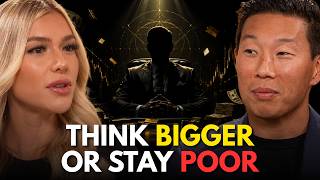
Jay Roberts, CEO of Prosper Group, oversees $2.8 billion in Florida real-estate projects. Adopted from a Seoul orphanage and raised in Hawaii, he worked at Bank of America Merrill Lynch before pivoting to development during COVID. He sources off-market waterfront sites, raises capital deal-by-deal, and credits Napoleon Hill's books with shaping his approach to wealth.
Questions this video answers
I was 30.
Real estate.
The Laws of Success in 16 Lessons.
My family – I’m thankful every day for my wife, son, and dogs.
Don't take shortcuts, focus on the long term and invest in yourself.
Chapters
Your life started in an orphanage in Korea.
Growing up adopted, from a young age, you, you know that you're different. You also have a drive to prove yourself. So it's kind of built into you from a young age because you know that you're different. You're different from the other kids.
Did you always have that entrepreneurial drive?
I got into sales, door-to-door sales when I was in high school, and that really taught me You know, being influential and determination.
How do you go from investment banker to $2.8 billion in the past 3 years? Not only that, but in like the toughest few years in commercial real estate.
Every day I drove around looking at deals, looking at sites, talking to brokers, learning the market, and I assembled a full city block in downtown Tampa. My intention was to flip them. Interest rates were starting to go up and up and up and up and up. The equity markets dried up. This was a very tough time. Uh, fortunately I had great investors who came into the deal with me and they were patient. There's trillions of dollars of capital in the world, but there's just not, uh, enough people that are going after it.
Welcome back to the Hannah Hammond Show. I am here in Miami with developer Jay Roberts, who is the founder and CEO of the Prosper Group, who I've been following you on social media for a while. And one of my, uh, brokers at HB Capital was like, you gotta go see this guy Jay. And I was like, I already follow him, but he's amazing. But you have $2.8 billion of commercial real estate developments underway in Miami and Brickell, North Bay Village, different areas around here. And you have just an incredible background and story and are truly a testament to the American dream and what it takes to really overcome, uh, all of the things that life throws at us and use it to your advantage and create whatever it is you want in this world. So welcome to the show, and it's such a great pleasure to meet you, Hannah.
Thank you for having me. It's great to be here.
Thank you. So I read about you, that your life started in an orphanage in Korea.
That's right.
And then you were raised by a single mother who made very little money here in— in, uh, was it Honolulu, then California?
We moved— we moved to Honolulu. So I was born, um, in Seoul, South Korea, in 1985. My 41st birthday's coming up.
When's your birthday?
March 30th.
I'm April 10th. You're an Aries.
Aries, yeah.
Oh, okay. Yeah. That makes a lot of sense.
There was a guy on my podcast earlier today. He was right around April 10th too. He was turning 40. A lot of Aries, a lot of good things happening right now.
Yeah. So what was that like for you? Like, growing up being adopted, I mean, what did that teach you in your life that no business school ever could have?
Growing up adopted, so from a young age, you know that you're different. And my parents, my mom, my family, they always made me feel special. So there's, you can think of it as like a negative. You were abandoned, your family couldn't afford to raise you, or there were certain reasons that they had to give you up for adoption. So my family in Korea, from what I know, my parents, they were very poor. And they thought that I could have a better life if I was adopted. And so my adopted parents, American parents, they— my father was in the Vietnam War and he saw these orphans and they had the desire to adopt a son. And I have older sisters, so they adopted me from Korea. We were living in Hawaii. My family was living in Hawaii at the time, and then we moved to Southern California. But growing up adopted, you feel this sense of purpose. I felt very fortunate growing up. You also have a drive to prove yourself. So it's kind of built into you from a young age because you know that you're different. You're different from the other kids. So that's something that has pushed me. And also, I— you know, feel— I feel very blessed that I was chosen to move and grow up in the United States. Even though my family wasn't rich, um, the opportunity here is just incredible.
Yeah, it's so awesome because, you know, some people that you hear are adopted and they, they struggle a lot in their life with this identity crisis or this abandonment or not feeling like they belong to the family, especially if they have other kids that are genetically related, right?
Biological.
Thank you. Biological children. Yes. I'm like, I don't have children, clearly. I don't even know the terms for this stuff. But you just have such a grateful heart. Were you always— did you always have that heart of gratitude towards it, or did that come later in life when you look back and realize like, oh, this was the greatest gift that I ever had in my whole life?
Growing up as a kid, my parents never— I never went without. So I never felt like we were— you know, we were poor. They, uh, you know, my mom, my uncle— my uncle was like my father, uh, who helped raise me— they always made me feel special and they invested in me. And I think that gave me confidence and self-belief that I could do anything that I wanted. Um, but, and I don't say this a lot, growing up with the question— and, and if you were adopted or you know anyone who's adopted, people would always ask me like, 'Do you want to meet your real parents?' And I always felt like these are my real parents, this is my real family. So when you're, you're, you're navigating that as a young kid, you have this sense of identity that— and you also have to become more self-sufficient when, when you're at a young age. So I think that helped at a, at a young age kind of drive me. And then I did feel appreciative and thankful that, you know, I had this opportunity to grow up in America.
Yeah. And so were you always an overachiever? I mean, you went on to work for Merrill Lynch and represented— you led a team that did the, at the time, the largest IPO, REIT IPO in U.S. history. And, you know, you went to New York, NYU. Yeah, NYU. So you're very academically smart. Were you always like that growing up? And did that— was that just kind of natural to you, or do you think that some of that came from either your parents' leadership or that just need to prove yourself because of the fact that you were adopted too?
My mom always pushed academics in school, in elementary growing up, high school. I had a 4.0 GPA. And so I, you know, I did well in school. I played sports. I had a job. And so, so I, in that sense, I was, you know, an overachiever. I worked out, you know, worked out twice a day and played football and The gift that my, my mom and my family gave to me was the love of hard work. So from a young age, I had a, had a passion and a drive to really put in the hours, whether it was, it was, it was fitness at a young age, working out, uh, and, and studying. So I, I've had that internal drive to work hard from a very young age.
Yeah, and you've just grown to love it.
Yes.
You probably feel uncomfortable it's probably harder for you to not work than it is to work, like it is me sometimes.
Yes. You know, successful people were wired to be productive and to always be going. So it's— and I love what I do.
Yeah.
I have the opportunity. We have the opportunity to do something really great. I'm an entrepreneur. I own my own business. And so every day I get to wake up and work and build on something for myself and for my team. And now I have a son. So I have a family to, you know, to work and to support.
Amazing. I was, yeah, we'll get into that later. But how your son, you know, has impacted you and your work ethic and all that. Since we're Aries, I feel like I already understand you. So I could probably know some of the things that you struggle with internally. But anyway, so did you always have that entrepreneurial drive? 'Cause like for me, I wasn't sure if I would lead a big company as a CEO or, be an entrepreneur, right? And that shifted over time. But were you just— you knew you had big dreams for yourself, but— or did you always know that you were going to have your own company?
I did have an entrepreneurial spirit in high school. So, you know, I had jobs. I worked at a Mexican restaurant, Yucatan Grill in Seal Beach. It was my first job. I bussed tables. I worked at a physical therapy clinic. And then I I got into sales, door-to-door sales when I was in high school. And that really taught me, you know, being influential and determination. I joke and some people know this, but when I was a junior in high school, I sold senior trips to Cancún and I sold so many senior trips that they sent me, you know, with the seniors when I was a junior. And there was Thousands of people that went. So I learned sales from a young age. I also used to go at the mall, sell day spas, and so walk up to people and sell. So selling is really an important skill that I learned early. And then I also, I was kind of the social person at my school, so I organized everyone and I was influential in that way.
Okay. And did that come naturally to you or did you know like, I need to learn how to sell?
That came natural. That wasn't something like my mom wasn't, wasn't that way. My uncle, my sisters weren't that way. It just was in my personality to do that. And then I've also, from a young age, been self-sufficient. So working for myself was something that I always felt that I would do long term.
Yeah. Not rely on anybody else and just be self-sufficient. Yeah. So you go to NYU and you study finance. Because you went to work for Merrill Lynch.
Finance and real estate.
Finance and real estate.
Okay.
Yes. What gave you the bug to be in real estate?
So taking, taking a step back before NYU, I went to UC Santa Barbara for undergrad. Gotcha. And my fraternity, they had an internship and they would pick 2 juniors. The seniors would pick 2 juniors to intern. And I was selected to intern at a place called Pacifica Commercial Realty in Santa Barbara. And that's really where I fell in love with real estate. And there was, there was the owner of the company back then. His name was Jerry Beaver, and he bought and invested in office properties up and down the West Coast. So he had a private equity arm, he had an asset management arm, and he had a brokerage arm. And I started in the brokerage arm. And on the wall, he had pictures of office buildings that he had acquired over the years. And it started with a $2 million office building, then a $4 million office building. $6 million, $8 million, $10 million, then $22 million, and then $60 million. And so you could see the trajectory of his growth and his acquisitions. And I said, Jerry, I want to be you when I grow up. How do I do that? And he said, well, you know, Jay, son, it's a long road to get here, and it doesn't happen overnight. I recommend you move to a big city. We were in Santa Barbara at the time, Montecito. And he said, Santa Barbara, Santa Barbara is a place that you want to end up, not where you want to start your career. So, you know, I'd recommend going to L.A., work for a broker, learn the business from the ground up. And that's what I did in 2007. I graduated from UCSB and I started working on a multifamily investment sales team, cold calling 5 days a week and walking my market areas on Saturdays and Sundays. So I really learned the business from the ground up. Cold calling in the very beginning.
Wow. And then you went to get your master's in New York. What made the shift to go over there?
I had a vision and dream to live and work in New York City. Don't ask me why. No one from my family was in New York. I didn't have a big network in New York. But I knew this was also when after my mom had passed away, that I wanted something more for my life and for my career. So I applied to business schools. I got a scholarship to go to NYU, and I moved to New York City in 2013. And that completely changed my life. That really opened up my eyes to the— what was out there. And in New York City, it really shapes you. It's one of the most competitive cities in the world. You go there to learn, you go there to get beat up. You go there to really compete at the highest levels. And so I'm thankful for my time in New York City.
What was it like to lose your mom in your senior year of college?
It was tough. So I lost my uncle and my mom in 2007 within a few months. And it was really a crossroads. So if any of you have lost parents at a young age, you have to rely on yourself. So, you know, I mentioned that a few times. You look at yourself and you say, I really have to improve and be the best person that I can be. So this goes into the realm of self— doing self-work and working on yourself to be the best that you can. So for young, you know, any listeners out there, um, really self-improvement books. So at this time in my early 20s, I was really devouring as many books, studying the subconscious mind, studying The Secret, studying all of these things. Think and Grow Rich, Napoleon Hill, The Laws of Success in 16 Lessons, and incorporating that into my belief system. And that has really helped me in my career and in my life and in the trajectory of where I've gone.
Yeah, the personal development. I mean, it's an inside game, you know, the external success is 90% an inside game, in my opinion.
Yeah.
And that took me a while to dive in. I didn't start diving into personal development until I was about 25. I'm about to be 30, and it changed my life. It changed my business. It changed my life. It changed my happiness. It changed my relationships. It changed everything. And so, yeah, for those listening, and I know if you listen to my show, you know, I talk about this stuff all the time, but the business tactical stuff, you know, you can now, you can learn tactical stuff pretty easily. You go on Claude or ChatGPT and you can learn the ABCs of how to do anything, but it's the inner battle and learning how to get through hard times and being resilient and taking accountability and seeing the forest through the trees and knowing why you're creating what you're trying to create and, uh, really being like connected to yourself and having the confidence and the self-worth that you actually are deserving of the things that you wanna create in your life. And I know it's something that I struggled with a lot, um, growing up. You know, was just that, that feeling of, am I deserving of this? Or the fear of taking the risk to do it and, um, not having the skills to be able to create the things that I wanted to create and all of that. So I— that's really cool that you've been going down the personal development path and have been for a long time since you were in college. What was the most impactful lesson you learned in that path that you could take away? Like, or you know, was there a specific book or a specific message that really transformed, or was it just this series of, of events and continuous learning that you continued to transform?
Hannah, that's a great question. Um, you know, it, it's a series of things that you, you learned, that I learned, and, and anyone is learning out there. So it's, it's studying, it's reading books, it's, it's looking up to business people and, and really being a student of other successful business leaders. So I read a lot of biographies of business leaders at a young age and applied that. And it's the advice that you get or the lessons that you get when you're 40 are different than when you're 20. You're still trying to figure out the world when you're in your 20s. The most important book that I recommend out there is The Laws of Success. In 16 Lessons by Napoleon Hill. So most people out there have, if you're in sales, you're, you know, you've done any self-improvement, have read Think and Grow Rich. And Think and Grow Rich is a great book. I've read it. It's the abridged version of The Laws of Success. And Napoleon Hill, he studied some of the most successful people in the world and really created a scientific program that if you follow these laws in the world, you know, there's no question that you will be successful. So this is something that I incorporated into my belief system, the 16 Laws, having a definite chief aim, doing more work than you're paid for, and many of the other lessons that they teach in here. And so I would say that book, if you're looking to go out and learn something today and buy a book, That is the book that absolutely changed my life.
I love it. Thank you for that one. I actually don't think I've read that one yet. So Think and Grow Rich, of course, is one of my favorites, but that's a good one. Did you ever read Rich Dad Poor Dad by Robert Kiyosaki?
I did read Rich Dad Poor Dad. I read Why We Want You to Be Rich, Robert Kiyosaki and, and, and Trump. So yeah, was, was a big fan growing up.
Yeah. Yeah. He's, he's a good friend of mine and his book, I reread it quite often, but it's such good principles. Okay, so you graduate NYU and then you get a job for Merrill Lynch. And what was your thought process at that time? Like, did you have plans to become a massive developer like you are today?
No, definitely not. So move to New York City and it's fast-paced. There's really smart people, really well world-traveled people, international people competing. There's families that have generational wealth that you're exposed to that you meet when you're in New York City. I had this itch to go into investment banking. And growing up, you're in finance, you work in real estate. You know, I had friends that went into investment banking right out of undergrad and as analysts. And that's kind of— it used to be one of the best moves that you could make for your career. Now, today it might be working at a tech company, working on AI, or starting your own company, as some of these young, young kids are doing right out of school. Investment banking on Wall Street. So I joined the real estate investment banking group at Bank of America Merrill Lynch, worked for a man named Jeff Horowitz. He was the head of the group. He is now the chairman. And it was intense. Investment banking is very intense. So we work long hours. You're there. We worked on average, and I said this on, on other, other podcasts, but, uh, on average from 9 AM till 3 AM in the morning.
Oh my God.
Yeah. So this isn't like one day that those are your hours. Those are hours, at least in our group, was 5, 6 days a week. And we were, we were usually working 7 days a week.
So, and you guys are on commission?
No, we were— so this was salary.
Okay.
So we were on salary. We were doing mergers and acquisitions and IPOs, public and private, raising public and private equity and debt for REITs. So real estate investment trusts. We covered data centers, we covered multifamily casinos, offices, self-storage, every asset class. And so when publicly traded companies or companies that want to go public want to access the capital markets, they come to an investment bank like Bank of America. Bank of America had a big balance sheet so we could access and we could raise this capital for them. Very quickly. So this was— investment banking is a learning ground. You learn to be fast. You learn to be responsive. You learn how to raise capital on an institutional level. So we were helping companies get ready to go on their roadshow. You go on a roadshow when you're going— when you're getting ready to go public. And so you're building the story of your business. You're looking at the fundamentals. You're looking at the trends. You're looking at the growth rate. And so you really have to have an in-depth analysis and focus and identify research and have a really high rigor in the quality of the work that you're doing. You cannot have mistakes. And that's one of the reasons that you work so late is that you work on financial models, you're working on investment presentations, you're working on S-1, which are the documents that you file to go public, and you're refining and editing and making sure there are no mistakes in these documents. So it's an iterative process over and over and over. And Wall Street's a very competitive place. So we're competing. We're also working, collaborating with Goldman Sachs, JPMorgan, Credit Suisse, Barclays, and these other banks. And if you don't do the work and you don't stay till 3:00 AM, the next banker at the next bank is working that late. So it was really a training ground. And the speed and repetition and taking that now and applying that to what I'm doing at Prosper Group. Moved down to Miami and we're just moving at such a fast pace and our output is really high. So that's, that's what investment banking helps you do. That was, that was a lot.
Yeah. Because you, you knew that everything is urgent, right? Urgency is important. I did a short form video on that. It's like time kills all deals. Like you have to act with urgency nonstop. Stop. And if, if a lead comes in or an opportunity comes in front of you, you have to act on that opportunity. And just doing that will set you ahead of so many of— so much of your competition, because people move so slow, and time kills deals. And that's why we try to make negotiations quicker, um, and communications quicker, and make just decisions quicker, because so many people waste so much time just in speed to execution, right? So, because you started your development company Prosper Group in 2020, right?
In COVID. Really?
2022.
2022. So COVID, after investment banking, I moved down to Miami, was doing deals with other developers. A developer asked me to help him raise capital down.
Okay, so let's back up. So yeah, because I'm like, how do you go from investment banker to $2.8 billion in the past 3 years? Well, I guess 4 years and— well, yeah, yeah, 3 full years and Not only that, but in like the toughest few years in commercial real estate that we've had in since.
Yeah, you know, the interest rates.
Yeah, right. Yeah. Okay, so, so you quit Merrill Lynch. So you walk us through that process. You start working with a developer down here. Like, how did that play out?
Moved down to Miami 2 weeks into COVID. New York was a ghost town and Miami was, was a better place to quarantine at the time. We all remember like where we were at during this time.
Quarantine in Miami.
Quarantine, social distance. And so I was down here, and Florida opened up earlier than, than New York and California, which, which stayed closed. And, and this is part of the, the reason now we see the trends that are happening, and people have left New York and they've left these states and they moved to Florida, they moved to Texas and these other places. So I moved down here. I did know some people. I knew some real estate developers and they said, Jay, you worked on Wall Street, you manage a lot of people. Can you help me raise capital? And in the real estate business, you know, Hannah Hammond Hammond Hammond, capital is everything. Everyone needs capital to do deals, to invest in deals, to buy deals, to develop deals. So capital really is— cash is king. Cash is king. So helped a developer down here raise capital, a senior construction loan for his project. And that's where I started getting exposed to the development business was in— this was in 2021.
You were just helping him on the debt side get a senior construction loan?
Yes.
Okay. So like what I do?
Yes.
Right. Okay.
And so from there, like you said, it was competitive. Everyone's moving down from New York. I didn't want to compete with all of these New Yorkers and established players in Miami. And I saw a trend and I was doing a lot of research and I saw that Tampa was growing. So Tampa, so Bill Gates and Jeff Vinik were investing $4 billion to develop something called Water Street, which you may have, you may have heard of, completely gentrify and create a whole new downtown in Tampa. So I moved to Tampa in 2022, bought a house, moved there, moved to Davis Island. And every day I drove around looking at deals, looking at sites, talking to brokers, learning the market. And I assembled a full city block in downtown Tampa across from Water Street where Bill Gates and Jeff Vinik were developing. And as a real estate developer investor, we know that you want to be in the path of growth.
Growth.
Yeah. And if there's capital coming in, it's going to improve the neighborhoods. So we— I did this deal, signed the contracts to buy these sites and signed them. My contract price was $22.7 million and my intention was not to develop them at the time. I do my research upfront and then we put the money in and Oftentimes we'll release it to the seller. I have conviction when I do a deal, we're going to close.
So then they were allowing you to keep extending because they have you, you know, they have you at that point.
Once you have hard money, they want to sell.
Yeah, but they could also keep your $3 mil and just not give you an extension.
They could. They could. They were one of the things that I've learned is working and building a relationship with sellers. So if you're listening to this and you're in real estate, you can have a good relationship with the seller. And it's important when you have these long, long contracts and you're doing big deals, you actually will. It's good to have a relationship because they need you and you need them.
Buyers want to buy, sellers want to sell, right?
They want this big payoff. So they want me to be successful. I put my, my money in, we put our money in and we gave a financial commitment. So they said, look, we— you put your money up. All right. We'll work with you. Okay. Most people are sensible and they'll work with you. Yeah. So we extended the contracts. We actually extended them 18 months. And so we had to be patient during this time. And I, I met my current development partners, ARC Realty, through an introduction and through a call. And I had a call with with Abid Chaudhry, who's now my development partner, and also Luigi Novembre. Abid and I, we hit it off. He was a former investment banker. He was the head of sales and trading at Bank of Montreal in Toronto. And so we looked at a deal very quickly. And the only thing that underwrote at this time— multifamily did not underwrite, and it's not underwritten for the last few years— was condo hotel. And Abed and Luigi had just completed 3 successful condo hotel developments. So they said, we love your site. We were looking at a site that was in a much worse location. We love what you've done. Let's team up and let's partner. So we put this deal together, we launched sales of Aura Hotel, and we've sold over $200 million in the first 12 months. And the project's going really well.
Oh my gosh. Okay, so you already built the project?
When you're pre-selling, when you're in pre-sales.
Yes. Okay. And so this was in— when did you lock this up? In 2020?
In '22.
2022.
Yeah.
And you're in pre-sales right now.
Yeah.
So how did you— because obviously, you know, equity has been tough. Equity is really tough. Yeah. Debt is debt and debt. It goes through phases where it's really tough and really easy and all that. But right now equity is the bigger pain point than debt. So when you left Merrill Lynch, like, how did you— because you said you raised capital to tie up this land and put the $3 million hard. And obviously you had capital investors to acquire the land. How, how did you go about raising equity right off the bat with no experience as a developer? You never— you had no, like, track record of a successful deal and you had just left your New York job and just— you weren't even from the area. Yeah, you just come rolling in. So where did you build those relationships?
So going back to even high school, as I mentioned earlier, I've always had this influential drive and then combine that with investment banking, Wall Street experience and analysis. I could— I can lay out an investment that makes sense. And the research, the comps and the, the exit in the process. So what you learn in investment banking is financial modeling. You learn investor presentations. So you could look at a deal and the deal penciled. So that's the most important thing is that, well, does a deal make money? And if you can present it to the right people and do these deals coming off of Wall Street investment banking, you, you do have credibility that you know how to execute and you know how to get deals done. So with these guys, we worked really fast. We did a deal. We also had both worked in investment banking, so we understood each other. And we closed the JV pretty quickly from first meeting to closing the deal in 90 days. We ended up closing on all 3 parcels, all cash, no loans, and funding all pre-development cash really with no outside major investors. And it's a $650 million project. As I mentioned, we've sold over $200 million. So being able to put things together and figure it out is something that I've developed over the years.
Wow. And how did you meet this partner, your development partner? And like, how did you vet them? That— because are they your core partner in everything you're doing?
They're my partner in Tampa.
In Tampa? Okay.
Yes.
And then you have one other partner in Miami, or do you have multiple different development partners?
We have, we have multiple partners. So Prosper Group's strategy is we're, we're good at finding land, we're good at securing it, We're good at underwriting, bringing in an architect, a brand, a sales team, and we team up with experienced developers. So there's another great developer investor, Isaac Toledano of BH Group. He has over 30 deals. And what he learned was partnering with other developers who can carry the, do some of the heavy lifting. Okay. 1 1 5.
Right.
And so that's been our strategy, is to come in, secure some of the best sites, and then bring in, package it, and bring in an experienced partner so that we can team up and we can share the load. Okay. So in Tampa, we, and again, going back to Wall Street, investment banking, you learn analysis, you learn how to underwrite deals, you learn how to do JV agreements, operating agreements, do due diligence, get to the numbers, get to the sales comps. So we spent a lot of time together. We toured their properties that they had completed. And chemistry is really important when you partner with people. Right. So we had great chemistry. All my partners, we have great chemistry, transparency, sharing information. And when you align interest, you go a long way.
Yeah, it's so important because I think, you know, partnerships will make or break you in anything that you do and in the business that you're in. And you probably run, I'm assuming, a pretty lean in-house in-house team, right? Because you're just partnering with these developers. Uh, how many people do you have in-house?
We have 6 people.
Yeah, that's about right. Like, every big developer I know, they're like, you know, 3 to 6 people, which is all you need, which is amazing, um, in-house. But yeah, I think, uh, you know, something I learned and something I've been diving into a lot this year is my values, my core values, and really evaluating like why did previous relationships, whether personally or professionally, or employees, you know, team members, partners, Why were they successful or were they unsuccessful? Right. And I think it really comes down to— my mentor taught me this— is it really comes down to an alignment or a misalignment of your core values. And so being able to, instead of look at the opportunity of the dollar sign behind this potential partnership, is taking a step back and looking at the forest, you know, through the tree, not being in the trees, right. But actually be able to zoom out and look at the forest of what is this person's values? And what is their culture and their values within their organization and their people? And are they aligned with my values? And is this actually going to be a successful relationship? Because if you get, you know, get married to the wrong partners, it's going to be a pretty brutal road.
Right.
So that's cool that you've been able to identify great partners. And how, how have you identified these great partners? Like, did it just start with research and reputation and you just have a meeting and you feel that chemistry or Do you have a process to really vet if you want to partner with these individuals?
It's really a learning process and you learn from them and you, you look for patterns. So pattern recognition is, is really important. And I've done a lot of introspection in looking at, at my career, where we want to go, who are the best people that we've worked with and partnered with and what values do they have and what values do people appreciate in having long-term marriages, having long-term friendships, having long-term business partners? And I started my podcast and I named it The Long Game because business is a long game. And so we're not— I'm not out here. We're not out here to make the last dollar. And this is the last transaction on the last deal. That we're doing. I'd rather give more, invest in the relationship knowing that we have the opportunity to work together for 20 or 30 years. And so when you, when you approach business, you approach partnerships, you approach relationships that way, you look for really high quality, high integrity people to work with. And then again, there's, there's patterns, something that I publish and I put out there when we look at partnerships Having low ego is really, really important. You don't want someone who always wants the attention. They need that. They're going to try to outshine you. So you want people who are secure with themselves. You want people who are transparent. Transparency is really, really important in real estate and all business, sharing information even with my, you know, my wife, significant others. Right. We're just doing the deal. These are the costs of the deal. We're all going to review each expense, each line item in the budget, in the deal, and operate that way. And it builds a lot of trust with people. And it's, it's, it's a really healthy way to operate the business. I love that because most people, they don't want to share that information and they feel like they're— they might be exposing themselves. But actually, the more information you share and the more transparent you are, the more trust that you build and the faster you build trust.
Yeah. And with capital raising, everything is trust, you know? And in these deals, it's not like you said, it's the long— if you're developing, it's the long game and you can't predict. I mean, we don't know what the heck is going to happen 3 years from now. And you're doing a development project that's 3, 5, 7, 10 years. So there's got to be a level of optimism and a level of trust and a level of commitment to be able to hold out through those black swan events or market cycles because we don't really know. We might catch an amazing, you know, rates lower and asset values go up and everything's amazing and we might catch a war and, you know, rates are high and remain high and it's who can sustain. Like real estate is the long game and who can sustain because most people, if they don't have enough working capital to sustain, then they lose it and then somebody else gets to take advantage of that opportunity. It's not a bad deal, right? It's just the capital stack didn't work or they weren't able to sustain that in the time being. Yeah, that's, that's really, really incredible. So you didn't end up wholesaling the deal, you ended up partnering up and you develop it. And then so that was kind of your first taste of, oh, instead of flipping these, why don't I just develop? Yeah, actually develop.
We've assembled some amazing projects, some great partners, and we may have 6 people internally, but there's 100 people working on a project from architects, our structural engineers, our brokers, the brands, the— we have a design architect, we have an architect of record, we have people who are doing our MEPs, life safety. So there's really a bigger team outside of this process.
Of course. Yeah. Yeah. You're just smart and you don't need to have them all on your payroll, right? You share in the upside and you outsource everything. I think we're getting more to a world of that too. It's like I try to outsource as much as possible. In certain organizations you have to bring things in-house, but we are becoming more of an entrepreneurial world where you can have more, you know, independent contractors and you just partner with people and you don't need to keep them on your overhead and it reduces your risk too. And they all have their expertise. And so like, why go buy all these development firms when you can outsource it and have good partners? And that allows you to scale because you can go in different regions and different areas. So what has been your like secret sauce to finding these deals? And I mean, you saying you assembled a city block across in the past of growth in a weekend, like what? How, how are you doing that? And you identify like beachfront properties, like really incredible properties. And you're also competing with— because you are in Miami now and you are competing with Wall Street and big New York money and all of that stuff. So like, what's your approach there?
Everything that we do is off market. So all the sites that we buy, secure are off market. We know what we want. So we're a Prosper Group. We're looking for the best of the best sites and we're looking for sites on the water. And we know, and also to secure and buy the best properties, the best properties, you have to have really high standards. You have to have a lot of discipline. You have to have patience and you have to say no to almost everything and look for that, that diamond in the rough. So that is, is, is like, is my playbook. So any, for anyone who's, who's listening out there who wants to follow, you know, Isaac Toledano, he says the same thing is he's looking for waterfront, he's looking for one of one, he's looking for these, these best sites. So it's talking to a lot of people, it's putting together the mosaic of information, the pattern recognition, and then developing relationships and being someone that owners trust. They like, they want to do a deal with you. Having a good personality is something from The Laws of Success. Develop a pleasing personality is— people want to work with you if you're nice to them. And so that's a competitive advantage. And it's helped me win deals and keep deals on track. So really looking for the best of the best and keeping your standards high. And then doing your homework, knowing the numbers, knowing the zoning, and working really fast, being able to work 7 days a week, call someone, just outmaneuver whoever you're competing with. And when you find that right opportunity, moving extremely fast and making the process simple to sign.
Yeah. And I mean, because there's only so many large— you're doing large developments. There's only so many large waterfront properties available. So I'm sure you're not the only one competing on these deals, are you?
No, there's, there's people have seen deals. And for those that are listening, like Related, Related Group in Miami, they probably have 40 deals at, at right now. Russell Galbut, 20, 30+ deals. These are $500 million billion deals.
Deals.
So no matter who you are, your bandwidth and capacity is maxed and stretched. So while these are large deals and it is highly competitive to move and buy a $100 million site or a $50 million site, or now the waterfront sites are half a billion dollars for just the land, just the waterfront dirt, there's not a lot of people, one, that can compete. And capitalize those kind of deals. And then two, it doesn't happen that fast. You do have to do the work and underwriting and put the pieces together.
It's not a single-family wholesale deal where you're just like, yeah, here's my $2,000 earnest money, let's flip it today. Right. Yeah. Yeah. I think that was— I think there's a piece of waterfront land in Miami that's going for like— I think they're asking like billions. Yeah, for the piece of land. Yes. That's insane. Crazy. And you do mostly luxury condos and hospitality too, right?
Luxury. Luxury hospitality.
Luxury hospitality. Okay, cool. What's the average size of your projects?
Tampa, $650 million. North Bay Village, $550 million. Besides 1040 South Miami Avenue, that sellout in the current design is $1 billion., on the Miami River, on the residential tower, $600 million. We're, we're gonna build an office, separately. So they're, they're big.
That's insane.
Yes. Hannah Hammond Hammond might sound crazy to the average real estate investor or person that's out there, but an important concept that, that I want people to understand yourself, anyone listening, is that capital is scalable. Okay. And a deal is a deal. A single-family home, that's $500,000 and a $200 million investment property. The $200 million investment property could be a good deal. The $500,000 home, just because it's smaller, doesn't mean it's a good deal. It can be a bad deal. And these are just numbers. And capital— there's trillions of dollars of capital in the world. Okay. Capital wants high returns. They want good deals. So my strategy and philosophy is to do good deals and do bigger deals. And the bigger, more interesting, more complicated deals that you do, you will attract higher caliber people because the best people in the world, they want to work on the most exciting projects. So if you are growing in your career and you want to make more money, focus on larger projects. Focus on— instead of a million-dollar deal, focus on $5 million deals. Instead of a $5 million deal, focus on a $15, $20 million deal. Instead of a $100 million deal, focus on a $300 million deal. The work is the same. Buying the land, designing the property is the same. Yes, it's at another level. You have to— you're not going to do this overnight, but you have to become someone who understands this. Don't be scared. You deserve it. You can do it. But there's capital everywhere. Grant Cardone says this, and there truly is money everywhere. There's just not enough people that are going after it.
Yeah, but how are you structuring your deals? Like, so first off, how are you— are you— do you have a fund or are you syndicating every deal? And then second, we will actually start there.
Yeah. No fund. I don't, I don't like funds. I like deal by deal. So each development deal is its own business, is its own standalone, has its own standalone P&L. Okay, here's the cost, here's the sellout, here's the profit. And structuring is something that if you want to be in real estate, you have to get good at. You really have to understand you have to review your documents, you have to review your operating agreements. I read all of my, my agreements. I'm on the phone with multiple attorneys daily who are reviewing these things. So you want to be able to structure capital like speed, like simplicity. Sometimes you have to have complex documents, but the way you do business is through contracts. Obviously, you have to disclose the risks, right? We've been talking about the deals, disclosing the risk factors, I was telling my team like, this is the most important. You have to be transparent not only with the money, you have to be transparent with the risks.
Yeah, but I mean, at the size deals that you're doing, are you— I'm like, that's institutional size capital. So are you using your Merrill Lynch relate? Like, are you mostly raising from institutional capital or are you raising from retail or are you doing a blend of both?
It's, it's a blend. It's a blend in Miami. Fortunately, it's one of the strongest real estate markets in, in the world right now. And I would say has, has some of the best demographics.
Yeah. You guys have billionaires moving here left and right. It's crazy. I know Mark Zuckerberg just bought that $170 million house unfinished.
Yes.
And what is it, Star Island that they all live on or is it Indian Creek? Indian Creek. Okay. Can't keep track of my Miami islands. But yeah, let's talk about that a little bit. Like the inflow of Miami real estate, because I have some concerns about Miami. I love Miami. But then it's like the hurricanes. Every time I'm on the news, it's like there's a hurricane in Miami and people dropping insurance or this and that. And so it scares me a little bit to, you know, just the market here with that. And yeah, so what are your thoughts on all that? Like how do those numbers pencil out and like you guys play on that risk if you're doing this big project and then it gets wiped out by a hurricane or something? Or is that not really a valid fear?
No, it, I mean, there's always, um, there's always those kind of risks. Um, in South Florida we have hurricanes, in California, LA, they have fires, other places they have tornadoes.
Arizona, there's nothing.
You guys, it's, it's over 100 degrees, but there's no risk.
There's no risk to property damage, there's no storms, there's no natural disasters, the heat doesn't hurt anything.
I haven't been to Arizona in, in a while, um, but I'm sure it's a great market.
It is, yeah.
Are you in Scottsdale?
Phoenix? Scottsdale. Okay. Yeah, it's new builds in Paradise Valley now are almost like $2,000 a foot. That's crazy. Yeah, but, you know, we don't have the same level of— we do have billionaires moving into Arizona and people becoming billionaires that live there, but not to the same capacity as like Austin, Texas and Miami. It seems like those are the two big spots that people are moving. But yeah, it's from a real estate perspective, we don't have. I guess you would say the risk in Arizona is water. That would be our, our main risk. But I'm sure they'll solve the water problem. If we could put people on Mars, I'm sure we could figure out, you know, where to pull water from.
But you have, you have heat. You have really crazy heat.
But so does Miami. In the Miami summer here, we have the beach. It feels hotter here than in Scottsdale in summer.
I don't, I don't know. I, I have Cars melt in Arizona. No, cars, they don't. We'll, um, we'll leave that there.
But anyway, yes, Miami.
Yeah, so yeah, let me explain what we see, what I'm seeing. We're seeing fundamental, fundamental political tailwinds for Florida, tailwinds for, for Texas, tailwinds for, for Tennessee. So this is why we're seeing so many people move to Florida. We're very business friendly and it's a great lifestyle. We have the water, we have the sun, we have the beach, and people down here are relaxed and they, and they want to do business and they want you to be successful and they're positive and people are optimistic and we're building and we're investing. So these billionaires, they want to be part of that, that growth cycle, right?
Yeah. What about the hurricanes?
They happen. They happen. We haven't had one in here in Miami. I haven't seen a hurricane since I've been here in 5 years.
Really? Yeah. They've been mostly on the other coast.
What was that? There were a couple hurricanes that hit the West Coast.
Okay. Yeah. Because I'm like, I feel like every summer I see that there's a hurricane. But then again, it's like the news overdramatizes everything. On the news, it was saying Puerto Vallarta is all burning down. And then I'm talking to my friend that lives out there and he's like, It's really not. It's totally fine. Like there's been a couple whatever attacks, but we're safe, we're good, you know? So it's hard to really know what to believe. And obviously tons of money is moving here and it's a great place. And I think I've already been out here 5 times this year and it's March. Yeah. So I'm here a lot. But yeah, that's super awesome. And so how are you— so you're structuring them on a deal-by-deal basis and you say you tell people to focus on bigger deals. But, you know, I help with capital, advise on capital and place capital and all these things. And, you know, generally an institutional group will want you to bring in on a big deal like that at least 5% of the deal. So as the sponsor, you— that's a big chunk of change, right? So that can sometimes limit the size of the deal that people can go after. And then also the experience. I mean, not everyone has an investment banking on Wall Street background like you do, but like, are you raising 100% of the deals? Are you putting skin in the game like the 5% as you are? Or how are you structuring them? And then are you structuring like, are you— what's your waterfall?
Yeah, all waterfalls are, are different. Every deal is different. Every different part in the cycle, investors are looking for different things. They have different risk tolerances. Every deal is different how we're capitalizing the deals. So Prosper, yes, we put in our own capital, we put up the risk capital in the beginning, and then we raise capital around the deal. Depending on the timing, if it's pre-development, if it's capital to close on the site, we might have an acquisition loan. And then there's funding all the way through launching sales, building out a sales center, hiring the team. So there's a lot of stages of raising capital and you have to have those relationships. You have to have high-quality deals. You have to team up with people who have experience. So it's not it's not easy, as you know, and raising capital is, I think, one of the hardest skills in the world to get people to part with their money and invest with you. But if you can learn that skill, it really becomes a superpower. And the biggest— something else for the listeners is that to be successful and to really, really scale You have to raise capital. Now, yes. Are there families who've been operating for 50 years? They never raised a dollar. And of course, are those, those stories about the guy who bootstrapped and now he's got $50 million a year revenue? Yes, those are few and far between. But if you look at Blackstone, you look at Elon Musk, you look at ChatGPT, um, Sam Altman. Sam Altman. You look at Uber, all of these companies, they raise money. As Robert Kiyosaki and Donald Trump teach, OPM, other people's money. Even publicly traded companies are raising capital. Okay? So at every level, people are raising money. It's just what level are you playing at?
Right.
So it's developing those skills, going bigger, doing better deals, getting to new networks, working on yourself, having a better pitch, building a track record. These are all things that will help you go to the next level and grow the amount of capital that you're raising. So this is all some of the things that I recommend. And then what I would also say is, is say no. So set a limit. Don't do small deals. Small deals. Yes. In the beginning, you need them to, you know, to sustain yourself and pay the bills. But they're not exciting and they're not going to move the needle. And it's just going to be small deal to small deal to small deal. You want to work on something that's exciting, that's going to have huge payoffs.
Right. What is your advice? Because that's what Robert Kiyosaki teaches is like the 3 most important skills are sales, public speaking, and capital raising. Right. Which obviously you've mastered all 3.
I would— I'm definitely not mastered.
Yeah. Well, You're on the continuous improvement every day. And I would say you have, but I know it's all relative, right? So for people who are learning how to raise capital or starting in raising capital and don't have extensive relationships and they are wanting to go for bigger deals that need bigger capital, like what's your number one piece of advice for how to raise capital?
It starts with the deal. It starts with the deal.
So if you have a good deal, if you have—
what if you have a good deal? You need to control the deal. Okay, so with your contracts, you need to control the deal. And if it's a good deal and you're able to share it with enough people and they trust you, you know, you should get your deal funded. But really, there's too many people going after bad deals and deals that aren't that exciting. They're not that unique. They're not that interesting. What everyone has to understand is that We are inundated with information. We are.
Yeah.
Today we have access to crypto, we have access to private equity deals, we have access to be in the, in the, in the SpaceX IPO and invest in that. You have access.
I wish I was in that one.
To, to, to real estate deals. And, and, and so your deal has to be compelling. So do better deals. Understand what is a good deal, do the extra work, don't settle for some of these mediocre deals. That's step one. Step two, find a mentor. This is really, really, really important because, like, you're not going to learn some of these things on your own. Pay for, pay for coaching, hire coaches. You know, Grant Cardone, he coaches. There's other coaches. I don't coach, but it's, it's if you can find mentors who you can learn from and teach, that's— or who will teach you these things. That's really important. Partner up with someone who has more experience. You can leverage their track record and their experience. And don't, don't be greedy. Don't fight for the last dollar in these deals. Be open. Don't think of it as doing just one deal. Think about building a reputation where you're going to do many deals over time.
Yeah, that's good stuff. Do you prefer institutional or retail? From where you're at? I mean, because you've like— what?
Both are good.
Both are good. Yeah. What would you say your allocation is from institutional to retail? Because institutional, like, they want voting rights. Like, you kind of have a boss at that point, right? Retail, you have more control, but it's harder to raise at scale because they're smaller checks.
This is what— this is— this is my advice for those out there, is that some people will shy away from, as you said, having a boss. If you want to do anything of scale, you have to adhere to certain standards and you have to be okay with people looking over your shoulder. If they're going to give you $100 million of equity or they're giving you a $300 million construction loan, you're going to have to sign documents and you're going to have to adhere to the standards and you're going to have people that have oversight. That's not a problem. That is not a problem. You can get bigger money if you're okay with that. Of course, there's benefits of working with retail. But I also think that people get into trouble with that because it's more loose and there's less oversight. So what I tell people is don't be scared of oversight. Don't be scared. If we're going back to—
Just follow the rules.
Follow the rules and stick to it. Set the transparency from the beginning and you can go retail and you can go institutional. I like both. I like Grant has gone retail. I think you can go bigger if you do. But look, Blackstone is institutional. They're overseeing a trillion dollars. So being able to manage and navigate both and ultra high net worth families, international capital, That's, that's my— I like, I like— yeah, raising capital is, is good.
So, and we got to wrap up here, but one last question I want to ask before we do rapid fire is you've built a large social media presence, which is not common in our world of commercial real estate and capital raising and things like that. So you have almost 200,000 followers on Instagram and, and that's been built over just a few short years. I just started my year. One year. Okay, perfect. So I started a year ago too. So that's amazing. So yeah, how is that like, how does that play into what you're building and how has that benefited you in your business?
Focus on giving value and people, as you know, as a social media creator, you have to give people value these days. There's, there's so much content on the internet. There's bad content. There's, there's— I have 3 rules in making content. If it's, if it's cringe or you don't want to watch it, don't make that kind of content. The second rule is don't make ego-driven content of look how cool, look how rich, look how successful I am. Like, people don't care. The third is to give value and to educate and teach so that the viewer leaves smarter, right, after watching the content. So that has been successful, and I'm playing the long game, um, in hopefully giving value to my followers and, and over time let that compound. And opportunities can come, whatever that is, whether that's investors, that's deals, that's future team members. So getting the word out there today, eyeballs, viewership is, it's a currency, it's an asset. And being transparent in my deals has been beneficial. And there's, as you mentioned, not a lot of other developers, investors that are doing it. So we're going to We're going to keep growing and keep— stay focused on it.
Perfect. Cool. Yeah, I love it. I found the same thing and it really attracts the people that are aligned with your values and it repels the ones that don't. Like if they don't like you, they're not going to reach out to you, right? But they really get to build that relationship with you on the front end. It is a lot of work, a lot of time, a lot of money, a lot of dedication. But I love it and it really fulfills the impact version too, because you know you're helping elevate humanity and helping people accomplish their goals too. So, all right. Rapid fire before we— oh yeah, we'll end it with that. So rapid fire, School of Hard Knocks style. Okay. Okay. How old were you when you became a millionaire?
I was 30.
And what business are you in?
Real estate.
What's the number one book you advise everyone read?
The Laws of Success in 16 Lessons.
Who is your hero and why?
I'm thankful every day. I love my family. I love my wife, Brooke. I love my son. So, you know, and our two dogs. So I'm very thankful, very blessed. We have such a great life. We're very fortunate. It's, you know, we have peace and yeah. So I would say my family.
Okay.
Yeah.
What's the best advice you ever got?
Getting advice all the time, but it's to don't take shortcuts, focus on the long term and invest in yourself.
Love it. And if you could leave one message to the younger generation, what would it be?
Be focused. There's so many opportunities out there. There's so many different ways to make money and to be productive that pick something and stick with it. And switching is quitting. So if you start something and you switch to something else, that is the same as quitting.
Mm-hmm.
It doesn't happen overnight. And, and really put in the work, get experience early in your career, and the success comes, the money comes over time.
Love it. Well, thank you so much. How can people get a hold of you? You gotta follow him. He's a beast. He's amazing. He puts out tons of value on, uh, social media too.
So @jroberts on Instagram.
Awesome. Thanks for coming on, Jay.
Thanks, Hannah.
More from Hannah



Never Waiver On Your Values—No Matter How Lonely, Uncomfortable, Or Difficult The Journey Gets

Watch the full video about Ray Dalio’s prediction on the upcoming debt crisis… 👀

Stop Asking “How?”—The One Question That Will Help You Scale Faster Than You Ever Thought Possible

4 Life Lessons That Took Me 30 Years To Learn—But You Can Learn Them All In Just 14 Minutes


This Is Unfortunately How You Can Tell Your Real Friends From Your Fake Friends


