I Got Fired, Went Broke Now I Own $1B in Real Estate! The Truth About Wealth & Success | Brad Sumrok
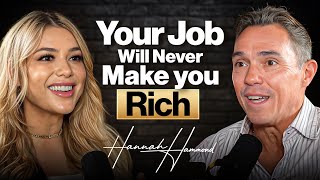
Interview (YouTube) with Brad Sumrok where he recounts his path from corporate engineer and software sales (fired after a large commission) to becoming a multifamily real estate investor and mentor. He describes early deals (first 32‑unit purchase in 2002), scaling via syndication to 11,000+ doors and $1B+ AUM, tax strategies (cost segregation/bonus depreciation), market-cycle views (2021–2023 stress), and personal growth challenges (anxiety, addiction patterns, healing practices). The piece mixes practical investing detail with personal reflections on purpose, health, and giving.
Chapters
Imagine this, 14 years of corporate America, 2 degrees, hundreds of thousands of dollars of engineering school and MBA school, working nine to six for 14 years for somebody else. And within two years of doing apartments, I'm making more money. That's what got me to Texas, Hannah. As I got a job as an engineer, you know, it was, it wasn't a busy time. A lot of experienced people were getting laid off and I wasn't super busy. It was just a very deflating time for me. And so I decided that I wanted to do something and transitioned out of that company and got a sales job, a technical sales job. Honestly, I loved that job, but I wasn't making a lot of money. And so I remember talking to my boss and he's like, well, you need an mba. During my MBA school, I met people that were in software sales and they were making like 100,000 a year plus commissions. And so I got into that business and next thing you know, I'm like selling software. And I remember in that software sales job, I got a commission check for $198,000. It was the biggest amount of money I ever had in my life. And six months later I got fired. And it was devastating for me. And so I'm like, what do I do now? And I saw this book called Rich Dad, Poor dad, and I just became immersed in it. And then I read the next book, the Cash Flow Quadrant with esbi, and that book just changed my life. And that's how I got into the business. I was 35. I remember getting like 4,000, 5,000amonth every month, like clockwork. I'm like, man, why didn't I start this sooner?
All right, well, I'm here today with Brad Somerock, who is. I've actually been wanting to meet you for a while. I'm good friends with Winston, who I think was in one of your programs like that. But Brad is a real estate mogul. He's done over a billion dollars in real estate transactions in the apartment complex space over the years. He's helped his students purchase over $7 billion of multifamily projects. He has bought over about 60 apartment complexes with over a 11,000 doors and has a over $1 billion of assets under management right now. So these are huge numbers. I mean, he's a multimillionaire. He generates millions of dollars a year through his real estate investments, has been able to really mitigate his taxes through the advantages that the government offers for real estate investments. And along the way through all this, he's also been able to manage, just having health to too. Like, he's in great shape. He has a balanced life. He loves to travel internationally and, and spend time with his friends and family. So I'm super excited to have you here today and learn some of, like, the challenges that you've gone through and are going through currently throughout this journey of extreme success and, and wealth building and then also just some of the lessons that you've learned and then your outlook on the market as well, in the multifamily space in particular. So thanks for being here.
Amazing. I'm happy to be here.
Hannah, thank you so much. So, yeah, I'd love to hear your story. And like, kind of. I know you were an engineer and working in corporate america back in 2002 when you did your first real estate deal and then you retired from that six figure job just a few years later. So what was kind of like a little bit of a background on your childhood? Were you. Did you come from money or what was that kind of environment like that motivated you to be obviously driven, like a driven engineer, and then getting into real estate, which is similar to my background as well. Um, and then what, like, inspired you to make that shift from corporate America into something greater and getting into real estate investing?
Yeah, it's. It's amazing. Like, I never in a, what in a million years thought I would be doing what I'm doing. So I didn't come from money. I didn't have a silver spoon in my mouth. It was like the opposite. Like, I wasn't like, like super poor, but, like, you know, I remember my mom telling me my dad made 42,000 a year and he studied for three years and never finished his degree. So, like, when I was a kid, I grew up in Pittsburgh and we would take vacations to Lake Erie every summer and then maybe every now and then to the Jersey shore of New Jersey. And my dad would pack us in a station wagon. There was me and my two brothers and my sister, and we would drive in a car and go to a beach close by. And my dad's boss was an engineer and he was flying his family at Hawaii. And I. And I heard that story so many times because my mom, as we were driving to Lake Erie, which my mom called Dreary Erie, my mom would say, she would literally lean over the back of the front seat to us kids and say, you know, your father's boss has taken his family to Hawaii on an airplane and we're going to Jury Erie. And so it was just depressed upon me how Important it was to like study hard, get good grades, go to college and get a job. And so I didn't even know what an engineer did, but I knew I was going to become one because I, all I wanted was to have a great life financially and take my family in Hawaii, you know, so, so like I was a good student, I studied hard, I got good grades, I went to a good school and I became an engineer, chemical engineer. And man, I'll never forget, like after growing up in Pittsburgh, I got a job interview the week after Thanksgiving in Houston, Texas. And, and they flew me there to interview me in my senior year at the university. And I had never been to Texas. And I landed in Houston and it was 80 degrees the week after Thanksgiving and we just had our first snow in Pittsburgh. And I'm like, if they offer me this job, I'm taking it. And so they did. And I, that's what got me to Texas, Hannah. As I got a job as an engineer. And shortly afterwards though, I, you know, it was, it wasn't a busy time. A lot of experienced people were getting laid off. I was in an engineering company that was in the designing chemical and oil refineries and I wasn't super busy. So like imagine you come out of school and you're ready to go and slay the dragons and make a big impact. And for a couple of years I actually prayed they would lay me off so it would free myself up to do something else. But they never did. So they kept people on their staff in case they got work coming in. But it was, it was just a very deflating time for me. And so I decided that I wanted to do something else and transitioned out of that company and got a sales job, a technical sales job. And technical sales is basically like an engineer selling to engineers, right? Because engineers could be very logically and logical minded and they don't really like the typical salesperson. But if you could come in and understand their, their language and speak their, you know, speak to them in their own language and have credibility. So I was a technical salesperson. Honestly, I loved that job. I love traveling, I love working with people, but I wasn't making a lot of money. And even though I was selling a lot and I was in chemical sales, I was like one of the top salespeople in the company. I was making a base salary of like 65,000 a year and had a company car and I was working for a big company called Union Carbide, which is now owned by Dow Chemical. And so they didn't have like these high paid commission based sales jobs. And so I wanted to move up in corporate America. And so I remember talking to my boss and he's like, well, you need an mba. And so they actually paid for me. I did one of these executive MBA programs and they paid for me and I got the mba. And I remember sitting back down with my boss and I'm like, well, well, now what do I do? I have this MBA and I'm excited about progressing with the company. And, and now we were actually part of Dow Chemical. And he's like, well, you would need to move to Midland, Michigan and be in our corporate headquarters. And I'm thinking, there's no way I am moving to like Midland, Michigan. Like, it's cold there and it's a small town. And so during my MBA school, I met people that were in software sales and they were making like 100,000 a year plus commissions. And so I got into that business and next thing you know, I'm like, selling software in the meantime. My mom was like, oh my God, you started as an engineer and now you're a salesperson. And that was like a downgrade, like in, in my mom's eyes. And like, you know, all I ever wanted in my life was for my mom to be proud of me. And you know, we didn't grow up in a, in a home where we hugged each other and where we told each other I love you. And you know, my mom was an amazing mother, but it was more like tough love. It was like you had to, you know, get good grades. And then I got a reward and I had to be a good boy. And then I got, you know, I got love and I got attention from being good. And so I, the whole part of most of my life was about like, how do I make my mom proud of me? And, and, and I remember in that software sales job, I got a commission check my second year for $198,000. And it was the biggest amount of money I ever had in my life. And six months later, I got fired, not laid off. I actually got fired because I didn't have a pipeline. Like, I had spent two years, Hannah, trying to close this deal with, with a big company. And when I closed that deal, it was the biggest deal in company history. And in less than six months later, I was ax. I was fired because I had nothing in my pipeline. And they're like, brad, we're paying you a base salary and we don't see you bringing in any sales for like the next year. And it was devastating for me, like, devastating to, to go from like top of the world and get like almost a $200,000 check. And so I'm like, what do I do now? So I'm in like my early 30s and all I knew Hannah, was like, if I want to succeed, I have to go to school. And so I actually started, I actually studied for the lsat. And I'm thinking I'm going to go back and, and get another degree and I'll become a lawyer. And this was in the year 2000. And so I'm studying for the LSAT. And then back in the day, you might be too young to. Do they still have like bookstores? Do they have like Barnes and Noble and Borders? Well, when in the year 2000, like before Amazon and all the Audible books and stuff, like in Houston, Texas on a hot summer day, I would go to bookstores in the summer and walk around and look at the books and magazines and sip of coffee. And I saw this book called Rich Dad, Poor Dad. And I picked it up and I started reading it and I just became immersed in it. And at first I was like excited and pissed at the same time because I'm like, oh my God, this is amazing. And I'm like, why didn't anybody teach me this stuff? And then I read the next book, the Cash Flow Quadrant with ESBI employee, self employed, business owner, investor. And I know you know Robert and so do I. And, and that book just changed my life. And I remember things like, like it was yesterday. Like I remember reading like formal education will get you a job and self education, you know, will can make you a fortune. So I started seeking out like, how do I become a business owner and investor? And I remember in Kiyosaki's books, he's like the two best businesses to get into with the lowest barrier to entry is either network marketing or real estate. And I don't know about you, but like I went to these network marketing parties.
Me too.
And I'm like this, this doesn't resonate with me. And so I started looking at, in Houston, Texas and I started looking up real estate investing workshops and seminars. And that's how I got into the business. I was 35 and I went to this two day seminar and the first day taught single family investing. And I went home and I wrote out my goals and, and I was earning 10,000amonth in corporate America. And, and my goal according to Rich Dad, Poor dad, right, was if you could get investment income equal to your earned income, then you could quit your job and get out of the rat race. And so I wrote down, and I said, I'm going to buy 40 single family homes in 3 years, make 10,000amonth cash flow, and quit my job. Day 2. They talked about multifamily investing, and the guy teaching the class said, look, if you have more than like 100,000, you could skip single family and go right into small multi units. And so I, I ripped up my goals to buy 40 single family homes, and I said, I'm going right into multifamily because you remember, I got that $198,000 commission check, and I'm like, I'm going to go right into multifamily, and I'm going to buy as many doors as I can with my own money and quit my job. So that's how I started.
Wow.
I know that was long. But, like, I get excited about it. Like, I can't stop talking about it because it's like, I remember it was yesterday. It was so transformational, and it just feels surreal, you know?
Yeah, I love it. I mean, and I love hearing the story. Rich dad, poor dad is almost every single real estate person's, you know, answer to how they started to learn about real estate and entrepreneurship and things like that. So it's absolutely incredible. Okay, cool. So you, you ended up quitting your job. You were able to replace your income pretty quickly.
Yeah, so my, my goal was to get 10,000amonth in five years. And my first building that I bought, by the way, it wasn't a duplex, a four plex, an eight plex. You know, back then, pricing was a lot different. And I bought 32 doors for just under $1 million. And back then you were able to get an 80% loan. Guess what the interest rate was. This was in 2002. You want to guess what the interest rate was? People think rates are high right now.
Nine, 10%?
Well, it wasn't that high, but it was 6.3%. And guess what rates are right now. Like right now in 2025, if you'd go out and get a multifamily loan, it would be around in the low 6%, you know, maybe a little less, maybe a little higher. And so people think the rates are so high, but historically they're not. And my. So my first deal, I got a loan of around 800,000. I put 200 down, and this thing just. Cash flowed like clockwork, like each and every month. I remember getting like. And I still had a job, and I remember getting like 4,000amonth, 3,000, 4,000, 5,000amonth, every month like clockwork. And I'm like, man, why didn't I start this sooner? And I was still working. So now I'm saving my money because I have this vision to buy as many doors as I can. And so that was my first deal, was 32 units. My second deal was 30 units, and I also bought with my own money. So Now I have 62 units. I'm making about seven or eight grand a month. And my income from my job is 10, but with taxes, I'm only bringing home like six or 7,000amonth. So I'm actually making more now with 62 doors. And I was imagine this, 14 years of corporate America, two degrees, hundreds of thousands of dollars of engineering school and MBA school, working nine to six for 14 years for somebody else. And within two years of doing apartments, I'm making more money than I was after all this schooling and all this time and all this energy. So I knew that was the ticket. And then the other big transformation happened is I have 62 doors, but I don't have any money in the bank because all my money's tied up in 62 doors and their cash flow. And but a broker brings me a 250 unit deal, and I'm thinking, I don't have the money to buy this. And I heard about people, I heard of this term syndication. And honestly, I never knew what it was. Like, I didn't know what syndication meant. And I heard of it. And the broker even said, hey, look, you don't have to have all the money yourself. Like, if you could lead the deal and raise the money, like you have experience and a track record. So, you know, when I went to that seminar and joined their mentorship program, which I did, they would do like monthly in person networking events. And so the whole time I have these 62 units, 32. And then 62. Every month I would show up, I would show up and I would just share my story with people. And people would be like, brad, if you find a deal, I'll put money in with you. So next thing you know, two years later, I have this 250 unit deal and I have no money of my own to put in. And I was able to pull together 27 investors, get $2 million from 27 people. And I bought my. My third deal was a 250 unit deal. And what I learned, Hannah, was easier. The lenders wanted to loan me more money. The management companies don't want to take your 30 unit. They want your 250 unit. It was less work for me on my 32 and 62 units. I'm doing all the books, I'm going to the properties, I'm the boots on the ground. I'm, I'm basically like the asset manager, the property manager. I had a skeleton staff. You don't really have a lot of cash flow to. But to have like a full time manager and maintenance person with 32 units or even 60 units, but with 250, I have the management company. They're doing all my books and accounting. I have a property manager, a leasing agent, a lead maintenance person, a, a secondary maintenance person, a groundskeeper. There's a whole staff and then their whole back office, like doing monthly reports, income statements, cash flow statements, balance sheets, general ledgers. Like every month I'm getting all these reports and I'm like, oh my God, like this is so much easier than like, so, so now what I do and I've, you know, since then I've done like you mentioned in the beginning, over 11,000 units, mostly as a general partner. And I buy only like 100 units and up and I hire professional management and it's being like I'm truly in that category of when you look at Esbi, like now I'm a business owner and investor. I'm not self employed, I'm not knocking on doors, I'm not collecting rents, I'm not doing my own evictions, not doing my own bookkeeping and accounting. But I'm overseeing it like as a, you know, keeping my eyes on the ball and looking at the reports the management company sends to me and then I intervene when necessary, but I let them do the day to day. Yeah. And it's the best way I've ever learned to like build wealth, have cash flow. Oh, and I haven't paid taxes in five years.
That's the best part.
So it's crazy.
Yeah, yeah, I know. Being a real estate professional, being able to do cost segregation is, I mean, the miracle of. I don't know how anybody lives life and isn't a real estate professional, honestly, but that's amazing. Multifamily is what always called to me too. And that's what led me to becoming a commercial real estate broker and wanting to get into commercial real estate. And so I've had my finger on the pulse pretty good in the multifamily space, but recently started doing like storage facilities and mobile home parks and some of that asset class to everything of which over the past few years has been A chap challenge was with the. I want to ask your opinion on this because for me I've seen it be a challenge with transaction volume down, especially in the multi family space. You know these properties, these a lot of syndicators came into the markets and fund managers and we're buying multifamily projects on 2% interest rates and projecting double digit annual rent increases and very low vacancies and things like this. And then as this, these interest rates have gone up from 2 or 3% to you know, 5 to 8%. A lot of these rate caps are expiring which is different than the residential space. For those who don't know, in commercial usually the rates are not normally fixed for like 30 years like you would see in a residential purchase. So what has been like your experience and your business, you have so many students, you invest in your own assets and tons of investors. Um, have you still been able to, I know you have a history of double digit annual returns, so have you still been able to find deals and still make really good returns or has it been a struggle for you as well? And do you see like blood in the water coming in the commercial multifamily space or do you think it's still going to be pretty stable and there'll just be some deals here and there?
Well, the answer to all that is yes and no. So let me go through it. So the last two years have been arguably the most. I've been doing this for 22 years both as a multifamily investor and syndicator and then for over a decade as a multifamily coach and mentor to thousands of people. And the only time I could equate to this was back in 09 and 10. And I've had the call it the been fortunate or unfortunate that I've been around that long. So I remember what 2009 and 10 and 11 were like and they were really tough. And the difference is back then I only had like a thousand doors over a couple properties and so I wasn't as exposed. But then arguably, if you could say like, well, based on my total assets and net worth, I probably was equally exposed. Right. But now I'm in like 37 deals and most of my assets are in multifamily. I have assets outside of multifamily as well. But the last two years have been really challenging and you hit on a lot of things. So yeah, the variable rate loans like, and this is not unique to me or to like somerock community. It's across the board so for example, one of my mentors has like 30,000 doors and he just did his 2024 end of year recap and his forecast for 2025, and he's got, you know, 29,000 units. And so what he said, and that's similar, what I'm experiencing in my own portfolio and what I see with my students that I coach is that pretty much anything that was purchased before the middle of 2021, with maybe a few exceptions, is going to meet those projected returns. Like, because that's when, you know, pricing was still reasonable, cap rates weren't as low, debt was available, and even if you have a variable rate loan, like, if you could get through this downturn, like these properties are going to meet or exceed projected returns for the most part. And then anything that was bought, say like mid 23 until now, you know, prices have adjusted, you know, cap rates came back up, debt is adjusted, everything is a little bit more stabilized again. But anything that was bought, say within this mid to mid 2021 to mid 2023, in spite of like, best intentions, best operations, best performance, have been kind of hit, like with the shift in the market. And so I'm in some deals, as are some of my students, as are some of the biggest and best institutional investors in the country, where they projected, like, look, a good deal is like double your money in five years, double digit returns, like for the LPs, the passive investors, and there's probably a two year window of say anything from the end of 21 to mid 2023 that's probably not going to hit those numbers. And unfortunately, some people will lose money in these deals. And I think for the most part though, if it's in a good market with good operations and you know, keeping an eye on the ball, we could still make some of these deals successful, but maybe not to what was projected. Meaning like, you know, hey, we bought this deal in 2022 and we were going to double our money in four years and everyone was going to get a 20% IRR or a 20% average annualized return with cash flow and capital gains. And now we're looking at maybe, you know, 12%, you know, maybe instead of doubling your money, you might, you know, get a 1.5x return on your money. So that's what a lot of people are looking at with deals that were purchased in that timeframe. And I'm not unique to that. And that's kind of the reality. And so what that did, Hannah, though, is it jaded people that got into the Business in the last few years. Like they got into the business with the hopes of, you know, the last decade, from 2012, when we came out of the last great financial crisis to 2022, almost everything like exceeded projections. Like people made so much money and like we would do the same, underwriting the same projections and, and we would project deals to double money in five years or less or just say in five years. And a lot of deals were 3xing and 4xing their money. And so people got spoiled and people got used to having returns above the projected numbers. And now that we're in this cycle, and that's what it is, it's a market cycle. Like, look, I've studied with Tony Robbins and his financial conferences where every year he brings in seven billionaires and you know, from the Ray Dalios to the Paul Tudor Joneses of the world and sophisticated investors understand market cycles. But when it's happening, like nobody likes it. And then some people were like, well, multifamily is not a good investment. And the truth is over the last 22 years, it's been a phenomenal investment over the long term. But there have been, in my 22 years, there was a two or three year period in 2008, 2009, 10, 11, 8, and now this 2022, 2023 period where there's been a lot of challenges. But the good news is, like everything that I've seen and I'm a student of the game, I read all the reports, I read all the CBRE reports, the Marcus and Millichap reports, the Walker Dunlap reports, all the reports. The Fed, like, interest rates have stabilized, capital markets are stabilized. We're not going to see seven rate cuts in 2025. Interest rates aren't going to go back down to 3 or 4%, but they've stabilized and cap rates are stabilizing and they should gradually come down a little bit. And so what that means is, plus we have a new president. And you know, I'm personally a supporter of his business policies. And what we're looking at now that Johnson has just been reconfirmed as like the speaker of the House is one of the things that one of the first things they're going to try to do is make this 2020, 2017 tax cuts permanent. And what that means is we should be coming back to the days of 100% bonus depreciation and all the two years where we were in a 60%, 80% bonus depreciation could actually be retroactive. And I don't know if you had him on your show. But he's a good friend of mine and he's my personal accountant and CPA and speaks at a lot of my conferences is Tom Wheelwright, who's also, like, Kiyosaki's advisor, and he's right here in Phoenix. I don't know if you've had him on your show.
I haven't yet.
Yeah, he'd be amazing. But, like, you know, we could actually be going back and amending our 2023 and 2022 tax returns to have 100% bonus depreciation instead of 80% in 2022 and 60% in 2023. So, like, there's a lot of optimism coming right now, and, and we're seeing, like, you know, values, bottom out, cap rates, you know, max out, and things should be improving. So, like, people that haven't been in the business, now is a great time to get in the business. And people that have been in the business, it could be a time to say, hey, like, I'm going to try to recover some of my, you know, I had some expectations of getting these projections, but, like, right now, to me, like, I have pencils up, I'm making offers on deals, and I'm excited about 2025 and 2026.
Awesome. Yeah, I love the outlook. And, yeah, I'm, I'm with you. I mean, cost segregation is so amazing. And the bonus depreciation. And for those of you watching who may or may not be real estate investors, if you can, if you are classified as a real estate professional, which could be a whole array of businesses, whether you have Airbnb that you manage, or whether you're a real estate agent or real estate investor, you can accelerate the depreciation of the asset and write off a large amount of money against your earned income from all your earned income, not just your, your rental, you know, your rental income. And it can pretty much, if you do it correctly and buy enough real estate, it can pretty much wipe out your tax liability completely, which will allow you to compound your wealth so much faster. Because think if you're able to invest almost 50% more money every single year, plug that in a compound calculator, and you're going to build wealth a lot quicker. So.
Well, and I'm so glad you mentioned that, because if I look at the trajectory of my portfolio and my wealth honestly, like, so I started multifamily in 20 in 2002, and it took me to 2012 to get to my first 1,000 doors. And then from 2000 so I went from zero to a thousand in a decade. And that sounds amazing to some people. Like, for people that are new, they'd be like, wow, that's amazing. I love to do that. But my message there is, like, as a mentor, I've helped people do that in, like, one or two years because, like, once you learn how to do it and then you could guide somebody else through the steps, people could go so much faster. But the amazing thing is, from 2012 to 2022, I went from 1,000 doors to 11,000 doors. Is a GP, and I don't want to be. You know, people talk about how many doors they own, and you see people say, oh, I have 10,000 doors. And what they really mean is, well, they could be an LP with 1% ownership interest in 10,000 doors. But, like, for me, I'm a GP in most of my deals, but that doesn't mean I own all of the properties myself. It means that I have an interest, you know, an interest in these properties above and beyond my capital investment. And so I'm one of the managing partners, one of the managing members in over 11,000 units. But the growth is not linear in this business. It's exponential. And then the more money you make and the more money you reinvest, like with the tax savings, and that's what I would do. I would put more and more money into these properties and get more and more depreciation and then invest that money and then invest the earned income from my mentoring business into multifamily buildings. And so I'd be making money from, like, my events, my mentorship, my masterminds, and that's all earned income taxed at the highest tax bracket. But I would take that money and pretty much invest it into multifamily buildings. And so I'm not paying taxes on the earned income, and it's allowing me to acquire more assets that pay for my liabilities.
Yeah, beautiful. That's what we're trying to teach everyone.
Yeah.
And, yeah, it's. It's. I mean, I think everybody, no matter whether they have a regular job, work in corporate America, anything, they need to be investing in real estate and using that to build wealth and help with taxes. So.
For sure. Yeah.
So looking back, I mean, you've. You've. You've accumulated immense wealth and success, and I know with that comes great challenges, and I want to hear a little bit of what the biggest challenge or challenges that you faced throughout this journey of achieving incredible wealth and success and what you have done or are doing. To overcome them.
Well, look, that's a great question. And first I just want to say that, like, I have a blessed life. Like, If I had 50, you know, someone asked me, and I've had a lot of challenges, especially the last few years, but someone asked me, brad, if life was like a deck of cards, and there's 52 cards in a deck, and you got the card that you got and had the life that you've had so far, would you be willing to give that card back and draw another card? And the answer is no. Like, I would not be willing to. Because think about, like, you know, you think about now I'm going to shift here. But you think about people that, you know, are born with, you know, no arms or no legs. You know, it's like I saw this thing the other day that said, you know, the billionaire with the private jet thinks about the good old days. You know, the millionaire thinks about having the private jet. You know, the. The guy making 100,000 a year thinks about being, you know, a millionaire. And the guy that's driving the Mercedes wants the Ferrari, and the guy that has the Ford wants the Mercedes. And then the guy that has the, you know, doesn't have a job. All he wants is. Is to have a job. And so he could buy a Ford. And the guy that has the wheelchair wants to get out of the wheelchair, you know, and then the. The guy or the person in a developing country that doesn't have mobility, all they want is a wheelchair so they can move around. And the guy that has no arms or legs, all they would love to. Would. Would be to have, like, arms and legs. And. And it wasn't exactly that. But the point is, is, like, we all think that there's some next level that's going to make us happy and it's going to fulfill us. And my message is it won't. Like, you know, I went from making, you know, my first job was 33,000 a year, you know, as an engineer. And I thought one day that if I could make 100,000 a year, that would be nirvana. And I remember making 100,000 a year. And I felt like I was barely getting by because I was keeping up with the Joneses. And I bought a house and I had a car and. And I wanted to travel, you know, and then I got my passport. I didn't have a passport until I was 30. And now, like, international travel and experiencing the world and different cultures is, like, one of my favorite things to do. But for so many years, Hannah, like, I was pursuing, like, trying to fill this void, you know, whether it was in, like, you know, I don't do drugs, never did drugs, but like, filling that void of like, having a good meal, having a bottle of wine, having a, you know, if I have a stressful day, I'll have a glass of wine. If I had an amazing day, I'd have a glass of wine, right? Or an amazing meal, or book that trip or buy that car or like, go to Louis Vuitton and buy something nice. And you know what, you know how long it lasts. It lasts for, you know, maybe you go on amazing trip, maybe, you know, the anticipation is, is there, and then you go on that trip and then it lasts maybe six weeks. Or you go shopping and you buy that cool pair of sneakers or backpack and maybe that's lasting six days. Or you buy that Ferrari or that Lambo. And how long does that last? Now, honestly, when I get in the Ferrari, like, and I turn it on and I'm driving around like, it, it does feel good that it's, it's not, it's not permanent. Like, it's not permanent. And so where I'm going with this is like, the last two years have been really, really challenging. You know, the market shifted. The transaction volume went way down, the cost of debt went way up. And it wasn't just in these variable rate loans, Hannah. Like, there's there. I have deals that have fixed rate debt, and everybody thinks it's the variable rate debt, and that's just one of the factors. But like, I have deals with fixed rate debt that have suffered because taxes went up, insurance went up. You know, there was this whole depending on what you believe about the pandemic and people being paid to stay home and the government, you know, printing, putting $5 trillion of money into our, into our system, right? And like, at some point, there's a day of reckoning for that and inflation happened. And so a lot of things happened. And, you know, only in my wildest dreams could I have ever imagined to be like a national media. And I, for 20 years, did so much good work and helped so many people and nobody really cared. And then when things turned and I had, you know, there was one infamous student of mine that was in my mentoring and mastermind program. And then he went out and got over his skis, and I didn't coach him to do that, but he went out and did it and lost a bunch of money. And that made the Wall Street Journal. And then they, you know, media started wondering, who's this Brad Summrock guy. And then, of course, next thing you know, people were looking at me as, like, I was written up by one media as, like, a used car salesman. And it's like, it's depressing. And, you know, I lost a lot of sleep over that, you know, and I went through a lot of changes in my personal life. And. And I could just say the last couple of years, I have had a lot of anxiety, I've had symptoms of depression, I've had symptoms of imposter syndrome that, like, hey, do I still matter? Do I. You know, is. Is what I do still impacting people? And for 20 years, like, we changed so many people's life, like, tens of thousands. Not just people that I mentor, but their families and their grandkids and their. The legacies they're leaving for their. You know, they're. They're generation after generation. You hear about generational wealth and. And. And all of a sudden, the last two years, it's just been focused on all the negatives and all the challenges that people are having. And. And so, you know, what happened is, like, I. Like, I could finally sleep at night, you know, but I remember going through times of, like, not being able to sleep at night and worrying about so many things and overeating and over drinking and. And. And it took a lot to, like, pull myself through that because, like, for 55 years of my life, I never really experienced, like, you know, major, major challenges. Like, thank God I have my health. I've never spent a day in a hospital. You know, but all of a sudden, like, when you. When you have one challenge after another, Tony Robbins calls it stacking. You know, it's like when your investments aren't performing well, and maybe your business is performing not as well as it used to. And then you have challenges in your personal life, and then you have people attacking you, and then, you know, for the first time, you have haters, and then you have, you know, negative media attention. It could be overwhelming. And so all that has been going on the last couple of years, but what. It's. What it's done for me, and it's given me a different, you know, view of what really matters. And it's not like the car and the jet and the house in the Ferrari. It's like, you know, and what I'm really learning at this stage of my life is, like, what it really means to. To love yourself. You know, what it really means to, you know, what matters the most in life. So, like, right now, on this day, which is January 6th of 2025. Like I'm going 90 days without alcohol. I'm doing like a modified version of 75 hard. 90 days, no alcohol and 90 days, no shopping. Now, like, I don't mean like food shopping or toothpaste shopping, but like 90 days of like, I'm not buying myself anything. Like, I have a closet full of stuff and that stuff doesn't fulfill me anymore. So like my old habits were like, hey, if I had a bad day or if I had a great day, I'm going to celebrate, I'm going to overindulge with food and champagne or wine or maybe if I had a great day, I'm going to go buy myself something. If I had a bad day, I'm going to go buy myself something. Either way, it was like, hey, it was making me feel good, but it really, really was like this short term dopamine hit that like at the end of the day, doesn't really matter.
Yep. Yeah. And I think I'm in the genius network with Joe Polish. And he says the opposite of addiction is connection. And that addiction is a, is a connection disorder. And when we don't feel connected to ourselves, then, and this is very common in entrepreneurs and that need to be successful and that need to prove our worth or make ourselves feel valuable or loved. You know, for me, I struggle severely with addiction my whole life. From work addiction, money addiction, relationship addiction, food addiction, like everything, right. And then I realized the same thing is the more I accomplished, I was that kid that just wanted the hundred thousand, then I had the hundred thousand, then I wanted the million, then I became a millionaire, then I wanted the jet, you know. And then I realized I'm just as miserable as I've always been, no matter what. And it's just high after high after high, like what's the next hit I can get?
Yeah.
And it's such an unsettling feeling to feel like you don't really have anything and you really aren't fulfilled and happy and you're just trying to fill this Swiss channel cheese inside of you. All these holes. And. Yeah. So I appreciate you sharing that because it is real. And so many people, they're just on to the next high to get the next hit because they, what they thought would satisfy them doesn't satisfy them for long. That they spend their whole life just chasing the next high and just going for the net the next million or getting the newest car or buying the next Louis Vuitton bag or whatever. Right. And so that's what sparked me to Turn inward and be like, I don't want to be that person on their grave that's like, oh, well, there's no more high now. I want to actually be fulfilled and enjoy what I have built in the life that I have and the relationships that I have and, and be healthy and whole. And a big part of that journey I've been on has been a lot of therapy, a lot of plant medicine, a lot of meditation and prioritizing all of these practices and health above prioritizing my business, which was a huge shift. And so I know we talked a little bit offline. Not much, I don't know much, but, like, can you share kind of about this healing journey? I know you've been through so much turmoil and a lot of self reflection, especially during these really difficult past couple of years. Like, what are some of the steps that you are taking or have taken that have helped you realize that and maybe start to change some things to actually be fulfilled and happy, you know, grounded inside of you, rather than just happy for those, those dopamine hits.
Yeah, well. Well, one is like, just, you know, breaking these. When, you know, call them addictive habits. Like, if you even told me last year, like, you know, if someone was like, hey, Brad, do you want to go on a healing journey? And I'm like, I don't need to heal. You know, if someone would ask me if I'm happy, I would have been like, yeah, I'm freaking happy. That, like, my voice would have been what I realized. And I've done a lot of work with Tony Robbins. He's one of my mentors, and I've been one of his masterminds for many years. And what I realized is, like, I always considered myself a happy person, but I would say, yeah, I'm happy in general, but right now, like, the emotion I'm experiencing and right now being like, consistently was more like the need to achieve something. A feeling of not being enough, a feeling of frustration or impatience or. And then it would show up as anger, and then it would crazy eight into, you know, anger to sadness. And I realized, like, I'm spending a lot of my waking hours. And even though I would say, yeah, in general, I'm a happy person because I have so much to be grateful for and I've achieved so much. But my consistent emotional state was not what I would call in a beautiful state, it was usually in a more state of, like, frustration, you know, not like terrible anger or terrible anxiety or terrible depression, but I just found myself more in this state of Frustration. And when I started opening up and sharing that, and I found. And I've opened up to a lot of men specifically, but a lot of men are in that situation. You know, it's. There's a term that I've heard called the achiever's curse. And, you know, and I'm not saying it's unique to men, because you just share with me that you've had it, too. But, like, we. We tend to be in achievement mode, and. And the. The meaning of our life is about what we achieve, like, what we build. And even for me, impact and contribution has been a big thing. Like, I'm changing people's lives, but now I look back and wonder, did I do it more to change people's lives, or I did it more to feed my own need to, you know, achieve something to. And, you know, and, you know, and a lot of the work that I've done, like Tony Robbins, for example, would even say, like, who's whose love did you crave more when you were young? Your father or your mother? And for me, it was my mother, you know, and then he would say, well, what did you have to be or who did you have to be to get love from your mother? Well, I had to be a good boy. I had to stay out of trouble. I had to study hard. Like, I had to listen to my parents, you know, and then, you know, earlier today when we were speaking, I'm like, all I ever wanted in my life was for my mom to be proud of me. And I was so consumed with making my mom or making other people proud of me and how I looked to the world. And the other part was, like, I had never really been through, like, a major health challenge or like, a loss of. Major loss of money where I was bankrupt or homeless or anything like that. And so when people were going through their own challenges, Hannah, like, I actually, up until a year or two ago, I actually had a hard time having empathy and compassion for people. I'd just be like, oh, toughen up. Make your move. Say yes. Go walk on fire. Change your state. You know, you could control your thoughts, you could control your emotions, like, snap out of it. And because all those things worked for me for, you know, a moment of time or for many moments of time. But when I started feeling like I wasn't able to just make my move or go to a seminar or talk to my coach, and I would be able to do those things and change my state. But then my recurring emotion was anxiety, sadness, depression, unfulfillment. I'm like, I got to figure out like something different. So, yeah, so one of the things I did recently is I did my first plant based medicine journey and it was transformational. And, you know, and the guy that I did it with was, you know, he'd made hundreds of millions of dollars and, and donated like millions and millions of dollars to charity. And, you know, as I listened to his story, he still wasn't fulfilled. And eight years ago, like, someone asked him, hey, do you want to go on a healing journey? And his answer was like, well, I don't need to heal. And I related to that. I'm like, I don't need to heal. Like, I'm fine. Like, yeah, my mommy didn't love me enough when I was young. So what, you know, but I didn't realize how. And she did love me. But what I didn't realize was like, you know, I didn't have that nurturing love as a boy. You know, I didn't have that, that hug, that warm embrace, that, that nurturing love. And, and so now I'm finally learning how to like, give that to myself. I read more, I journal more. I found God. I was raised Catholic and. But I rediscovered like my, my own personal relationship with God and with Jesus. You know, I like to spend more time alone. I always used to be deathly afraid of being alone, and I just uncomfortable being alone, you know, and I got into relationships to not be alone, you know. And so like, now I'm finally learning like, like a new way of living that is really more about like love and connection and, and, and showing up in a way that I wasn't able to show up before, you know, and it's like, if, if you want connection, then connect with somebody. If you want a friend, then be a friend. You know, if you want love, then be loving, you know, like, what could you. How could you show up and be in a way that. So, yeah, what I'm learning is whatever I want, I have to become.
Yeah, yeah, I relate to that whole journey and story. And we all. So many people have trauma, you know, even if it's little t trauma as Dr. Mate will talk about from their childhoods and they don't even know it. And it doesn't have to be severe things. It can be. It usually is something as simple as not feeling seen, heard or protected by one or both of your parents. Yeah, and I had that same thing with both my parents and I had, you know, always trying to get their love and earn my worth in the household. And it Serves you really well, right, because it gives you that drive and that why and that need to achieve. But it's critical that at some point you zoom out and realize, like, okay, what is life really about? And it is really about love and connection and purpose. And I think for me, it's happiness and being able to spread that happiness and joy to others. And financial success is a piece of that, because you can't have freedom without some level of money. But that's what it is, is a means to freedom to be able to have amazing relationships and love yourself and take care of yourself and all of those really actual meaningful things in life. So I.
Absolutely, yeah.
So what is one piece of advice that you would give to the audience who wants to have it all in life and live the best life that they possibly can?
See to have it all and live life is the best way you possibly can? Well, just a couple things come to mind. Like, so my dad is 88 and just had, you know, brain hemorrhaging, you know, also known as a stroke. And, you know, I was. I was up there with him recently, and he said, brad, whatever you do, like, take care of your health. And, you know, and Tony Robbins teaches it, too. And one of the things that has helped me, like, get out of a, you know, a downward spiral is when. When other things don't seem to be going right. Like, the number one thing that you could do to control things, like, we think we could control life. You can't control life. But the. The thing you could control the most is, like, what you do with your own self. So, like, you know, take care of your health. You know, I like to wake up early. I like to work out. You know, my workout routine in the morning is I alternate between a morning run, a morning weight training, or a morning yoga. It really sets the tone for the rest of the day. Like, it gives me, like, I'm out. I like to do it outside. Like, you know, I relocated to Miami. Like, I'm at a point where I can live where I want to live and invest where I want to invest. And so, like, you know, you really want to take care of yourself, because if you take care. If you're taking care of yourself physically, it spills over into other domains of your life. It's like, I've never been in the army, but, you know, they say, like, why do they make the soldier or the Marine, like, fix their bed in the morning and shine their shoes and have an inspection is because it starts the day with a win. You know, they Start a day with like, hey, I got something done. I got. And not that life is all about getting something done, but like, for me, and it's actually not about getting something done, but for me, if I could start my day on a positive note, taking care of my body, my mind, my spirit, it's going to set the tone for the rest of the day. So I would say, take care of your health. And I would also say, like, ask yourself, like, are you. And it occurs to me, Hannah, that a lot of the people listening to this show are probably also like an achiever mode. And I would just say, like, a life of achievement without fulfillment to me is not a successful life. And so, you know, really get honest with yourself and ask like, hey, am I fulfilled? Like, am I fulfilled in my business? Or is my business just about the next event or the next building or the next acquisition? And has it become like an addiction? And what am I giving up? Like, am I spending time with my spouse? Am I spending time with my kids? Am I spending time with people that matter? Am I present? You know, am I creating experiences that, that are, that are meaningful? And you know, I mean, I, I was in a 12 year marriage and. And our marriage started off in a beautiful, beautiful manner and it turned into like. And it's my fault, it's my accountability, but I made it all about business and how we could grow our business and how we could make more money. And yes, there was a huge element of how we could serve more people, but it just became all consuming, you know, where for me, I lost the ability to like, just connect as a husband, you know, and listen and be present and be there and not talk about business and not talk about. And even if it was making an impact, it's like I became so consumed with those things. And so people matter, relationships matter, and your health matters. And I think those matter more than just about anything. And at the same time, you want to have a business where you could fix your finances. So if you're not financially free, like, you want to get to financial freedom, but you don't want to be so addicted to it that you lose track of everything else that's important. And I know that was a ramble, but, you know, I'm not sure how else to answer it in one, in one or two sentences.
Yeah, it's perfect and it's so true. And it's so hard to see the light at the end of the tunnel when you're just, you know, when you're in like, fight orf. Flight, survival. Mode to just get money, get more and whatever. And there is. I think. I always wonder, because a lot of. I think Robert Kiyosaki told me this. The problem with women is they think they can have it all or something like that, or it's some quote. And I do believe you can have it all. And I think you should be able to have it all, but not always all at once. Like, there is a sacrifice, and in order to learn these revelations and to have this wisdom, we have to experience that sacrifice and we have to lose, and we have to go through the pain that it takes to achieve freedom. And so I think it's. It's important, and it's hard for people who are really in build mode and growth mode. And it's hard for me still, too. But I realized, because you can always measure up to someone else, right? It's like, once I. Once I was a millionaire, then I wanted to become a billionaire. Like, it's just always the next thing, right? And so when, since there's always someone that has more than you, when is it time to start looking inside for the answers and for that fulfillment?
So, yeah, I mean, those are. These are great questions. And to me, it's like, the time is now because, you know, and I agree with that comment, like, you could have it all, but you can't have it all right now at the same time. But being able to shift from, like a zoom meeting, you know, to an event to a coaching call, to underwriting a deal, but being able to shift focus to being present, you know, to showing up for your dad, you know, when he needs you, you know, to. Like, I've. I've. In the last month, I've been to Pittsburgh several times just to be with my dad. To be present in the conversation with somebody that matters, whether it's a, you know, you're in a relationship or a marriage or, you know, you're a parent, like, you. You want to be able to. To do that, you know, and it's hard for some people to, like, shift, you know, And. And so, yeah, I may not be making sense here, but, like, I would just say you got to do a gut check and be like, hey, am I really fulfilled? And what I'm doing? And like, this. That now is this amazing time because it's like the beginning of a year. You know, there's something symbolic about, like, yeah, everybody does New Year's resolutions and all that type of stuff, but there is really something symbolic about it because it's kind of. It's a Great time to refresh, you know, to renew, you know, to refocus, to recalibrate. So, like, it's a great time to look at all the domains of your life, you know, your money, your life work, your life mission, you know, your finances, your bank accounts, all the relationships, your family, your spouse, your children, people that matter to you, your health, your energy levels, and really assess like where they're at now, honestly, and then where you would like for them to be and then what's the gap? And then how do you start taking actions to, you know, close those gaps? And you can't go from like a level 5 health to a level 10 health overnight, you know, but if your health or your energy level, say, or your physical body, you know, let's just say you would rank it as a 5 out of 10. Like, you know, in a few short months, you could be a 7 or 8 out of 10. If you committed to working out and not eating late and not drinking alcohol or not doing drugs or, you know, whatever, like, you could, you could take steps that would make huge differences. And so what I do, and I'm still doing it right now, I was just at a vision board party two days ago and created a vision for all the, like, I have like 8 domains in my life that, you know, you could call it faith, family, fitness, finances, fun, you know, whatever. And I assess like where I'm at and where I want to be and then what are actions that I could take in all of these domains to, to expand my self assessment. Yeah, so that's what I do.
I do a vision board every day too. And I have, every year and I have the pie with all my domains as well and where I want to be. And it's nice to see them start to become balanced. And you do, you know, success is just doing the daily habits every single day. The success small wins to get to where you want to go. It's just, it's just continuing what you have to do even when you're not seeing results. You know, those are the people that truly become successful as they keep doing what they know they need to do to get the results, even in the slow and mundane and the time that it takes.
Yeah, absolutely.
Well, cool. Last question before we wrap out. Wrap up. So what is one quote or philosophy you live by that has helped you achieve such massive success? This.
Well, the first thing that came to mind was this is, this is a quote that I would. And I don't know if it's Tony's original quote, but Tony Robbins has a quote that really resonates with. With me, and I would say it all the time, but now I really, like, feel it in my. In my soul is the secret to living is giving. So, you know, you could ask yourself, like, am I in this relationship to give or am I in this relationship to get? Am I in business to give or to get? You know, am I doing this charity work so I could be seen on social media to get more likes and to get more affirmations and get more significance and notoriety, or am I here to really, you know, change the lives of the people that I'm helping in this charity? And so if you could come at things from a place of giving, I think you're going to have more freedom, you know, more financial success, more fulfillment, and ultimately, depending on what you believe spiritually, like a better afterlife.
So, yeah, life gives to the giver.
Yeah.
Love it. Well, awesome. Well, it's been super fun getting to know you, and I'm honored to know you, and it's been great to hear your story. So thank you so much for coming on the show.
You're welcome. It was great.
More from Hannah



Never Waiver On Your Values—No Matter How Lonely, Uncomfortable, Or Difficult The Journey Gets

Watch the full video about Ray Dalio’s prediction on the upcoming debt crisis… 👀

Stop Asking “How?”—The One Question That Will Help You Scale Faster Than You Ever Thought Possible

4 Life Lessons That Took Me 30 Years To Learn—But You Can Learn Them All In Just 14 Minutes


This Is Unfortunately How You Can Tell Your Real Friends From Your Fake Friends


